Top 11 Mountain Passes around Cresciano
Mountain passes around Cresciano are located in the Ticino region of Switzerland, an area known for its mountainous terrain and diverse outdoor activities. The landscape features high-altitude passes, challenging trails, and numerous viewpoints offering expansive vistas. While Cresciano is primarily recognized for bouldering and canyoning, the surrounding region provides various mountain experiences for hikers and cyclists.
Best mountain passes around Cresciano
- The most popular mountain passes is Erbea Pass, a mountain pass that is a narrow opening in the…
Last updated: July 10, 2026
Erbea Pass
Highlight • Mountain Pass
Translated by Google •
Tip by

San Bernardino Pass from Bellinzona
Highlight (Segment) • Mountain Pass
Tip by

Sign up now to discover places like this
Get recommendations on the best single tracks, peaks, & plenty of other exciting outdoor places.
Sign up for free
Pass de Buffalora
Highlight • Mountain Pass
Translated by Google •
Tip by

Parcours 1 #TCRNo9 // Passo dello Spluga
Highlight (Segment) • Mountain Pass
Tip by

Bocchetta di Rognoi
Highlight • Mountain Pass
Translated by Google •
Tip by

Sign up for free to discover even more mountain passes around Cresciano.
Sign up for free
Already have an account?
Start today with a free account
Your next adventure awaits.
Login or Signup
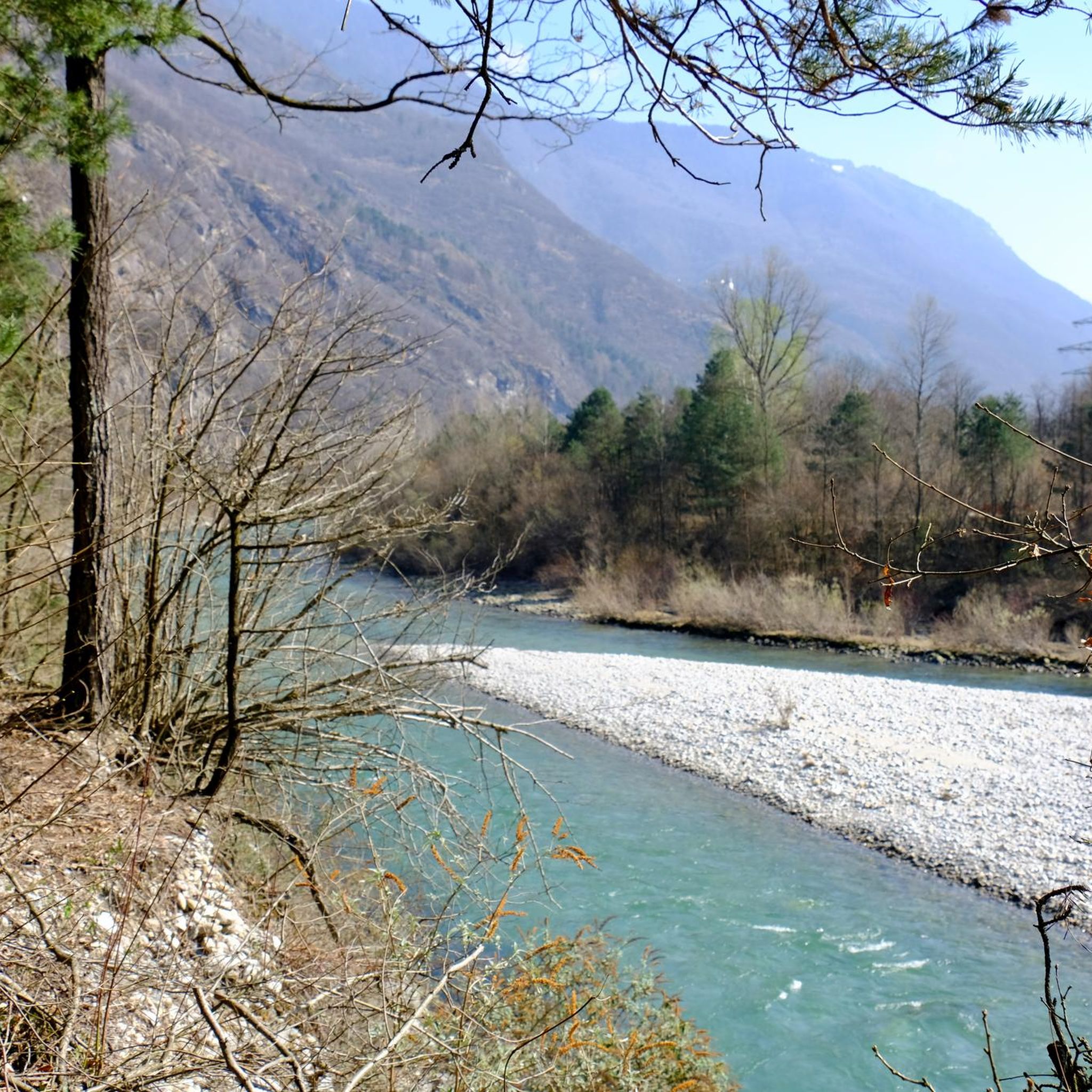
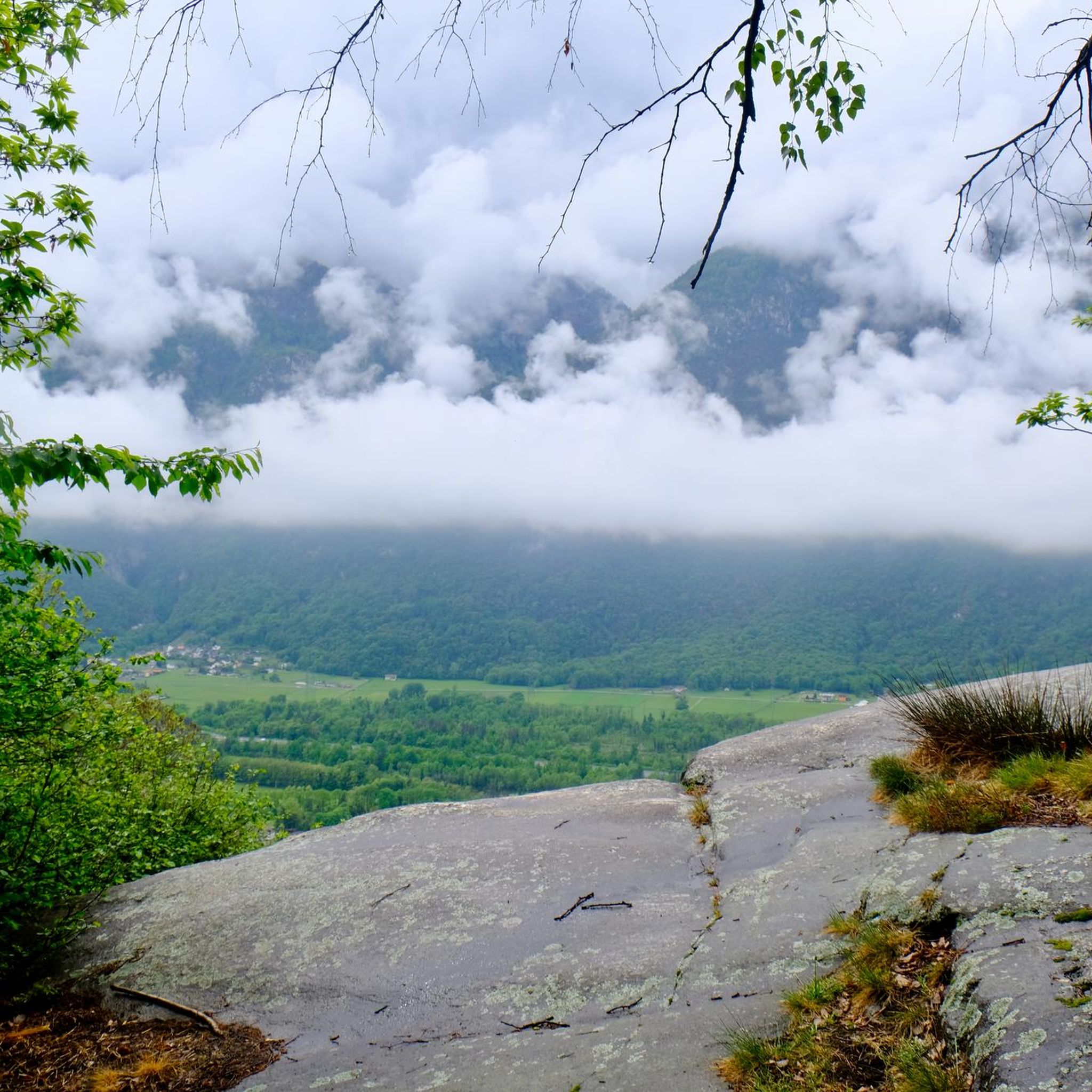
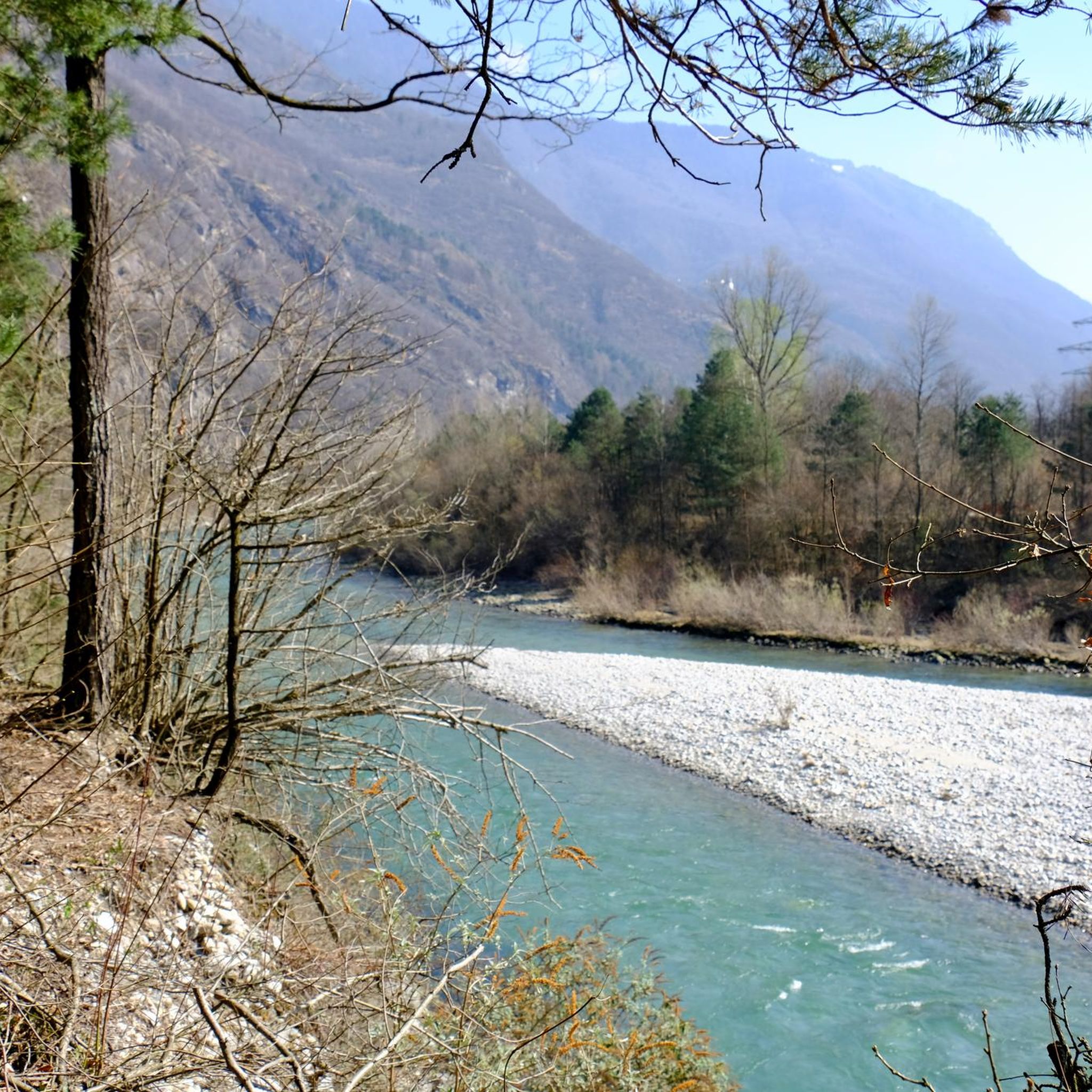
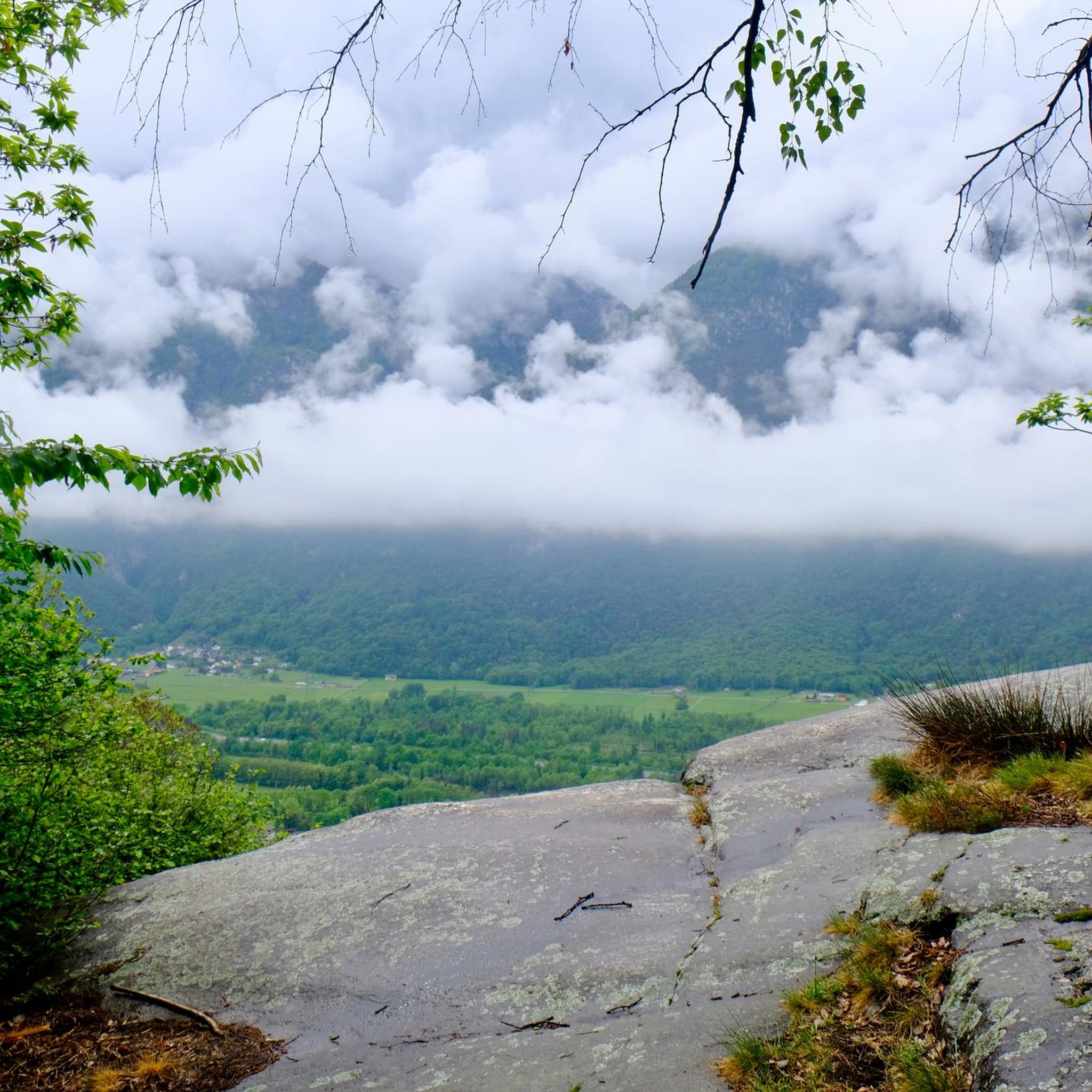
Tips from the Community

Given it's a north facing be prepared to find patches of loose snow even at the beginning of the summer season. Always double check snow conditions on SLF snow map website (https://whiterisk.ch/en/conditions/snow-maps/snow_depth)
0
0

If the snow line drops, there will be snow on the Moleno Valley side, and it won't melt away quickly (the sun doesn't even shine in October). This makes this route on the steep slope truly challenging without spikes or poles. The descents from both sides, in particular, should be approached with extreme caution.
0
0

The Bocchetta di Rognoi is a mountain pass in the municipality of Verzasca in the canton of Ticino. It is located at an altitude of 2219 meters above sea level between the Pizzo di Vogorno (2442m above sea level) and the Madon (2395m above sea level). The pass forms a connection between the Val della Porta in the south and the Val Carecchio to the north, both side valleys of the Verzasca Valley. The path over the Butta di Rognoi is marked as a white-red-white mountain hiking trail. The nearest mountain hut is the Capanna Borgna on the south side of the pass, from which there are hiking options to the Bochete di Cazzann (Butta Cazzane) and further to the Valle di Moleno as well as to the Passo di Ruscada (and from there to the Magadino plain).
0
0

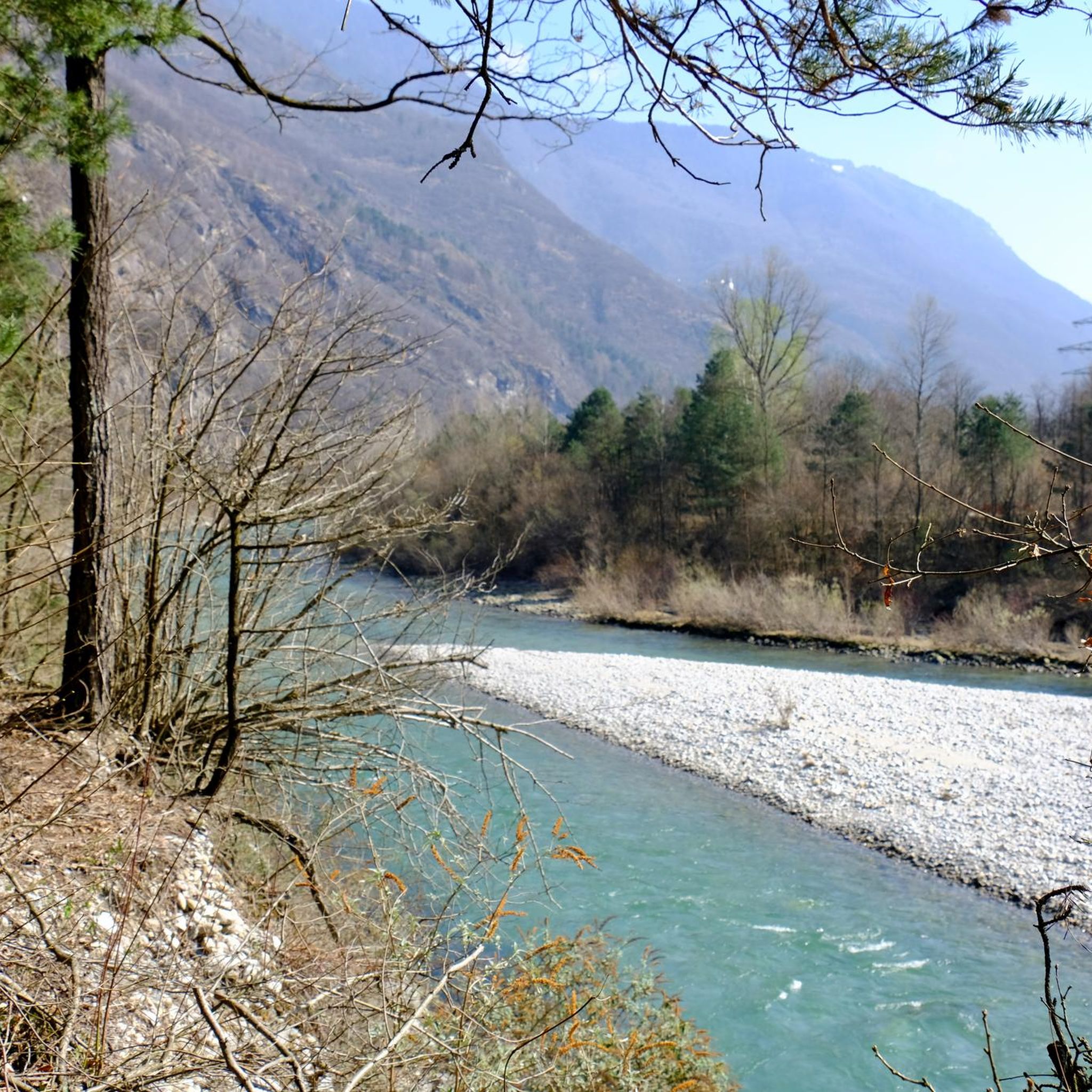
Bocchetta d'Erbea is located between the Gaggio valley and the Molena valley. It is a narrow opening in the rock that divides two very different valleys. The Gaggio valley is green, that of Molena is mainly stony.
1
0

Long climb up the pass, but really beautiful and very pleasant to ride
0
1

Very nice pass, drive and enjoy
0
1

Compared to other passes in the Calanca massif, this transition is easy from an alpine point of view, especially if you can drive to Alp de Bec-Sot by car or alpine taxi. Since the area is relatively lonely, the alpine vegetation can be enjoyed all the more.
1
0

Heading south to the Alps for the first Control Point of the Race, TCRNo9 riders face a parcours that follows in the millenia-old tracks of pass-storming armies and traders — zig-zagging across the Swiss and Italian borders, over the high cols and through the steeply-gorged valleys of the now famous San Bernardino and Splugen Passes, before plunging to Chiavenna at the foot of the Maloja Pass. 2023 marks the 200-year anniversary of the modern road over the Passo dello Spluga. Here riders will free route from the end of the parcours to Control Point 1 in Livigno. Perched high in the Italian Alps, the location will force racers to remain in the mountains en route to Control Point 2. Livigno’s name stems from the old German word for ‘avalanche’ — a reminder to riders not to underestimate conditions here, something they will do at their peril as they traverse some of the highest paved roads in the region before being deposited at the foot of the mighty Stelvio National Park.
0
0
Frequently Asked Questions
What are some of the most notable mountain passes around Cresciano?
The region around Cresciano features several significant mountain passes. Among them are Erbea Pass, known for its narrow rock opening dividing green and stony valleys, and Bocchetta di Rognoi, a challenging pass at 2219 meters connecting Val della Porta and Val Carecchio. Another is Passo di Bri, located at 2431 meters in the Ticino Alps, which is part of a ridge hike.
Are there challenging mountain passes for experienced hikers near Cresciano?
Yes, several passes offer challenging routes for experienced hikers. Erbea Pass, for instance, can be particularly challenging with snow on the Moleno Valley side. Bocchetta di Rognoi is also categorized as challenging. Beyond specific passes, peaks like Pizzo di Claro (2727m) and Cima dell'Uomo offer demanding ascents with steep, unstable terrain, including sections with chains and iron steps.
What natural features and viewpoints can I expect to see around the mountain passes?
The mountain passes and surrounding areas offer stunning natural features and panoramic viewpoints. For example, the San Bernardino Pass features lovely small ponds and glacial streaks, culminating in the magnificent Moesola mountain lake. The Motto della Croce viewpoint provides expansive views from Lake Maggiore across Bellinzona to Biasca. Cima del Gaggio, accessible from Capanna Albagno, offers fantastic panoramic views of the snow-capped Alpine giants and central Ticino.
What is the best time of year to visit the mountain passes around Cresciano?
For hiking and exploring the mountain passes, the best time of year is generally from late spring through early autumn (May to October), when the weather is milder and trails are more accessible. Some passes, like Erbea Pass, can retain snow on certain sides well into the season, making autumn, winter, and early spring more challenging without proper gear.
Are there any family-friendly activities or passes near Cresciano?
While the mountain passes themselves are often challenging, the broader region around Cresciano offers family-friendly outdoor activities. For instance, the Boggera Canyon (Val Cresciano Inferior) provides family-friendly canyoning options with guided tours, jumps, and slides into clear pools. For hiking, consider exploring the general hiking routes around Cresciano, which may offer more moderate options, though specific family-friendly passes are not explicitly highlighted.
What outdoor activities can I do near these mountain passes?
Beyond exploring the passes themselves, the Cresciano region is a hub for various outdoor activities. You can find numerous hiking trails, such as the 'From Moleno to the Alpe di Ripiano' or the 'Pizzo di Claro Loop'. There are also options for gravel biking, with routes like the 'Tenero–Bellinzona Cycle Path – Magadino Plain loop'. For more details on these activities, you can explore the Hiking around Cresciano guide or the Gravel biking around Cresciano guide.
What is the terrain and elevation like on the mountain passes?
The terrain around Cresciano's mountain passes is typically mountainous, featuring high-altitude ascents and varied landscapes. Passes like Bocchetta di Rognoi reach 2219 meters, and Passo di Bri is at 2431 meters. The terrain can range from green valleys to stony, steep slopes, and some routes involve challenging sections with chains and iron steps, as seen on peaks like Cima dell'Uomo.
Are there any historical or cultural points of interest near the mountain passes?
While the passes are primarily natural features, the San Bernardino Pass has historical significance as an ancient route. Near the pass, you can find the Hospiz St. Bernhardin, which now serves as a Gasthaus. The broader Ticino region has a rich history, and exploring the villages and towns connected by these passes can offer cultural insights.
What are some popular hiking routes that incorporate mountain passes in the Cresciano region?
Many popular hiking routes in the region incorporate or lead to mountain passes. For instance, the path over Bocchetta di Rognoi is marked as a white-red-white mountain hiking trail, with connections to Capanna Borgna. The Passo di Bri is part of a ridge hike from Capanna Fümegna to Bocchetta dello Scaiee. For more general hiking ideas, refer to the Hiking around Cresciano guide.
What makes the Cresciano region unique for outdoor enthusiasts?
The Cresciano region is unique for its diverse outdoor offerings. While known globally for world-class bouldering on high-quality gneiss rock and thrilling canyoning experiences in natural water parks like Boggera Canyon, it also provides access to high-altitude mountain passes and challenging hiking trails. This blend of activities, from climbing and water sports to alpine trekking, makes it a distinctive destination for adventure seekers.
Can I find accommodation or dining options near the mountain passes?
While specific dining and accommodation options directly on every pass are limited, the village of San Bernardino, located south of the San Bernardino Pass, offers amenities. The Hospiz St. Bernhardin near the pass also serves as a Gasthaus. In the broader Cresciano region and surrounding valleys, you will find various cafes, restaurants, and accommodation options in the villages.
Most popular routes around Cresciano
Most popular attractions around Cresciano

Get inspired with the komoot mobile app


Explore more
See even more epic mountain passes by checking out these guides around Cresciano:
