Top 5 Lakes in the Ruby Mountains
Best lakes in the Ruby Mountains are alpine lakes carved by glaciers, offering diverse experiences. This region, known for its U-shaped canyons, moraines, and granite formations, provides a dramatic backdrop for outdoor activities. The Ruby Mountains are a destination for hikers, anglers, and nature enthusiasts. Many lakes provide scenery, fishing, and opportunities for wildlife viewing.
Best lakes in the Ruby Mountains
- The most popular lakes is Liberty Lake, a lake that sits at over 10,000 feet above sea level.…
Last updated: July 1, 2026
Liberty Lake
Highlight • Lake
Tip by

Dollar Lakes
Highlight • Lake
Tip by
Sign up now to discover places like this
Get recommendations on the best single tracks, peaks, & plenty of other exciting outdoor places.
Sign up for free
Lamoille Lake
Highlight • Lake
Tip by
North Furlong Lake
Highlight • Lake
Tip by

Castle Lake
Highlight • Lake
Tip by
Start today with a free account
Your next adventure awaits.
Login or Signup
Popular around Ruby Mountains
Tips from the Community

Moderate hike with plenty of views and chance of wildlife
0
0

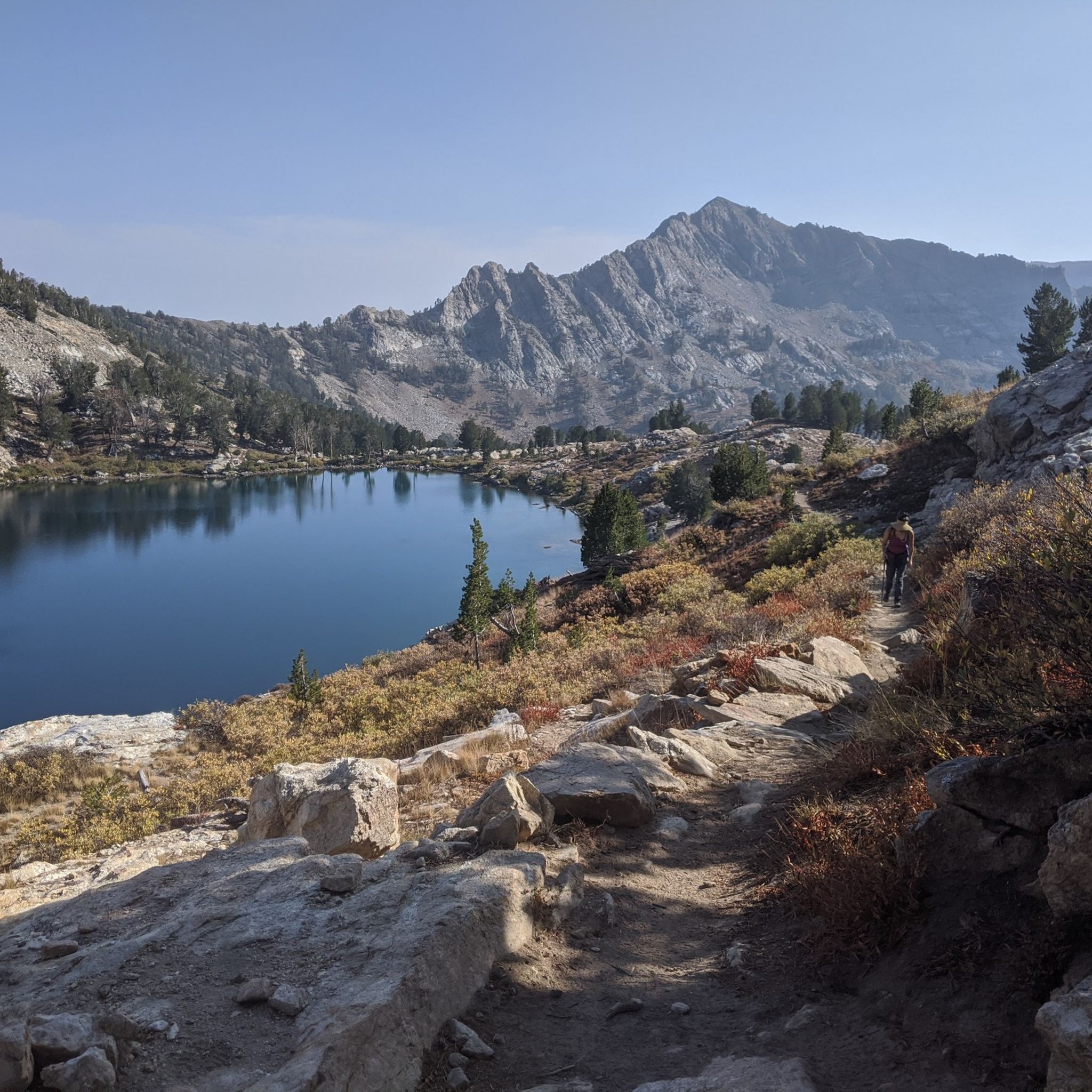
Liberty Lake sits at over 10,000 feet above sea level. This high-alpine body of water is surrounded by mountainous peaks and deep canyons. Frigid winters make it difficult for fish species to survive, so The Nevada Department of Wildlife stock Liberty Lake with different trout species.
0
0
Dollar Lakes are a group of three glacial lakes in the Ruby Mountains. Along with Lamoille Lake they are the primary sources of Lamoille Creek.
0
0
Lamoille Lake sits at an elevation of 9,747 feet and is a popular destination for day hiking and fishing.
0
0

If you have the energy for a day trip, it's a long day but memorable. An overnight is more likely the better option if you have more time.
0
0
A bit of a steep, unmaintained route to the lake but worth it. If raining or muddy it will likely be too steep and slick though.
0
0
Frequently Asked Questions
What are some of the most popular lakes to visit in the Ruby Mountains?
Many lakes in the Ruby Mountains are highly regarded for their beauty and recreational opportunities. Among them, Liberty Lake is a standout, known for its high-alpine setting and excellent fishing. Lamoille Lake is another popular choice, easily accessible and offering picturesque views. The Dollar Lakes also provide stunning mountain vistas and are a beautiful introduction to the range.
Are there family-friendly lakes or easy hikes to lakes in the Ruby Mountains?
Yes, for a relatively easy introduction to the Ruby Mountains' alpine beauty, the 3-mile hike to Island Lake is a great option, offering sweeping canyon views and abundant wildflowers. The Dollar Lakes are also accessible via an easy hike, perfect for families looking for amazing mountain views without a strenuous climb.
What is the best time of year to visit the lakes in the Ruby Mountains?
The best time to visit the alpine lakes in the Ruby Mountains is typically during the late spring, summer, and early fall months (June through September). During this period, trails are generally clear of snow, wildflowers are in bloom, and the weather is most favorable for hiking, fishing, and camping. Early season visits might encounter snow, especially at higher elevations.
What kind of wildlife can I expect to see around the Ruby Mountains lakes?
The Ruby Mountains are home to diverse wildlife. Around lakes like Echo Lake, you might spot Rocky Mountain Bighorn Sheep, Mountain Goats, Mule Deer, Beavers, and pika. The region is also known for birds like the Himalayan Snowcock. Keep an eye out for various bird species, especially around the marshland areas of Ruby Lake National Wildlife Refuge.
Are there opportunities for fishing in the Ruby Mountains lakes?
Absolutely. Many lakes in the Ruby Mountains are excellent for fishing. Echo Lake is notable for containing Lake Trout and Brook Trout. Liberty Lake and Lamoille Lake are regularly stocked with various trout species, making them popular fishing destinations. Ruby Lake, a high-elevation marshland lake, is stocked with tiger and rainbow trout, and also has brown trout, brook trout, and largemouth bass.
Can I go backcountry camping near the lakes in the Ruby Mountains?
Yes, backcountry camping is a popular activity. Liberty Lake offers flat ground suitable for several tents, making it a great spot for overnight stays. Favre Lake also has backcountry camping options, though flat spots may be fewer. Camping is also available near the mouth of Echo Lake.
Are there any loop trails that include multiple lakes in the Ruby Mountains?
Yes, several lakes are often part of longer loop trails. For instance, Castle Lake is frequently visited as part of a larger loop that includes Snow and Favre Lakes, offering picturesque scenery and a more extensive hiking experience. The Ruby Mountains Wilderness provides a dramatic backdrop for these multi-day treks.
What are some challenging lake hikes for experienced hikers?
For experienced hikers, the trek to North Furlong Lake is considered a challenging day trip or an ideal overnight option due to its length and terrain. The route to Castle Lake can also be steep and unmaintained, making it a more difficult but rewarding hike, especially in dry conditions.
Are permits required for hiking or camping near the lakes?
Generally, permits are not required for day hiking in the Ruby Mountains. However, for overnight backcountry camping, it's always advisable to check with the Humboldt-Toiyabe National Forest for the most current regulations regarding permits, fire restrictions, and Leave No Trace principles, especially within the Ruby Mountains Wilderness area.
What unique geological features can be observed around the Ruby Mountains lakes?
The Ruby Mountains are often called the 'Nevada Alps' due to their stunning alpine landscape. The lakes themselves are carved by glaciers, nestled within U-shaped canyons, moraines, and hanging valleys. You'll observe steeply carved granite formations and impressive cirques, such as the gorgeous alpine cirque surrounding Liberty Lake.
What outdoor activities can I do near the lakes in the Ruby Mountains?
Beyond visiting the lakes themselves, the Ruby Mountains offer a range of outdoor activities. You can explore various hiking trails, including the challenging Castle Lake Loop, the moderate Liberty Lake Trail, or the easier Dollar Lakes trail. The region is also popular for fishing, wildlife viewing, and photography.
Is it possible to go wild swimming in any of the Ruby Mountains lakes?
While not explicitly designated for swimming, many of the alpine lakes in the Ruby Mountains are pristine and offer refreshing dips, especially during warmer summer months. Be aware that these are high-elevation glacial lakes, so the water temperatures are typically very cold. Always exercise caution and be mindful of your safety and the delicate ecosystem.
Are there any lakes that offer exceptional stargazing opportunities?
Yes, due to their remote, high-alpine locations and minimal light pollution, several lakes in the Ruby Mountains provide excellent stargazing. Liberty Lake and Favre Lake are particularly noted for offering serene wilderness experiences with fantastic opportunities to view the night sky.
Most popular routes in the Ruby Mountains
Most popular attractions in the Ruby Mountains

Get inspired with the komoot mobile app


