Attractions and Places To See around Gáfete - Top 12
Attractions and places to see around Gáfete, a village in the municipality of Crato, Portugal, offer a blend of historical, cultural, and natural sites. This region is characterized by its tranquil Alentejo landscape, featuring gently undulating terrain dotted with holm oaks and cork oaks. Visitors can explore ancient archaeological sites, significant religious architecture, and immerse themselves in local culture. Gáfete provides a range of landmarks and natural features for exploration.
Best attractions and places to see around Gáfete
- The most…
Last updated: May 10, 2026
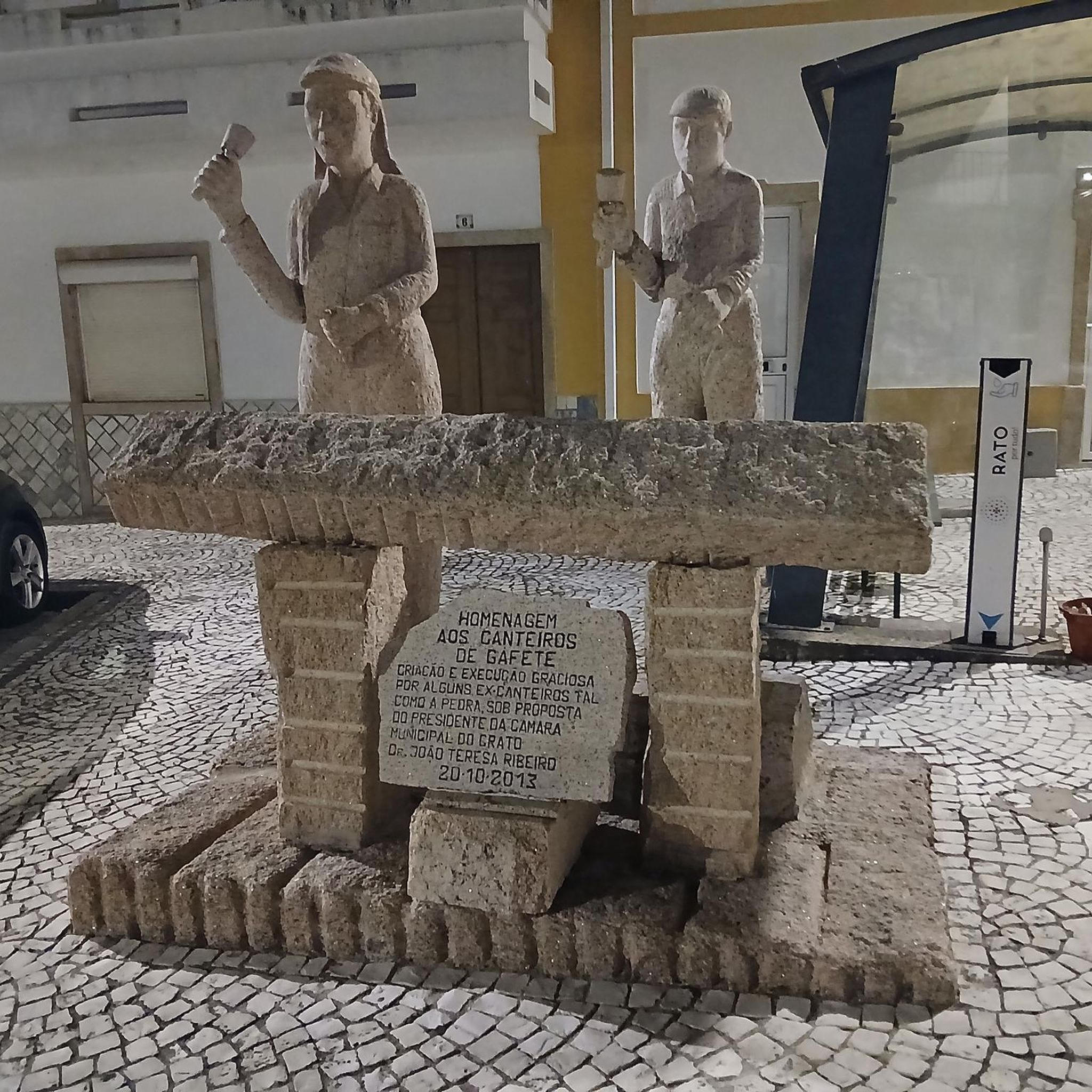
Tribute to the cobblestone pavers of Gafete
Highlight • Monument
Translated by Google •
Tip by

Praça da República, Nisa
Highlight • Settlement
Translated by Google •
Tip by

Sign up now to discover places like this
Get recommendations on the best single tracks, peaks, & plenty of other exciting outdoor places.
Sign up for free
Ruinha de Santa Maria
Highlight • Settlement
Translated by Google •
Tip by
Nisa/Lage da Prata Plateau and Ancient Stone Structures
Highlight (Segment) • Historical Site
Translated by Google •
Tip by

Ruins
Highlight • Historical Site
Tip by

Sign up for free to discover even more attractions around Gáfete.
Sign up for free
Already have an account?
Start today with a free account
Your next adventure awaits.
Login or Signup

Tips from the Community

Many benches to sit on but also to collect money
3
0

The chafurdão is a traditional dry-stone shelter with a false dome, typical of the region’s vernacular heritage. Though most surviving examples are recent (the oldest dated to 1733), they follow ancient construction techniques. Oriented toward sunrise, these structures include ventilation and lighting through wall openings. Built for temporary use by farmers and shepherds, they often have walled pens and a compact earth-covered roof stabilized by stone capping.
0
0

One of the most common occupations in Gáfete is paving. The profession and trade of paving streets, squares, plazas, gardens, and other public and private spaces. Aware that this is an artistic and nomadic profession, the pavers of the town of Gáfete are recognized in our region and beyond as professionals of excellence in laying pavements using various types of rock, such as granite, limestone, basalt, etc.” This trade has been practiced by the people of Gáfete since the mid-19th century, as some of them who are older report. Therefore, the Parish Council of Gáfete “decided to offer a plaque to the businessmen/contractors under its supervision, other workers who carry out this “noble” profession, identifying their hometown, humbly but proudly “PAVING MEN FROM THE TOWN OF GÁFETE”.” (Source: https://www.google.com/url?sa=t&source=web&rct=j&opi=89978449&url=ht (F
13
0


Nisa's main public place. Very ciudado and ample with spaces of leisure.
4
0

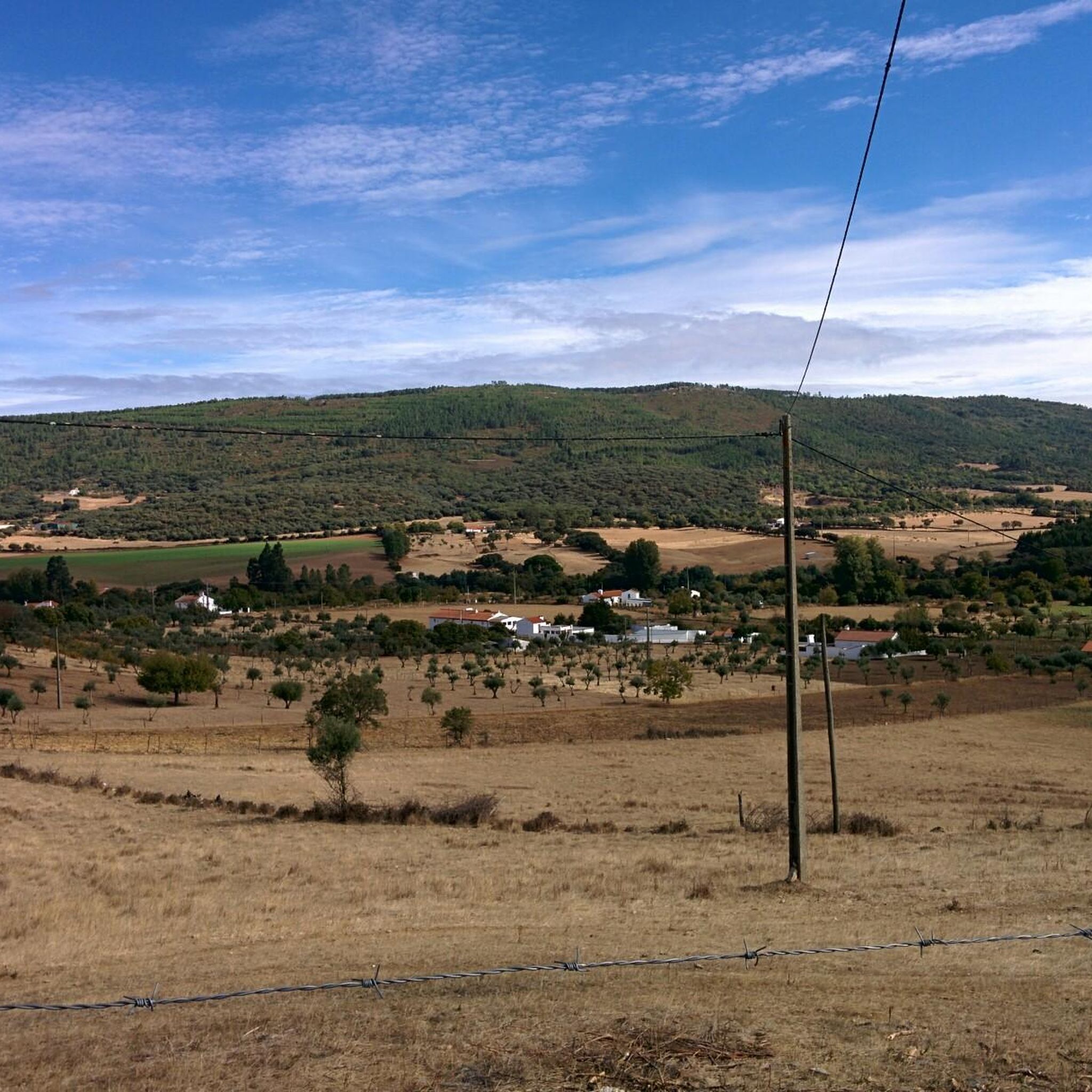
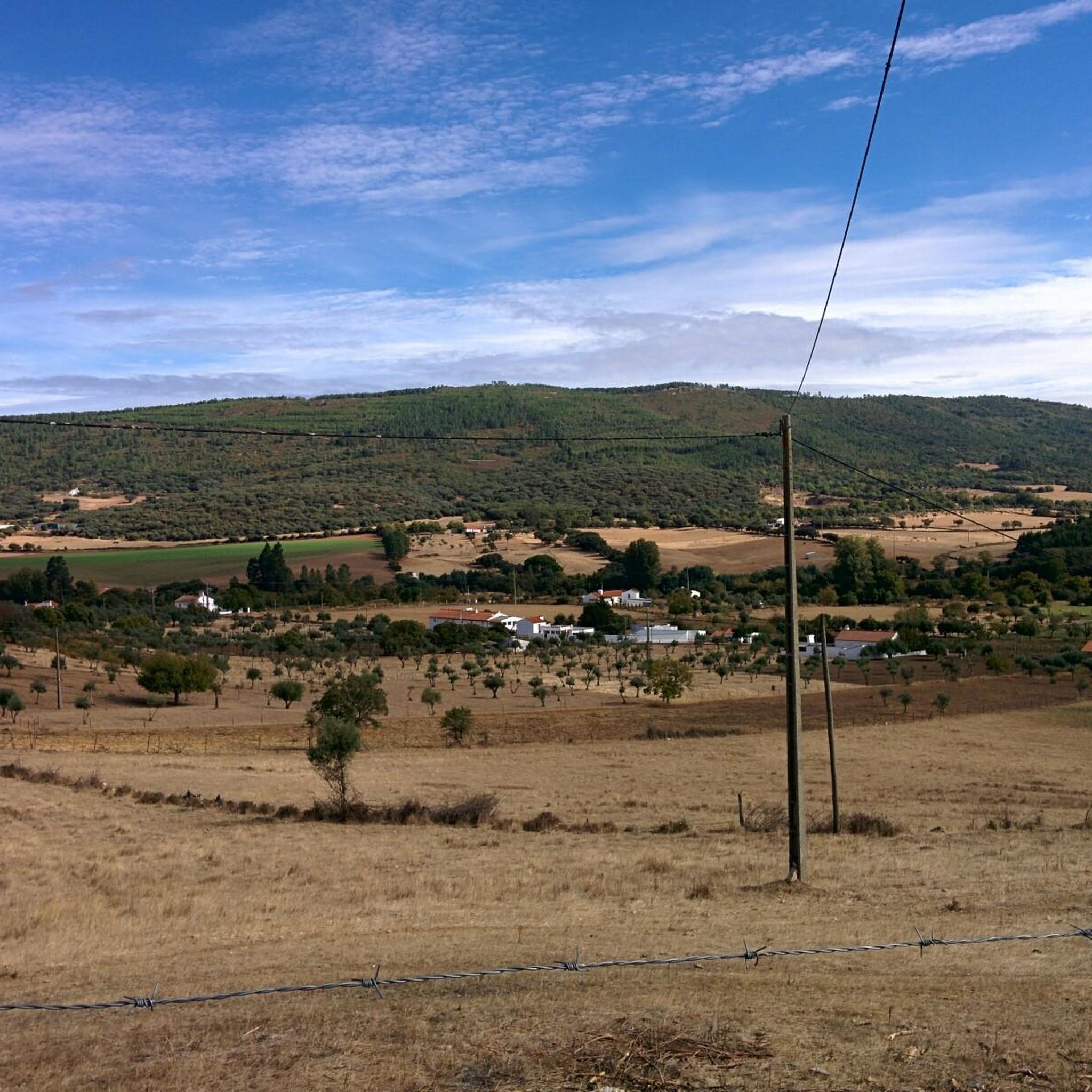
Wonderful route with beautiful vegetation, at the moment blooming gorse, many rounded rocks, partly piled up. There are menhirs, dolmens and ancient dwellings along the route. We were quite surprised by the mysterious atmosphere and the silence over this area.
1
0
Street decorated as if it were a stoned jug from Nisa. Interesting.
3
0
Frequently Asked Questions
What historical and archaeological sites can I explore around Gáfete?
Gáfete and its surroundings are rich in history. You can visit the ancient Gáfete Dolmen (Anta de Gafete), a significant Neolithic megalithic structure. Further afield, explore the Nisa/Lage da Prata Plateau and Ancient Stone Structures, which features menhirs, dolmens, and ancient dwellings. In the wider Crato municipality, don't miss the Roman Villa of Granja and the Necropolis of Laje do Ouro for insights into Roman history.
Are there any notable cultural or religious landmarks in Gáfete?
Yes, Gáfete is home to the 16th-century Gáfete Parish Church, dedicated to St. John the Baptist, which is a significant piece of religious heritage. The Gáfete Cultural Center serves as a vibrant hub for local arts and traditions, while the Recreio Society of Gáfete is a central gathering point for community life and celebrations. You can also see the Tribute to the cobblestone pavers of Gafete, recognizing a long-standing local craft.
What natural features characterize the landscape around Gáfete?
The area around Gáfete is defined by the tranquil Alentejo Landscape, featuring gently undulating terrain dotted with holm oaks and cork oaks. It's part of the Tajo coastal river catchment, with the Sorraia river nearby. The Albufeira da Póvoa, a reservoir approximately 12.7 km away, is the nearest significant body of water, offering a peaceful natural setting.
What kind of outdoor activities can I do near Gáfete?
The region offers various outdoor activities, especially cycling. You can find numerous routes for different preferences. For road cycling, explore the Road Cycling Routes around Gáfete. If you prefer mountain biking, check out the MTB Trails around Gáfete. For general cycling tours, there are options available in the Cycling around Gáfete guide.
Are there any family-friendly attractions or activities in the area?
While specific family-friendly trails are not highlighted, the general tranquility of the Alentejo landscape and the open spaces like Praça da República, Nisa, with its leisure areas, can be suitable for families. Exploring unique cultural spots like Ruinha de Santa Maria, with its charming decorated street, can also be an engaging experience for all ages.
What are some unique or 'hidden gem' attractions near Gáfete?
A truly unique spot is Ruinha de Santa Maria, a small, hidden street in Nisa decorated to resemble a stoned jug, offering a distinctive aesthetic. Another fascinating 'hidden gem' is the Ruins (Chafurdão), which are traditional dry-stone shelters with false domes, showcasing ancient construction techniques and vernacular heritage.
What is the best time of year to visit Gáfete for outdoor activities?
The Alentejo region generally experiences hot, dry summers and mild winters. For outdoor activities like hiking and cycling, spring (April-May) and autumn (September-October) offer the most pleasant weather with comfortable temperatures and blooming landscapes or vibrant fall colors. Winter can also be suitable for milder activities, while summer might be too hot for strenuous outdoor pursuits.
Are there any attractions that are wheelchair accessible?
Yes, some attractions are noted for their accessibility. Tribute to the cobblestone pavers of Gafete and Praça da República, Nisa are both categorized as wheelchair accessible, making them suitable for visitors with mobility needs.
What can I expect when visiting the Nisa/Lage da Prata Plateau?
The Nisa/Lage da Prata Plateau and Ancient Stone Structures offers a wonderful route through beautiful vegetation, including blooming gorse and many rounded rocks. It's a historical site where you can discover menhirs, dolmens, and ancient dwellings, creating a mysterious and silent atmosphere that visitors find quite surprising and reflective.
Where can I experience local community life and traditions in Gáfete?
To experience local community life, visit the Recreio Society of Gáfete, which is centrally located and serves as a key gathering point for celebrations and strengthening community bonds. The Gáfete Cultural Center also plays a vital role in preserving intangible heritage and celebrating local identity through various art forms and cultural exchanges.
Are there any significant religious architectural sites in the wider Crato municipality?
Beyond Gáfete's Parish Church, the wider Crato municipality features several important religious architectural sites. These include the impressive Flor da Rosa Monastery and the prominent Church of Our Lady of the Conception (Crato Main Church), both offering insights into the region's rich religious history and architectural styles.
What kind of civil architecture can be found near Gáfete?
In the broader Crato municipality, you can find notable examples of civil architecture such as the Monte do Prado Bridge (Old Bridge of Prado) and the Grand Prior's Balcony. These structures offer a glimpse into the historical engineering and design of the region.
Most popular routes around Gáfete

Get inspired with the komoot mobile app


Explore more
Still not found the Highlight you’re looking for? See guides of the top attractions in other regions:
