Top 20 Caves in Sardinia
Best caves in Sardinia reveal a subterranean world within an island known for its diverse landscapes and ancient history. This Italian island features a coastline with dramatic cliffs and a rugged interior, shaped by millennia of geological activity. The island's karst topography has created numerous grottoes and caverns, offering insights into natural formations and historical human use. These underground sites contribute to Sardinia's appeal as a destination for natural exploration.
Best caves in Sardinia
- The most popular caves is Cala Luna, a beach that features numerous small caves and crystal clear waters. It is known as a true pearl of the Mediterranean, offering shelter and a place to cool down.
- Another must-see spot is Capo Caccia Cliffs, a viewpoint and natural monument. Visitors can access the Grotte di Nettuno, a stalactite cave, via approximately 600 steps carved into the cliff.
- Visitors also love Sa Curtigia de Tiscali Cave, a natural monument and historical site. This partially covered crater introduces the prehistoric Nuragic settlement, offering a spectacular karst formation.
- Sardinia is known for marine caves, historical grottoes, and extensive karst systems. These include sea caves accessible by boat, inland caves with impressive stalactite and stalagmite formations, and sites with archaeological significance.
- The caves in Sardinia are appreciated by the komoot community, with more than 580 upvotes and over 440 photos shared by users.
Last updated: August 22, 2026
Cala Luna
Highlight • Beach
The beauty of this bay is beyond compare. Here you can find shelter in the shade of one of the numerous caves or immerse yourself in the crystal clear waters, a true treasure of Sardinia. At the end of the bay, an oasis invites you to stop for a snack in the kiosk or for a picnic. Also watch out for bold goats grazing on the steep slopes!
If the walk back seems too challenging, you can always take a boat back to Cala Gonone or Cala Fuili.
Translated by Google •
Tip by

Capo Caccia Cliffs
Highlight • Viewpoint
Translated by Google •
Tip by

Sign up now to discover places like this
Get recommendations on the best single tracks, peaks, & plenty of other exciting outdoor places.
Sign up for free
Sa Curtigia de Tiscali Cave
Highlight • Cave
Translated by Google •
Tip by
Grotta del Bue Marino North Entrance
Highlight • Cave
Translated by Google •
Tip by

Path with Caves in Cala Goloritzé Gorge
Highlight • Trail
Translated by Google •
Tip by

San Giovanni Cave
Highlight • Cave
Translated by Google •
Tip by

Grotta delle Sirene
Highlight • Cave
Translated by Google •
Tip by

Su Marmuri Cave
Highlight • Cave
Showing Translation
Tip by

Grotta di Ispinigoli
Highlight • Cave
Translated by Google •
Tip by

Biddiriscottai Cave
Highlight (Segment) • Cave
Translated by Google •
Tip by

Sign up for free to discover even more caves in Sardinia.
Sign up for free
Already have an account?
Start today with a free account
Your next adventure awaits.
Login or Signup
Popular around Sardinia
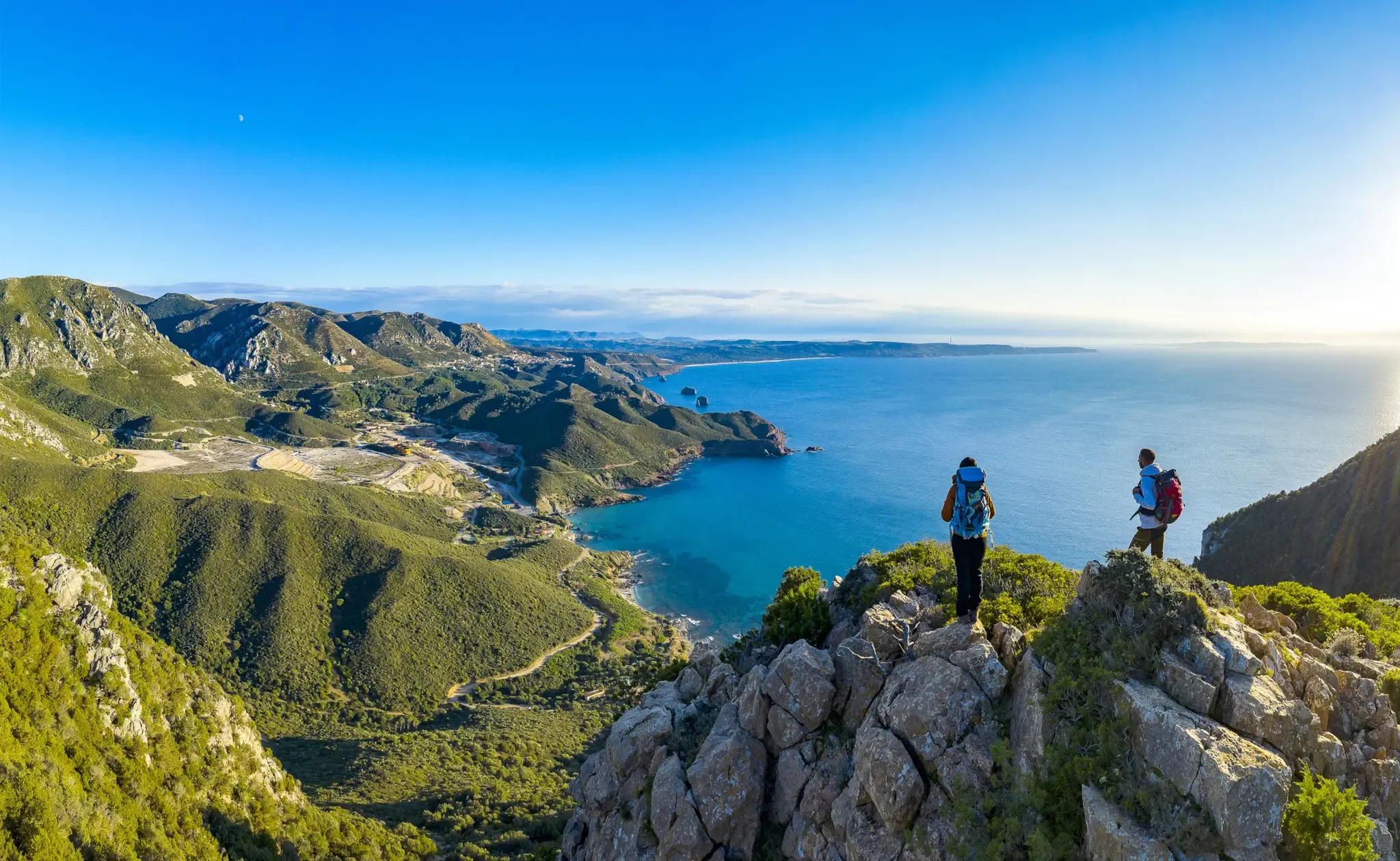
Cammino Minerario di Santa Barbara – memories of ancient Sardinia
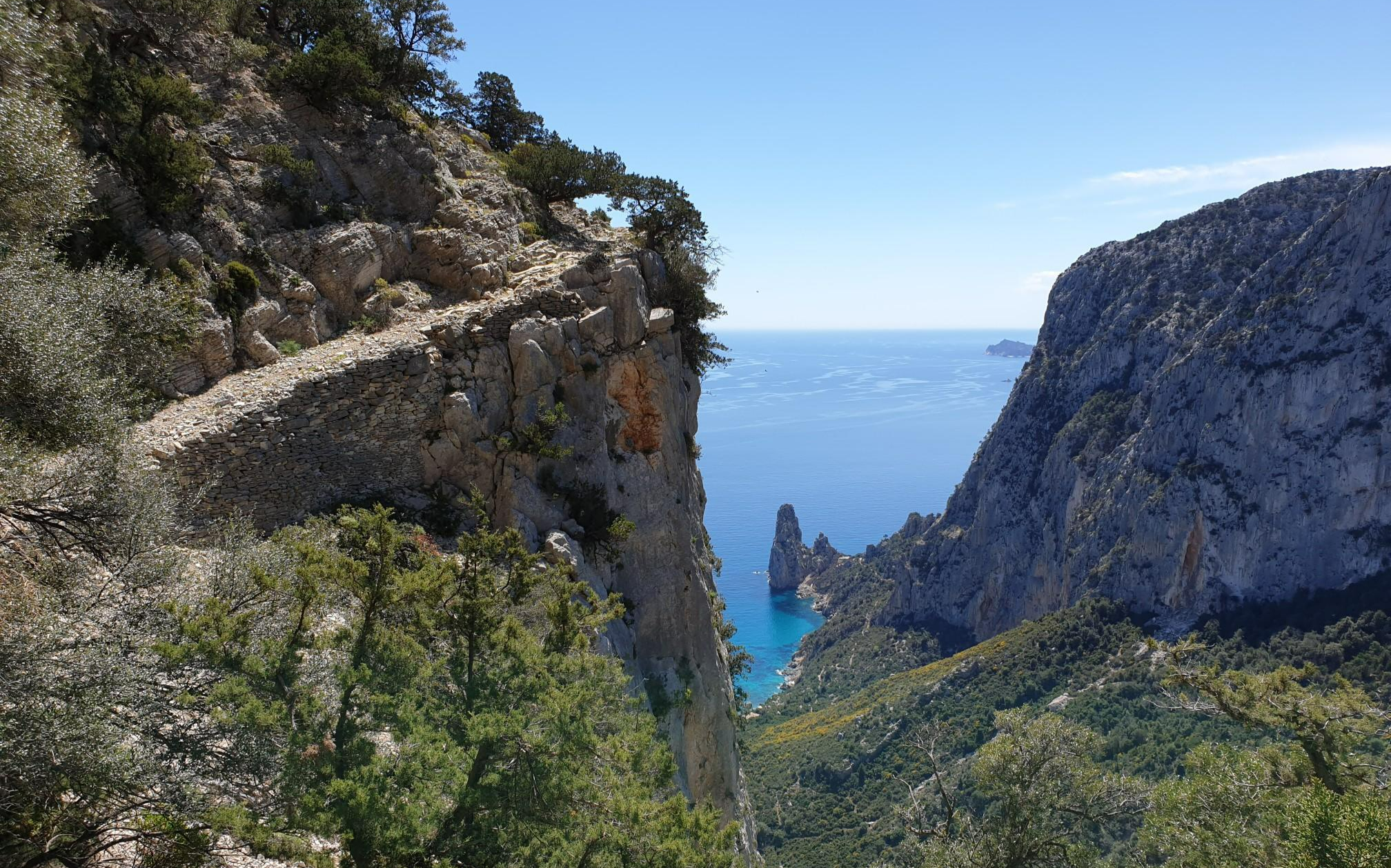
Wild Blue - an adventure overlooking the sea
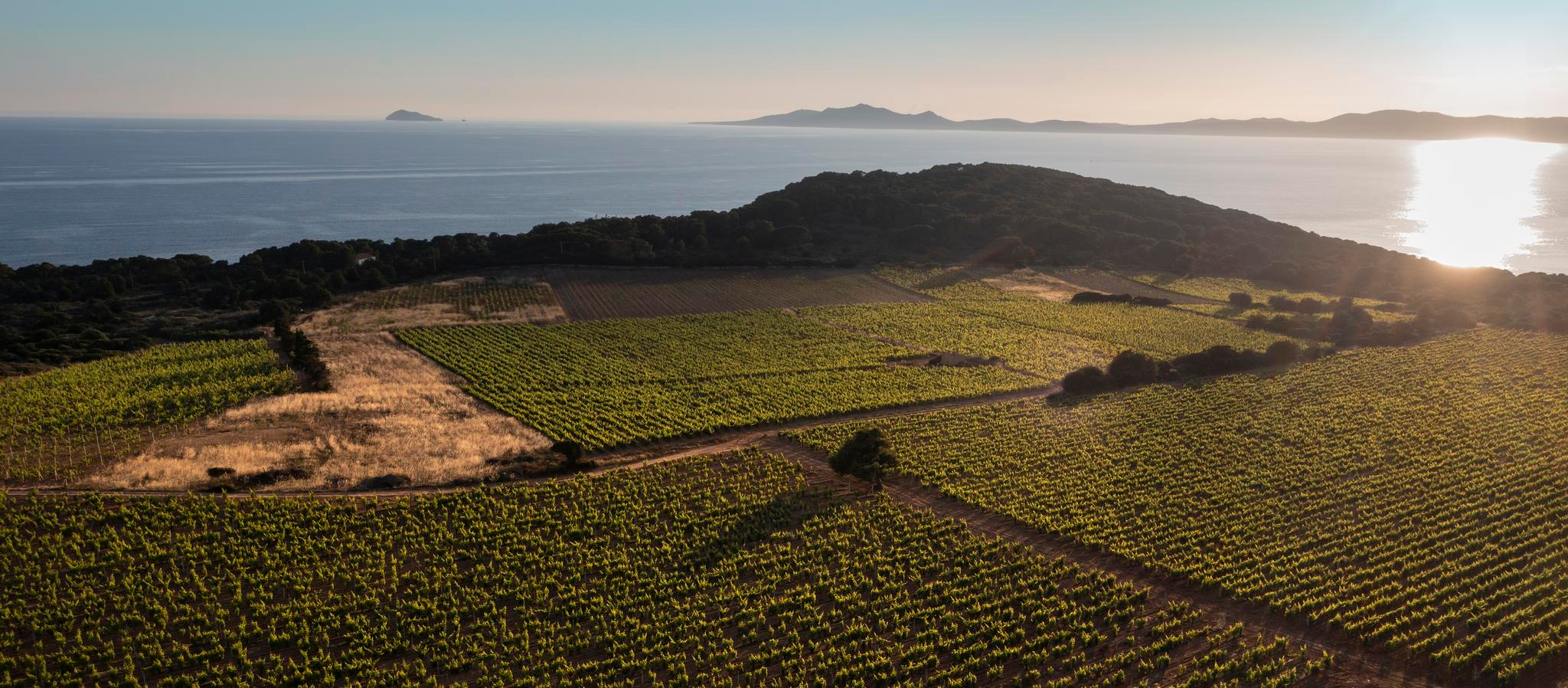
Trails among Carignano's vineyards – Cammino Minerario di Santa Barbara
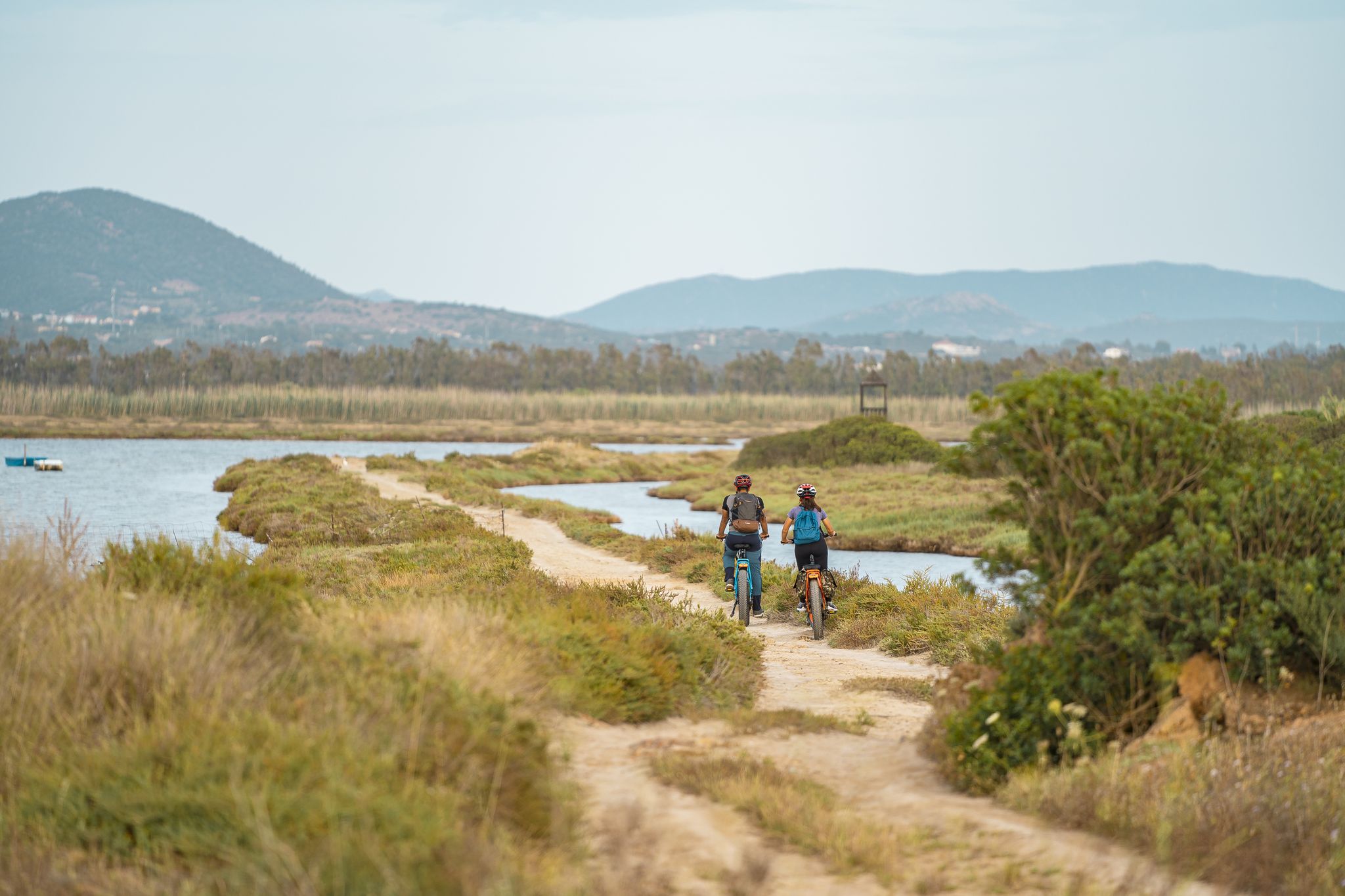
Ciclovia del Cammino Minerario di Santa Barbara
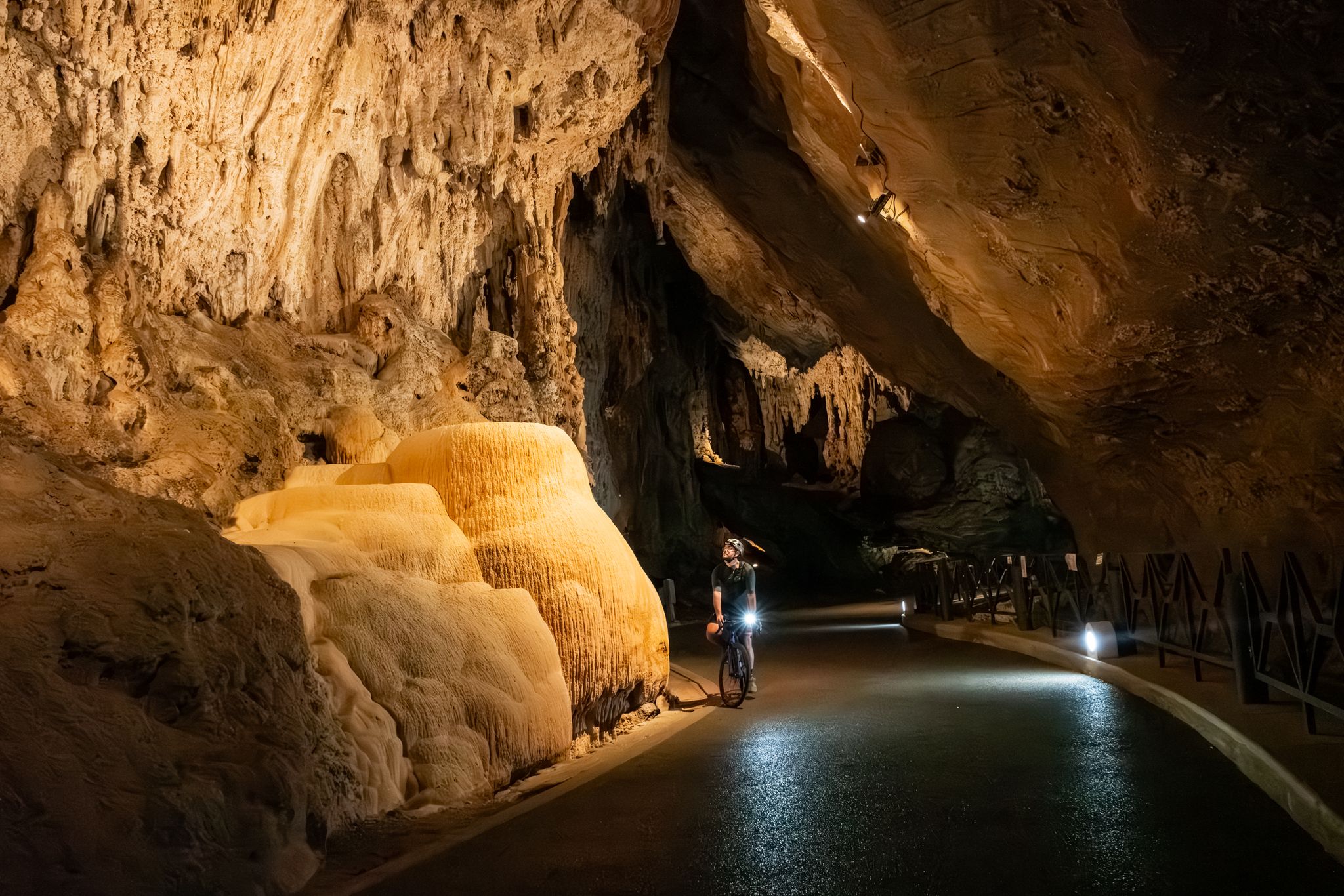
Sardinia by bike – three days in the southwest with Pietro Franzese
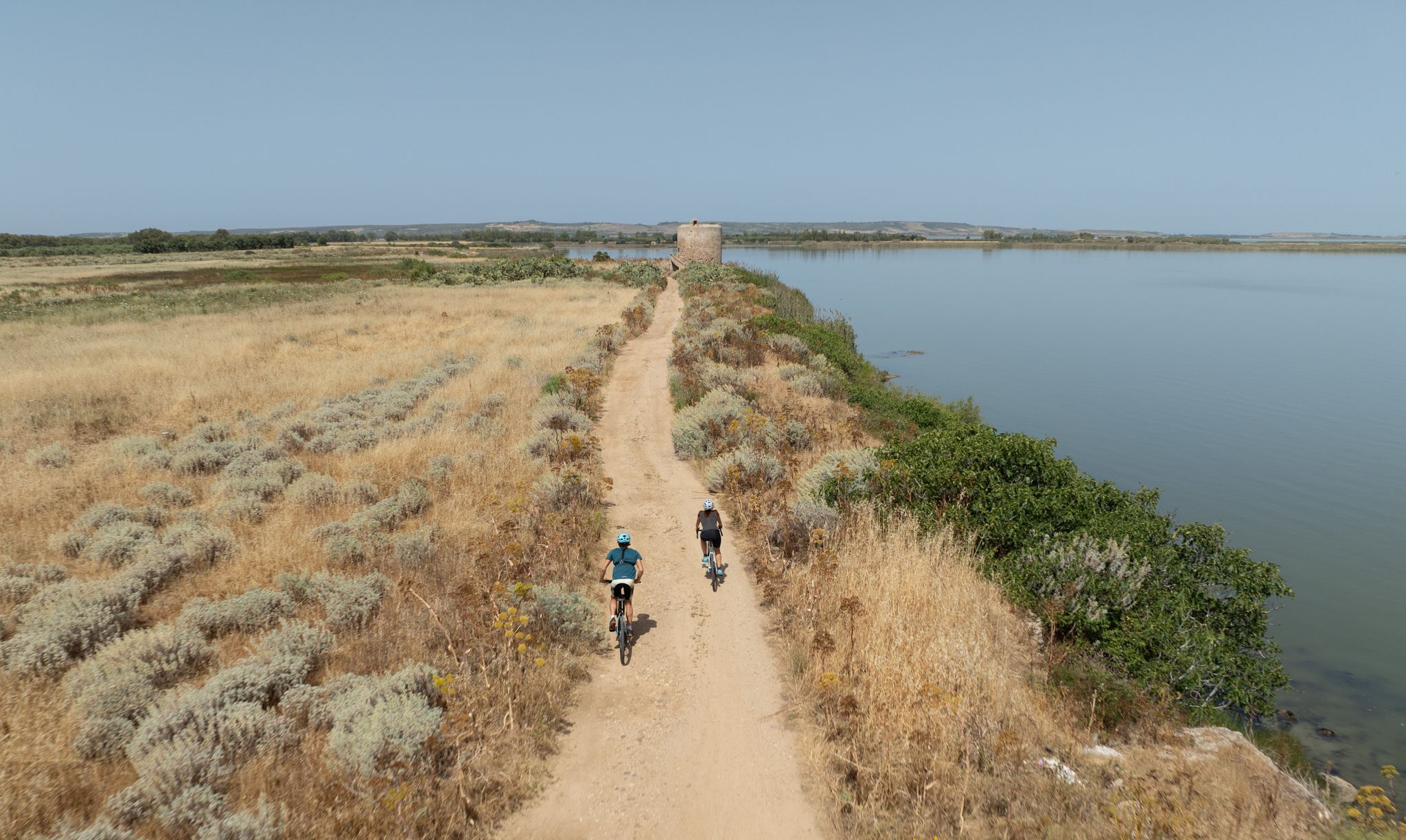
Discover wild Sardinia – 10 superb MTB Tours
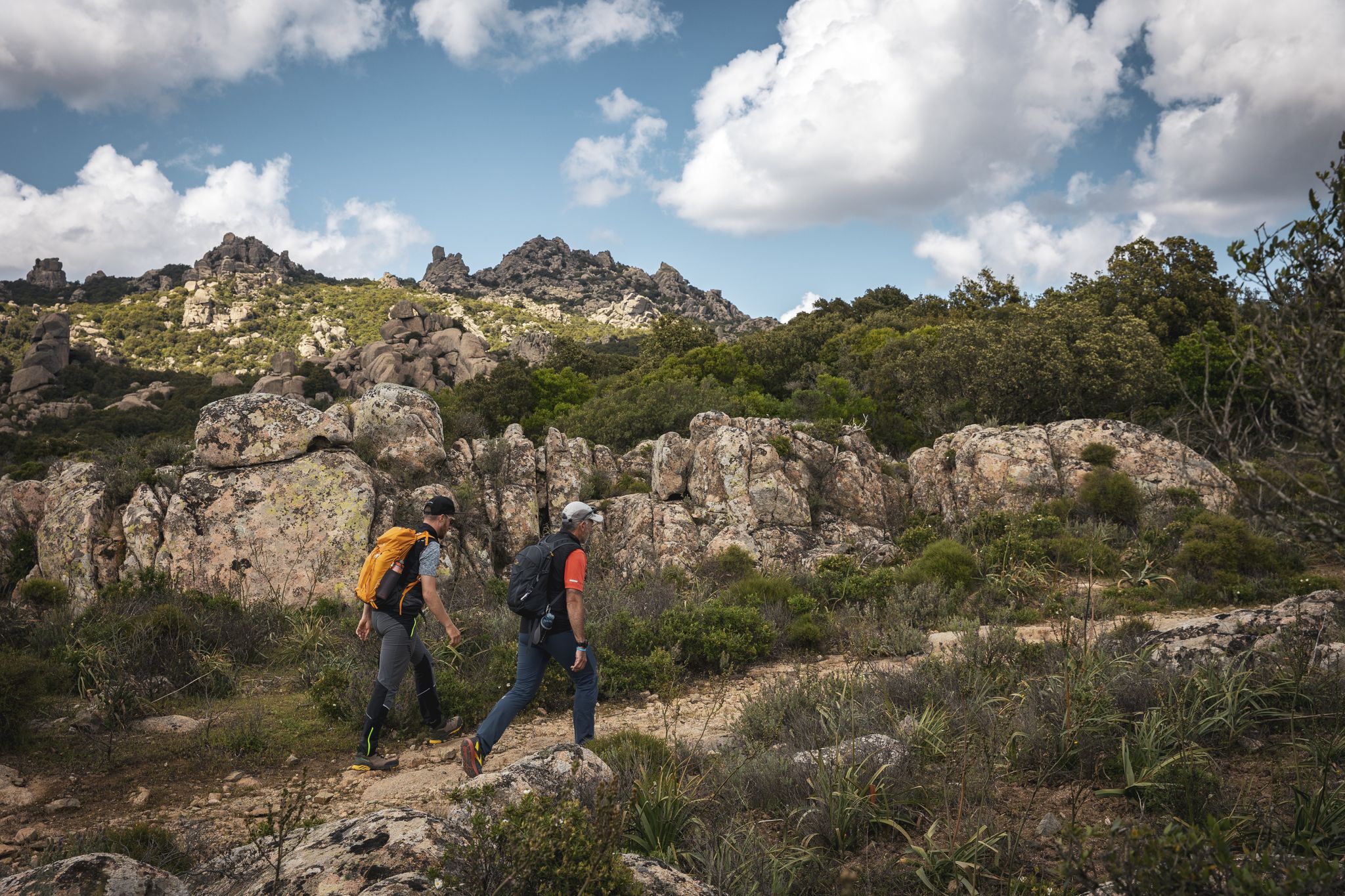
Eternal Sardinia – walks among the wonders of the hinterland
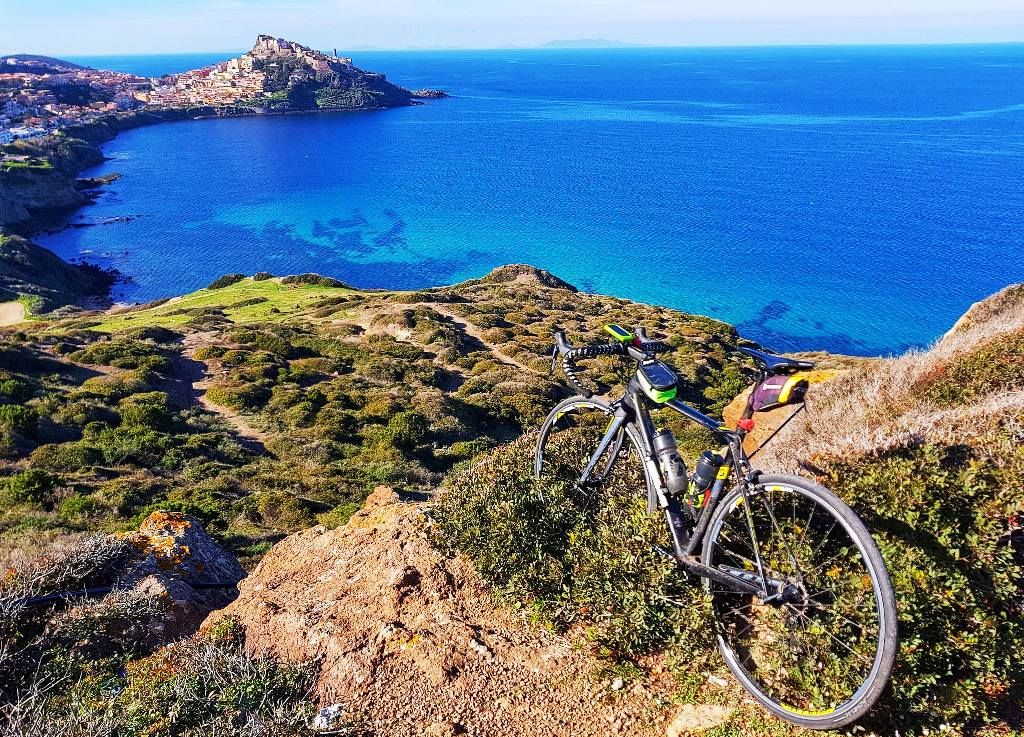
Sardinia by road bike – ten routes to discover the island
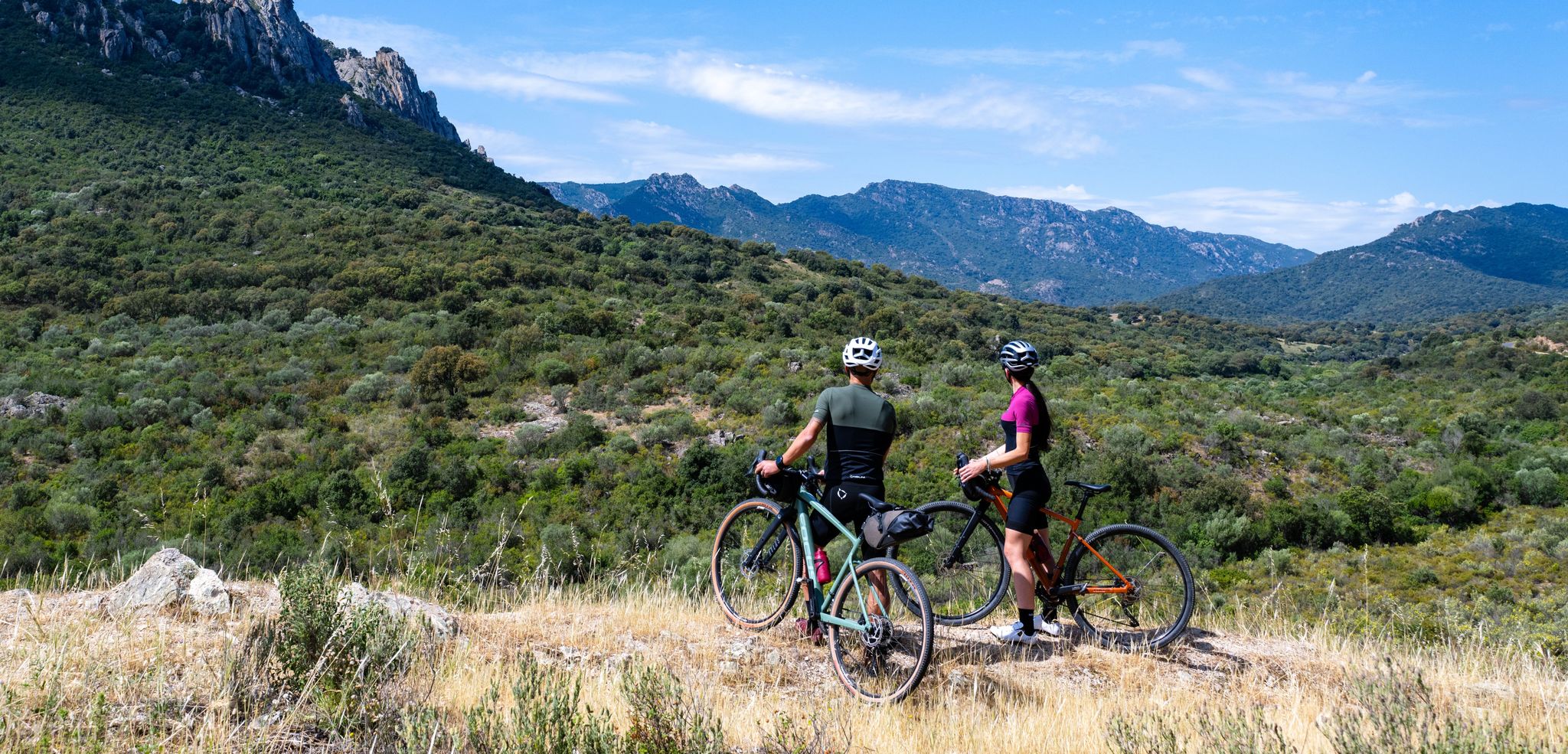
Sardinia by e-bike – enchanting landscapes and ancient culture
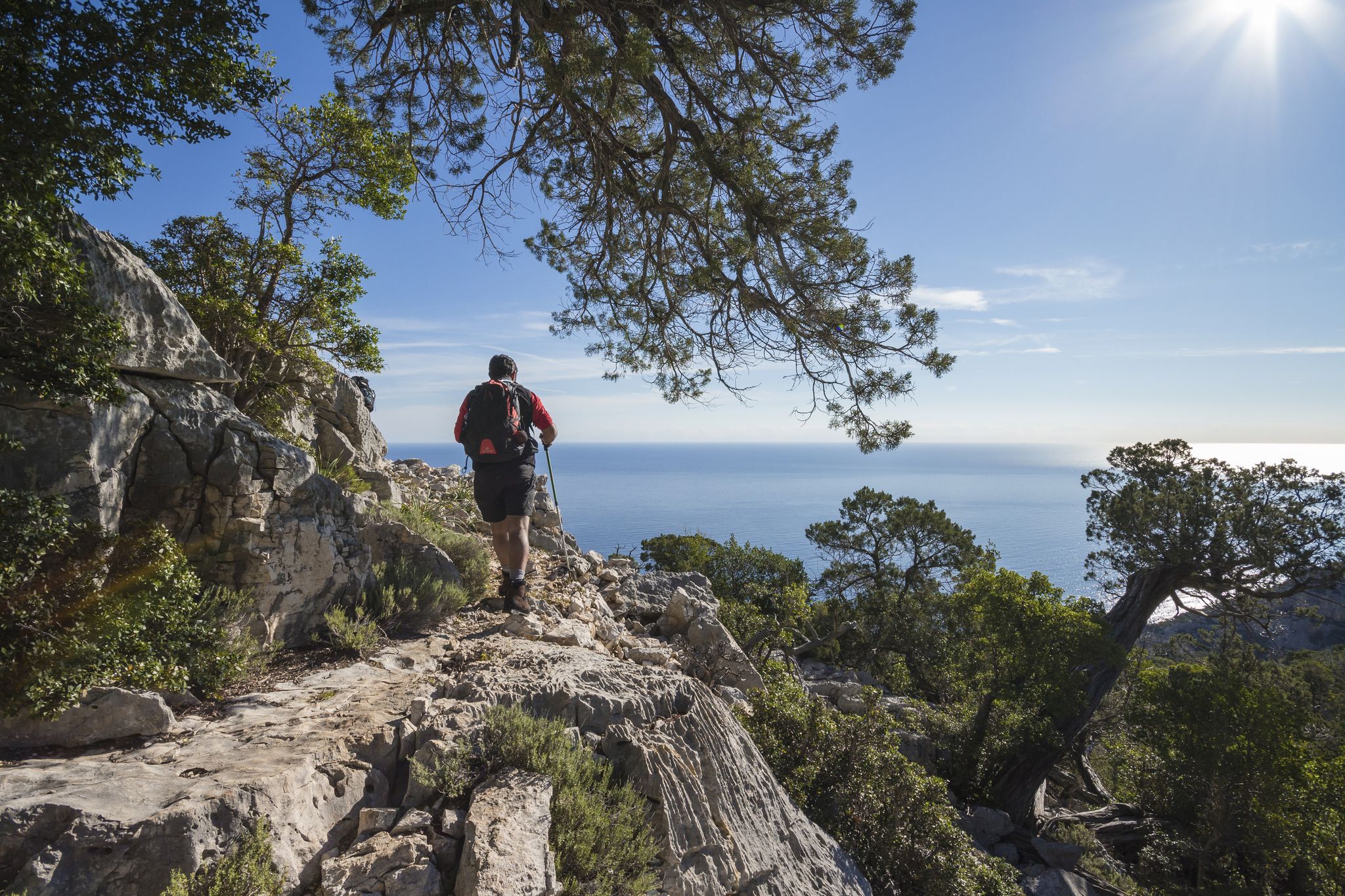
Magnificent Sardinia – day hikes overlooking the sea
Other adventures in Sardinia


Tips from the Community

Mandatory stop. The cave is absolutely spectacular and fully worth the ticket price (12€, for a 90-minute guided tour).
3
0

The evocative Grotta di San Giovanni is a geological and archaeological treasure, as well as the longest vehicle-accessible cave in the world. The cave is accessible from two sides, but the ticket office and information point are located at the main, southern entrance. Entrance is permitted only during cave opening hours. Ticket prices vary depending on the type of visit. You can find all the latest information on the website: https://www.grottasangiovanni.com/.
1
0

A former settlement, spectacularly situated in a sinkhole, of which a few walls are still visible. A short tour is available (for a fee).
0
0

A beautiful place that requires a steep climb up the rocks! Admission is now (June 2025) €6 for adults and €3 for children, cash only.
0
0
Magnificent views, bring water and suitable footwear. Follow the blue dots on the rocks if the path seems uncertain.
0
0

First, there's the magnificent rock in the magnificently shimmering sea. The grotto itself, however, is to the left of it. If you walk a little way, you'll catch a glimpse of it.
0
0

On the approximately 3.6 km long and 400 meter deep descent you will see many cave entrances, mostly on the right side. These are relatively small grottos.
4
0

The grotto is one meter above sea level at the foot of a 110 meter high steep rock face and can only be visited when the sea is calm. It can be reached via a staircase with 654 steps in the almost vertical cliff, the Escala del Cabirol (German: deer ladder). Alternatively, you can take a less strenuous boat tour from Alghero or a nearby car park. Only a few hundred meters of the extensive, approximately four-kilometer-long cave system are accessible to the public. As part of a guided tour, you can view stalactite formations, calcareous sinter deposits and a small, approximately 120-meter-long saltwater lake that is connected to the sea. Explanations are given via permanently installed loudspeakers in Italian, English and German.
2
1
Frequently Asked Questions
Which caves in Sardinia are known for their unique geological formations?
Sardinia boasts several caves with remarkable geological features. The Grotta di Ispinigoli in Dorgali is famous for one of Europe's tallest stalagmites, towering 38 meters. Neptune's Grotto (Grotta di Nettuno) on Capo Caccia features an awe-inspiring array of stalagmites and stalactites, reflected in Lamarmora Lake. Is Zuddas Cave is celebrated for its unique crystal formations, often called 'rock flowers' or helictites. Su Marmuri Cave is a 'living cave' with spectacular stalagmites, stalactites, and columns, while Su Mannau Cave is known for its immense chambers and intricate rock formations.
Are there any caves in Sardinia that are easily accessible or wheelchair-friendly?
Yes, the San Giovanni Cave in Iglesias is noted for being wheelchair accessible, offering an inclusive experience for visitors. Access to Neptune's Grotto can be via a picturesque boat trip from Alghero, which might be an easier option than descending the 654 steps of the 'Escala del Cabirol'.
What is the best way to access Neptune's Grotto?
Neptune's Grotto can be accessed in two main ways: either by a scenic boat trip from Alghero or by descending the 654 steps of the 'Escala del Cabirol' (Deer's Staircase) carved into the cliff face. If planning to visit, it is advisable to reserve in advance.
Which caves in Sardinia have historical or archaeological significance?
Sardinia's caves often blend natural beauty with rich history. Sa Curtigia de Tiscali Cave is a natural monument and historical site, introducing a prehistoric Nuragic settlement within a partially covered crater. The Grotta di Ispinigoli historically served as a shelter and later as a sacrificial pit by the Phoenicians. Grotta del Bue Marino was once a refuge for Mediterranean monk seals, and Grotta Santa Barbara, discovered by miners, is one of Italy's oldest caves, featuring millennia-old formations.
Are there any sea caves in Sardinia that can be explored by boat?
Yes, Sardinia is famous for its marine caves. Neptune's Grotto is a magnificent marine cave accessible by boat from Alghero. The Grotta del Bue Marino, located in the Gulf of Orosei, offers boat tours to explore its extensive passages. The Grotta del Fico near Cala Goloritzé beach is another stunning sea cave accessible by boat, featuring metal walkways along a subterranean river.
What outdoor activities can I do near the caves in Sardinia?
Many caves are situated in areas ideal for outdoor activities. For instance, you can find numerous running trails across the island, including routes like 'Running along the walls of Alghero' or the 'Main trail for Cala Goloritze'. Road cycling enthusiasts can explore routes such as the 'South Coast Loop' or 'Ring tour in the Supramonte of Baunei'. There are also waterfall hikes in Sardinia, with trails like 'The Gorropu canyon' or 'Exploring the Piscina Irgas waterfall'. You can find more details on these activities in the Running Trails in Sardinia, Road Cycling Routes in Sardinia, and Waterfall hikes in Sardinia guides.
What do visitors enjoy most about the caves in Sardinia?
Visitors frequently praise the breathtaking natural beauty and unique experiences offered by Sardinia's caves. Many appreciate the opportunity to find shade and cool down in the numerous caves, especially at places like Cala Luna. The crystal clear waters and the dramatic geological formations, such as those in Neptune's Grotto, are consistently highlighted. The sense of adventure, whether hiking to a cave or exploring by boat, also contributes to a memorable visit.
Are there any caves in Sardinia that are less crowded or offer a more secluded experience?
While popular caves can attract many visitors, some offer a more secluded feel. The Oddoana Cave is listed as a challenging highlight, suggesting it might be less frequented than more easily accessible sites. Similarly, the Grotta delle Sirene, with its challenging access routes, might offer a more private experience for those willing to undertake the trek, though a guide is recommended.
What should I consider when planning a visit to a cave in Sardinia?
When visiting Sardinia's caves, consider the access difficulty. Some, like Neptune's Grotto via the 'Escala del Cabirol' or the Grotta delle Sirene, require good physical condition and sturdy footwear. For boat-accessible caves, check tour availability and book in advance. Always be mindful of the natural environment and follow any guidelines provided by local authorities or tour operators.
Are there any caves in Sardinia that are particularly good for photography?
Many of Sardinia's caves offer stunning photographic opportunities due to their unique formations and lighting. Neptune's Grotto, with its intricate stalactites and stalagmites reflected in Lamarmora Lake, provides a surreal underground landscape. The dramatic lighting and unique structures of Grotta di Ispinigoli also create a captivating atmosphere for photographers. The crystal formations of Is Zuddas Cave are another highlight for unique shots.
What is the best time of year to visit the caves in Sardinia?
Sardinia's caves can be a cool escape during the warmer months, making them particularly appealing in spring, summer, and early autumn. However, specific access methods, like boat tours to sea caves, might be more reliable during calmer sea conditions, typically outside of peak winter storms. Always check local conditions and tour availability before planning your visit.
Most popular routes in Sardinia
Most popular attractions in Sardinia

Get inspired with the komoot mobile app


Didn’t find what you were looking for?
Discover more caves in Sardinia region by region:
Explore more
Extend your search for the best caves by checking out these guides of the top ones in Sardinia:
