Top 8 Gorges in Pyhä-Luoston Kansallispuisto
Best canyons in Pyhä-Luoston Kansallispuisto are found within a landscape characterized by rugged fells and deep gorges, remnants of ancient mountain ranges. These geological formations were shaped by the erosive power of Ice Age meltwaters, carving through quartzite rock. The park features several significant ravines and gorges, offering insights into the region's natural history. Visitors can explore these formations via designated trails, observing unique geological features.
Best canyons in Pyhä-Luoston Kansallispuisto
- The most popular canyons is Pyhänkasteenputous Waterfall and Pyhänkasteenlampi…
Last updated: July 14, 2026
Isokuru Gorge
Highlight (Segment) • Gorge
Translated by Google •
Tip by

Pyhänkasteenputous Waterfall and Pyhänkasteenlampi Lake
Highlight • Waterfall
Translated by Google •
Tip by
Sign up now to discover places like this
Get recommendations on the best single tracks, peaks, & plenty of other exciting outdoor places.
Sign up for free
Isokuru Lapp Hut and Shelter
Highlight • Mountain Hut
Translated by Google •
Tip by

Steep Stairs at the End of Isokuru Gorge
Highlight • Rest Area
Translated by Google •
Tip by
Rykimäkuru Gorge
Highlight • Gorge
Tip by

Start today with a free account
Your next adventure awaits.
Login or Signup
Other adventures in Pyhä-Luoston Kansallispuisto

Tips from the Community


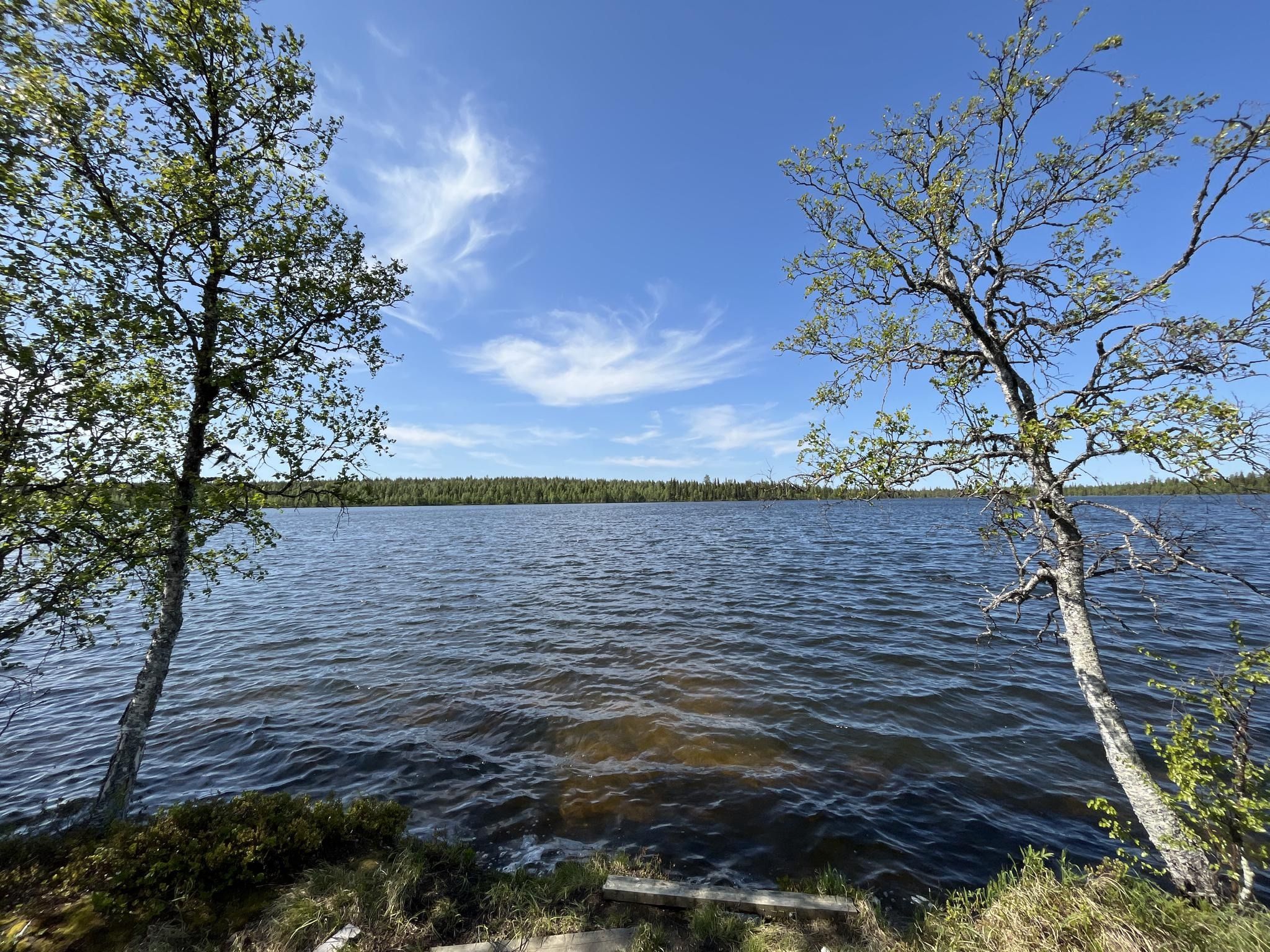
This little wilderness hut lies at the southeastern entrance to the Isokuru gorge, the deepest in Finland. It's a fine place to enjoy a snack before or after taking on the trails through the spectacular gorge.
0
0

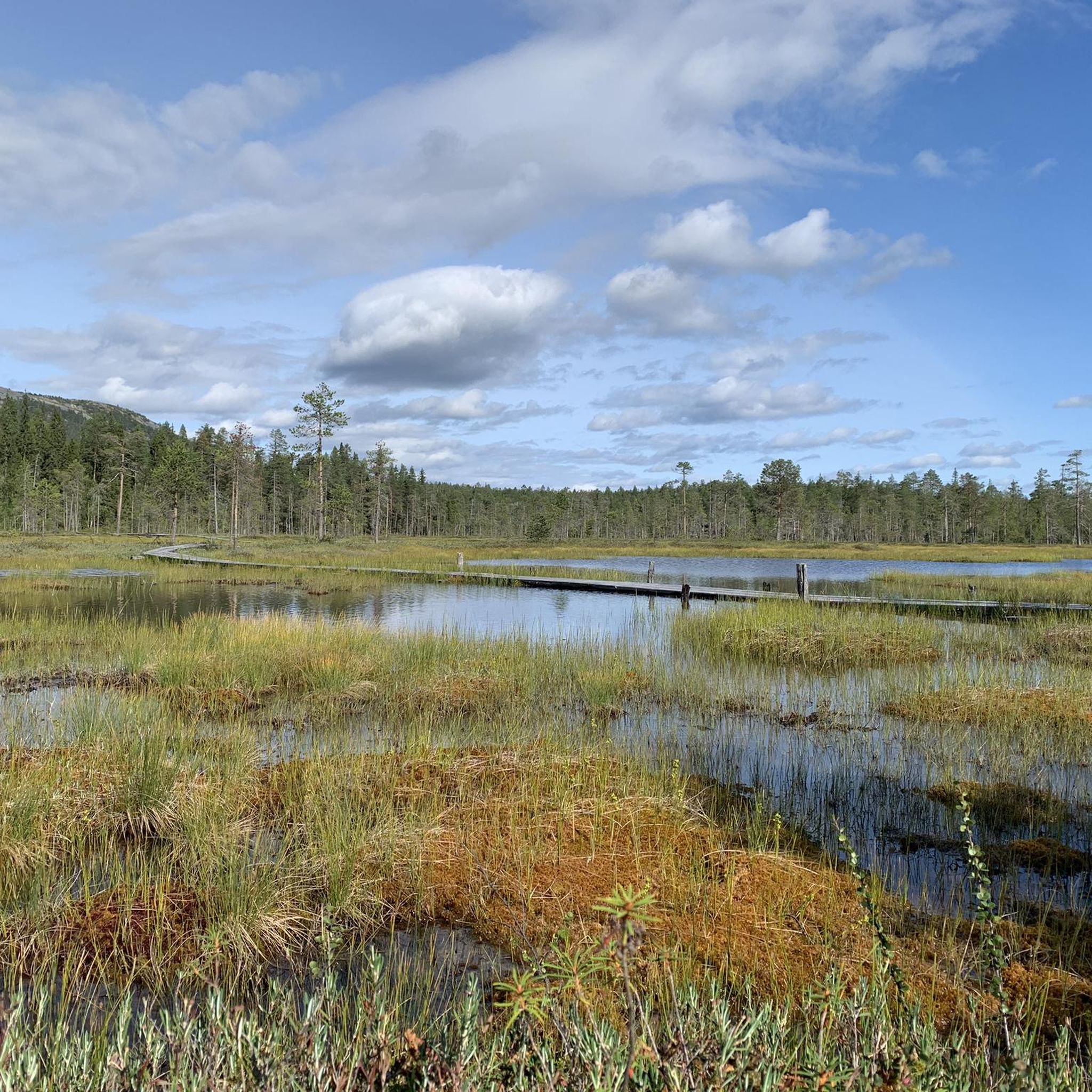
Along the trail, you'll encounter the striking Rykimäkuru gorge, a crack in the rock bed, while the surrounding ravines were shaped by the meltwaters from the Ice Age.
0
0

Along the trail, you'll encounter the striking Rykimäkuru gorge, a crack in the rock bed, while the surrounding ravines were shaped by the meltwaters from the Ice Age.
0
0

The Pyhänkasteenlampi Lake is crystal clear. The thick granite boulders are reflected in the surface and can be seen in the water. A very beautiful place and sacred to the Sami people.
4
0
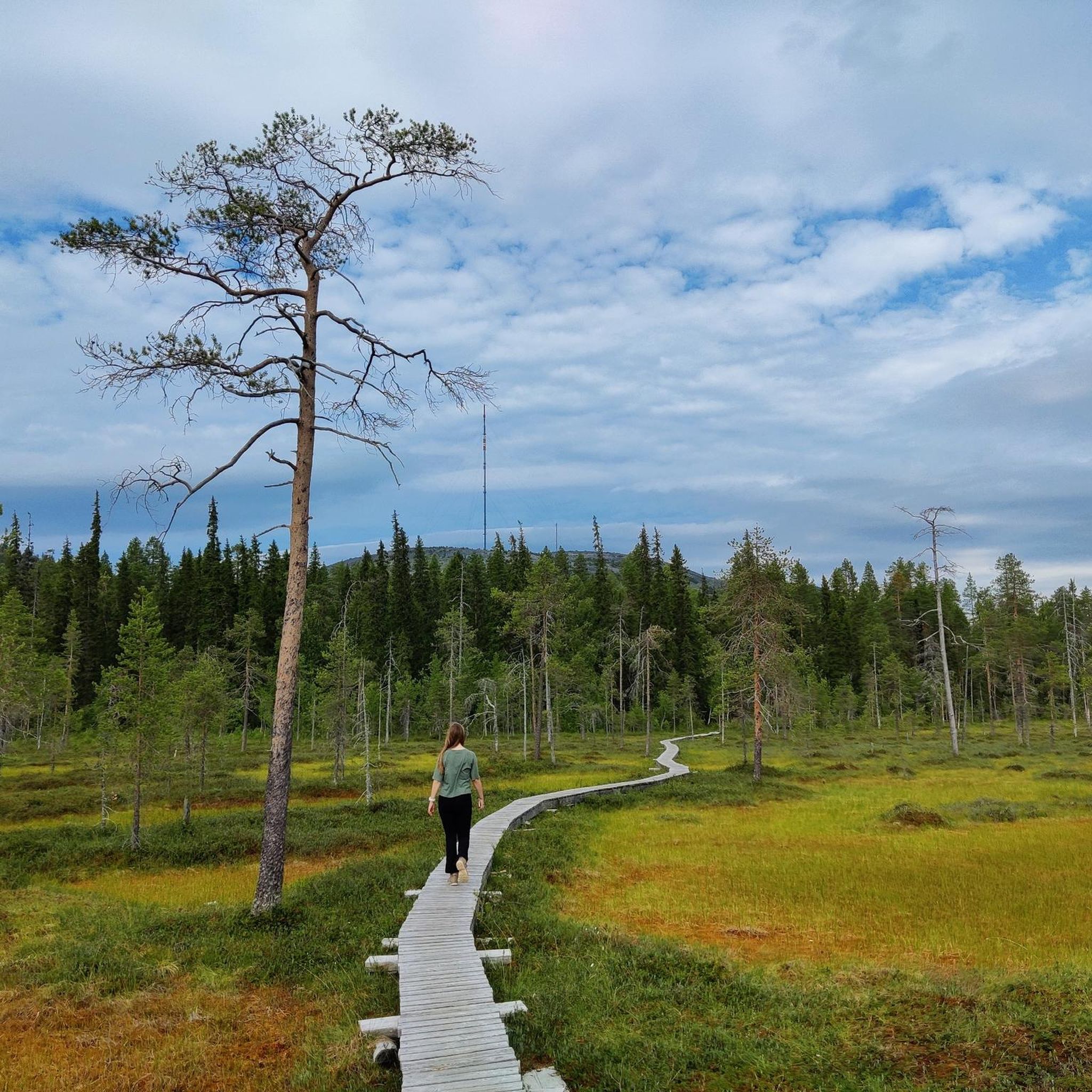
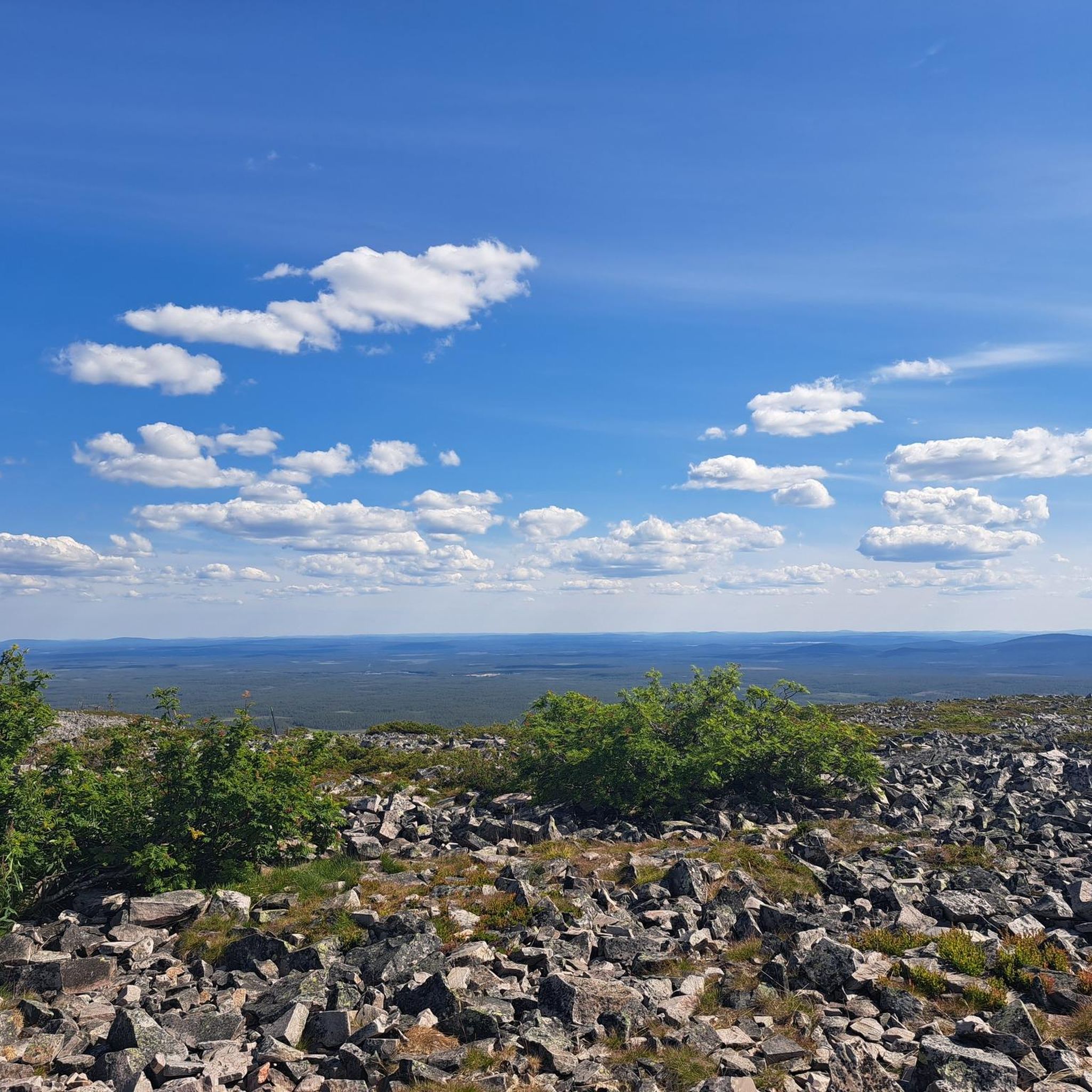
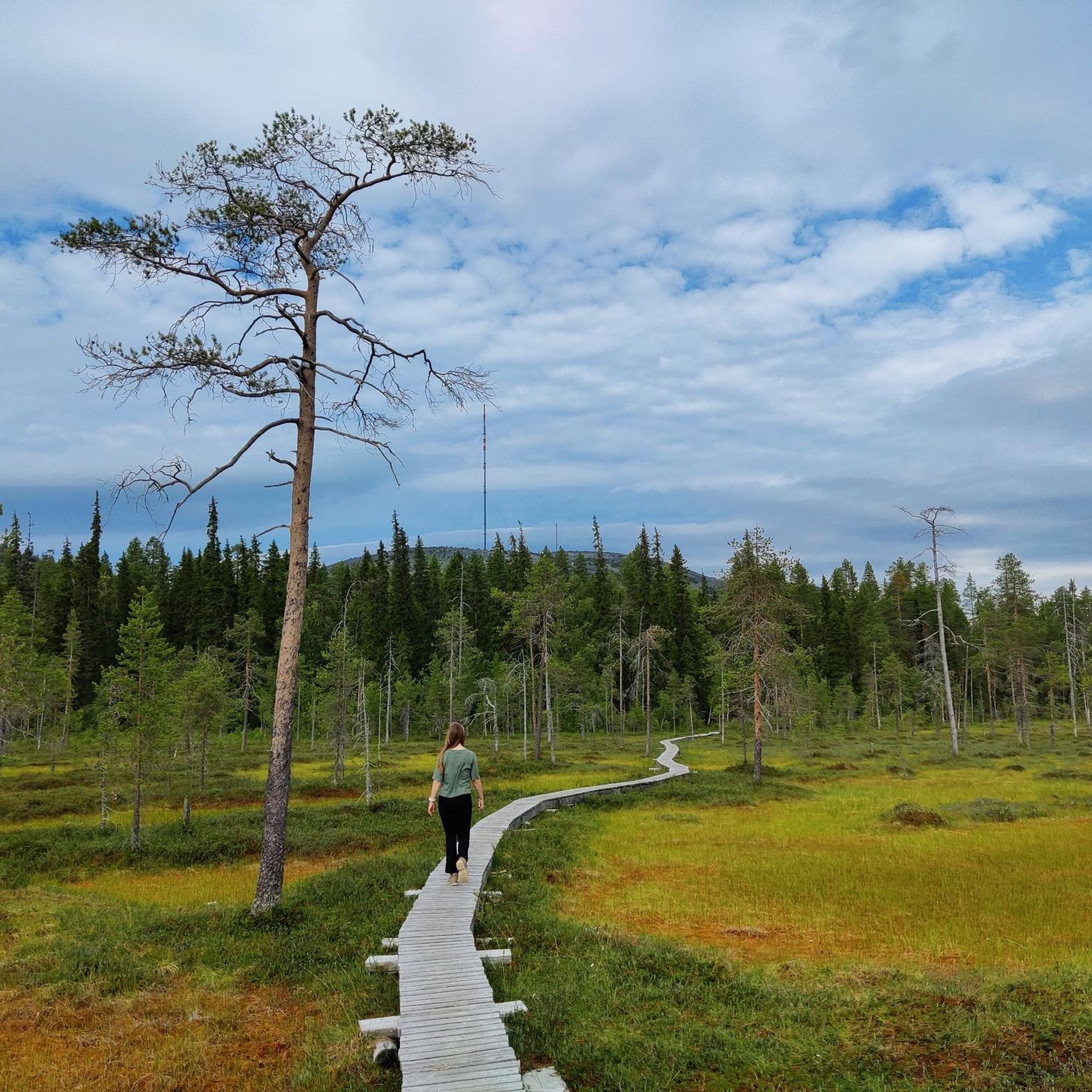
In places, the rocks in Isokuru Gorge rise almost vertically. At 220 meters it is Finland's deepest gorge. Geological processes have created this natural paradise. Wooden plank paths lead you safely over the loose scree.
2
0

very interesting gorge with good plank path
1
2

Warning: This part of the trail is not maintained in winter and we had to go back.
1
0
Frequently Asked Questions
What are the main geological features of the canyons in Pyhä-Luosto National Park?
The canyons in Pyhä-Luosto National Park are remnants of one of Earth's oldest mountain ranges, largely formed by the erosive power of Ice Age meltwaters. These meltwaters carved through ancient quartzite rock, creating deep gorges and ravines. You can observe visible wave patterns in the quartzite rocks of places like Isokuru Gorge, offering a tangible link to these ancient geological processes.
Are there any waterfalls in the canyons of Pyhä-Luosto National Park?
Yes, the most notable is the Pyhänkasteenputous Waterfall, which is 17 meters high and flows into the 12-meter-deep Pyhänkasteenlampi Lake at the end of Isokuru Gorge.
What makes Isokuru Gorge unique in Pyhä-Luosto National Park?
Isokuru Gorge is Finland's deepest gorge, plunging approximately 220 meters between the Kultakero and Ukonhattu fells. It features a trail with wide duckboards, leading to the picturesque Pyhänkasteenlampi pond and Pyhänkasteenputous Waterfall. Information boards along the trail provide insights into its formation and geology.
Are the canyon trails in Pyhä-Luosto National Park suitable for families with children?
Many trails in Pyhä-Luosto National Park are suitable for families. For example, the trail through Isokuru Gorge has wide duckboards, making it accessible. There is also the Isokuru Lapp Hut and Shelter which provides facilities for a rest stop. Always check specific trail conditions and difficulty levels before heading out with children.
Can I visit the canyons in Pyhä-Luosto National Park during winter?
Some areas, like Isokuru Gorge, are closed in winter due to avalanche danger and unmaintained trails. It's crucial to check the current conditions and designated winter trails before planning a visit, as safety is paramount in these rugged environments.
Where can I find facilities or rest stops near the canyons?
Near the southeastern entrance to Isokuru Gorge, you'll find the Isokuru Lapp Hut and Shelter. This hut provides a shelter, toilet, and fireplace, offering a convenient place to rest before or after exploring the gorge trails.
What other outdoor activities can I do near the canyons in Pyhä-Luosto National Park?
Pyhä-Luosto National Park offers a variety of outdoor activities. You can explore numerous hiking trails, including the Rykimäkuru trail or the Tunturiaapa Nature Trail. There are also running trails and MTB trails available for different skill levels.
What is the best time of year to visit the canyons in Pyhä-Luosto National Park?
The best time to visit the canyons is typically during the summer months when the trails are open and free of snow and ice. This allows for safe access to areas like Isokuru Gorge, which is closed in winter due to avalanche danger. The warmer months also provide the best conditions for hiking and enjoying the natural beauty.
Are there specific hiking trails that explore the canyons?
Yes, several trails lead through or near the canyons. The most popular is the trail through Isokuru Gorge, which takes you to Pyhänkasteenlampi Lake and its waterfall. The Rykimäkuru Gorge is also accessible via trails, offering another impressive geological formation. You can find more details on hiking routes in the park.
What is the difficulty level of hiking the canyons in Pyhä-Luosto National Park?
Many canyon trails, such as the one through Isokuru Gorge, are considered intermediate due to some steep sections and the presence of duckboards. While generally well-maintained, they can be challenging in places, including steep stairs at the end of Isokuru Gorge. Always check specific trail descriptions for current conditions and difficulty ratings.
Where can I park when visiting the canyons, especially Isokuru?
Parking information is typically available at the main entrances to Pyhä-Luosto National Park. For Isokuru Gorge, visitors usually park at the Kultakero area, which serves as a common starting point for many trails in the Pyhä side of the park.
What is the significance of Pyhänkasteenlampi Lake and Pyhänkasteenputous Waterfall?
The Pyhänkasteenlampi Lake and Pyhänkasteenputous Waterfall, located at the end of Isokuru Gorge, hold significant cultural importance. For the indigenous Sámi people, this was a sacred place, adding a historical and spiritual dimension to its natural beauty.
Most popular routes in Pyhä-Luoston Kansallispuisto
Most popular attractions in Pyhä-Luoston Kansallispuisto

Get inspired with the komoot mobile app


