Attractions and Places To See in the Bighorn Mountains - Top 8
Best attractions and places to see in the Bighorn Mountains include a diverse range of natural features and cultural sites across northern Wyoming and southern Montana. This segment of the Rocky Mountains is characterized by varied landscapes, from high alpine peaks to deep canyons. The region offers opportunities to explore historical landmarks and extensive wilderness areas.
Best attractions and places to see in the Bighorn Mountains
- The most popular attractions is James T. Saban Lookout, a viewpoint that served…
Last updated: October 18, 2026
Medicine Wheel National Historic Landmark
Highlight • Historical Site
Tip by

Granite Pass Climb
Highlight (Segment) • Climb
Tip by

Sign up now to discover places like this
Get recommendations on the best single tracks, peaks, & plenty of other exciting outdoor places.
Powder River Pass Climb West
Highlight (Segment) • Climb
Tip by
James T. Saban Lookout
Highlight • Viewpoint
Tip by

Misty Moon Trail
Highlight (Segment) • Trail
Tip by
Hwy 14 Climb East (Cutler Hill)
Highlight (Segment) • Climb
Tip by
Alternate Route 14 Climb
Highlight (Segment) • Climb
Tip by

Porcupine Falls
Highlight • Waterfall
Tip by
Steamboat Point View
Highlight • Viewpoint
Tip by
Start today with a free account
Your next adventure awaits.
Popular around Bighorn Mountains
Tips from the Community

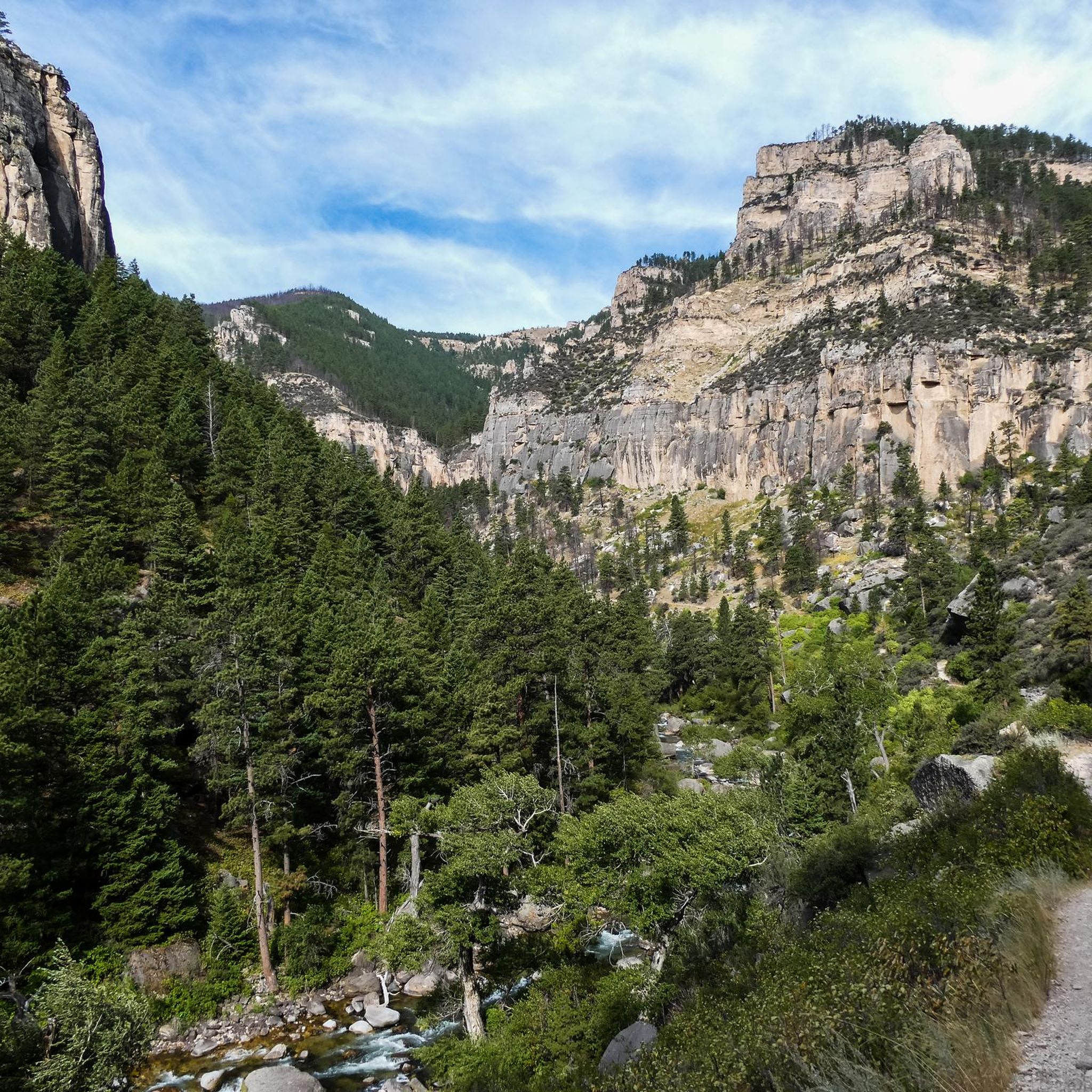
Starting southwestwards from Dayton towards Cutler Hill and the Bighorn summit area is a long, scenic, high-altitude ascent into the mountains. Prepare for a major climb of approximately 16+ miles gaining over 4,000ft, reaching elevations well above 8,000ft. Gradients average around 5%. On this climb you'll journey through dramatic canyons and forests onto the high plateau, enjoying spectacular views back towards the plains and into the Bighorns.
0
0
Climbing Powder River Pass westwards from near Ten Sleep is an exceptionally long, high-altitude journey across Wyoming's Bighorn Mountains. Prepare for approximately 25 miles of sustained climbing, gaining over 5000ft to the lofty 9666ft summit. Along the way you'll enjoy spectacular scenery transitioning from the dramatic cliffs of Ten Sleep Canyon (featuring steady ramps around 6-8%) to vast alpine plateaus, averaging around 4-5% overall. Services are virtually non-existent between Ten Sleep and the summit and don't forget to check WYDOT for current road status before attempting this cimb, which is seasonally closed due to snow in late April/early May, typically opening late May or June.
0
0
Climbing Granite Pass eastwards from near Shell is an epic, high-altitude journey through the Bighorn Mountains, defined by its length and dramatic scenery. Prepare for a very long 18-22 mile ascent, gaining nearly 5000ft to the 9033ft summit. You'll have to deal with moderate gradients averaging around 5%, but prepare for sustained steeper ramps of 7-9% through the breathtaking Shell Canyon. Services are extremely limited between Shell and the summit area. Also, be sure to check WYDOT for current road status before attempting this climb, as US-14 over Granite Pass is almost certainly seasonally closed, typically reopening late May or June.
0
0

This remote climb along Alternate U.S. 14 offers jaw-dropping views of Wyoming's northern plains and mesa formations. As you ascend from the flatlands, the grade gradually steepens before softening into rolling hills and grasslands. Consider taking the alternate gravel roads in the area for a more off-the-beaten-path experience, perfect for gravel bikes or those with the right tires.
0
0

James T. Saban Lookout in the Bighorn National Forest, formerly knows as High Park Lookout, is one of the old Fire Lookouts in the area. Back in the 1920s and 1930s, those towers were used to detect fires as early as possible. Today that job is done by modern technology and the Fire Lookouts are used only when there is a very high fire danger level.
0
0
Misty Moon Trail starts at West Tensleep Lake and goes all the way up to the north until it reaches Mistymoon Lake. The trail leads through forests, over rocks and crosses beautiful creeks. And watch out: if you're lucky, you will be able to even spot a moose.
0
0
From the parking lot and the nearby Highway 14 below 'Steamboat Point', you can already see the iconic peak in the distance. But don't skip on going up the mountain, it's worth it!
0
0
Once you reach Porcupine Falls after a short but intense hike, you will be impressed by the view of the cliffs surrounding the waterfalls. Unlike most waterfalls in Bighorn Nationals Forest, you can actually enter the swimming hole and refresh yourself.
0
0
Frequently Asked Questions
What kind of outdoor activities can I do in the Bighorn Mountains?
The Bighorn Mountains offer a wide range of outdoor activities. You can enjoy extensive hiking, cycling, fishing in abundant lakes and streams, camping, wildlife watching, and off-road vehicle (ORV) riding. During winter, popular activities include downhill and Nordic skiing, snowboarding, fat biking, and snowshoeing at locations like Antelope Butte Ski Area and Meadowlark Ski Lodge. For hiking, explore options like the easy hikes in the Bighorn Mountains or more general hiking routes.
Are there any notable waterfalls to visit in the Bighorn Mountains?
Yes, the Bighorn Mountains are home to several beautiful waterfalls. You can visit Shell Falls, a powerful waterfall along the Bighorn Scenic Byway. Other notable falls include Bucking Mule Falls within the Cloud Peak Wilderness, Porcupine Falls which is accessible via a short hike and features a swimming hole, and Paradise Falls (Beaver Creek Falls) with its series of pools and cascades.
What historical sites can I explore in the Bighorn Mountains?
The Bighorn Mountains are rich in history. A significant cultural site is the Medicine Wheel National Historic Landmark, an ancient stone arrangement still used in Indigenous ceremonies. You can also visit Fort Phil Kearny, a site of historical conflict, or the James T. Saban Lookout, an old fire lookout offering scenic views and a glimpse into early forest management. Other sites include the historic mining town of Dead Swede, Apple Jack Ranch with its tipi rings, and Red Canyon Ranch, featuring a historic stage station.
Where can I go for wildlife viewing in the Bighorn Mountains?
The Bighorn Mountains are home to diverse wildlife, including mule deer, elk, moose, black bears, and mountain lions. The Misty Moon Trail, starting at West Tensleep Lake, is known for opportunities to spot moose. The Cloud Peak Wilderness and Tongue River Canyon also offer excellent chances for wildlife observation.
Are there family-friendly attractions in the Bighorn Mountains?
Absolutely. The Bighorn Mountains offer several family-friendly options. Sibley Lake is a popular destination for fishing, hiking, and camping, with an easy 2.5-mile trail circling it. Many of the scenic drives, like the Bighorn Scenic Byway, offer accessible viewpoints. Exploring sites like Shell Falls or the easier sections of the Cloud Peak Wilderness can also be enjoyable for families.
What are the best scenic drives in the Bighorn Mountains?
For breathtaking views, consider the Bighorn Scenic Byway (US-14), a 58-mile stretch passing Shell Falls and through canyons. The Cloud Peak Byway (US-16), also known as "The Sweet 16," traverses Ten Sleep Canyon and crosses Powder River Pass, offering views of Cloud Peak. The Medicine Wheel Passage Scenic Byway (US-14A) leads to the Medicine Wheel National Historic Landmark and ascends through alpine meadows.
What are some challenging climbs or routes in the Bighorn Mountains?
For those seeking a challenge, the Bighorn Mountains offer several demanding climbs. The Granite Pass Climb is an epic, high-altitude journey with dramatic scenery, gaining nearly 5000ft. Another significant ascent is the Powder River Pass Climb West, an exceptionally long journey across the mountains with over 5000ft of climbing. Both require preparation and checking road status due to seasonal closures.
Can I find any unique geological features in the Bighorn Mountains?
Yes, the Bighorn Mountains feature several unique geological formations. Steamboat Point is a distinctive landmark resembling a ship's bow. The region also boasts extensive cave and karst systems due to its limestone formations, including the Tongue River Cave. Additionally, the Natural Trap Cave on the west slope is significant for containing numerous remains of prehistoric mammals.
What is the Cloud Peak Wilderness and what does it offer?
The Cloud Peak Wilderness is a vast, 189,000-acre centerpiece of the Bighorns. It's renowned for its untouched scenery, abundant wildlife, and extensive hiking trails. It is home to Cloud Peak, the highest point in the Bighorns at 13,167 feet, offering a truly wild and remote outdoor experience for those seeking solitude and rugged natural beauty.
Are there opportunities for camping in the Bighorn Mountains?
Yes, camping is a popular activity throughout the Bighorn Mountains. Destinations like Sibley Lake offer designated camping areas. The Cloud Peak Wilderness also provides opportunities for backcountry camping, allowing visitors to immerse themselves fully in the natural environment. Always check local regulations and permit requirements before setting up camp.
What is the significance of the James T. Saban Lookout?
The James T. Saban Lookout, formerly known as High Park Lookout, is a historical viewpoint in the Bighorn National Forest. In the 1920s and 1930s, these towers were crucial for early fire detection. While modern technology now handles most fire monitoring, these lookouts are still used during periods of very high fire danger and offer visitors scenic views and a connection to the region's past.
What are some natural features besides waterfalls that I can see?
Beyond the impressive waterfalls, the Bighorn Mountains are characterized by their rugged beauty and varied landscapes. You can explore deep canyons like Shell Canyon and Tongue River Canyon, vast wildflower meadows that create vibrant displays of color, and alpine lakes such as Sibley Lake. The region also features high mountain passes like Granite Pass and Powder River Pass, offering dramatic scenery.
Most popular routes in the Bighorn Mountains

Get inspired with the komoot mobile app


Explore more
Still not found the Highlight you’re looking for? See guides of the top attractions in other regions:
