Top 20 Castles around Landen
Castles around Landen offer a glimpse into the rich history of Belgium, a region known for its historical fortified structures and aristocratic residences. This area provides diverse architectural styles and significant historical landmarks. Visitors can explore a variety of historical sites set within the natural landscape. The region is a notable destination for those interested in cultural heritage.
Best castles around Landen
- The most popular castles is Hélécine Estate, an estate that stands in the middle of a 28-hectare…
Last updated: August 21, 2026
Hélécine Estate
Highlight • Parking
Translated by Google •
Tip by

Château d'Opheylissem
Highlight • Castle
Translated by Google •
Tip by
Sign up now to discover places like this
Get recommendations on the best single tracks, peaks, & plenty of other exciting outdoor places.
Sign up for free
Château Rose and the Pillory of Orp-le-Petit
Highlight • Castle
Translated by Google •
Tip by

Binderveld Moated Castle
Highlight • Castle
Translated by Google •
Tip by

Zuurbemde Castle
Highlight • Castle
Translated by Google •
Tip by

Sign up for free to discover even more castles around Landen.
Sign up for free
Already have an account?
Start today with a free account
Your next adventure awaits.
Login or Signup
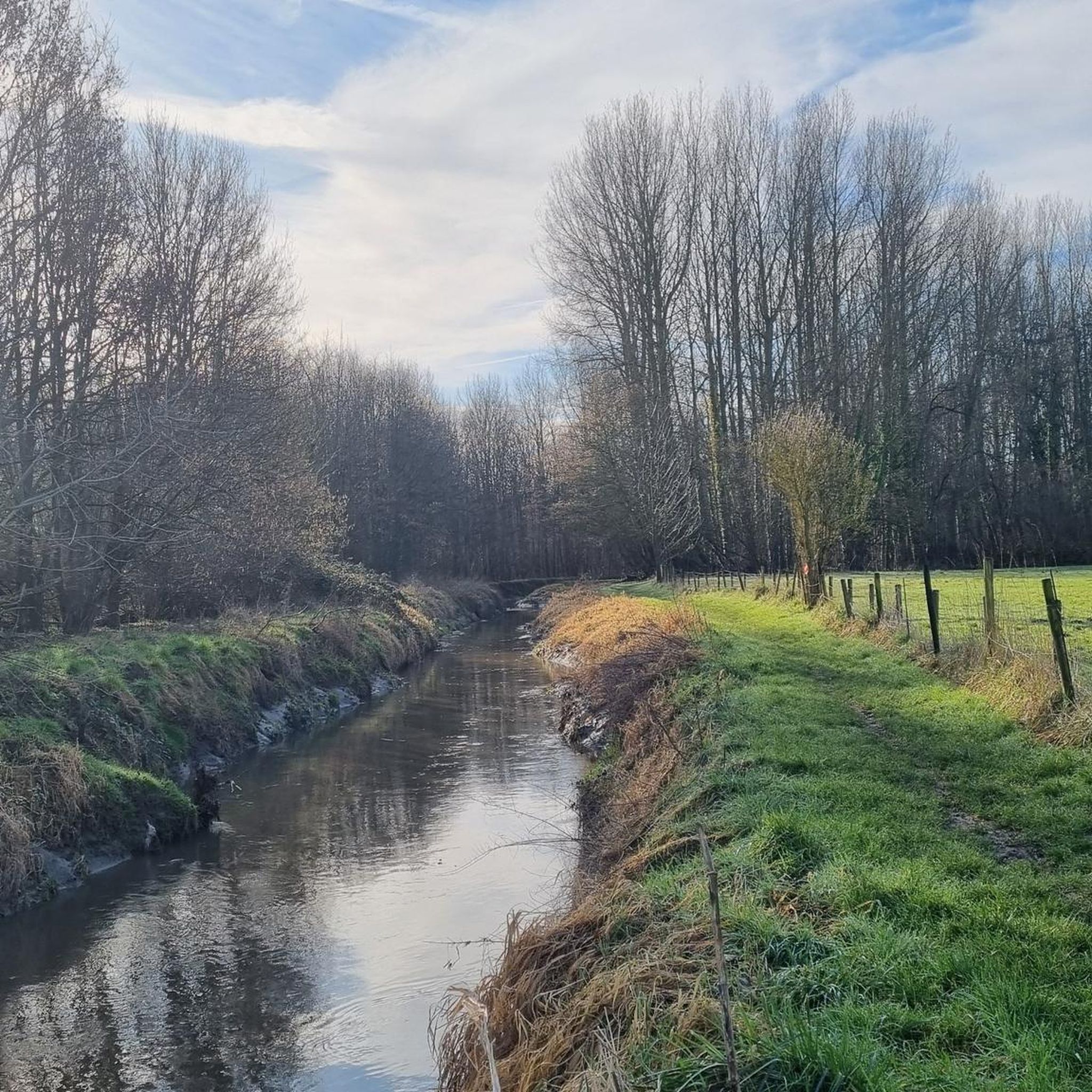
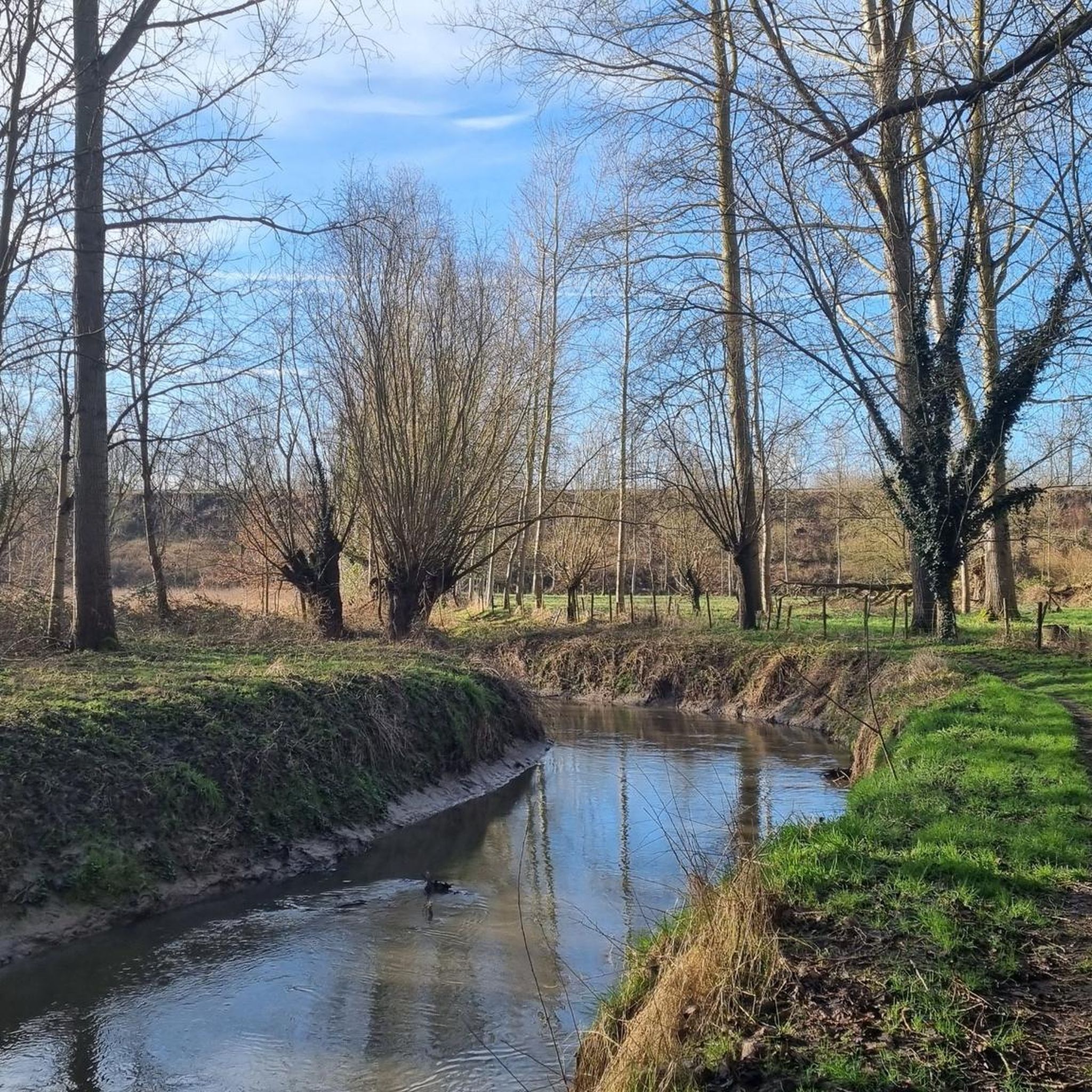

Tips from the Community

The description is very accurate. Thank you.
1
0

The Château Rose was built by order of Albert-Pierre Stier (1745-1816). In 1776, he bought the seigniory of Orp, as it had been known since the end of the 17th century, when the land of Orp-le-Grand was merged with that of Orp-le-Petit. The pillory of Orp-le-Petit at the front is one of about fifty in Belgium that are listed by the Royal Institute for Cultural Heritage. When our country was invaded by France in 1794, the French revolutionaries rushed to abolish the symbols of the Ancien Régime and the pillory was demolished. A few years later, around 1826, Baron Jean-François de Vinck de deux Orp (1774-1827), nephew of the builder of the castle, had the restored elements of the pillory rebuilt on his estate, more specifically in the central part of the meadow below the castle. Source: https://www.orp-jauche.be/wp-content/uploads/Brochure_PetitPatrimoinePopulaire_ORP.pdf
7
0

Whatever the future brings, the fact remains that the castle domain is very beautiful to walk in. Tip the glaze walk of Visit Vlaams-Brabant (https://www.visitvlaamsbrabant.be/wandelen/vind-een-wandeling/vlakwandeling)
11
0

Always very pleasant to walk/run in this beautiful park
1
0
Kasteel Binderveld is currently for sale, although you can't see it from the outside. You'll have to ask the price yourself if you're looking for "absolute peace and refined luxury in breathtaking surroundings" and still have a sock full of money under your bed somewhere. https://www.luxevastgoed.be/nl/pand/19807360159/landhuis-binderveld The VRT also paid attention to the sale: https://www.vrt.be/vrtnws/nl/2024/10/07/kasteel-van-binderveld-in-nieuwerkerken-staat-te-koop/
6
0
Motorists and cyclists who have passed along the road in front of the castle entrance have undoubtedly already seen the vineyard. That is part of the castle that is referred to here as "Wijnslot Byrleveldt". The vineyard was planted in 2019 and covers 1.5 hectares with 4500 special chardonnay vines. The wine from Wijnslot Byrleveldt is given the name 1661, referring to the year the gatehouse was built. Pressing the grapes, vinification, storage and bottling takes place on the estate. According to a winemaker from the Maas region who was also there, it is a wine that is certainly worth a try.
6
0
Binderveld Castle was the seat of a fief of the Counts of Loon. The first mention is in 1135 when Count Arnold van Loon and Olderick van Bilrevelt act as witnesses to the foundation of the Averbode Abbey. The fortified castle, surrounded by wide moats, has been inhabited by prominent families since 1250: from 1251 to 1371 the Van Montenaken family, in the 15th century the Van Hamal family, from 1525 the Van Grevenbroek family. Through a marriage, Hiëronymus de Copis comes to live there. He has the castle completely rebuilt (1635-1653). In 1637 it is severely ravaged by Dutch troops. In 1654 the troops of the Duke of Lorraine take the castle. In 1661 the watchtower is added and in 1681 the spire. In 1728, Joseph Le Roy-Coloma rebuilt the castle as it is today. The date stone with their coat of arms, above the door of the house, is a reminder of the reconstruction. In 1826, the controversial lord of the castle Joseph de Succa sold the castle to Joseph de Schrijnmakers. From 1903 onwards, it was sold several times and served as an agricultural business. A thorough renovation and restoration in 2015 turned this castle back into a moated castle: the house, the gardens and the lawn are all completely surrounded by water. Source: information board at the entrance and https://www.nieuwerkerken.be/infobord-kasteel-binderveld Attention: you can walk around the moat and have beautiful views, but the driveway itself is private property. Coincidentally, the current owners were there and they were just busy harvesting the grapes (see other tip).
6
0
The future of the castle is not so clear. In more recent times it was a WZC and also fell into disrepair for about a decade. In August 2023 it was announced that it would become a party hall, which was supposed to open by the summer of 2024. But that clearly did not happen. Maybe later (there were some tools)? Or does the municipality have to drag another future out of the waiting list with other partners such as those on the mentioned site or on https://www.facebook.com/kasteelvanzuurbemde/ where nothing has been posted since the end of 2023 after the announcement of a summer opening in 2024? Another message about those plans on https://www.vrt.be/vrtnws/nl/2023/08/22/nieuwe-invulling-kasteel-zuurbemde/
7
0
Frequently Asked Questions
What are some of the most popular castles and estates to visit around Landen?
Visitors frequently enjoy the Hélécine Estate, known for its extensive park, nature reserve, and recreational activities. Other popular historical sites include Château d'Opheylissem, a former Norbertine abbey with an impressive neoclassical façade, and the striking Château Rose and the Pillory of Orp-le-Petit, a pink castle with a restored 19th-century pillory.
Are there family-friendly castles or estates near Landen?
Yes, the Hélécine Estate is particularly well-suited for families, offering a 28-hectare park with two playgrounds, an aerial structure, mini-golf, and fishing ponds. Château d'Opheylissem and Ordingen Castle also offer family-friendly environments.
What kind of outdoor activities can I do near the castles around Landen?
The Landen region offers a variety of outdoor activities. You can explore numerous hiking trails, with options ranging from easy to moderate, such as the 'Church and tithe barn in Laar – Hollow Way Nature Trail loop'. For cyclists, there are gravel biking routes like the 'Park Abbey – Steenveld Street loop' and dedicated MTB trails, including the 'Wooden Bridge – Gravel road along the Vloedgracht loop'. You can find more details on these activities in the hiking guide, gravel biking guide, and MTB trails guide for Landen.
Are there hiking trails directly accessible from any of the castles?
Yes, the Hélécine Estate features a 28-hectare walking park that includes a nature reserve and landscaped areas, perfect for leisurely strolls. Many castles in the region are surrounded by parks or situated in scenic landscapes, offering opportunities for walks and connecting to longer hiking routes.
What historical significance do the castles around Landen hold?
The castles around Landen showcase centuries of history, from medieval origins to 18th-century reconstructions. For example, Château d'Opheylissem was originally a Norbertine abbey founded in the 12th century, later rebuilt in the 18th century. Ordingen Castle originated in the early Middle Ages as a border guard post for the county of Loon, with its history tracing back to 1040.
Can I find accommodation or dining options at any of the castles?
Yes, Ordingen Castle operates as an exceptional hotel with 32 rooms and suites, and features a gourmet restaurant, Aurum, which has been awarded a Michelin star, as well as Bistro Richard. The Hélécine Estate also has a Pop Up Bar with a terrace open on specific days.
What is the best time of year to visit the castles around Landen?
The Landen region's castles are enjoyable throughout the year. Spring and autumn offer pleasant weather for exploring the grounds and parks, with beautiful foliage in autumn. Summer is ideal for families to take advantage of outdoor activities at estates like Hélécine. Some castles, like Binderveld Moated Castle, even feature vineyards, which can be particularly interesting during harvest season.
Are there any unique or 'hidden gem' castles in the Landen area?
While not a 'hidden gem' in the traditional sense, Binderveld Moated Castle offers a unique experience. Originally mentioned in 1135, it has been rebuilt multiple times after turbulent events and now houses Wijnslot Byrleveldt, a vineyard producing its own wine. Its history and current use make it a distinctive visit.
What do visitors appreciate most about the castles around Landen?
Visitors frequently appreciate the rich history and diverse architectural styles, from medieval fortresses to 18th-century estates. The natural settings, such as the 28-hectare park at Hélécine Estate, and the opportunities for outdoor activities like walking and cycling, are also highly valued. The komoot community has shared 114 photos and given 79 upvotes, highlighting the visual appeal and enjoyable experiences.
Are there any castles around Landen that are particularly picturesque or good for photography?
Many castles in the region offer picturesque scenes. The Château Rose and the Pillory of Orp-le-Petit, with its striking pink facade, is very photogenic. Binderveld Moated Castle, with its surrounding ring moat, offers beautiful views, especially with its vineyard. The extensive grounds of Hélécine Estate also provide numerous scenic spots.
Are there castles near Landen that are accessible by public transport?
While specific public transport routes to each castle can vary, the Landen region is part of Belgium, which has a well-developed public transport network. It's advisable to check local bus or train schedules for the most direct routes to the towns nearest the castles you wish to visit. For example, Hélécine is located in Walloon Brabant, which is generally accessible.
How long should I plan for a visit to a castle around Landen?
The duration of your visit will depend on the castle and your interests. For estates like Hélécine Estate, you could easily spend half a day or a full day enjoying the park, playgrounds, and other activities. For historical sites like Château d'Opheylissem or Château Rose, a few hours might suffice to explore the exterior and immediate surroundings. If you plan to dine or stay overnight, as at Ordingen Castle, your visit would naturally extend.
Most popular attractions around Landen

Get inspired with the komoot mobile app


Explore more
Looking for the best castles somewhere else? Discover other guides around Landen:
