Attractions and Places To See around Cujó - Top 8
Attractions and places to see around Cujó encompass a range of historical, religious, and natural sites, primarily situated within a mountainous landscape. The region features medieval architecture, ancient settlements, and riverine environments. Visitors can explore monuments, traditional villages, and natural features, offering diverse experiences. Cujó provides opportunities to engage with local heritage and the natural surroundings.
Best attractions and places to see around Cujó
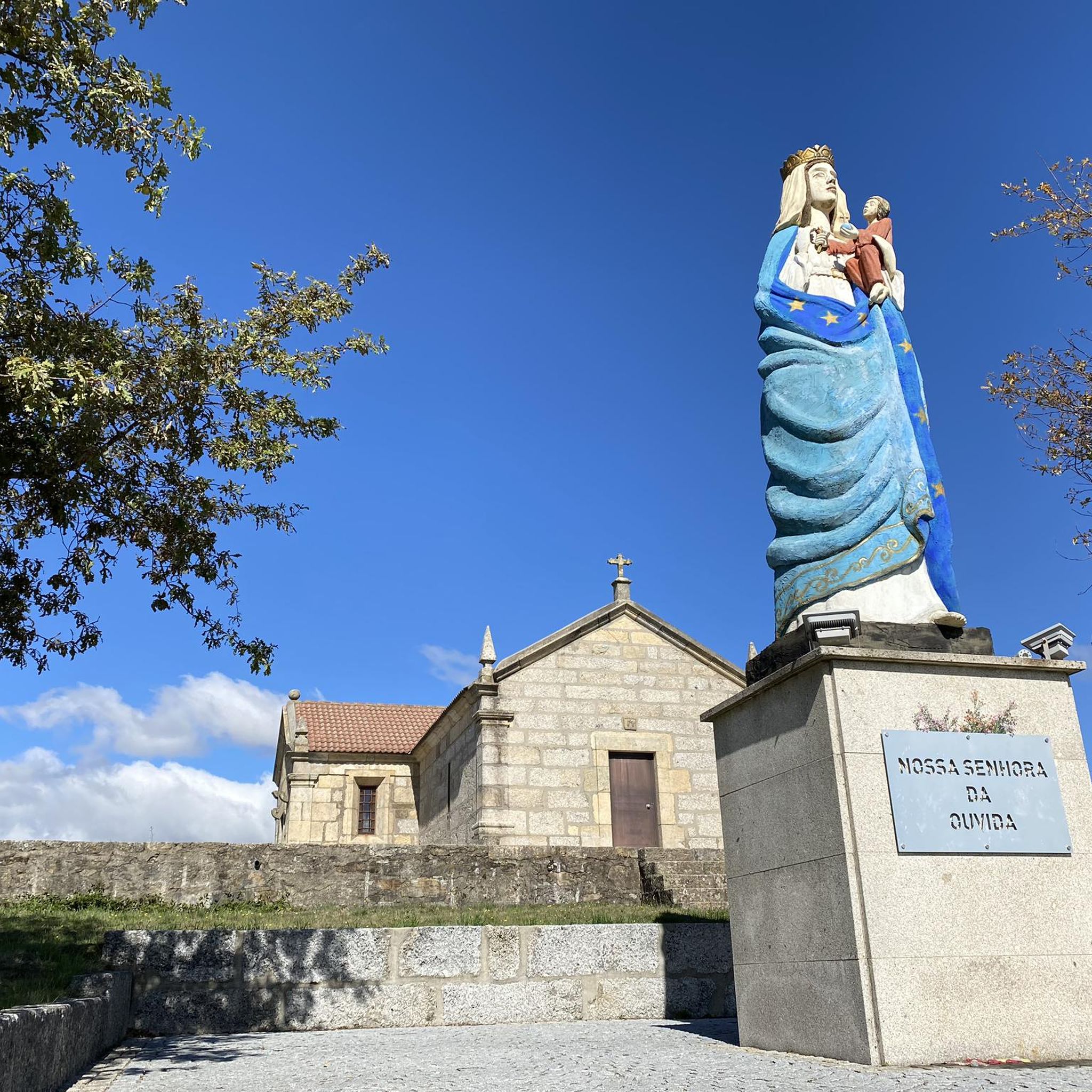
- The most popular attractions is Nossa Senhora da Oliveira, a religious building and viewpoint. It…
Last updated: May 17, 2026
Nossa Senhora da Oliveira
Highlight • Religious Site
Translated by Google •
Tip by

Ermida do Paiva
Highlight • Religious Site
Translated by Google •
Tip by

Sign up now to discover places like this
Get recommendations on the best single tracks, peaks, & plenty of other exciting outdoor places.
Sign up for free
Parish Church of Gosende - St. Peter
Highlight • Religious Site
Translated by Google •
Tip by
Castro Daire
Highlight • Settlement
Translated by Google •
Tip by
Rio Paiva River Crossing
Highlight (Segment) • River
Tip by

Sign up for free to discover even more attractions around Cujó.
Sign up for free
Already have an account?
Start today with a free account
Your next adventure awaits.
Login or Signup


Tips from the Community

We have incredible things throughout this country.
0
0

This church, dedicated to Saint Peter, is a fascinating example of how architecture has evolved over time, displaying elements ranging from Romanesque to Baroque. Its origins are medieval, and probably date back to a period after the 11th century, with Romanesque influences still visible in some of its oldest structures. Over the centuries, the church has undergone several modifications and extensions, especially between the 17th and 18th centuries, which have given it its current appearance with Baroque details. The interior houses works of sacred art, including carved altars and religious images. The Igreja Matriz de Gosende - S. Pedro is not only a place of worship, but also a historical and cultural reference for the local community.
0
0
The Ermida do Paiva, also known as the Igreja de Nossa Senhora da Conceição or the "Templo das Siglas", is a remarkable Romanesque monument from the 12th century. Originally, this church was part of a Premonstratensian monastery, the only one of this order in Portugal, founded by two French monks, D. Roberto and D. Afonso. The ruins of the cloister attached to the church are still visible today. The church is famous for its many sculptures and enigmatic symbols engraved in the stones, both inside and outside. It is believed that these "siglas" were the signatures of the master builders who worked on the construction. Its architectural lines, although simple, are robust and integrate beautifully into the surrounding green landscape. Today, the Ermida do Paiva is classified as a National Monument and represents a fascinating testimony to medieval Portuguese architecture and spirituality.
0
0
Castro Daire is a Portuguese municipality located in the district of Viseu, in the Centro region. It is characterized by a predominantly mountainous landscape, dominated by the Serra do Montemuro, which gives it a rich and uncontaminated natural environment. The municipality is known for its rural traditions, archaeological heritage (with several "castros", ancient fortified settlements) and a typical cuisine that I recommend you try!
0
0

I love how Komoot led me here. No road so, bike in shoulder, it was possible to skip through the rocks.
0
0

very beautiful landscape with a good park3 to have a snack..worth visiting
0
0
Frequently Asked Questions
What historical and religious sites can I visit around Cujó?
The region around Cujó is rich in historical and religious heritage. You can explore the 12th-century Romanesque monument, Ermida do Paiva, known for its enigmatic symbols and medieval architecture. Another significant site is the Parish Church of Gosende - St. Peter, which showcases architectural evolution from Romanesque to Baroque periods. Additionally, Nossa Senhora da Oliveira offers a religious building with a beautiful landscape.
Are there any natural features or viewpoints worth visiting near Cujó?
Yes, the area boasts several natural attractions. Nossa Senhora da Oliveira is not only a religious site but also a viewpoint offering a very beautiful landscape. For a unique natural experience, you can find a spot for crossing the rocks in the river Paiva, which also has a nearby beach for a refreshing break.
What outdoor activities are available around Cujó?
Cujó and its surroundings offer various outdoor activities, particularly for running, road cycling, and mountain biking. You can find numerous routes, such as the challenging GR 64 - Monks' Path for running, or scenic road cycling loops like the 'Highest Point of the EN2 – Nossa Senhora da Oliveira loop'. Mountain bikers can tackle routes like the 'Montemuro e Paiva MTB Center: Black Route'. For more details on these and other trails, explore the Running Trails around Cujó, Road Cycling Routes around Cujó, and MTB Trails around Cujó guides.
Are there family-friendly attractions in the Cujó region?
Yes, the region offers options suitable for families. Nossa Senhora da Oliveira is considered family-friendly, offering a beautiful landscape and a good spot for a snack. The settlement of Castro Daire, with its rural traditions and archaeological heritage, can also be an interesting visit for families.
What is Castro Daire known for?
Castro Daire is a Portuguese municipality characterized by its mountainous landscape, dominated by the Serra do Montemuro. It is known for its rural traditions, archaeological heritage including ancient fortified settlements (castros), and a typical local cuisine that visitors are encouraged to try.
What makes Ermida do Paiva a significant historical site?
Ermida do Paiva is a remarkable 12th-century Romanesque monument, originally part of a Premonstratensian monastery. It is famous for its numerous sculptures and enigmatic symbols engraved in the stones, both inside and outside, believed to be signatures of the master builders. Classified as a National Monument, it offers a fascinating glimpse into medieval Portuguese architecture and spirituality.
Can I combine a visit to a religious site with a scenic view?
Absolutely. Nossa Senhora da Oliveira serves as both a religious building and a viewpoint. It's highly regarded for its scenic landscape, making it an ideal spot to enjoy the views while also appreciating its spiritual significance.
What kind of architecture can I expect to see in the churches around Cujó?
The churches in the Cujó area display a blend of architectural styles reflecting different historical periods. For instance, the Parish Church of Gosende - St. Peter features elements ranging from Romanesque, visible in its oldest structures, to Baroque, from modifications made between the 17th and 18th centuries. Ermida do Paiva is a prime example of robust 12th-century Romanesque architecture.
Where can I experience the Paiva River near Cujó?
You can experience the Paiva River at a unique spot known as Crossing the rocks in the river. Here, you can navigate across the river by jumping between rock cubes, and there's also a nearby beach perfect for a refreshing break.
What do visitors particularly enjoy about the attractions around Cujó?
Visitors frequently praise the beautiful landscapes and the historical significance of the sites. For example, Nossa Senhora da Oliveira is highlighted for its 'very beautiful landscape' and being a good spot for a break. The region's blend of ancient monuments, traditional settlements, and natural river features is also highly appreciated.
Are there any challenging outdoor routes for experienced adventurers?
Yes, for those seeking a challenge, the Cujó area offers several difficult routes. Mountain bikers can tackle the 'Montemuro e Paiva MTB Center: Black Route' or the 'Serra de Montemuro Black Route'. Road cyclists might enjoy the 'View of the Rio Vouga – Lufinha Climb loop' or the 'Cafe in Castro Daire – Scenic road loop', both rated as difficult. Runners can take on the 'GR 64 - Monks' Path'. More details are available in the respective running, road cycling, and MTB guides.
Most popular routes around Cujó

Get inspired with the komoot mobile app


Explore more
Still not found the Highlight you’re looking for? See guides of the top attractions in other regions:
