Attractions and Places To See around Monteiras - Top 10
Best attractions and places to see around Monteiras include a variety of historical, cultural, and natural sites. Located in Portugal's Viseu District, the region features religious buildings, ancient structures, and natural monuments. The landscape is predominantly mountainous, offering diverse points of interest. Visitors can explore sites that reflect the area's history and natural beauty.
Best attractions and places to see around Monteiras
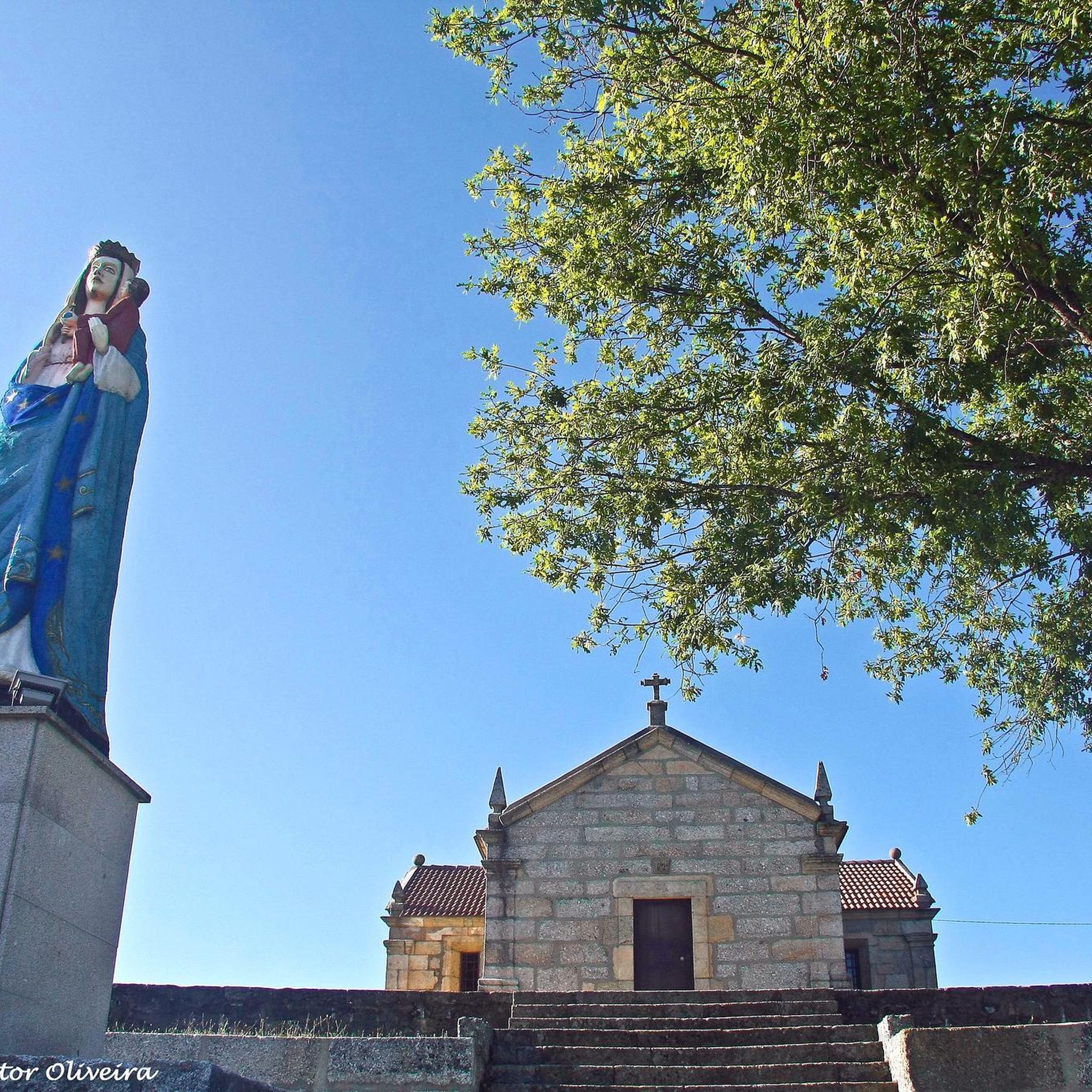
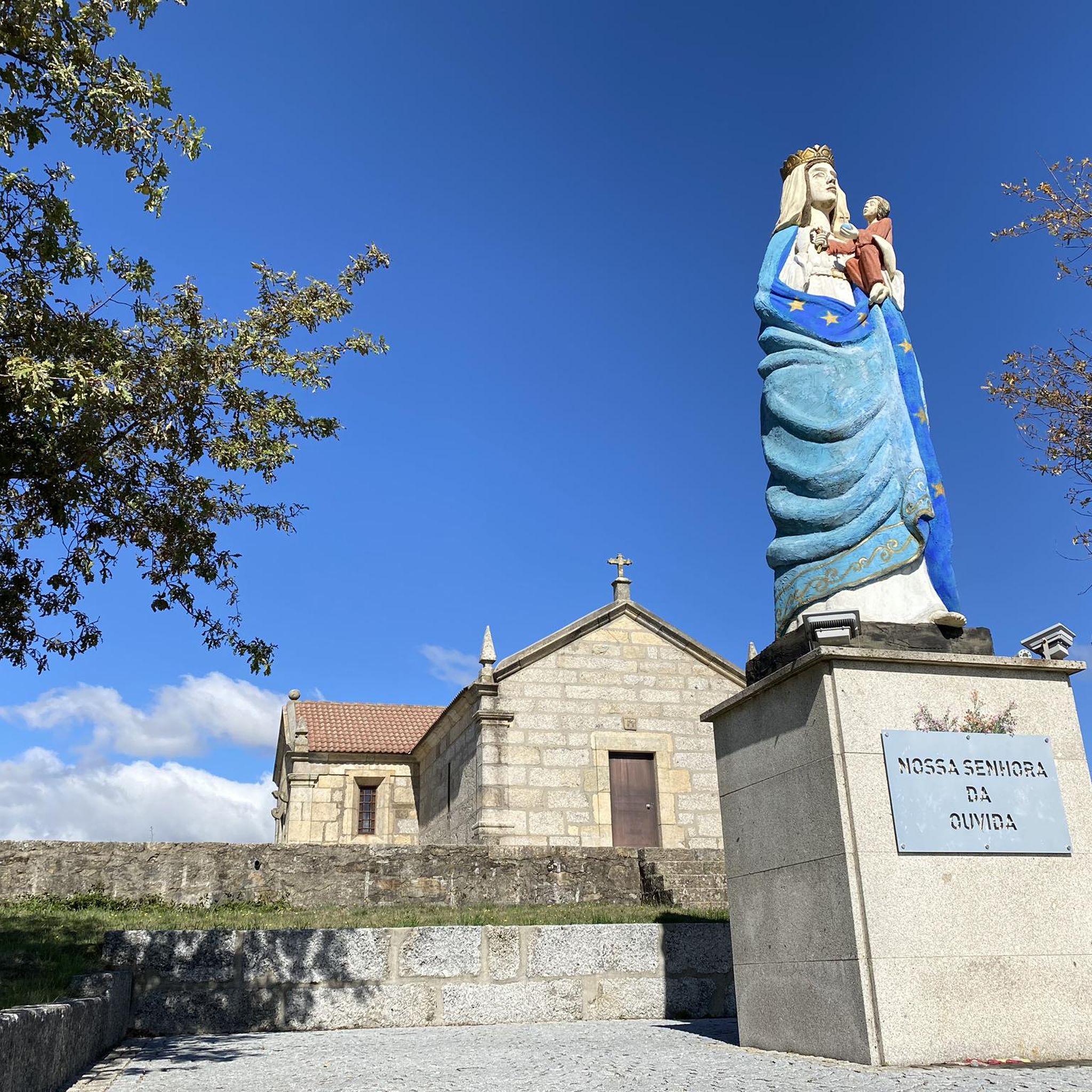
- The most popular attractions is Nossa Senhora da Oliveira, a religious building that offers a beautiful landscape.…
Last updated: May 1, 2026
Nossa Senhora da Oliveira
Highlight • Religious Site
Translated by Google •
Tip by

Portas de Montemuro
Highlight • Mountain Pass
Translated by Google •
Tip by

Sign up now to discover places like this
Get recommendations on the best single tracks, peaks, & plenty of other exciting outdoor places.
Sign up for free
Ermida do Paiva
Highlight • Religious Site
Translated by Google •
Tip by

Parish Church of Gosende - St. Peter
Highlight • Religious Site
Translated by Google •
Tip by
Castro Daire
Highlight • Settlement
Translated by Google •
Tip by
Sign up for free to discover even more attractions around Monteiras.
Sign up for free
Already have an account?
Start today with a free account
Your next adventure awaits.
Login or Signup
Popular around Monteiras

Tips from the Community

We have incredible things throughout this country.
0
0

This church, dedicated to Saint Peter, is a fascinating example of how architecture has evolved over time, displaying elements ranging from Romanesque to Baroque. Its origins are medieval, and probably date back to a period after the 11th century, with Romanesque influences still visible in some of its oldest structures. Over the centuries, the church has undergone several modifications and extensions, especially between the 17th and 18th centuries, which have given it its current appearance with Baroque details. The interior houses works of sacred art, including carved altars and religious images. The Igreja Matriz de Gosende - S. Pedro is not only a place of worship, but also a historical and cultural reference for the local community.
0
0

At Portas de Montemuro, the landscape stretches out without limits. Here, tables and benches invite you to take a break and enjoy the view, while the national road 321, popular with cyclists, marks the 1,215 metres of altitude. The highest peak of the Montemuro mountain range, at 1,381 metres, is nearby, to the east. Nearby, the ruins of the Wall of Portas de Montemuro preserve echoes of a distant past. Mentioned in the Inquiries of 1258, they reveal traces of an ancient fortified settlement from the Iron Age, possibly linked to the Castro culture. Later, the site was reused by the Romans and, at the time of the Reconquista, by D. Afonso Henriques, the first king of Portugal.
0
0
The Ermida do Paiva, also known as the Igreja de Nossa Senhora da Conceição or the "Templo das Siglas", is a remarkable Romanesque monument from the 12th century. Originally, this church was part of a Premonstratensian monastery, the only one of this order in Portugal, founded by two French monks, D. Roberto and D. Afonso. The ruins of the cloister attached to the church are still visible today. The church is famous for its many sculptures and enigmatic symbols engraved in the stones, both inside and outside. It is believed that these "siglas" were the signatures of the master builders who worked on the construction. Its architectural lines, although simple, are robust and integrate beautifully into the surrounding green landscape. Today, the Ermida do Paiva is classified as a National Monument and represents a fascinating testimony to medieval Portuguese architecture and spirituality.
0
0
Castro Daire is a Portuguese municipality located in the district of Viseu, in the Centro region. It is characterized by a predominantly mountainous landscape, dominated by the Serra do Montemuro, which gives it a rich and uncontaminated natural environment. The municipality is known for its rural traditions, archaeological heritage (with several "castros", ancient fortified settlements) and a typical cuisine that I recommend you try!
0
0

very beautiful landscape with a good park3 to have a snack..worth visiting
0
0
At Portas de Montemuro, the landscape stretches out without limits. Here, tables and benches invite you to take a break and enjoy the view, while the national road 321, popular with cyclists, marks the 1,215 metres of altitude. The highest peak of the Montemuro mountain range, at 1,381 metres, is nearby, to the east. Nearby, the ruins of the Wall of Portas de Montemuro preserve echoes of a distant past. Mentioned in the Inquiries of 1258, they reveal traces of an ancient fortified settlement from the Iron Age, possibly linked to the Castro culture. Later, the site was reused by the Romans and, at the time of the Reconquista, by D. Afonso Henriques, the first king of Portugal.
1
0
Frequently Asked Questions
What historical and cultural sites can I explore around Monteiras?
The region around Monteiras is rich in history and culture. You can visit the 12th-century Romanesque religious building, Ermida do Paiva, known for its architectural lines and enigmatic symbols. Another significant site is the Parish Church of Gosende - St. Peter, which showcases architectural evolution from Romanesque to Baroque. Further afield, consider the Santuário Nossa Senhora dos Remédios in Lamego, the Monastery of São João de Tarouca, or the Centro Interpretativo Da Máscara Ibérica in Lazarim for insights into Iberian mask traditions.
Are there any natural monuments or scenic viewpoints near Monteiras?
Yes, Monteiras offers several natural attractions and viewpoints. Portas de Montemuro is a mountain pass and natural monument offering expansive views and ruins of an ancient fortified settlement. Another popular spot is Nossa Senhora da Oliveira, a religious building that provides a beautiful landscape and is considered a family-friendly viewpoint. The Rio Paiva is also a significant natural feature in the area.
What kind of outdoor activities can I do near Monteiras?
Monteiras is a great base for various outdoor activities. You can find numerous routes for road cycling, mountain biking, and running. For road cycling, explore routes like the 'Serra de Montemuro – Portas de Montemuro loop from Castro Daire'. Mountain bikers can tackle challenging trails such as the 'Montemuro e Paiva MTB Center: Black Route'. Runners might enjoy the 'GR 64 - Monks' Path'. You can find more details and routes in the Road Cycling Routes around Monteiras, MTB Trails around Monteiras, and Running Trails around Monteiras guides.
Are there family-friendly attractions or activities in the Monteiras area?
Absolutely! For families, Nossa Senhora da Oliveira is a recommended viewpoint with a beautiful landscape and a good park for a snack. The settlement of Castro Daire is also considered family-friendly, offering a glimpse into rural traditions and local cuisine. Additionally, Praia Fluvial de Folgosa, a river beach near Castro Daire, provides a natural spot for relaxation and recreation suitable for families.
Where can I find hiking trails around Monteiras?
The mountainous landscape around Monteiras, particularly the Serra do Montemuro, offers various hiking opportunities. While specific hiking trails are not detailed in the highlights, the nearby `Passadiços do Paiva Trailhead (Areinho)` is a gateway to the famous Paiva Walkways, known for their natural beauty and extensive hiking options. For running, the 'GR 64 - Monks' Path' is a challenging option.
What is Castro Daire and what does it offer visitors?
Castro Daire is a Portuguese municipality in the Viseu District, characterized by its mountainous landscape dominated by the Serra do Montemuro. It's known for its rich and uncontaminated natural environment, rural traditions, archaeological heritage (including ancient fortified settlements or 'castros'), and typical local cuisine. It's considered a family-friendly historical site.
What do visitors particularly enjoy about the attractions around Monteiras?
Visitors appreciate the diverse offerings around Monteiras. They often highlight the beautiful landscapes, such as those found at Nossa Senhora da Oliveira, and the expansive views from Portas de Montemuro. The historical depth of sites like Ermida do Paiva, with its ancient architecture and enigmatic symbols, also captivates many. The region's blend of natural beauty and historical significance is a major draw.
Are there any river beaches or places for wild swimming near Monteiras?
Yes, the Praia Fluvial de Folgosa, located approximately 7.6 kilometers from Monteiras in Castro Daire, is a river beach that offers a natural spot for relaxation and recreation. The Rio Paiva is also a significant natural feature in the area, providing opportunities to enjoy the riverside environment.
What are the main historical periods represented by the sites around Monteiras?
The historical sites around Monteiras span several significant periods. You can find traces of the Iron Age and Castro culture at Portas de Montemuro, which was later reused by Romans and during the Reconquista. The 12th-century Romanesque architecture is prominently featured in Ermida do Paiva. The Parish Church of Gosende - St. Peter shows evolution from medieval Romanesque influences to Baroque additions from the 17th and 18th centuries.
Can I find any ancient fortified settlements or ruins in the area?
Yes, at Portas de Montemuro, you can explore the ruins of the Wall of Portas de Montemuro, which preserve echoes of a distant past. These ruins reveal traces of an ancient fortified settlement from the Iron Age, possibly linked to the Castro culture, and were later reused by Romans and during the Reconquista.
What is the significance of the Montemuro mountain range near Monteiras?
The Montemuro mountain range is a dominant natural feature in the region, offering a rich and uncontaminated natural environment. Portas de Montemuro, a mountain pass within this range, provides stunning views and is a popular spot for cyclists. The highest peak of the Montemuro mountain range, at 1,381 meters, is also nearby, offering challenging terrain for outdoor enthusiasts.
Are there any religious buildings worth visiting around Monteiras?
Monteiras and its surroundings are home to several significant religious buildings. Nossa Senhora da Oliveira is a popular religious site with a beautiful landscape. The 12th-century Romanesque Ermida do Paiva is a remarkable monument, and the Parish Church of Gosende - St. Peter showcases centuries of architectural evolution. Further away, the Santuário Nossa Senhora dos Remédios and the Catedral de Lamego are also notable religious landmarks.
Most popular routes around Monteiras

Get inspired with the komoot mobile app


Explore more
Still not found the Highlight you’re looking for? See guides of the top attractions in other regions:
