Top 5 Castles around Kalewater
Castles around Kalewater are primarily found in the Scottish Borders region, an area rich in historical sites and fortified structures. The landscape features the Kale Water river valley, which historically served as a strategic route. This region is characterized by remnants of tower houses and significant castle ruins, reflecting its turbulent past. These sites offer insights into the defensive architecture and historical importance of the Anglo-Scottish borderlands.
Best castles around Kalewater
- The most popular castles is Jedburgh Abbey, a…
Last updated: August 23, 2026
Jedburgh Abbey
Highlight • Historical Site
Tip by

Floors Castle
Highlight • Monument
Tip by
Sign up now to discover places like this
Get recommendations on the best single tracks, peaks, & plenty of other exciting outdoor places.
Sign up for free
Cessford Castle Ruins
Highlight • Castle
Tip by

Roxburgh Castle Ruins
Highlight • Historical Site
Tip by
Walled Garden at Floors Castle
Highlight • Castle
Tip by
Start today with a free account
Your next adventure awaits.
Login or Signup
Tips from the Community


A truly magnificent castle, and a Category A listed building. It is the home of the Duke of Roxburghe, and, apparently, the largest inhabited castle in Scotland. It was built for the 1st Duke in 1721-26 by William Adam, on the site of a previously existing house (House of Floris), and then extensively redone by W H Playfair in 1837-47 from the Georgian original to the way it is looking now. This is an unmissable place. It is open to tourists. Please see the Castle's website for more information and tickets: https://www.floorscastle.com/
1
0
This is a gorgeous 4-acre walled garden within the Floors Castle (you will need a ticket, which covers the Castle as well). The garden was relocated to the west of the Castle in 1857, it provided fruit and vegetables for the Castle's kitchen, and flowers for the house - this tradition continues today. It is a fantastic, colourful and pretty place to spend some time at.
1
0
Roxburgh Castle is now a ruin after a long and tumultuous history. It was built in the early 12th century by David I. For many centuries of wars between Scotland and England, it kept changing hands until it was eventually razed to the ground in the 16th century part of a treaty between England and France.
1
0
This is a truly superb and impressive ruined Augustinian abbey from the 12th century. Right in the centre of the town of Jedburgh, it is an absolute must, particularly if you are a history buff!
1
0

When passing through the town, the striking silhouette of Jedburgh Abbey is impossible to overlook. Dating back to the 12th Century, this remarkable structure stands as one of the four abbeys established in the Scottish Borders during that era. What sets it apart is its unique blend of Romanesque and early Gothic architectural styles. Jump off your bike and take a look inside.
1
0

Cessford was built around 1450. It was part of the line of frontier defences between England and Scotland.
0
0

Some lovely winding roads near the river. Lovely post office too before Kelso.
0
0
Frequently Asked Questions
What kind of historical sites and castles can I expect to find around Kalewater?
The Kalewater region, nestled in the Scottish Borders, is rich in historical sites, primarily featuring remnants of tower houses and significant castle ruins. You'll find a mix of impressive abbeys like Jedburgh Abbey, grand inhabited castles such as Floors Castle, and atmospheric fortifications like Cessford Castle Ruins. These sites reflect the area's turbulent past and its strategic importance along the Anglo-Scottish border.
Which castles are most associated with the Border Reivers period?
The Border Reivers era saw many fortifications in the region. Cessford Castle Ruins is a prime example, built by the notorious Kerr family in the 15th century. Its heavily fortified walls, up to 4 meters thick, were essential for defense during this lawless period. Corbet Tower and the site of Gateshaw also have strong historical ties to Border families like the Kers.
Are there any fully preserved or inhabited castles to visit near Kalewater?
Yes, Floors Castle is Scotland's largest inhabited castle and is located near Kalewater. Built in the 18th century and later redeveloped, it offers a magnificent experience as a regal country house with landscaped gardens. It is open to visitors.
What outdoor activities can I do near the castles around Kalewater?
The Kalewater area offers a variety of outdoor activities. You can find numerous hiking trails, such as the 'Wideopen Hill and Grubbit Law loop from Morebattle', or 'Dere Street and Hownam Loop'. For cyclists, there are road cycling routes like the 'Kale Water Footbridge – Cessford Castle Ruins loop from Crookhouse', and challenging MTB trails including the 'Cheviot Summit and Windy Gyle Trail'. You can explore more options in the hiking, road cycling, and MTB guides for Kalewater.
Are there family-friendly castles or historical sites in the Kalewater area?
Absolutely. Jedburgh Abbey and Floors Castle are both listed as family-friendly. Jedburgh Abbey offers an impressive ruined structure for exploration, while Floors Castle, as an inhabited castle with extensive grounds, provides a broader experience for all ages.
What is the best time of year to visit the castles around Kalewater?
The Scottish Borders, including the Kalewater area, can experience varied weather. Spring and summer (April to September) generally offer milder temperatures and longer daylight hours, making them ideal for exploring ruins and walking around castle grounds. Autumn can also be beautiful with changing foliage, though weather can be more unpredictable.
Can I visit the site of Gateshaw, and what is its significance?
While there are no visible remains of the 16th-century tower at Gateshaw today, its historical importance lies in its strategic location within the Kale Water valley. It was once a fortified residence of the Ker family and sat on a historical route between England and Scotland. For those interested in historical geography and the layout of past defensive structures, understanding the placement of Gateshaw provides valuable context to the Border Reivers era.
What natural features can I expect to see around the castles in the Kalewater region?
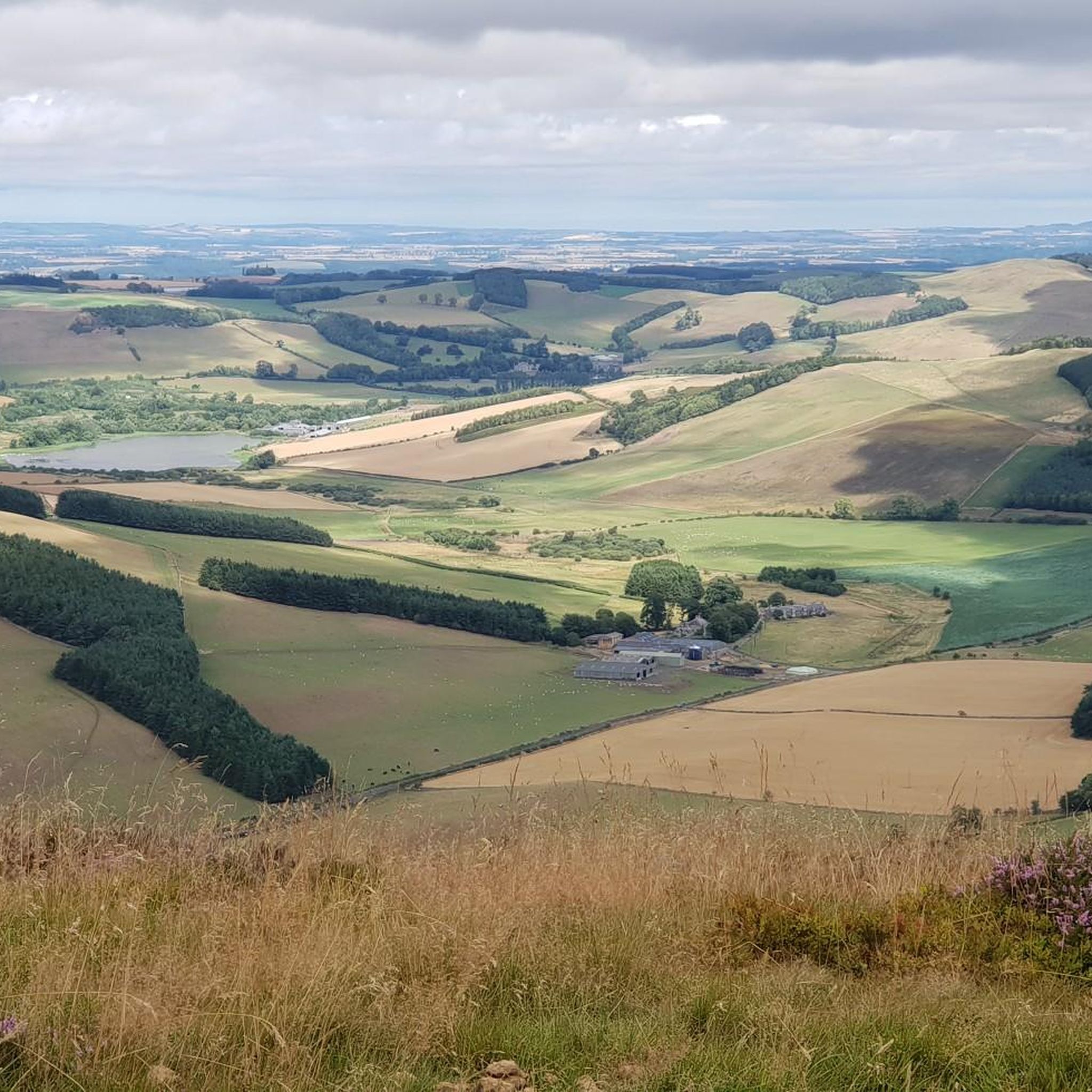
The Kalewater region is characterized by the Kale Water river valley itself, which historically served as a strategic route. The landscape includes rolling hills and scenic views, particularly towards the Cheviot Hills. Exploring the areas around castles often involves walking through picturesque countryside, offering a blend of historical interest and natural beauty.
Where can I find information about parking or public transport for castles like Cessford Castle?
Information regarding parking and public transport for specific sites like Cessford Castle Ruins can be limited due to their remote nature. Many of these sites are best accessed by car, often requiring parking in nearby villages or designated lay-bys. For detailed access information, it's advisable to check local tourism resources or specific site information closer to your visit.
What do visitors enjoy most about the castles and historical sites in the Kalewater area?
Visitors frequently appreciate the rich history and atmospheric ruins. For instance, Jedburgh Abbey is praised for its 'superb and impressive' architecture, while Floors Castle is described as 'truly magnificent'. The strong defenses and strategic importance of sites like Cessford Castle Ruins also captivate those interested in the Border Reivers period and Anglo-Scottish conflicts.
Are there any castles near Kalewater that are good for a longer visit or a day trip?
Yes, Floors Castle is an excellent choice for a longer visit. As Scotland's largest inhabited castle, it offers extensive grounds, gardens, and interior tours. Jedburgh Abbey also warrants a significant amount of time to explore its impressive ruins and learn about its 12th-century history.
Can I combine a castle visit with a walk along the Kale Water?
Absolutely. The Kale Water valley is a scenic area, and many historical sites are situated within or near it. You can find walking routes that pass by or lead to some of the castle ruins. For example, the 'Kale Water Footbridge – Cessford Castle Ruins loop' is a road cycling route that could inspire a walking itinerary, allowing you to combine historical exploration with a riverside stroll.
Most popular routes around Kalewater
Most popular attractions around Kalewater

Get inspired with the komoot mobile app


Explore more
Looking for the best castles somewhere else? Discover other guides around Kalewater:
