Top 5 Lakes around Melling
Lakes around Melling are primarily found in the UK, spanning both Lancashire and Merseyside regions. Melling in Lancashire features smaller, canal-like bodies of water and historically significant drained meres. Melling in Merseyside is traversed by the Leeds and Liverpool Canal, with several park lakes available in the wider area near Liverpool. The region offers a mix of natural wetlands, historical sites, and urban park lakes for recreation.
Best lakes around Melling
- The most popular lakes is Lunt Meadows Nature Reserve…
Last updated: October 3, 2026
Martin Mere Wetland Centre
Highlight (Segment) • Lake
Tip by

Lunt Meadows Nature Reserve
Highlight • Natural
Tip by

Sign up now to discover places like this
Get recommendations on the best single tracks, peaks, & plenty of other exciting outdoor places.
Little Wood Greenway, Stockbridge Village
Highlight • Cycleway
The cycle path runs along Mab Lane community woodland. The start of the trail is by Paddy's Memorial.
Tip by
Lake in Newsham Park
Highlight • Viewpoint
Tip by

Tip by
Start today with a free account
Your next adventure awaits.
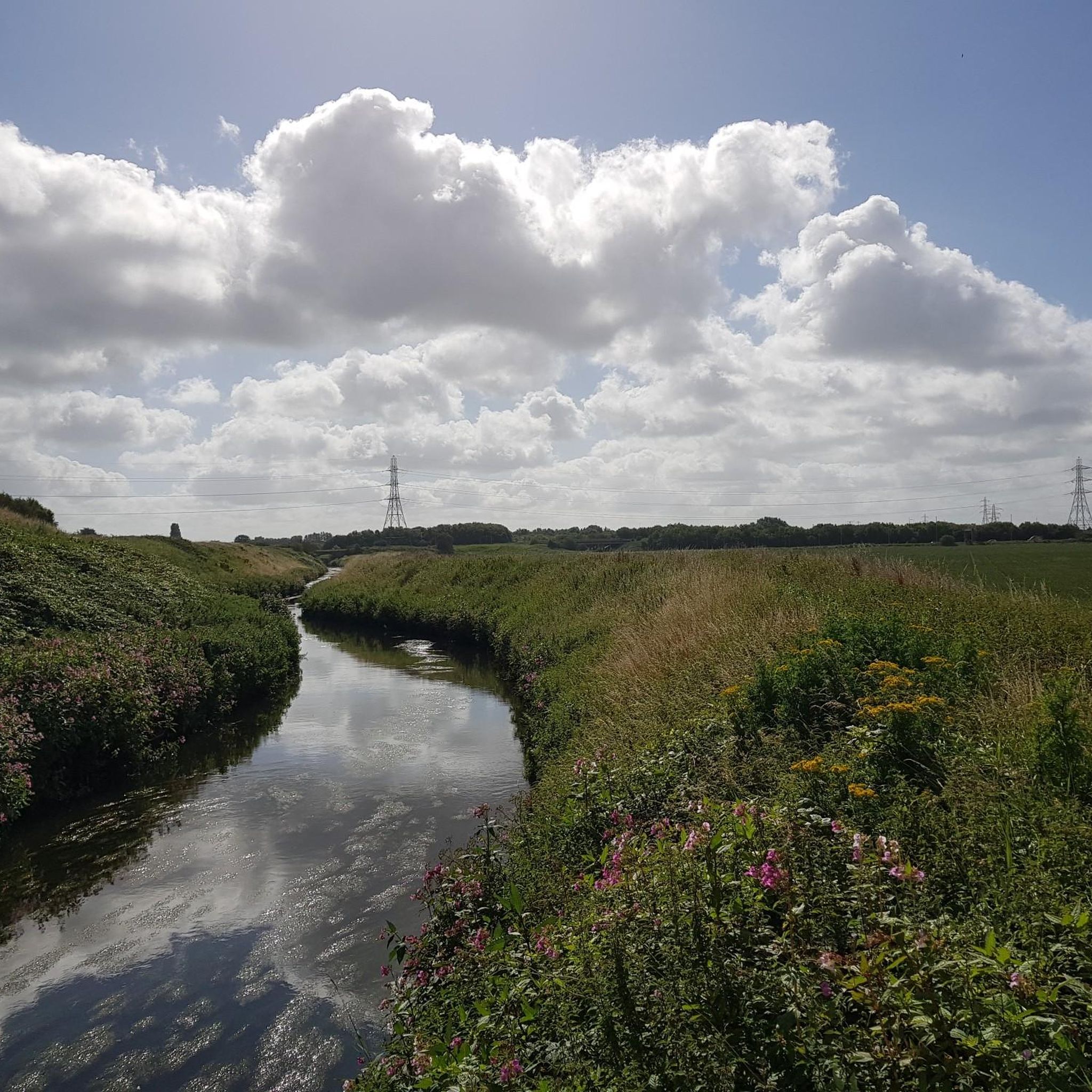
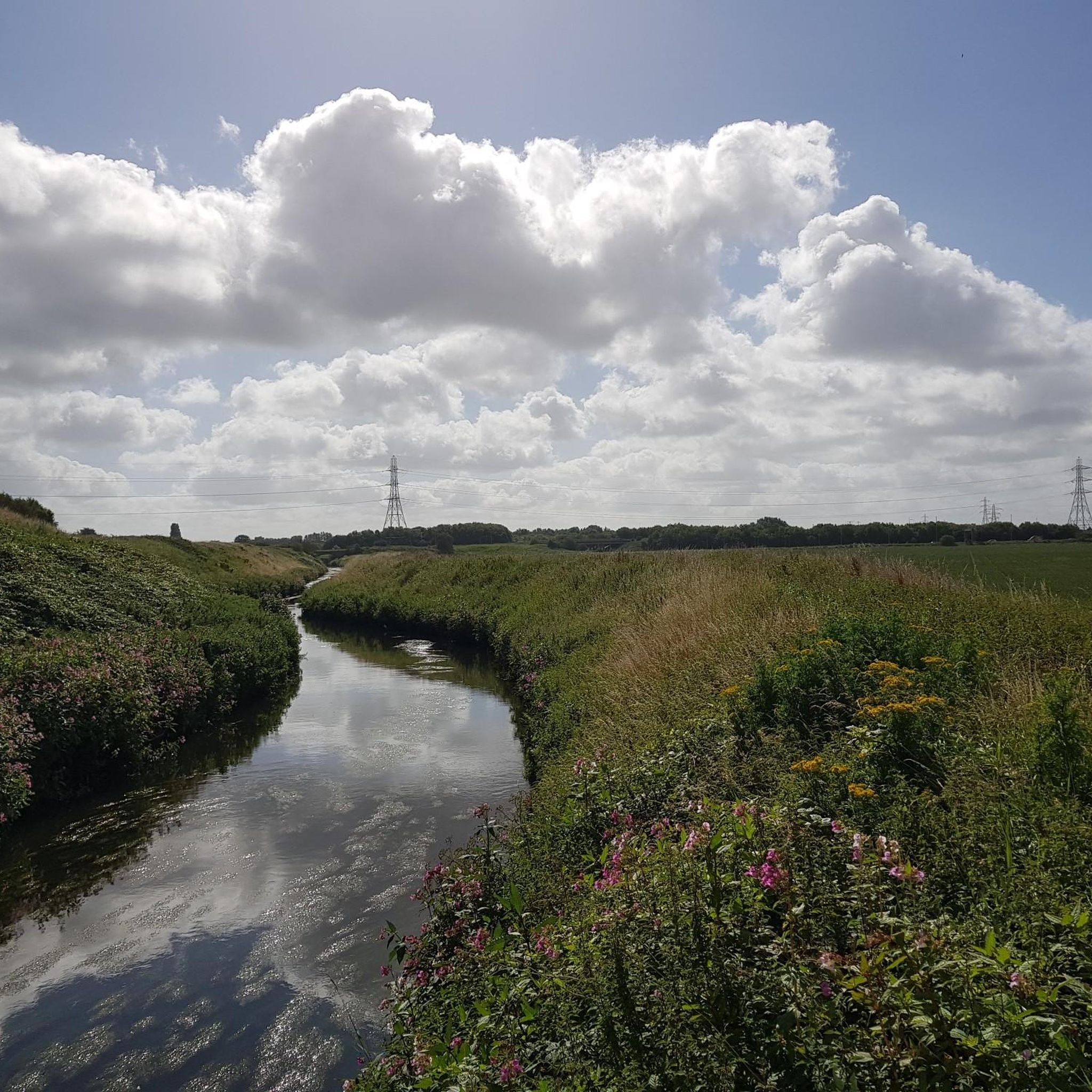
Tips from the Community

Be advised that the car park now has a fee.
0
0

"Set in 121 acres, this Grade II listed Victorian park is surrounded by fine period architecture and fishing lakes with roach, carp and tench. An angling permit is required if fishing in park lakes." You can find out more about Newsham Park here; https://liverpool.gov.uk/parks-and-greenspaces/local-parks-and-greenspaces/newsham-park/
1
0
Follow the brooks to where they merge at Sefton Park Lake before flowing underground to Otterspool Park to the River Mersey as the River Jordan.
0
0

If you go very early, there is a barn owl that you may catch a glimpse of. The last time I visited she was teaching her young how to hunt.
2
0
Around 8000 years ago as Britain was becoming the island that we recognise today the earliest people living here were hunter-gatherers in what is known as the Mesolithic period. Evidence for where they lived is widespread in Britain and many sites have been archaeologically excavated. However, good surviving evidence for how these people lived is restricted to a very few sites. The common view has been that they were scattered nomadic people who lived in small groups with little evidence for them building substantial settlements. In the last ten years or so understanding of the period has begun to improve slowly with new discoveries that have modified this view. The most recent discovery in 2012-13 of rare 8,000 year old houses at Lunt Meadows, Sefton, north of Liverpool, is another important development in our understanding of a way of life that began to disappear about 6000 years ago with the introduction of farming into Britain.
2
1
Martin Mere was formed at the end of the last ice age, when water filled a depression in the glacial drift. Since then its size has varied as water levels have risen and fallen. The original giant lake can be seen on Christopher Saxton's map from 1579 and stretched from Rufford in the east, to Churchtown (then known as North Meols) in the west. To the north of the lake were the villages of Mere Brow and Holmeswood, the site of Holmeswood Hall, built by the Heskeths as a hunting lodge. South of the lake was the Scarisbrick Hall estate, Martin Hall and Tarlefarwood, now known as Tarlscough
8
2
Martin Mere is a mere near Burscough, in Lancashire, England, on the West Lancashire Coastal Plain. The mere is a vast marsh, around grid reference SD 41 15 that was, until it was drained, the largest body of fresh water in England.
8
2
Martin Mere was formed at the end of the last ice age, when water filled a depression in the glacial drift. Since then its size has varied as water levels have risen and fallen. The original giant lake can be seen on Christopher Saxton's map from 1579 and stretched from Rufford in the east, to Churchtown (then known as North Meols) in the west. To the north of the lake were the villages of Mere Brow and Holmeswood, the site of Holmeswood Hall, built by the Heskeths as a hunting lodge. South of the lake was the Scarisbrick Hall estate, Martin Hall and Tarlefarwood, now known as Tarlscough. The mere originally drained out in two places; at the western end the arm of the mere known as the Wyke drained into the Pool (or Old Pool) at what is now Crowland Street, Blowick, while at its eastern end it flowed into the river Douglas at Rufford. Active management of the mere began in 1692 when Thomas Fleetwood of Bank Hall cut a channel in an attempt to drain it.
7
2
Frequently Asked Questions
What types of lakes can I find around Melling?
The Melling area offers a diverse range of water bodies. In Lancashire, you'll find smaller, canal-like waters such as Melling's Number 1 Flash, known for fishing. In Merseyside, while natural lakes are less common directly within Melling, the wider area near Liverpool features several park lakes like Sefton Park Lake, Greenbank Park Lake, Princes Park Lake, and Newsham Park Lake. Additionally, historical wetlands like Martin Mere Wetland Centre and nature reserves with significant water features like Lunt Meadows Nature Reserve are prominent.
Are there family-friendly lakes or water areas near Melling?
Yes, several spots are great for families. Martin Mere Wetland Centre is a fantastic family-friendly destination, offering extensive wetlands and wildlife. Lunt Meadows Nature Reserve is also suitable for families, providing opportunities for bird watching and exploring historical sites. For a more urban park experience, the lake in Newsham Park and Greenbank Park are popular choices within the wider Merseyside area.
What historical or natural features can I explore near Melling's lakes?
The region is rich in both natural and historical significance. Lunt Meadows Nature Reserve is home to an 8,000-year-old Stone Age settlement, offering a unique glimpse into Mesolithic life in Britain. Martin Mere Wetland Centre was historically the largest body of fresh water in England, formed at the end of the last ice age, and its history of drainage and management is fascinating. The Leeds and Liverpool Canal, while man-made, also represents a significant historical waterway traversing the Melling area.
Can I go fishing at any of the lakes around Melling?
Yes, fishing is a popular activity in the area. Melling's Number 1 Flash in Lancashire is managed by the Wigan and District Angling Association and is suitable for fishing. In Merseyside, Little Wood Greenway, Stockbridge Village, with its ponds and lakes, is known for fishing. Additionally, Newsham Park Lake and Greenbank Park Lake in the wider Liverpool area permit fishing, though an angling permit is required for Newsham Park.
Are there walking or cycling routes near the lakes?
Absolutely. The Leeds and Liverpool Canal, which runs through Melling, offers excellent traffic-free paths for both walking and cycling. Little Wood Greenway, Stockbridge Village is specifically a cycle way with ponds and lakes, perfect for a leisurely ride or walk. For more extensive options, you can explore various cycling routes around Melling, including those along the Leeds and Liverpool Canal, or easy hikes that take you past natural features. You can find more details on these routes in the Cycling around Melling and Easy hikes around Melling guides.
What kind of wildlife can I expect to see at these lakes?
The lakes and wetlands around Melling are havens for wildlife. Lunt Meadows Nature Reserve is a notable spot for bird watching, with sightings of barn owls. Martin Mere Wetland Centre is a vast wetland area, home to a wide array of bird species and other aquatic wildlife. At Little Wood Greenway, you might spot owls, woodpeckers, squirrels, and various other birds.
Are there any less crowded lakes for a peaceful visit?
While specific crowd levels can vary, smaller, local spots or less-advertised areas might offer more tranquility. Melling's Number 1 Flash in Lancashire, being a smaller canal-like water, might provide a quieter fishing experience. For nature reserves, visiting during off-peak hours (early mornings or late afternoons) can often lead to a more peaceful experience at places like Lunt Meadows Nature Reserve.
What are the parking and access options for these lake areas?
Parking availability varies by location. Lunt Meadows Nature Reserve offers a free car park, and the site can be accessed on foot or by bike from various directions. For park lakes in the wider Merseyside area, such as Newsham Park, public transport is often a convenient option, and street parking or dedicated park car parks may be available. It's always advisable to check specific location details before your visit.
What do visitors enjoy most about the lakes around Melling?
Visitors appreciate the blend of natural beauty, historical significance, and recreational opportunities. Many enjoy the bird watching at Lunt Meadows Nature Reserve and the extensive wetlands of Martin Mere Wetland Centre. The traffic-free paths and diverse wildlife at Little Wood Greenway are also highly rated for cycling and walking. The community has upvoted these locations 42 times and shared 4 photos, highlighting their appeal.
Are there any specific seasonal considerations for visiting the lakes?
While most lakes are accessible year-round, seasonal changes can enhance or alter the experience. Spring and summer are ideal for wildlife spotting and enjoying outdoor activities like cycling and walking. Autumn brings beautiful foliage, especially in areas with woodlands like Little Wood Greenway. Winter can offer crisp, quiet walks, but some facilities or paths might have reduced accessibility due to weather. Bird watching, particularly at wetland centers, can be excellent during migration seasons.
Can I find amenities like cafes or pubs near the lakes?
While direct amenities at every lake might be limited, the Melling area and its proximity to larger towns like Liverpool mean that cafes, pubs, and other facilities are generally accessible within a short drive or public transport journey. For instance, the park lakes in Liverpool are often surrounded by urban areas with various dining options. For specific nature reserves, it's best to check their individual websites for on-site facilities or nearby options.
Most popular attractions around Melling

Get inspired with the komoot mobile app


Explore more
Still not found your perfect lake around Melling? Check out the guides of these regions to see even more beautiful places.
