Top 5 Castles around Moor Monkton
Best castles around Moor Monkton include historical sites and fortified structures that reflect the region's rich past. While Moor Monkton itself was home to the moated and crenellated Rede House, a significant fortified manor from the 13th century, the broader Yorkshire area offers a variety of impressive castles. These sites provide insight into medieval architecture and local history. The landscape around Moor Monkton, characterized by its historical significance, offers a unique setting for exploring these ancient fortifications.
Best castles around…
Last updated: July 13, 2026
Clifford's Tower
Highlight • Historical Site
Translated by Google •
Tip by

Historic Centre of York
Highlight • Monument
Tip by

Sign up now to discover places like this
Get recommendations on the best single tracks, peaks, & plenty of other exciting outdoor places.
Sign up for free
St Mary's Abbey Ruins, Museum Gardens
Highlight • Historical Site
Translated by Google •
Tip by
Eye of York
Highlight • Monument
Tip by

Bishopthorpe Palace Gatehouse
Highlight • Monument
Tip by
Sign up for free to discover even more castles around Moor Monkton.
Sign up for free
Already have an account?
Start today with a free account
Your next adventure awaits.
Login or Signup

Tips from the Community


You could read Eric Gee's 1983 "Bishopthorpe Palace: An Architectural History", but Eric never had the tinterweb in 1983. We do >>> https://historicengland.org.uk/listing/the-list/list-entry/1166705?section=official-list-entry, https://en.wikipedia.org/wiki/Bishopthorpe_Palace
1
0
Welcome to the most popular city in the UK in 2025 (if you believe YouGov polls... https://yougov.co.uk/ratings/travel/popularity/cities/all). Staggering amount of fascinating history and Wikipedia does a decent job of making it accessible, or you can go really deep into something like the five-volume "An Inventory of the Historical Monuments in City of York": https://en.wikipedia.org/wiki/History_of_York https://en.wikipedia.org/wiki/Eboracum https://en.wikipedia.org/wiki/Scandinavian_York https://www.british-history.ac.uk/rchme/york/vol1
1
0
The "Eye of York," a space enclosed by the Crown Court, Castle Museum, and Clifford's Tower, offers a unique historical and cultural experience. It's a significant site with a rich past, including a key role in executions and as the location for the tragic massacre of York's Jewish community in 1190. Parking is tight around the area. St. George's Field Car Park on the riverfront makes for a pleasant stroll into the city, but it is not particularly large and fills up quickly. There is a larger Castle Car Park right next to Clifford's Tower, but the spaces are notoriously narrow, so you get to choose between either bashing the adjacent car or dislocating your hip when you get in and out of your car. If driving to York, then your best bet is the park and ride at the Designer Outlet on at the A64/A19 junction.
1
0

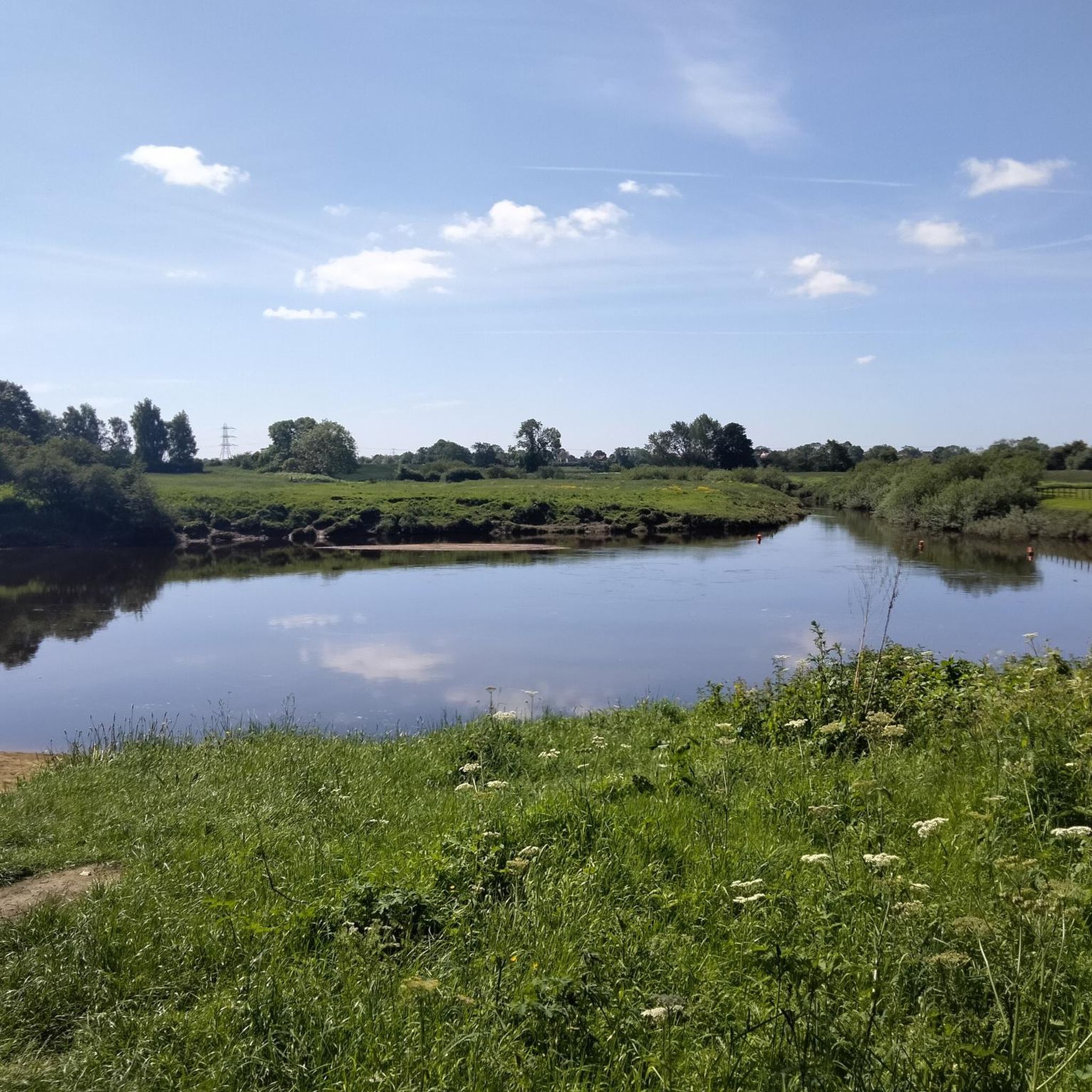
Bishopthorpe Palace is situated along the beautiful River Ouse south of the city centre of York. It's the official home of the Archbishop of York, and has been for all previous Archbishop's of York since 1241. Whilst the inside of the palace is only open for pre-arranged tours with quite a long waiting list, you can still admire the palace and its beautiful gatehouse from the footpath outside.
4
0
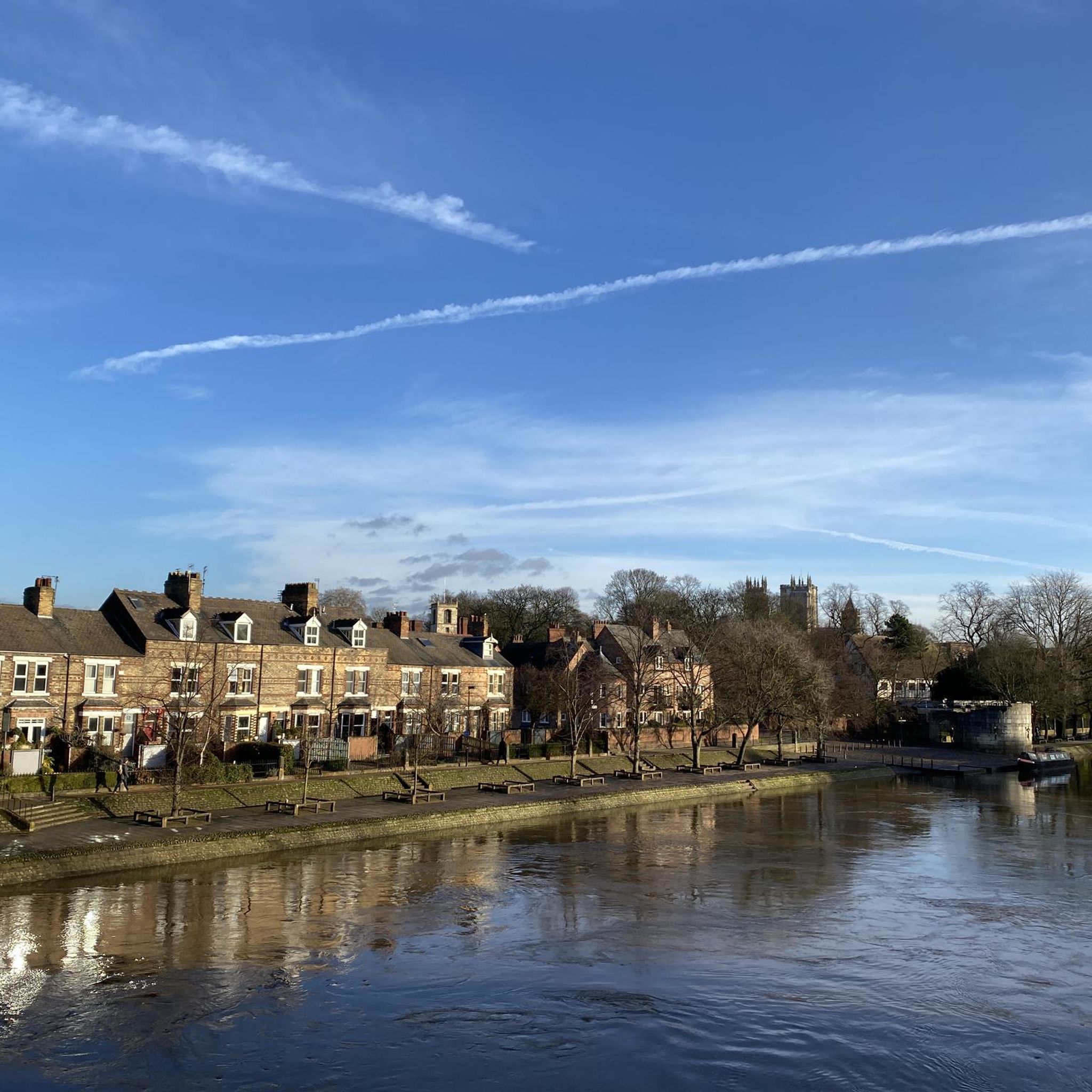
The ancient walled city of York dates back an incredible 2,000 years. The city is characterised by its historic buildings, outstanding architecture and narrow medieval streets lined with independent shops, cafés, bars and restaurants, the most famous of these streets being the iconic Shambles.
4
0

In 1890, the prison commissioners agreed to declare Clifford's Tower a national monument and preserve it as a historic site. [112] In 1902, Clifford's Tower was given to York Corporation, along with a grant of £3,000 (equivalent to £320,000 in 2019) for conservation and repairs arranged by Lord Wenlock. The removal of rubble and damage to the castle's masonry in the 16th century placed excessive pressure on the retaining wall, leading to renewed subsidence in the 14th century. [117] Sir Basil Mott, a leading Victorian engineer, installed concrete underpinnings to stabilize the structure beneath the gatehouse. [117]In the early 20th century, Clifford's Tower was regularly open to visitors and in 1915 it was handed over to the Office of Works as a national monument (source: https://en.wikipedia.org/wiki/York_Castle).
5
0
The "Eye of York" green area is now somewhat equipped with a YORK city sign made of green and a giant bear made of green as well as a few benches to linger and for tea time or snack.
5
0
Frequently Asked Questions
What kind of historical sites can I explore around Moor Monkton?
Beyond the historical significance of Moor Monkton's original Rede House, the broader area offers a rich array of historical sites. You can visit the Historic Centre of York, which dates back 2,000 years with its medieval streets and architecture. Other notable sites include Clifford's Tower, a preserved castle keep with a turbulent past, and the impressive Bishopthorpe Palace Gatehouse, the official home of the Archbishop of York.
Are there family-friendly castles or historical sites near Moor Monkton?
Yes, several sites are suitable for families. Clifford's Tower offers engaging history and views from its roof deck. The Historic Centre of York provides a fascinating environment to explore. Additionally, St Mary's Abbey Ruins, Museum Gardens is a great spot with historical ruins and botanical gardens, often featuring tame squirrels.
What outdoor activities can I do near the castles around Moor Monkton?
The area around Moor Monkton offers various outdoor activities. You can find numerous cycling routes, ranging from easy to difficult, such as the 'Aldwark Bridge – Clifton Ings Trail loop'. For runners, there are several running trails like the 'Beningbrough Park loop'. Gravel biking is also an option with routes like the 'Millennium Bridge York loop'. You can explore more options on the Cycling around Moor Monkton, Running Trails around Moor Monkton, and Gravel biking around Moor Monkton guide pages.
Can I visit the original site of Rede House in Moor Monkton?
While the original fortified manor house, Rede House, no longer stands as a complete structure, its historical significance is notable. The modern Red House, built around 1607, stands near the original moated site. The original moated area, along with a chapel and walled gardens, are still part of the Red House estate, offering a glimpse into the area's past as a defensive residence.
Are there any castles or historical sites that offer panoramic views?
Yes, Clifford's Tower in York provides excellent panoramic views over the city's historic skyline from its new roof deck. It's a great spot to appreciate the medieval buildings and the famous Minster from above.
What is the best way to experience the history of York's city walls?
To experience York's city walls, you can explore sections like The Red Tower. This tower was historically part of the city's defenses, situated next to what was once the 'Kings Fishpond', providing a very effective defense. Walking along the walls offers a unique perspective on the city's medieval past.
What do visitors enjoy most about the historical sites around Moor Monkton?
Visitors frequently appreciate the rich history and architectural beauty of the sites. For instance, the Historic Centre of York is praised for its 2,000-year history, outstanding architecture, and charming medieval streets. Clifford's Tower is noted for its turbulent history and the impressive views from its summit. Many also enjoy the peaceful atmosphere and historical ruins at St Mary's Abbey Ruins, Museum Gardens.
Are there any historical sites near Moor Monkton with religious significance?
Yes, Bishopthorpe Palace Gatehouse is a significant site, as the palace has been the official home of the Archbishop of York since 1241. While the interior is generally not open to the public without pre-arranged tours, you can admire the gatehouse and palace from the footpath outside. Additionally, the ruins of St Mary's Abbey offer insight into medieval monastic life.
What kind of natural features can I find near these historical sites?
Near the historical sites, particularly in York, you can find natural features integrated with historical landscapes. The Museum Gardens, home to St Mary's Abbey Ruins, are registered botanical gardens with a variety of plants and trees. The Bishopthorpe Palace is situated along the beautiful River Ouse, offering scenic riverside views.
Are there opportunities for walking or hiking near the castles?
While specific hiking trails directly adjacent to every castle might vary, the region around Moor Monkton offers numerous walking opportunities. You can find running trails that are suitable for walks, such as the 'Beningbrough Park loop' or 'River Beach at Newton-on-Ouse loop'. These routes often pass through scenic areas and can be found on the Running Trails around Moor Monkton guide page.
What is the historical context of Moor Monkton's own fortified structure?
Moor Monkton was historically home to Rede House, a significant fortified manor house. Originally owned by the Ughtred family from the 13th century, it was a moated structure that was crenellated in the 14th century by Sir Thomas Ughtred, indicating its defensive capabilities. Although the original structure is no longer fully standing, its site highlights the area's medieval defensive architecture.
Most popular attractions around Moor Monkton

Get inspired with the komoot mobile app


Explore more
Looking for the best castles somewhere else? Discover other guides around Moor Monkton:
