Top 7 Castles around Mitford
Best castles around Mitford are situated in a region rich with historical significance, particularly in the village of Mitford, Northumberland. This area is characterized by its strategic location above the River Wansbeck, offering natural prominence for defensive structures. The landscape features remnants of medieval architecture, providing insights into the region's past. Mitford serves as a focal point for exploring various types of historical fortifications.
Best castles around Mitford
- The most popular castles is Bothal Castle, a viewpoint that offers…
Last updated: October 3, 2026
Bothal Castle
Highlight • Viewpoint
Tip by

St Mary Magdalene Church
Highlight • Other
The parish church dates back to the late 12th century and was remodeled in the 13th century, likely after the village was burned by King John …
Tip by

Sign up now to discover places like this
Get recommendations on the best single tracks, peaks, & plenty of other exciting outdoor places.
Vicar's Pele Tower
Highlight • Monument
Tip by

Mitford Castle Ruins
Highlight • Castle
Mitford Castle dates back to the late 12th century, initially documented in 1138. It served various strategic roles, including being seized by King John in 1215 and later occupied …
Tip by
Cockle Park Tower
Highlight • Castle
morpethherald.co.uk/news/mysteries-and-theories-about-the-tower-1-8287970
photos from castleuk.net/castle_lists_north/81/cockle2.html
Tip by

Sign up for free to discover even more castles around Mitford.
Already have an account?
Start today with a free account
Your next adventure awaits.

Tips from the Community

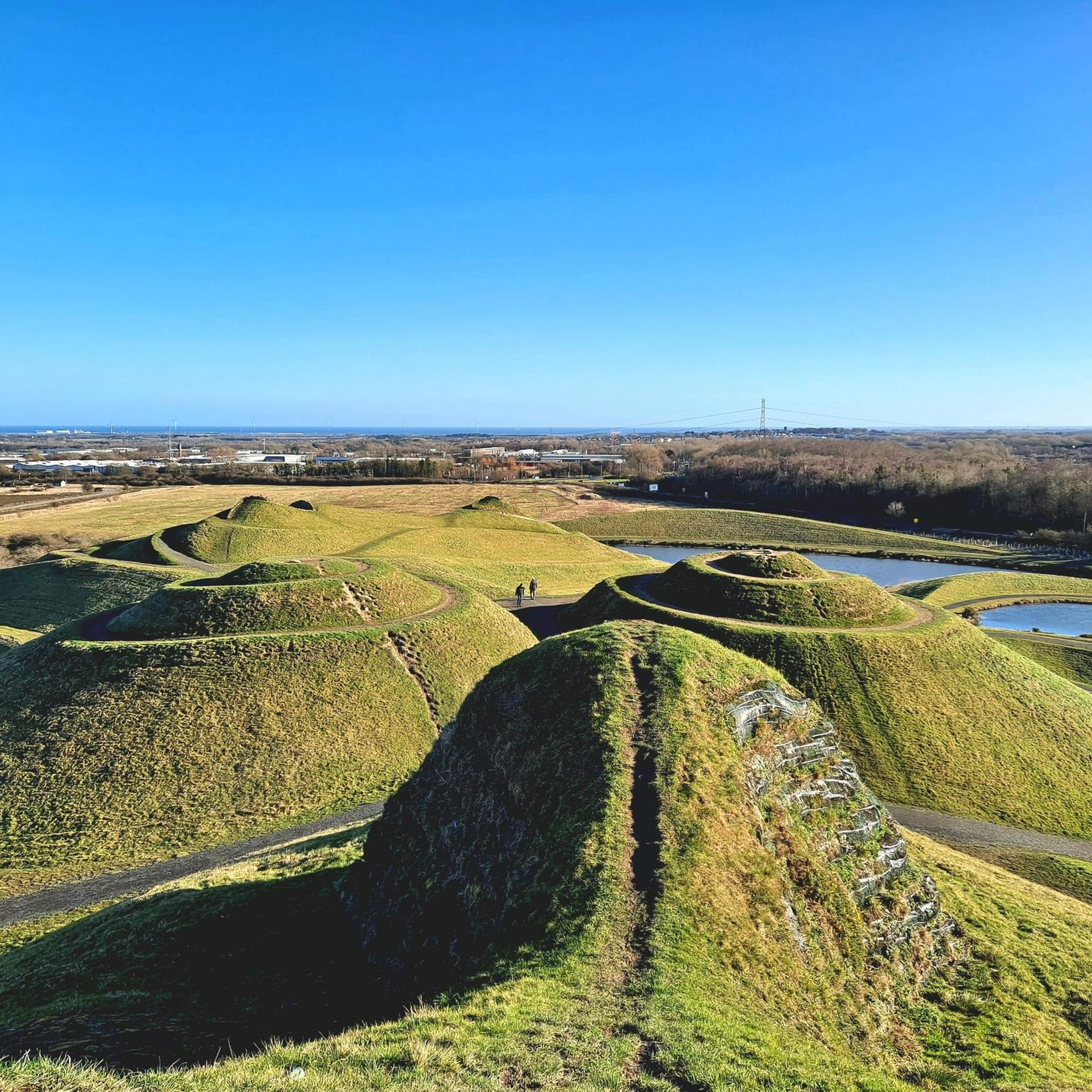
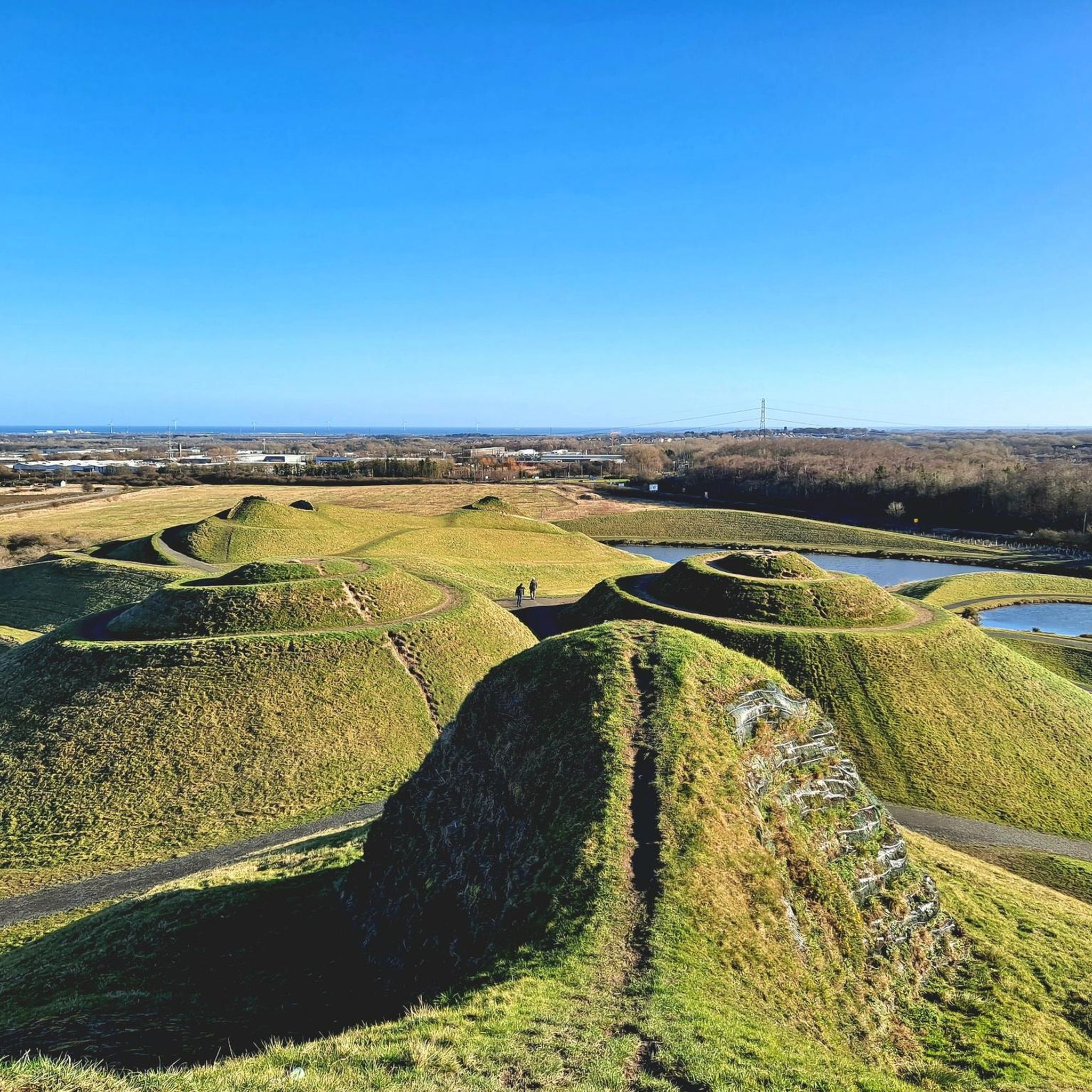
Fantastic views of the Bothal Castle ruin from the village of Bothal (old English for dwelling). Well worth a stop to take in the magnificent castle, though be warned, you're in a bit of a dip, so it's a climb out from both sides.
1
0

Bothal Castle is an impressive building with a rich history. It was originally built in the12th century, but transformed into its current form in 1343. It's a private residence, and therefore not accessible to the public.
0
0

History: Mitford Castle dates back to the late 12th century, initially documented in 1138. It served various strategic roles, including being seized by King John in 1215 and later occupied by the Scots. By 1323, it was abandoned due to extensive damage. The site includes a motte and bailey, with the motte later converted into a shell keep—a rare type of Norman fortification with only about 60 known examples in Britain. Exterior: Situated on a hillock above the River Wansbeck, the castle's remains include a substantial earthen motte and a surrounding ditch. An oval bailey, defended by a series of outworks and ditches, occupies the summit of the hill. The southern half of the bailey features remnants of a curtain wall, enclosing an outer ward, while the northern half retains an earthen bank. Interior: Within the shell keep are the remains of a central tower from the early 13th century, divided into two barrel-vaulted chambers likely used for water storage. Foundations of earlier structures are also present. Adjacent to the shell keep are the ruins of a 12th-century chapel and associated graveyard, adding to the site's historical significance. The well-preserved earthworks and stone structures provide valuable insights into medieval defensive architecture.
1
0
History of the Church: The parish church dates back to the late 12th century and was remodeled in the 13th century, likely after the village was burned by King John in 1216. The 14th century saw the addition of transepts. Major restoration and the addition of a south aisle, west tower, clerestory, and porch were carried out by R.J. Johnson of Newcastle in 1874-5. Exterior: The church features a mix of medieval squared stone and 19th-century ashlar with red tile roofs. Key elements include a west tower with an octagonal southwest stair turret, a south aisle with stepped angle buttresses and lancet windows, and a projecting southwest porch. The north nave wall has 13th-century masonry and a blocked door. The chancel’s south wall includes a 12th-century priest’s door and lancet windows, while the transepts have trefoiled ogee lights. Interior: Inside, the 12th-century south arcade features round moulded arches on round piers with scalloped capitals. The north transept and south transept have foliage-carved capitals and a small piscina, respectively. The chancel arch and tower arch are 19th-century, and the chancel includes triple sedilia and eastern lancets with 12th-century outer shafts. Fittings include a 1622 Revely monument, a Romanesque wall monument, a medieval bell, and various 19th-century items like the font, pulpit, and reredos with figures of Saints Aidan and Cuthbert.
0
0
Bothal is a small village in Northumberland, England, known for its historical landmarks and rural charm. The village features Bothal Castle, a well-preserved privately-owned medieval castle from the 14th century. The Church of Saint Andrew, a parish church with Norman architecture dating back to the 12th century, is another notable attraction. Bothal also offers picturesque countryside for outdoor activities such as walking, cycling, and fishing along the River Wansbeck. Visitors can enjoy exploring the village's historical sites and taking in its natural beauty.
0
0

Not open to the public but some excellent views from the outside.
0
0


Vicar's Pele is a three storey stone pele tower, which was built in the 14th or 15th century. It possibly stands on the site of a 13th century hall house and its south wing may have been rebuilt as the tower. Later it was part of a vicarage, which was demolished in the late 19th century, leaving a small dwelling house still attached. The house was removed in 1950 and the tower consolidated with concrete in 1971, excavations in 2001 uncovered a stone flagged floor inside the tower. There are blocked doors on the west and north sides and three large openings on the south face. This gaunt shell shows signs of a gabled roof on the west wall and the evidence of numerous later alterations and repairs. Nearby in Ponteland is the Blackbird Inn and 7 miles north-west is Belsay Castle. http://www.castleuk.net/castle_lists_north/88/pontelandpele.htm
9
0
Frequently Asked Questions
What are the most historically significant castles around Mitford?
The region boasts several historically significant sites. Mitford Castle Ruins, dating back to the late 12th century, is a prime example of a motte and bailey castle with a rare shell keep. Bothal Castle, originally from the 12th century and transformed in 1343, offers impressive ruins. Additionally, the Vicar's Pele Tower is a three-storey stone pele tower built in the 14th or 15th century, showcasing medieval defensive architecture.
Are there any family-friendly castles to visit near Mitford?
Yes, Mitford Castle Ruins is considered family-friendly. Visitors have noted it's a short walk and brilliant for families, offering a chance to explore a historical site with a motte and bailey design.
What kind of architectural features can I expect to see at Mitford Castle?
Mitford Castle Ruins features a motte and bailey design, with the motte later converted into a rare shell keep. You can also see remnants of a central tower from the early 13th century, foundations of earlier structures, and the ruins of a 12th-century chapel and associated graveyard. The construction uses ashlar quality squared stone.
Can I access the grounds of Mitford Castle?
Yes, Mitford Castle Ruins is typically accessible to visitors from opposite the local church, with a gate leading up to the site. It's situated on a knoll above the River Wansbeck, offering a scenic setting.
Are there hiking trails near the castles in Mitford?
Absolutely. There are several hiking opportunities around Mitford. For instance, you can find routes like the 'Mitford Castle and Church – St Mary Magdalene Church loop from Morpeth' which is an easy 4.6 km hike. Explore more options on the Hiking around Mitford guide and the Easy hikes around Mitford guide.
What cycling routes are available near Mitford's castles?
Road cycling enthusiasts can find routes such as the 'Mitford Castle and Church – St Mary Magdalene Church loop from Mitford', which is a moderate 38.5 km ride. For more options, check out the Road Cycling Routes around Mitford guide.
What do visitors enjoy most about the castles around Mitford?
Visitors appreciate the historical significance and architectural interest of the castles, particularly the evolution from timber to masonry structures. The scenic locations, such as Mitford Castle Ruins on a knoll above the River Wansbeck, are also highly valued. The komoot community has shared over 23 photos and given more than 19 upvotes for these sites.
Is Bothal Castle open to the public?
Bothal Castle is an impressive 12th-century building with a rich history. However, it is a private residence and therefore not accessible to the public. You can still enjoy fantastic views of its magnificent ruins from the village of Bothal.
Are there any other historical sites near Mitford Castle?
Yes, close to Mitford Castle Ruins is St Mary Magdalene Church. This parish church dates back to the late 12th century and features a mix of medieval and 19th-century architecture, including 12th-century south arcade and chancel elements.
What is a 'Pele Tower' and where can I see one near Mitford?
A Pele Tower is a type of small fortified tower house, common in the Anglo-Scottish border region during the medieval period, built as a defense against raids. You can see a three-storey stone example at Vicar's Pele Tower, which was built in the 14th or 15th century.
Is there a 'hidden gem' castle or tower in the area?
Cockle Park Tower is a hunting lodge that some visitors find hard to spot while passing. It's a historical castle, though information on public access is not readily available, making it a lesser-known but intriguing site.
Most popular attractions around Mitford

Get inspired with the komoot mobile app


Explore more
Looking for the best castles somewhere else? Discover other guides around Mitford:
