Top 8 Lakes around Chelmarsh
Best lakes around Chelmarsh are situated in the Shropshire countryside, offering a variety of water bodies within a scenic landscape. The area is characterized by its rural setting, with several reservoirs and natural pools providing opportunities for outdoor activities. Chelmarsh Reservoir is a prominent feature, known for its recreational options and natural environment. These lakes contribute to the region's natural appeal within the picturesque Severn Valley.
Best lakes around Chelmarsh
- The most popular lakes is Trimpley Reservoir, an artificial…
Last updated: October 3, 2026
Trimpley Reservoir
Highlight • Structure
Tip by

Dudmaston Hall
Highlight • Forest
Tip by

Sign up now to discover places like this
Get recommendations on the best single tracks, peaks, & plenty of other exciting outdoor places.
Seggy Pool
Highlight • Lake
Tip by

Bodenham Arboretum
Highlight • Forest
Tip by

Dudmaston Big Pool
Highlight • Forest
Tip by

Sign up for free to discover even more lakes around Chelmarsh.
Already have an account?
Start today with a free account
Your next adventure awaits.

Tips from the Community

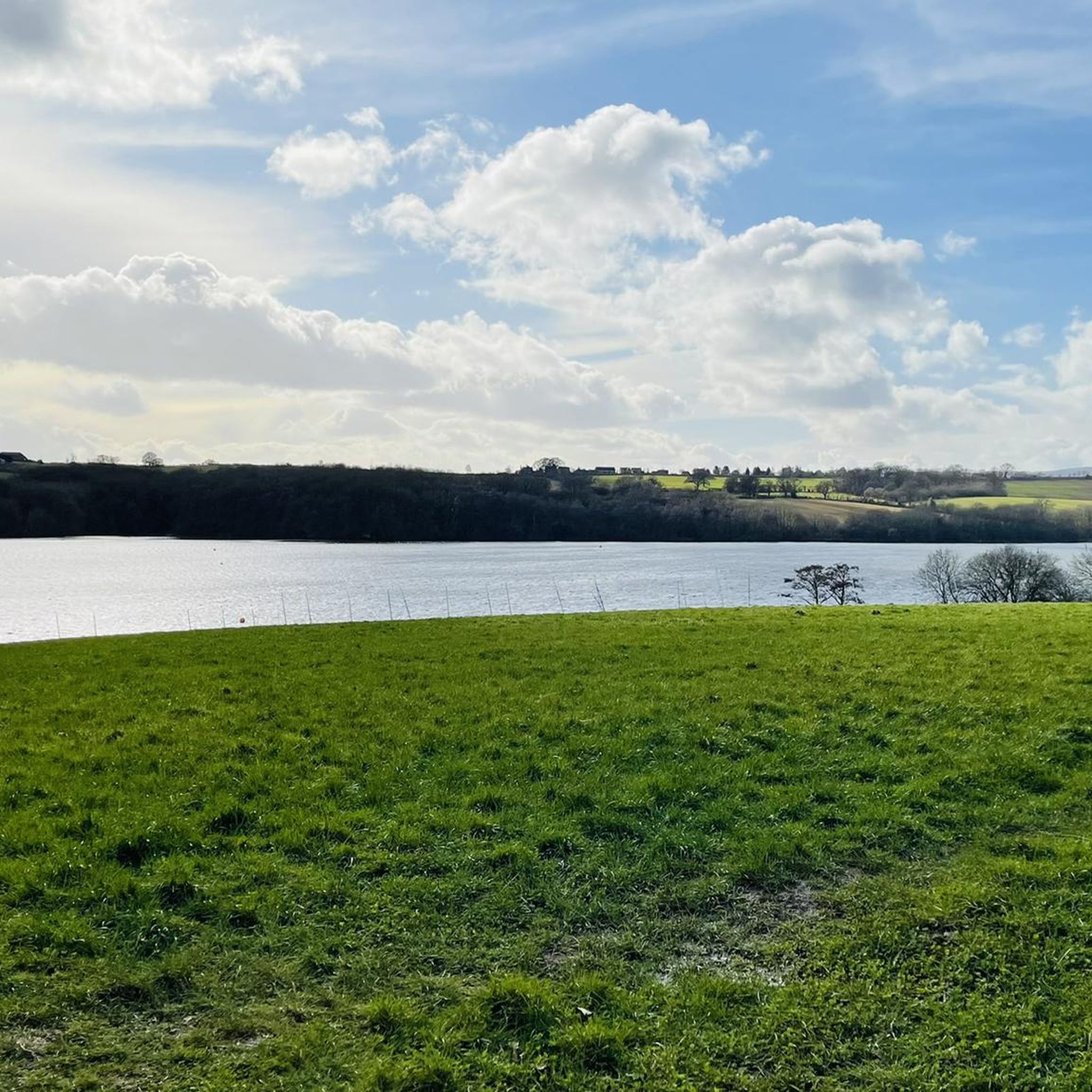
Fine man-made lake, with an excellent view across to Dudmaston Hall. The path on the west side may be closed on Fridays and Saturdays, so best check.
0
0


Beautiful, peaceful, wildlife-rich pond set in National Trust parkland at Dudmaston.
0
0


Great walks and farmyard animals. Some super events planned for children and adults!
0
0


Dudmaston Hall is a 17th-century country house in the care of the National Trust in the Severn Valley, Shropshire, England. Parliament and was one of the few royalists not to recover his money at the Restoration in 1660. Sir Thomas's eldest son, Francis (1627–89), the second baronet, was declared a lunatic. It was his fifth son, John Wolryche, who took over the estate in 1668. He began building a new house at Quatt, now the dower house, but died in 1685, before work was finished. John's son, Sir Thomas Wolryche (1672–1701) inherited his uncle's baronetcy and his father's determination to rebuild. However, he embarked on a much more ambitious project, replacing the old manor house with a new sandstone building, the core of the present Dudmaston Hall. The architect appears to have been Francis Smith of Warwick, who provided a substantial, well-built, but not grand residence. Modelled on Belton House in Lincolnshire, it has an H-plan lay-out, a large central entrance hall, backed by a saloon, and flanked by three-roomed wings. Construction probably began before 1700, but Thomas died in 1701 before it was complete. Management of the estate passed to Sir Thomas's widow, Elizabeth Weld. However, their son, Sir John Wolryche (1691–1723), the fourth baronet, came to maturity in 1712 and took over the reins. For a decade he spent heavily on gambling, horses and hunting. In 1723, attempting to ford the Severn after attending races at Chelmarsh, directly opposite Dudmaston, he drowned, leaving no male heir. The estate was burdened by heavy debts and was passed to Sir John's sister, Mary, only on payment of £14,000. She, her mother Elizabeth, and her uncle, Colonel Thomas Weld, resided at Dudmaston, and over the next half century, largely restored it to a sound financial footing by frugal management.
0
0
Seggy pool is the smallest of the three lakes on the Dudmaston estate at around 5 acres, with depths from just a few inches to around 4ft and heavily wooded around its banks.
0
0
Frequently Asked Questions
What are the most popular lakes around Chelmarsh?
Visitors frequently enjoy Dudmaston Comer Woods and Lake, known for its open paths and mature trees, especially popular with dog walkers. Trimpley Reservoir is another favorite, ideal for bird watching. Additionally, Dudmaston Hall offers a historical estate with a vast lake and landscaped gardens.
Are there family-friendly lakes or activities near Chelmarsh?
Yes, several lakes are suitable for families. Dudmaston Comer Woods and Lake is great for walks. Seggy Pool, the smallest lake on the Dudmaston estate, is also family-friendly. Bodenham Arboretum offers walks, farmyard animals, and events for children and adults.
Can I go swimming in the lakes around Chelmarsh?
Open water swimming was introduced at Chelmarsh Reservoir in 2021, providing a serene and safe environment for swimmers. However, be aware that at Trimpley Reservoir, swimming is not permitted due to deep water.
What kind of wildlife can I spot at the lakes?
Chelmarsh Reservoir is excellent for wildlife and birdwatching, attracting a diverse array of wild birds, especially during winter. You can spot large numbers of wildfowl, Goosander, gulls, Kingfishers, and Water Rail. Trimpley Reservoir is also ideal for bird watching, with gulls, waders, and terns pausing during migration, and kingfishers and grey herons present throughout the year.
Are there historical sites or landmarks near the lakes?
Yes, Dudmaston Hall is a significant historical site. This 17th-century country house and estate, managed by the National Trust, features managed woodlands, landscaped gardens, and a vast lake. The site of Chelmarsh Reservoir itself has historical context, previously home to a small dam that created Park Pond for Chelmarsh Hall.
What walking and cycling routes are available around Chelmarsh Reservoir?
A circular walk around Chelmarsh Reservoir offers scenic views of the water and the River Severn. Sections of the Jack Mytton Way long-distance footpath and National Cycle Route 45 also pass by the reservoir, providing traffic-free paths. For more routes, you can explore cycling guides around Chelmarsh.
Are the lakes around Chelmarsh dog-friendly?
Yes, Dudmaston Comer Woods and Lake is particularly appreciated by dog walkers, offering nice woods with good open paths. Many of the natural areas around the lakes are suitable for dogs, but always check local signage for specific restrictions.
What outdoor activities, besides walking, can I do near these lakes?
Beyond walking, Chelmarsh Reservoir is a hub for water-based recreation, including sailing at Chelmarsh Sailing Club and fishing managed by Kinver Freeliners Angling Club. For land-based activities, you can find various running trails and mountain biking trails in the wider Chelmarsh area.
When is the best time to visit the lakes around Chelmarsh?
The lakes offer different appeals throughout the year. Winter is particularly good for birdwatching at Chelmarsh Reservoir, as the unfrozen water attracts large numbers of wildfowl. The picturesque setting within the Severn Valley makes it enjoyable in milder seasons for walking and other outdoor activities.
Are there any cafes or pubs near the lakes?
While specific cafes or pubs directly adjacent to every lake are not detailed, the region's rural setting means charming local establishments are often found in nearby villages. Bodenham Arboretum has a visitor centre and restaurant with free access.
What makes Trimpley Reservoir a good spot for birdwatching?
Trimpley Reservoir is an artificial lake that serves as an important stopover for migratory birds. During autumn and spring, gulls, waders, and terns pause here. Throughout the year, you might also spot kingfishers and grey herons, with Eymore Wood nearby sheltering additional birdlife like pheasants, cuckoos, and woodpeckers.
What is special about Dudmaston Hall and its lake?
Dudmaston Hall is a 17th-century country house set within a vast estate managed by the National Trust. It features managed woodlands, landscaped gardens, and a significant lake. The house itself holds a large art collection and has historical ties, including Charles Babbage's residence where he invented the central heating system.
Most popular routes around Chelmarsh
Most popular attractions around Chelmarsh

Get inspired with the komoot mobile app


Explore more
Still not found your perfect lake around Chelmarsh? Check out the guides of these regions to see even more beautiful places.
