Top 9 Lakes around Romsley
Best lakes around Romsley are found in the surrounding Worcestershire and West Midlands areas, offering diverse waterside environments. The region, characterized by its rural setting and proximity to the Clent Hills, provides various options for outdoor activities. These nearby lakes offer opportunities for recreation, nature appreciation, and family outings. The area combines natural landscapes with historical sites, making it suitable for different outdoor pursuits.
Best lakes around Romsley
- The most popular lakes is Trimpley Reservoir, a man-made reservoir that…
Last updated: October 3, 2026
Trimpley Reservoir
Highlight • Structure
Tip by

Dudmaston Hall
Highlight • Forest
Tip by

Sign up now to discover places like this
Get recommendations on the best single tracks, peaks, & plenty of other exciting outdoor places.
Mary Stevens Park
Highlight • Forest
Tip by

Seggy Pool
Highlight • Lake
Tip by

Bodenham Arboretum
Highlight • Forest
Tip by

Sign up for free to discover even more lakes around Romsley.
Already have an account?
Start today with a free account
Your next adventure awaits.

Tips from the Community

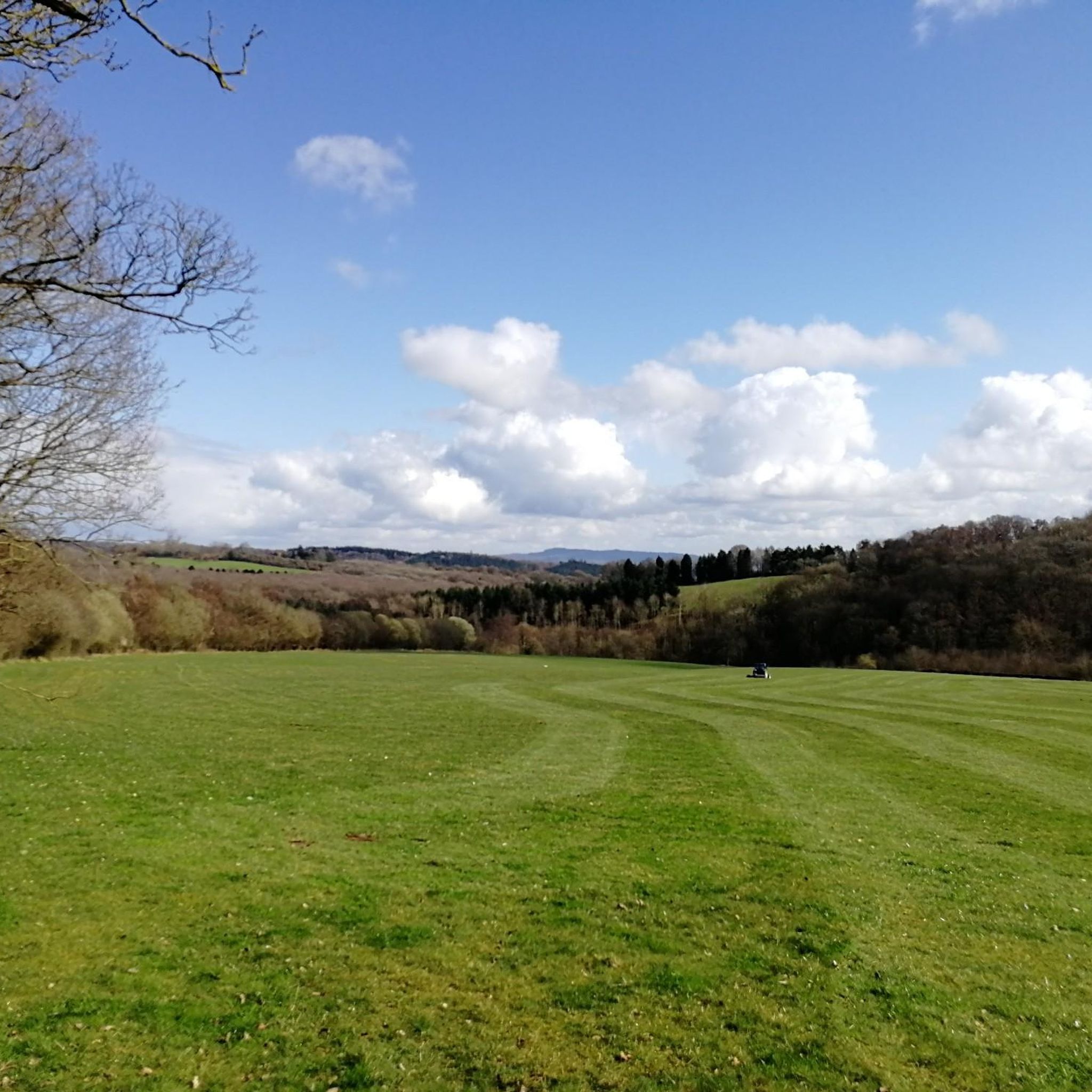
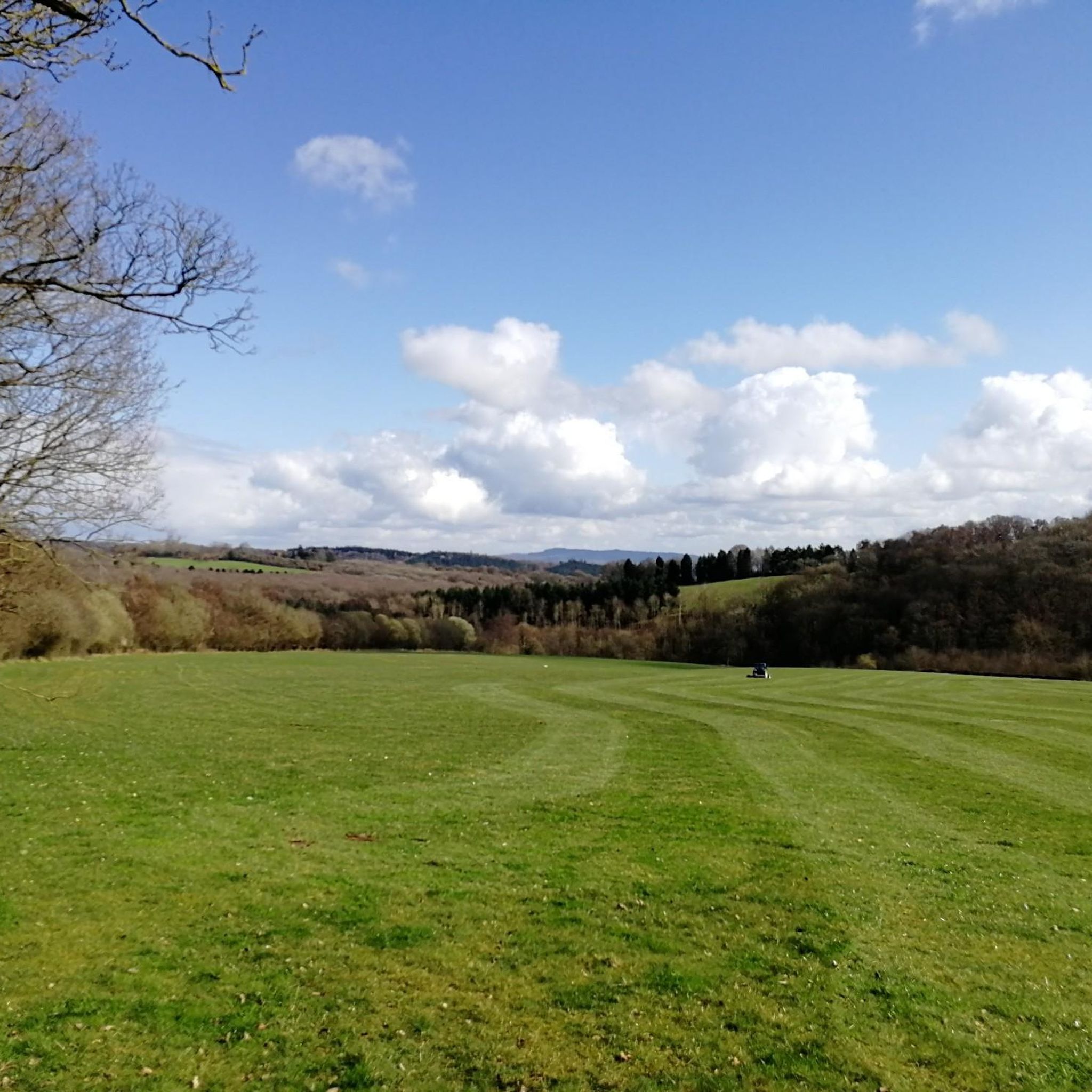
Steep hills, and lovely location especially the run through Mary Stevens Park
0
0


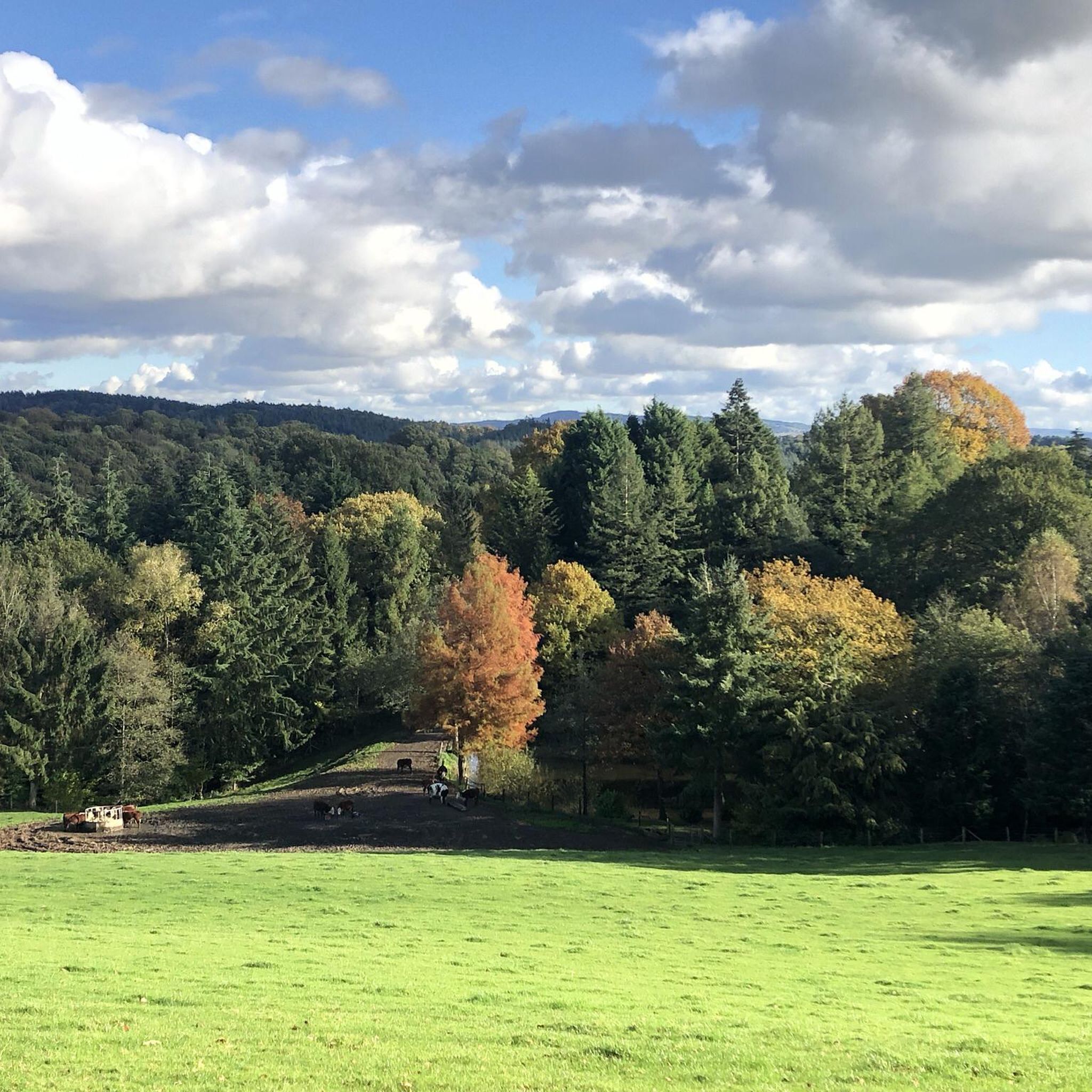
Great walks and farmyard animals. Some super events planned for children and adults!
0
0


Dudmaston Hall is a 17th-century country house in the care of the National Trust in the Severn Valley, Shropshire, England. Parliament and was one of the few royalists not to recover his money at the Restoration in 1660. Sir Thomas's eldest son, Francis (1627–89), the second baronet, was declared a lunatic. It was his fifth son, John Wolryche, who took over the estate in 1668. He began building a new house at Quatt, now the dower house, but died in 1685, before work was finished. John's son, Sir Thomas Wolryche (1672–1701) inherited his uncle's baronetcy and his father's determination to rebuild. However, he embarked on a much more ambitious project, replacing the old manor house with a new sandstone building, the core of the present Dudmaston Hall. The architect appears to have been Francis Smith of Warwick, who provided a substantial, well-built, but not grand residence. Modelled on Belton House in Lincolnshire, it has an H-plan lay-out, a large central entrance hall, backed by a saloon, and flanked by three-roomed wings. Construction probably began before 1700, but Thomas died in 1701 before it was complete. Management of the estate passed to Sir Thomas's widow, Elizabeth Weld. However, their son, Sir John Wolryche (1691–1723), the fourth baronet, came to maturity in 1712 and took over the reins. For a decade he spent heavily on gambling, horses and hunting. In 1723, attempting to ford the Severn after attending races at Chelmarsh, directly opposite Dudmaston, he drowned, leaving no male heir. The estate was burdened by heavy debts and was passed to Sir John's sister, Mary, only on payment of £14,000. She, her mother Elizabeth, and her uncle, Colonel Thomas Weld, resided at Dudmaston, and over the next half century, largely restored it to a sound financial footing by frugal management.
0
0
Seggy pool is the smallest of the three lakes on the Dudmaston estate at around 5 acres, with depths from just a few inches to around 4ft and heavily wooded around its banks.
0
0
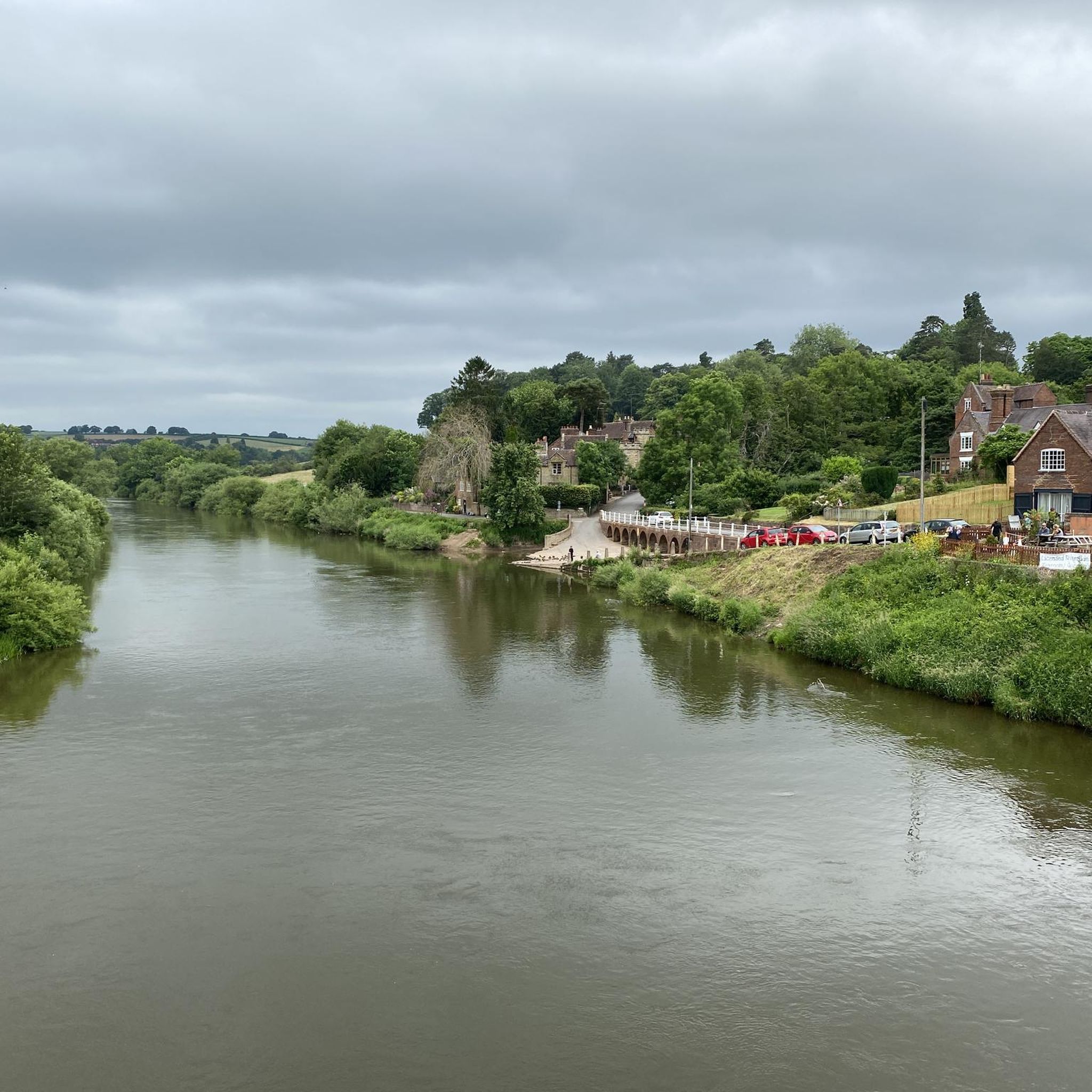
The reservoir was created to supplement the Elan Valley pipeline, which brings wonderful Welsh water all the way to Birmingham to supply our customers. Before the reservoir was built the land belonged to part of Eymore Farm, and so was mainly agricultural in use. The construction on the reservoir started in 1964 and was completed in 1968. The top reservoir provides water to the Elan Valley Aqueduct which in turn supplies water to Birmingham, Mamble and Tenbury. The reservoir has no natural feed, and so the water is pumped from the nearby River Severn. This is then spread over the collecting pool, and piped to the waterworks to be treated and filtered. The reservoirs’ perimeter is 29 acres and it is approximately 3ft deep. This increases to 40ft by the valve tower. Trimpley is ideal for bird watching. During autumn and spring, gulls, waders and terns pause here on migration. Other birds you might see throughout the year are kingfishers and grey herons. Eymore Wood also shelters a variety of birdlife, including pheasants, cuckoos and woodpeckers.
0
0
Frequently Asked Questions
What are some of the most popular lakes to visit near Romsley?
Visitors frequently enjoy Dudmaston Comer Woods and Lake, known for its open paths and mature trees, and Trimpley Reservoir, a man-made reservoir popular for walking and bird watching. Dudmaston Hall, a historical estate with a large lake, and Mary Stevens Park with its historic Heath Pool, are also highly regarded.
Are there family-friendly lakes around Romsley?
Yes, several lakes are suitable for families. Mary Stevens Park in Stourbridge offers a playground, café, and open spaces around Heath Pool. Dudmaston Comer Woods and Lake and Dudmaston Hall provide managed woodlands and gardens for family strolls. Seggy Pool, the smallest lake on the Dudmaston estate, is also considered family-friendly.
What kind of outdoor activities can I do at the lakes near Romsley?
The lakes offer a variety of activities. You can enjoy walking and bird watching at Trimpley Reservoir and Upper Bittell Reservoir. Lenches Lakes provides opportunities for open water swimming and fly fishing. For more active pursuits, you can find numerous hiking, running, and mountain biking trails in the wider area. Explore routes in the Hiking around Romsley, Running Trails around Romsley, and MTB Trails around Romsley guides.
Are there good walking or hiking trails around the lakes?
Absolutely. Trimpley Reservoir offers circular walks through surrounding woodlands. Upper Bittell Reservoir is known for scenic walking loops. The Dudmaston estate, including Dudmaston Comer Woods and Lake and Dudmaston Hall, features extensive managed woodlands perfect for walks. You can find detailed hiking routes in the Hiking around Romsley guide, including trails around Trimpley Reservoir and Dudmaston Hall.
What natural features and wildlife can I expect to see at these lakes?
The lakes offer diverse natural beauty. At Trimpley Reservoir, you can observe various bird species, including gulls, waders, terns, kingfishers, and grey herons, especially during migration. Eymore Wood nearby shelters pheasants, cuckoos, and woodpeckers. Dudmaston Comer Woods and Lake features mature trees like Beech and Oak. Mary Stevens Park includes Heath Pool, a historic ornamental lake, surrounded by open spaces and woodlands.
Are there any historical sites associated with the lakes?
Yes, Dudmaston Hall is a significant historical site, a 17th-century country house with a large lake, managed woodlands, and an art collection. Mary Stevens Park, opened in 1931, features Heath Pool, a historic ornamental lake that was once a mill pond, adding to its historical charm.
Where can I find parking for the lakes near Romsley?
Parking is generally available at the main attractions. For Mary Stevens Park, parking is available on site. Check the Dudley Council website for specific details. For Dudmaston Hall and its lakes, visitor parking is provided by the National Trust. Parking facilities are also typically available at reservoirs like Trimpley and Upper Bittell, often with designated areas for visitors.
When is the best time to visit the lakes near Romsley?
The lakes can be enjoyed year-round, with each season offering a different experience. Spring and autumn are ideal for walking and bird watching, especially at Trimpley Reservoir when migratory birds pause there. Summer is perfect for family outings and activities like open water swimming at Lenches Lakes. Winter walks can be tranquil, offering crisp views of the landscapes.
Are the lakes near Romsley dog-friendly?
Yes, many areas around the lakes are dog-friendly. Dudmaston Comer Woods and Lake is particularly popular with dog walkers, offering good open paths through the woods. Always ensure dogs are kept under control and check for any specific local regulations or lead requirements, especially in nature reserves or areas with livestock.
Can I go wild swimming or fishing at any of the lakes?
Lenches Lakes is an excellent option for open water swimming, featuring a spring-fed lake with a 350-meter buoyed course. It also provides opportunities for fly fishing. While fishing is possible at some reservoirs like Trimpley Reservoir, swimming is generally not permitted due to deep waters and safety concerns. Always check local rules and obtain any necessary permits before engaging in these activities.
Are there cafes or facilities available at the lakes?
Yes, Mary Stevens Park in Stourbridge has a café located in its tea gardens, along with other facilities like a children's playground and outdoor gym. Dudmaston Hall, managed by the National Trust, also offers visitor facilities, including a tearoom and shop. Lenches Lakes provides camping and caravan facilities for longer stays.
What do visitors enjoy most about the lakes around Romsley?
Visitors appreciate the diverse experiences offered, from the tranquil beauty of the waterside environments to the opportunities for active recreation. The well-maintained paths at places like Dudmaston Comer Woods and Lake are frequently praised, as are the scenic views and bird watching opportunities at Trimpley Reservoir. The combination of natural landscapes with historical sites like Dudmaston Hall also adds to the appeal.
Most popular attractions around Romsley

Get inspired with the komoot mobile app


Explore more
Still not found your perfect lake around Romsley? Check out the guides of these regions to see even more beautiful places.
