Top 7 Castles around Ashington
Best castles around Ashington are found in the surrounding Northumberland area, which offers a collection of historic fortifications. Ashington itself is near Bothal Castle, a medieval fortified manor visible from public rights of way along the River Wansbeck. The region provides a diverse landscape for exploring historical sites, from coastal fortresses to inland ruins. Visitors can discover a range of architectural styles and historical periods within a short distance of Ashington.
Best castles around Ashington
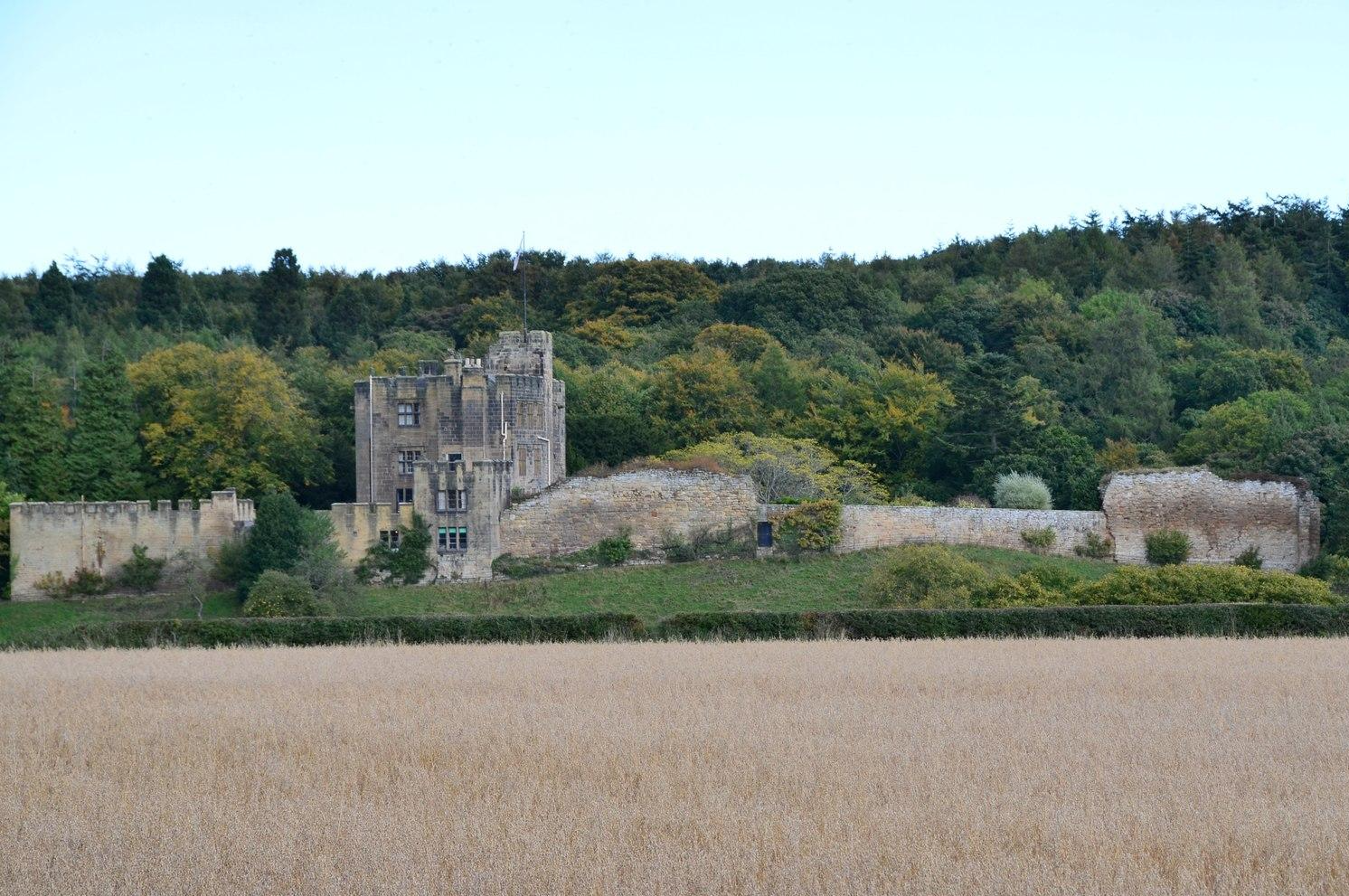
- The most popular castles is Bothal Castle, a castle that offers fantastic views from the village of Bothal. This impressive building, originally from the 12th century and transformed in 1343, is a private residence not accessible to the public.
- Another must-see spot is St Mary Magdalene Church, a historical site with castle connections. Visitors can explore its late 12th-century origins, 13th-century remodeling, and 19th-century restorations, featuring medieval squared stone and detailed interior elements.
- Visitors also love Mitford Castle Ruins, a castle dating back to the late 12th century. This site includes a motte and bailey, with the motte converted into a rare shell keep, offering insights into Norman defensive architecture.
- Ashington is known for medieval ruins, fortified manors, and historical churches with castle connections. The area offers a variety of historical sites to explore, from well-preserved structures to significant ruins.
- The castles around Ashington are appreciated by the komoot community, with 19 upvotes and 23 photos shared by visitors.
Last updated: August 10, 2026
Bothal Castle
Highlight • Viewpoint
Tip by

St Mary Magdalene Church
Highlight • Other
The parish church dates back to the late 12th century and was remodeled in the 13th century, likely after the village was burned by King John in 1216. The 14th century saw the addition of transepts. Major restoration and the addition of a south aisle, west tower, clerestory, and porch were carried out by R.J. Johnson of Newcastle in 1874-5.
Exterior:
The church features a mix of medieval squared stone and 19th-century ashlar with red tile roofs. Key elements include a west tower with an octagonal southwest stair turret, a south aisle with stepped angle buttresses and lancet windows, and a projecting southwest porch. The north nave wall has 13th-century masonry and a blocked door. The chancel’s south wall includes a 12th-century priest’s door and lancet windows, while the transepts have trefoiled ogee lights.
Interior:
Inside, the 12th-century south arcade features round moulded arches on round piers with scalloped capitals. The north transept and south transept have foliage-carved capitals and a small piscina, respectively. The chancel arch and tower arch are 19th-century, and the chancel includes triple sedilia and eastern lancets with 12th-century outer shafts. Fittings include a 1622 Revely monument, a Romanesque wall monument, a medieval bell, and various 19th-century items like the font, pulpit, and reredos with figures of Saints Aidan and Cuthbert.
Tip by

Sign up now to discover places like this
Get recommendations on the best single tracks, peaks, & plenty of other exciting outdoor places.
Sign up for free
Mitford Castle Ruins
Highlight • Castle
Mitford Castle dates back to the late 12th century, initially documented in 1138. It served various strategic roles, including being seized by King John in 1215 and later occupied by the Scots. By 1323, it was abandoned due to extensive damage. The site includes a motte and bailey, with the motte later converted into a shell keep—a rare type of Norman fortification with only about 60 known examples in Britain.
Exterior:
Situated on a hillock above the River Wansbeck, the castle's remains include a substantial earthen motte and a surrounding ditch. An oval bailey, defended by a series of outworks and ditches, occupies the summit of the hill. The southern half of the bailey features remnants of a curtain wall, enclosing an outer ward, while the northern half retains an earthen bank.
Interior:
Within the shell keep are the remains of a central tower from the early 13th century, divided into two barrel-vaulted chambers likely used for water storage. Foundations of earlier structures are also present. Adjacent to the shell keep are the ruins of a 12th-century chapel and associated graveyard, adding to the site's historical significance. The well-preserved earthworks and stone structures provide valuable insights into medieval defensive architecture.
Tip by
Seaton Delaval Hall
Highlight • Historical Site
Since then, the house has remained empty. Today, it's managed by the National Trust. There's a lovely cafe and gardens. Entrance costs £8 per adult. You can visit 10am to 5pm Wednesday to Sunday.
Tip by

Cockle Park Tower
Highlight • Castle
morpethherald.co.uk/news/mysteries-and-theories-about-the-tower-1-8287970
photos from castleuk.net/castle_lists_north/81/cockle2.html
Tip by

Sign up for free to discover even more castles around Ashington.
Sign up for free
Already have an account?
Start today with a free account
Your next adventure awaits.
Login or Signup
Popular around Ashington


Tips from the Community

worth a visit but do check as restoration is taking place so not everything is open
3
0

Fantastic views of the Bothal Castle ruin from the village of Bothal (old English for dwelling). Well worth a stop to take in the magnificent castle, though be warned, you're in a bit of a dip, so it's a climb out from both sides.
1
0

Seaton Delaval Hall is a Baroque style building designed by Sir John Vanbrugh. It was built in 1728, but was severely damaged during a fire in 1822. The Hall was opened to the public in 1950 after Lord Hastings oversaw extensive restoration works. Today you can visit the Hall and grounds, offering a fascinating insight into the Delaval family's life.
1
0
Bothal Castle is an impressive building with a rich history. It was originally built in the12th century, but transformed into its current form in 1343. It's a private residence, and therefore not accessible to the public.
0
0

History: Mitford Castle dates back to the late 12th century, initially documented in 1138. It served various strategic roles, including being seized by King John in 1215 and later occupied by the Scots. By 1323, it was abandoned due to extensive damage. The site includes a motte and bailey, with the motte later converted into a shell keep—a rare type of Norman fortification with only about 60 known examples in Britain. Exterior: Situated on a hillock above the River Wansbeck, the castle's remains include a substantial earthen motte and a surrounding ditch. An oval bailey, defended by a series of outworks and ditches, occupies the summit of the hill. The southern half of the bailey features remnants of a curtain wall, enclosing an outer ward, while the northern half retains an earthen bank. Interior: Within the shell keep are the remains of a central tower from the early 13th century, divided into two barrel-vaulted chambers likely used for water storage. Foundations of earlier structures are also present. Adjacent to the shell keep are the ruins of a 12th-century chapel and associated graveyard, adding to the site's historical significance. The well-preserved earthworks and stone structures provide valuable insights into medieval defensive architecture.
1
0
History of the Church: The parish church dates back to the late 12th century and was remodeled in the 13th century, likely after the village was burned by King John in 1216. The 14th century saw the addition of transepts. Major restoration and the addition of a south aisle, west tower, clerestory, and porch were carried out by R.J. Johnson of Newcastle in 1874-5. Exterior: The church features a mix of medieval squared stone and 19th-century ashlar with red tile roofs. Key elements include a west tower with an octagonal southwest stair turret, a south aisle with stepped angle buttresses and lancet windows, and a projecting southwest porch. The north nave wall has 13th-century masonry and a blocked door. The chancel’s south wall includes a 12th-century priest’s door and lancet windows, while the transepts have trefoiled ogee lights. Interior: Inside, the 12th-century south arcade features round moulded arches on round piers with scalloped capitals. The north transept and south transept have foliage-carved capitals and a small piscina, respectively. The chancel arch and tower arch are 19th-century, and the chancel includes triple sedilia and eastern lancets with 12th-century outer shafts. Fittings include a 1622 Revely monument, a Romanesque wall monument, a medieval bell, and various 19th-century items like the font, pulpit, and reredos with figures of Saints Aidan and Cuthbert.
0
0

Seaton Delaval Hall is a large country mansion, it is a building with immense architecture built many years ago. The grounds are always well kept and they are not small grassed areas.
0
0

Beautiful view of the stately home, followed by a nice down hill into Seaton Sluice
0
0
Frequently Asked Questions
Which castles near Ashington are most popular with visitors?
While Bothal Castle is a popular sight, offering fantastic views from the village of Bothal, it is a private residence. Visitors also highly appreciate Mitford Castle Ruins for its historical significance and family-friendly short walks. Other notable castles in the wider Northumberland area, frequently visited, include Alnwick Castle, Bamburgh Castle, and Warkworth Castle.
Are there family-friendly castles to visit near Ashington?
Yes, several castles near Ashington offer family-friendly experiences. Mitford Castle Ruins is great for a short walk with children. Further afield, Alnwick Castle is famous for its Harry Potter-themed activities and broomstick training, while Seaton Delaval Hall, managed by the National Trust, also offers gardens and a cafe suitable for families.
What outdoor activities can I do near these castles?
The area around Ashington and its castles offers various outdoor activities. You can find numerous running trails, such as the 'Path to Bothal – Path Along the River' which passes near Bothal Castle. Cycling routes are also popular, including the 'Lynemouth Windmill – Bothal Castle loop'. For more options, explore the running trails or cycling routes around Ashington.
Which castles are best for history enthusiasts near Ashington?
For deep historical insights, Mitford Castle Ruins offers a glimpse into Norman defensive architecture with its rare shell keep. St Mary Magdalene Church, with its late 12th-century origins and castle connections, is also historically significant. In the wider region, Bamburgh Castle provides a journey through 1,400 years of history, and Warkworth Castle is notable for its role in border warfare and Shakespearean plays.
Are there walking routes around Ashington that include castles?
Yes, there are several walking opportunities. You can enjoy scenic views of Bothal Castle from public rights of way along the River Wansbeck. The 'Path to Bothal – Path Along the River' is a moderate running trail that offers views of the castle. For a dramatic coastal walk, the 1.3-mile path from Craster to Dunstanburgh Castle along the Northumberland Coastal Path is highly recommended.
What are the parking facilities like at castles near Ashington?
Parking availability varies by castle. For Bothal Castle, parking is typically available in the village of Bothal, though the castle itself is private. Larger attractions like Alnwick Castle and Bamburgh Castle have dedicated visitor parking. For remote sites like Dunstanburgh Castle, you would typically park in the nearest village, such as Craster, and walk to the ruins.
Can I visit Bothal Castle?
Bothal Castle is a private residence and is not accessible to the public. However, you can enjoy fantastic views of the impressive building from the village of Bothal and from public rights of way along the River Wansbeck.
What is the best time of year to visit castles near Ashington?
The best time to visit castles near Ashington is generally during the spring and summer months (April to September) when the weather is milder and daylight hours are longer. This allows for more comfortable exploration of outdoor ruins and castle grounds. Many attractions also have extended opening hours during this period.
Are there any 'haunted' castles in the area?
Yes, Chillingham Castle, located within a reasonable distance from Ashington, is famously known as 'Britain's Most Haunted Castle.' It offers ghost tours for those interested in its eerie past, alongside exploring its grand state rooms and torture chamber.
Which castles offer impressive views or natural features?
Bamburgh Castle, perched on a volcanic outcrop, offers breathtaking panoramic views of the Northumberland coastline, including the Farne Islands and Holy Island. Dunstanburgh Castle, a spectacular ruin on a remote headland, provides stunning coastal views and is a haven for seabirds. Bothal Castle also provides fantastic views from the village of Bothal.
Are there cafes or restaurants near the castles?
Yes, many of the larger, publicly accessible castles have on-site cafes or are located near villages with dining options. Alnwick Castle has the adjacent Alnwick Garden with its Treehouse Restaurant. Seaton Delaval Hall also features a lovely cafe. For other castles, nearby towns and villages will offer various choices.
What makes Warkworth Castle unique?
Warkworth Castle is unique for its nearly intact circuit of towered walls and its awe-inspiring 14th-century cross-shaped Great Tower, considered a masterpiece of medieval English architecture. A special feature is the Hermitage, a small chapel carved directly into natural stone, accessible by a riverside walk and ferry trip.
Most popular routes around Ashington
Most popular attractions around Ashington

Get inspired with the komoot mobile app


Explore more
Looking for the best castles somewhere else? Discover other guides around Ashington:
