Selside And Fawcett Forest
Selside And Fawcett Forest
Top 15 Lakes around Selside And Fawcett Forest
Best lakes around Selside And Fawcett Forest are found within the Lake District National Park, a region characterized by its fells and diverse aquatic landscapes. The area features significant bodies of water, including the Haweswater Reservoir, which was enlarged in the 1930s. This location offers various hiking routes and a sense of wildness, providing a quieter experience compared to other parts of the Lake District. It is an area known for its natural features and historical significance.
Best lakes around…
Last updated: October 3, 2026
Mardale Head
Highlight • Historical Site
Tip by

Gurnal Dubs Tarn
Highlight • Lake
Tip by
Sign up now to discover places like this
Get recommendations on the best single tracks, peaks, & plenty of other exciting outdoor places.
Potter Tarn
Highlight • Lake
Tip by

Haweswater Reservoir
Highlight • Lake
Tip by

Haweswater Dam
Highlight • Structure
Tip by

Sign up for free to discover even more lakes around Selside And Fawcett Forest.
Already have an account?
Start today with a free account
Your next adventure awaits.
Popular around Selside And Fawcett Forest

Gravel biking around Selside And Fawcett Forest
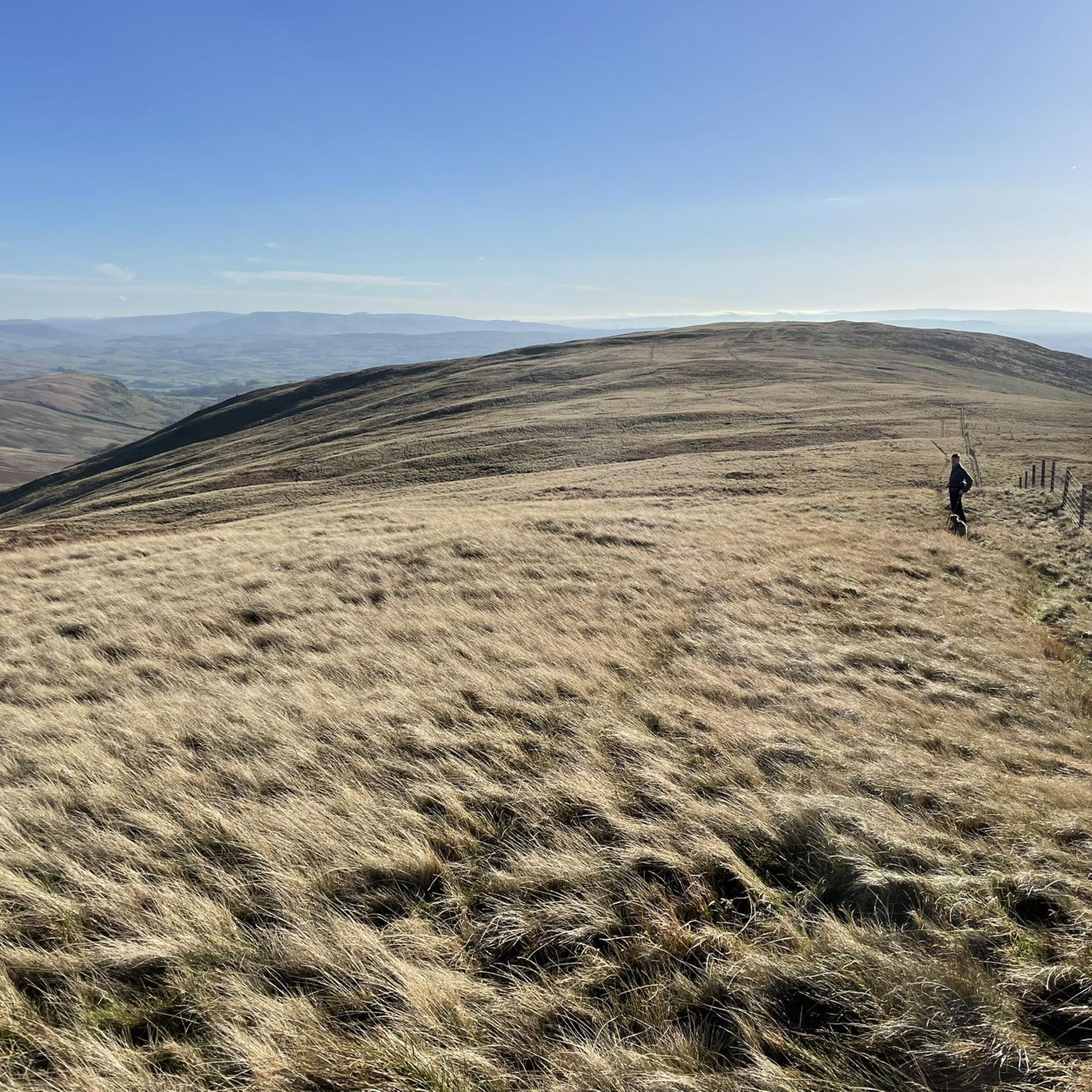
MTB Trails around Selside And Fawcett Forest
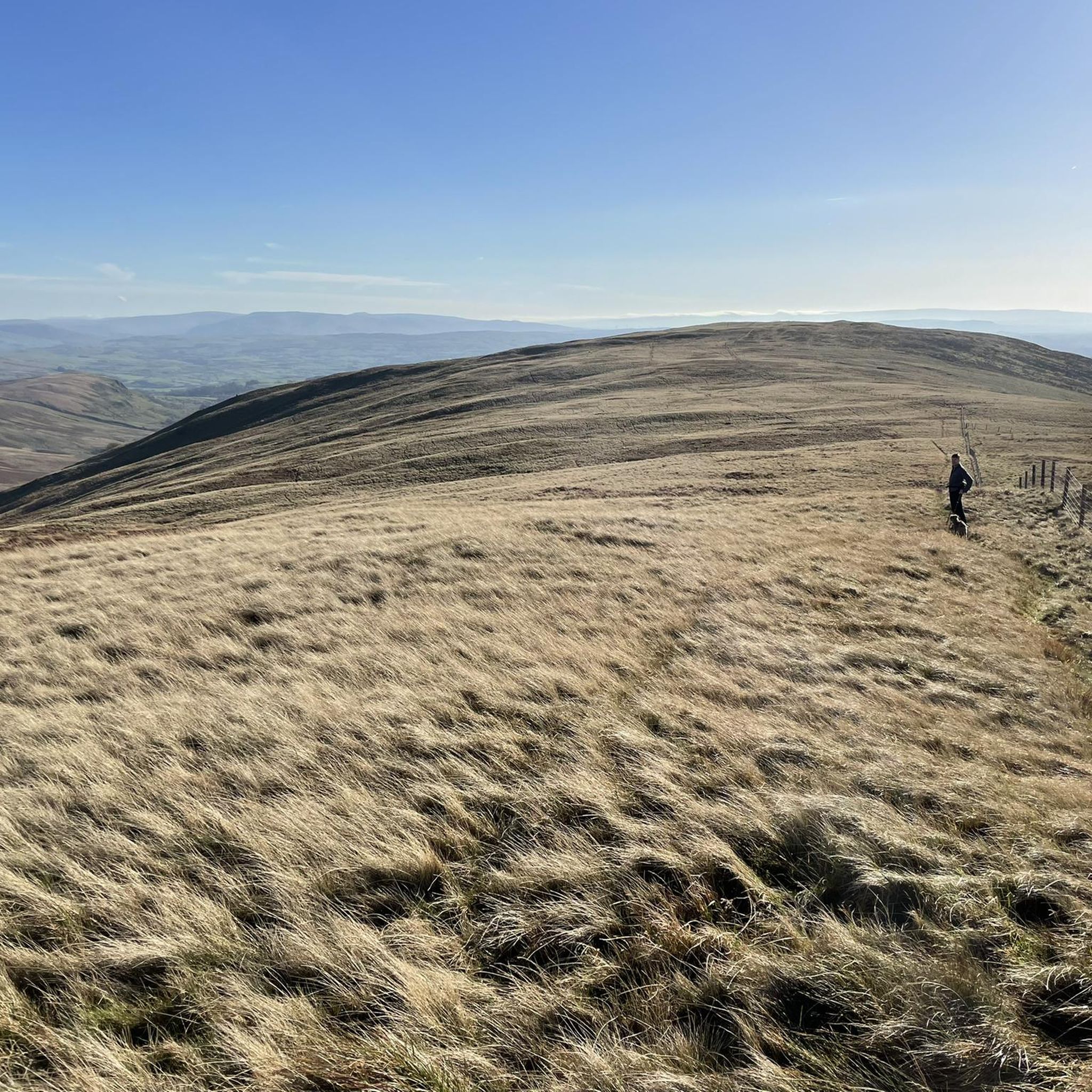
Road Cycling Routes around Selside And Fawcett Forest
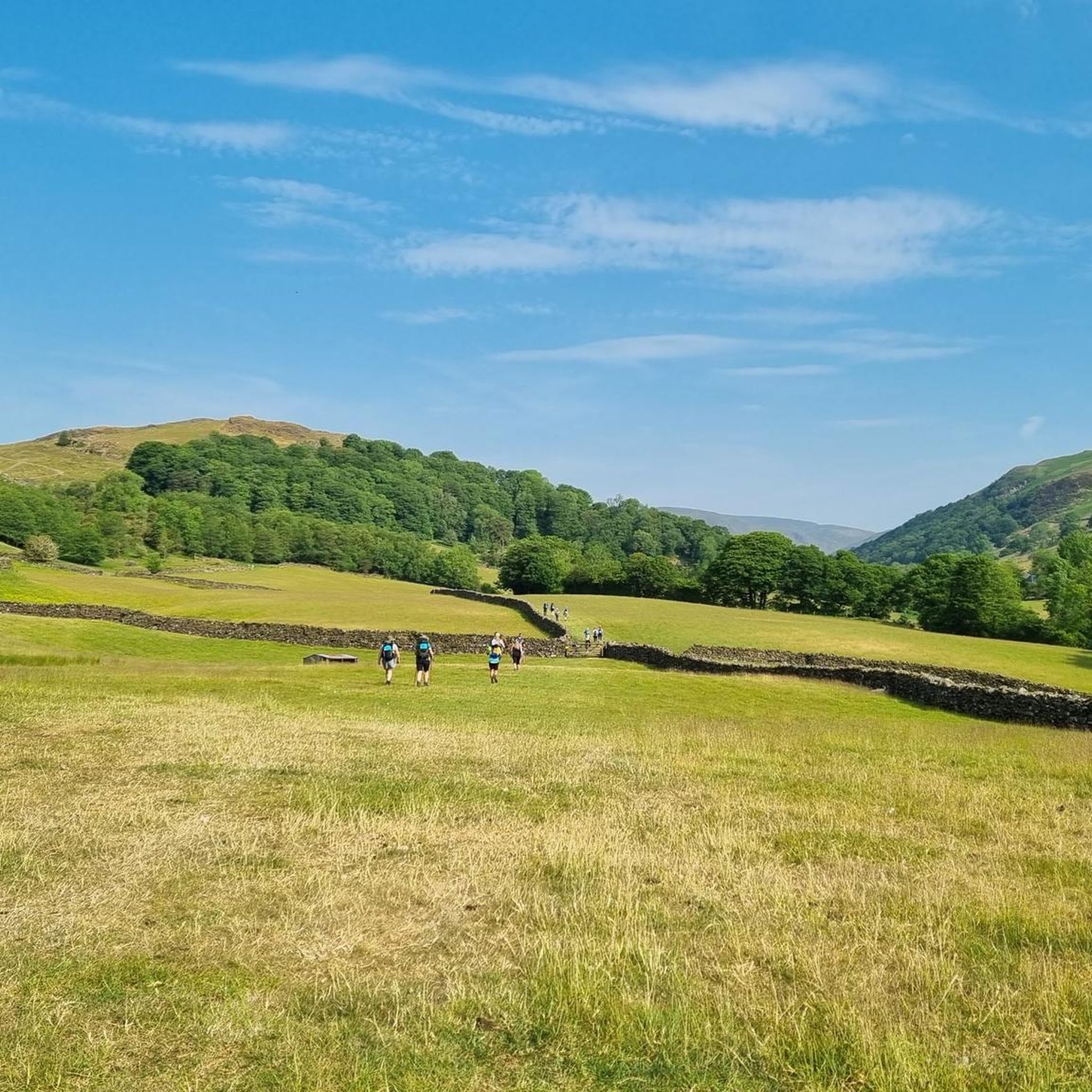
Hiking around Selside And Fawcett Forest
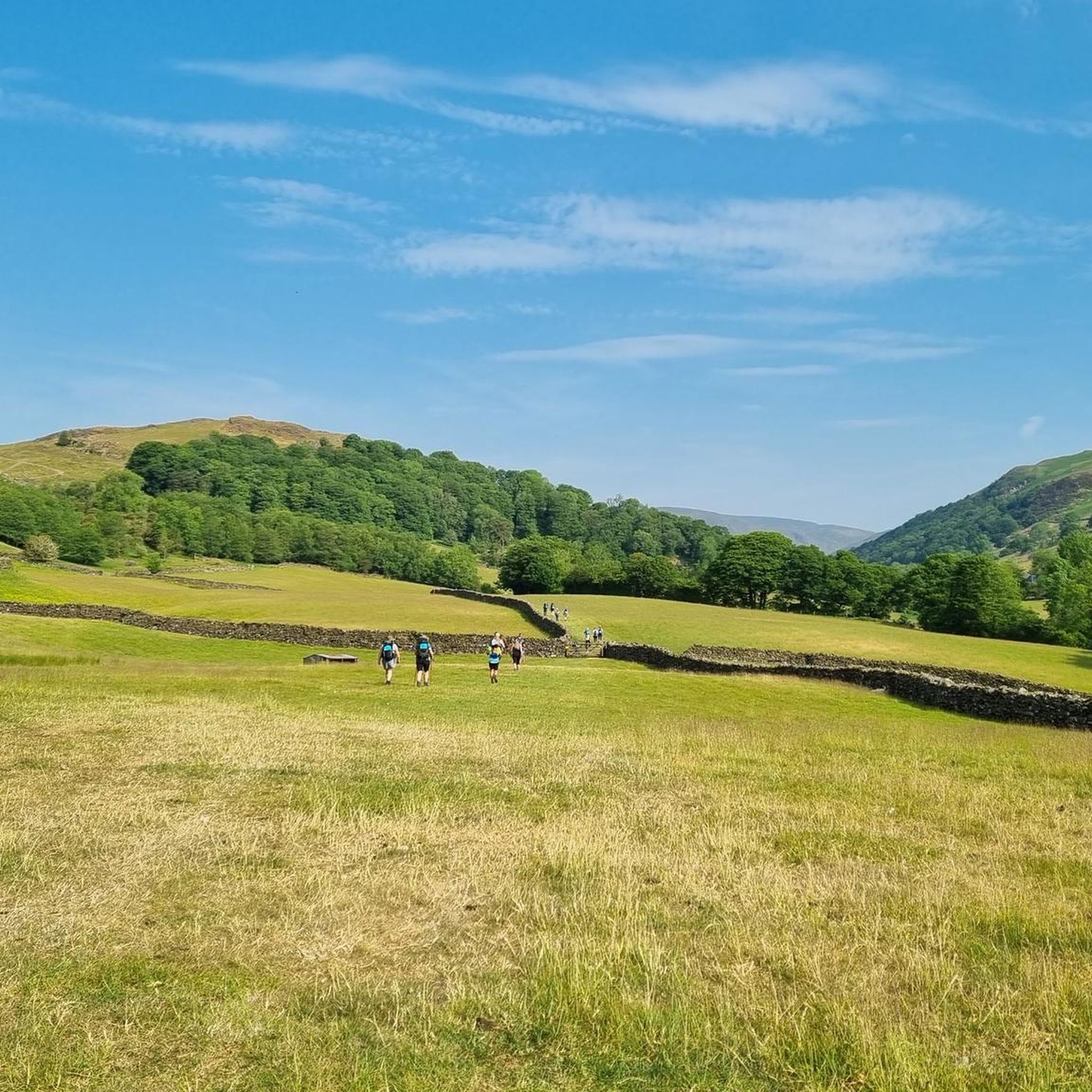
Running Trails around Selside And Fawcett Forest
Cycling around Selside And Fawcett Forest

Mountain Hikes around Selside And Fawcett Forest
Tips from the Community

This is the view of Rough Crag on the way up to High Street. A classic Lake District ridge. Its rugged spine rises sharply above Haweswater.
0
0

I’ve walked routes past here in all different weather over the years, it’s steep going up from the Bowston end but not too bad via the Longsleddale Road end. Going down from the tarn takes a winding route that either passes Craggy Woods or passes a small farm shop that links to footpaths down to Staveley.
2
0
Conservation is a big part of the area. RSPB and United Waters have joined forces to offers a good habitat to peregrine falcons, redstarts, and ring ouzels as a few examples of the bird-species and ensuring that the forest offers a good nesting and foraging ground for red squirrels. A donation cairn, to support the RSPB’s work at Wild Haweswater, is situated in the car park. They suggest a donation of £2, but any amount large or small is gratefully received. Please note that only cash donations can be made in the cairn as the lack of mobile phone reception means they are unable to take card payments. However, if you wish to send an online donation to support their work, you can do so here. There is also a Mountain Rescue cairn in the car park, you are kindly encourage you to support their life-saving work if you feel able to.
0
0

Now owned by United Utilities, the reservoir was under Manchester Corporation’s ownership when work started on the construction of the dam in 1929. Prior to this, Haweswater held the title of the Lake Districts highest natural lake. The level then rose a further 29 metres with the building of the dam, which completed in 1935. The reservoir was built in order to supply drinking water to the Manchester and it's in a drinking water safeguard zone.
0
0

Mardale Head is an excellent starting point for many grand adventures in the Far Eastern Fells of the Lake District. From here, trails splay out onto the likes of High Street, the Kentmere Horseshoe summits and tranquil Branstree and Selside Pike. There was once a hamlet near here called Mardale Green, which was submerged when the reservoir was created in the 1930s to supply water to Greater Manchester. When the water is low, the remains of the village can still be seen – a ghostly sight.
1
0

OK, not quite official, but the tent saved us here. This really is the end of the world here. Lonely but beautiful and quiet.
0
0

Frequently Asked Questions
What are some popular lakes to visit near Selside And Fawcett Forest?
Visitors often enjoy Gurnal Dubs Tarn for its wild swimming opportunities and views of Kendal. Potter Tarn is another favorite, offering scenic views down into Kendal and easy accessibility. For a more tranquil experience, Small Water is a quieter spot ideal for a wild swim and picnic.
What makes Haweswater Reservoir unique?
Haweswater Reservoir is notable for its dramatic landscape and poignant history. Originally a natural lake, it was dammed in the 1930s to supply water to Manchester, submerging the village of Mardale Green. When water levels are low, remnants of the 'lost village' can still be seen, offering a unique glimpse into the past. It's also one of the few places in England where golden eagles have been spotted.
Can I go wild swimming in the lakes around Selside And Fawcett Forest?
Yes, wild swimming is possible in certain spots. Gurnal Dubs Tarn is a popular choice for a refreshing dip, and Small Water offers a quieter, sheltered spot with a small beach, though be prepared for cold water even in summer due to its elevation.
Are there hiking trails around the lakes?
Absolutely. The area around the lakes, particularly near Mardale Head and Haweswater Reservoir, serves as an excellent starting point for various hiking adventures in the Far Eastern Fells of the Lake District. You can find routes leading to fells like Branstree and Selside Pike, or even undertake the challenging full circuit of Haweswater itself.
What kind of hiking trails are available near these lakes?
You'll find a range of hiking trails, from easy to difficult. For example, there are easy loops like the 'Gurnal Dubs – Gurnal Dubs Tarn loop from Garnett Bridge' (6.6 km). Moderate options include the 'Potter Tarn – Gurnal Dubs Tarn loop from Selside' (14.1 km) or 'Small Water – Mardale Ill Bell loop from Branstree' (11.9 km). More challenging routes, such as the 'Whiteside Pike Cairn – Todd Fell loop from Selside' (18.7 km), are also available. You can explore more options in the hiking guide for Selside And Fawcett Forest.
Are there any historical sites or features related to the lakes?
Yes, Mardale Head is a significant historical site. It's located at the head of Haweswater Reservoir, where the village of Mardale Green once stood before being submerged during the reservoir's construction in the 1930s. When water levels are low, the ghostly remnants of the village, including building foundations, can still be seen.
Are there family-friendly walks around the lakes?
Yes, some areas offer family-friendly options. Potter Tarn is noted as being family-friendly and accessible via various routes. For easier walks, consider routes like the 'Gurnal Dubs – Gurnal Dubs Tarn loop from Strickland Roger' (5.5 km), which is categorized as easy. Always check the specific route details for suitability with children.
What is the best time of year to visit the lakes?
The lakes can be enjoyed year-round, but each season offers a different experience. Spring and summer are ideal for hiking and wild swimming. Autumn brings beautiful foliage. For those interested in the historical aspect of Haweswater, visiting during periods of low water levels (which can vary) increases the chance of seeing the submerged village of Mardale Green.
Where can I park when visiting the lakes?
Parking is available at key access points. For instance, there is a car park at Mardale Head, which serves as a starting point for many hikes around Haweswater. This car park also hosts donation cairns for local conservation and mountain rescue efforts.
What natural features can I expect to see around the lakes?
The area is characterized by undulating fells, ancient woodlands, and diverse flora and fauna. Around Haweswater, you'll find dramatic landscapes and a sense of wildness. The region is also known for its wildlife, including various bird species, and is one of the few places where golden eagles have been sighted in England. You'll encounter both natural tarns and significant reservoirs, each with its own unique setting.
Are there any artificial lakes or reservoirs in the area?
Yes, several bodies of water in the area are artificial or have been significantly modified. Gurnal Dubs Tarn is an artificial tarn, and Potter Tarn is a small reservoir. The most prominent is Haweswater Reservoir, which was enlarged by a dam in the 1930s, transforming a natural lake into a much larger reservoir.
Most popular routes around Selside And Fawcett Forest
Most popular attractions around Selside And Fawcett Forest

Get inspired with the komoot mobile app


Explore more
Still not found your perfect lake around Selside And Fawcett Forest? Check out the guides of these regions to see even more beautiful places.
