Top 4 Castles around St. Bride'S Major
Best castles around St. Bride's Major, a picturesque community in the Vale of Glamorgan, Wales, offers a rich tapestry of historical sites. The area is known for its blend of history and the Welsh countryside, featuring several notable castles, some in ruins, that provide insights into Norman conquest and medieval life. These sites are often set amidst scenic landscapes, including clifftops overlooking the Bristol Channel and tranquil riverside settings.
Best castles around St. Bride'S Major
- The most popular castles is…
Last updated: October 3, 2026
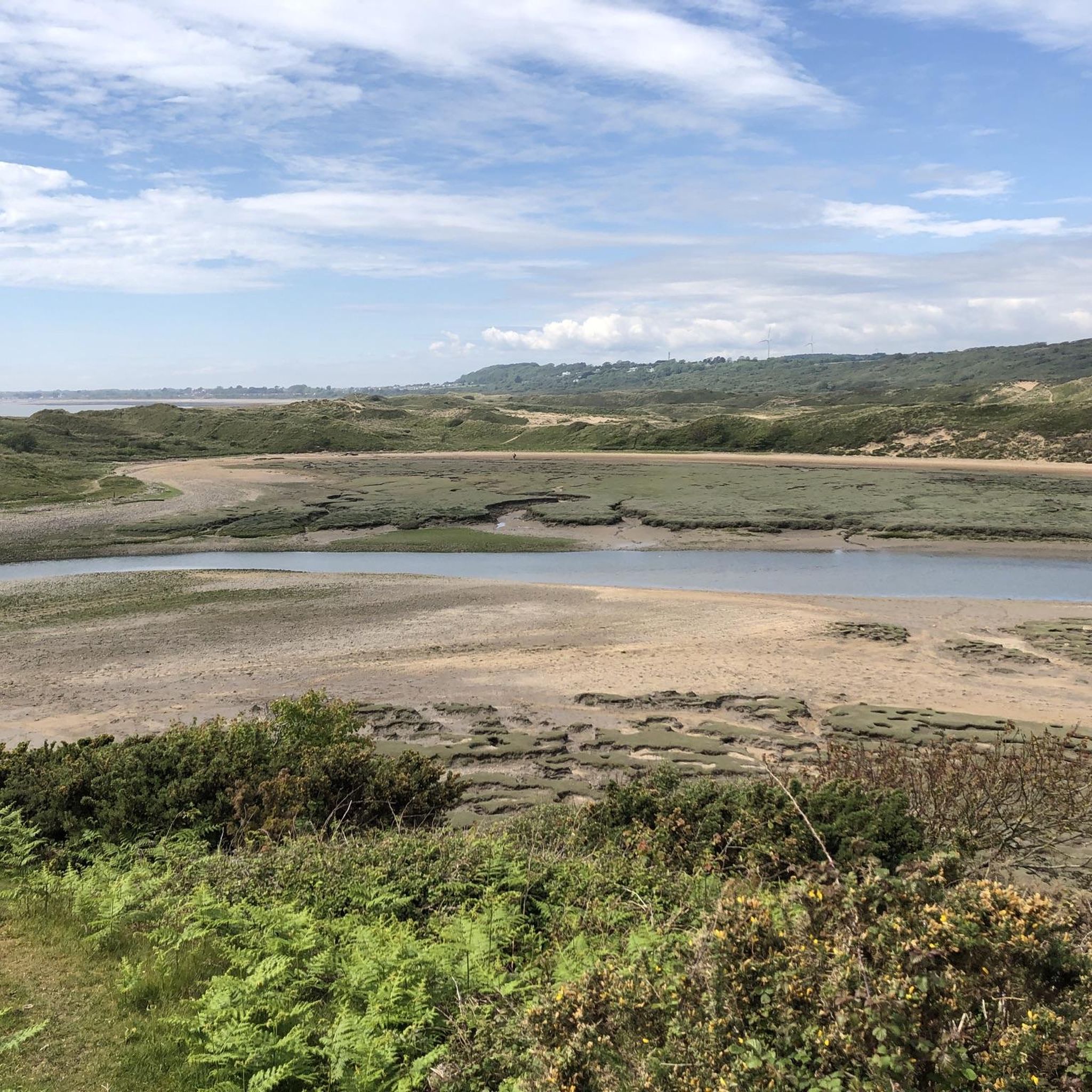
Stepsau Teilo Stepping Stones at Ogmore Castle
Highlight • River
Tip by

Ogmore Castle Ruins
Highlight • Historical Site
Along with the ruins of the stone structure, Ogmore castle's earliest defensive features of banks …
Tip by
Sign up now to discover places like this
Get recommendations on the best single tracks, peaks, & plenty of other exciting outdoor places.
Llanblethian Village and St Quentin's Castle
Highlight • Castle
It's an ancient village, outdating the nearby market town of Cowbridge, and …
Tip by

Penryn Bay
Highlight • Viewpoint
The bay features a huge …
Tip by
Old Beaupre Castle
Highlight • Historical Site
Tip by

Start today with a free account
Your next adventure awaits.
Popular around St. Bride'S Major
Other adventures around St. Bride'S Major

Tips from the Community

See also https://cadw.gov.wales/visit/places-to-visit/llanblethian-castle Quentin's Castle, also known as Llanblethian Castle was probably built by English nobleman and military commander Gilbert de Clare in the early 14th century, the most notable remnants of this castle are its huge, twin-towered gatehouse and high stretch of curtain wall on the north of the site. In the centre of what was once a large fortress is an earthen mound with the remains of a thick-walled building on top of it, which may be all that’s left of an earlier keep. Links to Caerphilly Castle too - see plaque in the gatehouse.
0
0

Despite the name and its medieval origins, Old Beaupre is really more manor house than castle. Built in two stages, the older part was constructed around 1300 while a major renovation in the 16th century by the Bassett family produced some of its most impressive remaining features. These include the well-preserved three-storeyed gatehouse and striking porch, decorated with columns inspired by the architecture of ancient Greece and bearing the family’s heraldic crest carved in stone
1
0
In the beginning, as a castle of earth and wood in the early 12th century, it was quickly fortified in stone before being further strengthened with a curtain wall in the early 13th century. Unusually, the later additions have not obscured the castle’s earliest defensive features, with the banks and ditches built at Ogmore’s birth still clearly visible. Another original feature is the deep ditch around the inner ward, designed to fill with sea water at high tide.
0
0


No always visible during the winter
0
0

Lllanblethian is a quaint and picturesque village that sits above the River Thaw in the Vale of Glamorgan. It's an ancient village, outdating the nearby market town of Cowbridge, and hosting a number of beautiful historic buildings. The village is home to St Quentin's Castle, a 14th-century castle perched upon a hill, a church that dates back to the 12th-century dedicated to St John the Baptist, and an early 18th-century great house that sits along the river.
4
0
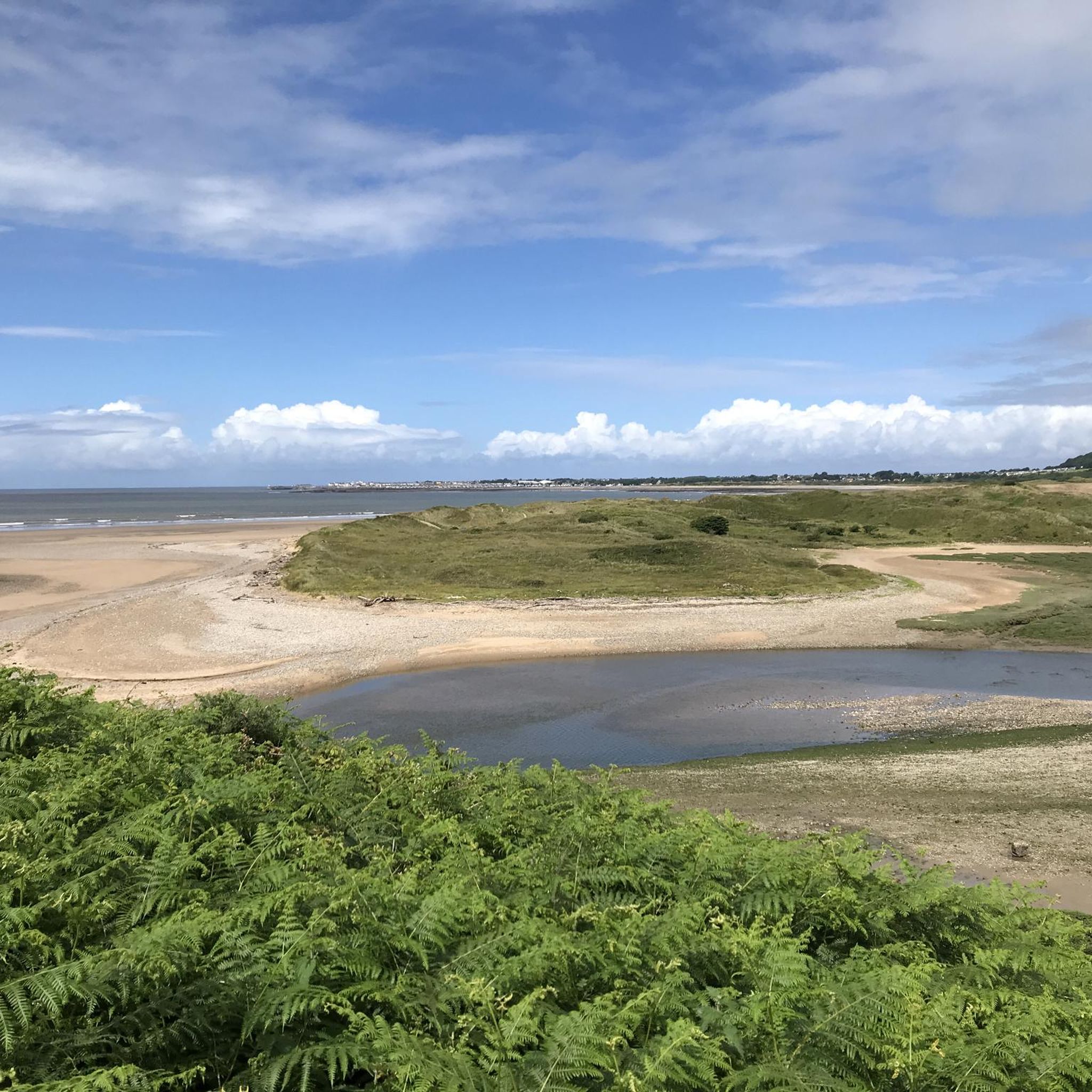
Penryn Bay is a secluded cove located a stone's throw away from the magnificent St Donats Castle and Arts Centre on the Glamorgan Heritage Coast. The bay features a huge slab of rock which makes a great place to sit and gaze across the beautiful Bristol Channel.
1
0

These stepping stones have quite a history. Before the suspension bridge for pedestrian use was built there was, at that spot, a series of stepping stones. When the bridge came into use these stones were lifted and placed near Ogmore Castle, where they remain today, keeping their original name: Stepsau Teilo. At one period towards the end of the last century a competition developed to see how quickly the crossing could be made without falling into the river. Many tried to take the stones at full speed and, cheered on by onlookers there were several slips.
1
0
Frequently Asked Questions
Which castles offer the most impressive ruins to explore near St. Bride's Major?
For impressive ruins, you should visit Ogmore Castle Ruins, a significant Norman fortification with a substantial three-storey stone keep and defensive curtain walls. Another excellent choice is Coity Castle, known for its prominent round tower and varied architectural styles. Llanblethian Village and St Quentin's Castle also features a massive, twin-towered gatehouse and high curtain walls.
Are there any castles that are more like manor houses than traditional fortifications?
Yes, Old Beaupre Castle is a medieval manor with extensive 16th-century Tudor additions. Despite its name, it's more of a fortified manor house, featuring a well-preserved three-storeyed gatehouse and a striking Renaissance porch adorned with classical columns.
What are some lesser-known or 'hidden gem' castle sites in the area?
For a sense of ancient history and mystery, explore Castle-upon-Alun. While no grand structures stand, it's believed to be the site of a pre-Norman Welsh castle, with stone arches and relics of an old building still visible. The Dunraven Castle site, though mostly demolished, offers atmospheric remains of its foundations and beautiful walled gardens overlooking the Bristol Channel.
Are there family-friendly castles to visit near St. Bride's Major?
Absolutely. Ogmore Castle Ruins is a great option, offering a serene setting where families can explore the ruins, enjoy the tranquil riverside, and cross the famed Stepsau Teilo Stepping Stones. Llanblethian Village and St Quentin's Castle is also listed as family-friendly, providing an opportunity to explore medieval defensive architecture.
Can I bring my dog to the castles around St. Bride's Major?
Many of the castle ruins in the area, such as Ogmore Castle and Coity Castle, are managed by Cadw and are open-air sites, generally welcoming well-behaved dogs on leads. It's always a good idea to check specific site rules before your visit, but they are typically dog-friendly for outdoor exploration.
What natural features can I find near the castles?
Near Ogmore Castle Ruins, you'll find the picturesque River Ewenny and the unique Stepsau Teilo Stepping Stones. The Dunraven Castle site offers stunning clifftop panoramas and views of the Bristol Channel, with nearby Dunraven Bay popular for its beach and coastal scenery. The area around Castle-upon-Alun features the Alun River Clapper Bridge.
Are there hiking trails that include castle visits?
Yes, the region offers several hiking opportunities that incorporate castle sites. For example, you can find routes like the 'Southerndown to Ogmore-by-Sea loop' or the 'Merthyr Mawr Sand Dunes loop from Ogmore Castle' which pass by Ogmore Castle Ruins. You can explore more hiking trails in the area on the Hiking around St. Bride'S Major guide.
What other outdoor activities can I do near these castles?
Beyond hiking, the area around St. Bride's Major is excellent for cycling and gravel biking. You can find routes that take you past historical sites and offer scenic views. Check out the Cycling around St. Bride'S Major guide or the Gravel biking around St. Bride'S Major guide for detailed routes.
Is there parking available at the castles?
Many of the castles, such as Ogmore Castle Ruins, offer free car parks nearby. For other sites, parking may be available in nearby villages or designated areas. It's advisable to check local signage upon arrival.
What is the best time of year to visit the castles?
The castles around St. Bride's Major can be visited year-round. Spring and summer offer pleasant weather for exploring the ruins and surrounding landscapes, with longer daylight hours. Autumn provides beautiful foliage, while winter visits can offer a more atmospheric and quieter experience, though some facilities might have reduced hours. Many sites, like Ogmore and Coity, are free to visit and accessible daily.
How long should I plan for a visit to a castle ruin?
For most of the castle ruins, such as Ogmore Castle Ruins or Coity Castle, you can typically spend 1 to 2 hours exploring the site thoroughly. If you plan to combine your visit with a walk or explore nearby natural features like the stepping stones or coastal paths, allow for more time, perhaps a half-day.
Are the castles around St. Bride's Major generally accessible?
As many of these are historical ruins, accessibility can vary. Sites like Ogmore Castle Ruins are open-air with grassy or uneven terrain. While some paths may be suitable for wheelchairs or pushchairs, exploring the inner structures often involves steps or rough ground. It's best to check specific site information for detailed accessibility notes if you have particular requirements.
Most popular routes around St. Bride'S Major
Most popular attractions around St. Bride'S Major

Get inspired with the komoot mobile app


Explore more
Looking for the best castles somewhere else? Discover other guides around St. Bride'S Major:
