Top 17 Lakes around Calke
Best lakes around Calke are found within a landscape rich in natural beauty and historical significance. This area, centered around Calke Abbey, features a series of historic ponds and is closely associated with the larger Staunton Harold Reservoir. These water bodies are nestled within ancient parkland, offering diverse wildlife and serene settings for exploration. The region is known for its preserved nature and historical landscape, making it a compelling destination.
Best lakes around Calke
- The most popular lakes is Deer…
Last updated: October 14, 2026
Deer Park at Calke Abbey
Highlight • Natural
Tip by

Melbourne Pool
Highlight • Lake
Tip by

Sign up now to discover places like this
Get recommendations on the best single tracks, peaks, & plenty of other exciting outdoor places.
Staunton Harold Reservoir
Highlight (Segment) • Lake
Tip by

Kelham Bridge Nature Reserve
Highlight • Natural
Tip by

Staunton Harold Reservoir and Visitor Centre
Highlight • Viewpoint
Tip by

Sign up for free to discover even more lakes around Calke.
Already have an account?
Start today with a free account
Your next adventure awaits.


Tips from the Community


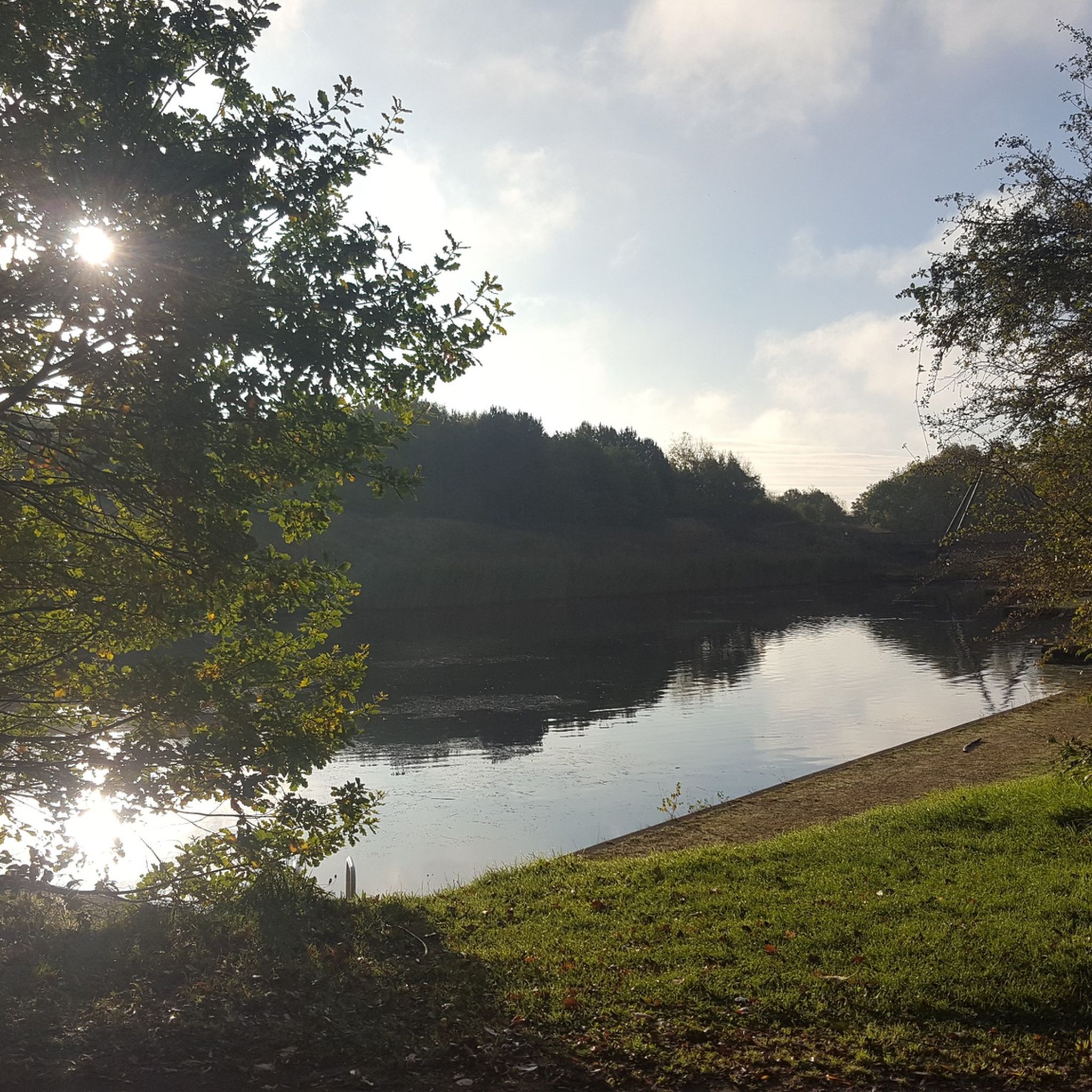
The main path through the nature reserve (i.e. the one marked on komoot) takes you nowhere near the ponds or bird hide. You have to take the path off to the right near the Severn Trent Water station.
0
0

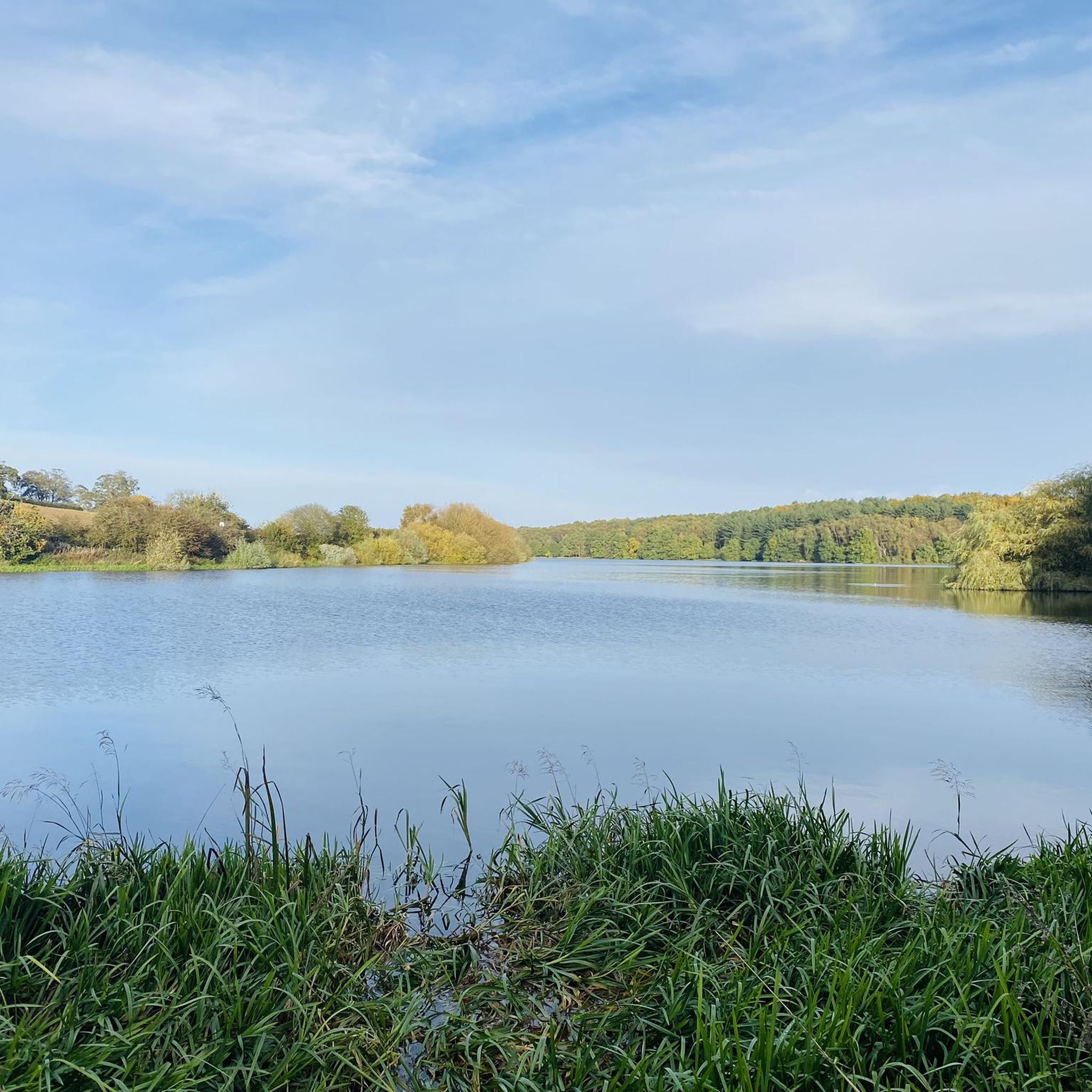
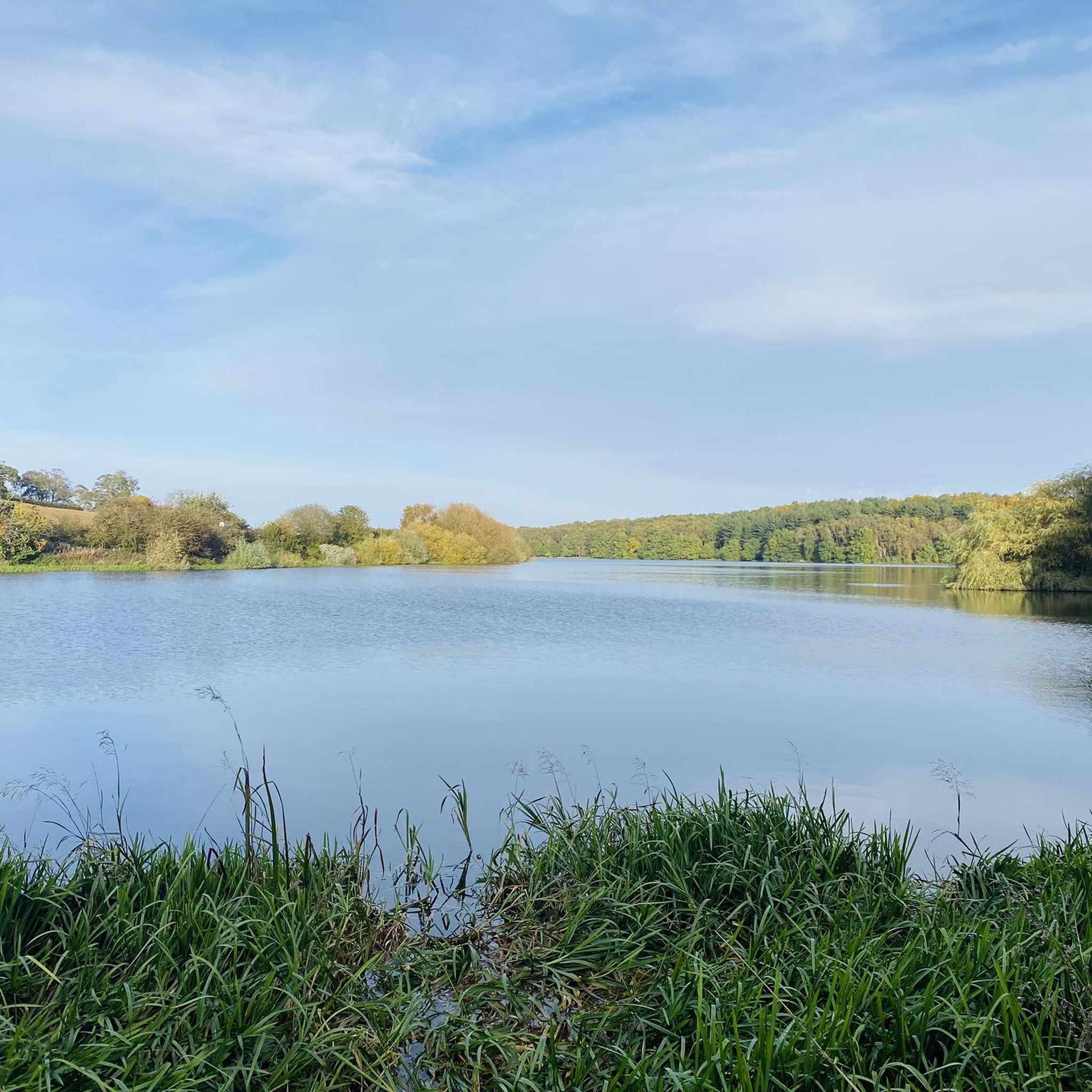
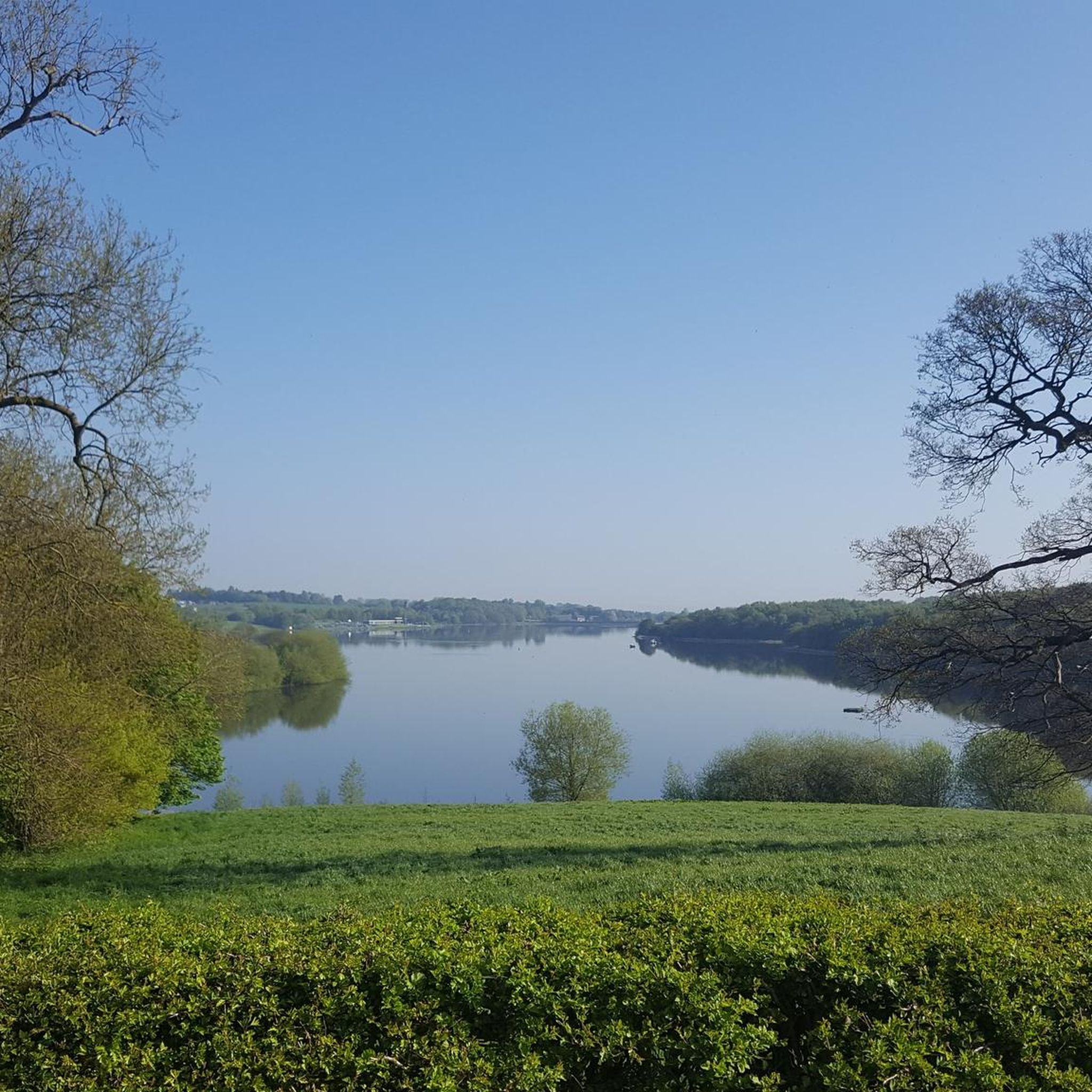
The Cross Britain Way is a long-distance route that goes 279 miles (450 km) from Barmouth on the West Wales coast to Boston on the East coast of England. The route was initiated to span the UK to highlight the lesser-known areas of our picturesque hidden countryside. Here you are at Staunton Harold Reservoir, which is a fair size at 210 acres (85 hectares). Here on the north-west shore, you have fine views out over the water and the surrounding woodland. There is an abundance of birdlife to look at here too. Not far away is the National Trust Cafe for Staunton Harold with access to toilets.
1
0
Great walks and biking awesome views parking cafe
2
0
Although its extent in the medieval period is not known, Melbourne Pool was certainly large by the early 17th century, as shown on a map of that time. Tradition says that stone for Melbourne Castle was quarried here before the area was flooded. A map of 1787 shows the Pool extending further to the west than it does now. It provided water to Melbourne Mill. The level of the water was raised by two feet at the beginning of the 18th century, in order to work the fountains in the Hall gardens, although this flooded part of the vicarage garden. By the early 19th century the pool was silted up completely at the west end. In the 1840s it was partly filled and the rest was cleaned out, making two ornamental islands and landscaping the surrounding area. In its current form it covers some 20 acres. It is not known when it was first created, but references to a mill pool are found in the early 14th century.
0
0

A relatively new nature reserve that is being taken back by nature. The waters meander in a natural way, the land is allowed to flood in heavy rain, and as you walk through you’ll feel like you’re leaving the rest of the world behind. Loads of birdwatching - it's a great site for Warblers, Whitethroat, Rereed and Sedge warbler. Also Grey Partridge, Little Ringed Plover, Snipe, Little Owl and Kingfisher have been spotted too. Add to this birds of prey including Osprey, Merlin, Buzzard, Kestrel and Peregrine have all been seen, along with the more locally rare marsh harrier, hen harrier and Montagu’s harrier. They've even had a red-footed falcon! Best pack your binoculars and start working through that list.
3
0

Melbourne Lake had a variety of bird species on it and there are local shops and cafes within one minute walk of it.
0
0
Frequently Asked Questions
What kind of wildlife can I expect to see around the lakes near Calke?
The lakes and ponds around Calke, particularly within the ancient parkland of Calke Abbey, are rich in wildlife. You might spot various damselflies like the azure, common blue, and blue-tailed, as well as the brown hawker dragonfly during summer. The surrounding woodlands and grasslands are home to birds of prey such as hobby, buzzard, and red kite, alongside woodland birds like woodpeckers and nuthatches. The parkland is also known for its red and fallow deer, and the ancient trees support a diverse range of insects. For birdwatching, Kelham Bridge Nature Reserve is an excellent spot, known for warblers, whitethroats, and various birds of prey.
Are there historical features to explore around the lakes?
Yes, the lakes and ponds near Calke are steeped in history. Calke Abbey itself is a historic estate with a chain of ponds, including Betty's Pond (dating back to 1741) and Thatch House Pond (created in 1752), which are interconnected and flow into Mere Pond. Melbourne Pool also has a long history, with references to a mill pool from the early 14th century and traditions of stone quarrying for Melbourne Castle. The entire parkland is renowned for its ancient trees, some over a thousand years old, adding to the historical landscape.
What walking and cycling routes are available around the Calke lakes?
There are numerous waymarked walking and cycling routes that allow you to explore the lakes and surrounding parkland. For cycling, you can find routes like the Tramway Trail, Calke Abbey, with options ranging from easy to moderate. For hiking, trails such as the Ticknall Tramway Tunnel loop or the Staunton Harold Hall Lake loop offer varying distances and difficulties. You can find more details on these routes in the Cycling around Calke and Hiking around Calke guides.
Are the lakes around Calke suitable for families with children?
Absolutely. Many areas around the lakes are very family-friendly. The Deer Park at Calke Abbey is a great place for families to explore, and Staunton Harold Reservoir features a playground and cafe, making it ideal for a family outing. The accessible Tramway Trail also offers picturesque views suitable for all ages. Many highlights, including Melbourne Pool and Kelham Bridge Nature Reserve, are also categorized as family-friendly.
Are there accessible walking routes around the lakes for wheelchairs or prams?
Yes, the accessible Tramway Trail at Calke Abbey is a good option for those with wheelchairs or prams, offering picturesque views and a chance to connect with nature. While specific accessible routes around all lakes are not detailed, the general parkland and visitor centers often provide easier paths. For more detailed information on accessible routes, you might find resources like the Calke Abbey Reflections Trail helpful, which can be found on the South Derbyshire Council website.
When is the best time of year to visit the lakes around Calke?
The lakes around Calke offer beauty throughout the year. Summer is excellent for observing damselflies and dragonflies, and for enjoying water sports at Staunton Harold Reservoir. Spring and autumn provide vibrant natural colors and pleasant temperatures for walking. Winter offers a serene, tranquil experience, especially around the historic ponds of Calke Abbey. Wildlife observation, particularly birds of prey, is possible year-round.
Where can I park when visiting the lakes near Calke Abbey?
Parking is available at several key locations. For Calke Abbey and its associated ponds and deer park, there is dedicated parking at the Abbey itself. Staunton Harold Reservoir also has parking facilities, including at its visitor centre. Many points around the reservoir offer parking for walks and views. For specific routes, parking is often indicated at the starting points, such as Ticknall CP for many of the Tramway Trail loops.
Can I bring my dog to the lakes around Calke?
Yes, many areas around the lakes near Calke are dog-friendly. The Deer Park at Calke Abbey is a popular spot for dog walking. However, it's always advisable to keep dogs on leads, especially in areas with wildlife or livestock, and to check specific signage at each location for any restrictions.
Are there places to eat or drink near the lakes?
Yes, there are options for refreshments. Calke Abbey has a cafe within its grounds. Staunton Harold Reservoir also features a cafe at its visitor centre. For Melbourne Pool, local shops and cafes are within a minute's walk. The nearby villages also offer pubs and other eateries.
What water sports or activities can I do on the lakes?
While the historic ponds at Calke Abbey are primarily for nature observation and walking, Staunton Harold Reservoir offers a range of water sports. You can enjoy fishing, sailing, windsurfing, and paddleboarding there. The reservoir is home to the Staunton Harold Sailing Club, providing opportunities for dinghy and sailboarding.
What makes the ponds at Calke Abbey unique?
The ponds at Calke Abbey, including Betty's Pond and Thatch House Pond, are unique due to their historical significance and ecological value. They are part of a chain of ponds dating back to the 18th century, set within 600 acres of ancient parkland. This area is considered one of Europe's rarest habitats, rich in wood pasture and supporting diverse wildlife, including rare insects and birds. The blend of historical landscape and preserved nature makes them a compelling destination.
What do visitors particularly enjoy about the lakes around Calke?
Visitors frequently praise the serene setting, natural beauty, and opportunities for wildlife observation. The historical context of Calke Abbey's ponds and the expansive views at Staunton Harold Reservoir are highly appreciated. Many enjoy the variety of walking and cycling routes, the family-friendly amenities, and the peaceful atmosphere that allows for a strong connection with nature. The presence of deer in the park and the diverse birdlife are also highlights for many.
Are there any circular walks around the lakes?
Yes, circular walks are a popular way to experience the lakes. For instance, a circular walk around Staunton Harold Reservoir is approximately 1.4 miles long, offering excellent vantage points for wildlife spotting. Within Calke Abbey's parkland, various waymarked trails, including sections of the Tramway Trail, can be combined to form circular routes around the ponds and through the deer park. You can explore options in the Hiking around Calke guide.
Most popular attractions around Calke

Get inspired with the komoot mobile app


Explore more
Still not found your perfect lake around Calke? Check out the guides of these regions to see even more beautiful places.
