Top 4 Lakes around Wiveton
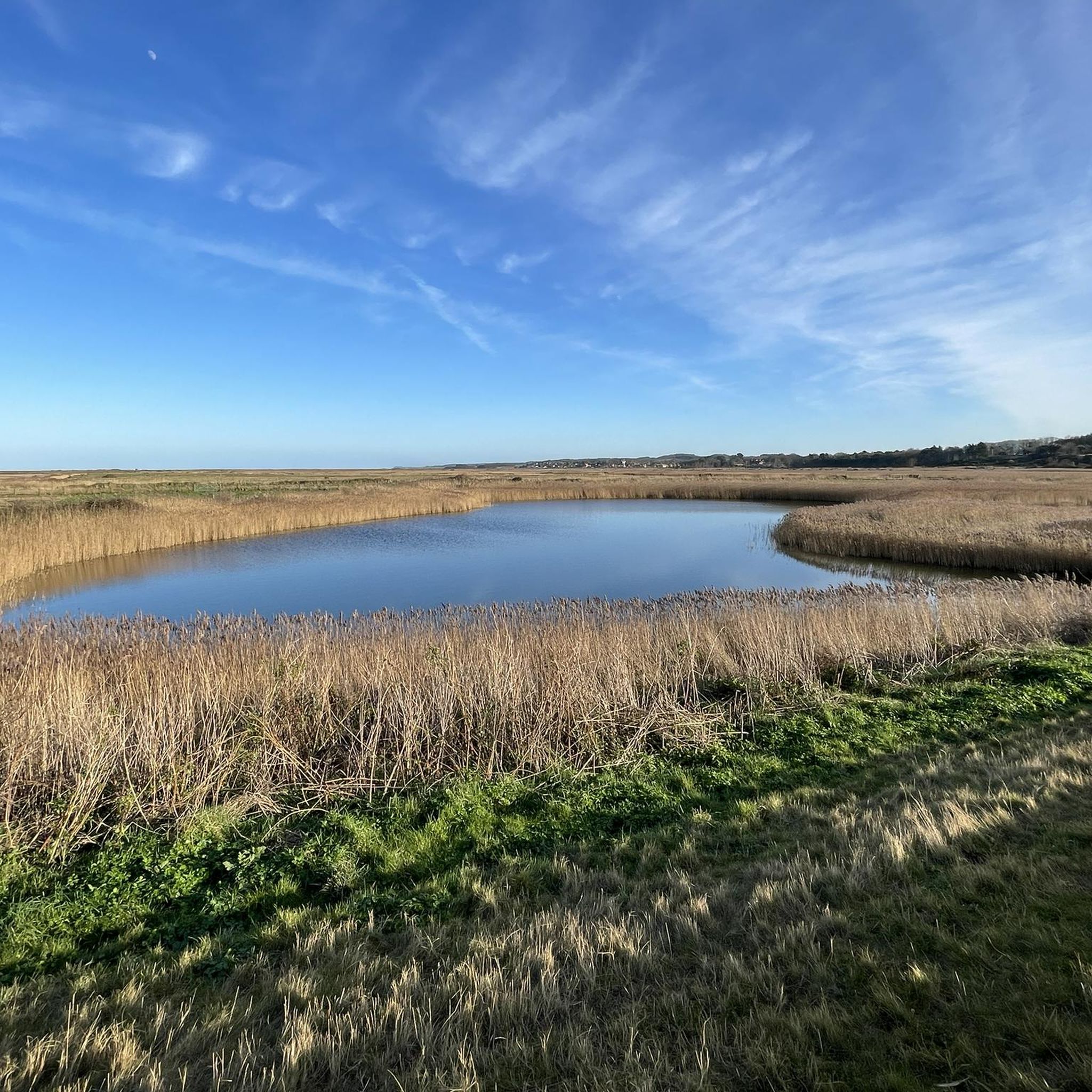
Best lakes around Wiveton are primarily associated with the North Norfolk Coast, featuring diverse water bodies beyond traditional lakes. The area is characterized by extensive coastal marshes, historic mill ponds, and conservation duck ponds. These natural features provide significant habitats for wildlife and offer opportunities for observation and walking. The region is part of a larger Site of Special Scientific Interest, highlighting its ecological importance.
Best lakes around Wiveton
- The most popular lakes is Blakeney Marshes, an other natural…
Last updated: August 21, 2026
Blakeney Marshes
Highlight (Segment) • Natural
Tip by

Salthouse Marshes
Highlight • Viewpoint
Tip by

Sign up now to discover places like this
Get recommendations on the best single tracks, peaks, & plenty of other exciting outdoor places.
Sign up for free
Two Magpies Bakery and Duck Pond
Highlight • Lake
Tip by

Selbrigg Lake
Highlight • Natural
Tip by

Start today with a free account
Your next adventure awaits.
Login or Signup

Tips from the Community

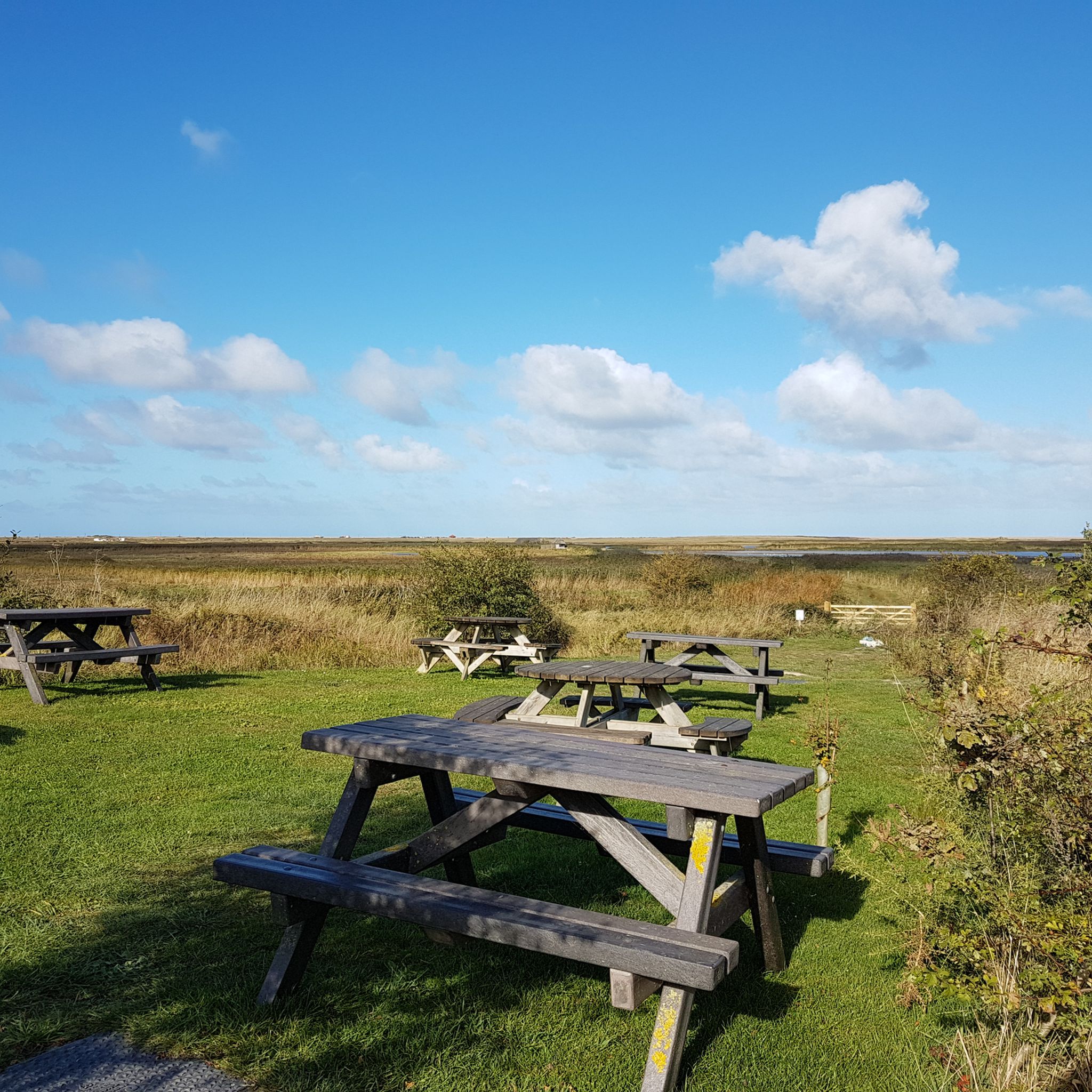
Another nature reserve managed by the Norfolk Wildlife Trust. You can do an outside tour of the reserves using public footpaths but bring your binoculars for the wildlife.
0
0


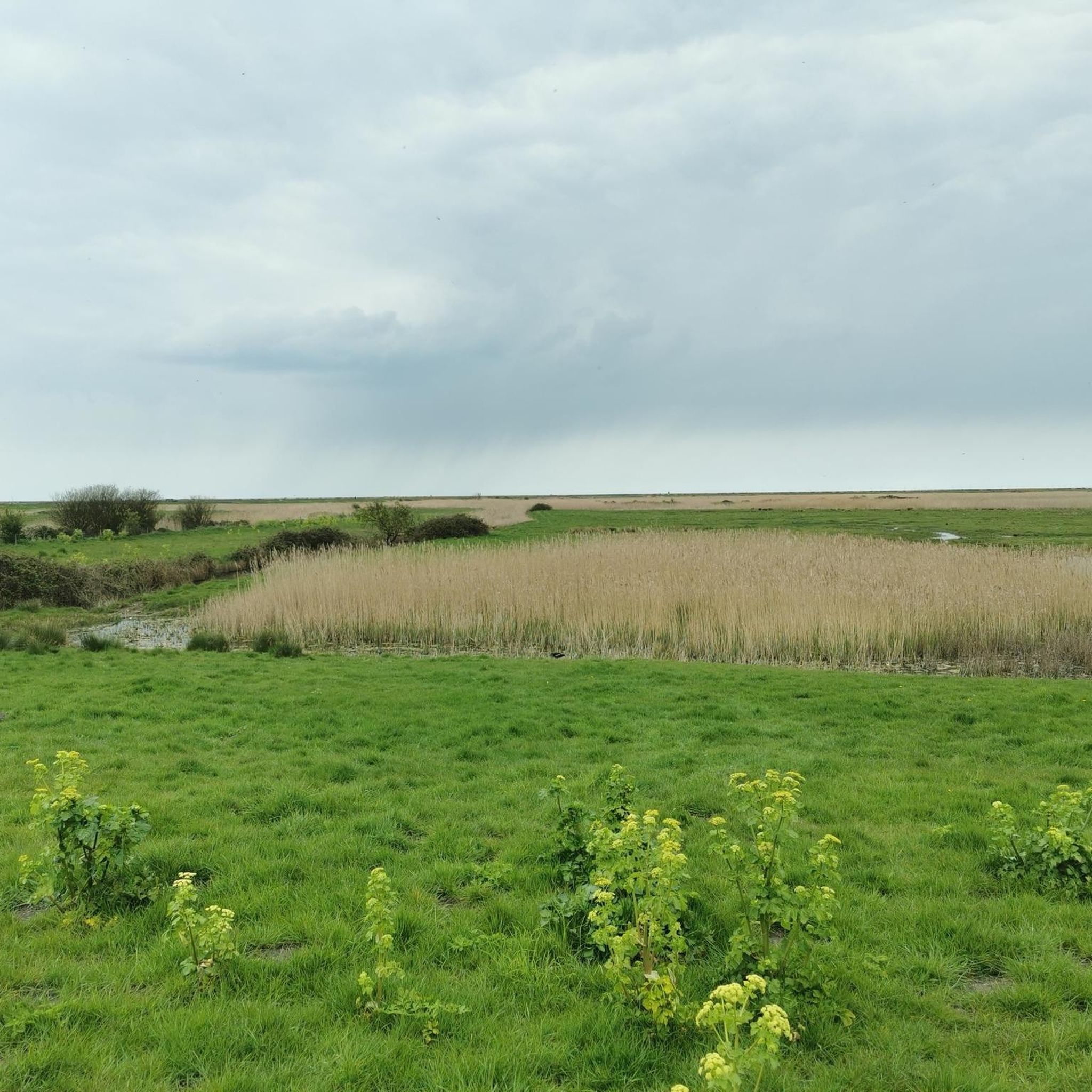
If your luck you might bump into this fabulous warden, we walked with him for about 25min he was incredibly knowledgeable about everything to do with the wildlife that visit the reserve. We were so glad we met him and learned a lot about the reserve and some of the birds that visit.
0
1

Good bakery and some great vegetarian options
0
0

Tranquil and beautiful lake, full of fish and crystal clear - you can see shells at the bottom and the local geese are inquisitive.
0
0
Lovely tranquil spot, crystal clear water, with lots of fish and shells.
0
0

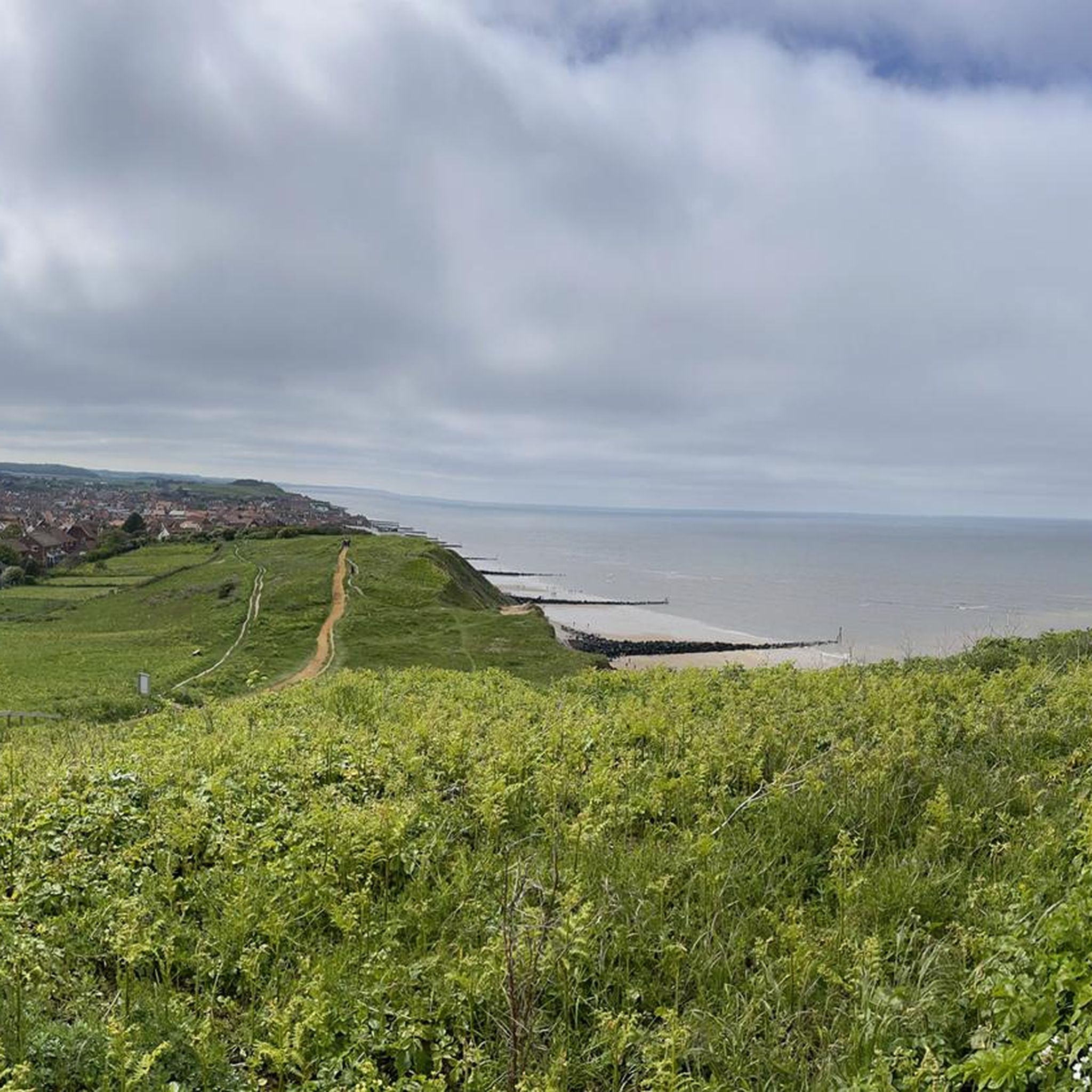
Salthouse Marshes is a fantastic place for birdwatching. It links together with Cley Marshes to the west to create a 300 hectare reserve.
2
0
Frequently Asked Questions
What kind of natural features can I expect to see around Wiveton's lakes and wetlands?
The area around Wiveton is rich in diverse natural features. You'll find extensive coastal marshes, freshwater grazing marshes, and tranquil ponds. Highlights include the vast Blakeney Marshes with its wetlands and grasslands, and Salthouse Marshes, known for its grazing marsh and small pools. Selbrigg Lake offers crystal clear water and surrounding woodlands.
Are there good opportunities for birdwatching near Wiveton?
Absolutely. The wetlands and marshes around Wiveton are renowned birdwatching hotspots. Salthouse Marshes is excellent for waders and wildfowl, especially in winter, with sightings of snow buntings and barn owls. Blakeney Marshes is a vital habitat for breeding birds and wintering wildfowl like Brent geese and avocets. Even Selbrigg Lake attracts wildfowl such as swans, geese, and ducks, with occasional goosanders and smew.
What are the best times of year to visit the lakes and marshes around Wiveton?
The best time to visit largely depends on your interests. For birdwatching, autumn and winter are particularly rewarding, as many migratory species arrive at places like Salthouse Marshes and Blakeney Point. Spring and summer offer pleasant weather for walking and observing breeding birds and general wildlife. The grey seal colony at Blakeney Point is most visible in winter (pupping season) and summer (haul-out).
Are there family-friendly places to visit among the lakes near Wiveton?
Yes, several spots are great for families. The Two Magpies Bakery and Duck Pond in Blakeney is a charming and accessible spot with ducks and geese, perfect for a quick stop or picnic. Both Blakeney Marshes and Salthouse Marshes offer easy walking tracks suitable for families to explore the wildlife. Selbrigg Lake is also considered family-friendly for its tranquil setting.
Can I take my dog on walks around the lakes and marshes?
Many areas around Wiveton are dog-friendly, but it's crucial to keep dogs on leads, especially in nature reserves, to protect wildlife. Public footpaths around Blakeney Marshes and Salthouse Marshes are generally suitable for dogs on leads. Always check local signage for specific restrictions, particularly during nesting seasons or in sensitive conservation areas like Blakeney Point.
What walking and hiking routes are available near the lakes?
There are numerous walking opportunities. You can explore the perimeter of Blakeney Marshes via a footpath, or wander through the network of tracks at Salthouse Marshes. A public footpath also runs along the bank of Selbrigg Lake. For more structured routes, consider the family-friendly hikes around Wiveton or the broader hiking routes around Wiveton, which include coastal walks and marshland explorations.
Are there any cycling routes near the lakes and wetlands?
While the immediate marshland areas are primarily for walking, there are mountain biking (MTB) trails in the wider Wiveton region. You can find various options in the MTB Trails around Wiveton guide, which includes routes that might take you past some of the scenic areas or connect to nearby villages.
Where can I find parking when visiting the lakes and marshes?
Parking is available at various points near the main attractions. For Blakeney Duck Pond and access to Blakeney Marshes, there's a main car park in Blakeney. For Salthouse Marshes, parking is typically available near the reserve entrances or in the village of Salthouse. For Selbrigg Lake, parking might be more limited, often roadside or in nearby villages like Hempstead, with access to public footpaths.
What wildlife can I expect to see besides birds?
Beyond the abundant birdlife, the wetlands and surrounding areas support a variety of other wildlife. Blakeney Marshes is home to otters and voles. Blakeney Point, part of the wider marsh system, hosts the country's largest grey seal colony, which can be viewed via boat trips. The woodlands around Selbrigg Lake are known for tawny owls and buzzards.
Are there any cafes or places for refreshments near the lakes?
Yes, you'll find options for refreshments. The Two Magpies Bakery is conveniently located next to the Blakeney Duck Pond, offering delicious baked goods and coffee. The villages of Blakeney, Cley, and Salthouse, which are adjacent to the marshlands, also have pubs and cafes where you can stop for a meal or a drink after your explorations.
Can I go wild swimming in any of the lakes around Wiveton?
Wild swimming is generally not recommended or permitted in the lakes and marshes around Wiveton. Many of these water bodies are shallow, ecologically sensitive nature reserves, or have limited public access. For example, Selbrigg Lake is a County Wildlife Site with boggy terrain, and the marshes are protected habitats. It's best to enjoy the scenery and wildlife from the designated footpaths.
Most popular attractions around Wiveton

Get inspired with the komoot mobile app


Explore more
Still not found your perfect lake around Wiveton? Check out the guides of these regions to see even more beautiful places.
