Top 10 Lakes around Offerton Park
Best lakes around Offerton Park are situated in an area of Stockport, Greater Manchester, offering access to various water bodies. The region features a mix of natural and man-made lakes, often integrated into country parks and historical estates. These locations provide opportunities for outdoor activities within a landscape that includes woodlands and river valleys. The area serves as a gateway to exploring the natural environment of the wider region.
Best lakes around Offerton Park
- The most popular lakes is Etherow…
Last updated: June 28, 2026
Etherow Country Park Lake and Weir
Highlight • Natural Monument
Tip by

Roman Lakes, Marple
Highlight • Structure
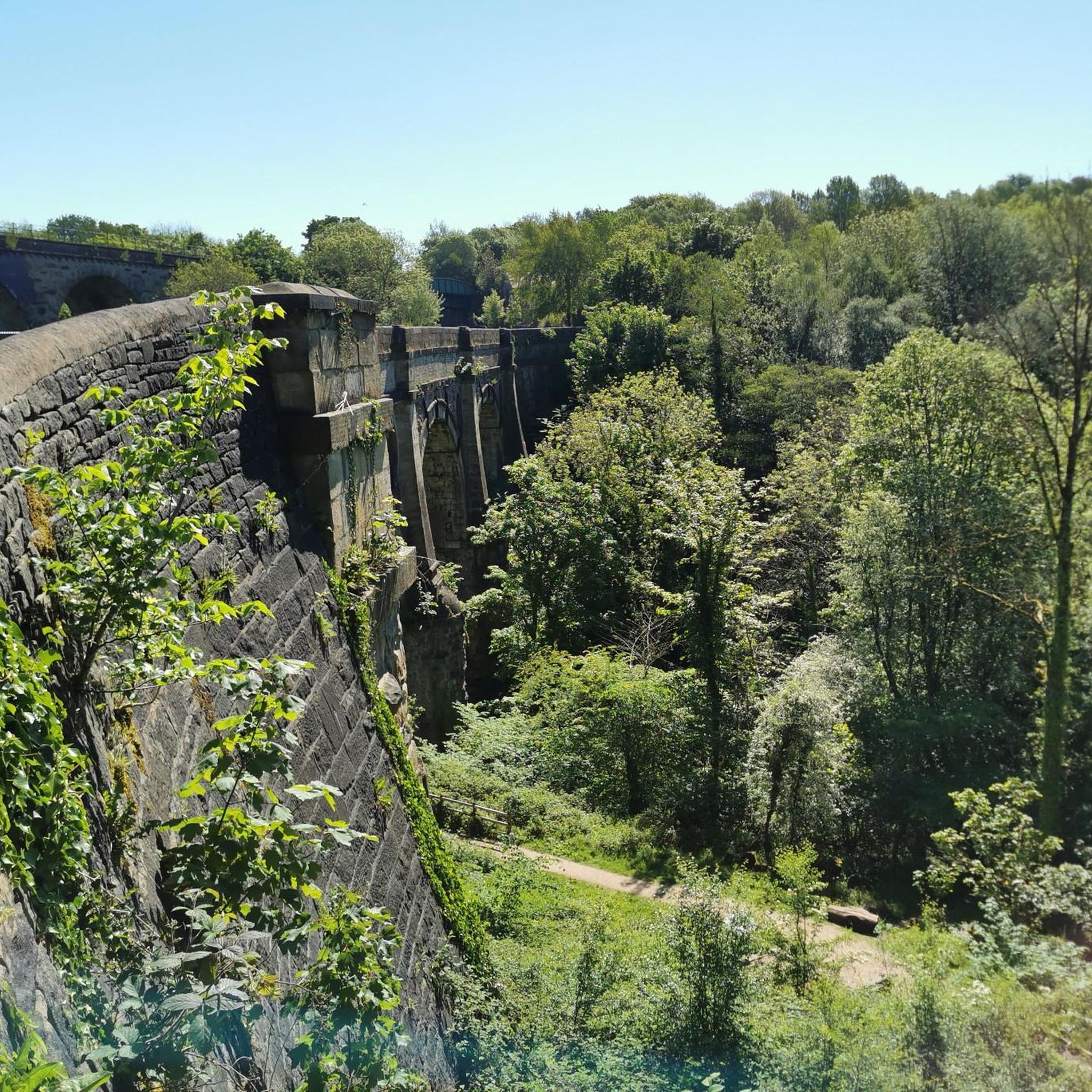
Built by industrialist Samuel Oldknow, it …
Tip by

Sign up now to discover places like this
Get recommendations on the best single tracks, peaks, & plenty of other exciting outdoor places.
Sign up for free
Bramall Hall
Highlight • Forest
Tip by

Gorton Lower Reservoir
Highlight • Lake
Tip by

Painswick Park Pond
Highlight • Lake
Tip by

Sign up for free to discover even more lakes around Offerton Park.
Sign up for free
Already have an account?
Start today with a free account
Your next adventure awaits.
Login or Signup

Tips from the Community

Lots of geese surround the pond here - that means lots of geese poop, beware!
0
0

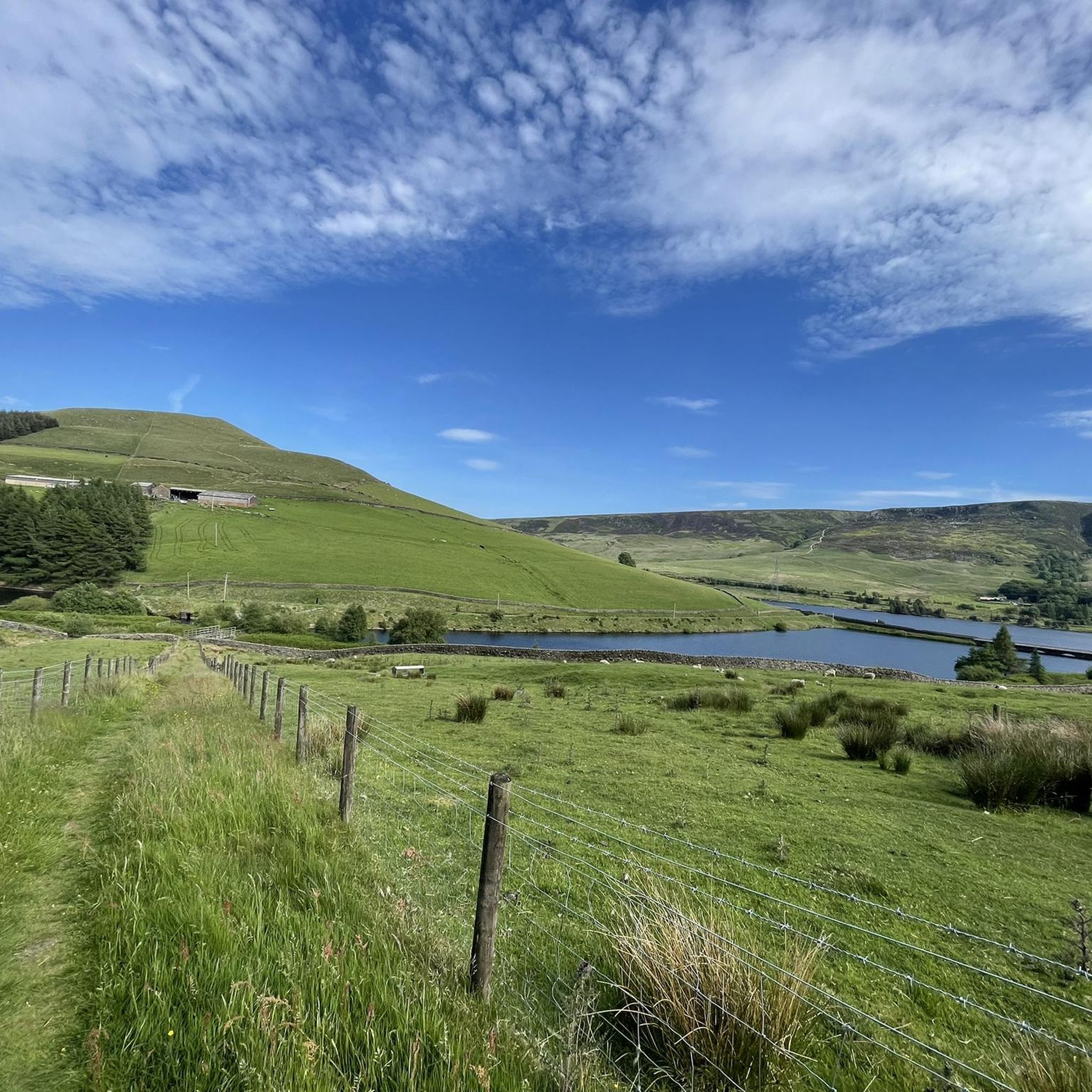
Gorton Lower Reservoir was built in the early 1800s to provide water for the surrounding area. It was a supply reservoir until 1963 when it was decommissioned and became a leisure lake. Today the reservoirs are used for fishing, sailing and canoeing.
0
0

Painswick Park - I agree with Bumble-Bee, you can leave the park very quickly
0
0

Bramhall Park is a woodland and parkland adjoined to Bramall Hall, a Tudor manor house with a history dating back to the Middle Ages. You can explore the grounds and observe a variety of wildlife along the park's trails.
3
0

Smaller park with a lake - kind of ok to pass through, but not really beautiful enough as a destination.
8
0

The Park itself first of all started off as part of the “Andrews” estate originating in the 1820’s. At the time it incorporated a mine, a cotton mill and the lake. Later on in 1968 it became one of England’s first country parks, and now attracts over a quarter million visitors a year. They come to enjoy the natural beauty of ancient woodland along the river valley; in the foothills of the Peak District National Park. Mr George Andrew originally built the mill and made the man made lake (Canal). He also required a large workforce for the operation of the mill; so George also built a lot of the houses, along with the Church and School. Also a lot of the street names are named after members of the Andrew’s family. Etherow Country Park has steadily grown over the years, and now covers an area of around 200 acres. It lies at the heart of the Etherow-Goyt Valley, this is also the start of The Goyt Way, which is a 10 mile walk to Whaley Bridge. The River Etherow flows through the park which is the source for the lakes and was originally used as a reservoir to power the water wheel; which in turn provided motorized power for the cotton mill. Later on, they used the canal to transport coal for heating and keeping the cotton dry, via a horse drawn canal barge from further downstream. One of the water wheels (Big Lily) that powered the mill would use 50 million gallons of water per day; which would come down the canal and pass through what is now the car park to drive “Big Lilly”
0
0
The Park itself first of all started off as part of the “Andrews” estate originating in the 1820’s. At the time it incorporated a mine, a cotton mill and the lake. Later on in 1968 it became one of England’s first country parks, and now attracts over a quarter million visitors a year. They come to enjoy the natural beauty of ancient woodland along the river valley; in the foothills of the Peak District National Park. Mr George Andrew originally built the mill and made the man made lake (Canal). He also required a large workforce for the operation of the mill; so George also built a lot of the houses, along with the Church and School. Also a lot of the street names are named after members of the Andrew’s family. Etherow Country Park has steadily grown over the years, and now covers an area of around 200 acres. It lies at the heart of the Etherow-Goyt Valley, this is also the start of The Goyt Way, which is a 10 mile walk to Whaley Bridge. The River Etherow flows through the park which is the source for the lakes and was originally used as a reservoir to power the water wheel; which in turn provided motorized power for the cotton mill. Later on, they used the canal to transport coal for heating and keeping the cotton dry, via a horse drawn canal barge from further downstream.
0
0
Frequently Asked Questions
What types of lakes can I find around Offerton Park?
The area around Offerton Park features a mix of natural and man-made lakes. You'll find historical millponds like Roman Lakes, Marple, which were originally built to power mills, as well as lakes within country parks such as Etherow Country Park Lake and Weir. There are also picturesque lakes within historical estates like Bramall Hall.
Are there family-friendly lakes suitable for children near Offerton Park?
Yes, several lakes are great for families. Etherow Country Park Lake and Weir is a local nature reserve with plenty of space for exploration. Roman Lakes, Marple, once a pleasure park, offers a historical setting. Bramall Hall has parkland trails for observing wildlife, and River Tame Pond is popular for pond dipping.
What historical significance do some of the lakes around Offerton Park hold?
Many lakes in the region have a rich history. Roman Lakes, Marple, for instance, were 18th-century millponds that powered the Mellor Mill and later became a popular pleasure park. Etherow Country Park Lake and Weir originated as part of the Andrews Estate in the 1820s, incorporating a mine, mill, and mill pond before becoming one of the UK's first country parks.
Can I go walking or hiking around the lakes near Offerton Park?
Absolutely. The lakes are surrounded by numerous walking and hiking trails. For example, Etherow Country Park Lake and Weir is the starting point for the 10 km Goyt Way. You can find various routes, including moderate hikes like the 'Weir on the River Goyt – River Goyt Waterfall loop' or easier options like the 'Goyt Hall Farm – The Alan Newton Way loop'. Explore more options on the Hiking around Offerton Park guide.
What kind of wildlife can I expect to see near the lakes?
The lakes and their surrounding parklands are rich in wildlife. Etherow Country Park, a local nature reserve and Site of Special Scientific Interest, is home to over 200 plant species and more than a hundred bird species, including birds of prey like Tawny Owls. At Roman Lakes, you might spot herons, while Bramall Hall's parkland offers trails for observing various local fauna.
Are there opportunities for cycling near the lakes?
Yes, the area offers several road cycling routes that pass near or through the lake regions. You can find routes of varying difficulties, such as the 'Cheadle Mosque – Tatton Arms loop' or longer rides like the 'View of the Lovell Telescope – Pedley Lane loop'. For detailed cycling routes, refer to the Road Cycling Routes around Offerton Park guide.
Can I do water sports or fishing at any of the lakes?
Gorton Lower Reservoir, originally a supply reservoir, was decommissioned in 1963 and is now used for leisure activities including fishing, sailing, and canoeing. Other lakes, like Etherow Country Park Lake, also offer opportunities for enjoying the water, though specific activities may vary.
What makes Etherow Country Park Lake and Weir a notable spot?
Etherow Country Park Lake and Weir is significant as one of the UK's first country parks, established in 1968. It's a local nature reserve and a Site of Special Scientific Interest, known for its diverse habitats and abundant wildlife. It also serves as the starting point for the 10 km Goyt Way.
What is unique about Roman Lakes, Marple?
Roman Lakes, Marple are man-made lakes with a fascinating heritage dating back to the 18th century. They were originally millponds for the massive Mellor Mill, which was once the largest cotton mill in the world. After the mill's destruction, the lakes were transformed into a popular pleasure park.
Are there running trails available near the lakes?
Yes, the area provides various running trails. You can find moderate routes like the 'Bramhall Hall – Bramall Hall loop' or more challenging options such as 'The Boar's Head – Poynton Old Station Rest Area loop'. For a comprehensive list of running paths, check the Running Trails around Offerton Park guide.
What can I expect at Bramall Hall's lake and parkland?
Bramall Hall features a picturesque lake within its extensive parkland, which adjoins the historic Tudor manor house. The park offers trails that are relatively easy to navigate, perfect for observing wildlife and enjoying the scenic beauty around the hall.
Is there a good spot for a picnic by the water?
The River Tame Pond is highlighted as a great spot for a picnic. Its calming flow and low water level make it ideal for relaxing, and it's also a good place to spot local birds and wildlife.
Most popular attractions around Offerton Park

Get inspired with the komoot mobile app


