The 20 Most Amazing Peaks in the Sistema Ibérico Mountains
Best mountain peaks in the Sistema Ibérico Mountains form a major mountain system stretching across eastern Spain. This extensive range features diverse landscapes, from high-altitude glacial remnants to lush forests of beech, oak, and pine. The region is characterized by rugged terrain, significant hydrological features, and a rich biodiversity, offering varied natural environments for exploration.
Best mountain peaks in the Sistema Ibérico Mountains
- The most popular mountain peaks is Pico de Urbión, a summit located in the Sierra de Urbión. It is the highest peak in this part of the Iberian system, offering spectacular views and numerous routes to access its summit.
- Another must-see spot is Moncayo Summit, a summit within the Moncayo Natural Park. Located at an altitude of 2,314 meters, it is the highest point of the Sistema Ibérico, providing splendid panoramic views.
- Visitors also love Peña Isasa, a summit belonging to the Iberian Riojan system. This limestone bastion is very accessible and offers a joy of views, with many trails in its vicinity for hiking and other activities.
- Sistema Ibérico Mountains is known for its high-altitude summits, forested peaks, and rugged terrain. The variety of mountain peaks to see and explore includes those with glacial features, limestone formations, and extensive pine forests.
- The mountain peaks in the Sistema Ibérico Mountains are appreciated by the komoot community, with 42 upvotes and 46 photos shared across various highlights.
Last updated: July 21, 2026
Pico de Urbión
Highlight • Summit
Translated by Google •
Tip by

Moncayo Summit
Highlight • Summit
Translated by Google •
Tip by

Sign up now to discover places like this
Get recommendations on the best single tracks, peaks, & plenty of other exciting outdoor places.
Sign up for free
Sad Hill Cemetery
Highlight • Historical Site
Translated by Google •
Tip by

Campiña
Highlight • Summit
Translated by Google •
Tip by

San Millán (2,131 m)
Highlight • Summit
Translated by Google •
Tip by

Peña Isasa
Highlight • Summit
Translated by Google •
Tip by

Pico de la Laguna (2004m)
Highlight • Summit
Tip by

El Hombre summit (Sierra de la Demanda)
Highlight • Summit
Translated by Google •
Tip by

San Lorenzo
Highlight • Summit
Translated by Google •
Tip by
Cruz de la Demanda Pass
Highlight • Mountain Pass
Mythical port of the Sierra de la Demanda with privileged views over the valley and the mountain ranges.
Translated by Google •
Tip by

Sign up for free to discover even more peaks in the Sistema Ibérico Mountains.
Sign up for free
Already have an account?
Start today with a free account
Your next adventure awaits.
Login or Signup
Popular around Sistema Ibérico Mountains
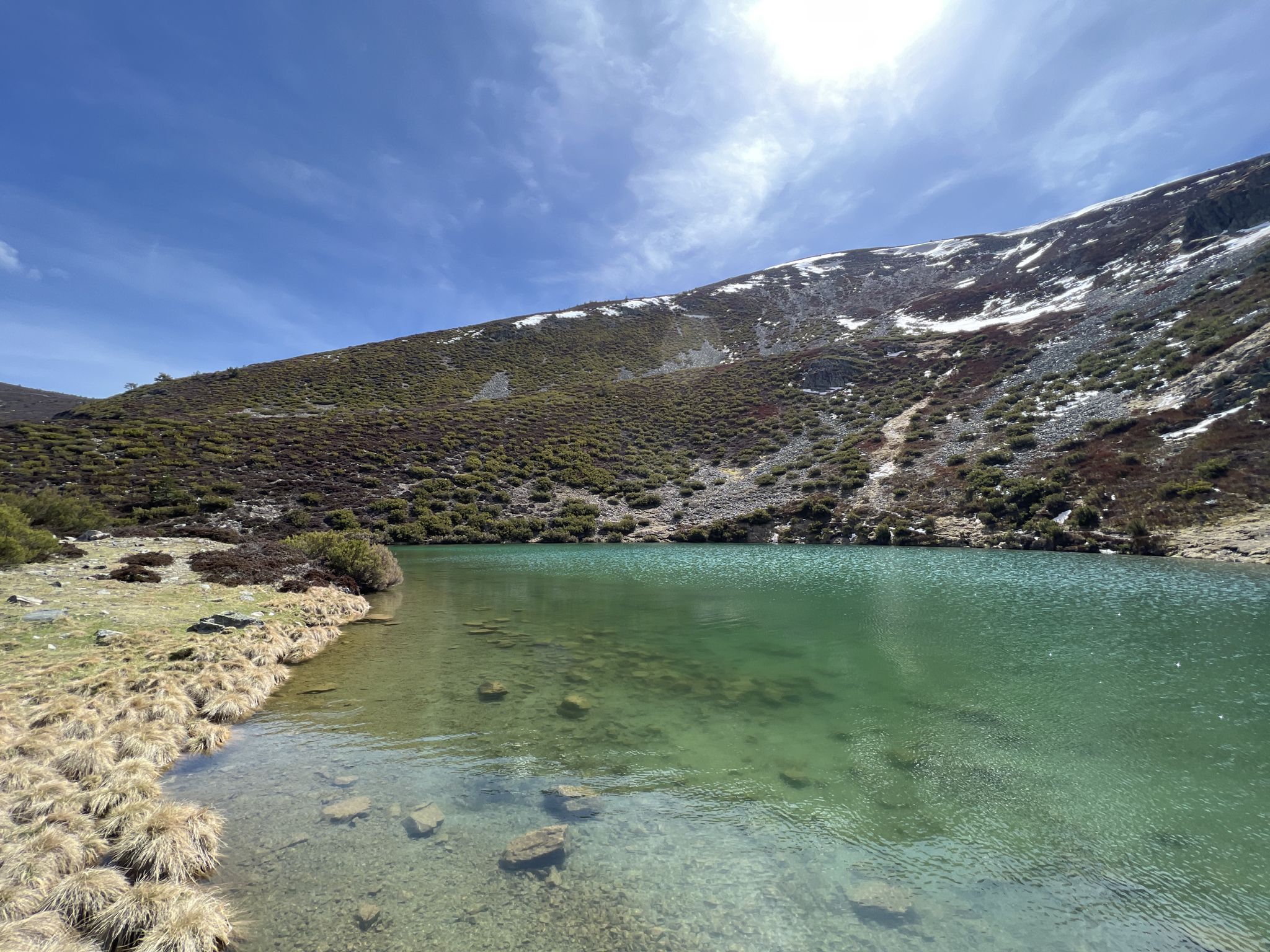
Discover the unknown Burgos - Dos Aguas Trail (GR 290)
Zazpiak Bat Packing – a cycling adventure in the Basque Country
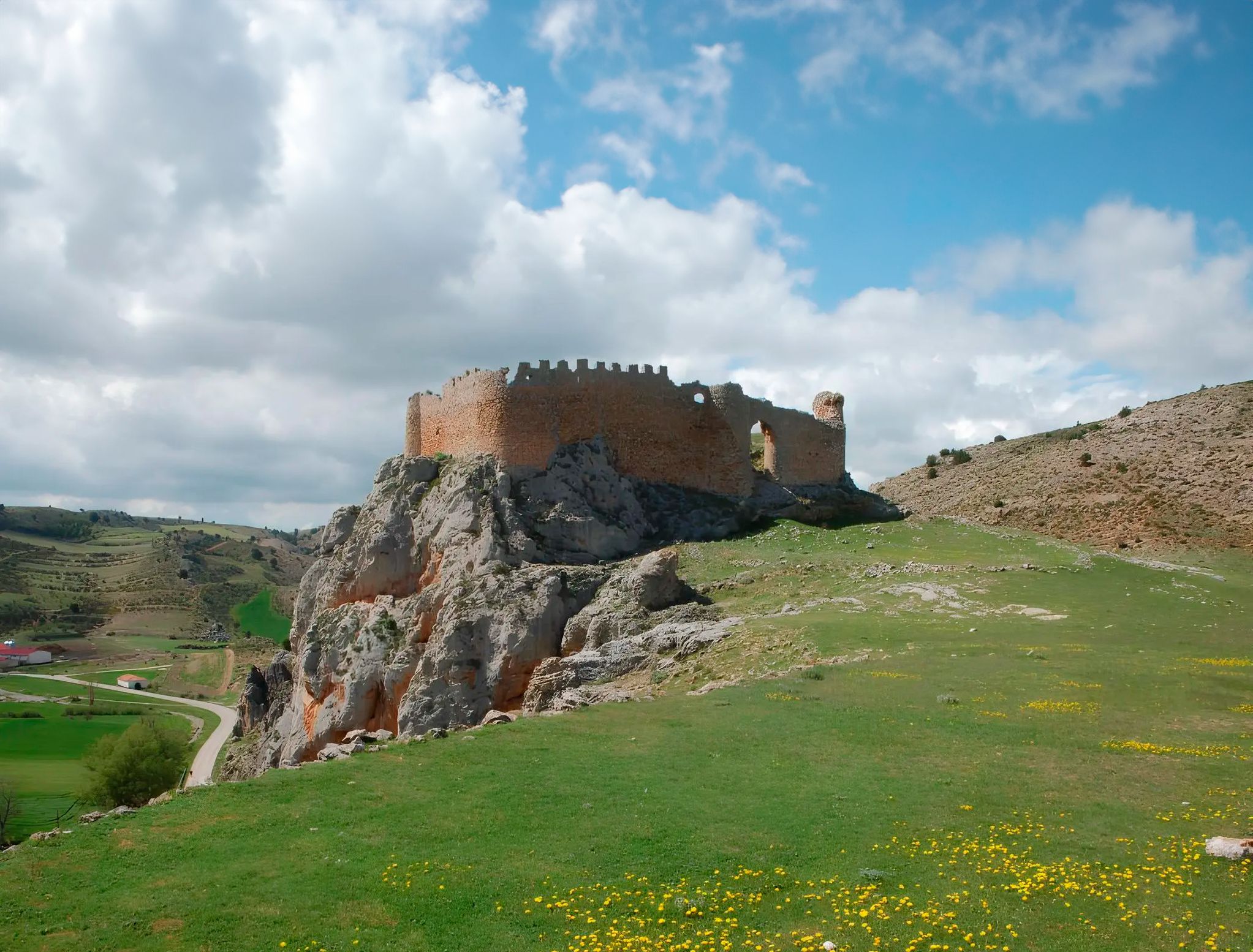
Around the Spanish province of Soria - Sendero Ibérico Soriano (GR 86)
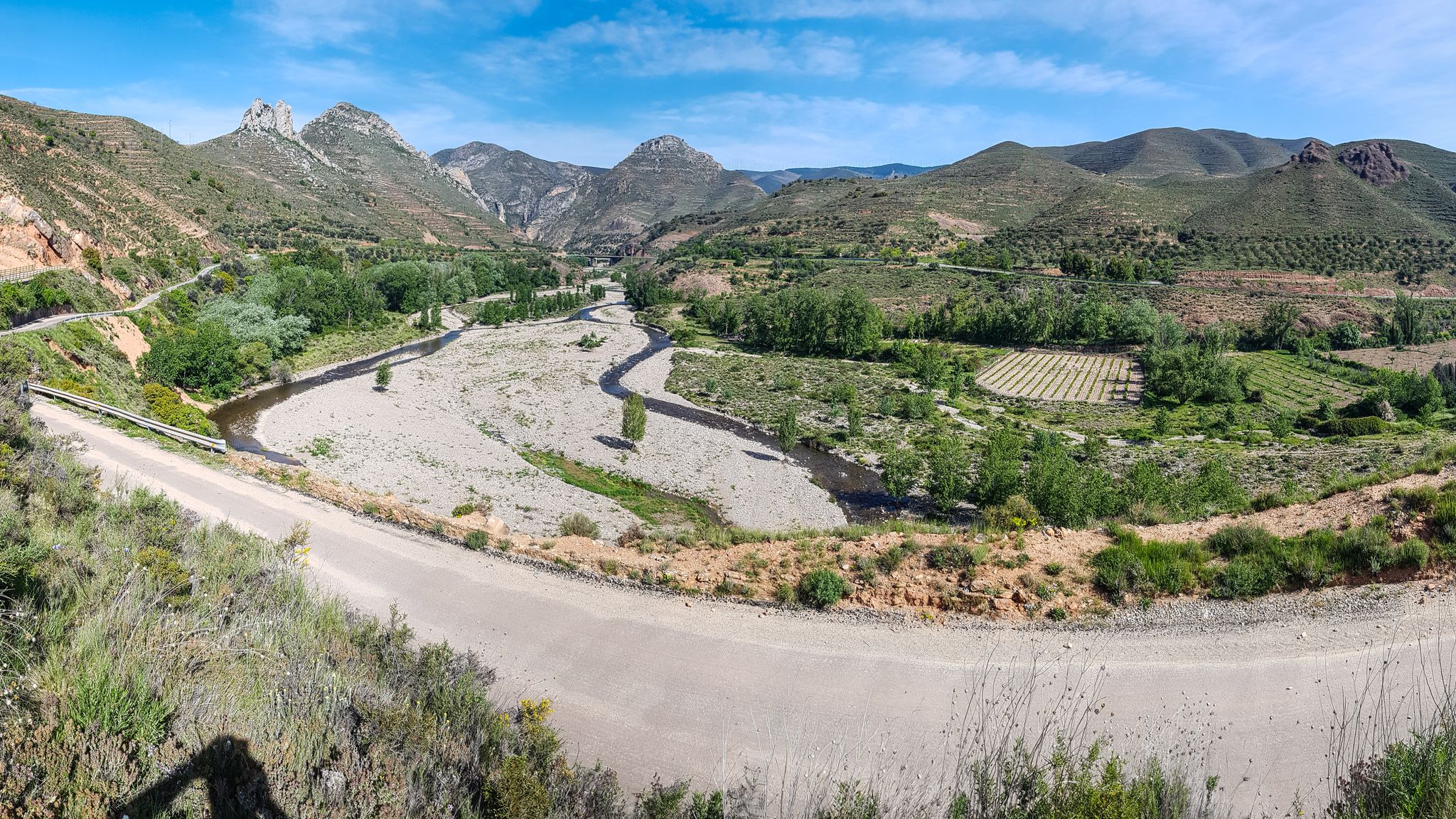
Orchards and karst peaks in La Rioja – Cidacos Greenway
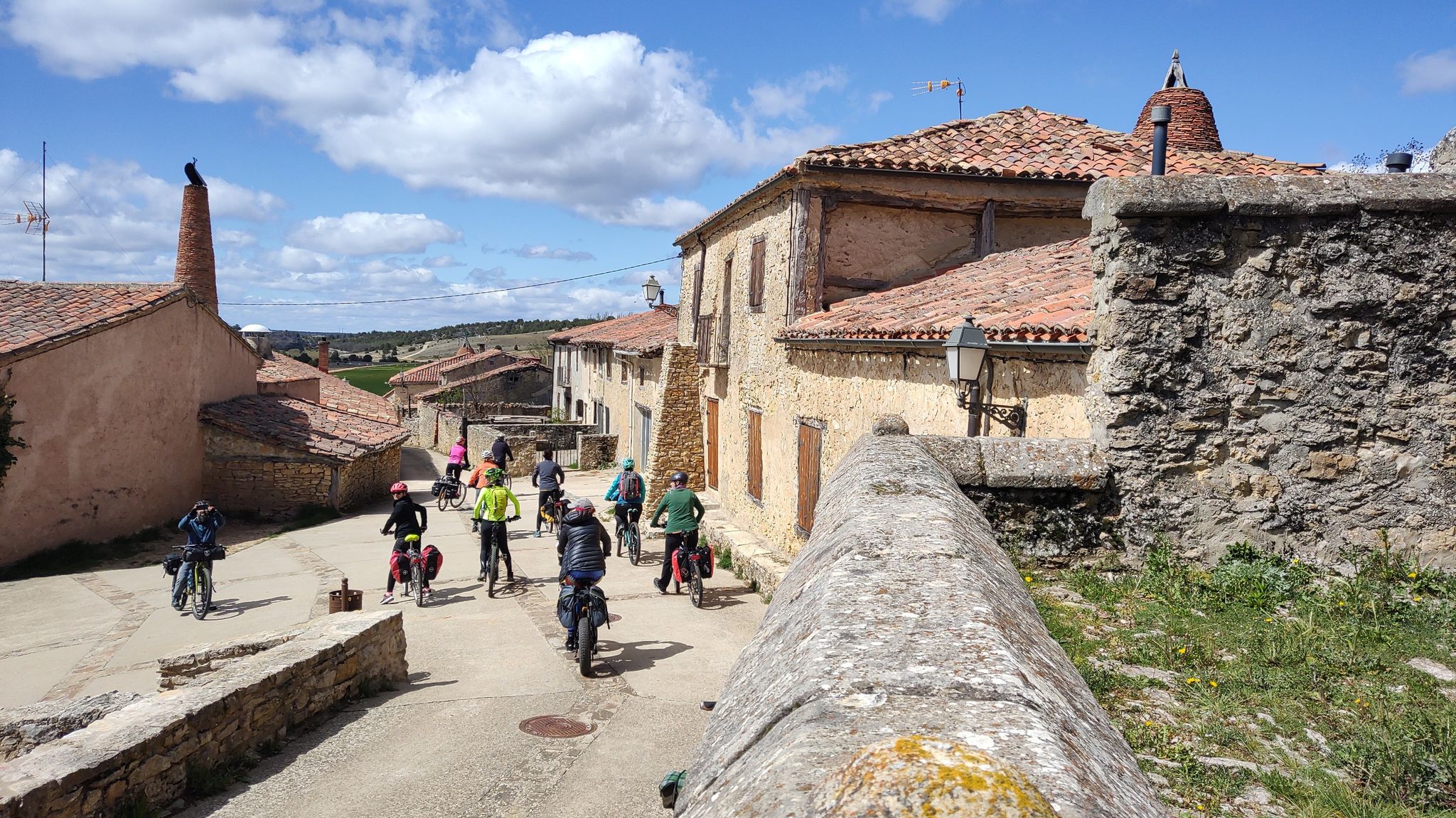
Millennial treasures on pedals – Romanesque art of Soria by MTB
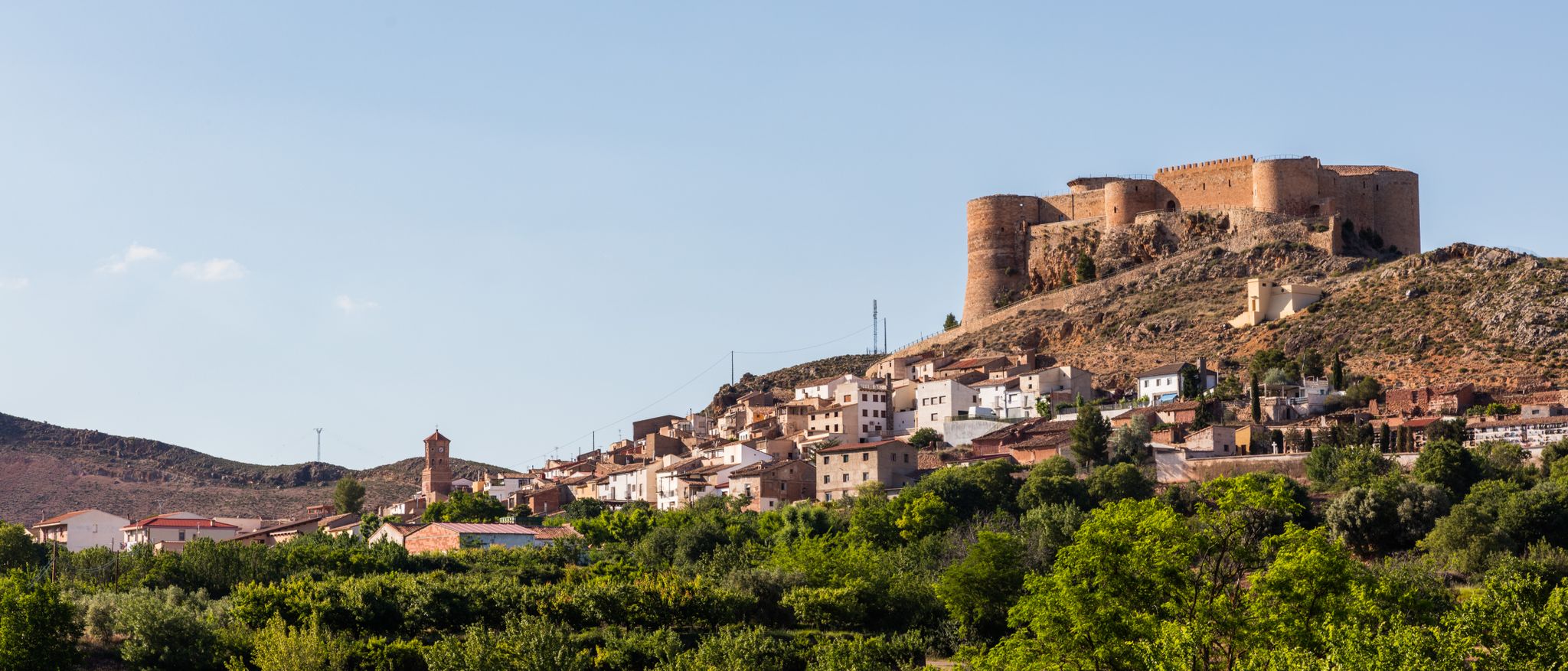
Moncayo to Daroca – Iberian Zaragoza Path (GR 90)
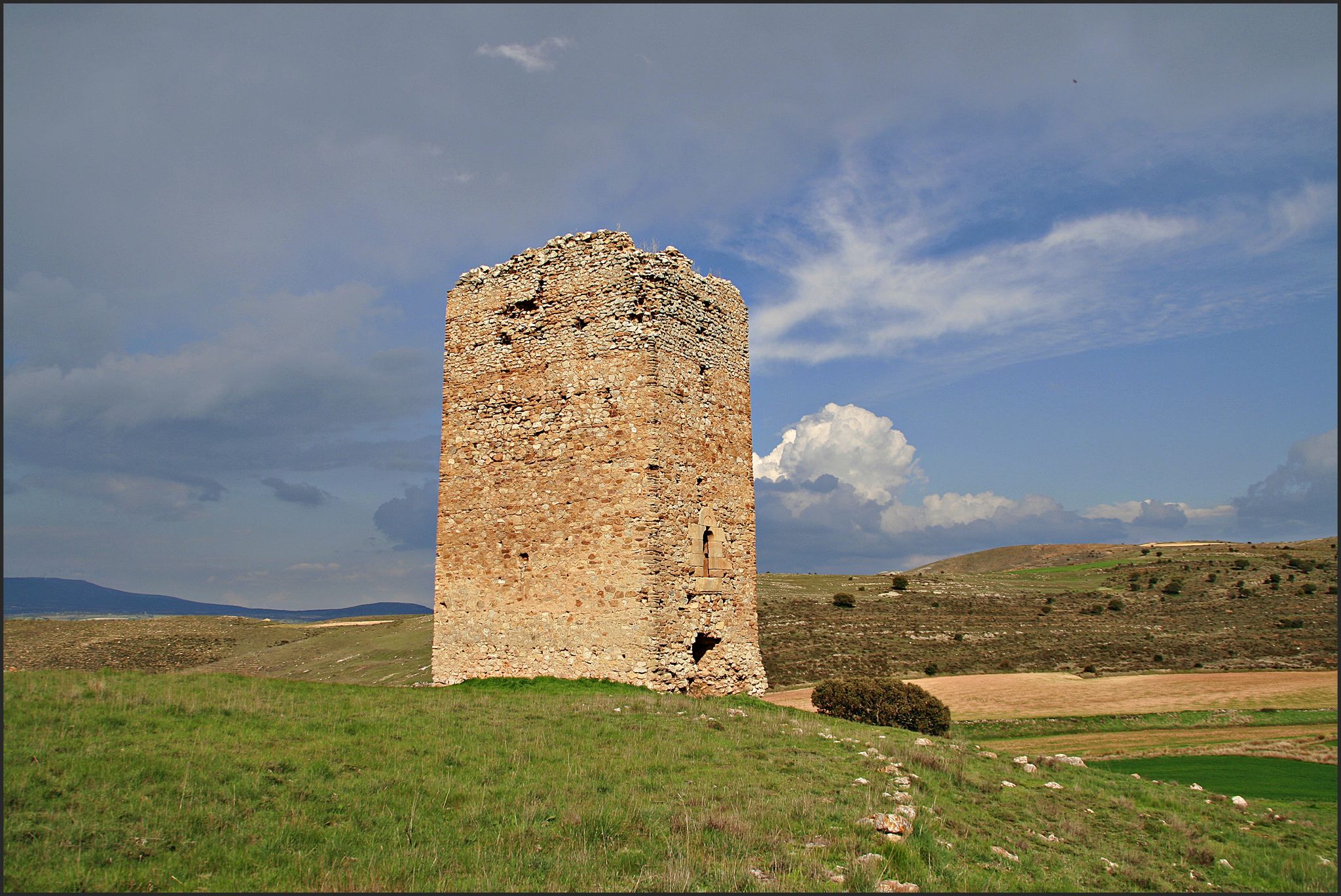
The Duero to the Ebro – Soriano Water Natural Trail
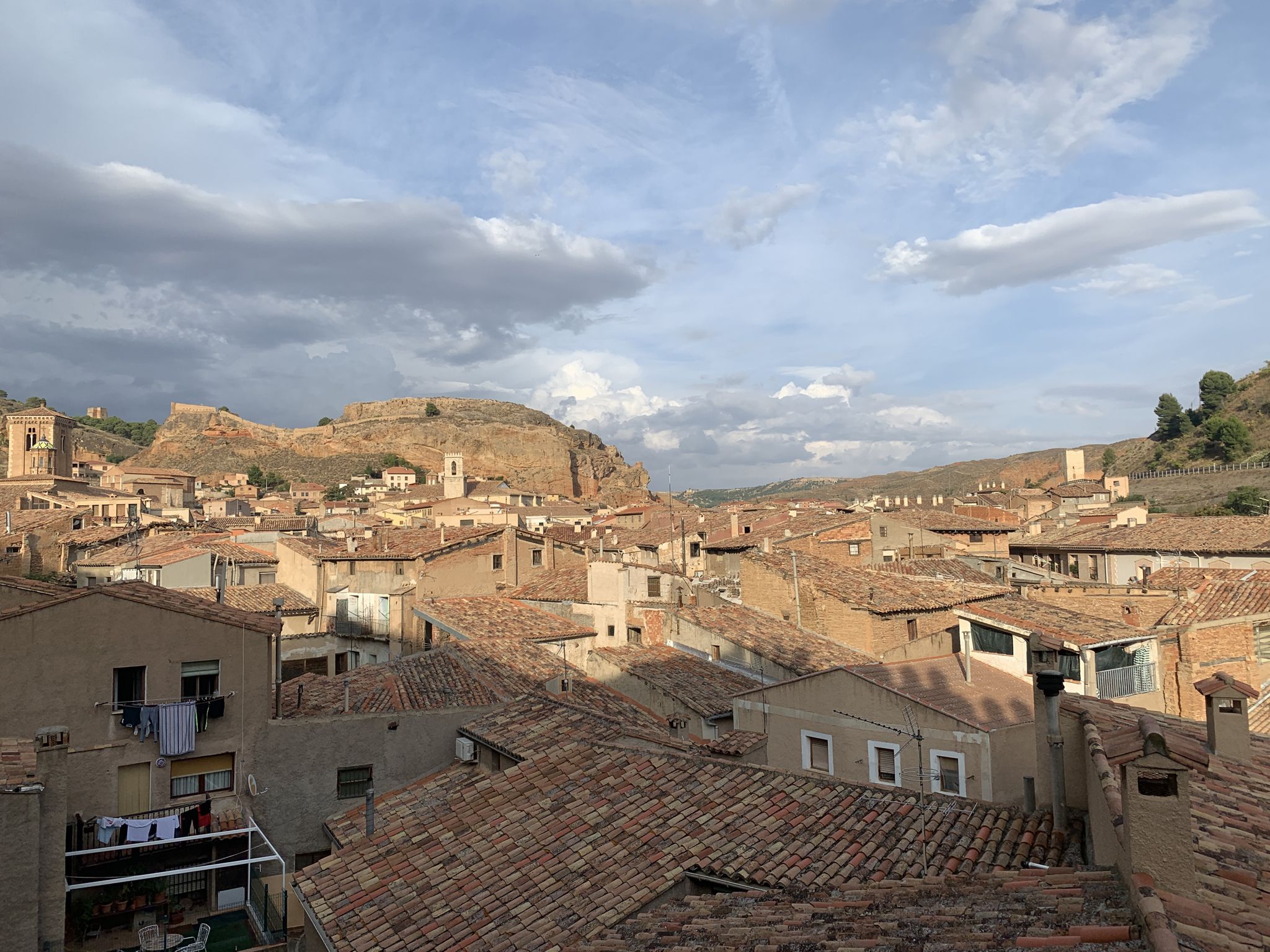
18th-century gravel – Camino Real de Aragón from Madrid
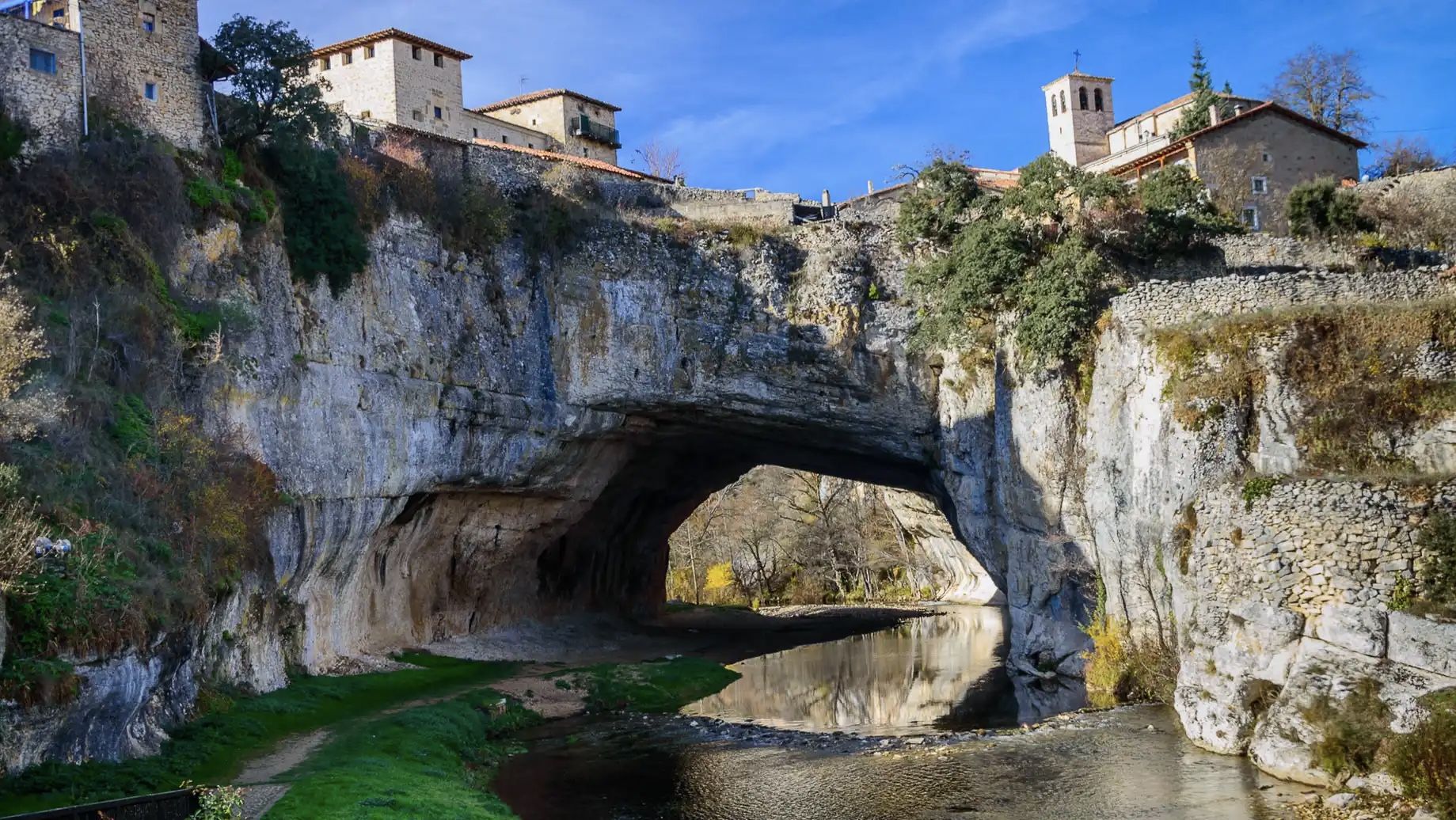
An epic getaway – Santander-Mediterráneo Nature Trail
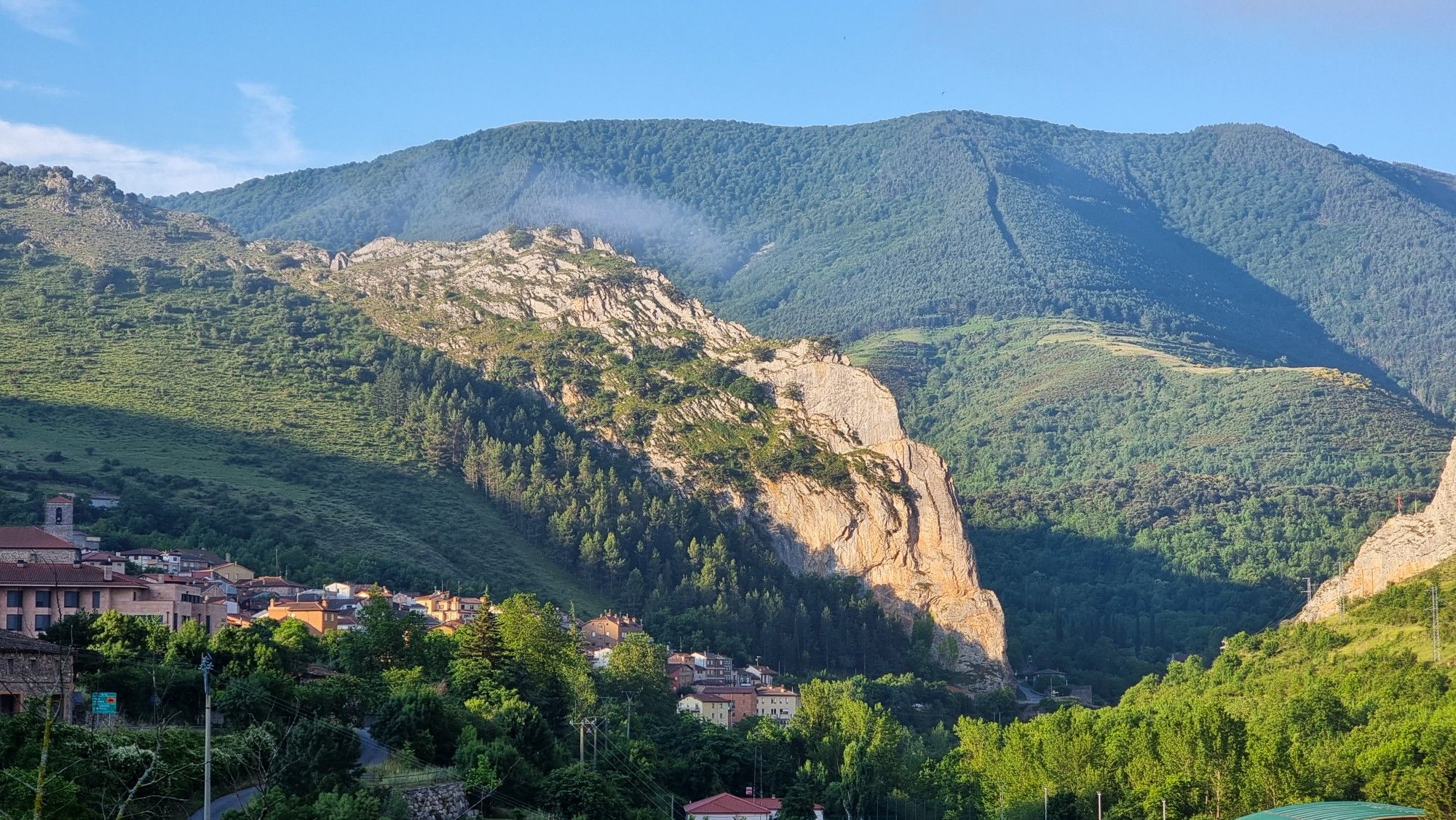
Passes and dinosaur footprints – Spain’s Sierras Riojanas (GR 93)
Other adventures in the Sistema Ibérico Mountains


Tips from the Community


The summit of Moncayo, also known as Pico San Miguel, is the highest mountain in the Iberian system, with an altitude of 2315 metres. It is located between the provinces of Zaragoza (Aragon) and Soria (Castile and Leon) in Spain. To reach the summit, many hikers start from the Sanctuary of the Virgin of Moncayo, located at 1621 metres. From there, the route passes through the Cucharón cirque and the San Miguel basin before reaching the summit. The route offers spectacular views and is especially popular in spring and summer.
5
0

a highly recommended area for hiking.
0
1

With the mountain route you can go up from Fresneda, reach the Pozo Negro (durillo), and from there to the Cruz de la Demanda, returning to Fresneda by road and passing through the top of La Pradilla.
0
0

Moncayo never disappoints. From Cueva de Agreda the climb is longer and harder, but it is worth the sacrifice. The views from the summit, towards Aragon and towards Castilla, are impressive.
1
0

The fictional cemetery “Sad Hill Cemetery” was artificially created for the filming of “Two Glorious Scoundrels”. The scene of the big showdown is iconic, in which the three opponents face each other between the graves of an old cemetery in a haunting finale. The cemetery was exposed to increasing decay. A group of courageous residents polished up the cemetery in 2016 in time for the 50th anniversary of the cult western.
0
0
Pico de Urbión is an ideal destination for hiking lovers. It is located between the autonomous community of La Rioja and the provinces of Soria and Burgos (Castilla y León). It limits to the north with the Najerilla valley, to the south with the Duero valley, to the west with the Neila mountain range, and to the east with the Cebollera mountain range.
3
0

In this natural setting the duel of the mythical movie The Good, the Bad and the Ugly was filmed. But apart from that, as soon as you get there, the cemetery is only part of the natural beauty that that valley has.
1
0
Frequently Asked Questions
What are the highest mountain peaks in the Sistema Ibérico Mountains?
The highest peak in the Sistema Ibérico Mountains is Moncayo (also known as San Miguel) at 2,314 meters, located between Aragon and Castile and Leon. Other significant summits include Pico de Urbión (2,228 meters) and Monte San Lorenzo (2,271 meters) in the Sierra de la Demanda.
What unique natural features can I discover among the Sistema Ibérico mountain peaks?
The Sistema Ibérico Mountains offer diverse natural features. You can find glacial remnants and cirques, such as those near Moncayo Summit, and glacial lakes like Laguna Negra and Laguna Larga near Pico de Urbión. The region is also known for its extensive forests of beech, oak, pine, and juniper, and significant hydrological features like the source of the Duero River.
What outdoor activities can I enjoy around the mountain peaks of the Sistema Ibérico?
The Sistema Ibérico Mountains are excellent for various outdoor activities. Hiking is very popular, with routes ranging from easy to challenging, including those leading to spectacular viewpoints. You can also enjoy mountain biking, paragliding, and cross-country skiing in winter, particularly around Muela de San Juan. For more detailed routes, explore the easy hikes, cycling, and gravel biking guides for the region.
When is the best time to visit the Sistema Ibérico Mountains for hiking and exploring?
The best time to visit depends on your preferred activities. Spring and summer are ideal for hiking and enjoying the panoramic views, especially from peaks like Moncayo Summit. The highest peaks are typically snow-covered between October and May, making winter suitable for snow sports like cross-country skiing in areas like Muela de San Juan.
Are there family-friendly mountain peaks or attractions in the Sistema Ibérico Mountains?
Yes, the Sistema Ibérico offers options for families. While many peaks involve challenging hikes, attractions like Sad Hill Cemetery in the Sierra de la Demanda are considered family-friendly. This unique historical site, built for the film 'The Good, the Bad and the Ugly,' offers an interesting visit amidst natural beauty.
What historical or cultural sites can be found near the Sistema Ibérico mountain peaks?
Beyond natural beauty, the region boasts historical and cultural sites. Near Moncayo Summit, you can explore the Mudéjar architecture of Tarazona and the Royal Monastery of Santa María de Veruela. The Sierra de la Demanda also features remnants of necropolises and a medieval village reproduction, showcasing the region's rich human history.
What kind of wildlife can I expect to see in the Sistema Ibérico Mountains?
The Sistema Ibérico Mountains are rich in biodiversity. Depending on the area and altitude, you might spot rabbits, partridges, foxes, and wild boars. Higher up, golden eagles can be seen. The Sierra de la Demanda is particularly known for its high animal biodiversity, including wolves, roe deer, and wildcats.
Are there accessible or easier mountain peaks for beginners in the Sistema Ibérico?
For beginners or those seeking easier access, Peña Isasa is a good option. This limestone bastion is very accessible, with a track leading close to its top, and offers many trails in its vicinity suitable for a pleasant day of hiking or trail running.
What makes Moncayo a significant mountain peak to visit?
Moncayo is significant as the highest peak in the Sistema Ibérico, offering spectacular panoramic views. Its natural park features a remarkable diversity of landscapes, from glacial remnants to lush forests with clearly delineated levels of flora. It's also a Starlight-certified destination, perfect for stargazing, and provides excellent hiking routes through beautiful oak forests.
What are the main attractions of Pico de Urbión and its surrounding area?
Pico de Urbión is a popular destination for nature lovers and hikers, known for its rugged terrain, eroded high peaks, and glacial lakes like Laguna Negra. It's also notable as the source of the Duero River. The area offers excellent opportunities for photography, walking, and climbing its rocky walls, with wide views over green pine forests.
What can I expect when visiting the Sierra de la Demanda?
The Sierra de la Demanda is a less-explored, wild expanse of nature, offering a 'lungful of fresh air.' It features abrupt reliefs, craggy rock formations, and dense forests of beech, oak, and Scots pine. It's known for extensive hiking opportunities, high animal biodiversity, and historical sites like necropolises, providing unique charms in every season.
Why is Muela de San Juan notable in the Sistema Ibérico Mountains?
Muela de San Juan, located within the Montes Universales range, is hydrographically significant as the source of several major Iberian rivers like the Tagus and Túria. This limestone plateau offers numerous panoramic viewpoints, ideal for hiking among pine forests and observing wildlife. In winter, it transforms into a popular destination for cross-country skiing.
Most popular routes in the Sistema Ibérico Mountains
Most popular attractions in the Sistema Ibérico Mountains

Get inspired with the komoot mobile app


Explore more
See even more amazing summits in the Sistema Ibérico Mountains with these guides:
