Top 20 Caves in the Sistema Ibérico Mountains
Caves in the Sistema Ibérico Mountains offer diverse subterranean exploration opportunities within this central Spanish mountain range. The region is characterized by varied geological formations, including natural caves and historical mining sites. These sites provide insights into the area's natural history and past industrial activities. The Sistema Ibérico Mountains present a landscape suitable for outdoor exploration, with caves integrated into trails and natural parks.
Best caves in the Sistema Ibérico Mountains
- The most popular caves is Cueva Serena Waterfall,…
Last updated: July 14, 2026
Cueva Serena Waterfall
Highlight • Waterfall
Translated by Google •
Tip by

Cuevas de Palomares
Highlight • Cave
Translated by Google •
Tip by

Sign up now to discover places like this
Get recommendations on the best single tracks, peaks, & plenty of other exciting outdoor places.
Sign up for free
Cueva de los Pilares
Highlight • Cave
Translated by Google •
Tip by
Enebro Mine of Ortaura
Highlight • Cave
Translated by Google •
Tip by
Mina del Fresno
Highlight • Cave
Translated by Google •
Tip by

Covaleda
Highlight • Settlement
It also has waterfalls in many of …
Translated by Google •
Tip by

Vico Cave
Highlight • Cave
The trail is ideal for nature and outdoor lovers, and is suitable for people of different levels of hiking experience. Along the way, …
Translated by Google •
Tip by

Providencia Mine
Highlight • Cave
Translated by Google •
Tip by
Source of the Queiles River
Highlight • River
Translated by Google •
Tip by
Ortigosa de Cameros
Highlight • Settlement
Translated by Google •
Tip by
Sign up for free to discover even more caves in the Sistema Ibérico Mountains.
Sign up for free
Already have an account?
Start today with a free account
Your next adventure awaits.
Login or Signup
Popular around Sistema Ibérico Mountains
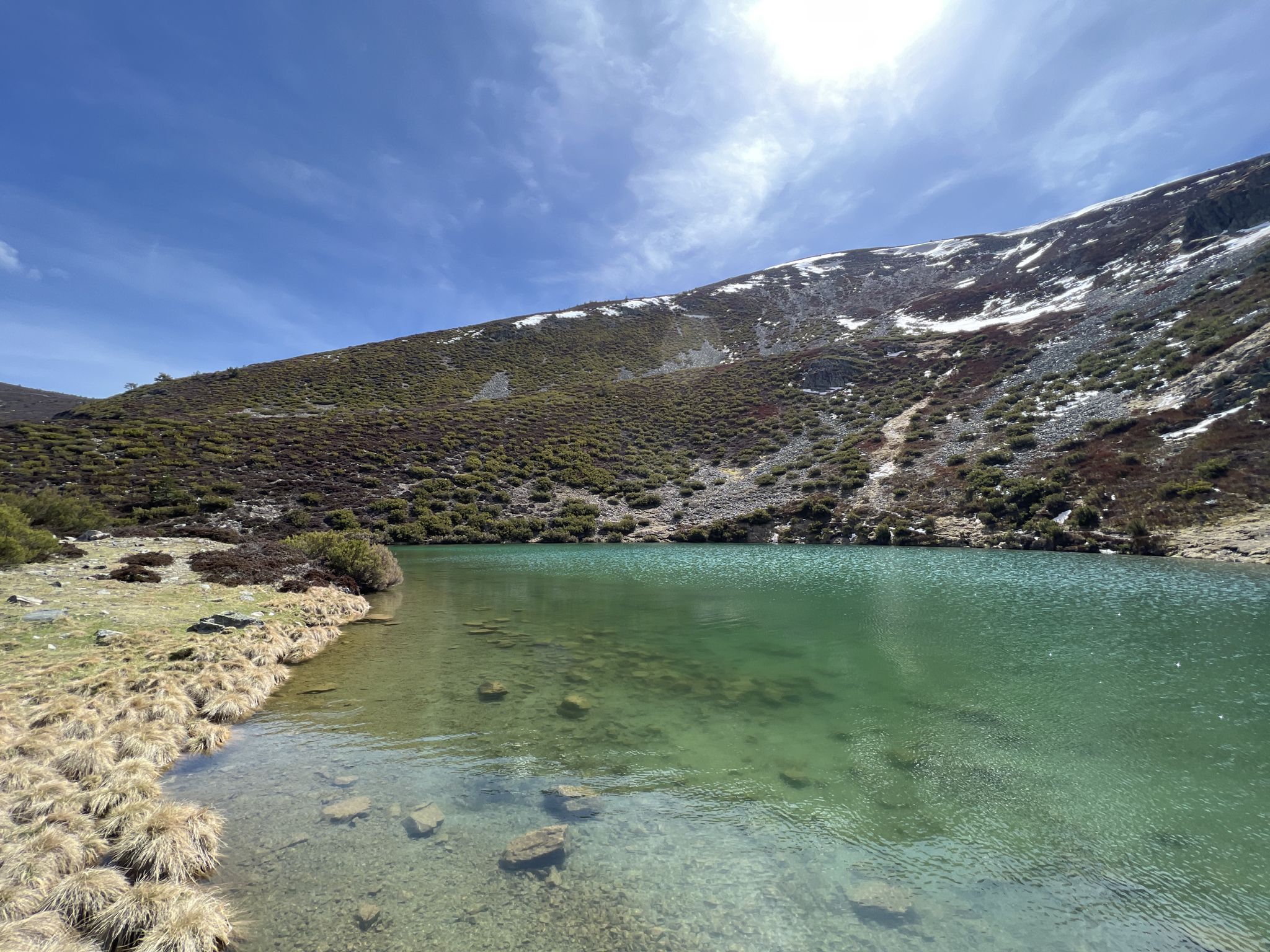
Discover the unknown Burgos - Dos Aguas Trail (GR 290)
Zazpiak Bat Packing – a cycling adventure in the Basque Country
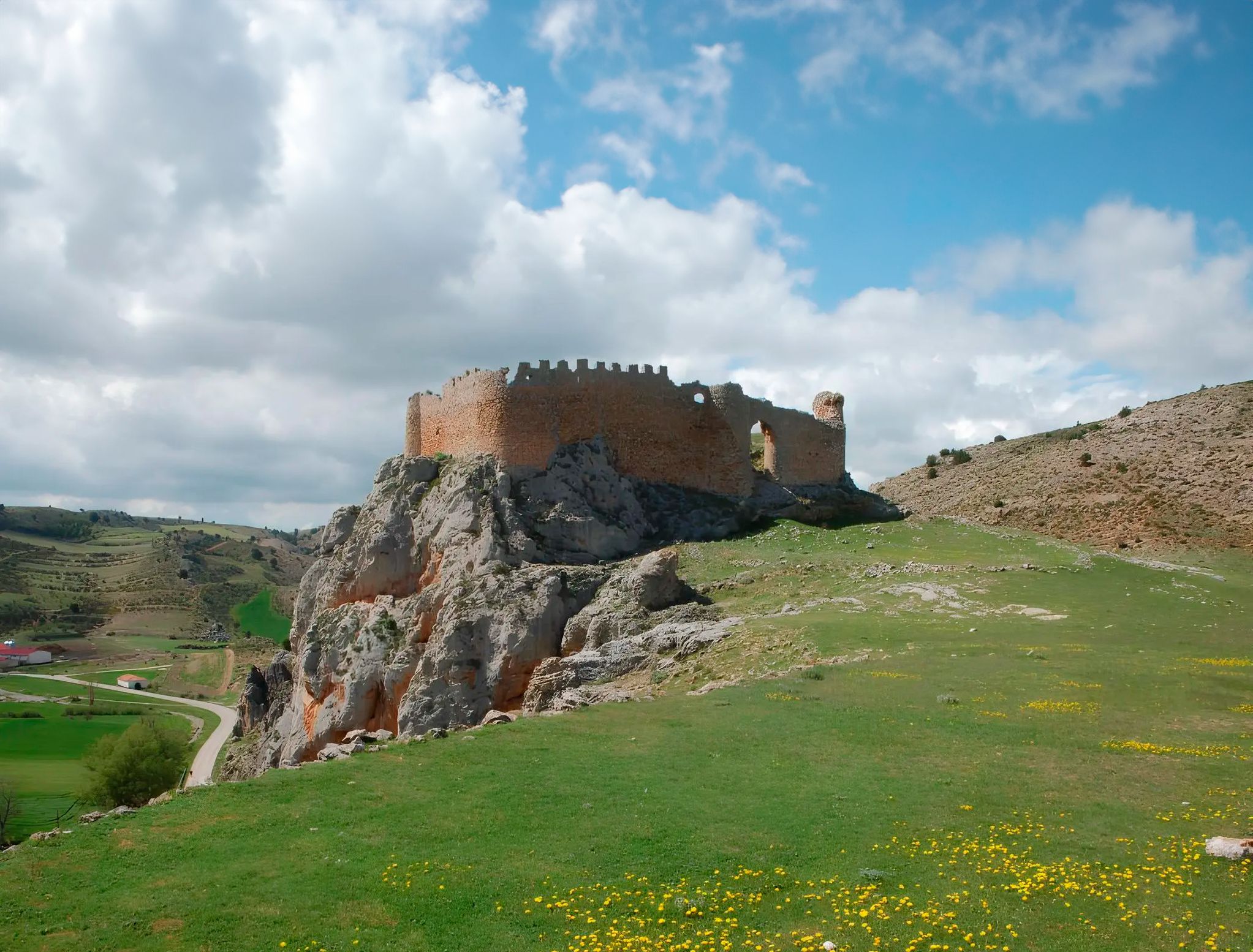
Around the Spanish province of Soria - Sendero Ibérico Soriano (GR 86)
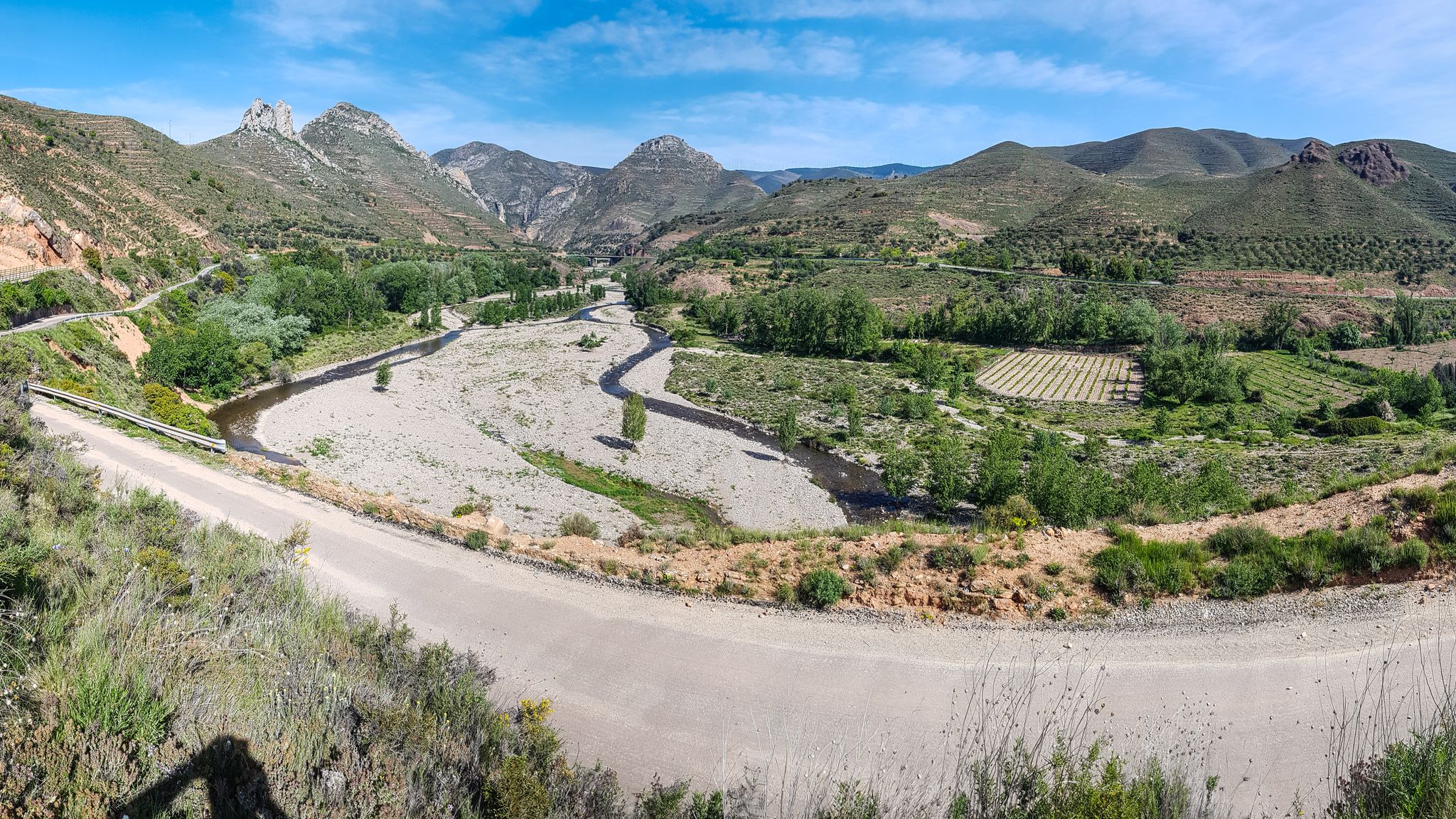
Orchards and karst peaks in La Rioja – Cidacos Greenway
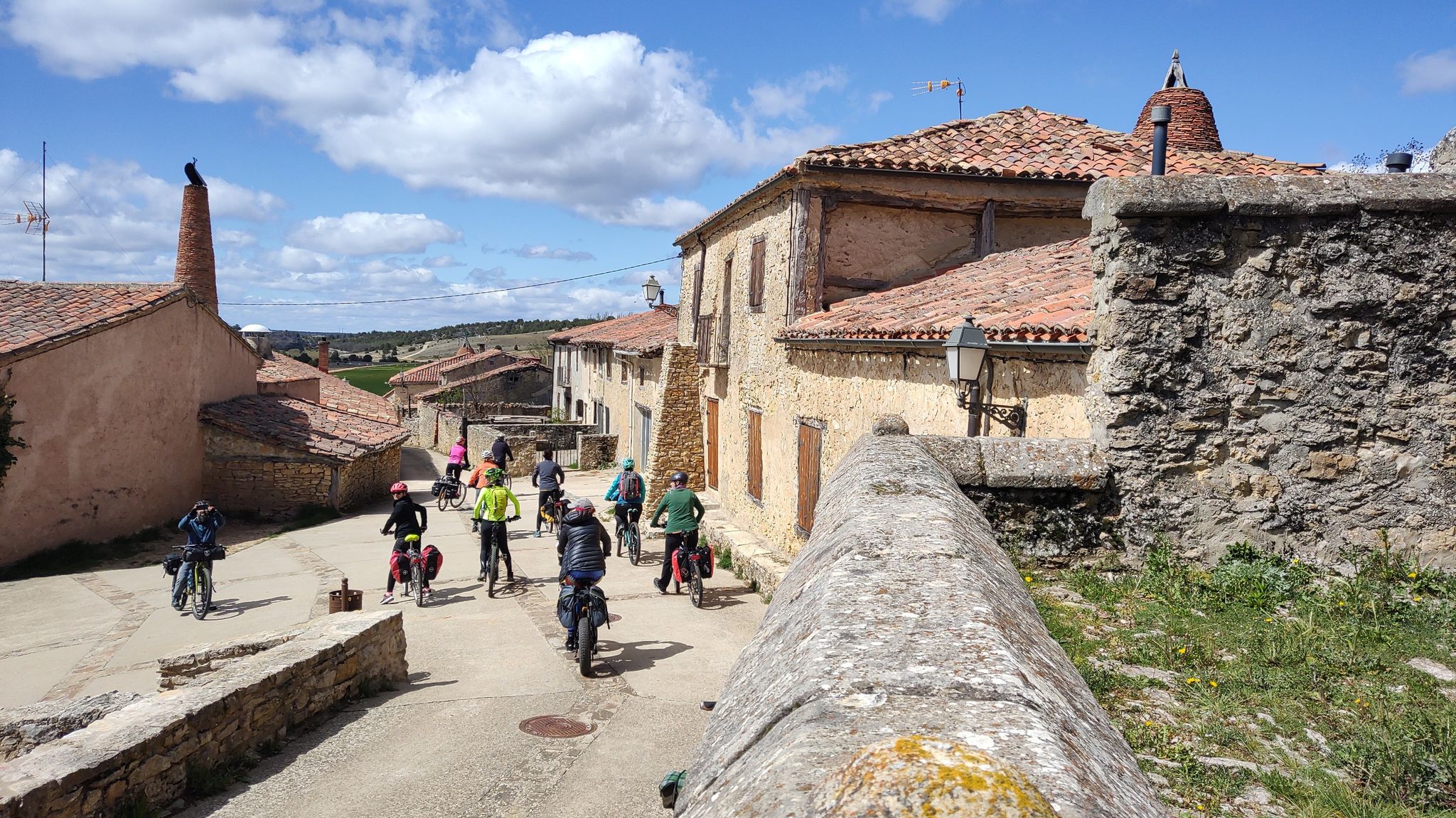
Millennial treasures on pedals – Romanesque art of Soria by MTB
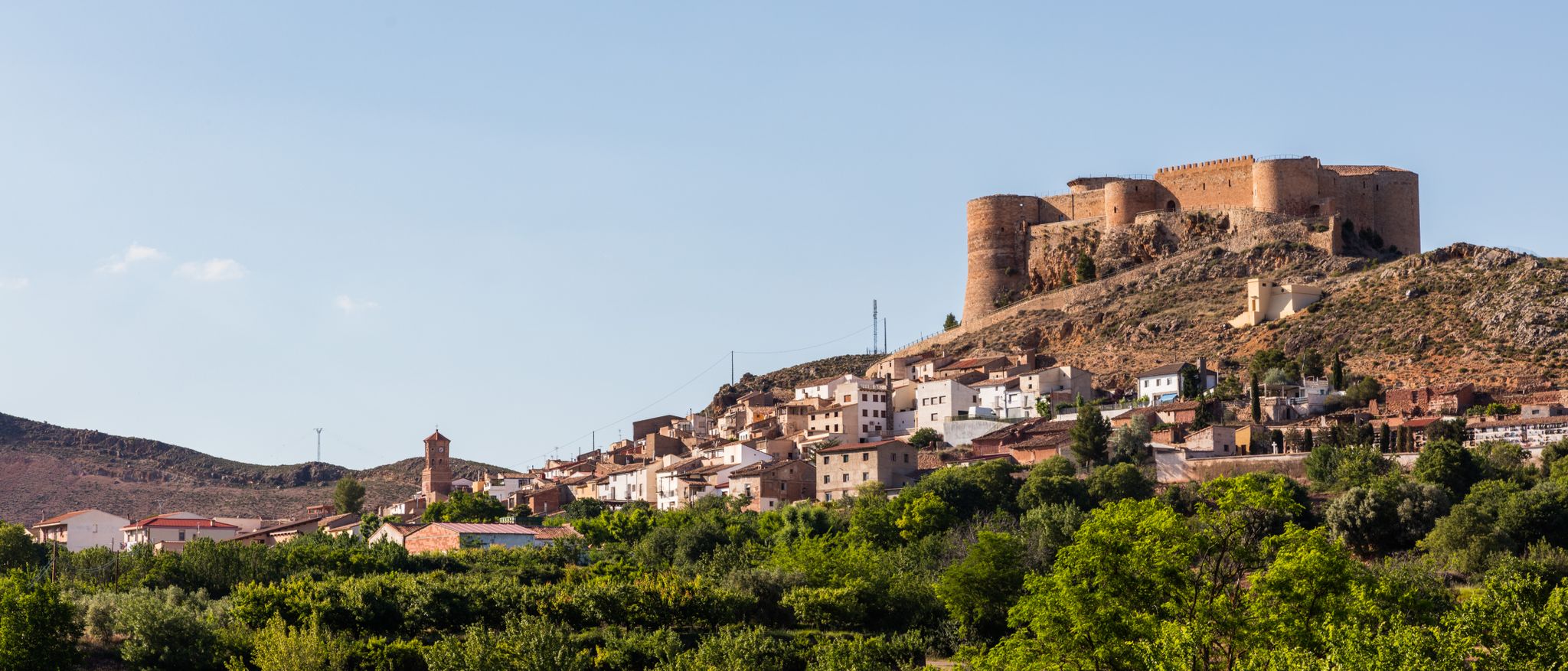
Moncayo to Daroca – Iberian Zaragoza Path (GR 90)
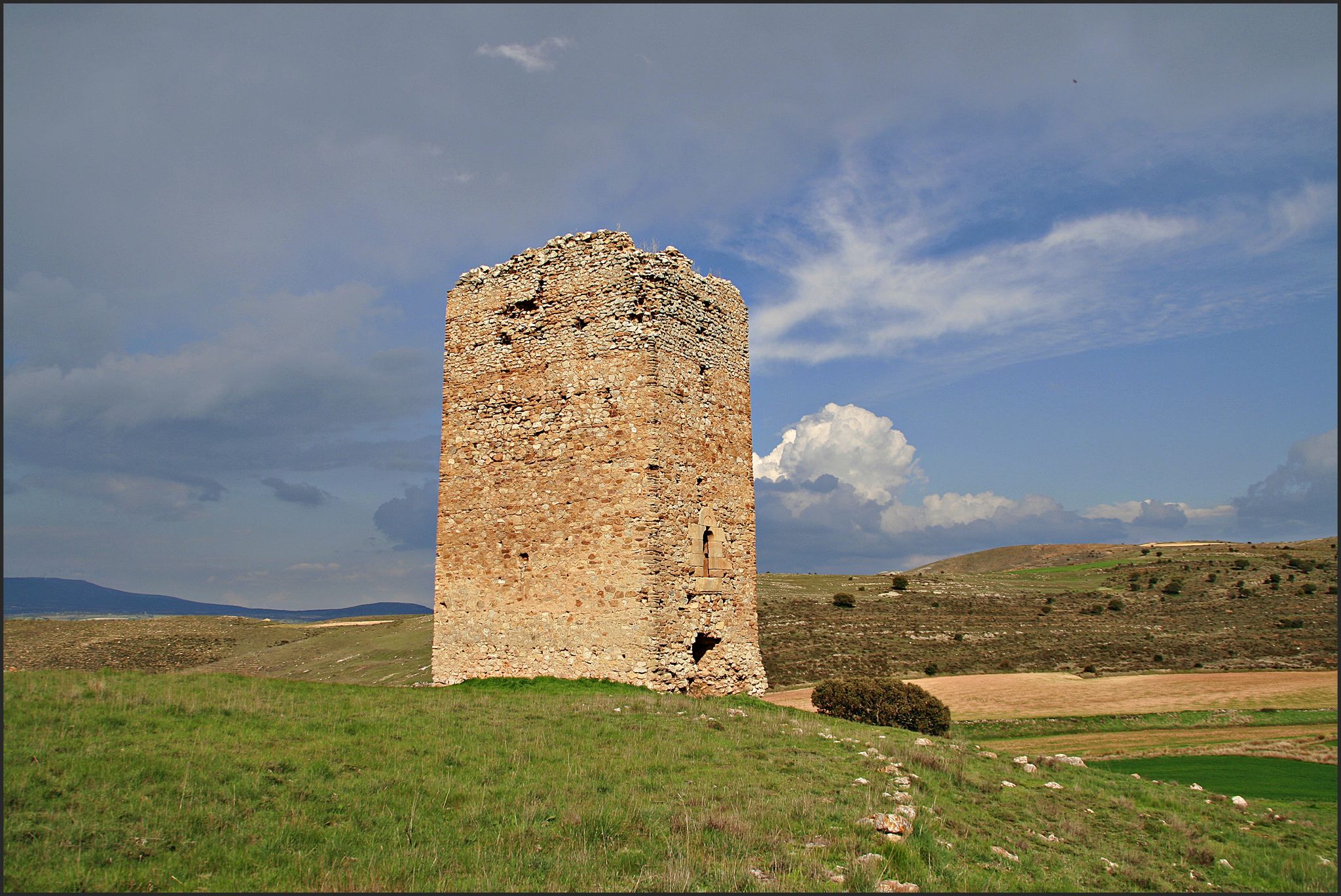
The Duero to the Ebro – Soriano Water Natural Trail
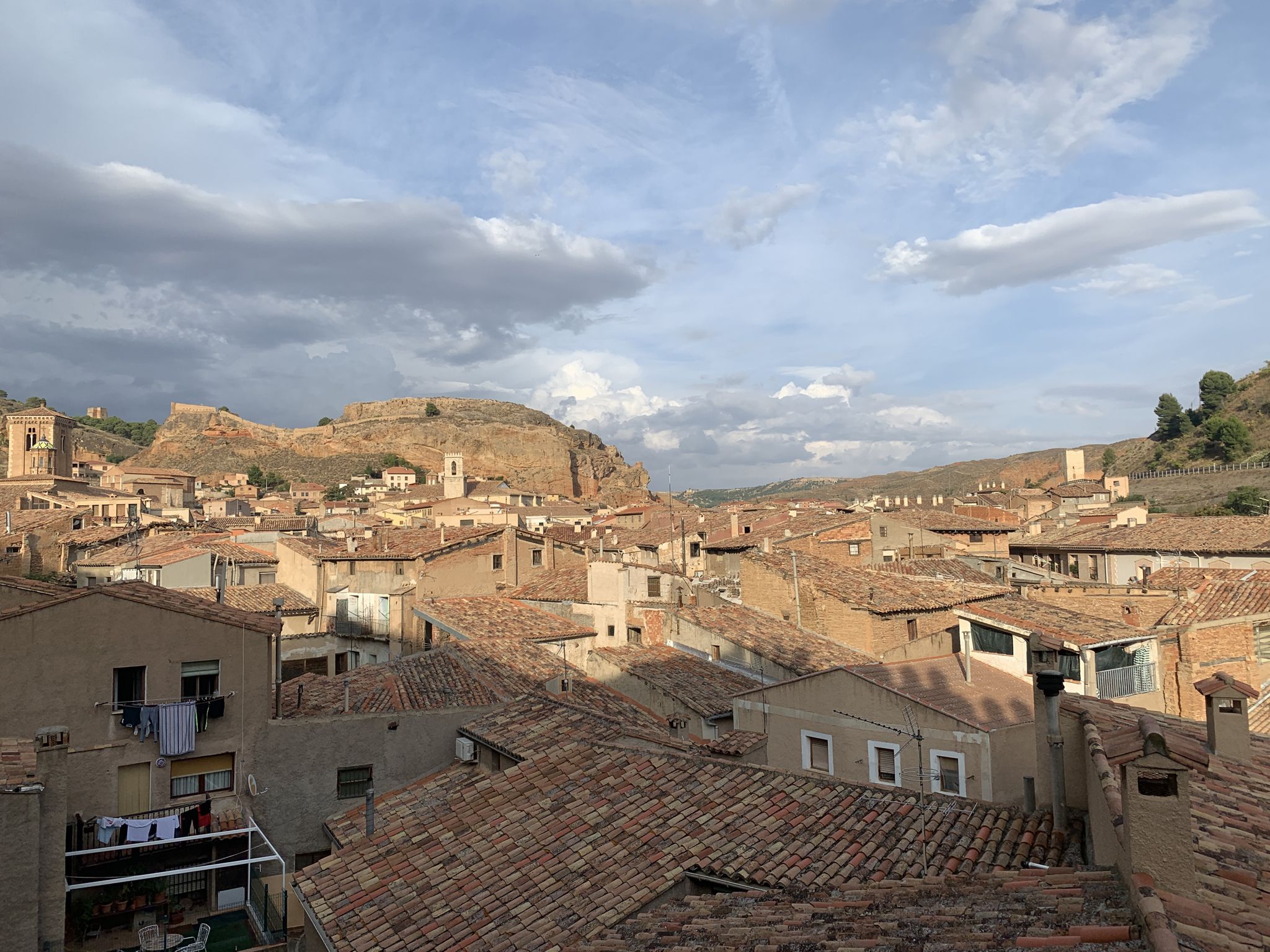
18th-century gravel – Camino Real de Aragón from Madrid
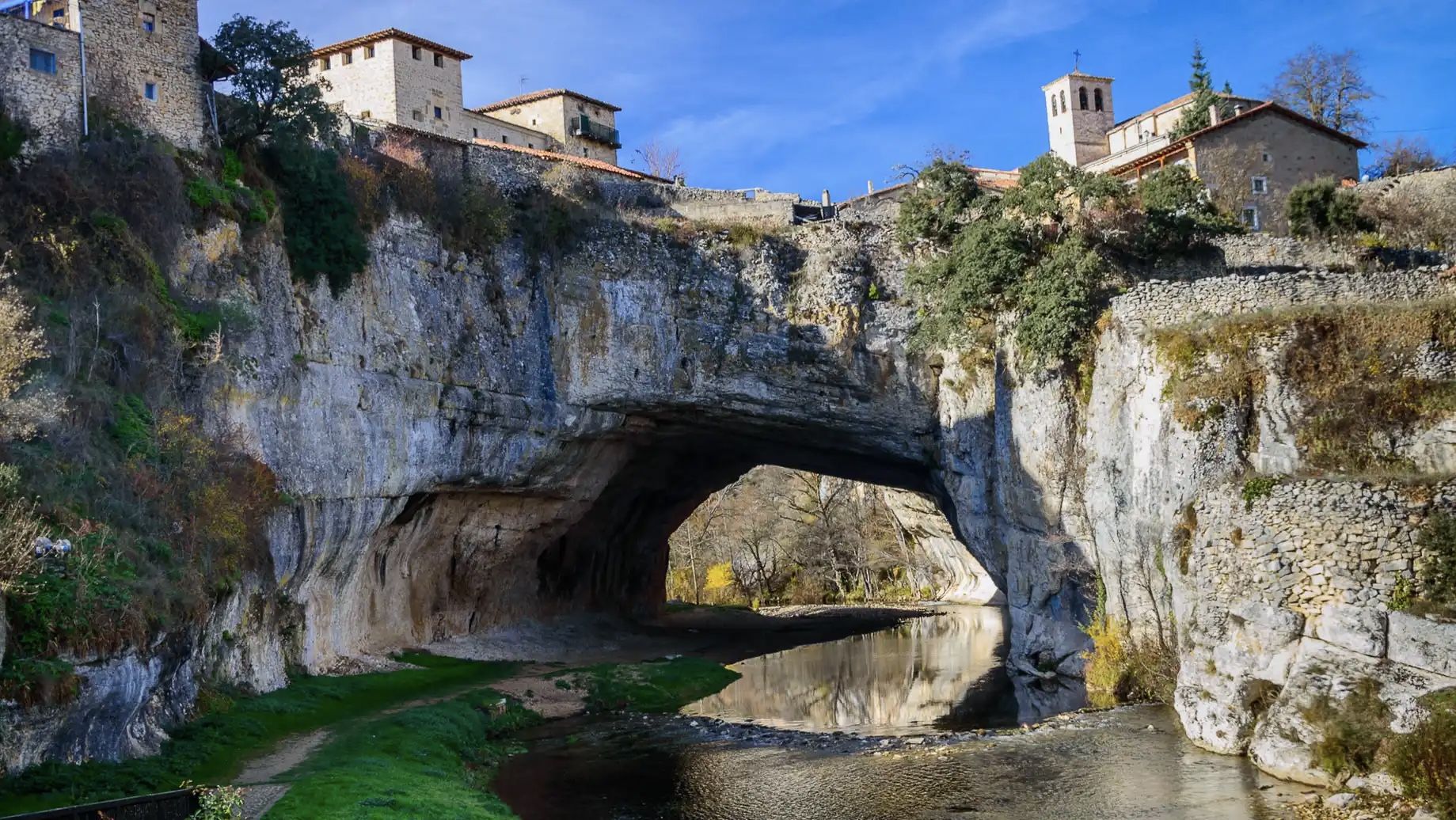
An epic getaway – Santander-Mediterráneo Nature Trail
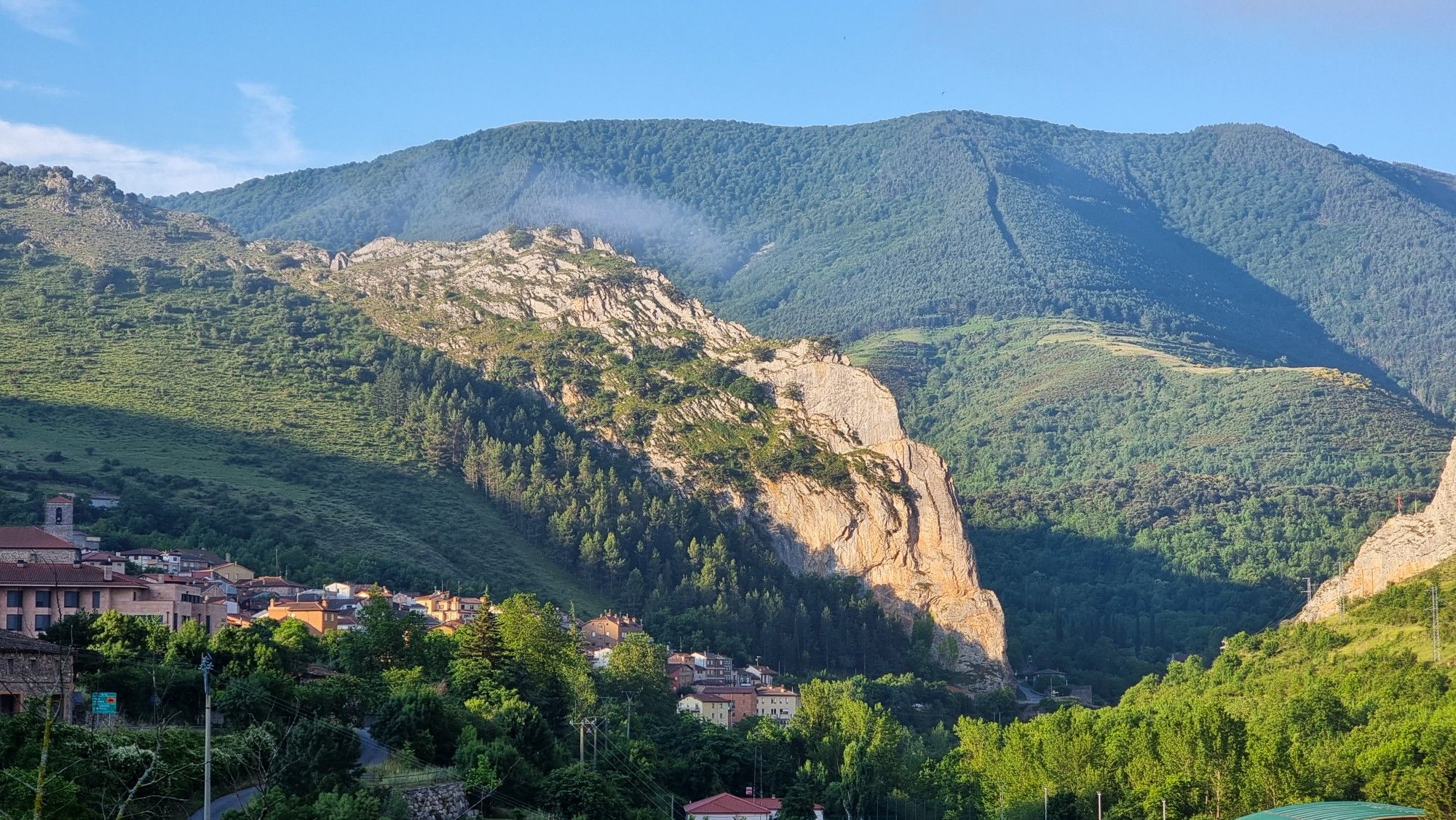
Passes and dinosaur footprints – Spain’s Sierras Riojanas (GR 93)
Other adventures in the Sistema Ibérico Mountains


Tips from the Community

It is worth visiting the source, and the waterfalls that form nearby
0
0

The Cueva Serena Waterfall, located in Duruelo de la Sierra (Soria), is one of the most magical and surprising spots in the Pinares de Urbión region. It's located very close to the Castroviejo area, known for its rock formations reminiscent of an enchanted city.
3
0
The trail is ideal for nature and outdoor lovers, and is suitable for people of different levels of hiking experience. Along the way, various species of flora and fauna can be observed, making the experience even more enriching.
7
0

It is the second most important water source in Europe, reaching 3 cubic meters per second. It flows from a cave in an explosive, bustling, gushing way. Fish farms and power plants have been established near the source. The path between Vozmediano and the source is very beautiful.
0
0
A town with magnificent pine and beech forests. It has centuries-old pines worth visiting, such as the Pino Zamplón or the Pino Rey. It also has waterfalls in many of its streams, and caves, where the name of the place comes from.
0
0

At the Collado de la Atalaya you have to head northeast along the slope of the mountain range following a level path marked with stone markers. The path crosses the Las Hoyas de los Portillos valley and climbs halfway through the pine forest towards the wall of the Muela del Cerro Morrón. In the pine forest you have to keep climbing towards the east and at the base of the walls connect with the path coming from the north face of the mountain. The landmarks are clear between the pine trees and the mole wall, they jump a couple of small slopes near other cavities and lead to the spectacular Cueva de los Pilares, a fantastic natural rock sanctuary with arches, vaults and giant columns. The climb to the summit of the mole leaves from the cave through the canal located to the west, it is a clear and obvious climb, it has stone markers and although it seems that there is no exit with good visibility, it is a simple section along some aerial ledges without too many complications, unless the rock is wet, it cannot even be classified as a climbing step, rather technical mountain hiking. The milestones enter the large inclined molar plain and take the direction of the summit through the center of the mountain.
0
1

It is difficult to reach it, and it would be somewhat easier if it were signposted.
2
0

One of the most beautiful mountain villages in the Cameros region. Filled with stone houses, it is located on the slopes of a natural canyon, the Encinedo massif. This ravine was formed through a karstic process that gave rise to several chasms and caves. Two of them can be visited, the one in La Paz and the one in La Villa.
1
0
Frequently Asked Questions
What kind of natural features can I expect to see in the caves of the Sistema Ibérico Mountains?
The caves in the Sistema Ibérico Mountains showcase diverse natural formations. For instance, Cueva Serena Waterfall features a large cavity, an underground lake, and a waterfall emerging from a spring, creating a notable visual from inside. Cueva de los Pilares is a natural monument known for its spectacular arches, vaults, and giant columns within the Moncayo Natural Park.
Are there any historical mining sites among the caves in the Sistema Ibérico Mountains?
Yes, the region includes historical mining sites. Providencia Mine is a notable example, offering insights into former lead extraction methods with a large cavity, a small lake, and a waterfall. You can also find the Enebro Mine of Ortaura, an old iron ore gallery, and Mina del Fresno, another mouth of the Ortaura mines.
What outdoor activities can I do near the caves in the Sistema Ibérico Mountains?
Beyond cave exploration, the Sistema Ibérico Mountains offer various outdoor activities. You can find numerous easy hikes, such as the Enciso Dinosaur Trail or the Meandro de Chodes y Morata de Jalón. For more challenging adventures, there are running trails like the Pico Urbión Loop, and extensive road cycling routes, including the Valleys of the Rivers Leza and Iregua.
Are there family-friendly options for visiting caves in the Sistema Ibérico Mountains?
While specific cave accessibility for families varies, the broader region offers family-friendly settlements that serve as good bases for exploration. For example, Covaleda is known for its forests and waterfalls, and Ortigosa de Cameros is also considered family-friendly, providing a good starting point for outdoor adventures that might include cave visits.
What do visitors enjoy most about the caves in the Sistema Ibérico Mountains?
Visitors particularly appreciate the unique natural beauty and geological formations. The visual spectacle of places like Cueva Serena Waterfall, with water falling over the entrance, is often highlighted as a magical experience. The opportunity to explore historical sites like old mines also adds to the appeal, offering a glimpse into the region's past.
Which caves are suitable for nature and outdoor enthusiasts in the Sistema Ibérico Mountains?
Vico Cave is ideal for nature and outdoor enthusiasts, as it's located along the Monte Vico trail. The journey to this cave offers opportunities to observe various flora and fauna, making it an enriching experience for hikers of different skill levels.
What is the significance of Cueva de Ágreda in the Sistema Ibérico Mountains?
Cueva de Ágreda is recognized as the gateway to the Moncayo mountain range on its Soria side. Its location is significant, offering insights into the geological formations of the area and serving as a starting point for exploring the Moncayo region.
Are there any caves in the Sistema Ibérico Mountains known for their surrounding natural beauty?
Yes, the town of Covaleda, which contains caves from which its name originates, is surrounded by magnificent pine and beech forests and waterfalls. The natural beauty of the area, including ancient pines like Pino Zamplón or Pino Rey, enhances the appeal of visiting its subterranean wonders.
What kind of geological formations are prominent in the Sistema Ibérico Mountains caves?
The caves in the Sistema Ibérico Mountains are known for diverse geological formations. You can find large cavities, underground lakes, and waterfalls, as seen in Cueva Serena Waterfall. Other caves, like Cueva de los Pilares, feature impressive arches, vaults, and giant columns, showcasing the region's rich geological history.
Are there any caves in the Sistema Ibérico Mountains that are less crowded or offer a more secluded experience?
While specific crowd levels can vary, some of the historical mining sites like Enebro Mine of Ortaura and Mina del Fresno are described as being more difficult to reach or having less depth, suggesting they might offer a more secluded experience compared to more popular natural attractions.
What is the general difficulty level for exploring caves in the Sistema Ibérico Mountains?
The difficulty level for exploring caves in the Sistema Ibérico Mountains varies. Many highlights, including Cueva Serena Waterfall and Cueva de los Pilares, are categorized as 'intermediate'. Some, like Cueva de Ágreda, can also involve 'challenging' sections, indicating a range of experiences from moderate to more demanding.
Most popular routes in the Sistema Ibérico Mountains
Most popular attractions in the Sistema Ibérico Mountains

Get inspired with the komoot mobile app


Explore more
Extend your search for the best caves by checking out these guides of the top ones in the Sistema Ibérico Mountains:
