Top 20 Mountain Passes in the Sistema Ibérico Mountains
Best mountain passes in the Sistema Ibérico Mountains offer diverse terrain and opportunities for outdoor activities. This major mountain range system in eastern Spain features a variety of passes, each with unique characteristics. The region is known for its complex geology, including limestone formations and rugged landscapes. These passes provide access to natural landmarks and are popular for hiking and cycling.
Best mountain passes in the Sistema Ibérico Mountains
- The most popular mountain passes is Portillo of the Laguna Negra de Soria, a mountain pass and natural monument that provides access to the Laguna Negra and its waterfall. This pass offers routes towards Pico del Zorraquín and Pico de Urbión.
- Another must-see spot is Alto de Pradilla, a mountain pass located at an altitude of 1,244 meters. Visitors can expect a 6-kilometer ascent with an average gradient of 5.2%, connecting the provinces of La Rioja and Burgos with scenic views.
- Visitors also love Puerto del Manquillo, a mountain pass featuring an 11-kilometer climb with gradients up to 11%. This pass is special for cyclists seeking a secluded experience through a pine forest, largely free from heavy vehicle traffic.
- Sistema Ibérico Mountains is known for challenging climbs, secluded routes, and passes providing access to natural landmarks. The variety of mountain passes offers routes for different skill levels, from gentle ascents to demanding climbs.
- The mountain passes in the Sistema Ibérico Mountains are appreciated by the komoot community, with 15 upvotes and 11 photos contributed by users.
Last updated: May 14, 2026
Portillo of the Laguna Negra de Soria
Highlight • Mountain Pass
The Portilla on the Right side allows the climb towards Pico del Zorraquín.
The Portilla de la Izquierda, shorter and easier to climb, puts you on the path to climb the Pico de Urbión, either through the Laguna Larga or the Laguna Helada. On the way up to this Portilla you will find the Arroyo de La Laguna with its beautiful waterfall, where it is essential to stop to admire and photograph it.
Translated by Google •
Tip by

Alto de Pradilla
Highlight • Mountain Pass
Translated by Google •
Tip by

Sign up now to discover places like this
Get recommendations on the best single tracks, peaks, & plenty of other exciting outdoor places.
Sign up for free
Puerto del Manquillo
Highlight • Mountain Pass
Translated by Google •
Tip by

Peña Hincada Pass
Highlight • Mountain Pass
Translated by Google •
Tip by
Puerto de la Rasa (1,420 m)
Highlight • Mountain Pass
Translated by Google •
Tip by
Collado de Sagastia
Highlight • Mountain Pass
Translated by Google •
Tip by

Cruz de la Demanda Pass
Highlight • Mountain Pass
Mythical port of the Sierra de la Demanda with privileged views over the valley and the mountain ranges.
Translated by Google •
Tip by

Collado de la Luz
Highlight • Mountain Pass
Translated by Google •
Tip by

Alto de Valmala
Highlight • Mountain Pass
Translated by Google •
Tip by

Valdezcaray Mountain Pass Ascent
Highlight • Mountain Pass
Translated by Google •
Tip by
Sign up for free to discover even more mountain passes in the Sistema Ibérico Mountains.
Sign up for free
Already have an account?
Start today with a free account
Your next adventure awaits.
Login or Signup
Popular around Sistema Ibérico Mountains
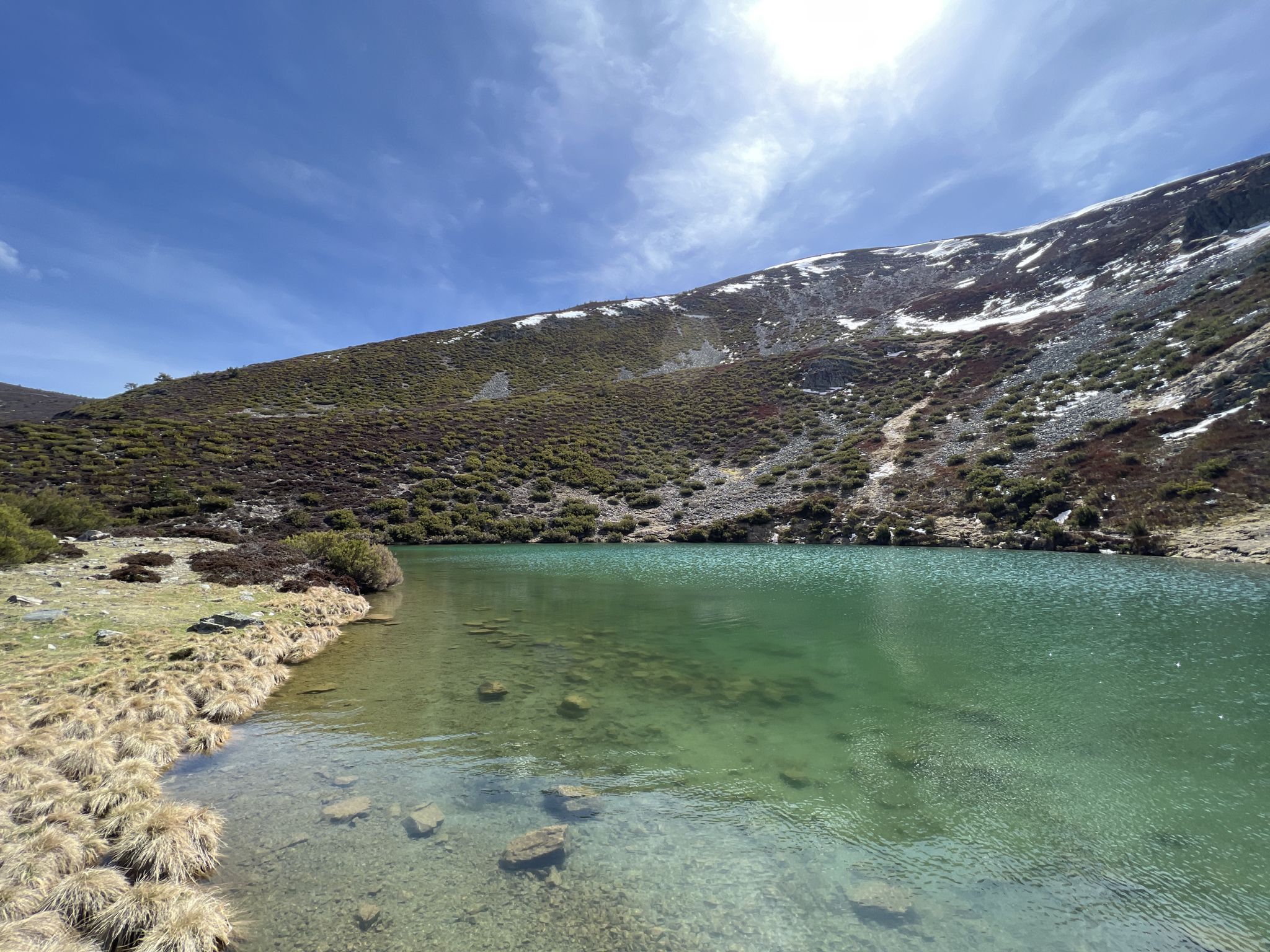
Discover the unknown Burgos - Dos Aguas Trail (GR 290)
Zazpiak Bat Packing – a cycling adventure in the Basque Country
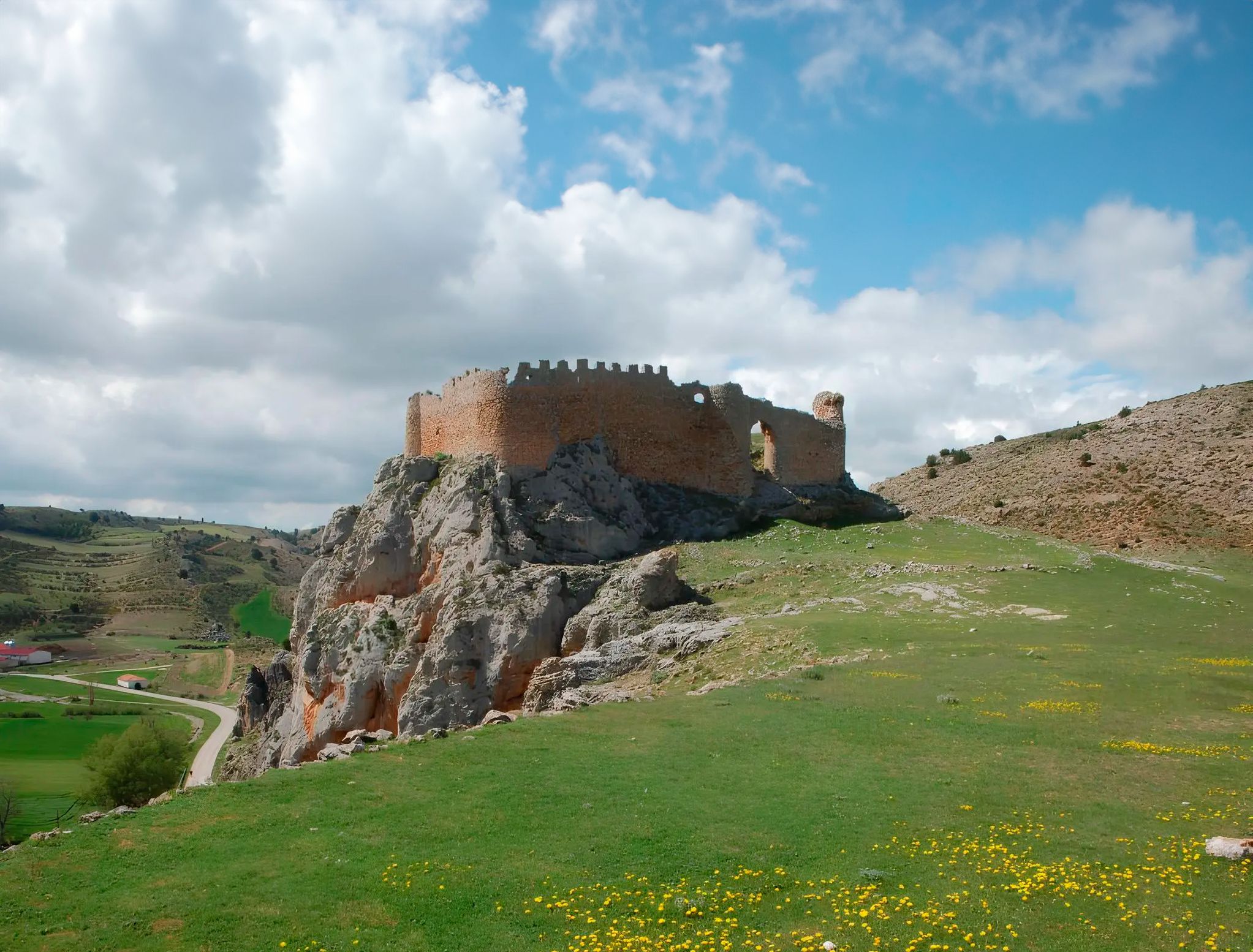
Around the Spanish province of Soria - Sendero Ibérico Soriano (GR 86)
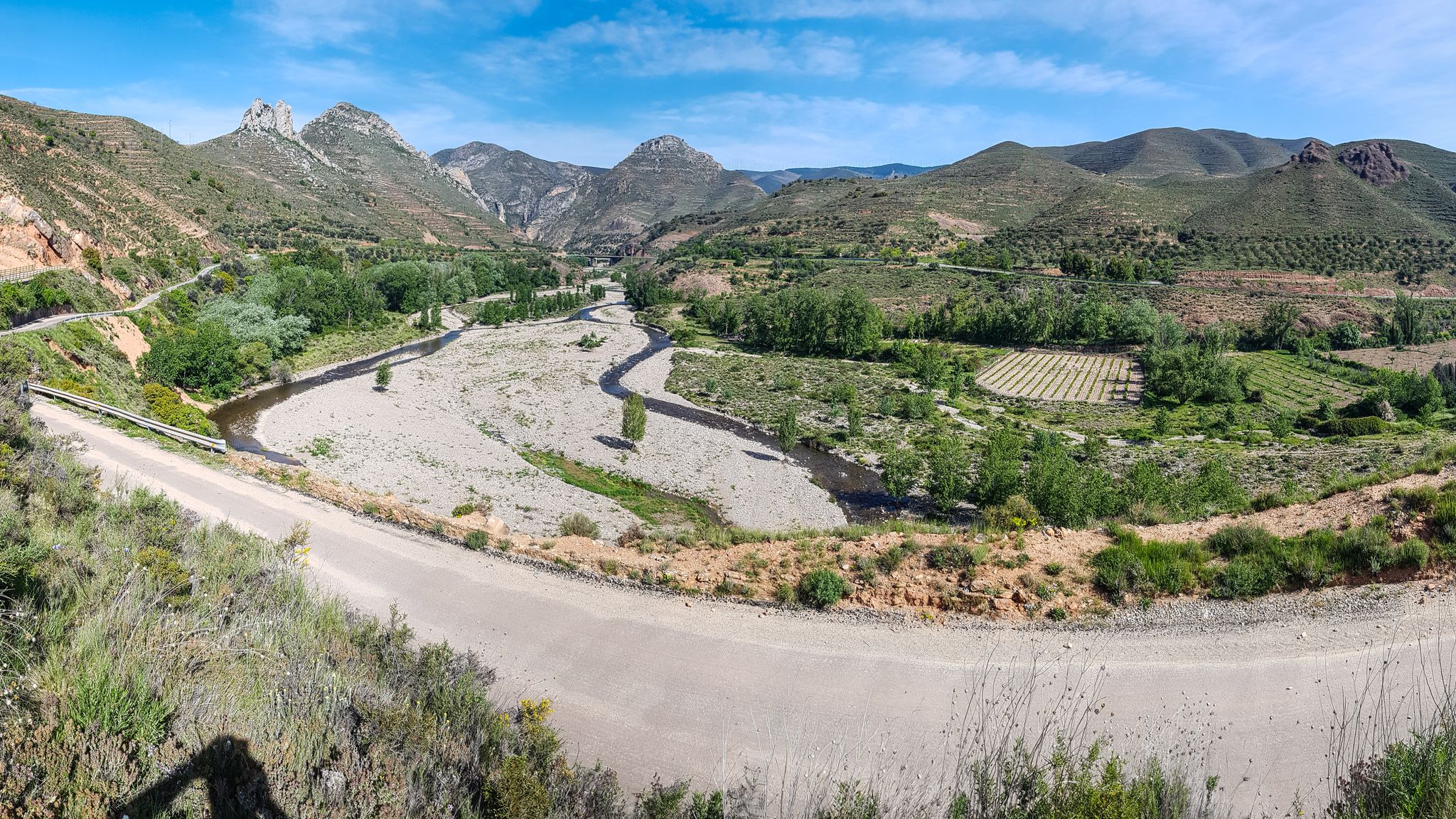
Orchards and karst peaks in La Rioja – Cidacos Greenway
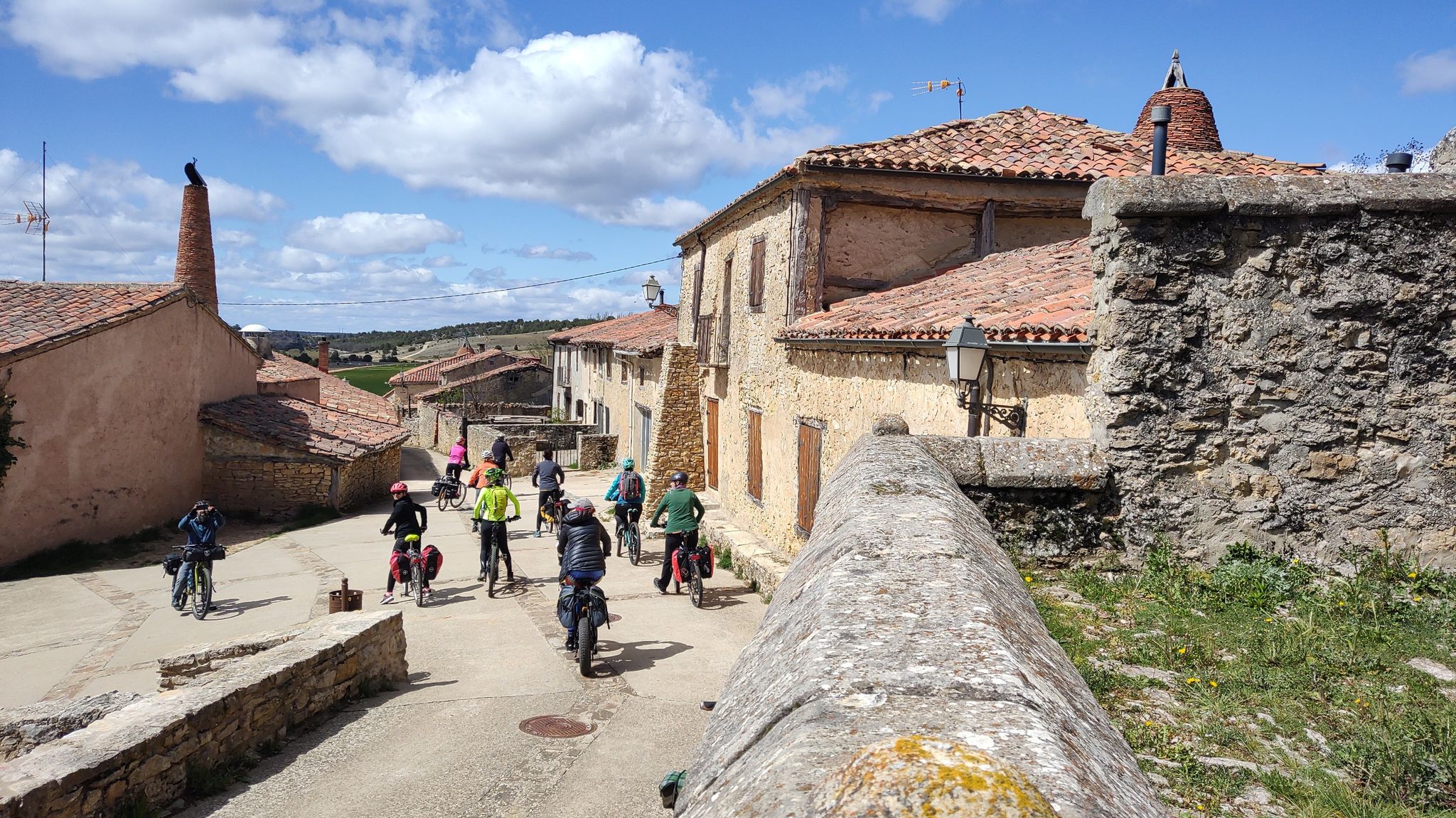
Millennial treasures on pedals – Romanesque art of Soria by MTB
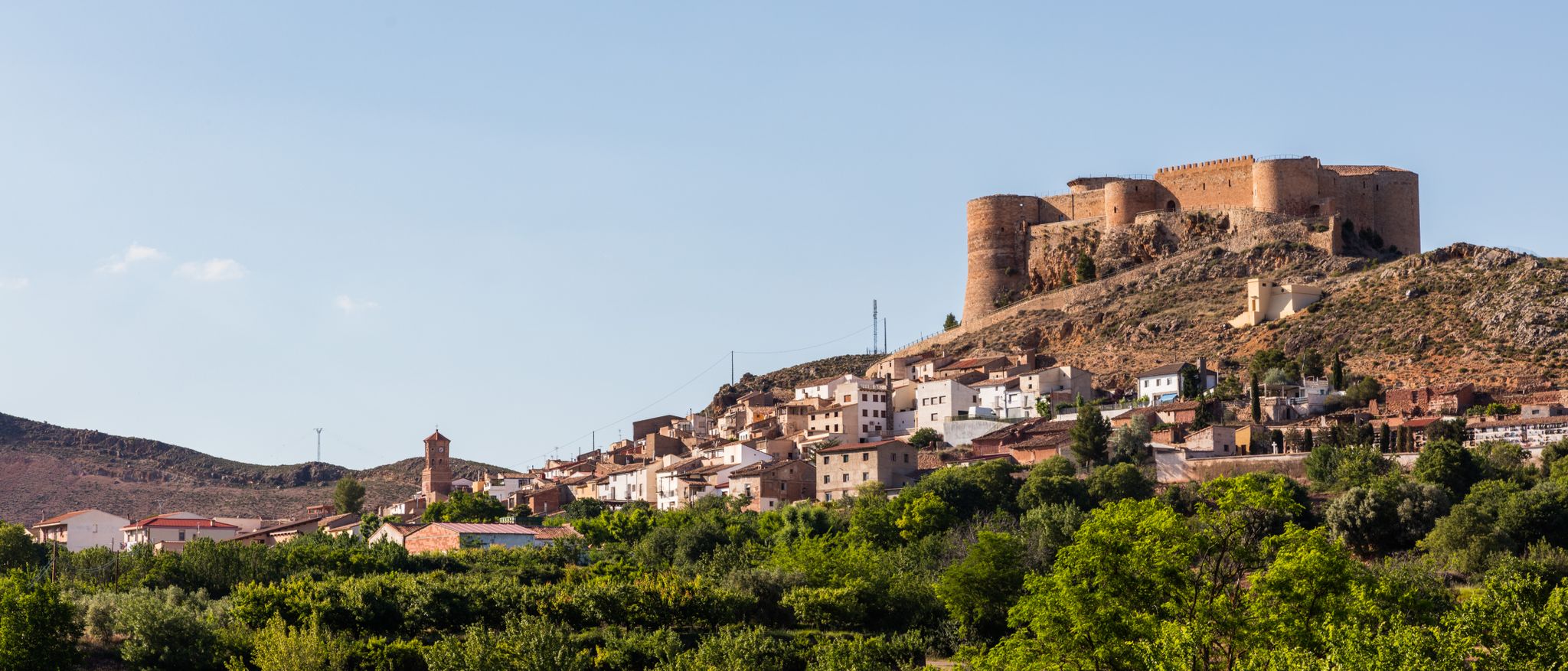
Moncayo to Daroca – Iberian Zaragoza Path (GR 90)
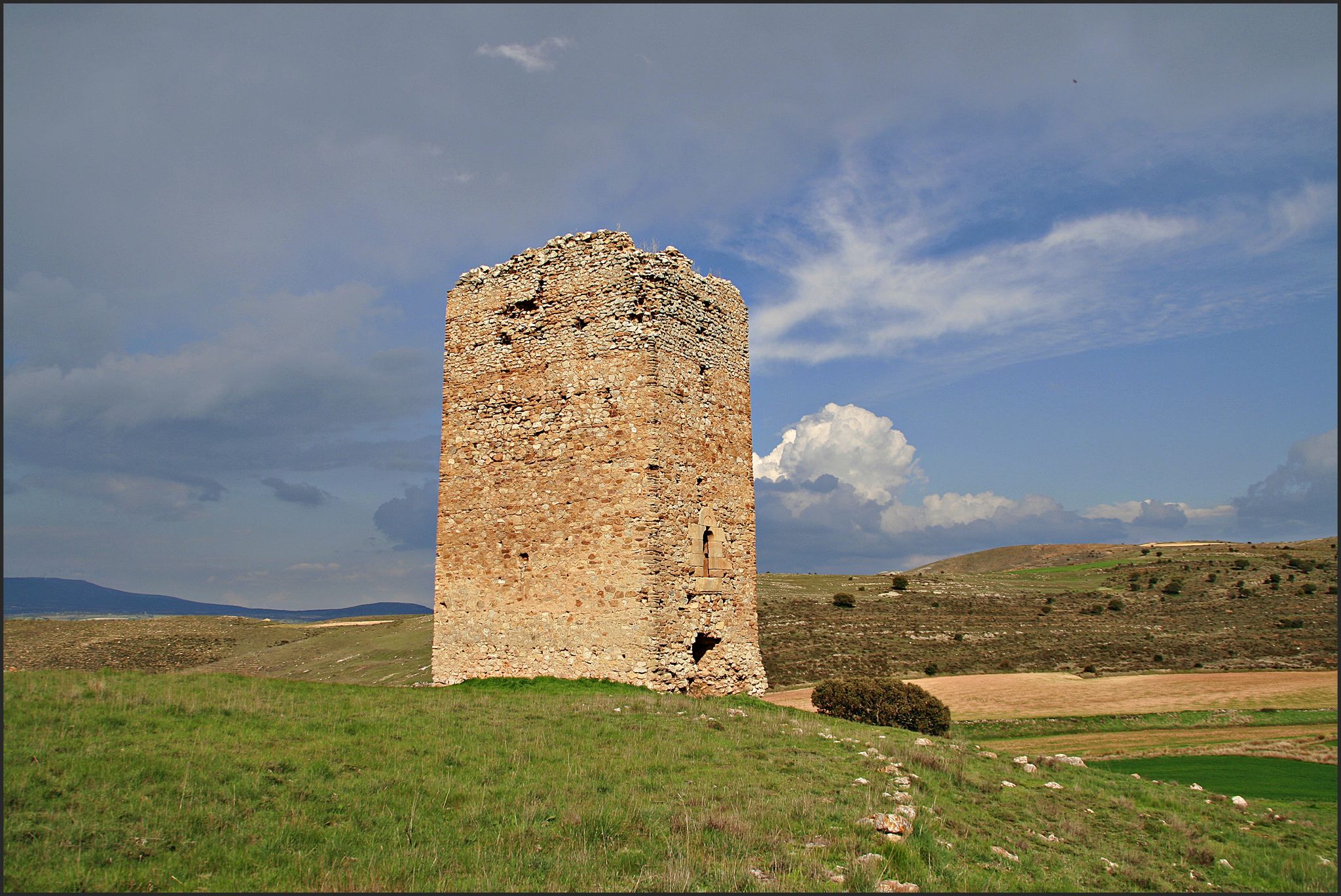
The Duero to the Ebro – Soriano Water Natural Trail
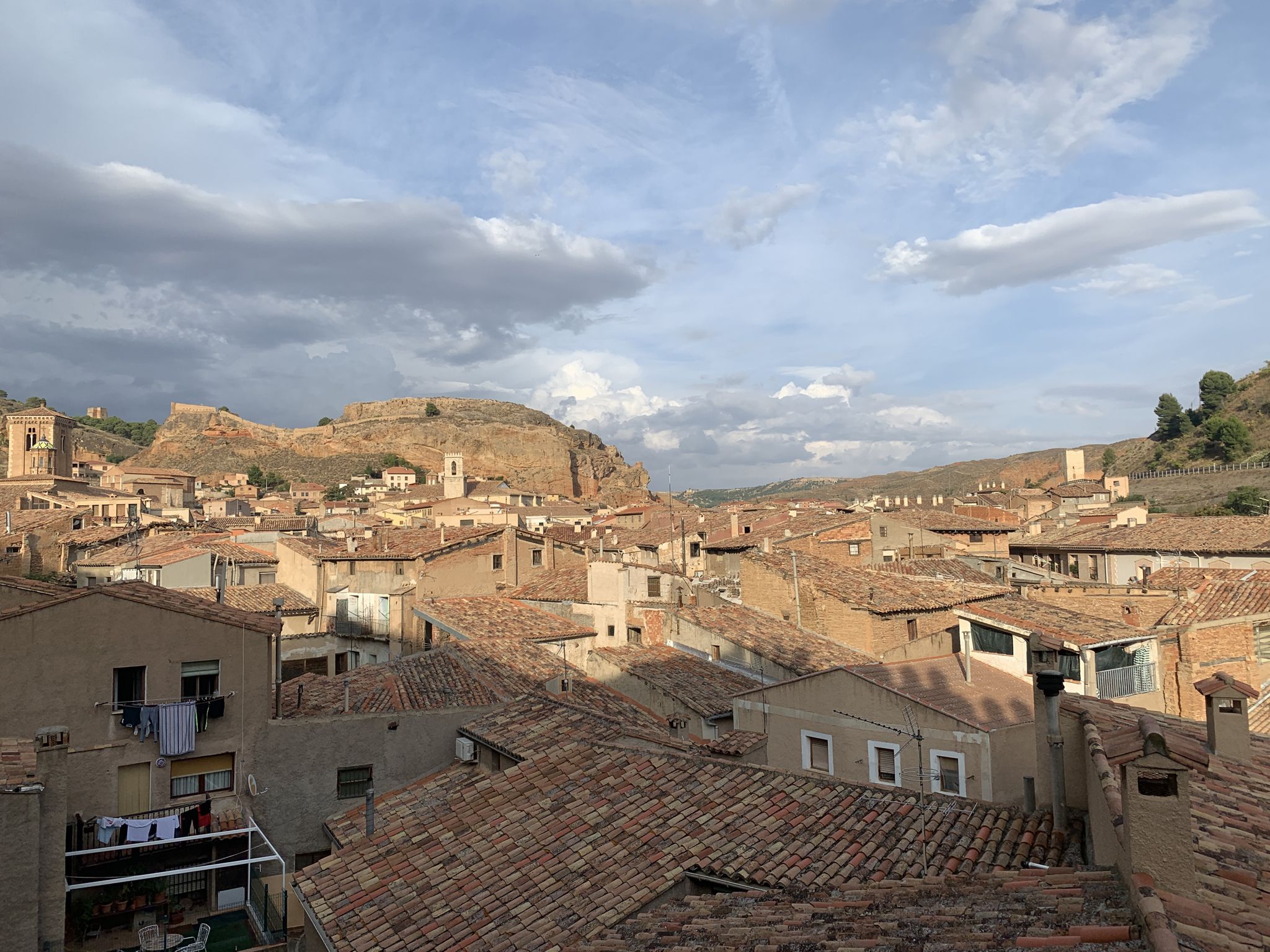
18th-century gravel – Camino Real de Aragón from Madrid
An epic getaway – Santander-Mediterráneo Nature Trail
Passes and dinosaur footprints – Spain’s Sierras Riojanas (GR 93)
Other adventures in the Sistema Ibérico Mountains


Tips from the Community

A mountain pass with beautiful views of the Aljairén mountain range. It can be accessed via a well-maintained forest trail that ends at the pass, and then there are several trails to continue. The pass can also be accessed via a very long trail.
0
0

There is always the solution to difficult points: doing them by road.
0
0

A comfortable mountain pass that connects the provinces of Burgos and La Rioja. Both sides have beautiful views, and it is worth climbing both.
0
0
With the mountain route you can go up from Fresneda, reach the Pozo Negro (durillo), and from there to the Cruz de la Demanda, returning to Fresneda by road and passing through the top of La Pradilla.
0
0

The railway crossed this port through a tunnel. When making the greenway, the original route was not recovered, so the arrival and departure of the port are two very steep slopes. Most panniers make them by pushing the bike.
1
0

In the Laguna Negra de Vinuesa there are two Portillas that allow climbing to both ends, right and left, of the cliff that surrounds it. The Portilla on the Right side allows the climb towards Pico del Zorraquín. The Portilla de la Izquierda, shorter and easier to climb, puts you on the path to climb the Pico de Urbión, either through the Laguna Larga or the Laguna Helada. On the way up to this Portilla you will find the Arroyo de La Laguna with its beautiful waterfall, where it is essential to stop to admire and photograph it.
3
0

To climb from Laguna Negra to Pico de Urbion, please wear suitable footwear for trail or mountain... do not go with beach flip-flops as I have already seen more than one and more than two sprains due to this imprudence.
1
0

One of the most mythical ports for cyclists from La Rioja and especially for those from Logroño.
0
0
Frequently Asked Questions
What kind of natural scenery can I expect to see around the mountain passes in the Sistema Ibérico Mountains?
The Sistema Ibérico Mountains offer breathtaking panoramic views of rugged peaks, dense forests, and unique geological formations, including impressive karst landscapes. You can also find high-altitude lagoons and waterfalls, such as those accessible via the Portillo of the Laguna Negra de Soria, and the often snow-capped peaks of the Moncayo Massif.
Are there good opportunities for cycling in the Sistema Ibérico mountain passes?
Yes, the Sistema Ibérico Mountains are excellent for cycling, offering routes of varying difficulty. Passes like Puerto del Manquillo are particularly noted for cyclists seeking challenging, secluded experiences through pine forests with low vehicle traffic. Another option is Alto de Pradilla, which offers a 6-kilometer ascent with an average gradient of 5.2% and beautiful views from both sides. For more cycling routes, explore the Cycling in the Sistema Ibérico Mountains guide.
What are some popular hiking destinations accessible from these mountain passes?
Many passes provide access to significant hiking areas. For instance, the Portillo of the Laguna Negra de Soria leads to the stunning Laguna Negra and offers routes towards Pico del Zorraquín and Pico de Urbión. Hikers can also explore trails leading to iconic peaks like Moncayo. You can find more detailed hiking routes in the Hiking in the Sistema Ibérico Mountains guide.
Which mountain passes are known for their challenging climbs?
For those seeking a challenge, Puerto del Manquillo features an 11-kilometer climb with gradients reaching up to 11%. The Puerto de la Rasa (1,420 m) is also known as a first-class port in cycling tours, with a demanding ascent from the Iregua river side. The Valdezcaray Mountain Pass Ascent is another challenging option for climbers.
Are there any mountain passes that offer a more secluded experience away from crowds?
Yes, several passes provide a tranquil escape. Puerto del Manquillo is ideal for those wanting to cycle on roads practically abandoned by cars, winding through a predominantly pine forest. Similarly, Peña Hincada Pass is known for its low vehicle traffic, offering a chance to experience nature in a serene setting.
What is the best time of year to visit the Sistema Ibérico mountain passes?
The best time to visit generally depends on your planned activities. Spring and autumn offer pleasant temperatures for hiking and cycling, with vibrant landscapes. Summer is also popular, though some exposed areas can be demanding. If planning a winter ascent, especially for passes like Peña Hincada, it's crucial to check weather conditions carefully due to potential snow and ice.
Are there any mountain passes that are more accessible for a wider range of visitors?
Yes, for those looking for a less strenuous experience, Alto de Valmala presents a comfortable 4-kilometer climb with a consistent average gradient of 5.1%, making it accessible for a wider range of cyclists and drivers. The ascent to Alto de Pradilla also starts smoothly and gradually increases in slope, offering a manageable climb.
What do visitors particularly enjoy about the mountain passes in the Sistema Ibérico Mountains?
Visitors appreciate the stunning natural beauty, the sense of seclusion, and the diverse opportunities for outdoor activities. Many enjoy the challenging climbs and the rewarding panoramic views from passes like Alto de Pradilla. The access to natural landmarks like Laguna Negra and the chance to explore high-altitude peaks are also highly valued by the komoot community.
Can I find gravel biking routes near the mountain passes?
Absolutely! The Sistema Ibérico Mountains offer excellent gravel biking opportunities. You can find routes like the 'Circular gravel of the Sierra de la Demanda' or 'Mymerak gravel routes to the roof of La Rioja'. For more information and route details, refer to the Gravel biking in the Sistema Ibérico Mountains guide.
Are there any crossroads or confluence points of trails among the passes?
Yes, Collado de Sagastia is noted as a significant crossroads of paths, where the GR 190, the Bonicaparra track, and the Tres Aguas path converge. It's a popular spot often colonized by cattle, offering a sense of traditional mountain life.
What is the geological significance of the Sistema Ibérico Mountains?
The Sistema Ibérico is characterized by its complex geology, primarily composed of limestone, which has led to the formation of distinctive karst landscapes. The region also has a history of seismic activity, contributing to its rugged and impressive mountain scenery. This geological diversity adds to the unique character of the mountain passes.
Are there any passes that serve as borders between provinces?
Yes, Alto de Pradilla is located at the western end of La Rioja and serves as a natural border with the province of Burgos, offering scenic views that connect these two regions.
Most popular routes in the Sistema Ibérico Mountains
Most popular attractions in the Sistema Ibérico Mountains

Get inspired with the komoot mobile app


Explore more
See even more epic mountain passes by checking out these guides in the Sistema Ibérico Mountains:
