Attractions and Places To See in the Cantabrian Mountains - Top 20
Best attractions and places to see in the Cantabrian Mountains include a diverse range of natural landscapes and significant cultural heritage sites. This mountain range, encompassing the Picos de Europa, features dramatic limestone peaks, deep gorges, and expansive river valleys. Visitors can explore ancient towns, historical monuments, and protected natural areas that are home to varied wildlife. The region offers a blend of outdoor exploration and cultural discovery across northern Spain.
Best attractions and places to see in the Cantabrian Mountains
- The most popular attractions is 6 km on the Ruta del Cares, a gorge that offers spectacular views and nature in its full splendor. This well-traveled path was created along a steep ravine in the Picos de Europa, providing access between impressive mountains.
- Another must-see spot is Santillana del Mar Historic Town Centre, a historical site renowned for its medieval streets and traditional stone houses. Its historical legacy and natural enclave make it one of Cantabria's most beautiful and culturally rich municipalities.
- Visitors also love Cruz de Ferro (Iron Cross), a man-made monument and significant pilgrimage site. Many pilgrims place a stone here, symbolizing the casting off of burdens and hardships.
- Cantabrian Mountains is known for its natural monuments, historical sites, and religious buildings. The region offers a variety of attractions to see and explore, from ancient trees to Roman bridges and impressive viewpoints.
- The attractions in the Cantabrian Mountains are appreciated by the komoot community, with more than 340 upvotes and 140 photos shared by visitors.
Last updated: August 30, 2026
6 km on the Ruta del Cares
Highlight • Gorge
Translated by Google •
Tip by

El Cable Viewpoint
Highlight • Viewpoint
Translated by Google •
Tip by

Sign up now to discover places like this
Get recommendations on the best single tracks, peaks, & plenty of other exciting outdoor places.
Sign up for free
Dwarves' Tunnels on the Cares Trail
Highlight • Structure
Translated by Google •
Tip by
Fuente Dé Cable Car
Highlight • Rest Area
Translated by Google •
Tip by

Church of Santa María la Real in O Cebreiro
Highlight • Religious Site
Translated by Google •
Tip by

Molinaseca Roman Bridge
Highlight • Bridge
Translated by Google •
Tip by
Santillana del Mar Historic Town Centre
Highlight • Historical Site
Translated by Google •
Tip by
Cruz de Ferro (Iron Cross)
Highlight • Monument
(Source: wikipedia)
Translated by Google •
Tip by

Ancient Chestnut Tree in Ramil
Highlight • Natural Monument
Translated by Google •
Tip by
Cathedral of San Salvador in Oviedo
Highlight • Religious Site
Translated by Google •
Tip by
Sign up for free to discover even more attractions in the Cantabrian Mountains.
Sign up for free
Already have an account?
Start today with a free account
Your next adventure awaits.
Login or Signup
Popular around Cantabrian Mountains
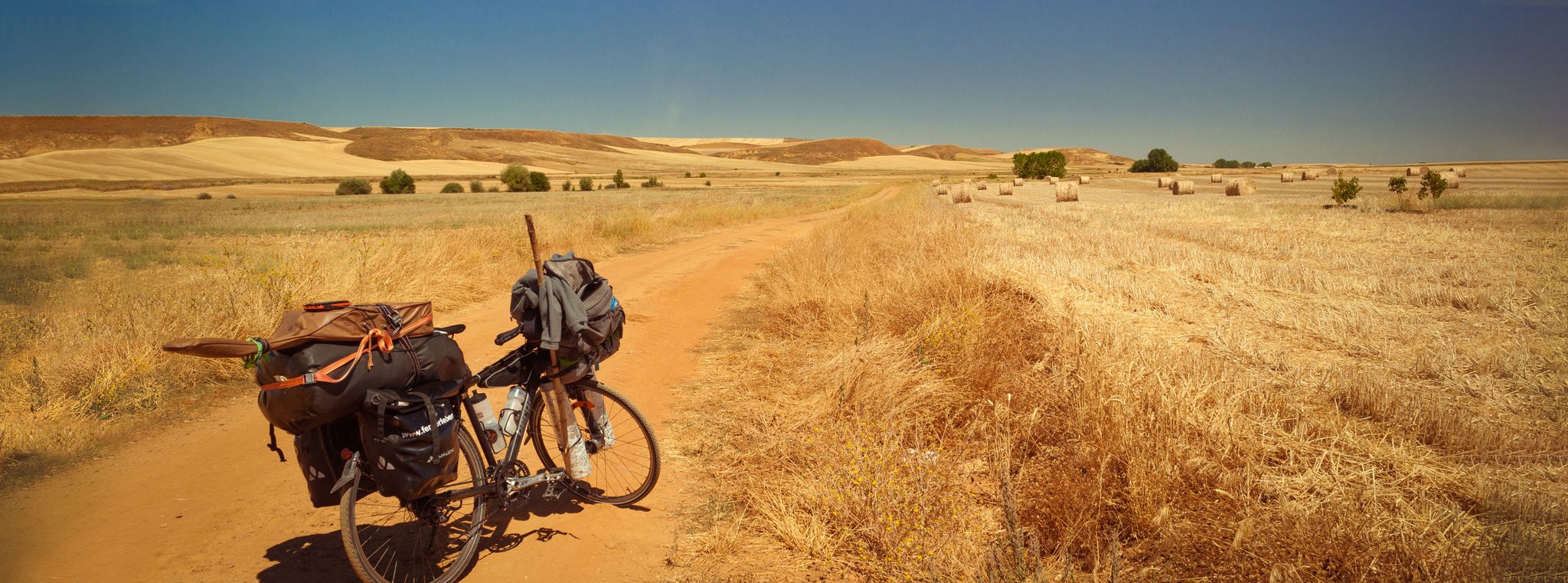
Camino Francés and Camino Finisterre – Cycling pilgrimages in Spain
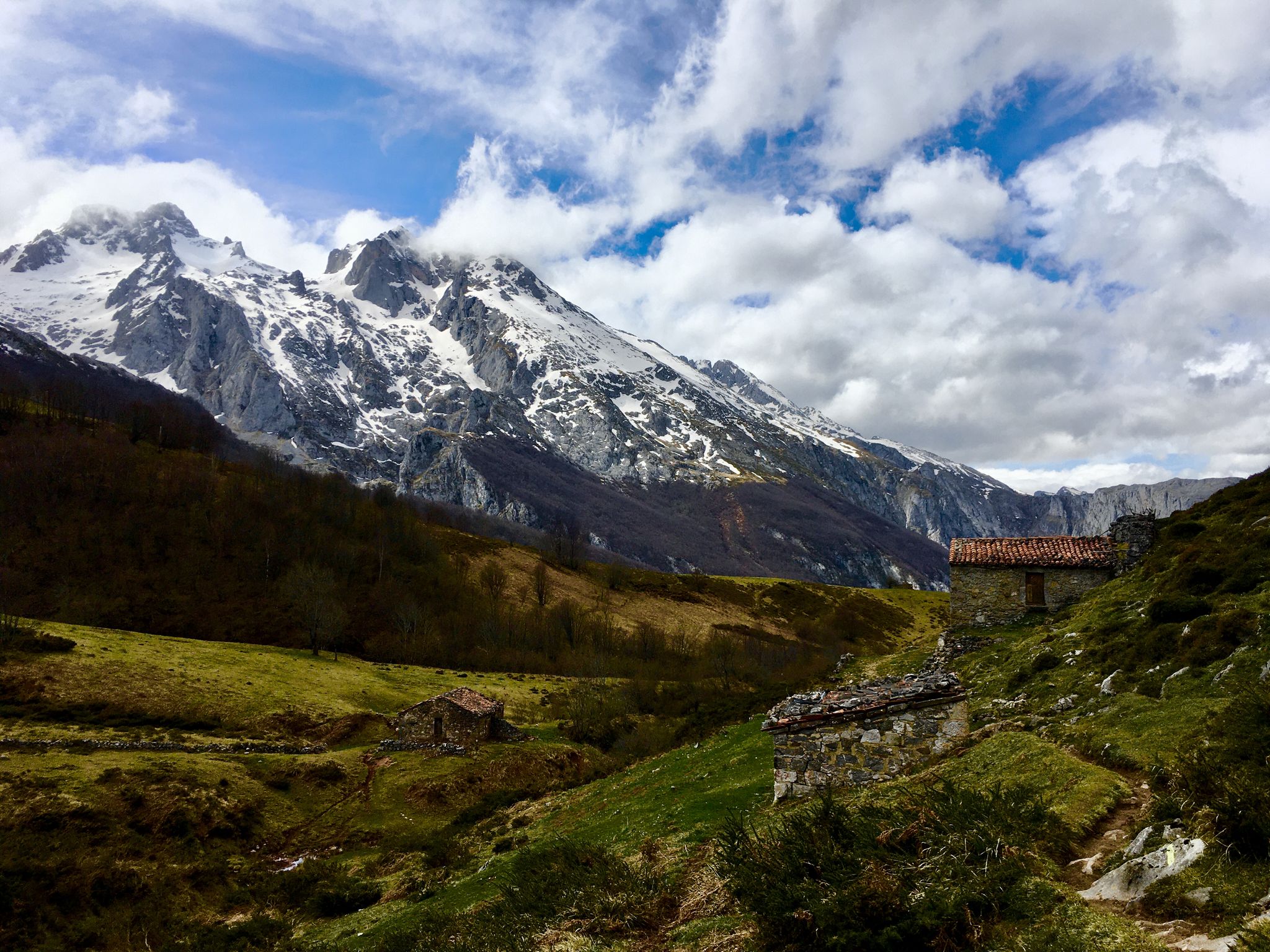
Route of the Reconquest (GR 202) – In the footsteps of an army
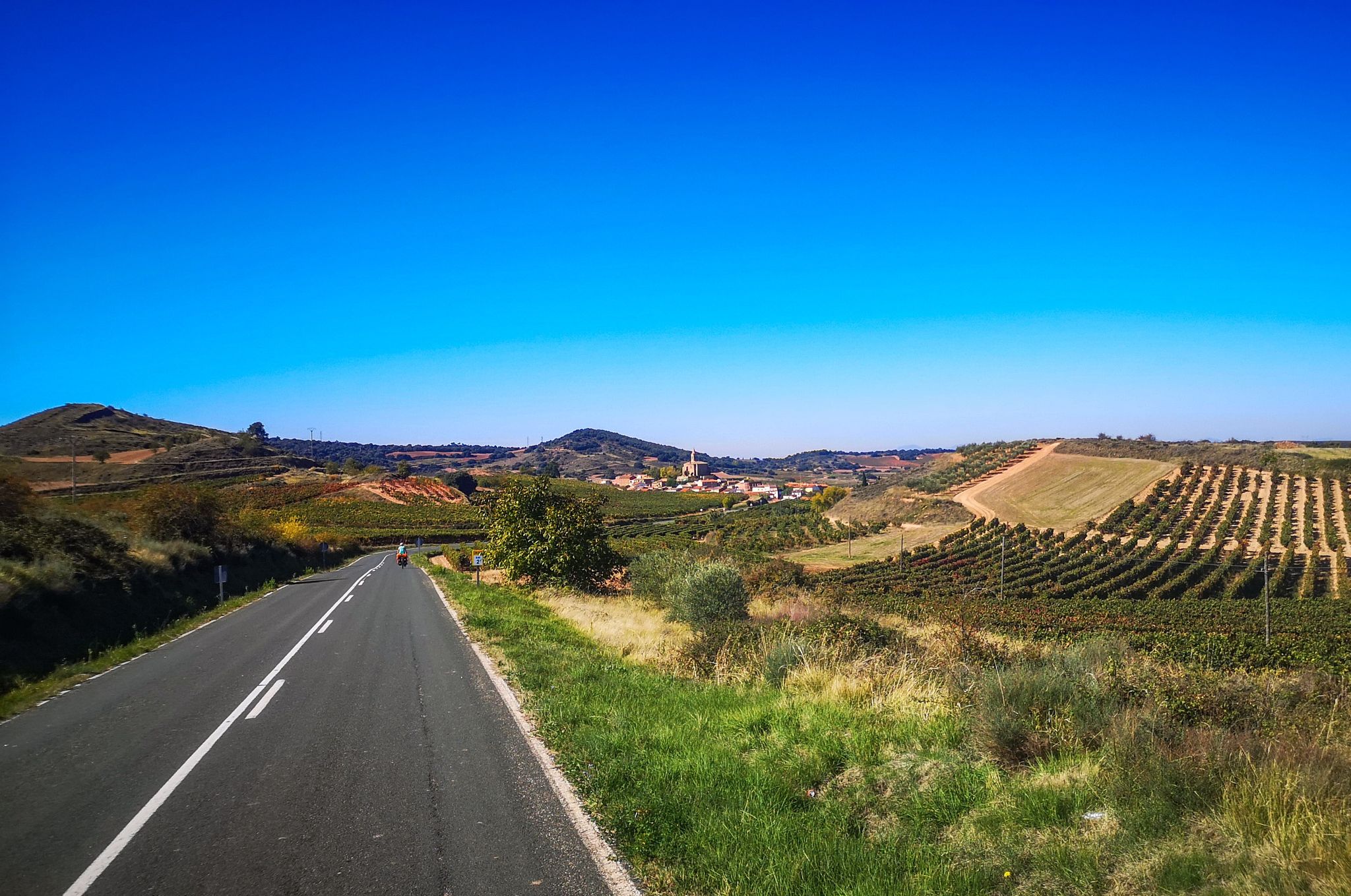
Santiago de Compostela – A journey through northern Spain (10 days)
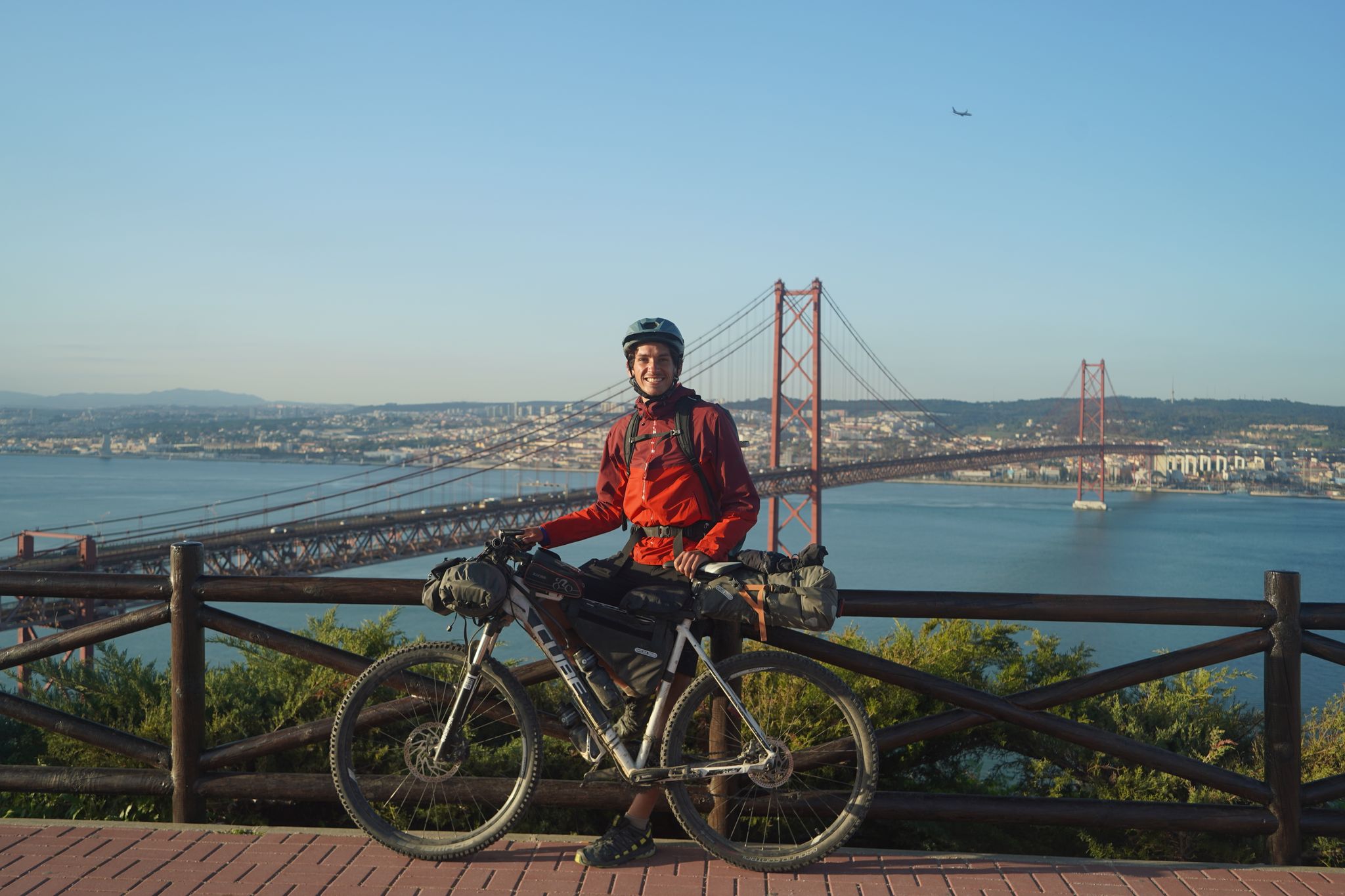
Road to Lisbon – bikepacking the Alps, Pyrenees and Picos de Europa
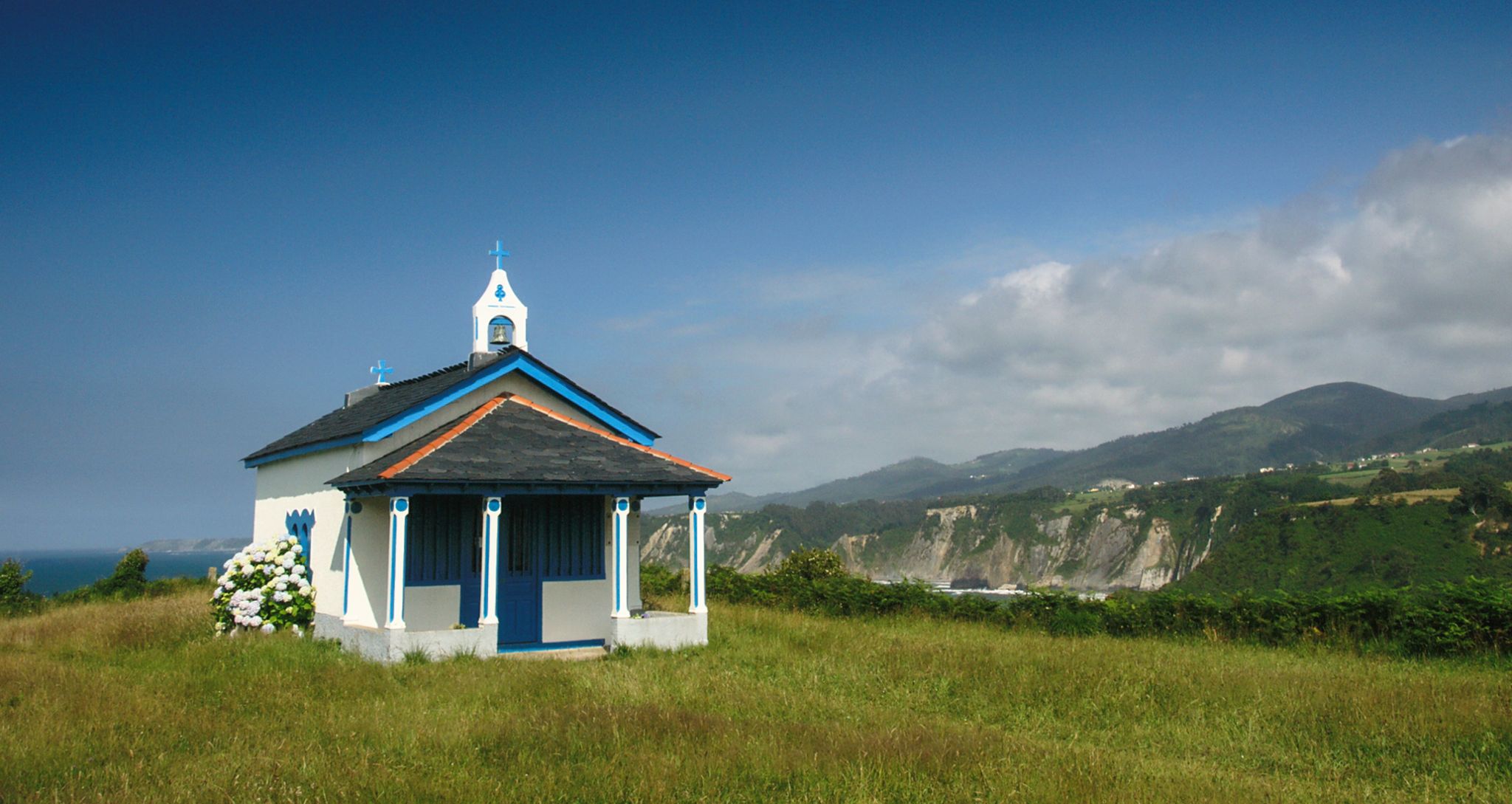
Camino del Norte – 15 stages
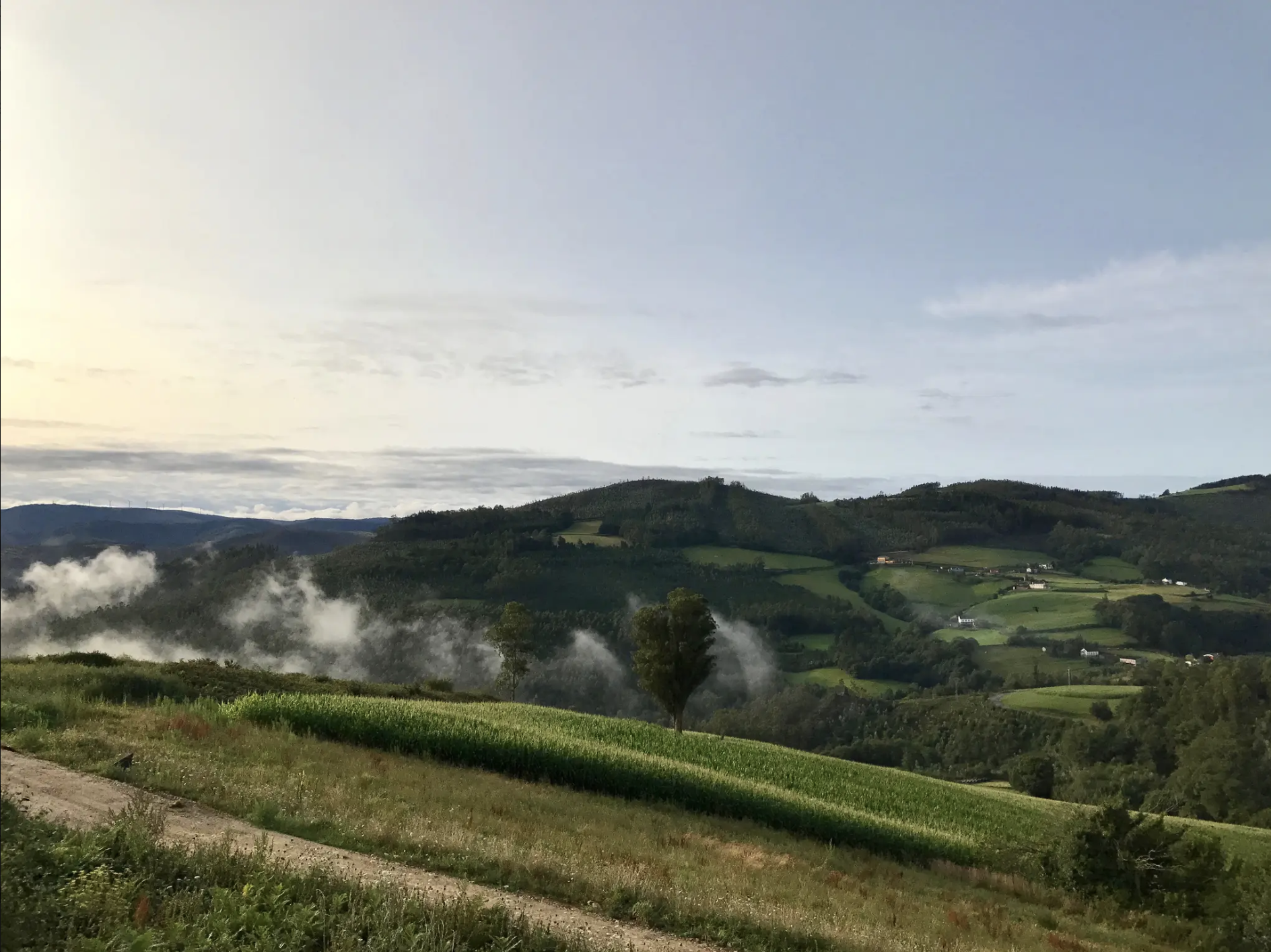
Camino del Norte (in reverse) – Discovering northern Spain's stunning coastline
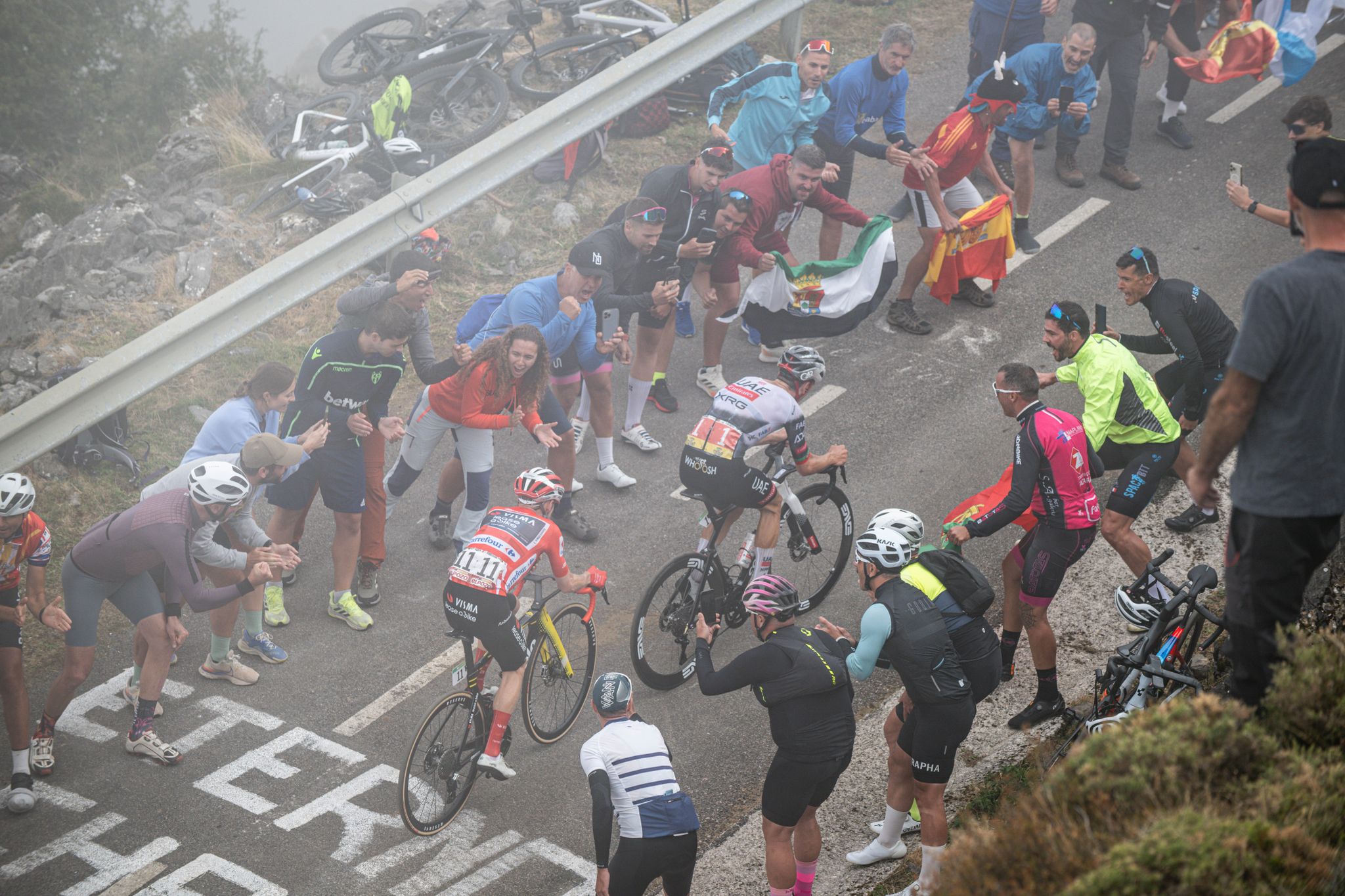
Mythical Passes and Sections of La Vuelta
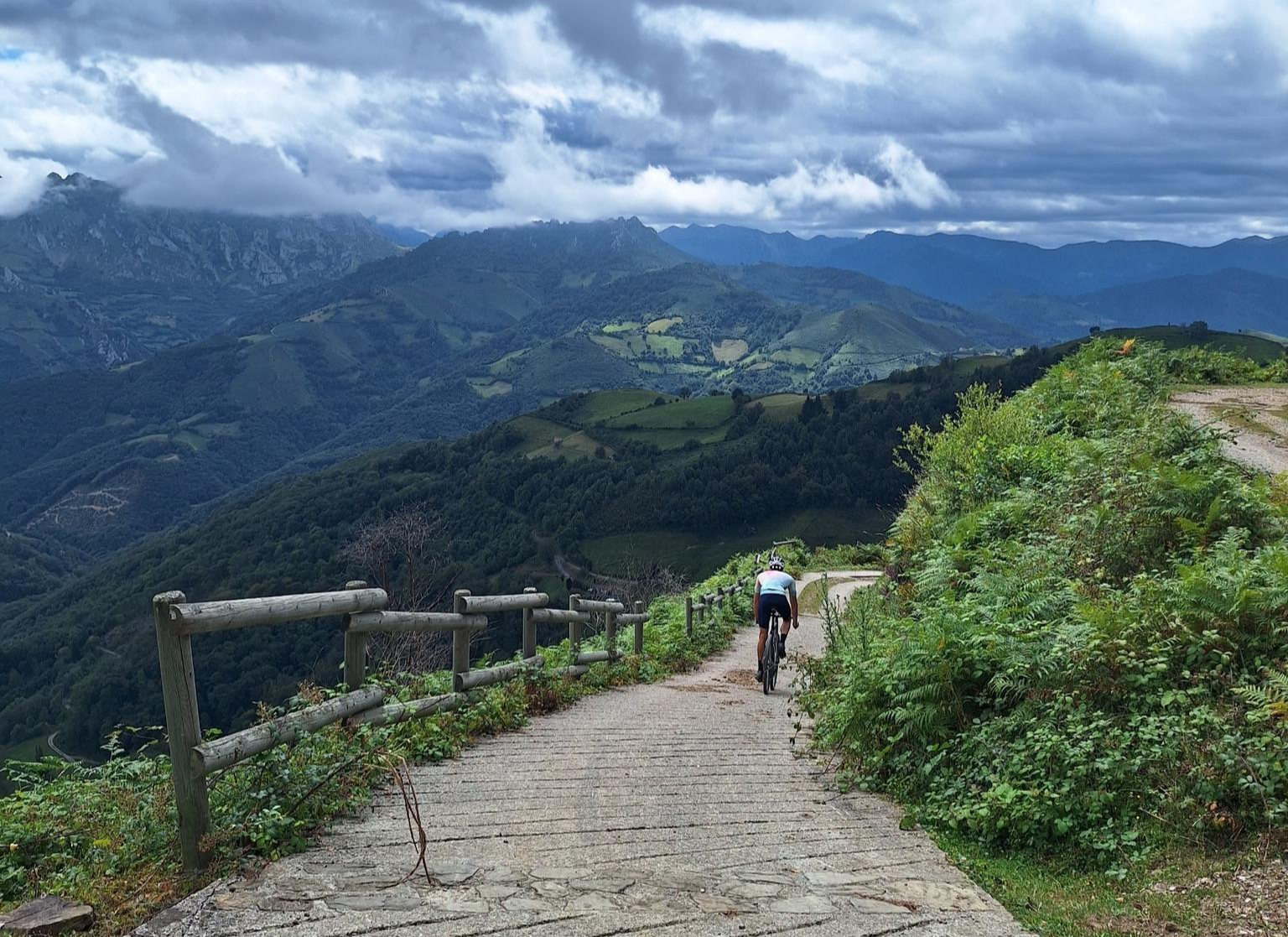
Central Mountain Cycling Ring GR 208 - Tour of the Asturian Mountains
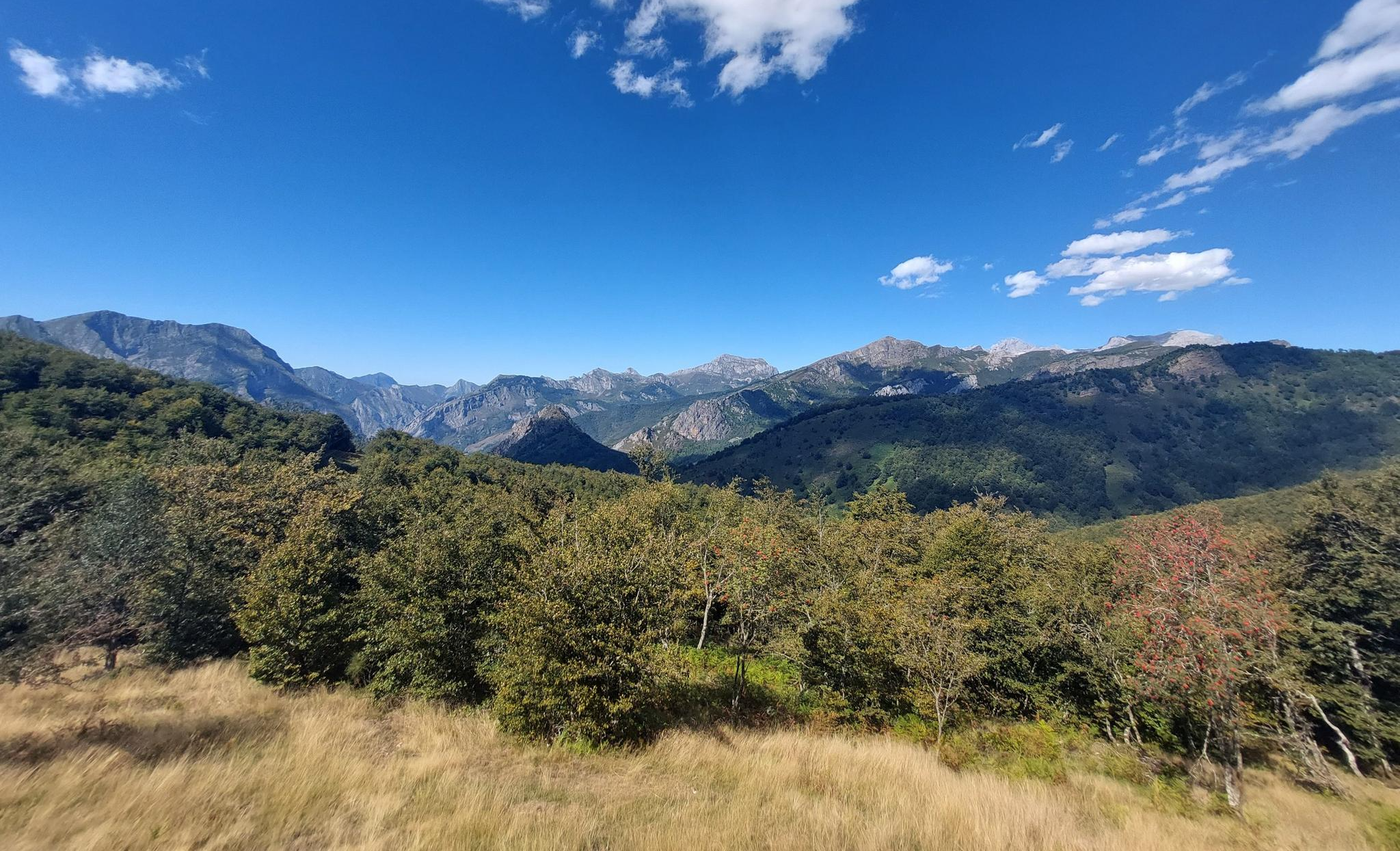
Senda del Arcediano (GR 210) - A historical hike through the Picos del Picos
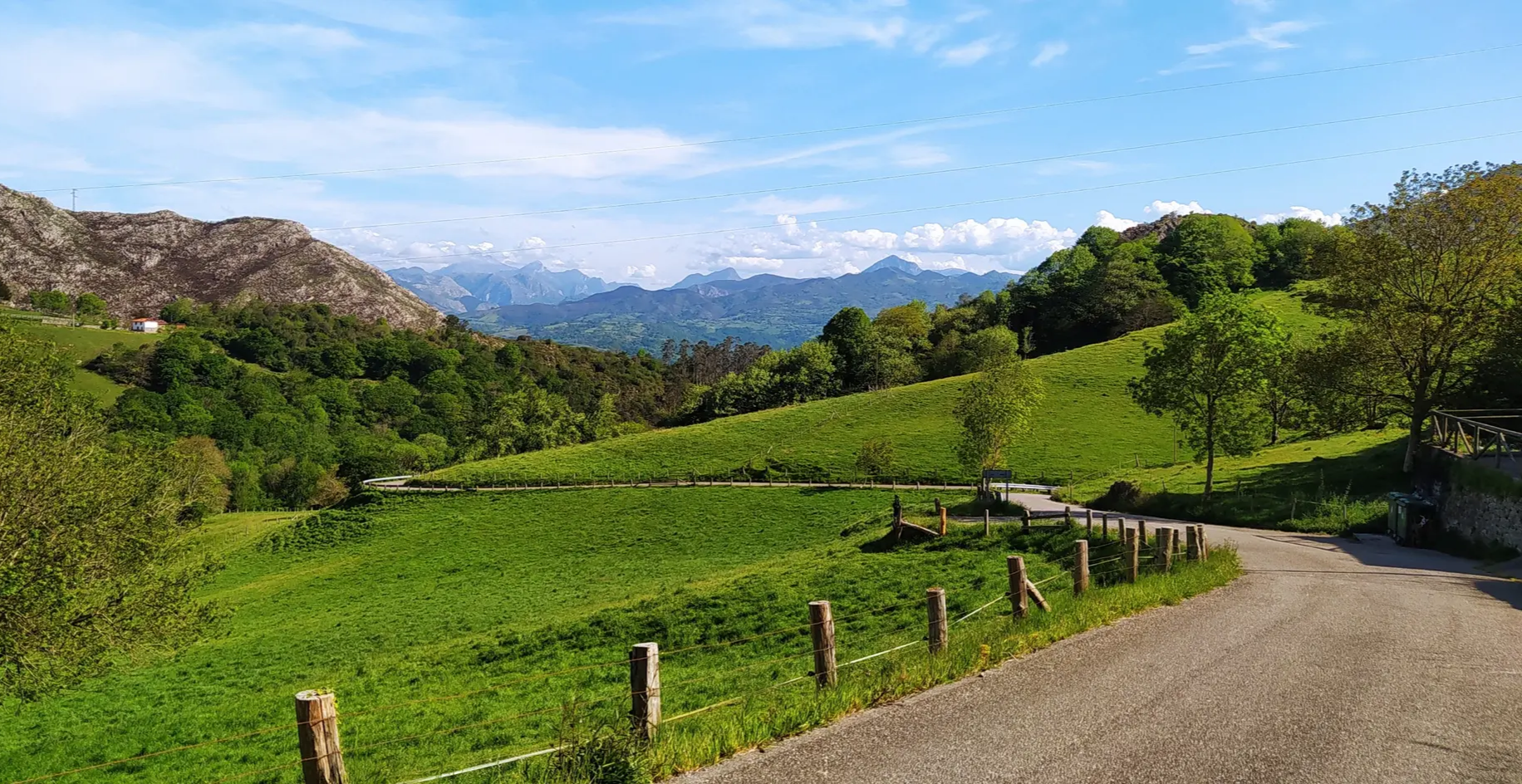
Great mountain passes of Picos de Europa on road bikes
Other adventures in the Cantabrian Mountains


Tips from the Community

Spectacular landscapes. The cable car ride also offers beautiful views. I visited/walked around there and loved it, I recommend it.👍🥾
0
0

This important place of worship—as a cathedral, the most important church not only in the city but in the entire archdiocese—bearing the title "San SALVADOR" was not dedicated to one of the many people we venerate as blessed or saints and ask for their heavenly intercession with God. Rather, it is dedicated to the incarnate Son of God, Jesus Christ, our Redeemer and Savior.
1
1

In the small village of Ramil at the foot of the Camino, just before Triacastela, stands one of Galicia's most beautiful century-old chestnut trees. Its trunk spans 8.5 meters and, with its hollow spaces and thick branches that seem to embrace the tree, resembles an X-ray of time.
0
1

Large deciduous tree that is common in the mountains of Galicia. The fruits are covered with a green rind with thorns, the "erize". The season for harvesting chestnuts is November, and in Triacastela and throughout Galicia in general it is celebrated with a festival called "magesto". The main use of the chestnut tree is to obtain its wood and use its fruit as food for the population in general and as food for livestock.
1
0

Construction of the current cathedral began in the 14th century on this historically significant square. The magnificent towers that characterize the cathedral were completed by the middle of the 14th century, which is why the cathedral has many Gothic elements.
3
0
The "iron cross" here on Monte Irago, which is legendary for many pilgrims on the Camino Frances to Santiago de Compostela to the grave of the Apostle James the Greater, has since been replaced by a copy at the original location. The cross, which appears comparatively small due to its enormous height, is on the top of a very long tree trunk and protrudes from a constantly growing pile of stones. Many pilgrims take a stone with them on the Way of St. James and place it here. This stone symbolizes the burdens and hardships of the pilgrims (or their family members and friends at home), who symbolically cast off their worries at this point with the stone and can thus move on free of them.
6
0

Currently, the Cathedral of El Salvador is experiencing a golden age, with the strong dynamism experienced in recent times by the Camino Primitivo, which maintains a constant flow of pilgrims and tourists throughout the year.
2
0

This impressive tree is over 800 years old. A true natural monument.
2
0
Frequently Asked Questions
What are the most impressive natural features to explore in the Cantabrian Mountains?
The Cantabrian Mountains are renowned for their dramatic natural landscapes. A must-see is the Ruta del Cares, a spectacular gorge in the Picos de Europa offering breathtaking views. You can also experience panoramic vistas from El Cable Viewpoint, accessible via the Fuente Dé Cable Car. The region also boasts the picturesque Lakes of Covadonga and the ancient Chestnut Tree in Ramil, over 800 years old.
Which historical and cultural sites should I visit in the Cantabrian Mountains?
The region is rich in history. Explore the medieval streets and traditional stone houses of Santillana del Mar Historic Town Centre, which is also near the famous Altamira Cave replica. Another significant site is the Cathedral of San Salvador in Oviedo, a major landmark on the Camino Primitivo. Don't miss the Molinaseca Roman Bridge, an important historical point along the Camino de Santiago.
Are there family-friendly attractions in the Cantabrian Mountains?
Yes, several attractions are suitable for families. The Fuente Dé Cable Car offers an exciting ascent with stunning views that children will enjoy. The Santillana del Mar Historic Town Centre provides a charming setting for a family stroll, and the nearby Altamira Museum with its cave replica is educational and engaging. Cabárceno Natural Park, a unique wildlife park, is also a great option for families to observe animals in large, natural enclosures.
What kind of hiking trails can I find near these attractions?
The Cantabrian Mountains offer a wide range of hiking opportunities. The Ruta del Cares is a famous and challenging trail through a gorge. For more options, you can explore various routes in the Picos de Europa National Park, such as the 'Route of Cares from Poncebos to Caín' or 'Puertos de Áliva from Fuente Dé'. You can find detailed information and more routes in the Hiking in the Cantabrian Mountains guide.
Are there any unique cultural or religious sites in the region?
Absolutely. The Cruz de Ferro (Iron Cross) is a significant pilgrimage site on the Camino de Santiago where pilgrims place stones to symbolize casting off burdens. The Santo Toribio de Liébana Monastery is another important pilgrimage destination, believed to house a piece of the True Cross. The Cathedral of San Salvador in Oviedo also holds significant religious relics.
What are some lesser-known or 'hidden gem' attractions in the Cantabrian Mountains?
Beyond the most popular spots, consider visiting the charming mountain town of Potes in the Liébana valley, known for its arched stone bridges and the Torre del Infantado. Mogrovejo is another beautiful village with an imposing medieval tower and traditional houses. The Ancient Chestnut Tree in Ramil is a natural monument that offers a peaceful, unique experience.
Can I find opportunities for wildlife spotting in the Cantabrian Mountains?
Yes, the Cantabrian Mountains are home to diverse wildlife. Protected areas like the Picos de Europa National Park, Muniellos Nature Reserve, and Somiedo Natural Park are excellent for observing chamois, red deer, wolves, and even the rare Cantabrian brown bear. Cabárceno Natural Park also provides a unique setting to see various species in large, semi-wild enclosures.
What kind of outdoor activities, besides hiking, are available near these attractions?
The region offers various outdoor activities. You can find numerous running trails, such as those detailed in the Running Trails in the Cantabrian Mountains guide. Gravel biking is also popular, with routes like the 'Gravel tour to the Natural Park of Las Ubiñas-La Mesa along the Senda del Oso'. Explore more options in the Gravel biking in the Cantabrian Mountains guide.
What do visitors enjoy most about the Cantabrian Mountains?
Visitors frequently praise the spectacular views and the raw beauty of nature, especially along the Ruta del Cares. The well-preserved historical sites like Santillana del Mar Historic Town Centre are also highly appreciated for their cultural richness. The sense of history and the opportunity to connect with nature are consistently highlighted by those who explore the region.
Are there any specific viewpoints I should seek out for panoramic scenery?
For truly breathtaking panoramic views, head to El Cable Viewpoint, which is easily accessible via the Fuente Dé Cable Car. This spot offers expansive vistas of the Picos de Europa. Many hiking trails throughout the national parks also lead to numerous natural viewpoints, providing stunning perspectives of the mountainous landscape.
What is the best time of year to visit the Cantabrian Mountains for sightseeing and outdoor activities?
The best time to visit for sightseeing and outdoor activities is generally from late spring to early autumn (May to October). During these months, the weather is milder, and trails are more accessible. Summer offers the warmest temperatures, ideal for hiking and exploring, while spring and autumn provide beautiful landscapes with fewer crowds and pleasant conditions for walking.
Most popular routes in the Cantabrian Mountains
Most popular attractions in the Cantabrian Mountains

Get inspired with the komoot mobile app


Explore more
Still not found the Highlight you’re looking for? See guides of the top attractions in other regions:
