The 20 Most Amazing Peaks in the Cantabrian Mountains
Best mountain peaks in the Cantabrian Mountains offer rugged scenery and diverse ecosystems across northern Spain. The Picos de Europa sub-range is known for its dramatic limestone formations and proximity to the sea, featuring steep, rocky, and jagged peaks. This region is a UNESCO Biosphere Reserve, rich in biodiversity, and provides opportunities for outdoor activities. The mountains rise steeply, offering views of gorges, peaks, and the Cantabrian Sea.
Best mountain peaks in the Cantabrian Mountains
- The most popular mountain peaks is Cruz de Ferro (Iron Cross), a man-made monument that is legendary for pilgrims on the Camino Frances. Pilgrims place stones at the base of the cross, symbolizing the casting off of burdens.
- Another must-see spot is El Cable Viewpoint, a viewpoint located at the top station of the Fuente Dé cable car. It offers panoramic views of the Picos de Europa's central massif, the Liébana Valley, and the Cantabrian Mountains.
- Visitors also love Gilbo Peak, a summit known as the "Leonese Matterhorn." It offers panoramic views of the Riaño Reservoir and the "Leonese Fjords."
- Cantabrian Mountains is known for high-altitude summits, culturally significant crosses, and scenic viewpoints. The region offers a variety of mountain peaks to see and explore, from challenging climbs to accessible viewpoints.
- The mountain peaks in the Cantabrian Mountains are appreciated by the komoot community, with 346 upvotes and 173 photos shared across 195 highlights.
Last updated: August 16, 2026
El Cable Viewpoint
Highlight • Viewpoint
Translated by Google •
Tip by

Cruz de Ferro (Iron Cross)
Highlight • Monument
(Source: wikipedia)
Translated by Google •
Tip by

Sign up now to discover places like this
Get recommendations on the best single tracks, peaks, & plenty of other exciting outdoor places.
Sign up for free
Sacred Heart of Jesus Monument (Monte Naranco)
Highlight • Monument
Translated by Google •
Tip by

La Viorna Cross
Highlight • Summit
Translated by Google •
Tip by

Gilbo Peak
Highlight • Summit
From here we can see Peñas Pintas, Pico Llerenes, Pico Castaño, Pico Yordas, Pico Pandián, Picos de Europa and a large part of the Palencia Mountain, highlighting Pico Espigüete. Also, the spectacular Mampodre Massif.
Translated by Google •
Tip by

Jano Peak
Highlight • Summit
Translated by Google •
Tip by

Alto de La Marta
Highlight • Mountain Pass
Translated by Google •
Tip by

Alto de la Farrapona
Highlight • Mountain Pass
Translated by Google •
Tip by
The three passes of O Cebreiro
Highlight (Segment) • Mountain Pass
You reach the top of the Cebreiro after a long climb, that from Las Herrerias (650 m.) leads to the village of Pedrafita do Cebreiro and then to the village of O Cebreiro, on the homonymous mountain pass (1300 m.), the highest summit after the Cruz de Hierro (1500 m.) in the province of León.
A few km after O Cebreiro, you have to climb over two more passes, Alto de San Roque (1270 m.) and Alto do Poio (1335 m.) in a magnificent landscape of mountains, forests, but often clouds, fog and winds too.
From here onwards, the path descends gradually towards Santiago
Tip by

La Cubilla Pass
Highlight • Mountain Pass
By MTB you can get there from San Emiliano (ten kilometers and 500 meters of positive gradient) or from Caldas de Luna (17 kilometers and 730 meters of positive gradient). It is part of the TransCantábrica BTT route.
Translated by Google •
Tip by

Sign up for free to discover even more peaks in the Cantabrian Mountains.
Sign up for free
Already have an account?
Start today with a free account
Your next adventure awaits.
Login or Signup
Popular around Cantabrian Mountains
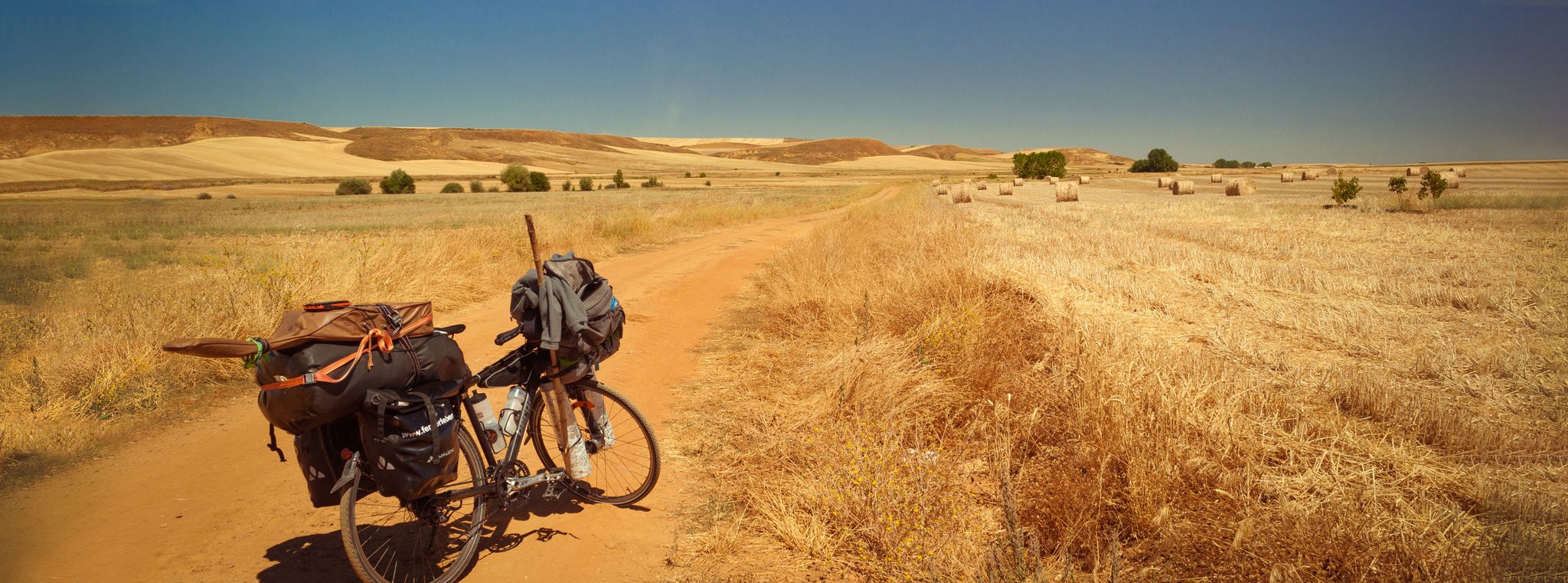
Camino Francés and Camino Finisterre – Cycling pilgrimages in Spain
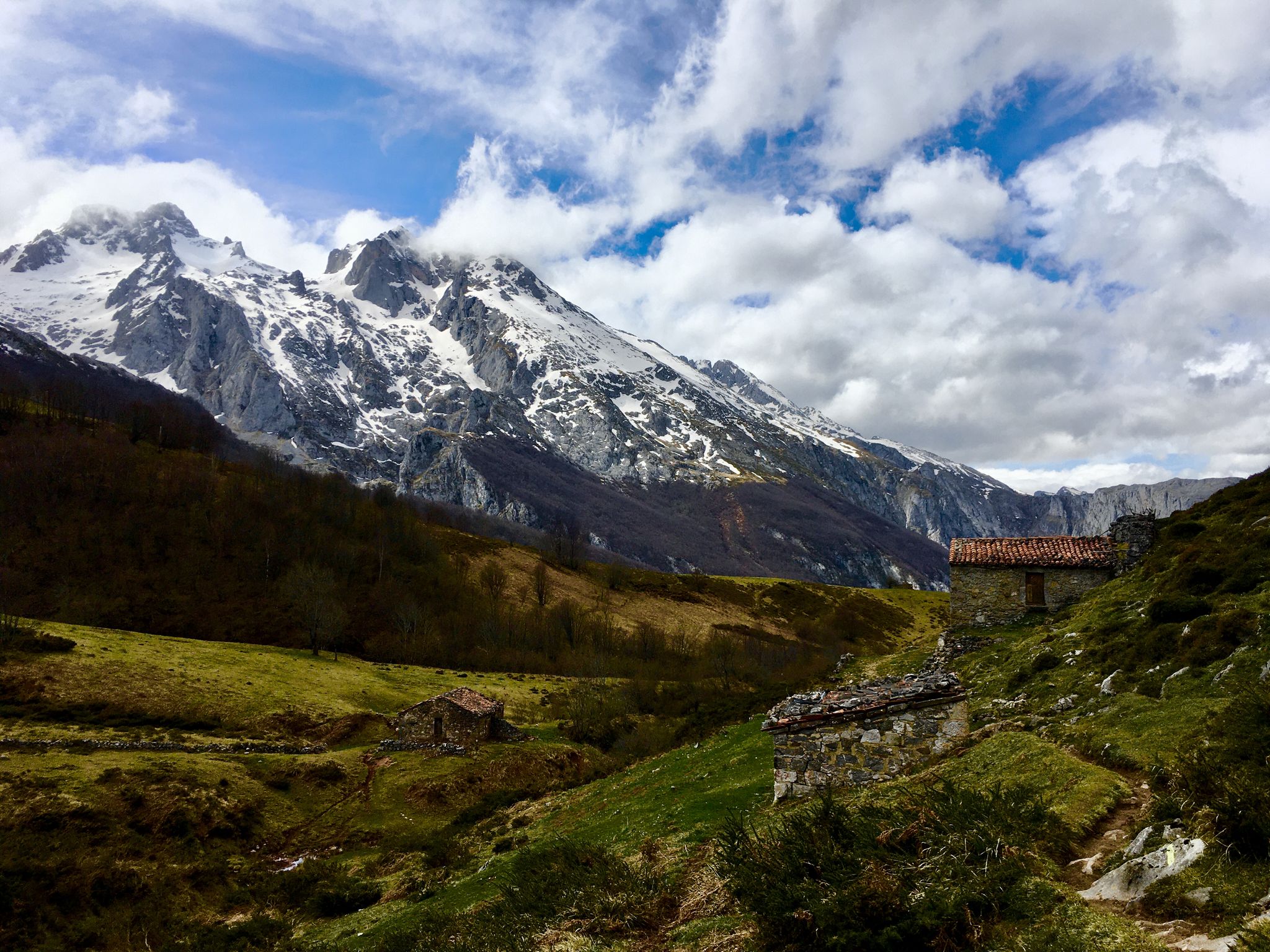
Route of the Reconquest (GR 202) – In the footsteps of an army
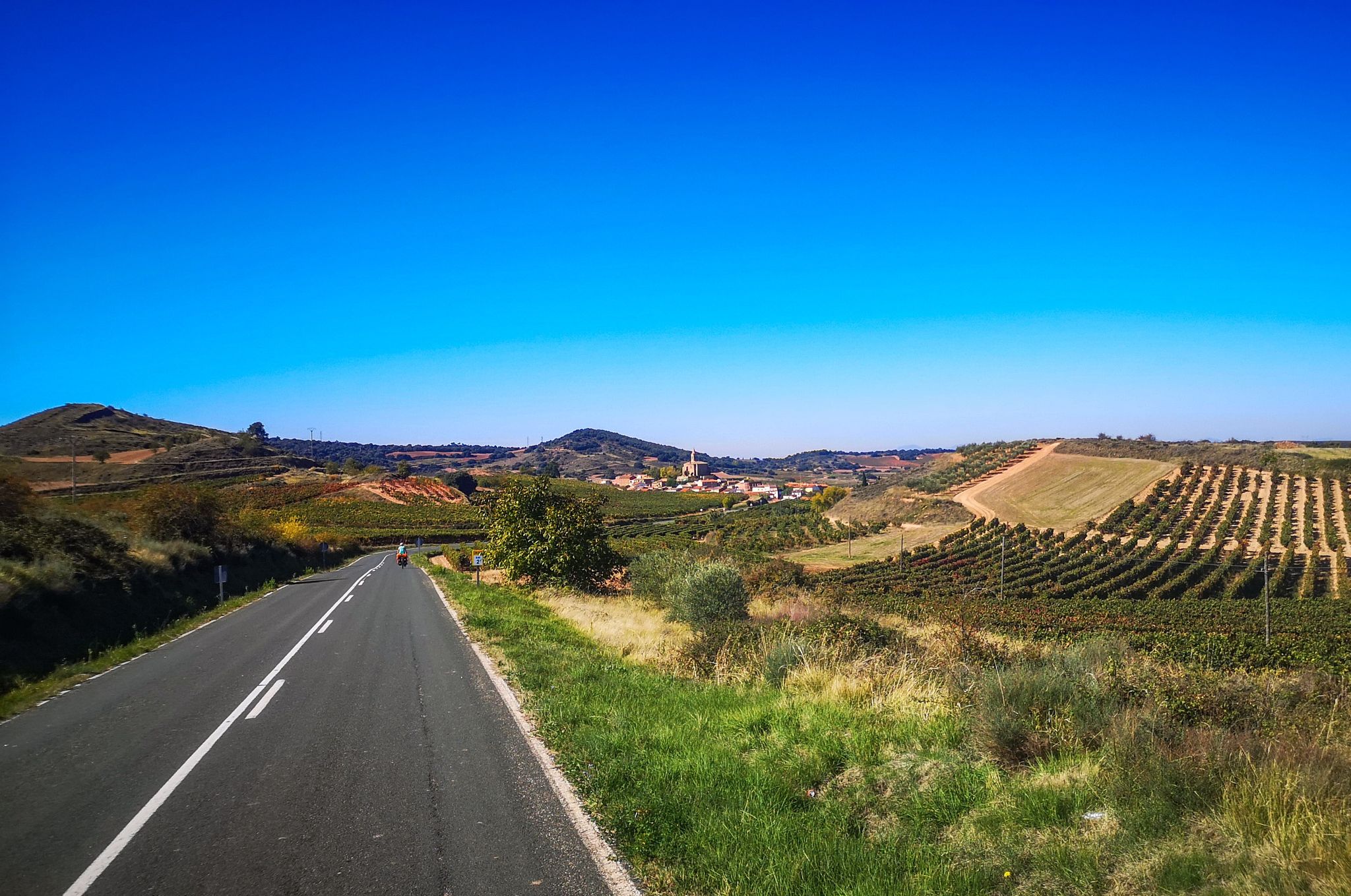
Santiago de Compostela – A journey through northern Spain (10 days)
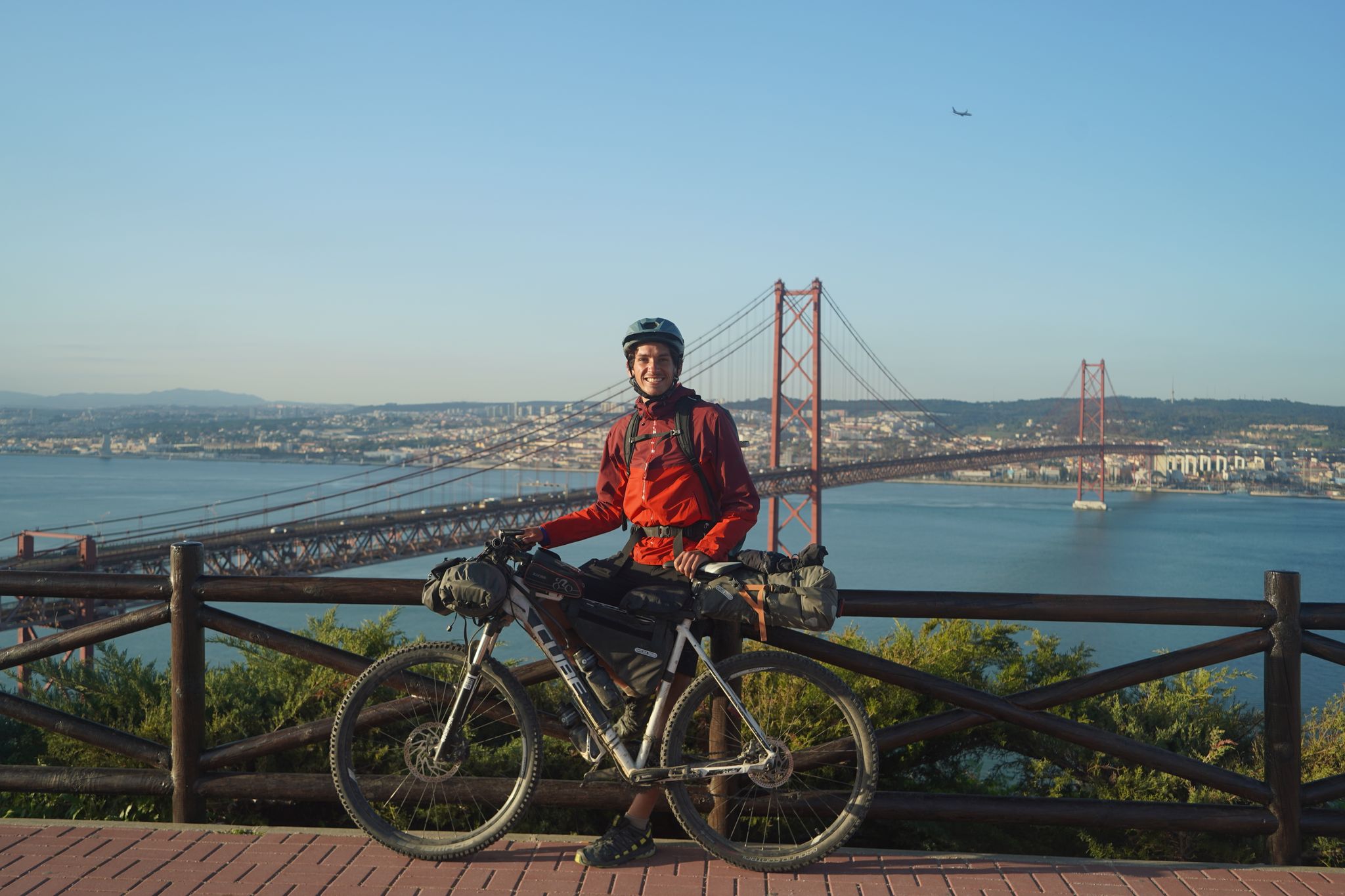
Road to Lisbon – bikepacking the Alps, Pyrenees and Picos de Europa
Camino del Norte – 15 stages
Camino del Norte (in reverse) – Discovering northern Spain's stunning coastline
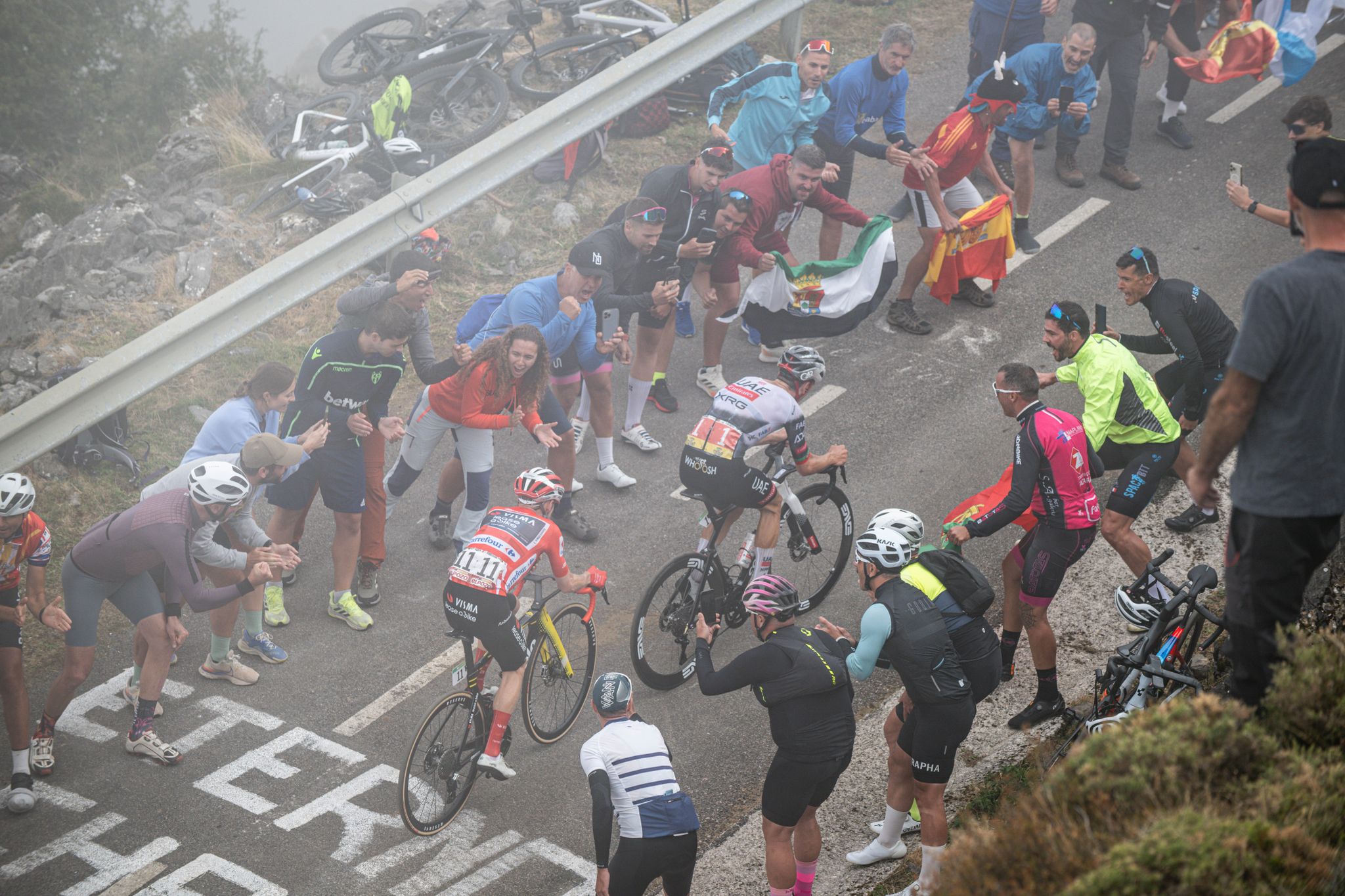
Mythical Passes and Sections of La Vuelta
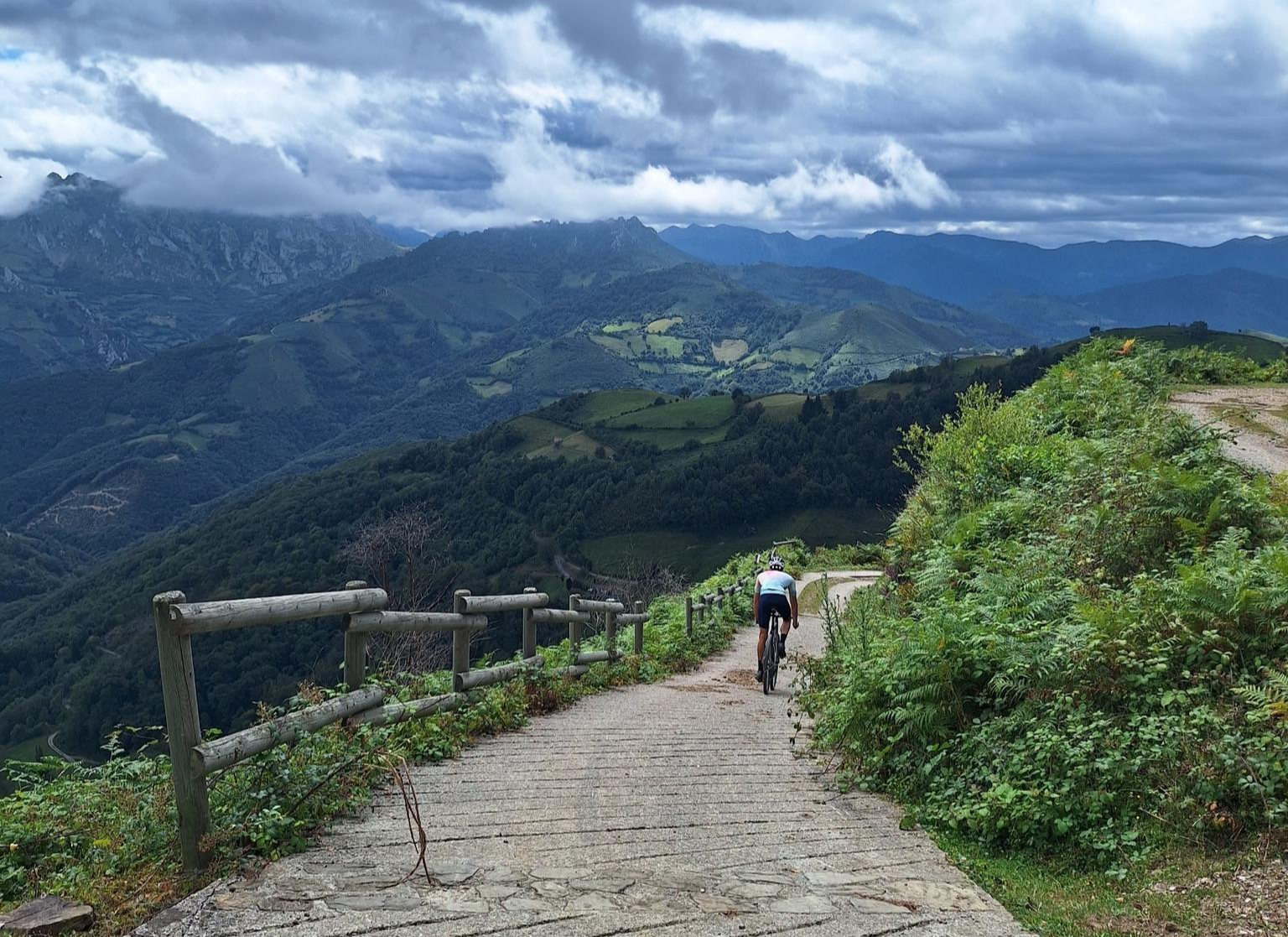
Central Mountain Cycling Ring GR 208 - Tour of the Asturian Mountains
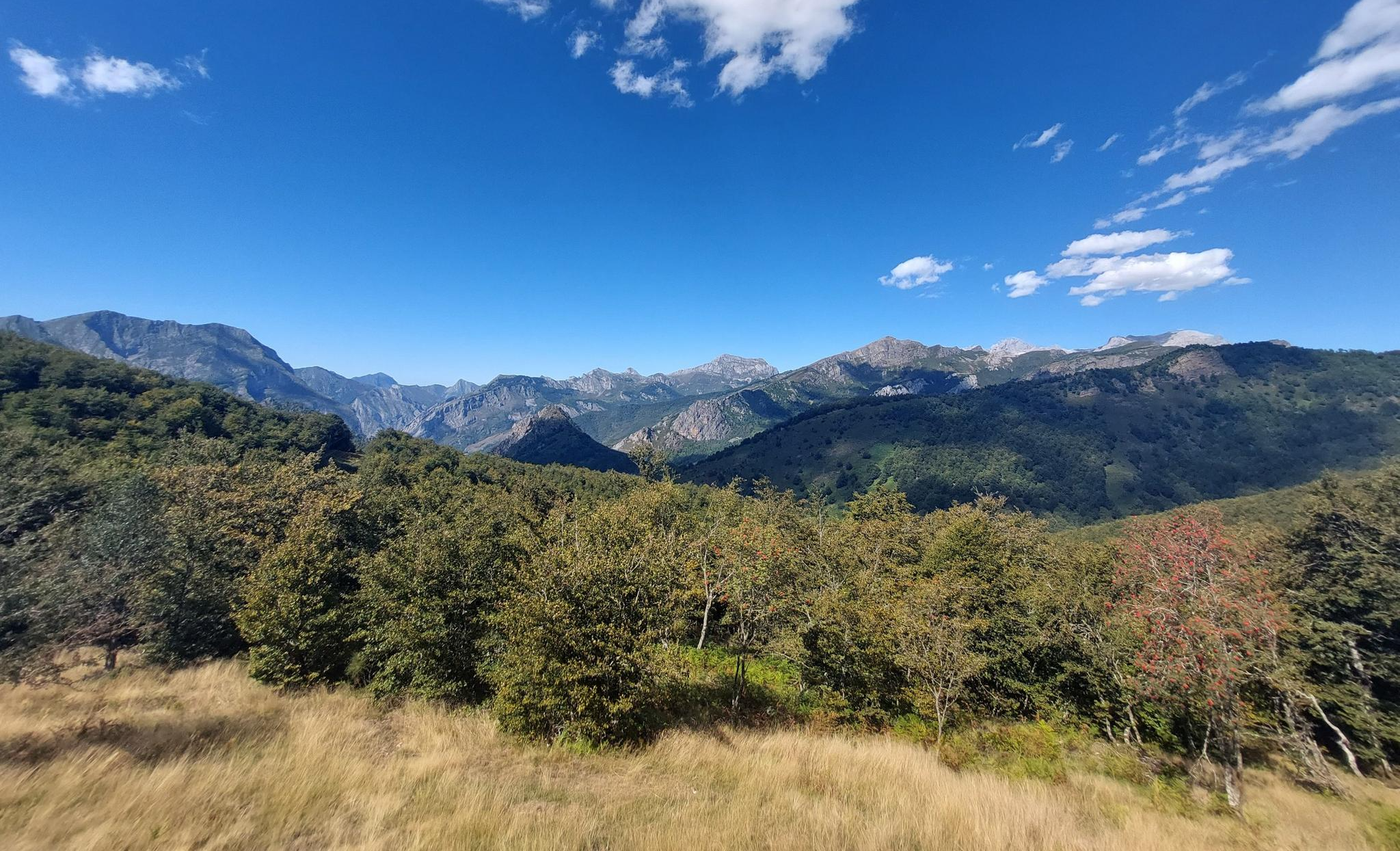
Senda del Arcediano (GR 210) - A historical hike through the Picos del Picos
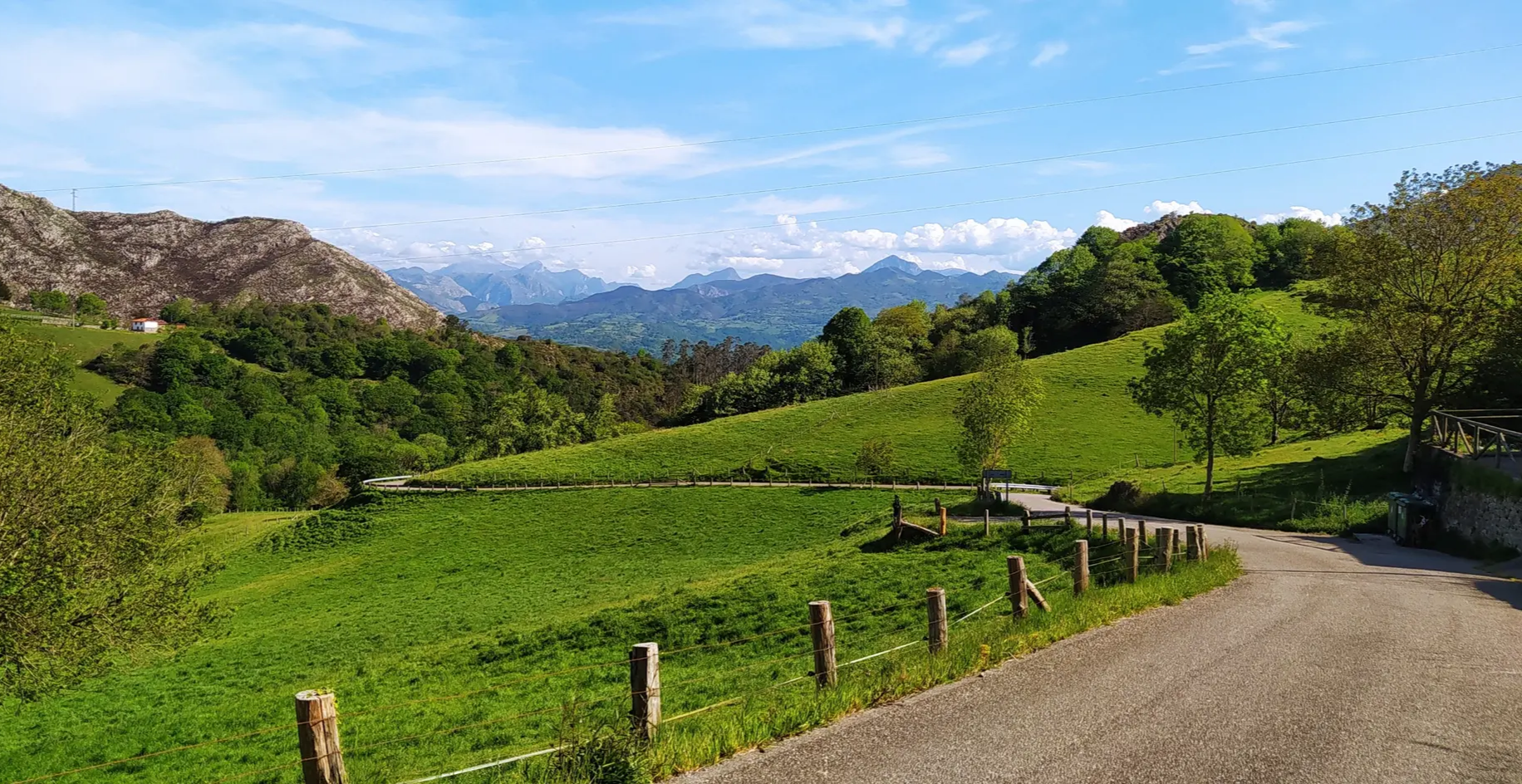
Great mountain passes of Picos de Europa on road bikes
Other adventures in the Cantabrian Mountains


Tips from the Community

Brutal landscape, the climb in the last section is a bit tough but doable little by little. Those with vertigo should abstain. Be careful on the descent. Highly recommended!
0
0

The pass is now paved and can be driven on by car.
1
0

During the mining era, this pass served as a discreet link between mines on either side, and minimal traces of old cart and mule traffic remain, though they don't coincide with the current road. From above, the wind is almost constant, and the view towards the Saliencia lakes has that air of a "natural viewpoint" before the term even existed. It's perfect to mark on Komoot as a key point on your route due to its spaciousness, its somewhat hidden history, and its character as a natural border.
1
0
Upon reaching the summit, you don't arrive at a village or a tourist center, but rather at a kind of natural balcony overlooking the Lena mountain passes, which gives a strange feeling, as if you've stepped onto an empty stage. And on clear days, the wind is louder among the mountain passes than any car, because traffic is minimal.
0
0
For decades, La Cubilla was practically a ghost town: a road built to connect mining valleys, used more by livestock farmers and scattered trucks than by travelers. This lack of traffic left a remarkably clean route, free of curves, absurd straights, and modern widenings: pure mountain design from another era. That's why many cyclists say it "looks more like an Alpine pass than a Cantabrian one," with those giant limestone walls silently accompanying you.
0
0

The view from the top of Gilbo Peak, known as the Matterhorn of León, is simply spectacular. From its 1,679-meter altitude, you can enjoy breathtaking views of the Riaño reservoir, the León fjords, and the mountains of the Riaño and Mampodre Mountain Regional Park.
1
0

The La Cubilla mountain pass is located at an altitude of 1,683 meters, on the border between Asturias and León. Its rugged terrain and the beauty of its surroundings have earned it the title of stage finisher of the Vuelta a España, making it one of the most iconic climbs among cyclists.
0
0

In front of this summit cross crowning the heights of La Viorna, the following thoughts from Pope Francis – who died on Easter Monday this year – may be helpful to those who linger on the summit after the climb: "In the Resurrection of Christ, each of our destinies finds its place in the infinite horizon of eternity. Only from his death and resurrection does the certainty arise that nothing will be able to separate us from the love of God [as the Apostle Paul writes in his Letter to the Romans, chapter 8]. From this great hope comes every other glimmer of light with which we can overcome life's trials and obstacles. And not only that: the Risen One also walks with us and becomes our companion, as with the disciples on the road to Emmaus."
0
0
Frequently Asked Questions
What are some of the most prominent mountain peaks in the Cantabrian Mountains?
The Cantabrian Mountains are home to many impressive peaks, with the Picos de Europa sub-range being particularly renowned. Within the Picos, you'll find Torre Cerredo, the highest peak in the entire range, and other significant summits like Peña Vieja, Torre del Llambrión, and Torre del Tiro Tirso. Beyond the Picos, notable peaks include Peña Prieta in Cantabria and Curavacas in Palencia.
Where can I find the most spectacular viewpoints in the Cantabrian Mountains?
For breathtaking panoramic views, consider visiting El Cable Viewpoint, located at the top station of the Fuente Dé cable car in the Picos de Europa. It offers expansive vistas of the central massif and the Liébana Valley. Another excellent spot is Gilbo Peak, known as the "Leonese Matterhorn," which provides stunning views of the Riaño Reservoir and the "Leonese Fjords." Additionally, Pico Jano offers a 360º panorama of high mountains and valleys.
What unique geological features characterize the Cantabrian Mountains, especially the Picos de Europa?
The Cantabrian Mountains, particularly the Picos de Europa, are famous for their dramatic limestone formations, often described as "steep, rocky, and jagged peaks, often called torres (towers)." This unique geography includes plunging gorges and mountains rising steeply from the coast, creating a striking landscape that combines high peaks with views of the Cantabrian Sea.
Are there any culturally or historically significant sites among the peaks?
Yes, the Cantabrian Mountains feature several sites with cultural and historical importance. A prime example is Cruz de Ferro (Iron Cross), a legendary monument for pilgrims on the Camino Frances, where they traditionally place stones to symbolize casting off burdens. Another significant site is the Sacred Heart of Jesus Monument (Monte Naranco), offering views over Oviedo.
What kind of hiking opportunities are available near the mountain peaks in the Cantabrian Mountains?
The region is a paradise for hikers, offering a wide range of trails from moderate to challenging. Popular options include the demanding Route of Cares from Poncebos to Caín, and circular routes like Puertos de Áliva from Fuente Dé in the Picos de Europa National Park. For more hiking ideas, explore the Hiking in the Cantabrian Mountains guide.
What other outdoor activities can I do near the Cantabrian Mountain peaks?
Beyond hiking, the Cantabrian Mountains offer excellent opportunities for cycling and mountain biking. You can find challenging road cycling routes like the Lagos de Covadonga Trail, or explore MTB trails such as the Ándara Massif Loop. For detailed routes, check out the Cycling in the Cantabrian Mountains and MTB Trails in the Cantabrian Mountains guides.
Are there family-friendly mountain peak experiences in the Cantabrian Mountains?
Yes, there are options suitable for families. While many peaks offer challenging climbs, some viewpoints like El Cable Viewpoint are accessible via cable car, providing spectacular views without strenuous hiking. The La Viorna Cross is another highlight that can be reached via intermediate paths, offering rewarding views for active families.
What is the best time of year to visit the Cantabrian Mountains for peak experiences?
The Cantabrian Mountains are generally best visited from late spring to early autumn (May to October) for hiking and climbing, when the weather is milder and trails are clear of snow. Summer offers the warmest temperatures, but can also be busier. Spring and autumn provide beautiful scenery with fewer crowds, though weather can be more unpredictable, especially at higher elevations.
What wildlife can I expect to see in the Cantabrian Mountains?
The Cantabrian Mountains, particularly the Picos de Europa National Park, are a UNESCO Biosphere Reserve rich in biodiversity. You might spot species like the Cantabrian brown bear, Iberian wolf, chamois, and various birds of prey. The diverse habitats, from coastal cliffs to alpine grasslands, support a wide array of flora and fauna.
How accessible are the mountain peaks and trails by public transport?
While some popular trailheads and villages in areas like the Picos de Europa have public bus services, access to many remote mountain peaks and trails often requires a car. For example, you can take a bus from Potes to Fuente Dé to access the cable car for El Cable Viewpoint. It's advisable to research specific routes and their public transport connections in advance.
What makes the Picos de Europa particularly special within the Cantabrian Mountains?
The Picos de Europa stand out for their dramatic limestone formations, often called "torres" (towers), and their unique proximity to the sea. This sub-range offers views encompassing plunging gorges, perilous peaks, and even the stormy Cantabrian Sea. It's also one of Spain's oldest national parks and a UNESCO Biosphere Reserve, celebrated for its extraordinary beauty and rich biodiversity.
Are there any less strenuous options for enjoying the mountain scenery?
Absolutely. For those preferring a less strenuous experience, the Fuente Dé cable car provides an easy ascent to El Cable Viewpoint, offering spectacular high-altitude views without a demanding climb. Additionally, many mountain passes like Piedrasluengas Viewpoint and La Cubilla Pass offer accessible viewpoints with stunning vistas.
Most popular routes in the Cantabrian Mountains
Most popular attractions in the Cantabrian Mountains

Get inspired with the komoot mobile app


Explore more
See even more amazing summits in the Cantabrian Mountains with these guides:
