Top 20 Caves in the Cantabrian Mountains
Best caves in the Cantabrian Mountains are found within a sprawling range in northern Spain, known for its extensive cave systems. These subterranean environments hold significant geological and archaeological value, showcasing ancient Earth history and early human artistic expressions. The region's natural features include diverse karst landscapes and numerous underground formations.
Best caves in the Cantabrian Mountains
- The most popular caves is Orellán Galleries, a historical site that features an ancient underground water conduit. These galleries were part of…
Last updated: August 23, 2026
Orellán Galleries
Highlight • Historical Site
Translated by Google •
Tip by

Beach of the Cathedrals
Highlight • Beach
Translated by Google •
Tip by

Sign up now to discover places like this
Get recommendations on the best single tracks, peaks, & plenty of other exciting outdoor places.
Sign up for free
La Encantada Cave and La Cuevona
Highlight • Cave
Translated by Google •
Tip by
Covadonga Sanctuary
Highlight • Religious Site
Translated by Google •
Tip by

Holy Cave of Covadonga
Highlight • Cave
Translated by Google •
Tip by
Altamira Cave
Highlight • Cave
Translated by Google •
Tip by

Huerta Cave
Highlight • Cave
Translated by Google •
Tip by

Los Calderones Gorge
Highlight (Segment) • Gorge
Translated by Google •
Tip by

Buferrera Mine
Highlight • Structure
Translated by Google •
Tip by

Hermitage of the Virgin of Manadero in the Cave of the Doves
Highlight • Religious Site
Translated by Google •
Tip by
Sign up for free to discover even more caves in the Cantabrian Mountains.
Sign up for free
Already have an account?
Start today with a free account
Your next adventure awaits.
Login or Signup
Popular around Cantabrian Mountains
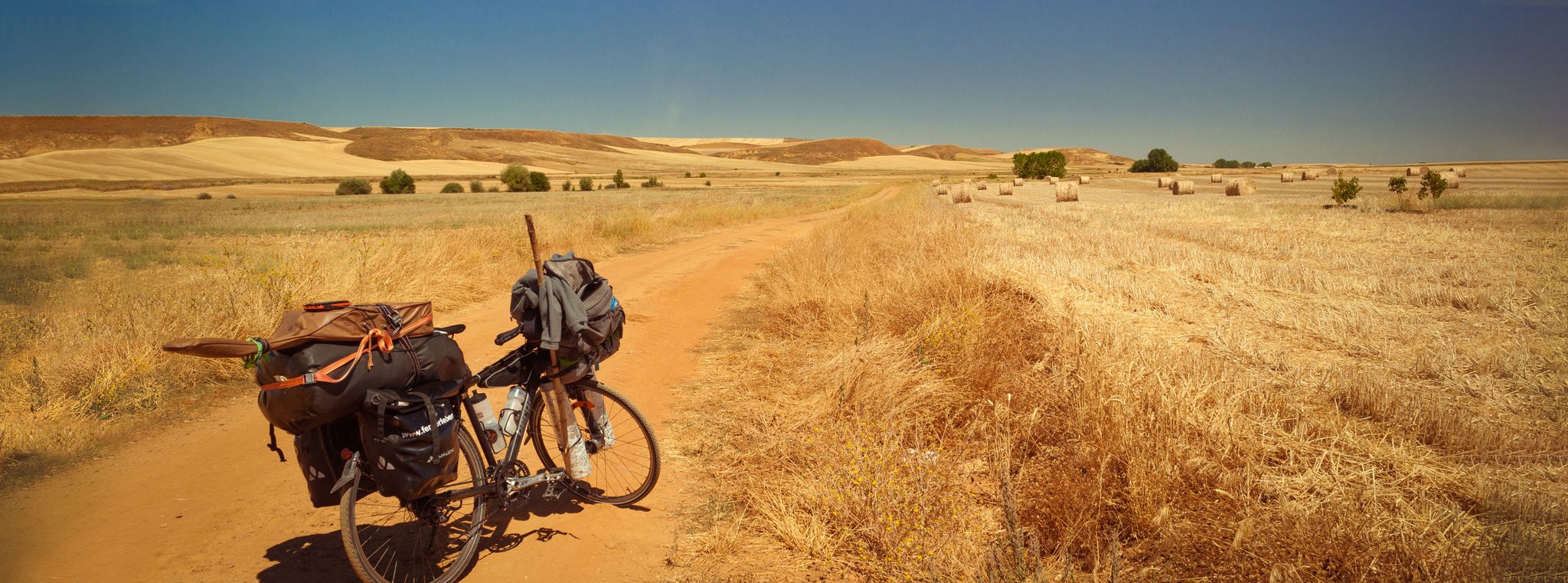
Camino Francés and Camino Finisterre – Cycling pilgrimages in Spain
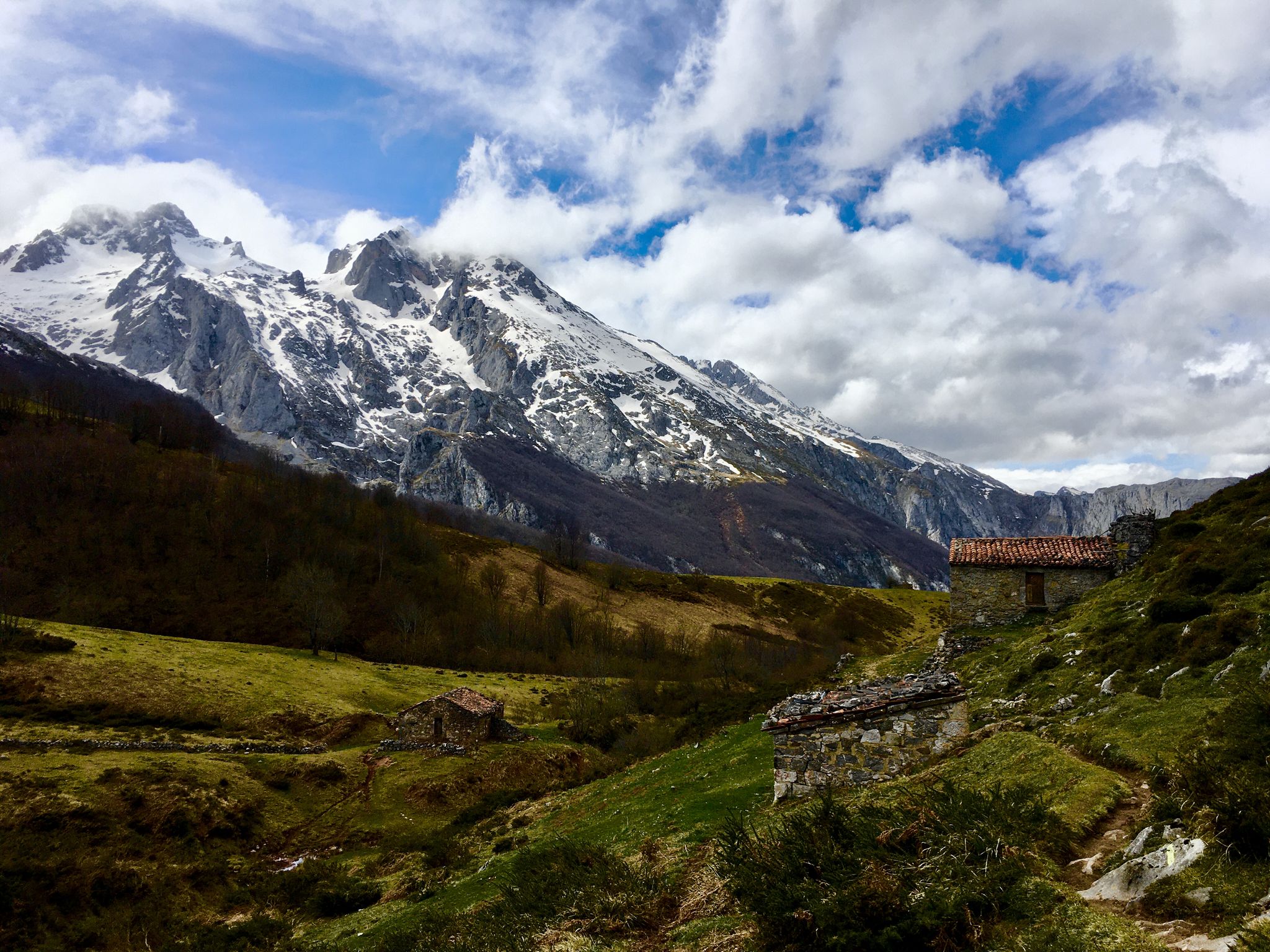
Route of the Reconquest (GR 202) – In the footsteps of an army
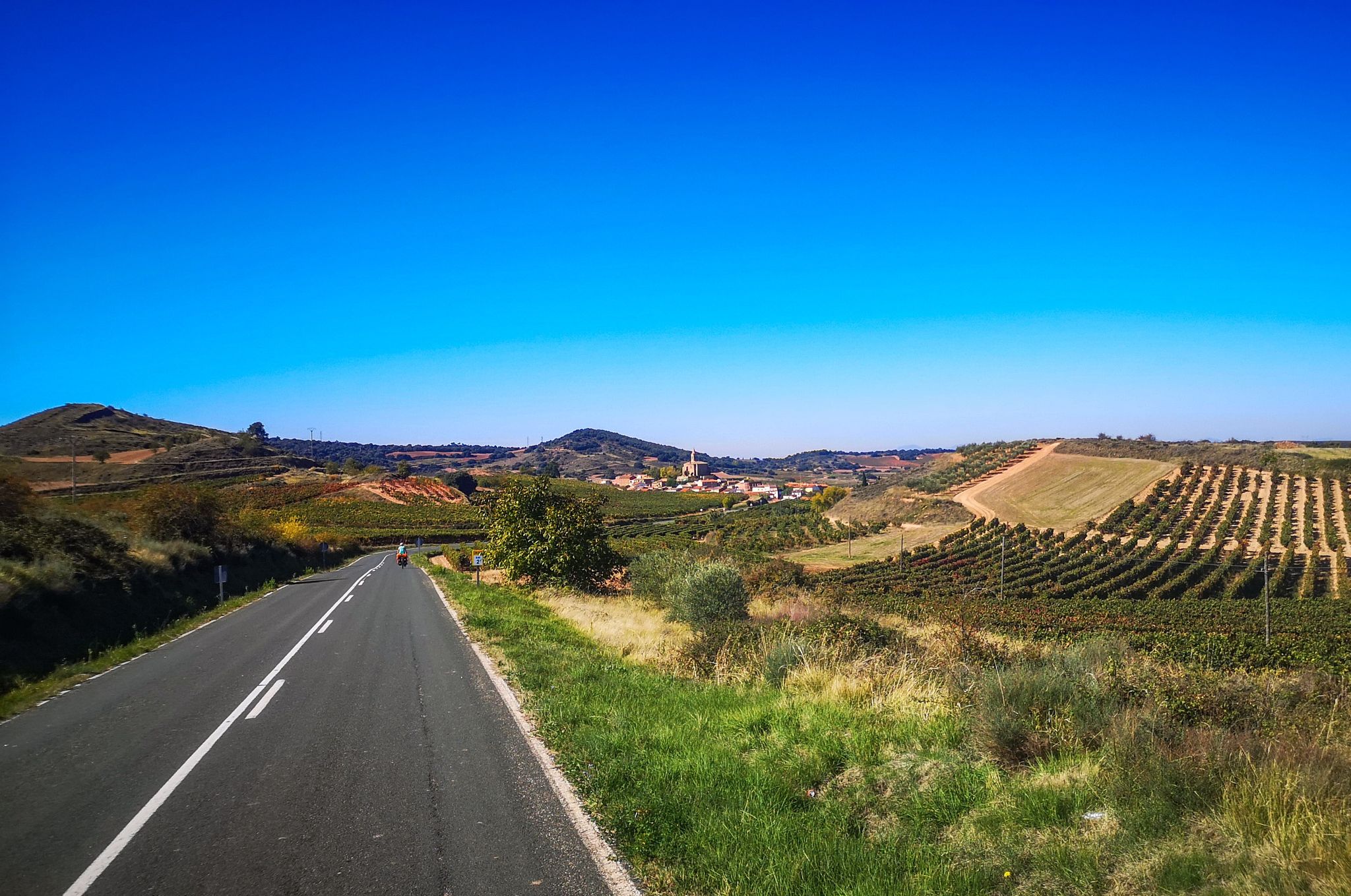
Santiago de Compostela – A journey through northern Spain (10 days)
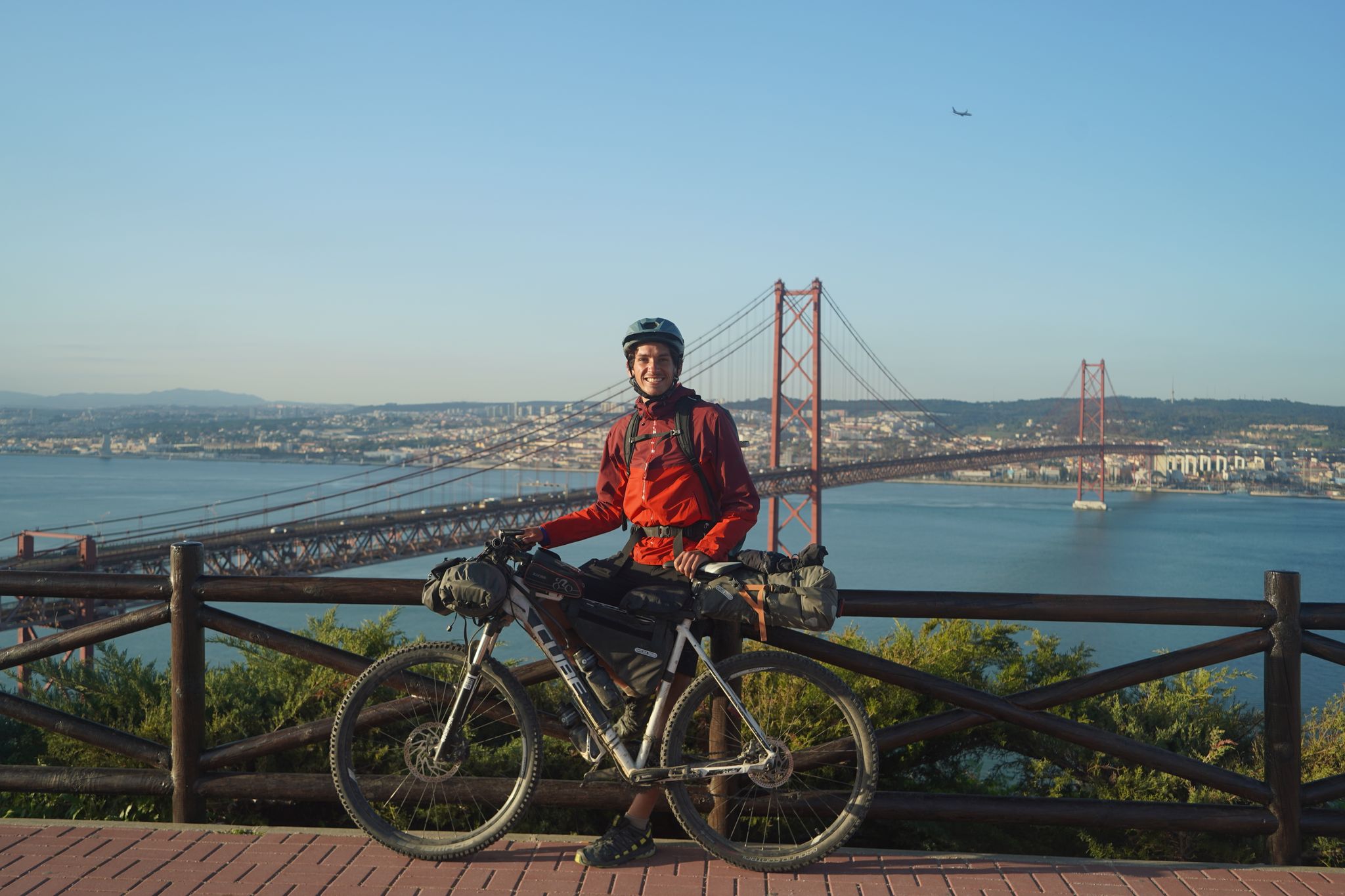
Road to Lisbon – bikepacking the Alps, Pyrenees and Picos de Europa
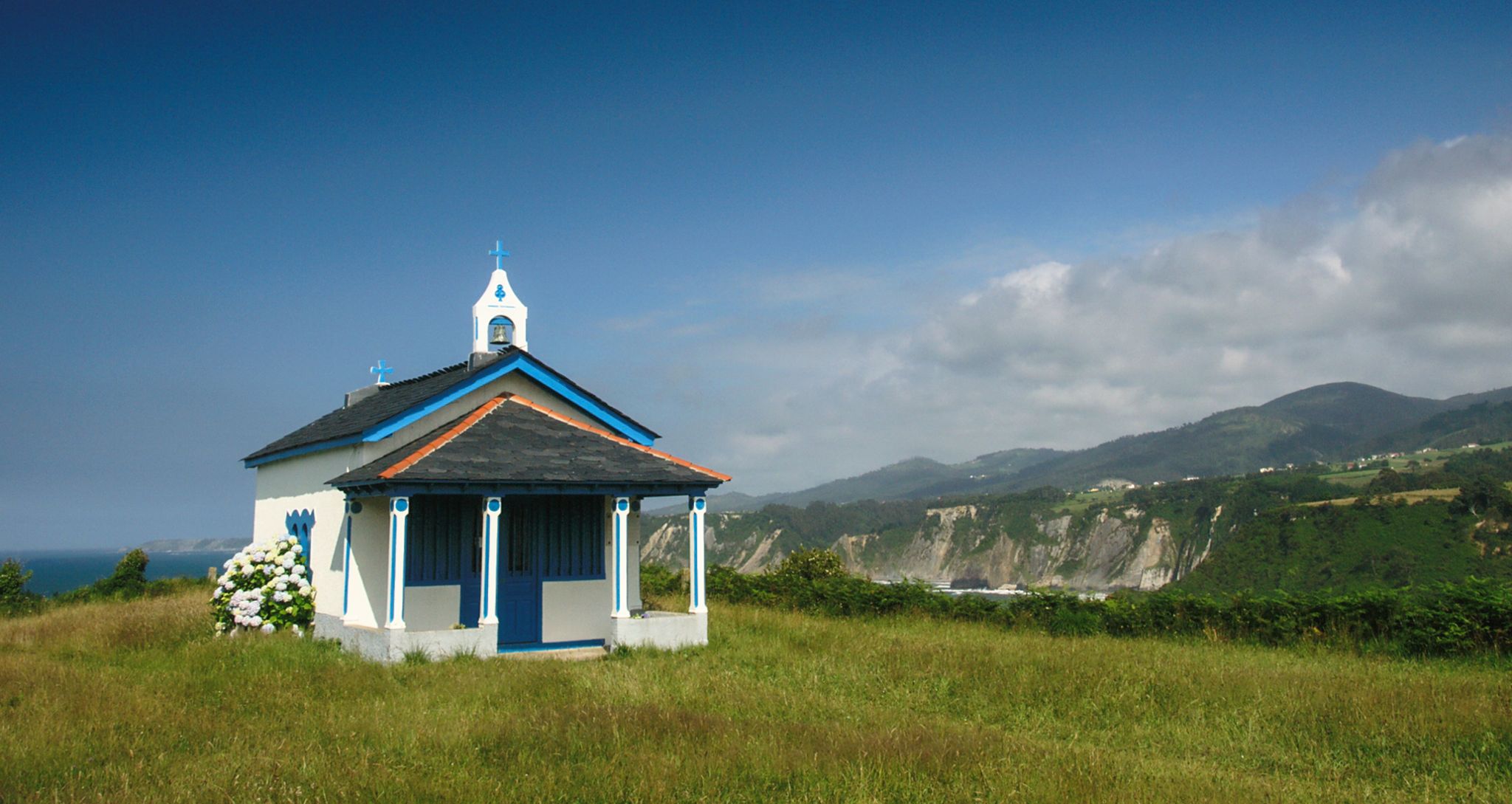
Camino del Norte – 15 stages
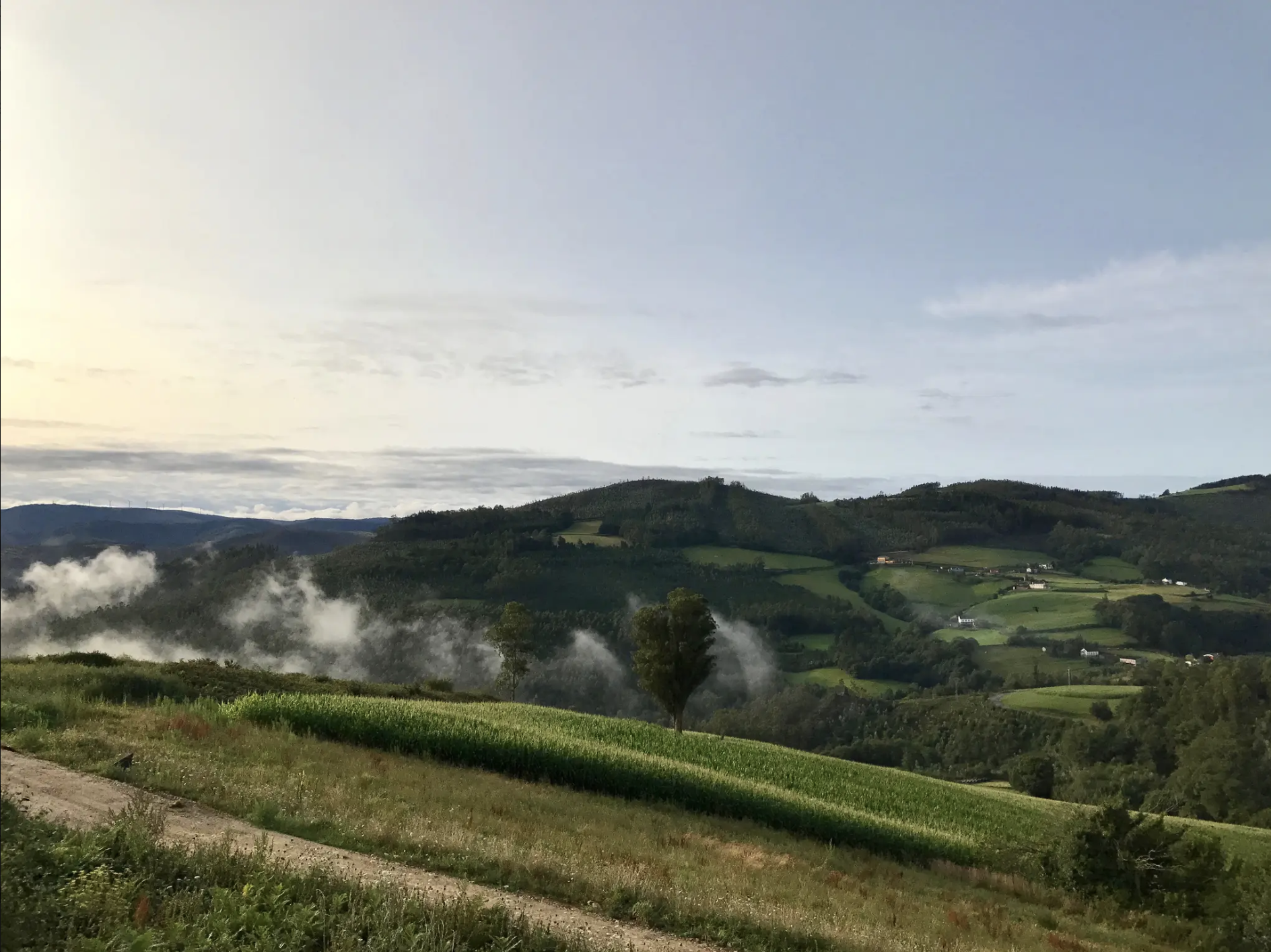
Camino del Norte (in reverse) – Discovering northern Spain's stunning coastline
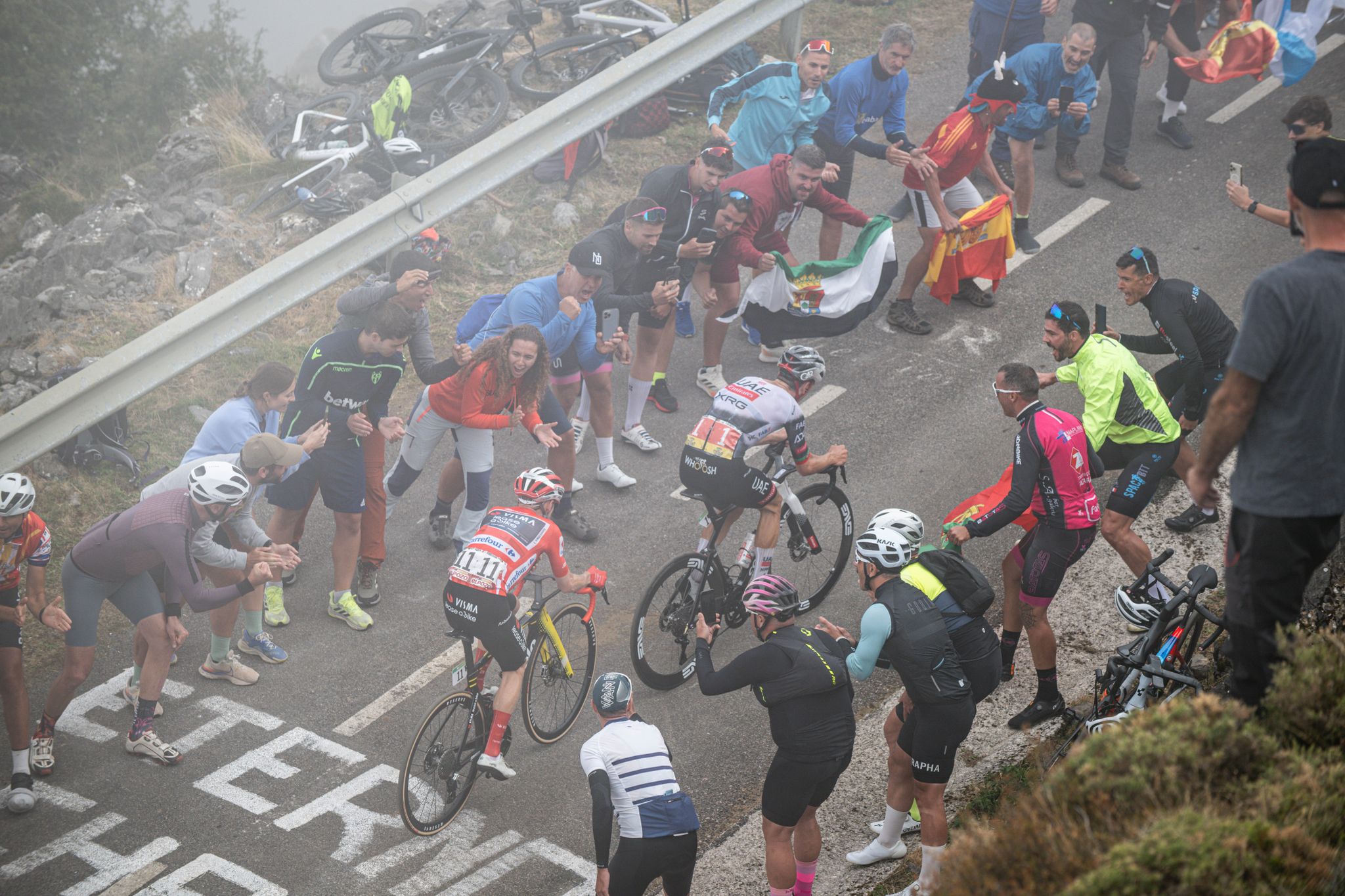
Mythical Passes and Sections of La Vuelta
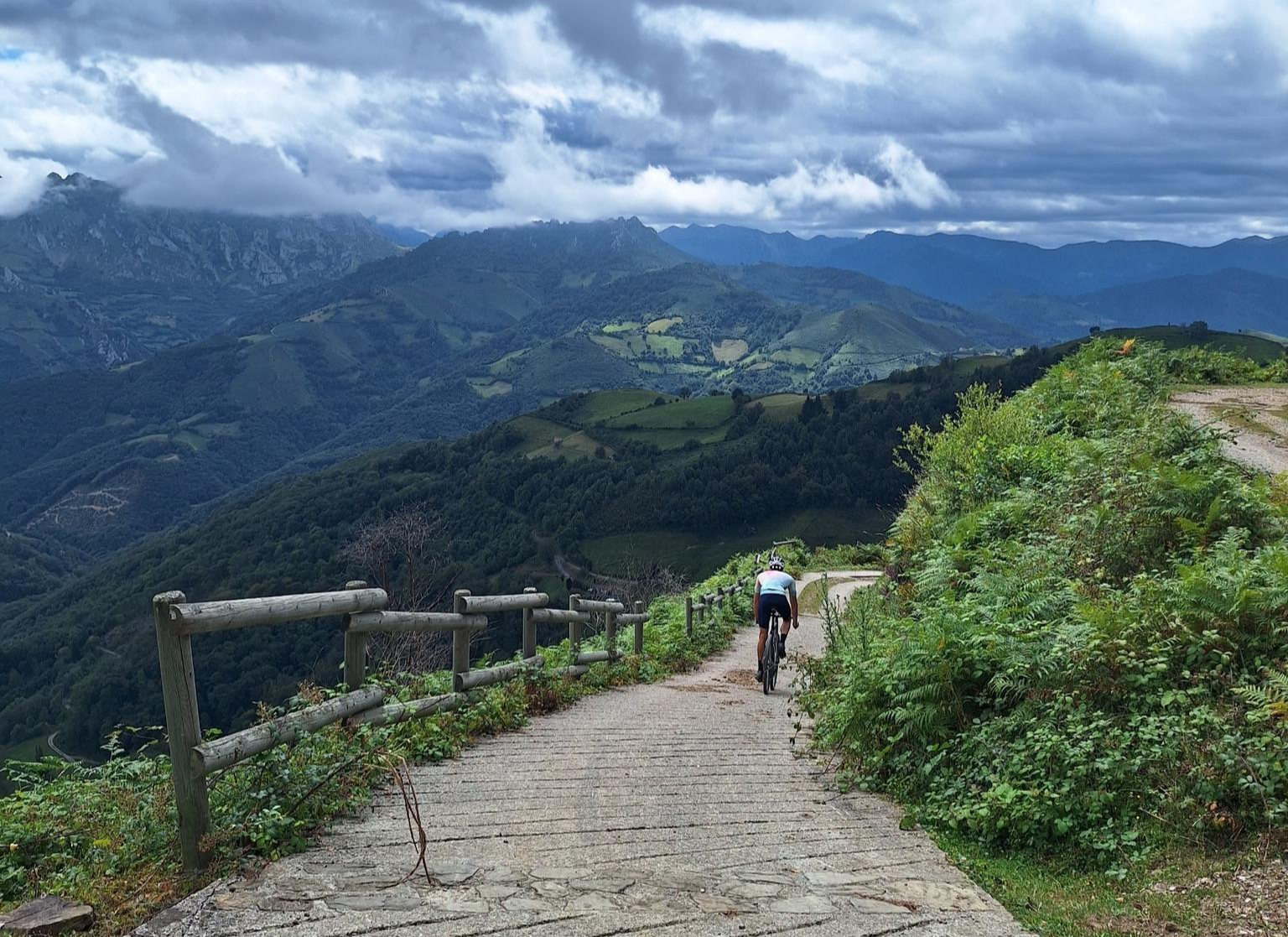
Central Mountain Cycling Ring GR 208 - Tour of the Asturian Mountains
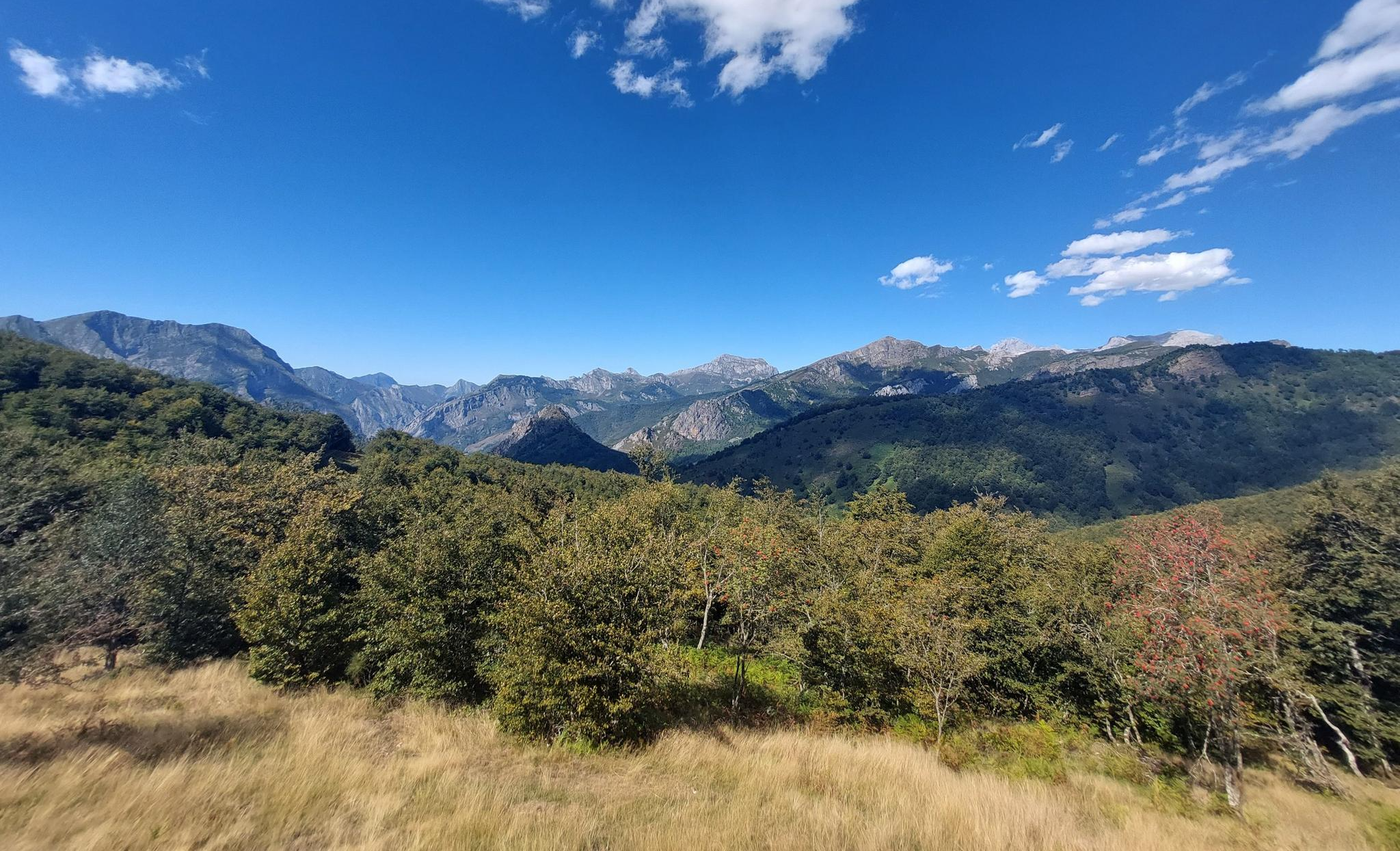
Senda del Arcediano (GR 210) - A historical hike through the Picos del Picos
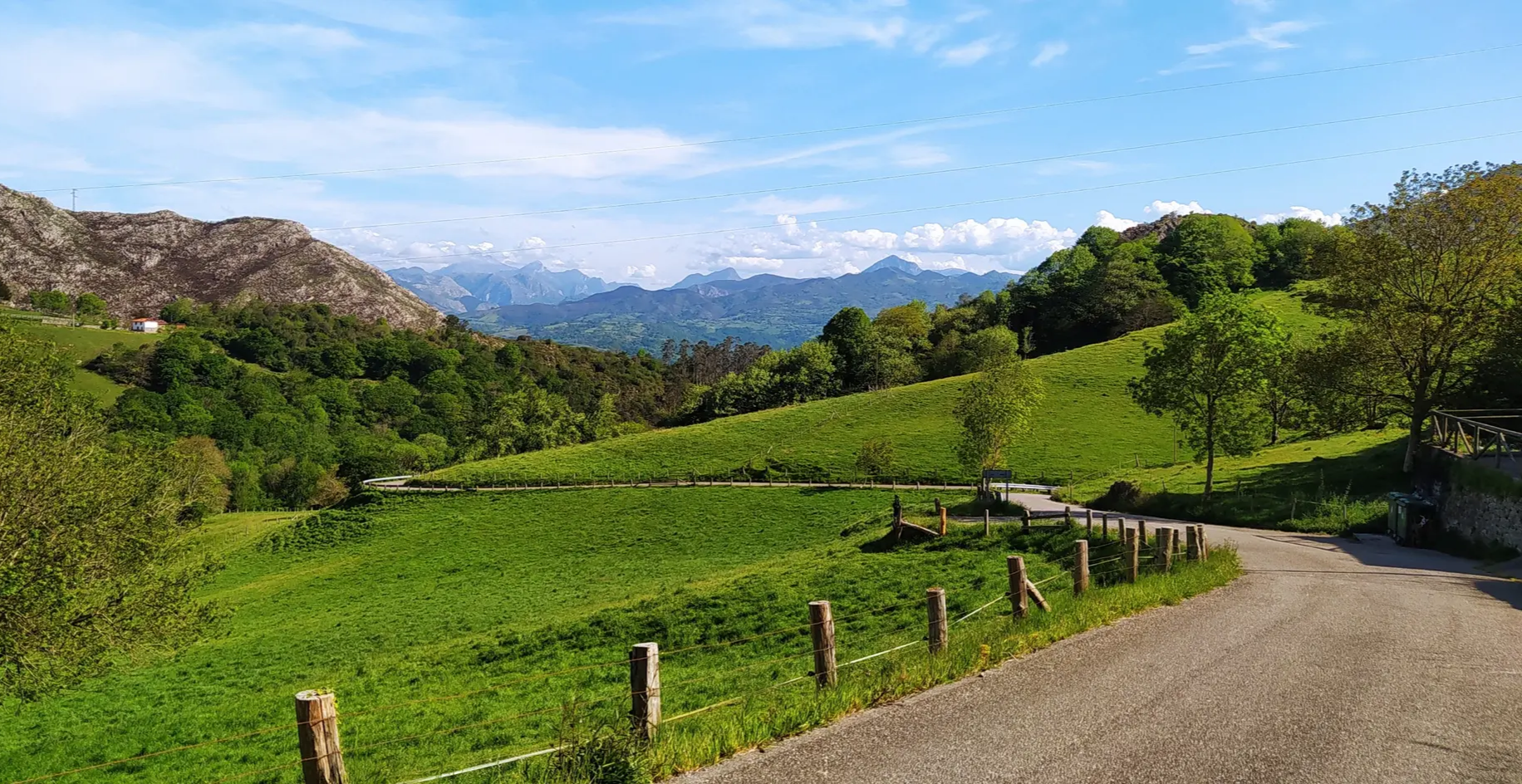
Great mountain passes of Picos de Europa on road bikes
Other adventures in the Cantabrian Mountains


Tips from the Community


The hermitage's surroundings are impressive, with rock formations dating back millions of years. The route to the hermitage is ideal for hiking and nature lovers, offering spectacular views and a unique experience. 😊
1
0
The Hermitage of the Virgin of Manadero is a rock sanctuary located in Piedrasecha, León. It is located in the Cueva de las Palomas, a place of great natural and spiritual beauty. The hermitage is dedicated to the Virgin of Manadero and is a point of interest on the Desfiladero de los Calderones route.
1
0
The route begins in the village of Piedrasecha and passes several points of interest, such as the Manadero spring and the Cueva de las Palomas, where the shrine of the Virgen del Manadero is located. The gorge is known for its natural beauty and its geological, biological, and scenic value.
2
0
The Calderones Gorge is located in Piedrasecha, in the province of León. It's a spectacular hiking trail that traverses a gorge so narrow that in several sections you can touch both rock faces just by stretching out your arms.
2
0
The Playa de las Catedrales, known in Galician as Praia das Catedrais, is an impressive natural monument located on the coast of the province of Lugo, in Galicia, Spain. Its official name is Playa de Aguas Santas, but it is popularly known as Playa de las Catedrales due to the appearance of its cliffs, which are reminiscent of the arches and vaults of a cathedral.
8
0

The Altamira Cave covers an area of more than 5500 m². It was used from 33,600 BC until the entrance collapsed in 11,000 BC. The particularly impressive ceiling paintings are dated to the period 16,500 to 13,000 BC.[3] The cave was discovered in 1868 by a hunter due to the disappearance of a hunting dog, who immediately reported the discovery to the lord of Santillana,[2] the naturalist Marcelino Sanz de Sautuola (1831–1888). The paintings were discovered by Sautuola's five-year-old daughter Maria, who was able to walk upright through the cave and made out images of "cattle" on the ceiling.[2] Marcelino began systematically digging in the cave in 1879[2] and published a short description of the "prehistoric objects in the province of Santander". Even the Spanish King Alfonso XII was invited into the cave. However, the academic world doubted the authenticity of the cave paintings.[2] The French prehistorian Émile Cartailhac described the paintings as a "vulgar prank by a scribbler" that he and his contemporaries did not even want to look at. The discovery had to wait almost 23 years for recognition. It was only when similar paintings were discovered in the Font-de-Gaume cave near Les Eyzies-de-Tayac-Sireuil in the Dordogne department (France) in 1901 that the attitude of French researchers and Cartailhac, who became the symbol of archaeological ignorance, changed. Cartailhac apologized posthumously to the Marquis de Sautuola in an essay in 1902 ("Mea culpa" d'un sceptique[4]).
0
0
The Altamira Cave covers an area of more than 5500 m². It was used from 33,600 BC until the entrance collapsed in 11,000 BC. The particularly impressive ceiling paintings are dated to the period 16,500 to 13,000 BC.[3] The cave was discovered in 1868 by a hunter due to the disappearance of a hunting dog, who immediately reported the discovery to the lord of Santillana,[2] the naturalist Marcelino Sanz de Sautuola (1831–1888). The paintings were discovered by Sautuola's five-year-old daughter Maria, who was able to walk upright through the cave and made out images of "cattle" on the ceiling.[2] Marcelino began systematically digging in the cave in 1879[2] and published a short description of the "prehistoric objects in the province of Santander". Even the Spanish King Alfonso XII was invited into the cave. However, the academic world doubted the authenticity of the cave paintings.
2
0
Frequently Asked Questions
What are the most popular caves and underground attractions in the Cantabrian Mountains?
Visitors frequently explore the Orellán Galleries, an ancient Roman mining conduit offering impressive views. Another highly rated spot is the Beach of the Cathedrals, known for its natural sea caves and arches accessible at low tide. The La Encantada Cave and La Cuevona also attract many, showcasing Roman mining history within the mountain.
Which caves in the Cantabrian Mountains are known for prehistoric art?
The Cantabrian Mountains are rich in Paleolithic art. The original Altamira Cave, though closed, has a meticulously crafted replica, the Neocave, at the National Museum and Research Center of Altamira, showcasing its famous polychrome paintings. Other significant sites include Covalanas Cave, known for its unique dotted red figures, El Castillo Cave with its extensive collection of handprints and symbols, and Tito Bustillo Cave in Asturias, featuring diverse art from various Paleolithic periods.
Are there any caves in the Cantabrian Mountains with unique geological formations?
Yes, El Soplao Cave is globally recognized for its exceptional geological formations, including stunning helictites, stalagmites, and translucent calcite curtains, earning it the nickname 'Sistine Chapel of Geology.' Las Monedas Cave also offers a visual spectacle with its diverse mineral hues and natural formations.
What kind of historical sites related to mining can be found in the caves of this region?
The Cantabrian Mountains have a significant mining history. The Orellán Galleries and La Encantada Cave and La Cuevona are part of ancient Roman mining exploitation systems. Additionally, the Buferrera Mine near Covadonga offers insights into 130 years of iron and manganese mining history, with visible ruins and a small recreation.
Are there family-friendly caves or related activities in the Cantabrian Mountains?
The National Museum and Research Center of Altamira, with its Neocave replica, is a family-friendly option to experience prehistoric art. The Beach of the Cathedrals is also suitable for families, offering a unique natural experience at low tide. El Soplao Cave provides an accessible tour via a recreated mine train, which can be enjoyable for all ages.
What is the best time of year to visit the caves in the Cantabrian Mountains?
The best time to visit the caves in the Cantabrian Mountains generally depends on your preference for weather and crowds. Spring and autumn offer milder temperatures, which are ideal for exploring both underground and surrounding outdoor areas. Summer can be popular, but also busier. Many caves maintain a constant cool temperature year-round, making them a good option even on hotter days.
Are there opportunities for speleology or advanced caving in the Cantabrian Mountains?
Yes, the Picos de Europa, within the Cantabrian Mountains, are a major area for speleology, home to some of the world's deepest caves like Torca del Cerro and Sima de la Cornisa. While these deep systems are for experienced cavers, some caves in the Asturias section of Picos de Europa, such as Tinganón, La Huelga, La Porquera, and Pando, offer guided caving experiences suitable for various skill levels, including beginners.
What outdoor activities can I do near the caves in the Cantabrian Mountains?
Beyond cave exploration, the Cantabrian Mountains offer diverse outdoor activities. You can find numerous MTB trails and gravel biking routes, including challenging loops around the Picos de Europa. There are also many waterfall hikes, such as the Lamiña Waterfalls or Cascadas de Sotillo, providing scenic walks in nature.
Which caves offer accessible tours for visitors with mobility considerations?
El Soplao Cave is known for its accessible tour options, including a recreated mine train that takes visitors into the cave. Cullalvera Cave also features equipped walkways to facilitate exploration of its vast interior and geological formations.
What should I wear when exploring caves in the Cantabrian Mountains?
Caves typically maintain a cool, constant temperature, so it's advisable to wear layers, even in summer. Sturdy, closed-toe shoes with good grip are essential for uneven and potentially wet surfaces. Some caves, like the Orellán Galleries, may provide helmets for safety, but it's always good to be prepared with comfortable clothing that allows for movement.
Are there any caves in the Cantabrian Mountains that are also religious or cultural sites?
Yes, the Covadonga Sanctuary includes the Santa Cueva, a smaller church believed to be the site of a miraculous appearance of the Virgin Mary. It is an important pilgrimage site and the burial place of King Pelayo. The Hermitage of the Virgin of Manadero in the Cave of the Doves is another example of a religious site integrated into a cave.
What do visitors enjoy most about the caves in the Cantabrian Mountains?
Visitors frequently highlight the breathtaking natural beauty and historical significance. Many are impressed by the vastness and intricate formations of caves like El Soplao, while others are moved by the ancient art in sites such as Altamira and El Castillo. The blend of geological wonders, prehistoric human history, and the unique experience of exploring underground environments are consistently praised.
Most popular routes in the Cantabrian Mountains
Most popular attractions in the Cantabrian Mountains

Get inspired with the komoot mobile app


Explore more
Extend your search for the best caves by checking out these guides of the top ones in the Cantabrian Mountains:
