Top 6 Lakes around Penmaenmawr
Best lakes around Penmaenmawr are found in the picturesque seaside village in North Wales, offering access to several notable lakes and reservoirs. Situated at the edge of Snowdonia National Park, the surrounding mountains and valleys are home to impressive bodies of water. This region provides diverse natural landscapes, from coastal areas to elevated mountain lakes. Visitors can explore a variety of aquatic environments, each with distinct features.
Best lakes around Penmaenmawr
- The most popular lakes is View of Ffynnon Llugwy…
Last updated: May 16, 2026
Llandudno West Shore Beach
Highlight • Viewpoint
Tip by

Eigiau Dam Ruins
Highlight • Structure
On 2 November 1925 the failure of two dams caused a flood that swamped the village of Dolgarrog, killing 16 people. The disaster was started by the …
Tip by

Sign up now to discover places like this
Get recommendations on the best single tracks, peaks, & plenty of other exciting outdoor places.
Sign up for free
View of Ffynnon Llugwy
Highlight • Lake
Tip by

Coedty Reservoir
Highlight • Historical Site
Tip by

Llyn Anafon
Highlight • Viewpoint
Tip by

Sign up for free to discover even more lakes around Penmaenmawr.
Sign up for free
Already have an account?
Start today with a free account
Your next adventure awaits.
Login or Signup
Tips from the Community

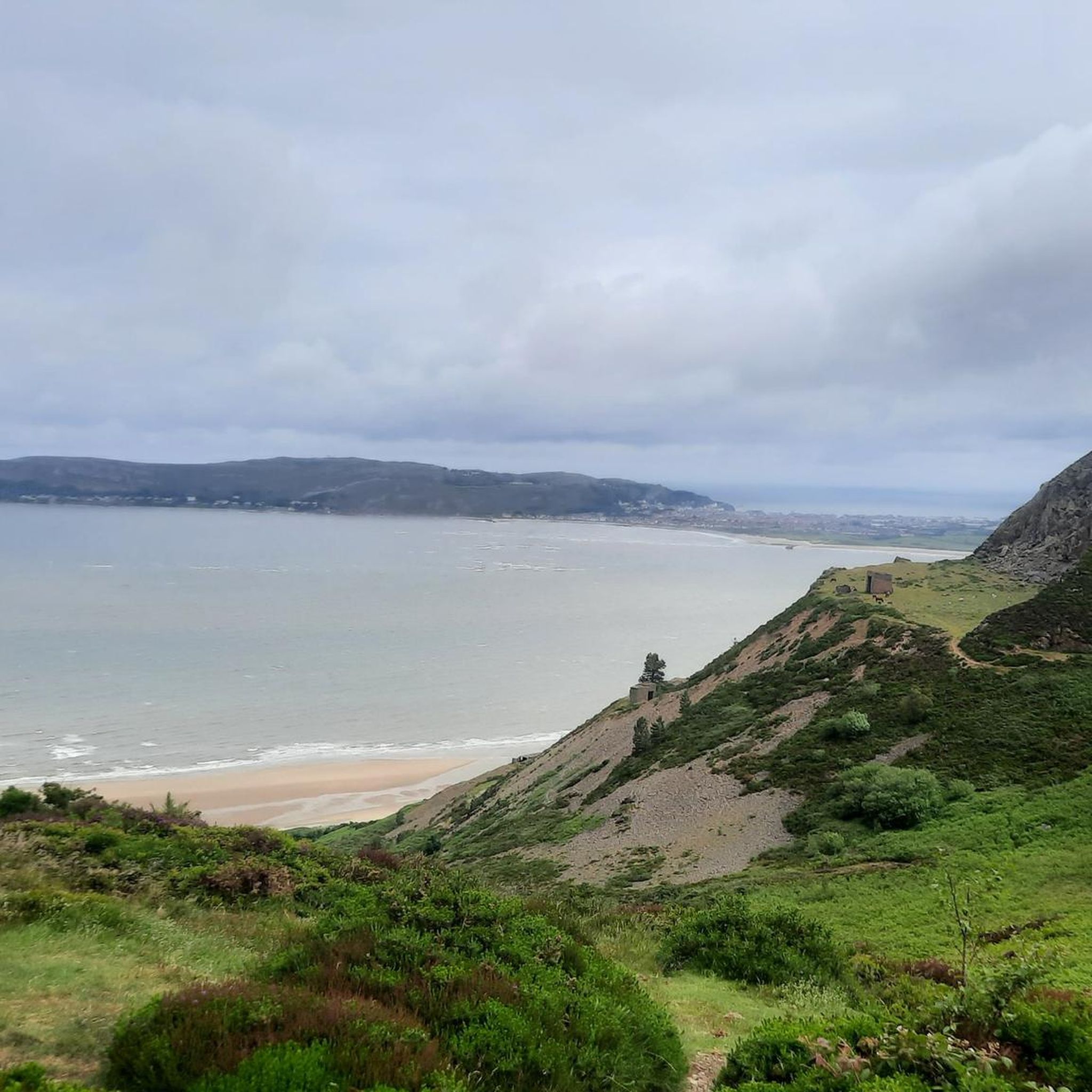
The reservoir was originally built in 1924 to supply water for the hydro-electric power station in Dolgarrog, which in turn powered an aluminium smelting works. This power station is still operational today. Coedty Reservoir is historically significant due to its involvement in the devastating Dolgarrog Dam Disaster of 1925. The failure of the Llyn Eigiau dam, located upstream, led to a surge of water that also breached the Coedty dam. This resulted in a catastrophic flood that swept through the village of Dolgarrog, causing the loss of 16 lives. Coedty dam is a "balance tip" dam, meaning water flows from it automatically when it reaches high levels. This excess water flows into a spectacular gorge below, which is used by outdoor pursuit groups. However, gorge walking here can be dangerous due to the sudden releases of water.
0
0
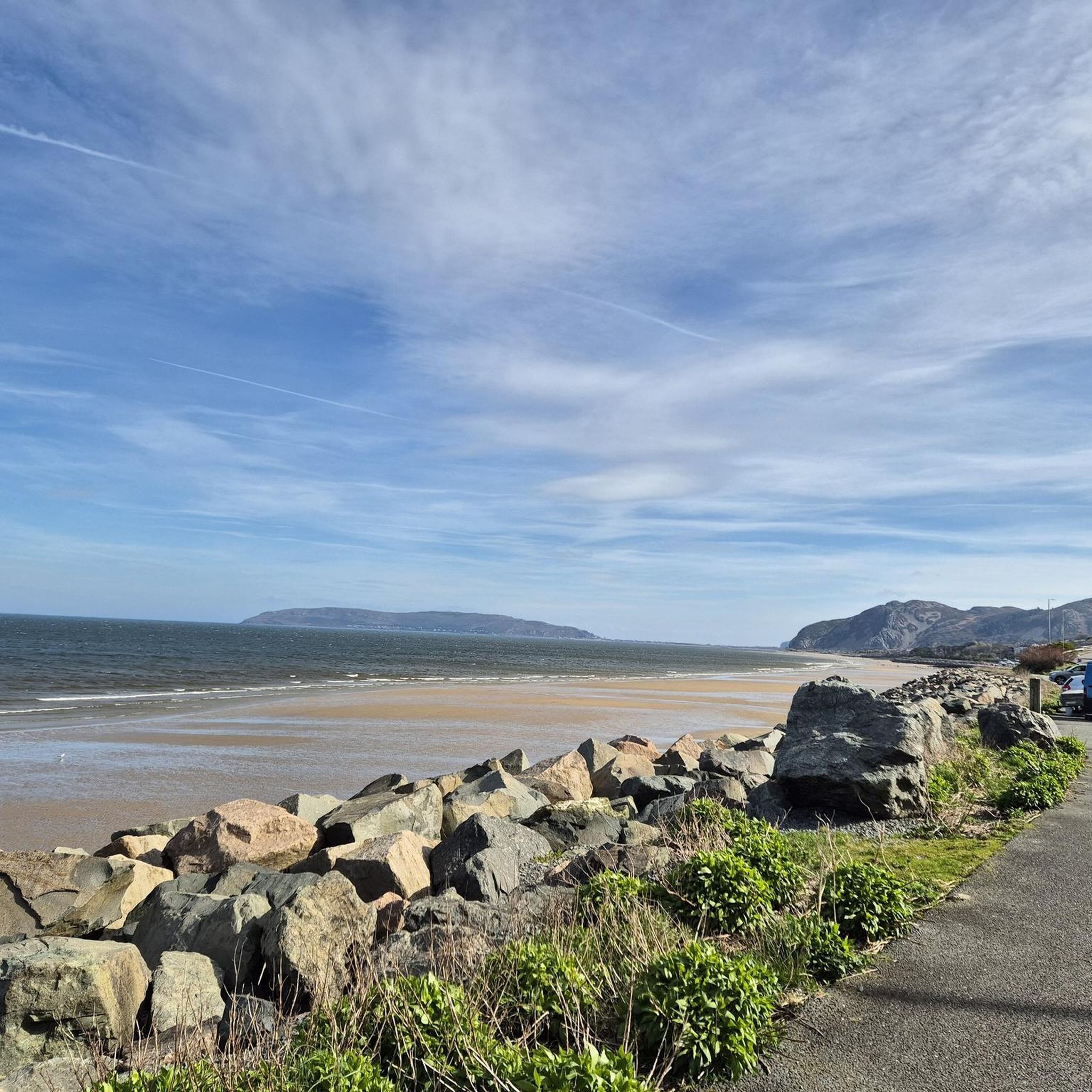
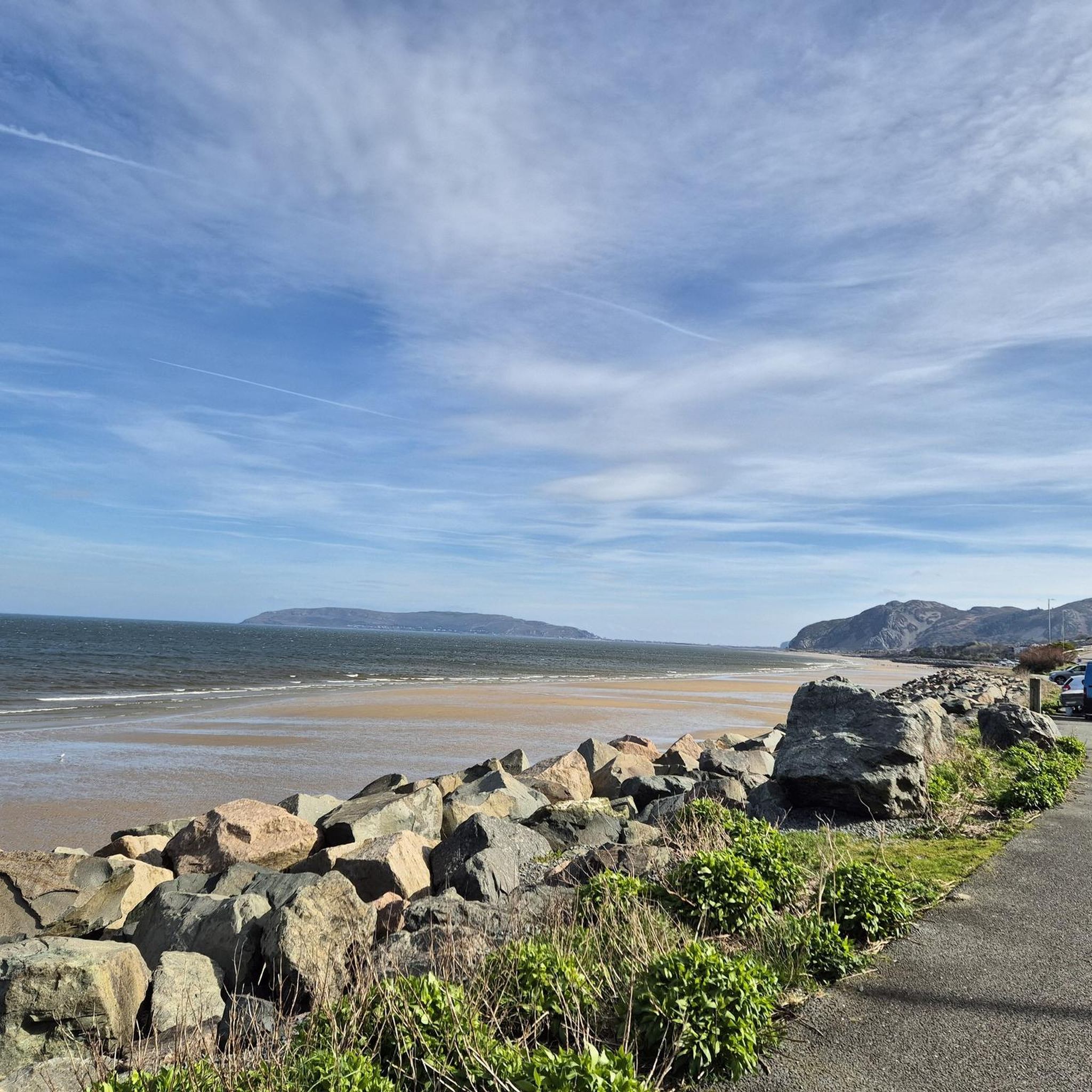
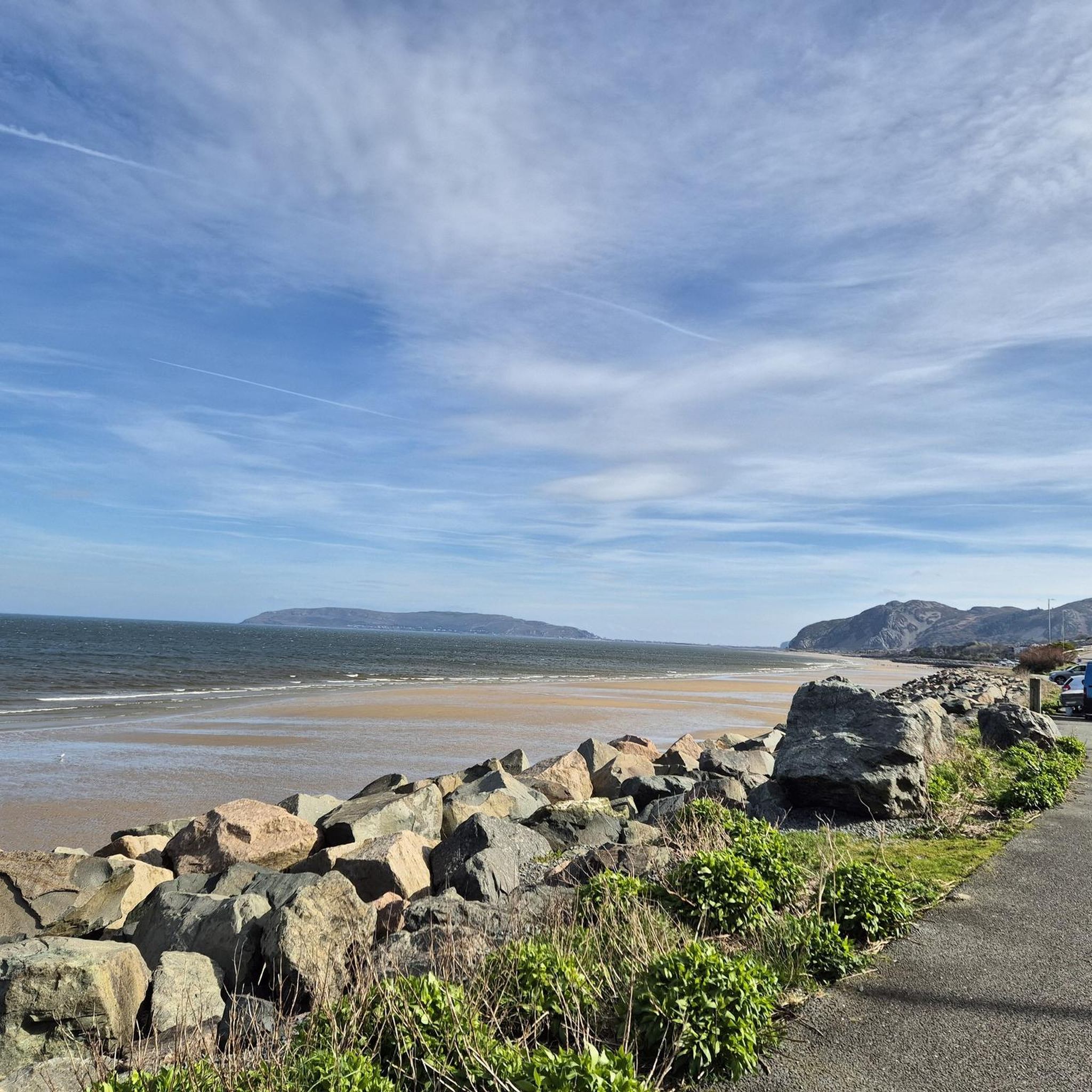
West Shore Beach lies on the south-western side of North Wales’ Llandudno headland. It is less busy than the more developed North Shore and has lovely views over Conwy Bay and out towards Anglesey. At low tide there is a large expanse of golden sand which is suitable for ball games and kitesurfing. As the beach faces west it enjoys some spectacular sunsets. Cars can be parked along West Parade and there is a small car park at the southern end of the road. The beach has a cafe and toilets and there is a quiet promenade along which toilets and a cafe can be found. There is a boating lake and young children’s play area close to the beach. Dogs are not allowed on the main section of beach between the two stone groynes from 1st May to 30th September. However, there is plenty of beach to either side that is dog-friendly year round.
0
0

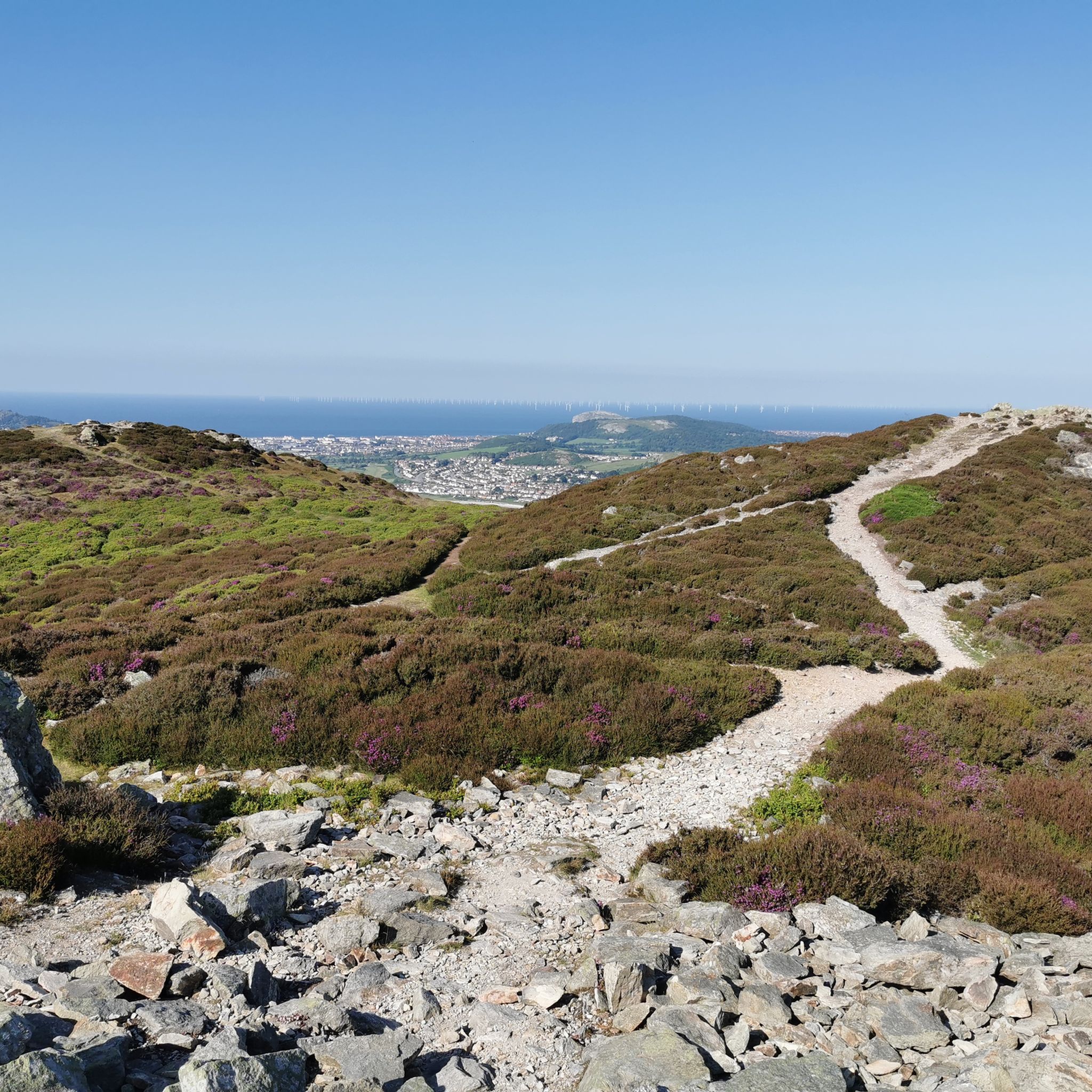
Ffynnon Llugwy is a lake in the Carneddau range of mountains in Snowdonia, North Wales. It lies at a height of about 1,786 feet and covers an area of some 40 acres. It has a maximum depth of 146Ft
0
0

Ffynnon Llugwy lies at a height of about 1,786 feet (544 m) and covers an area of some 40 acres and has a maximum depth of 146 ft (45 m). Since the early twentieth century water has been taken from its outflow, Afon Llugwy to feed Llyn Cowlyd via a series of leats. Since the mid 1970s the lake has additionally acted as a reservoir for Bangor and eastern Anglesey, which necessitated the laying of an 11-mile pipeline to the water treatment works at Mynydd Llandegai. Afon Llugwy which flows via Capel Curig and Betws-y-coed before becoming a tributary of the River Conwy.
0
0

Eigiau Dam Disaster. On 2 November 1925 the failure of two dams caused a flood that swamped the village of Dolgarrog, killing 16 people. The disaster was started by the failure of the Eigiau Dam, a gravity dam owned by the Aluminium Corporation. The water released from the reservoir flooded downstream,[10] and overtopped the Coedty Dam, an embankment dam. This dam also subsequently failed, releasing the huge volume of water that flooded Dolgarrog.[11] Many more villagers could have been killed had they not been in the local theatre watching a film that night. The disaster at Dolgarrog led the British parliament to pass the Reservoirs (Safety Provisions) Act in 1930, which introduced laws on the safety of reservoirs. This has since been updated, and the current one is the Reservoirs Act, 1975.
5
0

Decent from drum is intense in the summer but beware of the slush when recent rain.
2
0


A high, shallow lake in the Northern Carneddau, easily found at the top of the access road following the Afon Anafon. With incredible views from this high vantage point, it makes for a cracking and secluded wild swimming spot which makes the hard climb to get there all the more worthwhile!
1
0
Frequently Asked Questions
What types of lakes and reservoirs can I explore near Penmaenmawr?
Near Penmaenmawr, you'll find a diverse range of water bodies, from high-altitude mountain lakes like Ffynnon Llugwy in the Carneddau range, to historical reservoirs such as Coedty Reservoir with its industrial heritage. There are also smaller, tranquil spots like the lakeside area within Parc Plas Mawr for relaxation.
Are there any historical sites related to the lakes around Penmaenmawr?
Yes, the area is rich in history. You can visit the Eigiau Dam Ruins, a poignant reminder of the 1925 Dolgarrog Dam Disaster. Coedty Reservoir also played a significant role in this event and features a unique 'balance tip' dam. The Penmaenmawr Mountain Reservoir, constructed between 1889 and 1900, offers insight into local water management history.
Which lakes are suitable for fishing near Penmaenmawr?
For anglers, Ffynnon Llugwy is a prime spot, known for wild brown trout and arctic char. Fishing is often free for rod license holders. Coedty Reservoir also contains brown trout, though its primary appeal is historical.
What kind of walking and hiking opportunities are there around the lakes?
The lakes offer excellent walking opportunities. The elevated position of Ffynnon Llugwy provides a great starting point for mountain walks in the Carneddau. The eastern side of Coedty Reservoir features the trackbed of the former Eigiau Tramway, offering scenic routes. For more specific routes, you can explore the running trails around Penmaenmawr, which include paths near the coast and mountains.
Are there any family-friendly lake spots or activities?
While many mountain lakes require a walk, the lakeside spot within Parc Plas Mawr in Penmaenmawr village offers a tranquil setting for relaxation, reading, or enjoying the serene environment, which can be suitable for families seeking a quiet moment. For more active families, the nearby Llandudno West Shore Beach has a boating lake and a young children’s play area close to the beach.
What is the best time of year to visit the lakes around Penmaenmawr?
The best time to visit generally depends on your preferred activities. Spring and summer offer milder weather for walking and enjoying the natural beauty. Autumn provides stunning foliage, while winter can offer dramatic, wild landscapes, though conditions can be challenging, especially at higher altitudes like Ffynnon Llugwy.
Can I engage in outdoor sports like cycling or mountain biking near the lakes?
Yes, the region offers various cycling and mountain biking routes. You can find challenging gravel biking routes, such as those near the Eigiau Valley, which can take you close to the Eigiau Dam Ruins. For more options, check out the cycling and gravel biking guides for Penmaenmawr.
Are there any unique natural features or viewpoints to see?
Absolutely. Ffynnon Llugwy, situated at 1,786 feet, offers breathtaking mountain views, especially towards peaks like Carnedd Llewelyn. Coedty Reservoir's 'balance tip' dam allows excess water to flow into a spectacular gorge below, which is a unique sight.
What do visitors appreciate most about the lakes in this area?
Visitors frequently appreciate the diverse natural beauty, from the wild, untamed feel of mountain lakes to the historical significance of the reservoirs. The opportunities for mountain walks, the tranquil settings, and the stunning views are often highlighted by the komoot community.
Is there public transport available to reach the lakes?
While Penmaenmawr itself has public transport links, reaching some of the more remote mountain lakes like Ffynnon Llugwy often involves a significant walk from the nearest accessible point. It's advisable to plan your journey, as direct public transport to all lake shores may be limited.
Are there any specific safety considerations for visiting Coedty Reservoir?
Yes, Coedty Reservoir has historical significance due to the 1925 Dolgarrog Dam Disaster. The gorge below the dam is used by outdoor pursuit groups for gorge walking, but visitors should be aware of the potential dangers from sudden water releases from the 'balance tip' dam. Always exercise caution and be aware of your surroundings.
Where can I find more information about the history of Coedty Reservoir?
For more detailed historical information about Coedty Reservoir and its role in the Dolgarrog Dam Disaster, you can refer to resources like Wikipedia or the Coflein website, which documents Welsh archaeological and architectural heritage.
Most popular routes around Penmaenmawr
Most popular attractions around Penmaenmawr

Get inspired with the komoot mobile app


Explore more
Still not found your perfect lake around Penmaenmawr? Check out the guides of these regions to see even more beautiful places.
