Top 20 Caves in the Carpathian Mountains
Best caves in the Carpathian Mountains feature a diverse range of underground formations, from expansive ice caves to ancient archaeological sites. This mountain range is known for its unique geological features and historical significance, attracting both adventurers and researchers. The region offers a variety of subterranean landscapes, including natural caves and former salt mines. These sites provide insights into natural history and human activity across the Carpathian arc.
Best caves in the Carpathian Mountains
- The most popular caves is Suspension bridge at the Washed-Out Hideout Cave (Cheile Turzii), a bridge that features small caves located right next to the river. Visitors can climb through these caves with some skill.
- Another must-see spot is Dragon's Cave, a challenging cave with a metal ladder and chains for ascent. Visitors can expect a great view after navigating the cave.
- Visitors also love Belianska Cave, a natural monument known for its impressive sinter waterfalls and the "Hall of Music". It is the largest and only cave system open to the public in the High Tatras National Park in Slovakia.
- Carpathian Mountains is known for ice caves, archaeological caves, and salt mines. The region offers a variety of caves to see and explore, showcasing diverse geological and historical significance.
- The caves in the Carpathian Mountains are appreciated by the komoot community, with 75 highlights, 96 photos, and 167 upvotes from users.
Last updated: May 9, 2026
Mylna Cave
Highlight • Cave
Total length of the aisles is 1600 meters. A marked hiking trail runs through the cave and connects the two entrances to the cave.
The so-called traverse (crossing) is about 300 meters long
and feasible for almost every man with a good light source.
Translated by Google •
Tip by

Belianska Cave
Highlight • Cave
Translated by Google •
Tip by

Sign up now to discover places like this
Get recommendations on the best single tracks, peaks, & plenty of other exciting outdoor places.
Sign up for free
Istállós-kő Cave
Highlight • Cave
Translated by Google •
Tip by

Scărișoara Cave
Highlight • Cave
Translated by Google •
Tip by

Obłazowa Cave and Kramnica Rock
Highlight • Cave
Well, if you discover that it hides human objects as old as 150 000 year old - it definitely is. Cave lion, reindeer, cave hyena, woolly rhinoceros bones were found here. The human livings used to live here as early as the Stone Age, including the Neanderthals. Believe it or not, the World oldest boomerang was discovered here - it’s more than 32 000 year old, made of a mammoth tusk. The present day throw record is 66m long (using a replica, not the original one :) ). It didn’t come back.
Before discoveries in Obłazowa Cave all Carpathian Paleolithic sites were dated to the Late Paleolithic. No traces of earlier settlements were apparent. This situation has changed with the discovery of the Upper and Middle Paleolithic sequence in the Obłazowa Cave; it means discovering that people used to live here dozens of thousand years earlier than it was thought.
How could such an archaeological treasure remain unknown and so well-conservated? Well, the river sediments would make the riverbed grow higher and higher until literally closing the cave. No one knew what did it hide inside, until the 1985 works started and revealed great discoveries.
Apart from its archeological value, its geology and fauna are also interesting. For example, some High Tatras species grow here (because their seeds were brought down by the waters of Białka River).
If you have a moment, you can hike up Obłazowa rock (by the road); Kramnica lies on the other side of the river. They both stand up some 50 meters above the riverbed level offering splendid views, their walls were used by climbers until it was forbidden due to the Reserve rules.
There are plans to build an archeological museum here.
Tip by

Malinowska Cave
Highlight • Cave
The total length of the cave is 230 m and the deep about 22 m.
The entrance to the cave is located at an altitude of 1080 meters above sea level, on the south-eastern slopes of the Malinów peak (1115 meters above sea level). A short path leads from the main hiking trail to the cave - Red Route, which connects the Salmopol mountain pass with Malinowskie Skały peak.
Since last summer the cave is built with fixed ladder and without climbing equipment
you can visit the underworld, provided you bring your own light.
Translated by Google •
Tip by
Suspension bridge at the Washed-Out Hideout Cave (Cheile Turzii)
Highlight • Bridge
Translated by Google •
Tip by

Salina Turda
Highlight • Cave
One "cave" is 50x80 m and 42 m high (168,000 m3), the other has a diameter of 75 m and is 90 m high.
A huge thing, extremely worth seeing! Be sure to watch the video, it's really well done.
salinaturda.eu/en
Translated by Google •
Tip by

Valley of the Little Meadow
Highlight (Segment) • Gorge
It lies at an altitude of over 1000 meters and is crossed by the Małołącki Potok.
Translated by Google •
Tip by

Kmietowicz Rock
Highlight • Natural Monument
Translated by Google •
Tip by

Sign up for free to discover even more caves in the Carpathian Mountains.
Sign up for free
Already have an account?
Start today with a free account
Your next adventure awaits.
Login or Signup
Popular around Carpathian Mountains
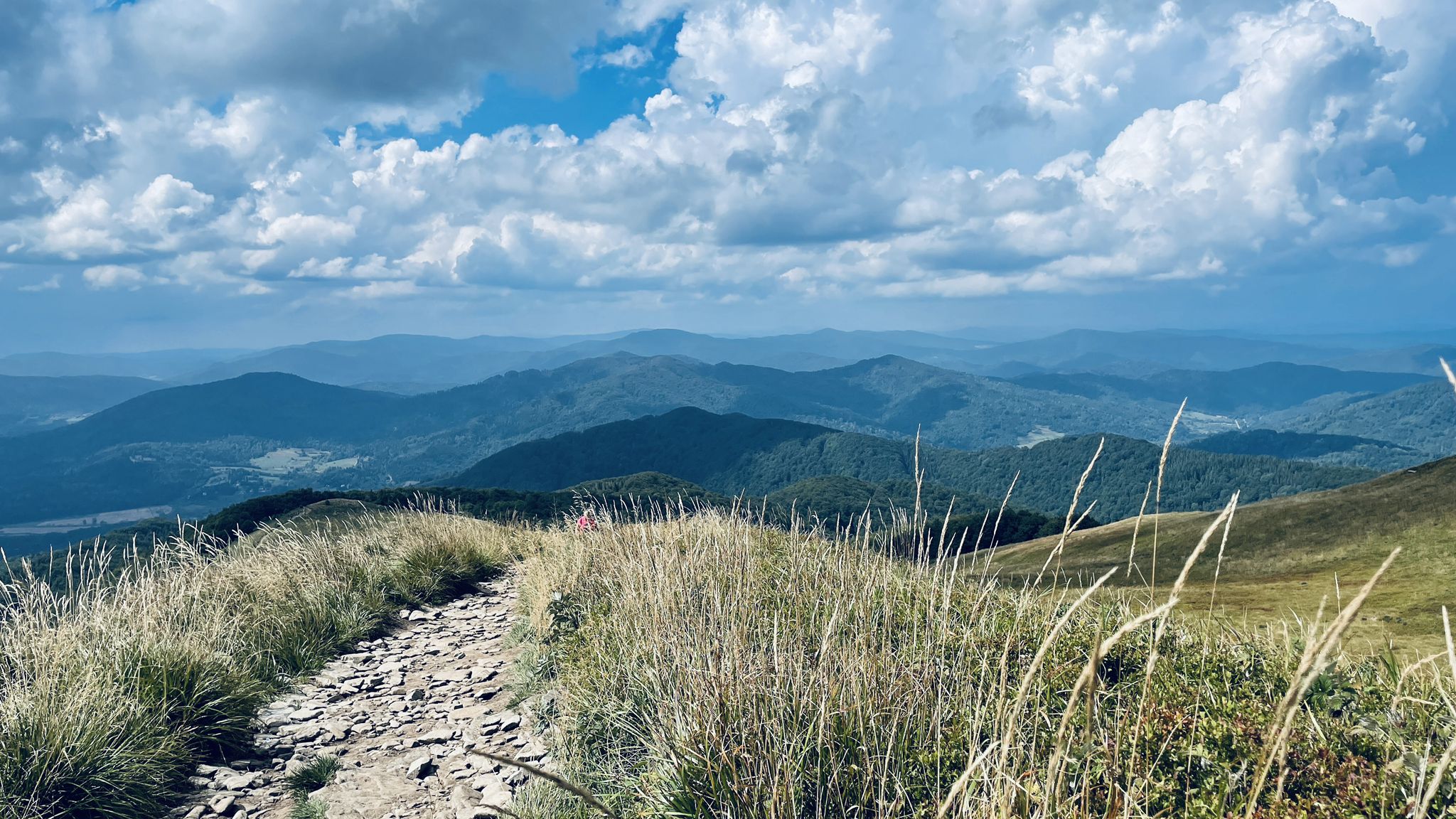
Main Beskids Trail — the longest Polish Mountain Trail

NorthCape4000 – 12 days from Lake Garda to the North Cape
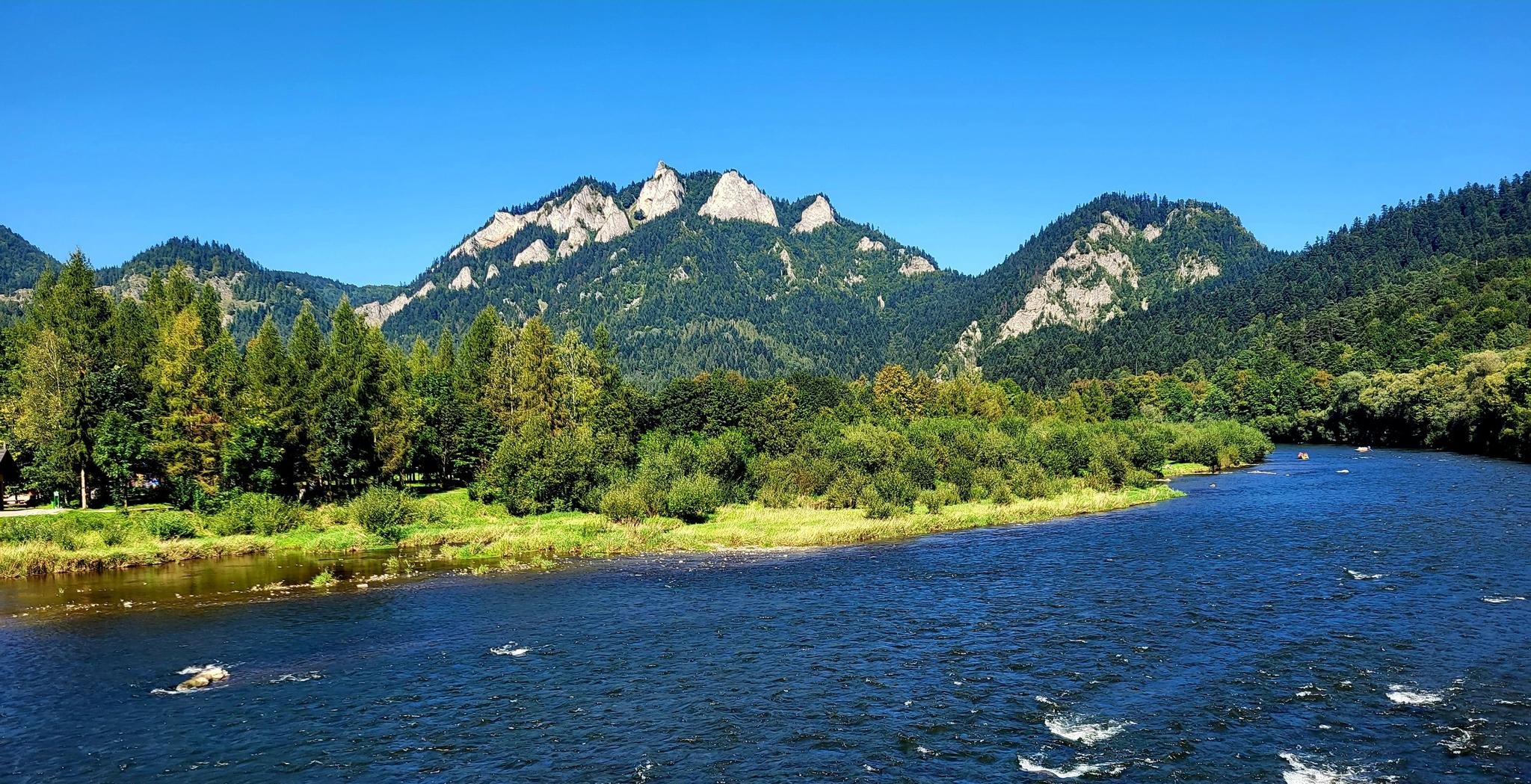
From Zakopane to Nowy Sącz along the river - Velo Dunajec
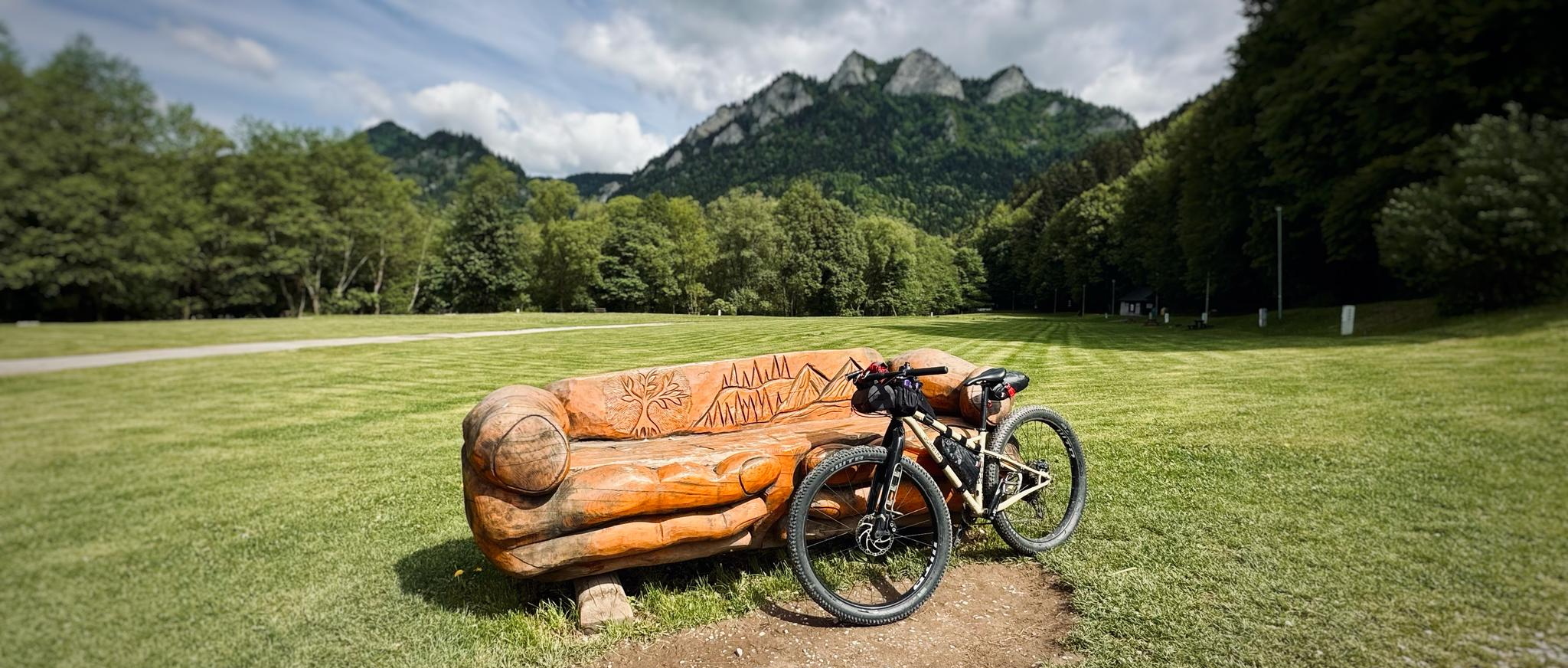
Between the Vistula & the High Tatras – bikepacking through Małopolska
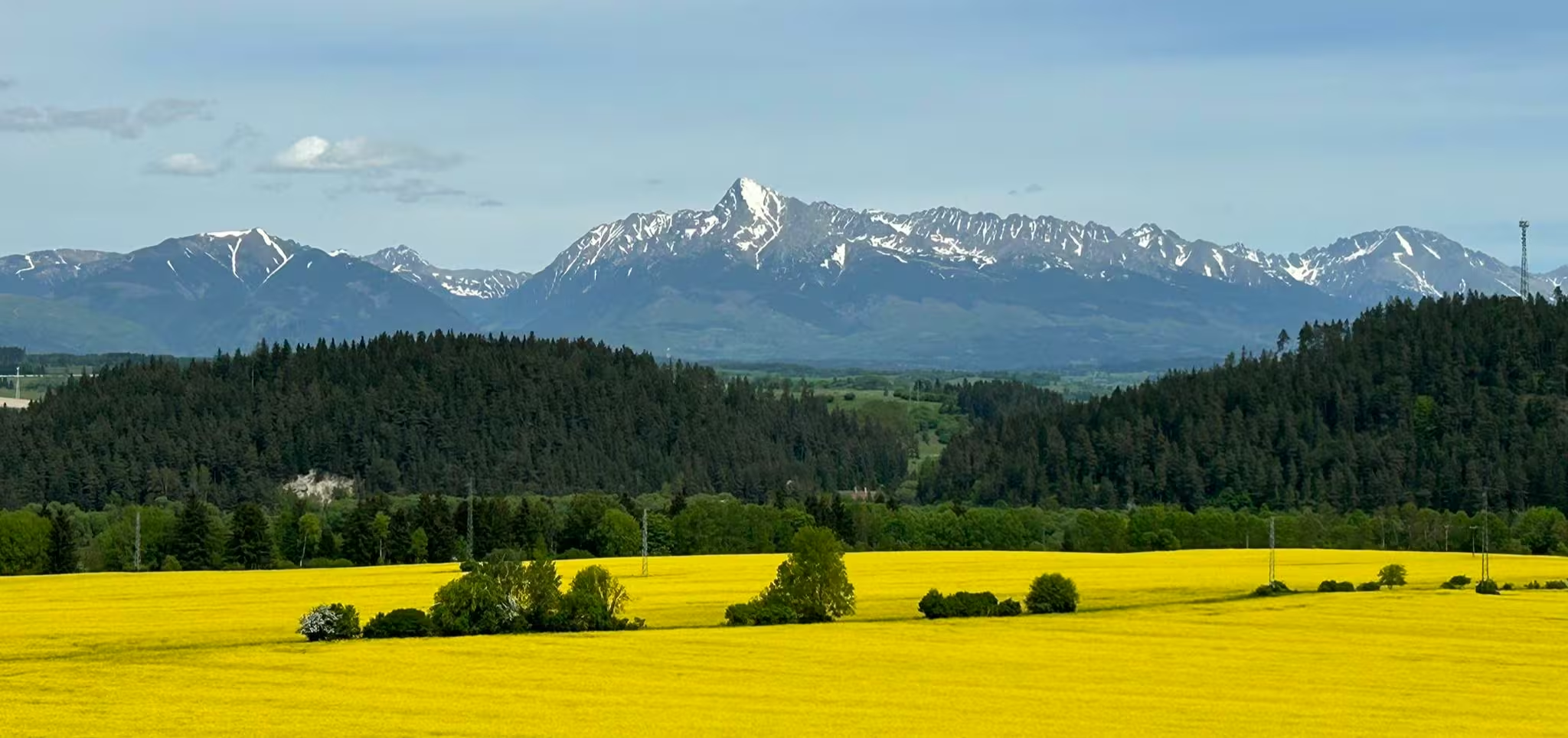
Discover the majesty of the mountains - Tour Around the Tatra Mountains (SWT)
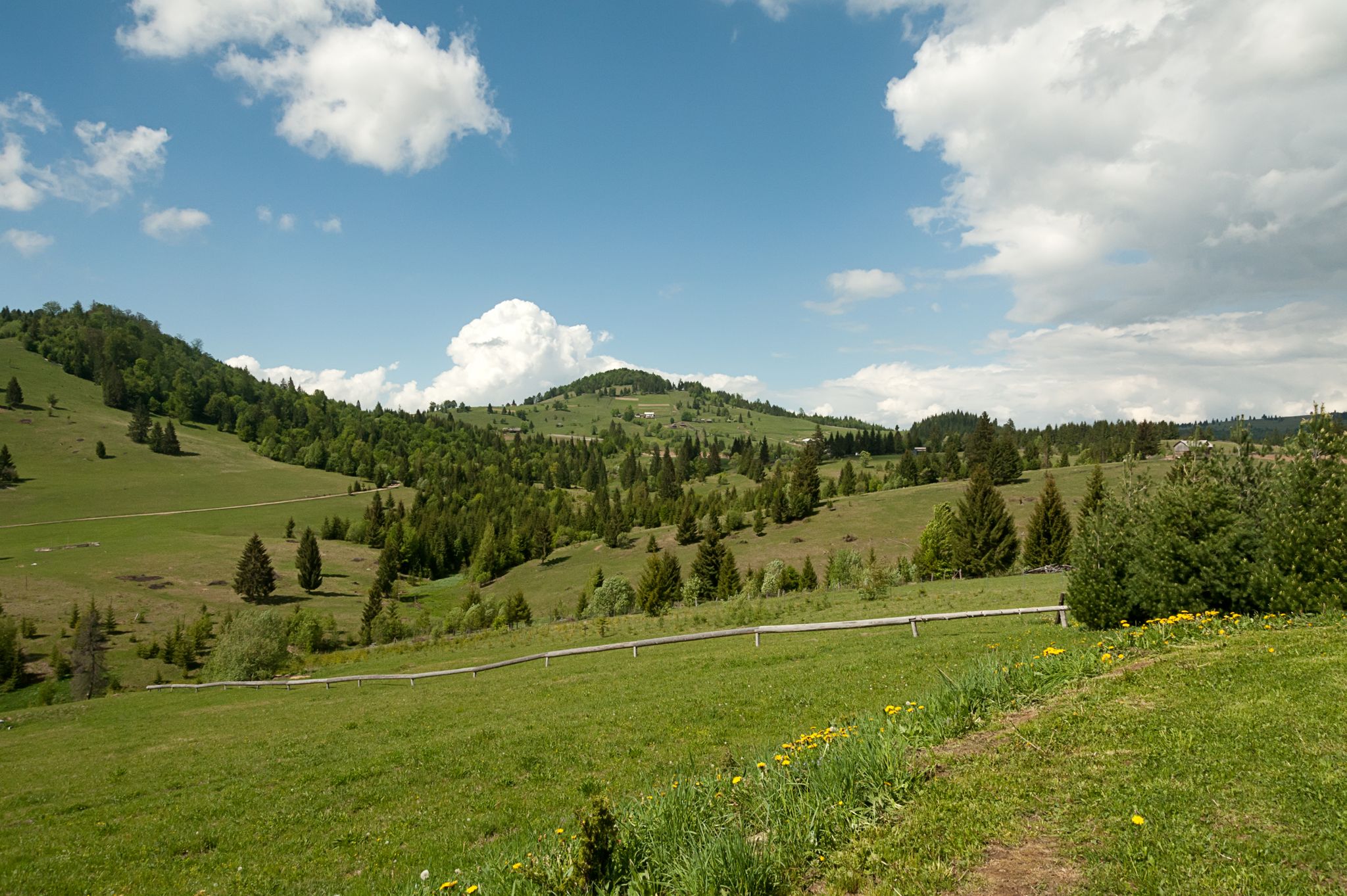
Via Transilvanica (second section) – Highlands
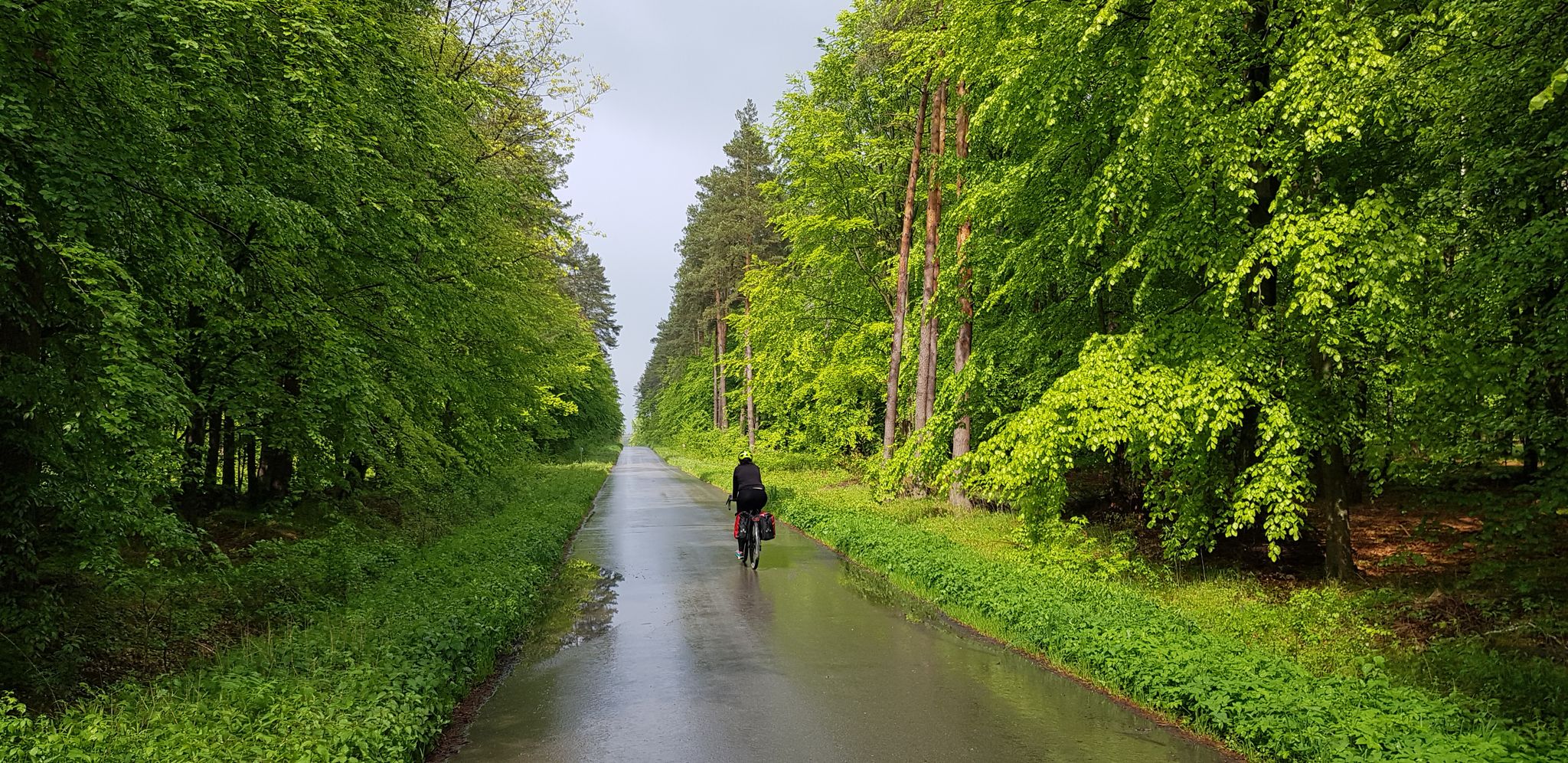
To the east, Eden – La Green Velo Szlak (part one)
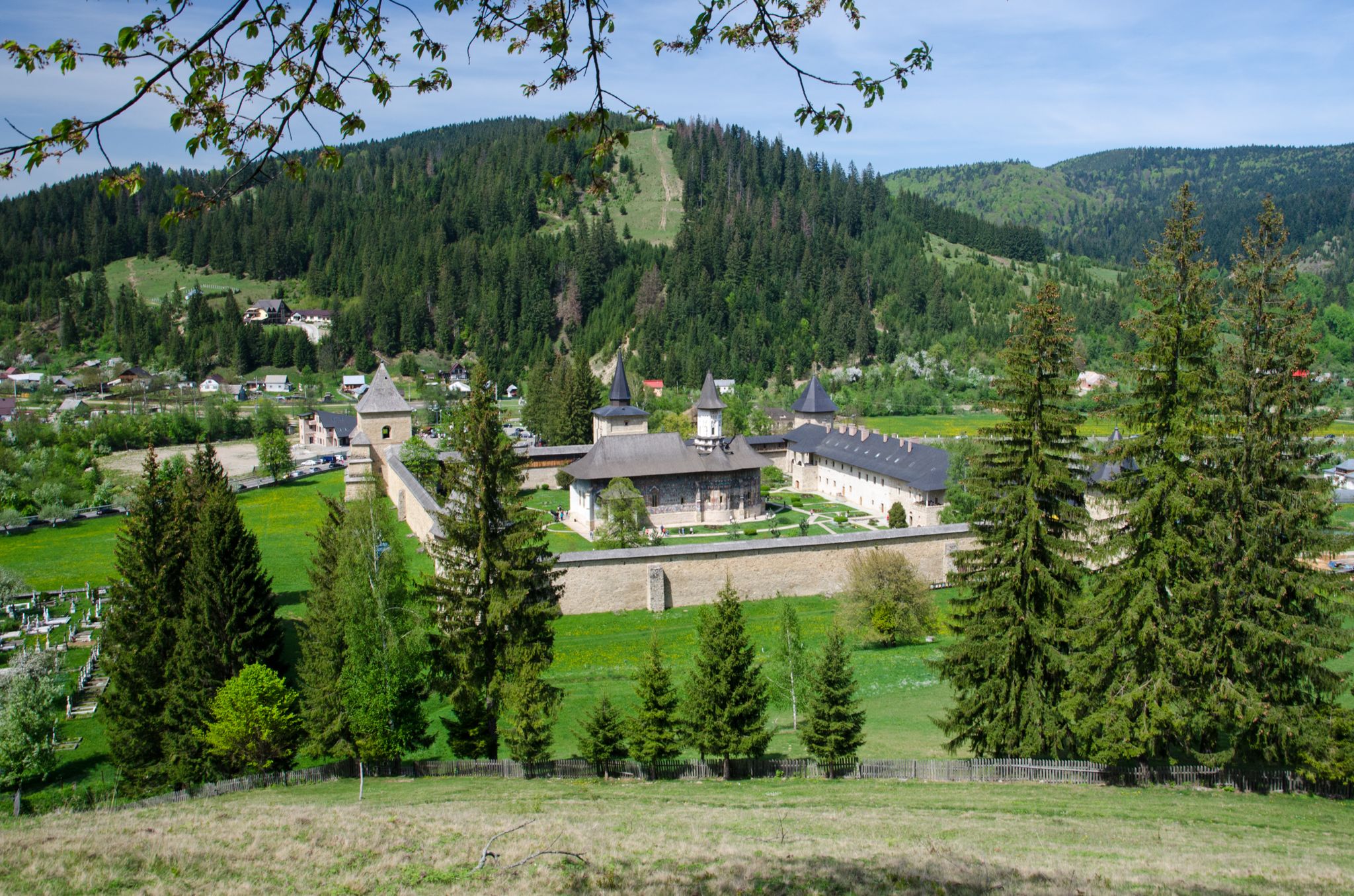
Via Transilvanica (first section) – Bucovina
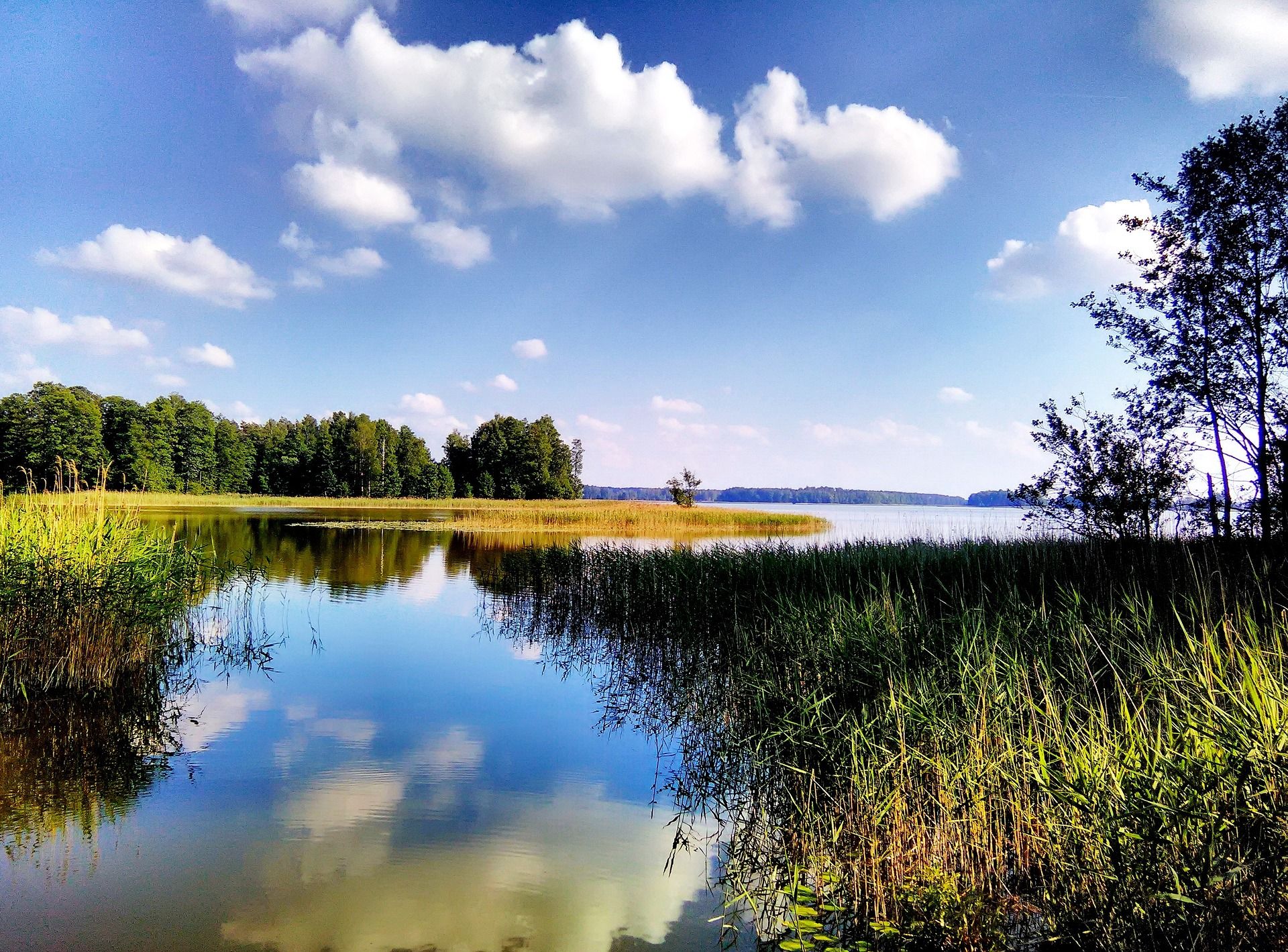
Where Poland's wild soul lives – explore five regions by bike
TCR No. 8 — racing across Europe
Other adventures in the Carpathian Mountains


Tips from the Community

A visit requires a bit of stamina, as the path includes many steps: Length: approx. 1,370 meters. Duration: Approx. 70 minutes. Steps: A total of 860 steps. Temperature: Constant 5°C to 6.3°C – so be sure to bring a jacket, even in summer! Ascent: From the parking lot in Tatranská Kotlina, a forest path of about 1 km leads steeply uphill to the entrance (approx. 25-minute walk).
0
0
Belianska Cave (Slovak: Belianska jaskyňa) is the largest and only cave system open to the public in the High Tatras National Park in Slovakia. It is located above the village of Tatranská Kotlina and is famous for its impressive sinter waterfalls and the "Hall of Music".
0
0

The Turda Salt Mine (Salina Turda) is a former salt mine in Cluj County, Transylvania. What makes this salt mine unique is the amusement park located 120 meters underground, featuring a 20-meter-high Ferris wheel, a boat tour on the salt lake, and a miniature golf course. An amphitheater, a bowling alley, and billiard tables are also located deep underground.
2
0

It's worth going there, but remember that the Cave itself is unlit, wet in places, and very cramped... and it was used as a location for shots for the new Mr. Kleks.
0
0

Extensive archaeological work since 2000 has confirmed that people lived in the Szalajka Valley as early as 40,000 years ago. The cave dwellers lived in the Istállós cave and even had contact with other tribes from the valley, some of which lived 500 kilometers away. People also lived in the idyllic valley during the Bronze Age, as evidenced by Celtic relics and an early earthwork. Nevertheless, there were no major settlements within the valley until the Middle Ages, as trade routes were difficult to establish in the heavily forested area. Continuous settlement in the Szalajka Valley began in the 14th century, when people settled in the village of Wárad, now known as Szilvásvárad. The high-quality timber served as a source of urban income even in the Middle Ages, leading to increasing numbers of settlements. Source: https://www.urlaub-ungarn.at/sightseeing/natuerliche-gehenswuerdigkeiten-ungarn/szalajka-tal.html
0
0

A beautiful rock, it makes an amazing impression on the way back from the clearing
0
0

Wielka Polana Małołącka is a mountain clearing in the Mała Łąka Valley. It lies at an altitude of 1,170–1,200 m. It was formed on the site of a former glacial lake, which eventually filled with erosion sediments carried down from the mountains by flowing waters. It is known for its panoramic views and the view of Giewont.
2
0

This rock at an altitude of 987m above sea level is made of dolomite. There are two small caves in the rock, called "shelters". The rock was named after Father Józef Leopold Kmietowicz, the leader of the Chochołów Uprising of 1846. You will also find a commemorative plaque here commemorating all the participants of that uprising. There are a few rocks here worth seeing. It is worth leaving your bike somewhere and taking a closer look.
0
0
Frequently Asked Questions
What types of caves can I explore in the Carpathian Mountains?
The Carpathian Mountains offer a diverse range of underground experiences, including natural limestone caves with impressive formations, ancient ice caves, and even vast former salt mines. You can find archaeological sites within caves, as well as those known for unique geological features.
Are there any ice caves in the Carpathian Mountains?
Yes, the Carpathian Mountains are home to significant ice caves. A notable example is Scărișoara Cave in Romania, which boasts the second-largest underground glacier in Southeast Europe. Another is Vartop Glacier Cave, also in Romania's Apuseni Mountains, known for its combination of ice and limestone formations.
Which caves in the Carpathian Mountains are known for their historical or archaeological significance?
Several caves in the Carpathians hold historical and archaeological importance. Romania's Bears Cave (Peștera Urșilor) is famous for its 15,000-year-old cave bear fossils. Vartop Glacier Cave preserves three Neanderthal footprints. In Hungary, Istállós-kő Cave is one of the country's most protected and frequently visited prehistoric cave complexes, offering insights into ancient human activity.
Are there any family-friendly caves to visit in the Carpathian Mountains?
Yes, some caves are suitable for families. Salina Turda, a former salt mine in Romania, is a highly recommended family-friendly attraction with vast underground chambers and recreational activities. The Valley of the Little Meadow also features family-friendly sections and caves.
What unique geological features can I expect to see in Carpathian caves?
You can expect to see impressive stalagmites and stalactites, sinter waterfalls, and vast underground chambers. Caves like Belianska Cave in Slovakia are renowned for their sinter formations and a unique 'Hall of Music.' Optymistychna Cave in Ukraine is a gypsum cave, holding records for its immense length and unique geological composition.
What is the longest cave in the Carpathian Mountains?
Optymistychna Cave in Ukraine is the longest gypsum cave globally, the longest cave in Eurasia, and the third longest in the world, with over 200,000 meters in length. It is a premier destination for serious speleologists.
Can I find challenging cave experiences in the Carpathian Mountains?
Yes, some caves offer more challenging experiences. For instance, Dragon's Cave involves navigating a metal ladder and chains for ascent, requiring skill and vigilance. Suspension bridge at the Washed-Out Hideout Cave (Cheile Turzii) also involves climbing through small caves next to a river.
What outdoor activities can I do near the caves in the Carpathian Mountains?
The Carpathian Mountains offer a wide range of outdoor activities near the caves. You can find numerous mountain hikes, waterfall hikes, and MTB trails. Popular routes include those around the Tatra National Park, offering diverse terrain from easy to difficult.
Are there any salt mines that can be visited in the Carpathian Mountains region?
Yes, the region features impressive former salt mines that are open to visitors. Salina Turda in Romania is a spectacular underground attraction, reaching depths of 120 meters with vast chambers. Slănic Salt Mine (Salina Slănic Prahova), also in Romania, is Europe's largest salt mine, offering therapeutic saline air and insights into mining history.
What do visitors enjoy most about exploring caves in the Carpathian Mountains?
Visitors frequently highlight the breathtaking natural beauty, the unique geological formations, and the sense of adventure. The historical and archaeological significance of many sites, such as ancient fossils and prehistoric findings, also captivates explorers. The diverse experiences, from ice caves to vast salt mines, are highly appreciated.
What is the best time to visit caves in the Carpathian Mountains?
The best time to visit can vary depending on the specific cave. For ice caves like Scărișoara, summer months might offer a stark contrast to the outside temperature, making the ice formations particularly striking. For other caves, spring to autumn generally provides more favorable weather for accessing the sites and enjoying nearby outdoor activities.
Are there any caves in the Carpathian Mountains with impressive entrances?
Yes, some caves are known for their grand entrances. Cetatile Ponorului in Romania, for example, is a 'natural citadel' with the largest cave entrance in Romania. Coiba Mare Cave, also in Romania, features a memorable entrance that is 47 meters long and 74 meters wide.
Most popular routes in the Carpathian Mountains
Most popular attractions in the Carpathian Mountains

Get inspired with the komoot mobile app


