Top 20 Castles in the Carpathian Mountains
Best castles in the Carpathian Mountains offer a glimpse into centuries of European history, from medieval fortifications to opulent royal residences. This mountain range, spanning several countries, is characterized by its diverse terrain and rich cultural heritage. The region's natural landscape provides dramatic settings for these historical structures, many of which are perched on hilltops or nestled in valleys. These strongholds showcase various architectural styles and historical significance.
Best castles in the Carpathian Mountains
- The most popular castles is Peleș Castle, a castle that is a magnificent Neo-Renaissance palace with intricate woodwork and elaborate interior decor. It is home to a museum with an impressive collection of paintings, sculptures, and antique furniture.
- Another must-see spot is Niedzica Castle, a Gothic castle built in the 14th century. This castle stands above the Czorsztyn Reservoir and offers opportunities to explore its architecture and the surrounding landscape.
- Visitors also love Bran Castle (Dracula’s Castle), a medieval fortress dating back to the early 13th century. Its Gothic appearance and dramatic setting contribute to its allure, offering insights into Transylvanian history and legends.
- Carpathian Mountains is known for medieval fortresses, royal residences, and Neo-Renaissance palaces. Visitors can explore a variety of castles, from ancient ruins to well-preserved historical sites.
- The castles in the Carpathian Mountains are appreciated by the komoot community, with 182 upvotes and 138 photos shared by visitors.
Last updated: May 9, 2026
Niedzica Castle
Highlight • Castle
A wedding was celebrated on the day of our arrival in the guesthouse, which is wonderfully located on the lake, and the next morning the decorated cake was still on the counter. The cake was not for us, but it was a successful introduction to a very special day.
Translated by Google •
Tip by

Peleș Castle
Highlight • Castle
The greatest specialty of Peleș Castle, which is located in the Carpathian Mountains, is the fairytale-like exterior design of the buildings, which make it look like an enchanted fairytale castle.
Translated by Google •
Tip by

Sign up now to discover places like this
Get recommendations on the best single tracks, peaks, & plenty of other exciting outdoor places.
Sign up for free
Bran Castle (Dracula’s Castle)
Highlight • Castle
Translated by Google •
Tip by

Royal Castle in Nowy Sącz
Highlight • Castle
Translated by Google •
Tip by

Kežmarok Old Town and Castle
Highlight • Historical Site
More information: de.wikipedia.org/wiki/Ke%C5%BEmarok#Sehensw%C3%BCrdbaren
Translated by Google •
Tip by

Spiš Castle (Spišský hrad)
Highlight • Castle
Source: Wikipedia
The upper castle is currently closed and you can visit the grounds of the lower castle for half the entrance fee of €8.
Translated by Google •
Tip by

Łodygowice Palace
Highlight • Castle
The castle has a neo-gothic style. In the park surrounding the castle, you can still come across the still visible old fortifications, i.e. the remains of earth bastions, embankments and moats. The castle has two storeys. The entrance to the castle leads through arcades with a balcony above them.
lodygowice.pl/kompleks-palacowo-parkowy-
pl.wikipedia.org/wiki/Dw%C3%B3r_w_%C5%81odygowicach
Translated by Google •
Tip by

Pieniny Castle Ruins
Highlight • Castle
There is a good information board about the castle: everything looks very dramatic and historical.
Translated by Google •
Tip by

Orava Castle
Highlight • Castle
The first Dracula film, entitled "Vampire Nosferatu", was shot here in 1921.
This film is one of the most important films in film history.
The castle rock rises vertically 118 m above the Orava River. You have to climb 660 steps to reach the top floor. Many different construction phases have shaped this castle over the centuries. The top building, which was built on the needle-shaped tip of the castle rock, is really interesting.
Translated by Google •
Tip by

Presidential Castle in Wisła
Highlight • Castle
A modernist palace in Wisła, erected in 1929–1930 according to the design of Adolf Szyszko-Bohusz for the President of the Republic of Poland, Ignacy Mościcki; in the years 1931-1952 and since 2002 the residence of the President of the Republic of Poland.
Habsburg hunting lodge
In 1906, the Archduke of Cieszyn, Frederick Habsburg, delighted with the richness of the Beskid forests, ordered a hunting lodge to be erected on the slope of Zadni Groń. A one-story, larch building in the Carpathian-Tyrolean style was designed by the archduke builder Ernest Altmann, and it was built by the well-known company of Eugeniusz Fulda from Cieszyn. The facility consisted of two wings folded in the shape of the letter "L", each 37 m long.
They came here mainly to hunt in the forests of Barania Góra: in the spring to the grouse breeding ground, and in the autumn to the deer rutting ground. The guests of Archduke Frederick and his wife Princess Isabella von Croÿ-Dülmen were, among others, in 1915 German Emperor Wilhelm II with General Hindenburg, also Charles I, Emperor of Austria with General Hötzendorf.
pl.wikipedia.org/wiki/President_Castle_of_the_Republic of Poland_w_Wi%C5%9Ble
Translated by Google •
Tip by
Sign up for free to discover even more castles in the Carpathian Mountains.
Sign up for free
Already have an account?
Start today with a free account
Your next adventure awaits.
Login or Signup
Popular around Carpathian Mountains
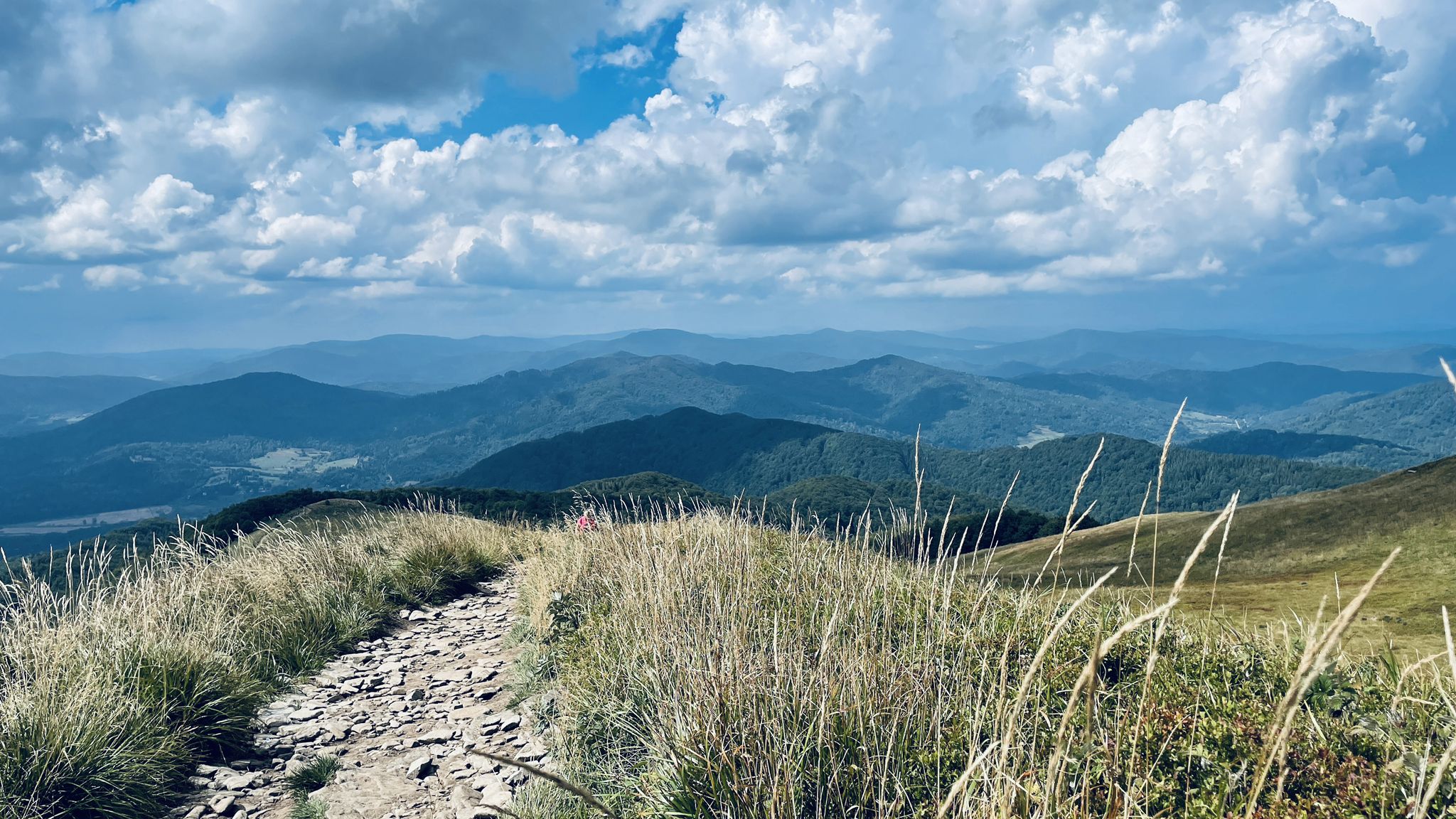
Main Beskids Trail — the longest Polish Mountain Trail
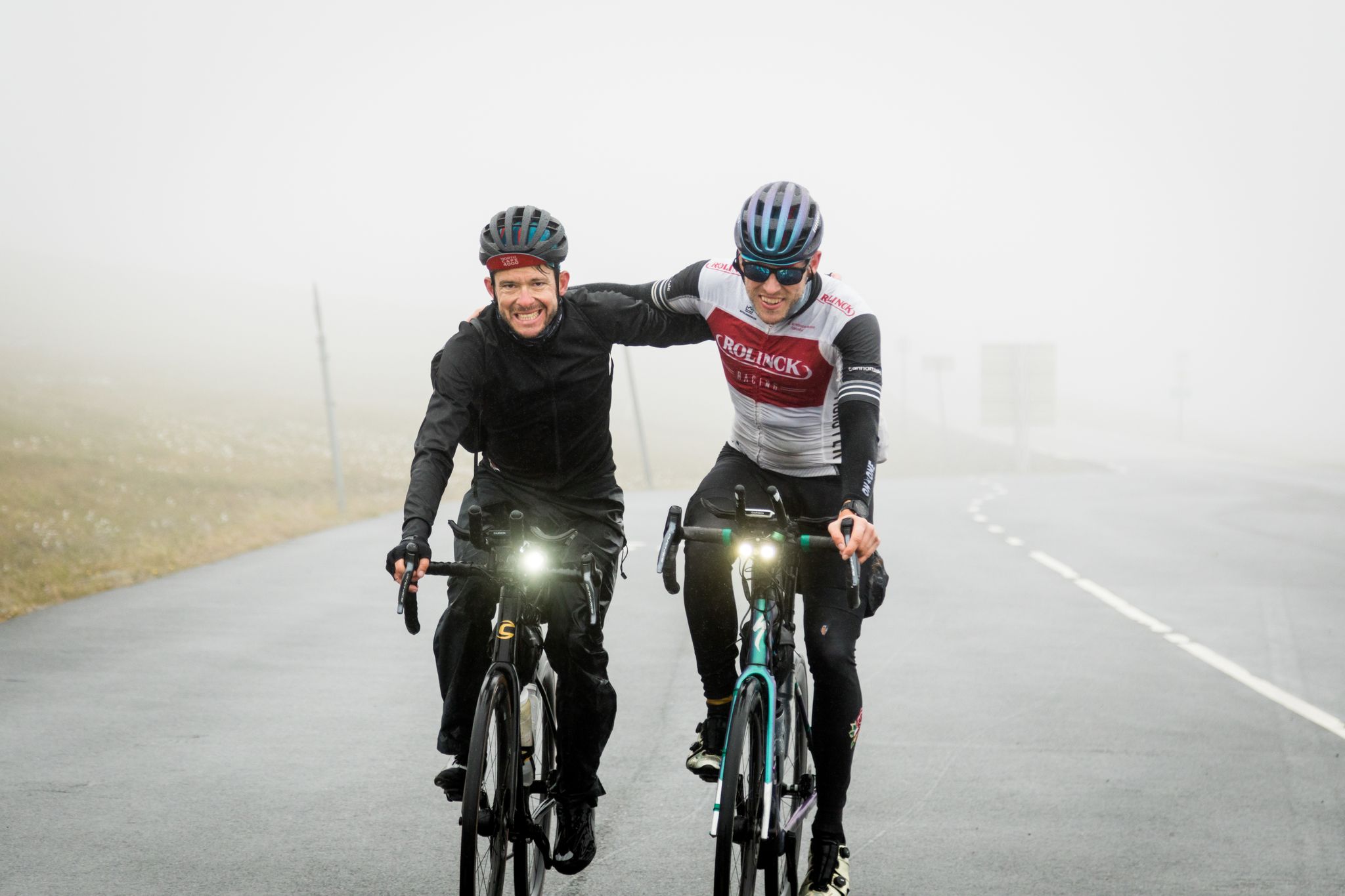
NorthCape4000 – 12 days from Lake Garda to the North Cape
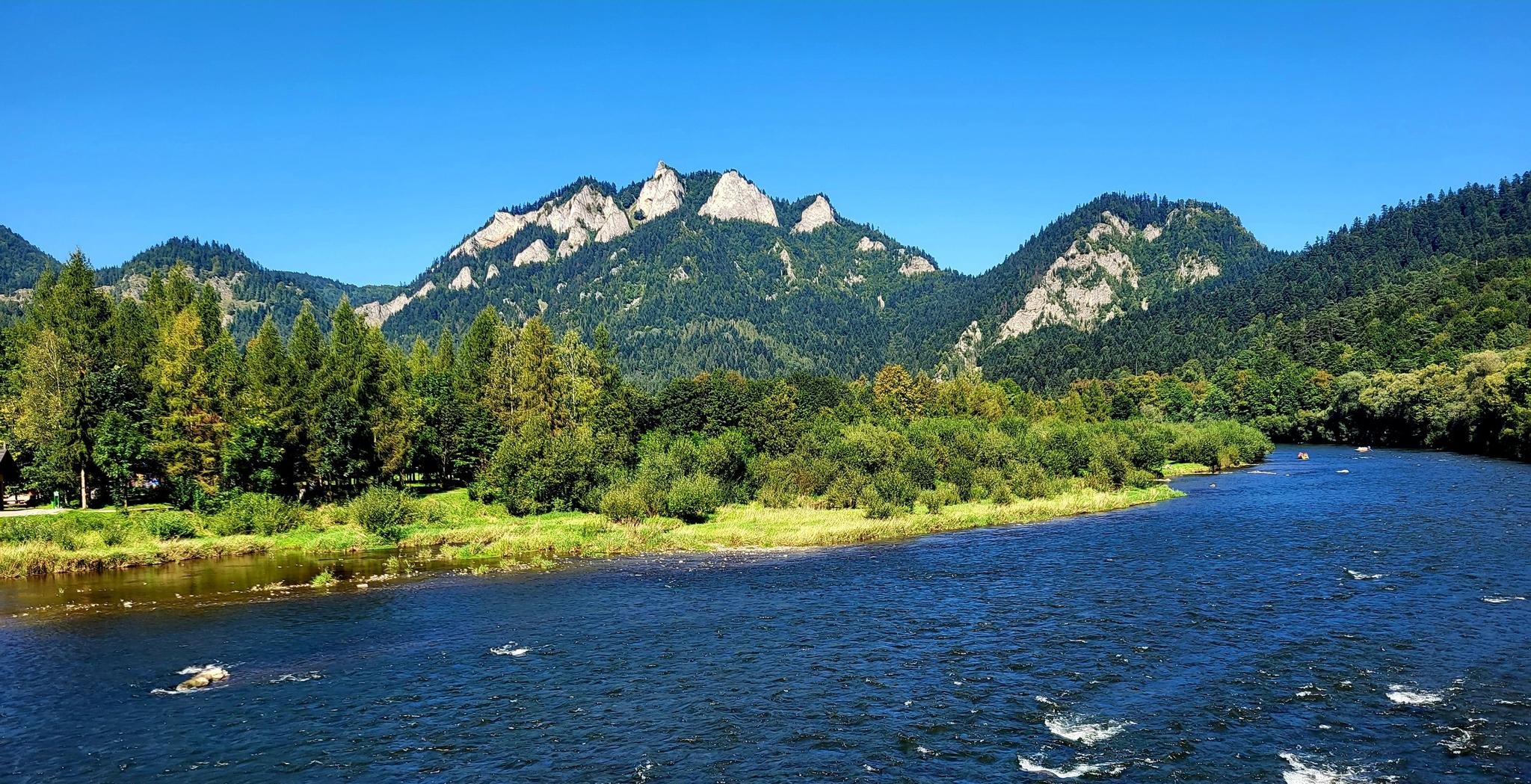
From Zakopane to Nowy Sącz along the river - Velo Dunajec
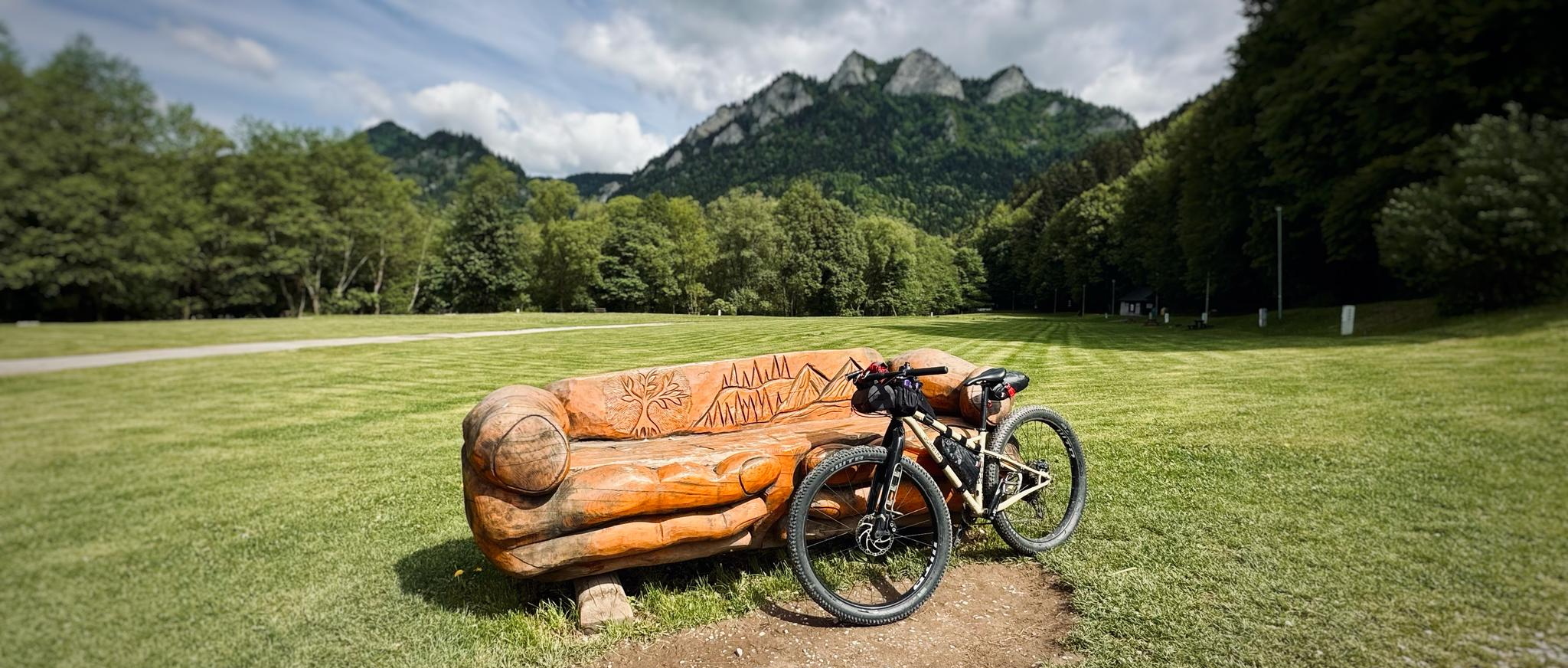
Between the Vistula & the High Tatras – bikepacking through Małopolska
Discover the majesty of the mountains - Tour Around the Tatra Mountains (SWT)
Via Transilvanica (second section) – Highlands
To the east, Eden – La Green Velo Szlak (part one)
Via Transilvanica (first section) – Bucovina
Where Poland's wild soul lives – explore five regions by bike
TCR No. 8 — racing across Europe
Other adventures in the Carpathian Mountains


Tips from the Community

This complex, which still impresses visitors today—what must the people of that time have felt when they saw it?—has been designated a UNESCO World Heritage Site. The television series "Treasures of the World – Heritage of Humanity," which I highly recommend, documents these sites in film segments (each lasting a quarter of an hour). "On a 634-meter-high hill stands Spissky Hrad (Spiš Castle), with its Romanesque palace, keep, and Gothic chapel, as well as the Zápolský Palace, Spisská Kapitula (Spiš Chapter), the former seat of the Spiš Provostship with its provost and twelve canons belonging to the chapter; the three-aisled Cathedral of St. Martin, with one of the few surviving Romanesque sculptures in Slovakia, the 'White Lion,' and the Church of the Holy Spirit in Zehra," it states the series' website. The corresponding film contribution (although only in German) can be accessed in the ARD media library using the following link =>> https://www.ardmediathek.de/video/schaetze-der-welt/burg-spissky-hrad-und-levoca-slowakische-republik-folge-243/swr/Y3JpZDovL3N3ci5kZS82OTI2MTc0
0
0

Orava Castle It is considered one of the best-preserved castles in Slovakia and even in Europe. The first Dracula film, Nosferatu, was filmed here in 1921. However, back then, his name was Count Orlok. Absolutely worth seeing. We used the castle's free app for the audio tour, which I highly recommend.
0
0

Dunajec Castle – a medieval stronghold located on the right bank of the Czorsztyn Reservoir in the village of Niedzica-Zamek, in the Polish Spisz or Zamagurie region (Pieniny Spiskie). The castle was most likely built in the early 14th century by Kokosz Berzeviczy, likely on the site of an earlier defensive structure. During the Middle Ages and later, the castle owners' endowment included estates located in Zamagurie.
0
0
This complex, which still impresses visitors today—what must the people of that time have felt when they saw it?—has been designated a UNESCO World Heritage Site. The television series "Treasures of the World – Heritage of Humanity," which I highly recommend, documents these sites in fifteen-minute film segments. "On a 634-meter-high hill stands Spissky Hrad (Spiš Castle) with its Romanesque palace, keep, and Gothic chapel, as well as the Zápolský Palace, Spisská Kapitula (Spiš Chapter), the former seat of the Spiš Provostship with its provost and twelve canons belonging to the chapter; the three-aisled Cathedral of St. Martin with one of the few surviving Romanesque sculptures in Slovakia, the 'White Lion,' and the Church of the Holy Spirit in Zehra." it the series' website states. The corresponding film contribution (although only in German) can be accessed in the ARD media library using the following link =>> https://www.ardmediathek.de/video/schaetze-der-welt/burg-spissky-hrad-und-levoca-slowakische-republik-folge-243/swr/Y3JpZDovL3N3ci5kZS82OTI2MTc0
1
0

The origins of Bran Castle (German: Törzburg) date back to the early 13th century, when it was initially built as a wooden fortress called Dietrichstein by the Teutonic Knights under the patronage of King Andrew II of Hungary to defend the strategically important pass between Transylvania and Wallachia against invading troops. In 1377, the Transylvanian Saxons of Kronstadt (Brașov) were granted the privilege of building a stone castle. This example of medieval architecture underwent numerous alterations and expansions over the centuries. In the 1920s, the castle became the residence of Queen Marie of Romania, who significantly altered and modernized its interior. Bran Castle's connection to the Dracula legend is a fascinating blend of history, literature, and folklore. Largely a product of the 20th century, this connection owes much to the atmospheric descriptions in Bram Stoker's 1897 novel "Dracula." Although Stoker never visited Romania, his depiction of Dracula's castle was inspired by descriptions of Eastern European castles—and Bran Castle, with its dramatic location and menacing appearance, fits this vision remarkably well.
13
0

Dragon Hard film set...the last legion...
1
0

Niedzica Castle, also known as Dunajec Castle, is a Gothic castle in Niedzica, Poland, on the Czorsztyn Reservoir. Built in the 14th century, it stands imposingly above the lake. The castle has a rich history and today offers visitors the opportunity to explore its architecture and the surrounding landscape. It is a popular tourist destination in the region.
0
0

The Royal Castle in Nowy Sącz is now a picturesque ruin located in a place of exceptional landscape value – on a slope at the mouth of the Kamienica River into the Dunajec River. Built by Casimir the Great in the 14th century, it was once an important administrative and defensive point, visited by kings, including Jadwiga of Anjou and Władysław Jagiełło. Today, you can see the reconstructed Kowalska Tower and fragments of the old walls, and the entire area serves as a city park.
3
0
Frequently Asked Questions
What are some of the most popular castles to visit in the Carpathian Mountains?
Visitors frequently enjoy Peleș Castle, a stunning Neo-Renaissance palace known for its intricate woodwork and art collection. Another favorite is Bran Castle (Dracula’s Castle), a medieval fortress with a dramatic setting. Niedzica Castle in Poland, overlooking the Czorsztyn Reservoir, is also highly appreciated for its architecture and landscape.
Are there family-friendly castles in the Carpathian Mountains?
Yes, many castles in the region are suitable for families. Peleș Castle, Niedzica Castle, and Royal Castle in Nowy Sącz are all categorized as family-friendly. These sites often offer engaging historical insights and beautiful grounds for exploration.
What natural features or viewpoints can I expect to see near these castles?
The Carpathian Mountains offer dramatic backdrops for many castles. For instance, Niedzica Castle stands impressively above the Czorsztyn Reservoir. Bran Castle is perched on a rocky hilltop, offering scenic views. Pieniny Castle Ruins and Orava Castle also provide excellent viewpoints of the surrounding mountainous landscapes and rivers.
What outdoor activities can I do near the castles in the Carpathian Mountains?
The region offers numerous outdoor activities. You can find extensive options for gravel biking, waterfall hikes, and running trails. Many routes pass through scenic areas near historical sites, allowing you to combine castle visits with active exploration.
Are there specific hiking trails near Carpathian Mountain castles?
Yes, the Carpathian Mountains are excellent for hiking. For example, near some castles, you can find trails like the 'Trail to Morskie Oko' or 'Valley of Five Polish Lakes and Morskie Oko Trail' which are part of the broader waterfall hikes guide. These trails range in difficulty, with many offering stunning mountain views.
What is the best time of year to visit castles in the Carpathian Mountains?
The best time to visit generally depends on your preferences. Spring and autumn offer pleasant weather for exploring both the castles and the surrounding nature, with fewer crowds than peak summer. Winter can be magical, especially with snow, but some areas or access points might be more challenging. Always check specific castle opening hours and accessibility for the season you plan to visit.
How long should I plan for a visit to Peleș Castle?
For Peleș Castle, visitors should be prepared for potential queues, especially during peak season. A group enters every 10 minutes with a guided tour. To fully appreciate the opulent interiors and the surrounding grounds, allow at least 2-3 hours for your visit.
Is parking available near Bran Castle?
Yes, parking is available near Bran Castle. However, be aware that during peak tourist times, the area can be very crowded, and you might encounter unofficial vendors. Plan to arrive early to secure a spot.
What makes Corvin Castle a unique historical site?
Corvin Castle in Hunedoara, Romania, is notable for its Renaissance-Gothic architecture and impressive scale. It features a drawbridge and a medieval weaponry museum. Historically, it's significant for its alleged connection to Vlad the Impaler, who was said to have been imprisoned there by John Hunyadi.
Are there any lesser-known or 'hidden gem' castles worth exploring in the Carpathians?
While not as widely known as Peleș or Bran, castles like Łodygowice Palace in Poland or Sulkowski Castle offer unique historical insights and architectural beauty without the large crowds. Presidential Castle in Wisła also provides a distinct experience.
What should I wear when visiting castles in the Carpathian Mountains?
Comfortable walking shoes are highly recommended, as many castles involve stairs, uneven terrain, and extensive grounds. Layered clothing is advisable, especially if you plan to explore both indoor and outdoor areas, as mountain weather can change. For winter visits, warm, waterproof clothing and sturdy boots are essential.
What is the historical significance of Poenari Fortress?
Poenari Fortress, located high on a cliff overlooking the Argeș River, is considered one of the most authentic historical sites linked to Vlad the Impaler. Originally a 13th-century structure, it was significantly reinforced by him and served as one of his main strongholds. Reaching it requires climbing 1,480 steps, offering a challenging ascent to a site rich in history.
Can I find cafes or amenities near Râșnov Fortress?
Râșnov Fortress is strategically placed above the town of Râșnov. You can typically find cafes, restaurants, and other amenities in the town below or near the fortress entrance, catering to visitors exploring this medieval refuge.
Most popular routes in the Carpathian Mountains
Most popular attractions in the Carpathian Mountains

Get inspired with the komoot mobile app


Explore more
Looking for the best castles somewhere else? Discover other guides in the Carpathian Mountains:
