Top 20 Lakes in the Carpathian Mountains
Best lakes in the Carpathian Mountains are found across this mountain range in Central and Eastern Europe. The region features a diverse collection of lakes, from high-altitude glacial tarns to artificial reservoirs. These natural features provide varied landscapes and opportunities for outdoor activities. The Carpathian Mountains are known for their pristine natural beauty and diverse ecosystems surrounding these water bodies.
Best lakes in the Carpathian Mountains
- The most popular lakes is Black Pond of Gąsienicowa, a lake admired since the 19th century. Its name comes from the shadows cast by surrounding mountain peaks and cyanobacteria on its boulders.
- Another must-see spot is Morskie Oko (Sea Eye), a picturesque glacial lake. This lake is a favorite destination among hikers, with a recommended circular hiking trail.
- Visitors also love Štrbské Pleso, a glacial lake formed by a melted glacier. It sits at an altitude of 1346 meters and is covered with ice for approximately 155 days a year.
- The Carpathian Mountains are known for high-altitude glacial tarns, serene artificial reservoirs, and unique crater lakes. Visitors can explore a variety of lake types, each offering distinct natural features and experiences.
- The lakes in the Carpathian Mountains are appreciated by the komoot community, with over 860 upvotes and 429 photos shared across 225 highlights.
Last updated: May 9, 2026
Morskie Oko (Sea Eye)
Highlight • Lake
Until here, sneakers are sufficient but if you want to be around the lake, it should be good hiking boots.
Translated by Google •
Tip by

Lake Czorsztyn
Highlight • Lake
Translated by Google •
Tip by

Sign up now to discover places like this
Get recommendations on the best single tracks, peaks, & plenty of other exciting outdoor places.
Sign up for free
Štrbské Pleso
Highlight • Lake
Source: Wikipedia
Translated by Google •
Tip by

Black Pond of Gąsienicowa
Highlight • Lake
Translated by Google •
Tip by

Popradské Pleso (Poprad Lake)
Highlight • Lake
Source: Wikipedia
Translated by Google •
Tip by
View of Frydman village and Lake Czorsztyn
Highlight • Viewpoint
The locals say that the weather changes a bit as well, probably due to a different terrain surface. After crossing Białka outside Frydman, you will enter Podhale. Say goodbye to Spisz/š in Frydman - the last village with the typical Spisz style church tower ornaments and the typical streets and market layout. There is also a castle.
Tip by

Bâlea Lake
Highlight • Lake
Translated by Google •
Tip by

Sliezsky House
Highlight • Mountain Hut
Source: Wikipedia
Translated by Google •
Tip by
Skalnaté Pleso
Highlight • Lake
Source: Wikipedia
Translated by Google •
Tip by
Black Lake below Rysy
Highlight • Lake
Since it is below Rysy, you can see Rysy, but Kazalnica, Mięguszowiecki Szczyt Czarny and Wołowy Grzbiet - there is something to see.
Translated by Google •
Tip by
Sign up for free to discover even more lakes in the Carpathian Mountains.
Sign up for free
Already have an account?
Start today with a free account
Your next adventure awaits.
Login or Signup
Popular around Carpathian Mountains
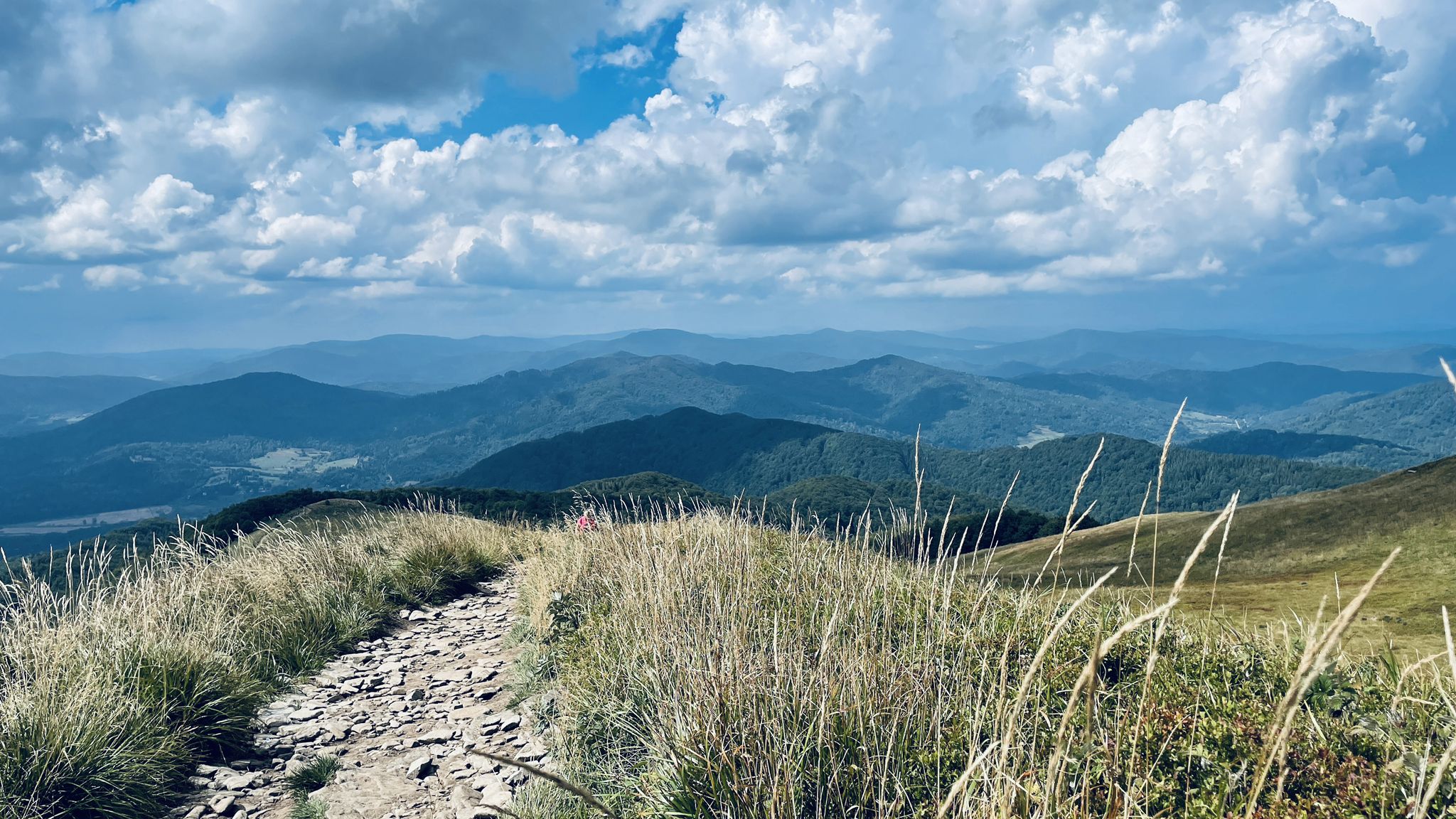
Main Beskids Trail — the longest Polish Mountain Trail
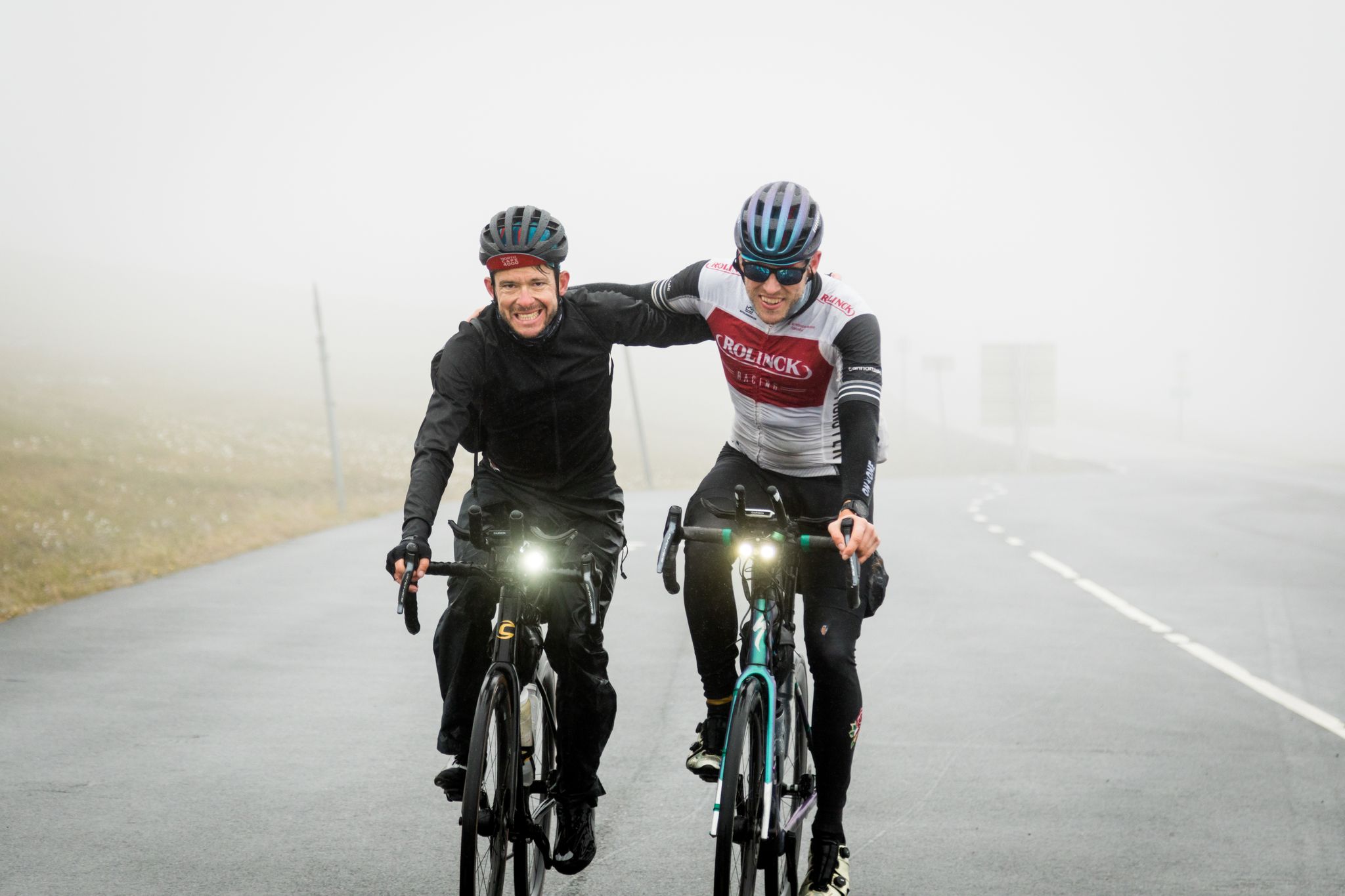
NorthCape4000 – 12 days from Lake Garda to the North Cape
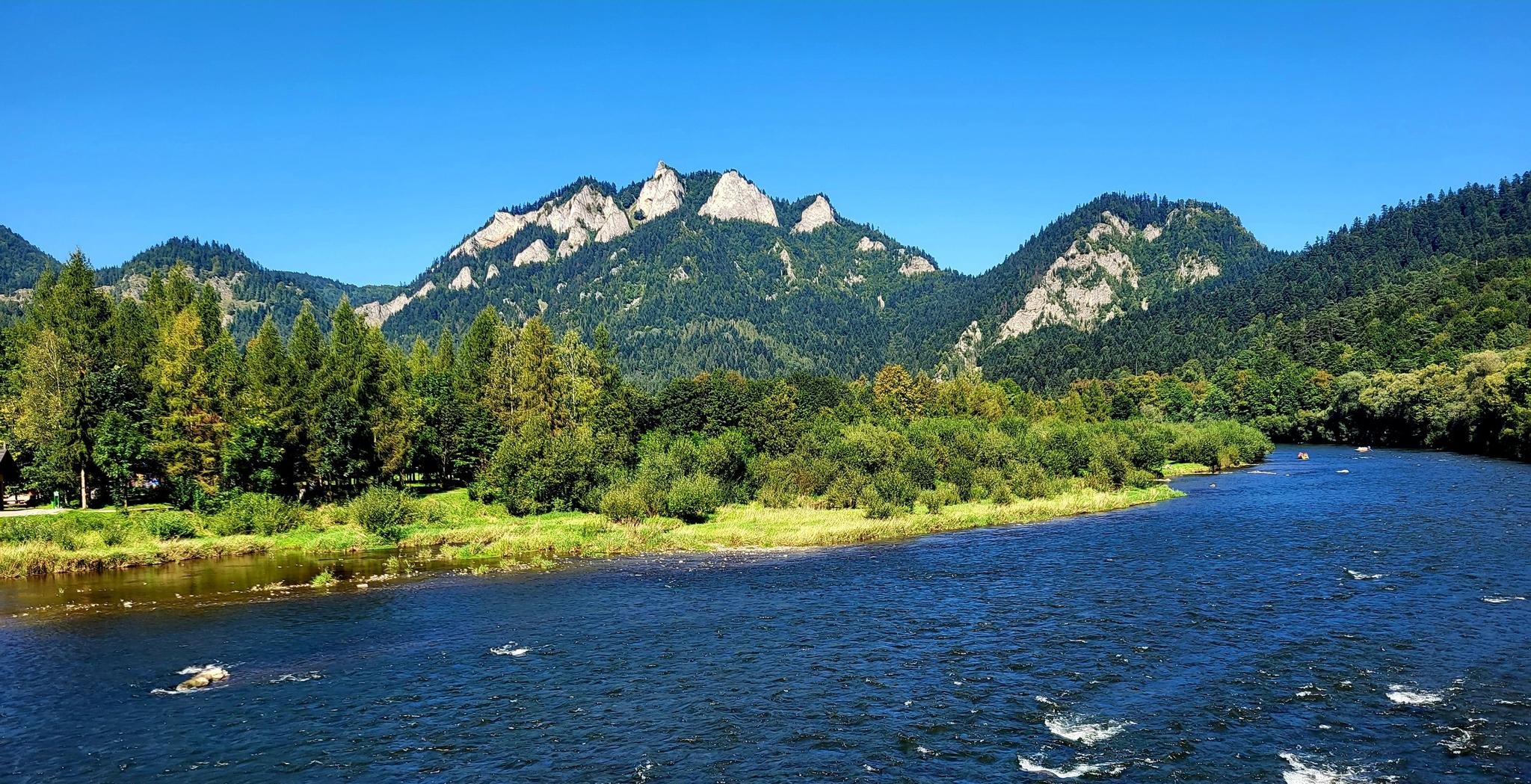
From Zakopane to Nowy Sącz along the river - Velo Dunajec
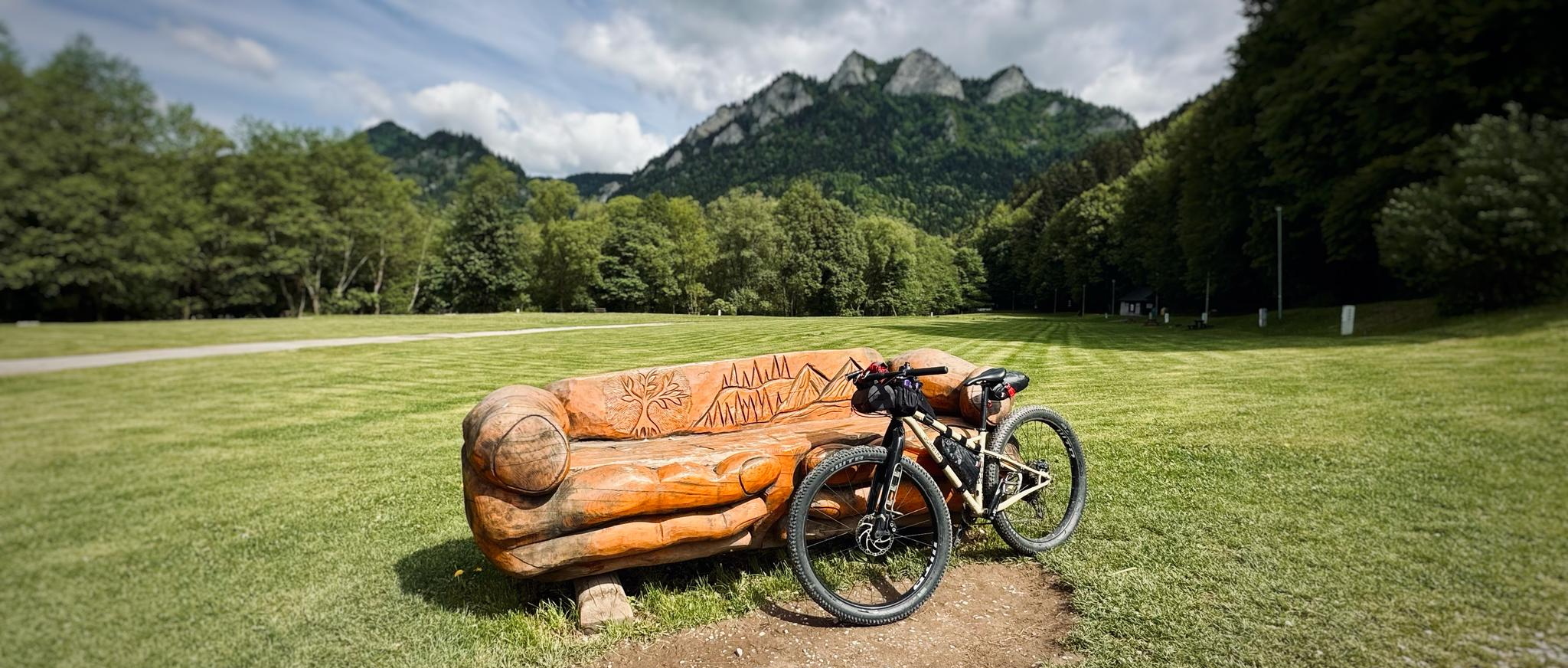
Between the Vistula & the High Tatras – bikepacking through Małopolska
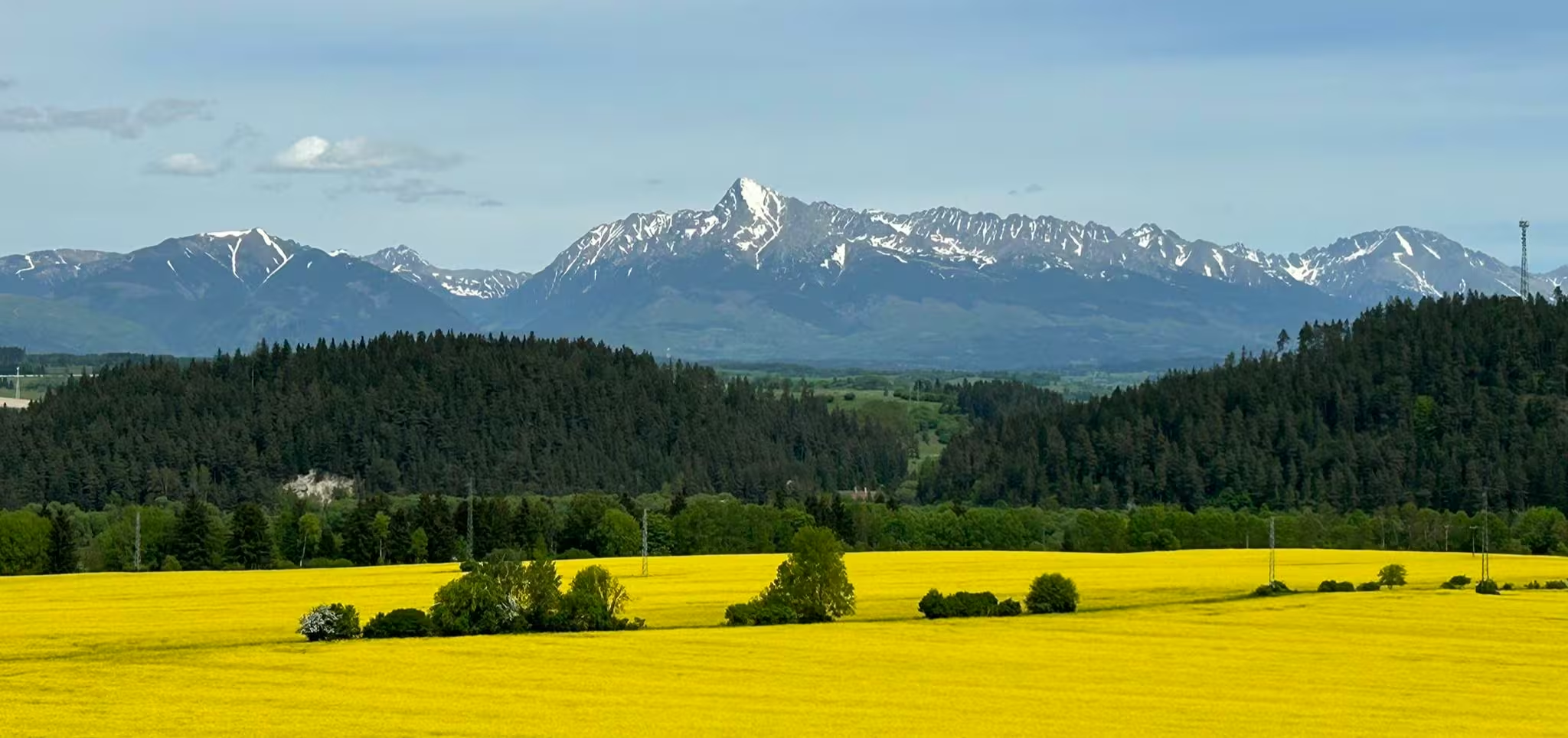
Discover the majesty of the mountains - Tour Around the Tatra Mountains (SWT)
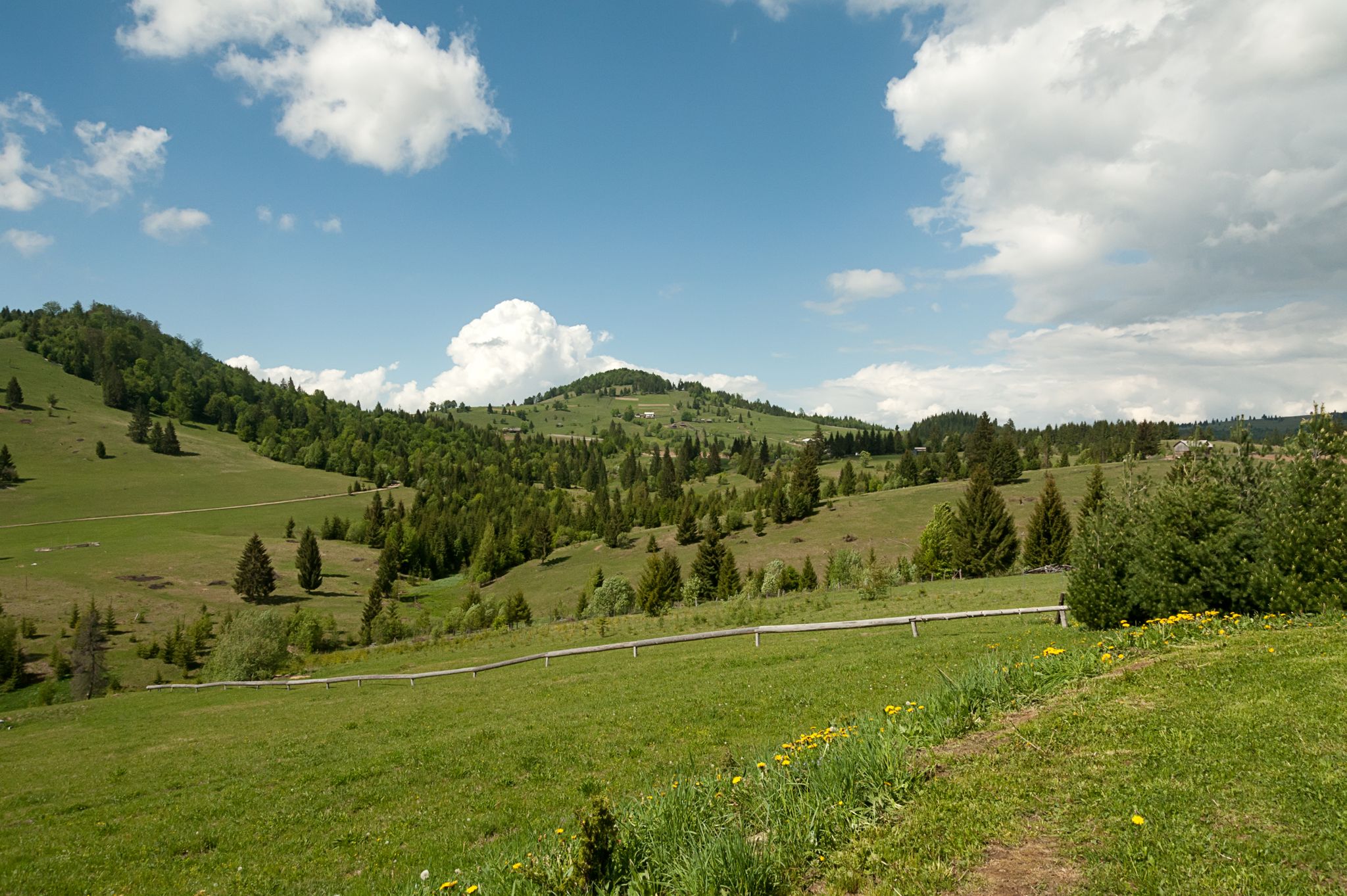
Via Transilvanica (second section) – Highlands
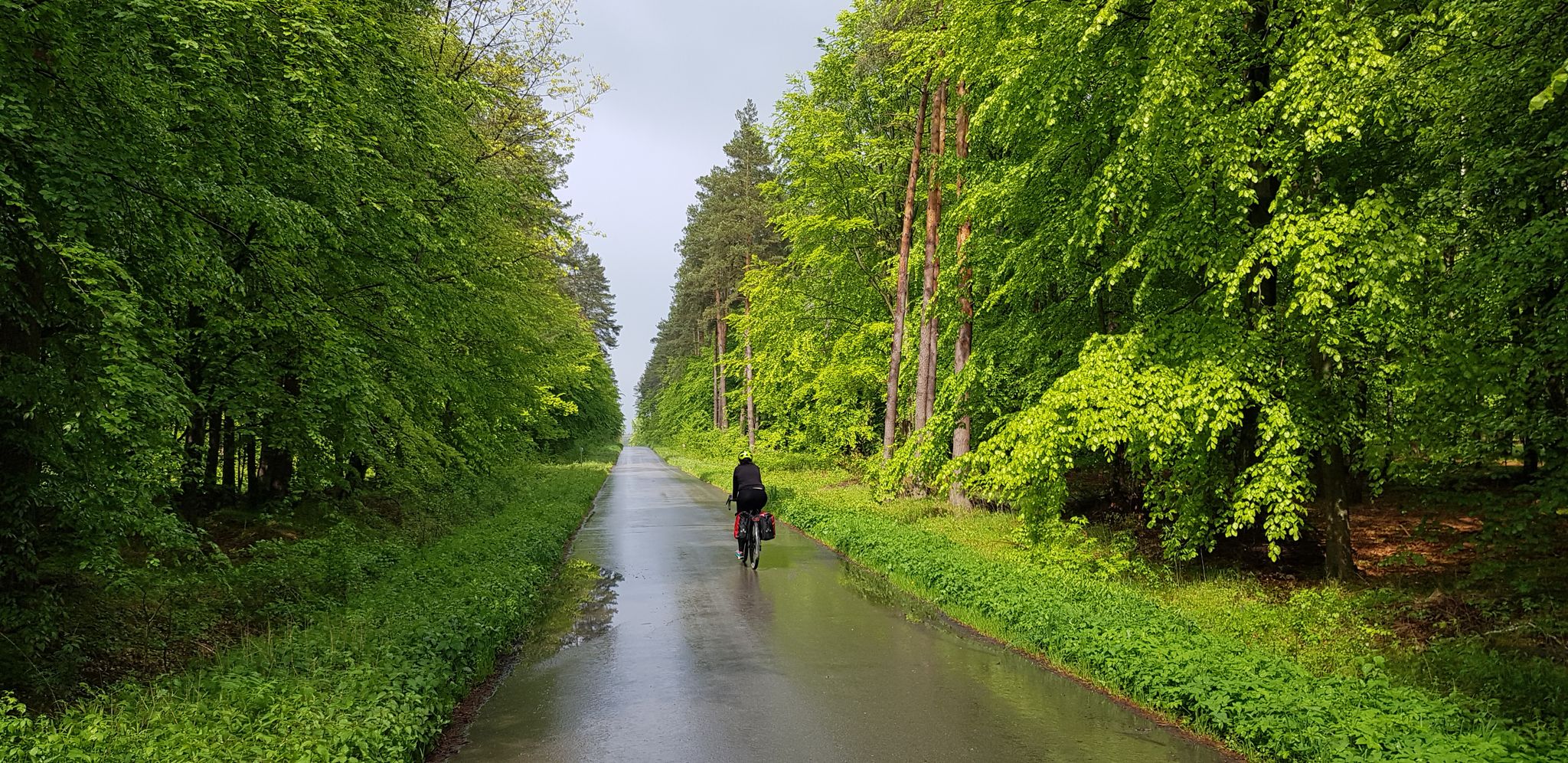
To the east, Eden – La Green Velo Szlak (part one)
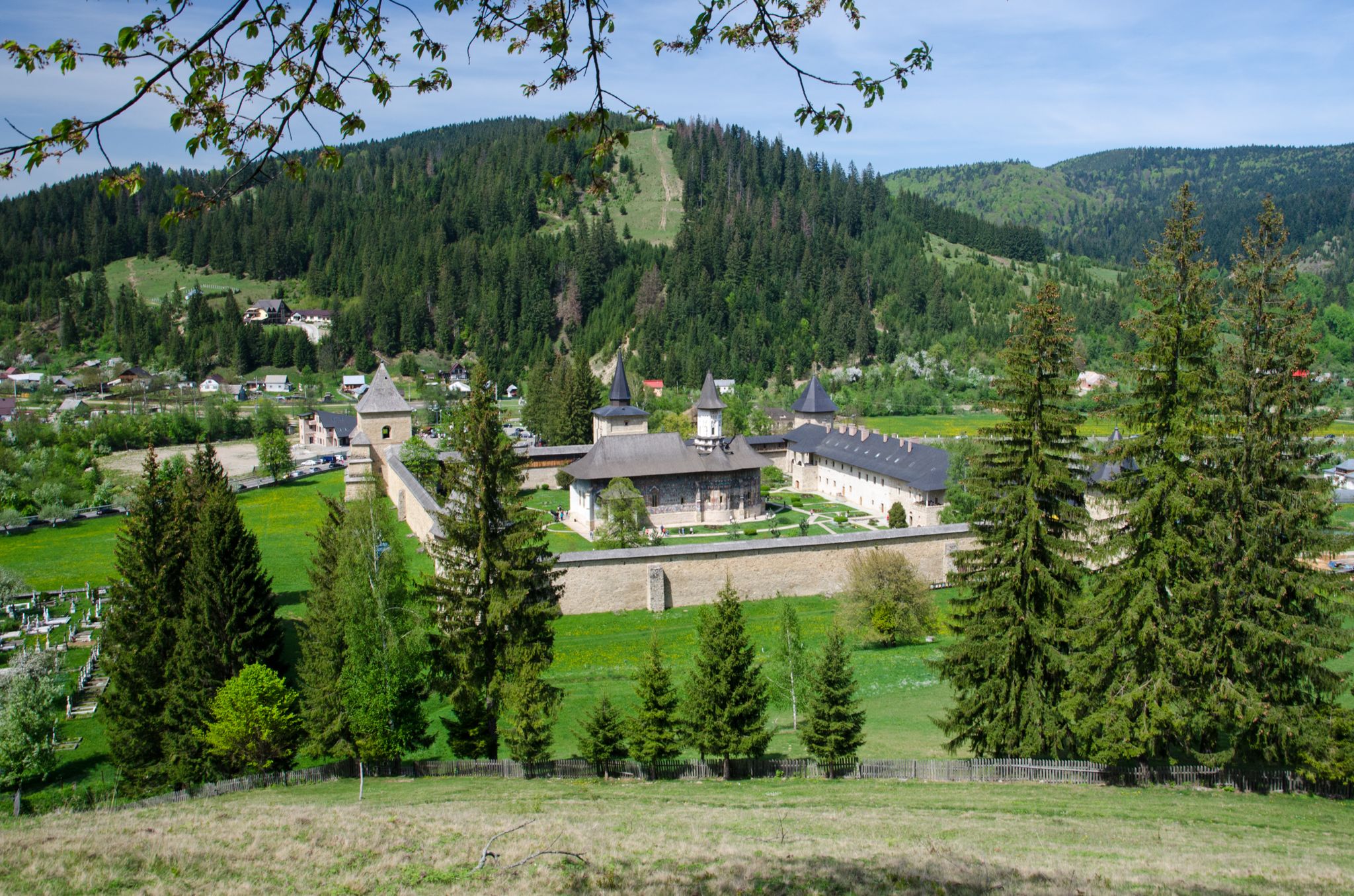
Via Transilvanica (first section) – Bucovina
Where Poland's wild soul lives – explore five regions by bike
TCR No. 8 — racing across Europe
Other adventures in the Carpathian Mountains


Tips from the Community

Very beautiful lake with about a 4 hour hike.
0
0


Great place for hiking, numerous playgrounds for children, beautiful views.
0
0

A small mountain lake directly at the mountain station
0
0


A steep climb from Morskie Oko and you are at the extraordinary Czarny Staw. Similarly to Czarny Staw Gąsienicowy, the "black" here is from the shadows cast on the water by the mountains and the cyanobacteria that occurs here. Since it is below Rysy, you can see Rysy, but Kazalnica, Mięguszowiecki Szczyt Czarny and Wołowy Grzbiet - there is something to see.
0
0
Stunning beauty. This pond has been admired by Tatra tourists since the 19th century. The name "black" comes from the color of the water here - from the shadow cast by the mountain peaks and by the cyanobacteria covering the local boulders.
1
0

beautiful lake ...whether in winter or summer...
0
0
Frequently Asked Questions
What types of lakes can I find in the Carpathian Mountains?
The Carpathian Mountains feature a diverse collection of lakes, including high-altitude glacial tarns, serene artificial reservoirs, and unique crater lakes. You can explore a variety of lake types, each offering distinct natural features and experiences. For example, Štrbské Pleso in Slovakia is a glacial lake, while Lake Molodist in Ukraine is a large artificial lake. Romania even boasts Ana Lake, the only crater lake in the country.
Are there family-friendly lakes in the Carpathian Mountains?
Yes, several lakes in the Carpathian Mountains are considered family-friendly. Morskie Oko (Sea Eye) in Poland has pathways suitable for sneakers, making it accessible for families. Štrbské Pleso in Slovakia is also a great option, offering a well-maintained path around the lake. Lake Molodist in Ukraine provides a resort-like experience with a 2 km long beach and various water activities suitable for all ages.
What are some notable natural features or viewpoints around the Carpathian lakes?
Many lakes offer stunning natural features and viewpoints. Black Pond of Gąsienicowa is admired for its dark water reflecting the surrounding peaks. Morskie Oko (Sea Eye) is a picturesque glacial lake with a recommended circular hiking trail offering great views. In Slovakia, Štrbské Pleso provides wonderful views of the High Tatras. Ukraine's Lake Synevyr, often called a 'sea eye,' is surrounded by dense pine forests and features an island of sphagnum moss.
What outdoor activities can I do near the lakes in the Carpathian Mountains?
The Carpathian lakes are excellent starting points for various outdoor activities. You can enjoy hiking, cycling, and mountain biking. For instance, there are numerous waterfall hikes and easy hikes in the region. If you're into cycling, the Velo Czorsztyn bicycle route runs along Lake Czorsztyn, and there are also options for gravel biking.
Are there opportunities for swimming or water sports in the Carpathian lakes?
While many high-altitude glacial lakes have very cold water, some offer swimming and water sports. Lake Molodist in Ukraine, an artificial lake, is known for its crystal-clear water that can warm up to 20 degrees Celsius in summer, offering opportunities for swimming, sunbathing, water skiing, and catamaran rides. Ana Lake in Romania also has a beach area suitable for swimming or boating.
What is the highest lake in the Ukrainian Carpathians?
Lake Brebeneskul holds the title of the highest mountain lake in the Ukrainian Carpathians. It sits at an altitude of 1,801 meters above sea level on the Montenegrin ridge, offering a challenging yet rewarding hiking experience to reach its wild and unspoiled beauty.
Which lakes are known for their unique colors or geological features?
Several Carpathian lakes are notable for their unique colors or geological origins. Romania's Red Lake (Lacul Roșu) gets its name from reddish alluvium, while Blue Lake (Lacul Albastru) changes color between blue and green depending on the light. Ana Lake is unique as the only crater lake in Romania. In Ukraine, Crane (Dead) Lake has a high hydrogen sulfide content, making its clear water appear black due to the dark bottom.
What is the best time to visit the Carpathian Mountains lakes?
The best time to visit depends on your desired activities. Summer (June to August) is ideal for hiking, water sports, and enjoying warmer temperatures around lakes like Molodist. For accessing high-altitude lakes like Bâlea Lake via the Transfăgărășan road, summer is also the primary season. Some lakes, like Štrbské Pleso, are frozen for a significant part of the year (around 155 days), offering winter sports opportunities.
Can I find accommodation or amenities near the Carpathian lakes?
Yes, many popular lakes have amenities nearby. Štrbské Pleso in Slovakia is an important hub with hotels, bars, and restaurants. Bâlea Lake in Romania even features the first ice hotel in Eastern Europe during winter. Lake Molodist in Ukraine is part of the Bukovel resort, offering extensive facilities. For more remote lakes, you might find mountain huts or smaller guesthouses.
Are there any lakes with interesting legends or local beliefs?
Yes, some lakes are steeped in local folklore. Ukraine's Lake Synevyr has legends surrounding its formation, including a tale of two lovers. Lake Nesamovyte is believed by locals to bring happiness if one washes their face with its water, and legends also speak of souls residing there. Romania's Red Lake (Lacul Roșu) has an eerie legend involving a dragon and tree trunks resembling desperate arms.
What do visitors enjoy most about the lakes in the Carpathian Mountains?
Visitors consistently praise the stunning natural beauty and diverse landscapes. Many enjoy the tranquility and the opportunity for outdoor activities like hiking, with lakes like Morskie Oko (Sea Eye) being a favorite destination among hikers. The unique features of each lake, from glacial origins to vibrant colors, also contribute to a memorable experience.
Which lake is known as one of the seven natural wonders of Ukraine?
Lake Synevyr is often considered one of the seven natural wonders of Ukraine. It is the largest lake in the Ukrainian Carpathians, formed approximately 10,000 years ago by a landslide, and is a centerpiece of the Synevyr National Nature Park. You can learn more about its history and uniqueness on Visit Ukraine Today.
Most popular routes in the Carpathian Mountains
Most popular attractions in the Carpathian Mountains

Get inspired with the komoot mobile app


Explore more
Still not found your perfect lake in the Carpathian Mountains? Check out the guides of these regions to see even more beautiful places.
