The 4 Most Amazing Peaks around Musbury
Best mountain peaks around Musbury are characterized by a mix of ancient hillforts and prominent coastal elevations, offering diverse hiking terrain. The region, particularly in East Devon, features historical Iron Age sites and natural landmarks that provide expansive viewpoints. These high points are popular for walking routes and exploring the natural features of the landscape.
Best mountain peaks around Musbury
- The most popular mountain peaks is Golden Cap, a natural monument that is a striking flat-topped hill of rich…
Last updated: July 12, 2026
Coney's Castle Hillfort and Bluebell Woods
Highlight • Forest
Tip by

Lambert's Castle Hillfort
Highlight • Viewpoint
Tip by
Sign up now to discover places like this
Get recommendations on the best single tracks, peaks, & plenty of other exciting outdoor places.
Sign up for free
View of Golden Cap and Thorncombe Beacon
Highlight • Viewpoint
Tip by

Wootton Hill
Highlight • Forest
Tip by

View from Musbury Castle
Highlight • Summit
Tip by
Start today with a free account
Your next adventure awaits.
Login or Signup
Tips from the Community

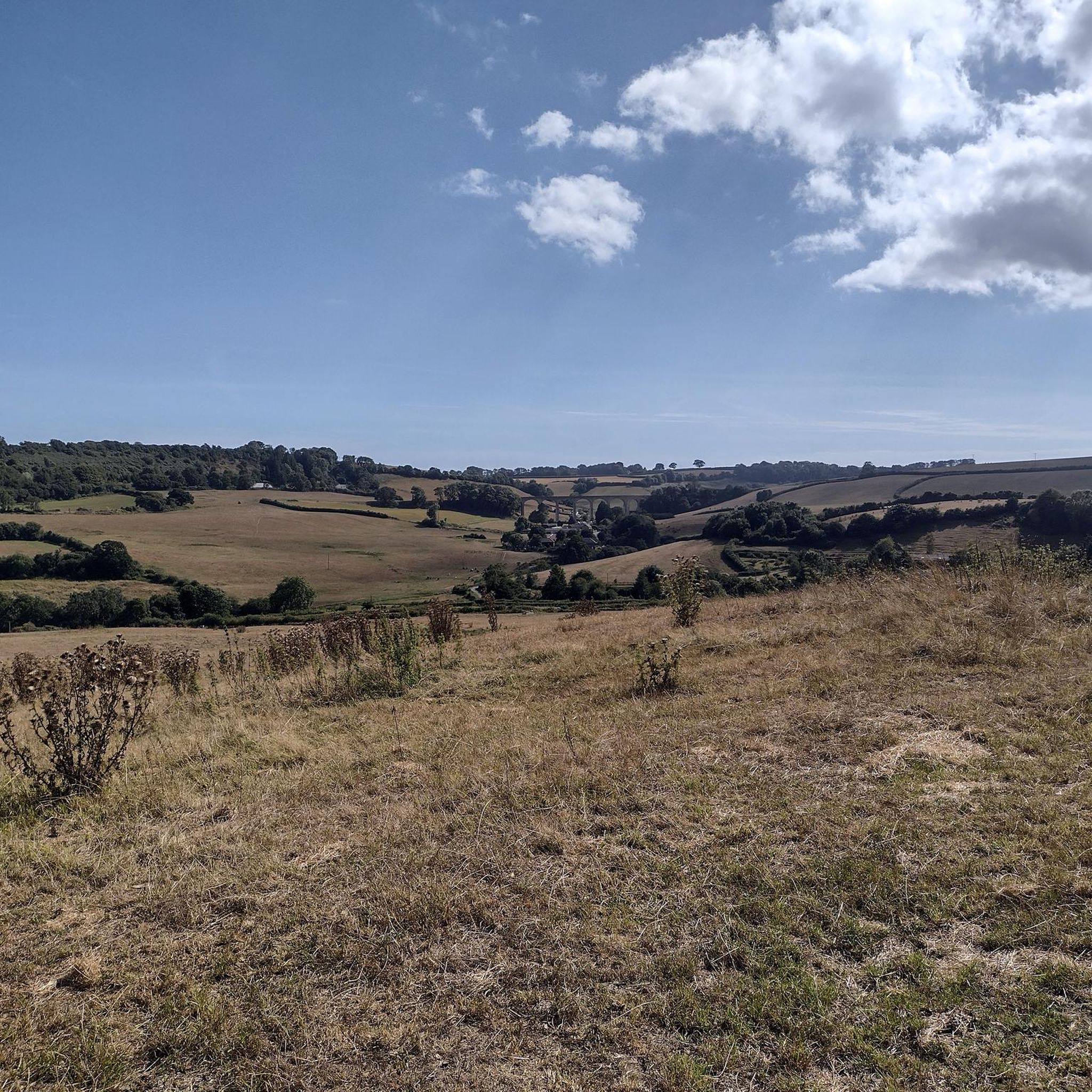
If you’ve hauled yourself up to the ramparts of Lambert’s Castle, congratulations! You are currently standing on an Iron Age "penthouse" with a view that makes most postcards look like blurry thumbprints. Looking south toward the coast, the landscape does a dramatic drop-and-roll toward the English Channel. Here is the lowdown on the two big celebrities you’re staring at: 1. Golden Cap: The Gilded Giant Dominating the horizon is Golden Cap, the highest point on the South Coast of England. The Look: It’s basically a massive, flat-topped wedge of rock that looks like nature tried to bake a giant loaf of bread and then gave it a glowing, golden crust. The Vibe: From Lambert’s Castle, you can see exactly why it got its name. When the sun hits that upper layer of Greensand, it glows like a pirate’s treasure chest. Fun Fact: At 191 meters (627 feet), if you were standing on top of it, you’d be higher than any other cliff-dweller in southern England. From up here on the hill, it looks like the ultimate finish line. 2. Thorncombe Beacon: The Dramatic Sidekick Just to the east of Golden Cap sits its slightly shorter, but equally moody sibling, Thorncombe Beacon. The Look: It’s got that classic "dinosaur spine" silhouette. It’s part of the same rollercoaster of cliffs that makes the Jurassic Coast look like it’s trying to jump into the sea. The Vibe: It feels a bit more "wild and windy." Historically, this was part of a chain of fire beacons used to warn everyone that the Spanish Armada was coming to ruin the weekend. The Perspective: From your vantage point, you can see the deep "V" of the Seatown valley tucked between the two peaks, looking like a perfect little green cradle.
0
0

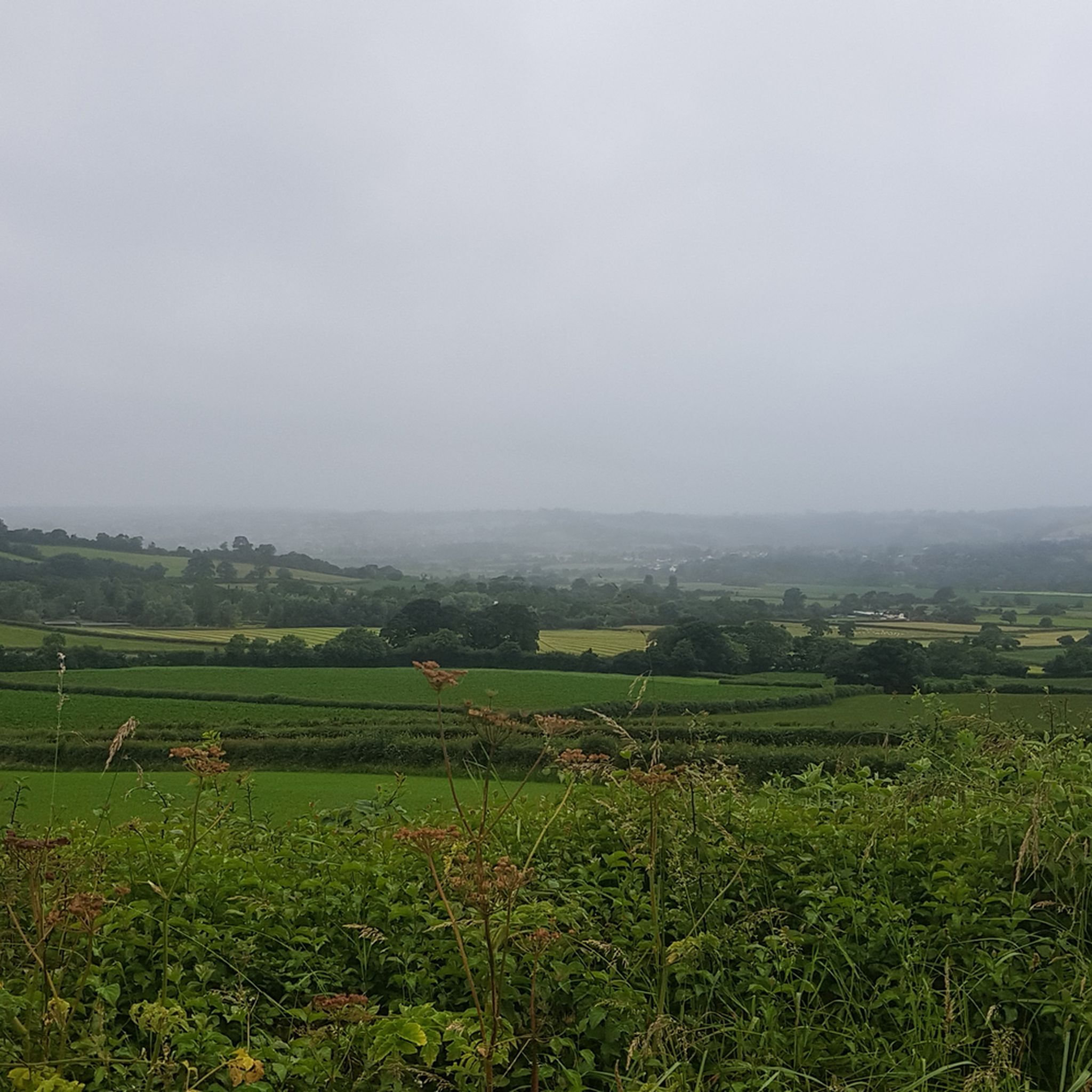
Wootton Hill is the high point in an area of woodland within the Dorset AONB. It's a nice place for a walk with a series of well-maintained footpaths.
1
0

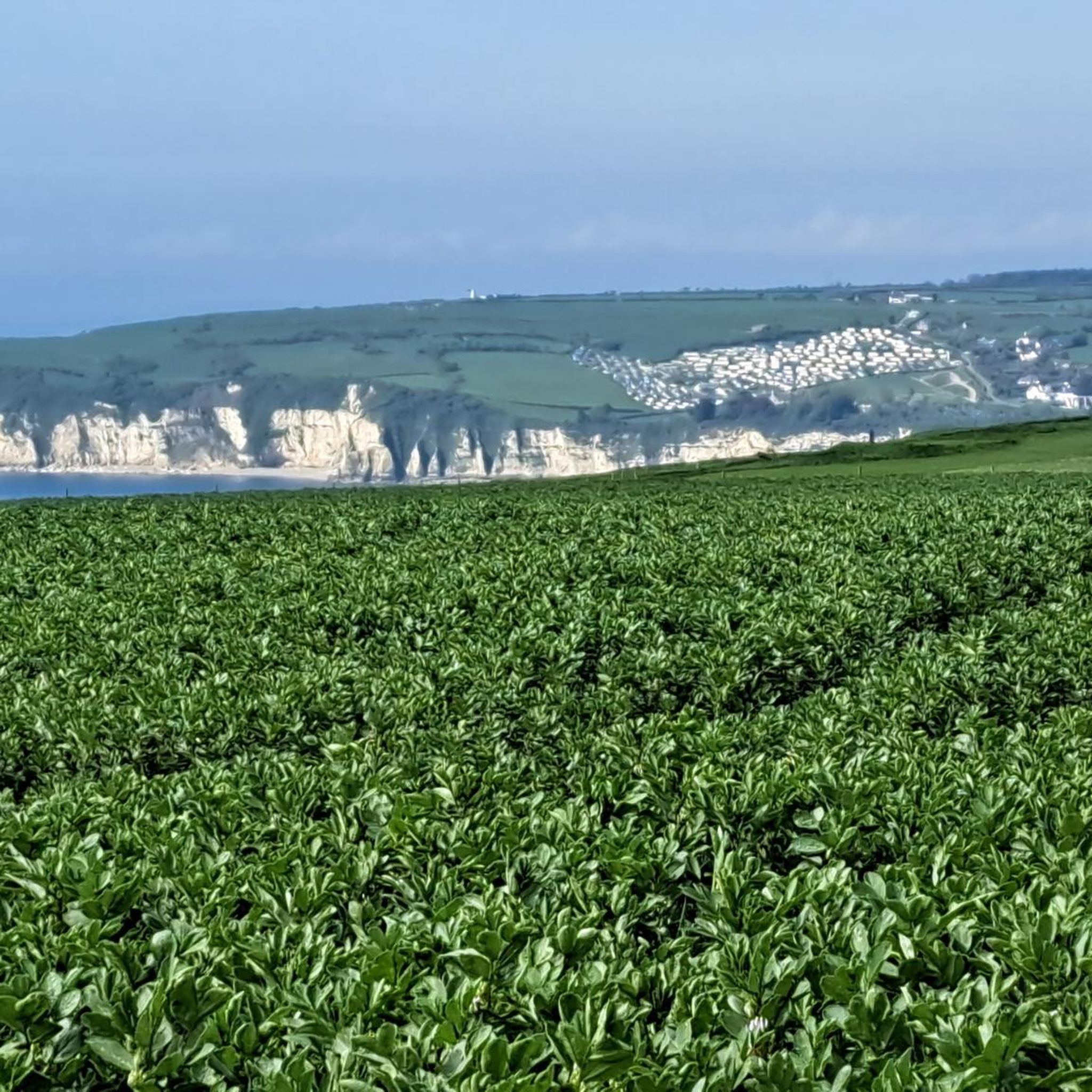
#NT Golden Cap is the highest point on the South Coast
0
0

Beautiful woodland! Take your rubbish and dog poo home to keep it that way. Thanks
0
0

This Iron Age hillfort is the smaller cousin of Lambert’s Castle, a little to the north. With ancient woodland and a fantastic spring bluebell display, Coney’s Castle is a peaceful little summit and one of numerous such hillforts in the area. Check out the earthwork ramparts on the north, south and east sides. The western edge used the natural slope of the hill as a defense. Managed by the National Trust, this hillfort is free to roam around and served by a car park. Its only downside is that there’s a road right through the middle of it.
0
0
Around 2,500-years-old, this Iron Age hillfort sits at the north end of the appropriately-named Lambert’s Castle Hill. You’ll find evidence of earthworks here and lovely views of the surrounding landscapes, particularly if you explore the entire hill. There’s a trig point to the south of the hillfort, at 840 feet (256 m). Lambert’s Castle is managed by the National Trust and is free to enter. There’s a car park to the south west and the Liberty Trail hiking path runs right through the middle of the fort.
0
0
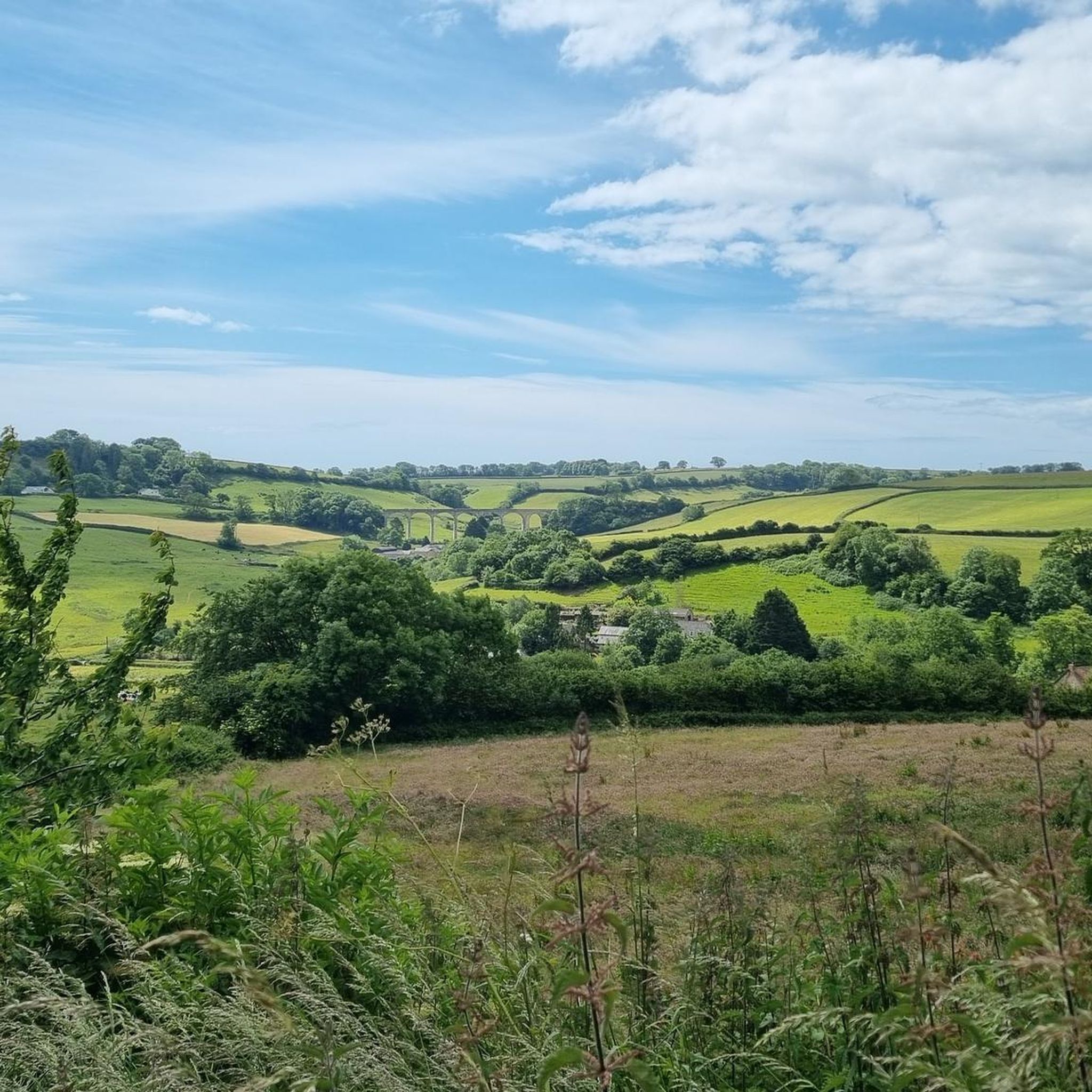
An Iron Age hillfort, Musbury Castle occupies a very well chosen position. Standing on its summit, you’ll see the village of Musbury lying below with the Axe Valley flowing out beyond, all the way to Seaton. The English Channel glitters in the distance with Beer Head’s chalk cliffs on the horizon. This is one of the many fantastic viewpoints on the East Devon Way and can be reached easily from several directions on local footpaths.
1
0
Frequently Asked Questions
What are the most notable high points and peaks around Musbury?
The Musbury area in East Devon is known for several significant high points, often ancient hillforts, rather than towering mountains. Key locations include Musbury Castle, Coney's Castle Hillfort and Bluebell Woods, and Lambert's Castle Hillfort. Further afield, but still within the region, is Golden Cap, the highest point on the South Coast.
What kind of views can I expect from the peaks near Musbury?
The high points around Musbury offer expansive panoramic views. From Musbury Castle, you can see the Axe Valley, the village of Musbury, the English Channel, and distant landmarks like Seaton and Beer Head. Lambert's Castle Hillfort provides one of Dorset's most celebrated panoramas, looking eastward across the Marshwood Vale towards Pilsdon Pen and Lewesdon Hill, and south towards the Jurassic Coast, including Golden Cap and Thorncombe Beacon.
Are there historical sites among the peaks around Musbury?
Yes, several peaks in the area are significant historical sites. Musbury Castle, Coney's Castle Hillfort and Bluebell Woods, and Lambert's Castle Hillfort are all Iron Age hillforts. These sites feature impressive earth banks and ditches, offering a glimpse into pre-Roman defensive structures and ancient history.
What are the elevations of the main high points around Musbury?
Musbury Castle is approximately 175 meters (574 feet) above sea level. Lambert's Castle Hillfort sits at 258 meters (840 feet). Golden Cap, the highest point on the South Coast, reaches 191 meters (627 feet).
Are there family-friendly walking options on the peaks near Musbury?
Many of the walks around Musbury's high points can be enjoyed by families. While some ascents involve steep sections, they are generally manageable. For example, the walk to Musbury Castle is considered manageable, and Coney's Castle Hillfort and Bluebell Woods offers a peaceful summit with ancient woodland, ideal for a family outing, especially during bluebell season.
What natural features can I expect to see when visiting these high points?
Beyond the panoramic views, you'll encounter diverse natural beauty. Coney's Castle Hillfort and Bluebell Woods is known for its ancient woodland and stunning bluebell displays in spring. The areas around these high points often feature rolling hills, pastures, and glimpses of the English Channel, with Golden Cap showcasing dramatic coastal cliffs and rich orange sandstone.
What is the best time of year to visit the peaks around Musbury?
Spring is particularly rewarding, especially for locations like Coney's Castle Hillfort and Bluebell Woods, which boasts fantastic bluebell displays. Generally, spring, summer, and early autumn offer pleasant weather for walking and enjoying the views. Always check local weather conditions before your visit.
Are there any specific walking trails that pass through these high points?
Yes, several walking routes incorporate these high points. The East Devon Way, a 40-mile walking route, passes over Musbury Castle. The Liberty Trail hiking path runs right through the middle of Lambert's Castle Hillfort.
What outdoor activities can I do near Musbury's peaks?
The area around Musbury offers a variety of outdoor activities. You can find numerous hiking trails, from easy to difficult, that explore the local countryside and coastal paths. For more specific routes, you can explore guides like Hiking around Musbury or Easy hikes around Musbury. There are also running trails available, such as those detailed in the Running Trails around Musbury guide.
Is there a Musbury Tor mentioned in the region, and how does it relate to Musbury in East Devon?
There is a prominent Musbury Tor, also known as Tor Hill, but it is located in south-east Lancashire, not East Devon. This flat-topped hill stands at 340.1 meters (1,116 ft) and offers extensive views over the Rossendale Valley. It's a distinct landmark from the high points found near Musbury village in East Devon.
Are the high points around Musbury managed, and is there an entrance fee?
Many of the significant high points in the East Devon area, such as Musbury Castle, Coney's Castle Hillfort and Bluebell Woods, and Lambert's Castle Hillfort, are managed by the National Trust. Access to these sites is generally free, and some, like Coney's Castle and Lambert's Castle, have car parks available.
Most popular attractions around Musbury

Get inspired with the komoot mobile app


Explore more
See even more amazing summits around Musbury with these guides:
