Attractions and Places To See in the Peloponnese Mountains - Top 20
Best attractions and places to see in the Peloponnese Mountains include a diverse range of historical sites, religious buildings, and natural features. This region of Greece is characterized by its rugged terrain, ancient ruins, and deep gorges, offering a blend of cultural exploration and outdoor activities. Visitors can explore significant archaeological parks and monasteries, often found amidst scenic landscapes. The Peloponnese Mountains provide opportunities for family-friendly walks and wildlife spotting.
Best attractions and places to see in the Peloponnese Mountains
…Last updated: July 6, 2026
Prodromou Monastery
Highlight • Religious Site
Translated by Google •
Tip by

New Monastery of the Philosopher
Highlight • Religious Site
During the Revolutionary War it played …
Translated by Google •
Tip by
Sign up now to discover places like this
Get recommendations on the best single tracks, peaks, & plenty of other exciting outdoor places.
Sign up for free
Ancient Stadium of Olympia
Highlight • Historical Site
Translated by Google •
Tip by

Archaeological Museum of Olympia
Highlight • Historical Site
Translated by Google •
Tip by
Wooden Bridge in the Lousios Gorge
Highlight • Bridge
The river holds mythological importance, …
Tip by

Ancient Theatre of Epidaurus
Highlight • Historical Site
Translated by Google •
Tip by

Clytemnestra Tholos Tomb
Highlight • Historical Site
Tip by

Acrocorinth Fortress
Highlight • Castle
Translated by Google •
Tip by
Ancient Mycenae Archaeological Park
Highlight • Historical Site
Translated by Google •
Tip by

Temple of Asclepius
Highlight • Historical Site
Tip by
Sign up for free to discover even more attractions in the Peloponnese Mountains.
Sign up for free
Already have an account?
Start today with a free account
Your next adventure awaits.
Login or Signup
Popular around Peloponnese Mountains

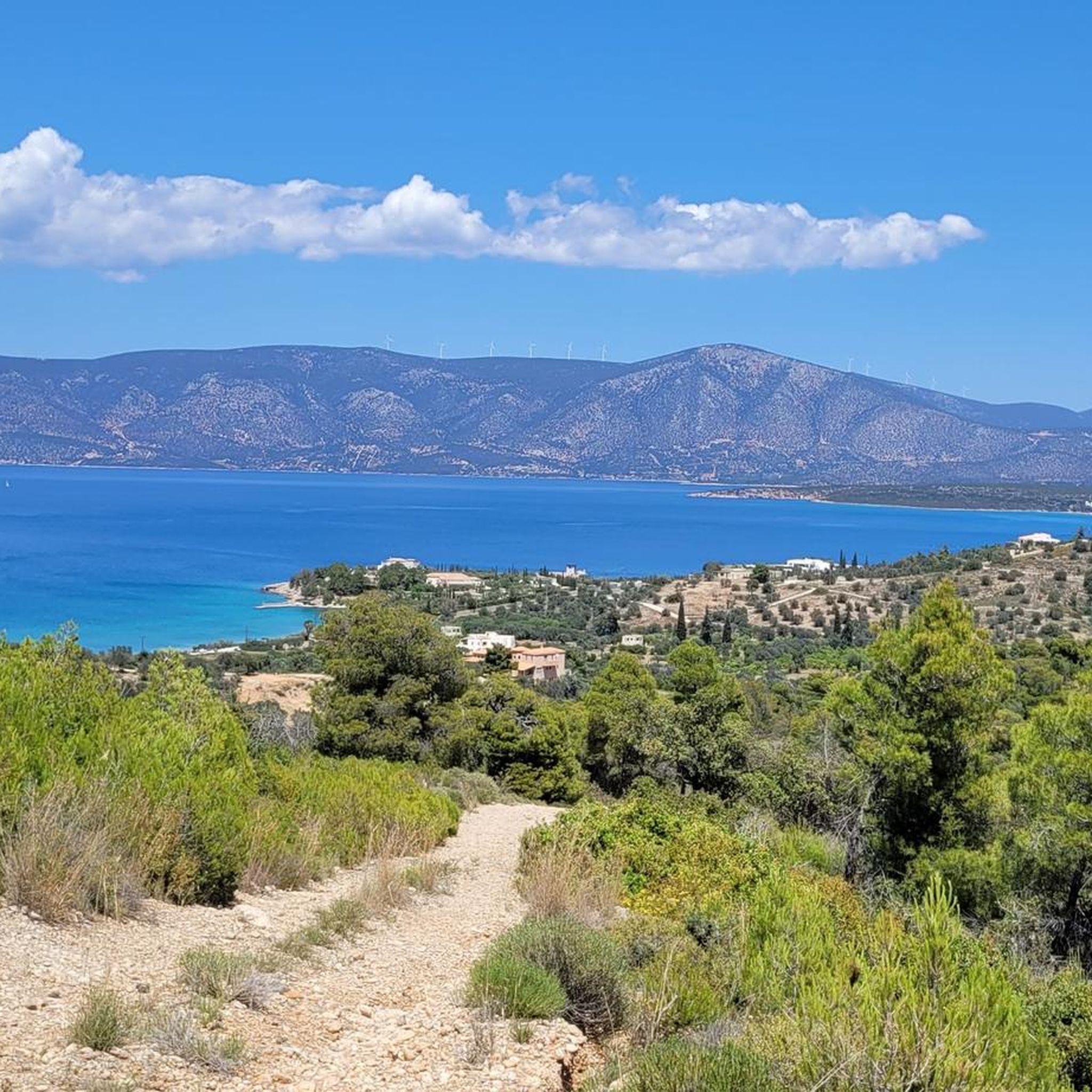
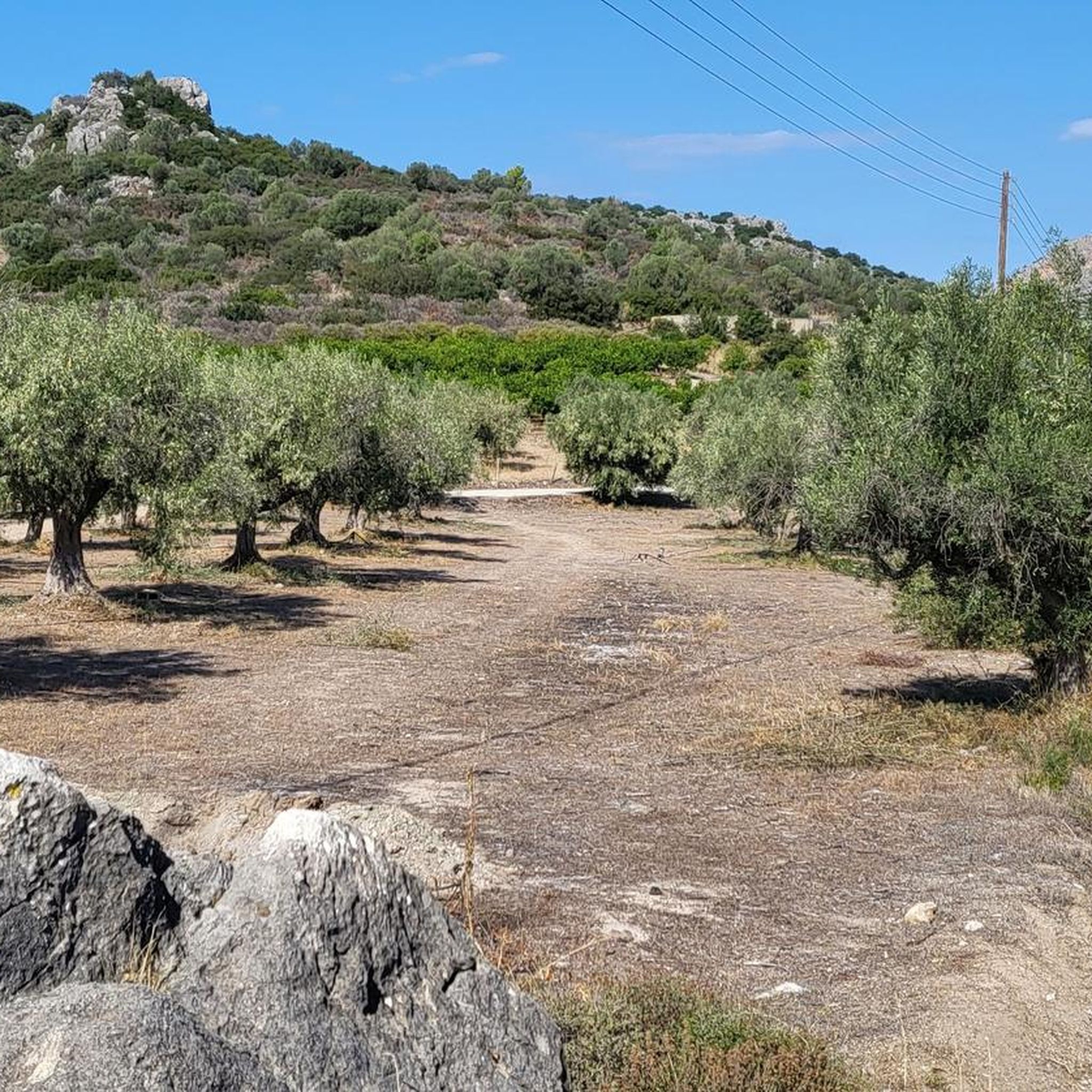
Other adventures in the Peloponnese Mountains


Tips from the Community

Shortly before the Filosophou monastery, the path is impassable due to a landslide. There is a rope hanging in the wall that you can pull yourself up on and theoretically overcome the spot. Not highly recommended for the inexperienced.
0
0

- Antiquity & Mycenaean Period: The earliest use dates back to the 14th century BC. The famous Temple of Aphrodite once stood on the summit. - Middle Ages & Modern Era: The walls were successively reinforced and used by Byzantines, Crusaders (Franks), Venetians, and Ottomans. Due to its location, it was called the "All-Seeing of the Peloponnese" as it allowed surveillance of both the Isthmus of Corinth and large parts of the northeastern Peloponnese. Griechenland.de +3 The complex is huge, spread over several levels with three defensive walls. Even for a quick walkthrough, 2 hours are needed.
1
0
The fortress of Akrokorinth (Greek for "Upper Corinth") is one of the most impressive and oldest defensive structures in Greece. It towers over the ancient city of Corinth on a 575-meter-high table mountain and served for millennia as a strategically crucial control point for access to the Peloponnese. The complex is a "Stone History Book", in which architectural traces from numerous eras merge:
1
0

Flower-filled monastery and friendly monks.
0
0

The temple of the famous Asclepius stood here.
0
0

The castle of Mycenae housed many art treasures. The palace was added 200 years after the castle. The fortress walls and the Lionheart are worth seeing. However, as with almost all ancient sites, you need a bit of imagination.
5
0

The trail leads directly through the monastery grounds
0
0

Both monasteries are closed from 1 p.m. to 5 p.m. The grounds of this monastery are also closed. You can only take a look through the gate. There is a branch with an alternative route about 50 m downhill.
0
0
Frequently Asked Questions
What historical sites can I explore in the Peloponnese Mountains?
The region is rich in history. You can visit the Archaeological Museum of Olympia, which houses artifacts from the ancient Olympic Games, including remnants of the Temple of Zeus. Another significant site is the Ancient Stadium of Olympia, the birthplace of the Olympic Games. Don't miss the Clytemnestra Tholos Tomb and the Ancient Mycenae Archaeological Park, offering insights into Mycenaean civilization. The Ancient Theatre of Epidaurus is also a must-see for its remarkable acoustics and historical significance.
Are there any notable religious buildings to visit?
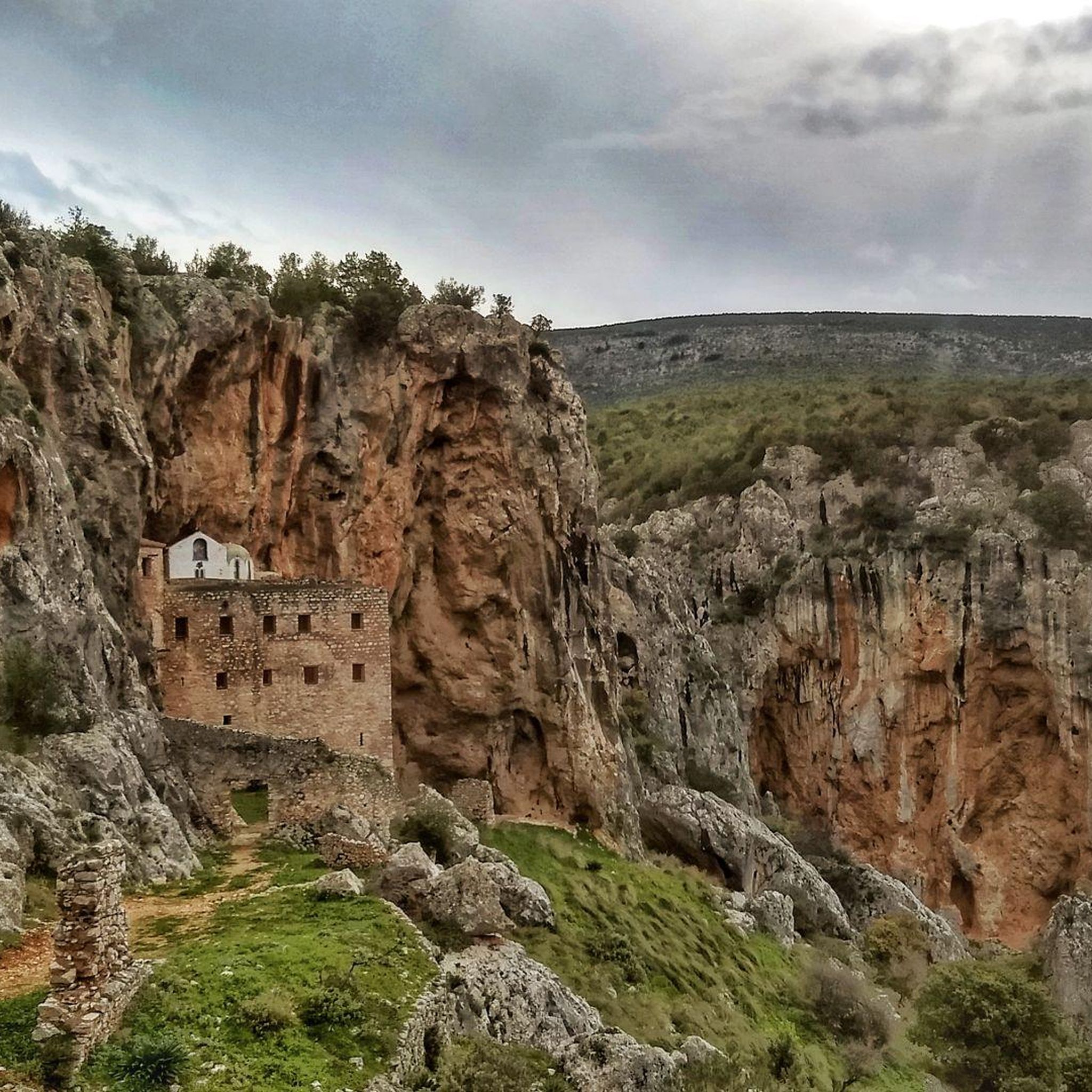
Yes, the Peloponnese Mountains are home to several impressive monasteries. The Prodromou Monastery is spectacularly built into a rock face in the Lousios gorge. Nearby, the New Monastery of the Philosopher, though several centuries old, features remarkable frescoes and played a role in the Revolutionary War. Remember that monasteries often have dress codes (covered legs are usually required, and scarves can often be borrowed) and may observe siesta hours.
What kind of natural features can I see in the Peloponnese Mountains?
The region is characterized by rugged terrain, deep gorges, and scenic landscapes. The Lousios Gorge is particularly notable, featuring the Wooden Bridge in the Lousios Gorge. While specific waterfalls or wild swimming spots are not detailed in the highlights, the general landscape offers many opportunities to enjoy nature, including viewpoints and river areas.
Are there family-friendly attractions in the Peloponnese Mountains?
Yes, several attractions are suitable for families. The Ancient Stadium of Olympia and the Archaeological Museum of Olympia are both marked as family-friendly, offering an educational and engaging experience. The Water moat 🏰 Rhion Fortress is also a great option for families.
What outdoor activities can I do near these attractions?
The Peloponnese Mountains offer a variety of outdoor activities. You can find numerous cycling routes, including touring bicycle, road cycling, and mountain biking trails. For example, there are easy touring bicycle routes like the "Acrocorinth – View of Tolo Bay loop from Αρχαία Ασίνη" and more challenging road cycling options such as the "Stymphalos loop from Πετρί." Mountain biking enthusiasts can explore trails like the "Kávos Kórmpi – Chondrókavos loop from Άγιος Αιμιλιανός." You can find more details on these activities in the Cycling in the Peloponnese Mountains, Road Cycling Routes in the Peloponnese Mountains, and MTB Trails in the Peloponnese Mountains guides.
When is the best time to visit the Peloponnese Mountains for outdoor activities?
The Peloponnese Mountains are generally best visited in spring (April-May) and autumn (September-October) for hiking and cycling, as the weather is milder and more pleasant. Summers can be very hot, especially in the gorges and archaeological sites, making early mornings or late afternoons preferable for exploration. Winters can bring snow to higher elevations, offering different opportunities for those prepared for colder conditions.
Are there opportunities for wildlife spotting in the Peloponnese Mountains?
Yes, the diverse ecosystems of the Peloponnese Mountains provide opportunities for wildlife spotting. The rugged terrain and natural gorges are home to various bird species, reptiles, and smaller mammals. Exploring the less-trafficked trails and natural areas increases your chances of encountering local fauna.
What should I know about visiting monasteries in the Peloponnese Mountains?
When visiting monasteries like Prodromou Monastery or the New Monastery of the Philosopher, it's important to dress respectfully. This typically means covering your legs; scarves are often available to borrow at the entrance. Be aware that many monasteries observe a siesta period, usually from 1 PM to 5 PM, during which they may be closed to visitors. It's also worth noting that some monasteries are in remote, scenic locations, making the journey part of the experience.
Are there accessible trails or attractions for visitors with mobility considerations?
While many sites in the rugged Peloponnese Mountains involve uneven terrain, the Archaeological Museum of Olympia is noted as wheelchair accessible, providing an inclusive experience for visitors. For trails, it's advisable to check specific route details for gradient and surface information, as many mountain paths can be challenging.
What do visitors enjoy most about the Peloponnese Mountains?
Visitors frequently appreciate the unique blend of ancient history and stunning natural beauty. The dramatic settings of historical sites like the monasteries clinging to cliffs, the rich archaeological heritage of Olympia and Mycenae, and the opportunities for outdoor activities in picturesque gorges are often highlighted. The region's authenticity and peaceful atmosphere also contribute to a memorable experience.
Can I find easy hiking trails suitable for beginners in the Peloponnese Mountains?
Yes, while the Peloponnese Mountains are known for their ruggedness, there are easier trails and walks available, particularly around villages and along riverbanks. Many family-friendly walks are also suitable for those seeking less strenuous options. For specific routes, it's best to consult detailed hiking guides for the region, which often categorize trails by difficulty.
Are there any castles or fortresses to visit in the area?
Yes, you can visit the Water moat 🏰 Rhion Fortress, which is a notable historical site and a castle. This fortress offers a glimpse into the region's defensive architecture and history.
Most popular routes in the Peloponnese Mountains
Most popular attractions in the Peloponnese Mountains

Get inspired with the komoot mobile app


Explore more
Still not found the Highlight you’re looking for? See guides of the top attractions in other regions:
