Attractions and Places To See in the Iceland Mountains - Top 20
Best attractions and places to see in the Iceland Mountains encompass a diverse array of natural and historical sites. This region is characterized by its dramatic peaks, active volcanoes, and vibrant geothermal areas, alongside vast glaciers and numerous waterfalls. It offers opportunities for exploring unique geological formations and significant cultural heritage. The varied landscape provides a setting for outdoor activities and discovery.
Best attractions and places to see in the Iceland Mountains
- The most popular attractions is Svartifoss, a waterfall known for its distinctive basalt column formations. This 20-meter high waterfall creates a unique winter backdrop with long icicles and shimmering ice sculptures.
- Another must-see spot is Seljalandsfoss Waterfall, a waterfall where visitors can walk behind the cascading water. This feature provides a unique perspective and is located not far from the main ring road.
- Visitors also love Öxarárfoss, a picturesque waterfall within Thingvellir National Park. It is notable for flowing over the continental fissure, where the North American and Eurasian tectonic plates meet.
- Iceland Mountains is known for its impressive waterfalls, significant historical sites, and unique geological formations. The region offers a variety of attractions to see and explore, from natural monuments to cultural landmarks.
- The attractions in the Iceland Mountains are appreciated by the komoot community, with over 800 upvotes and more than 400 photos shared.
Last updated: July 6, 2026
Svartifoss
Highlight • Waterfall
Translated by Google •
Tip by

Seljalandsfoss Waterfall
Highlight • Waterfall
Translated by Google •
Tip by
Sign up now to discover places like this
Get recommendations on the best single tracks, peaks, & plenty of other exciting outdoor places.
Sign up for free
Öxarárfoss
Highlight • Waterfall
Translated by Google •
Tip by

Thingvellir National Park
Highlight • Natural Monument
Translated by Google •
Tip by

Flosagjá Fissure
Highlight • Gorge
Translated by Google •
Tip by
Almannagjá Rift
Highlight (Segment) • Gorge
You will also find on the sign that cars drove through the Almannagjá until November 1, 1967. Only then was the ravine closed to wagons. Previously, the road was one of the main public roads through Þingvellir Park.
Translated by Google •
Tip by
Magnúsarfoss
Highlight • Waterfall
Translated by Google •
Tip by
Hengifoss Waterfall
Highlight • Waterfall
Translated by Google •
Tip by

Thingvellir Church
Highlight • Religious Site
Translated by Google •
Tip by
Lögberg (Law Rock) — Þingvellir National Park
Highlight • Historical Site
Translated by Google •
Tip by
Sign up for free to discover even more attractions in the Iceland Mountains.
Sign up for free
Already have an account?
Start today with a free account
Your next adventure awaits.
Login or Signup
Popular around Iceland Mountains
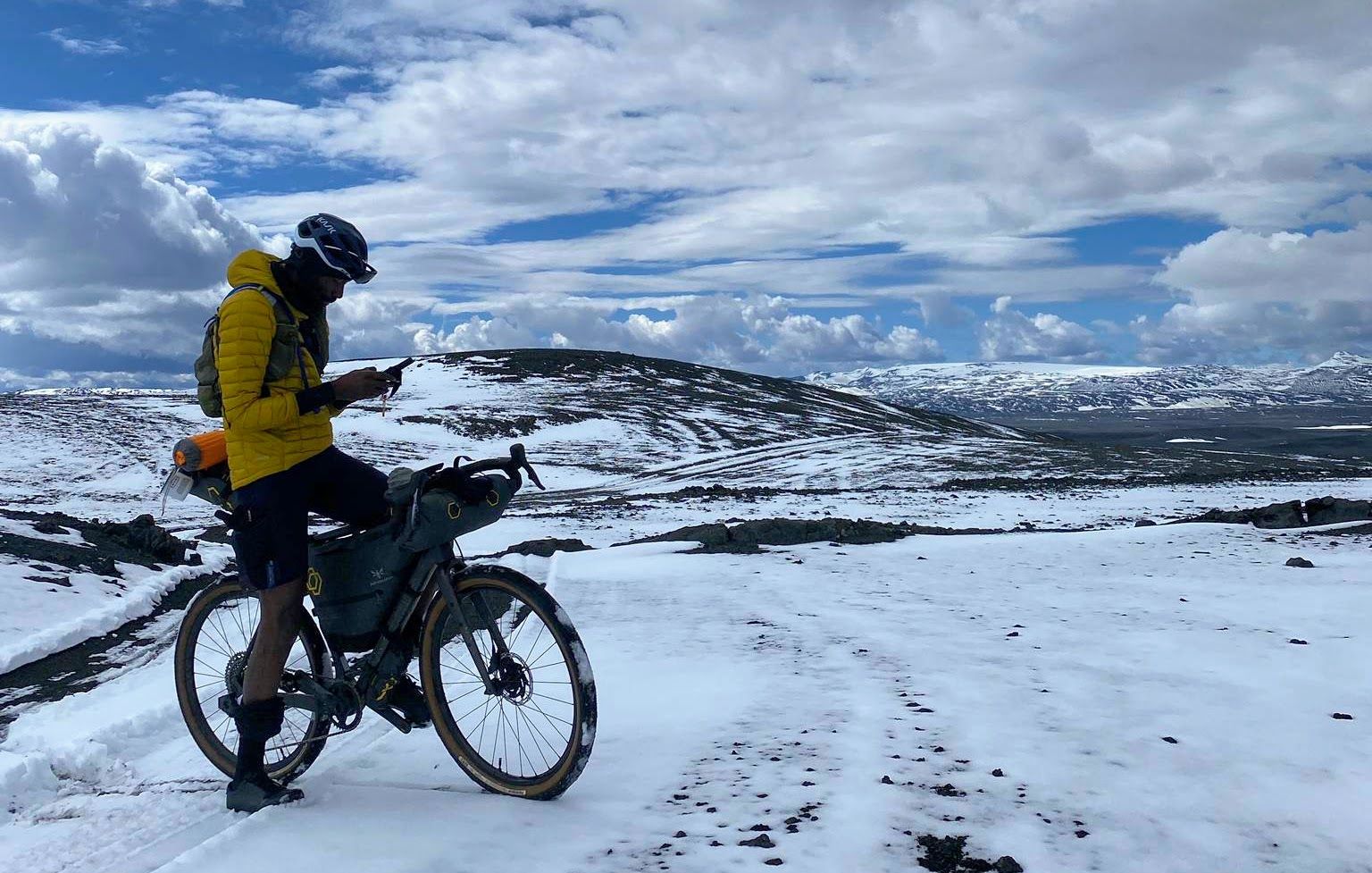
Iceland Divide – Lava fields, icy glaciers and river crossings
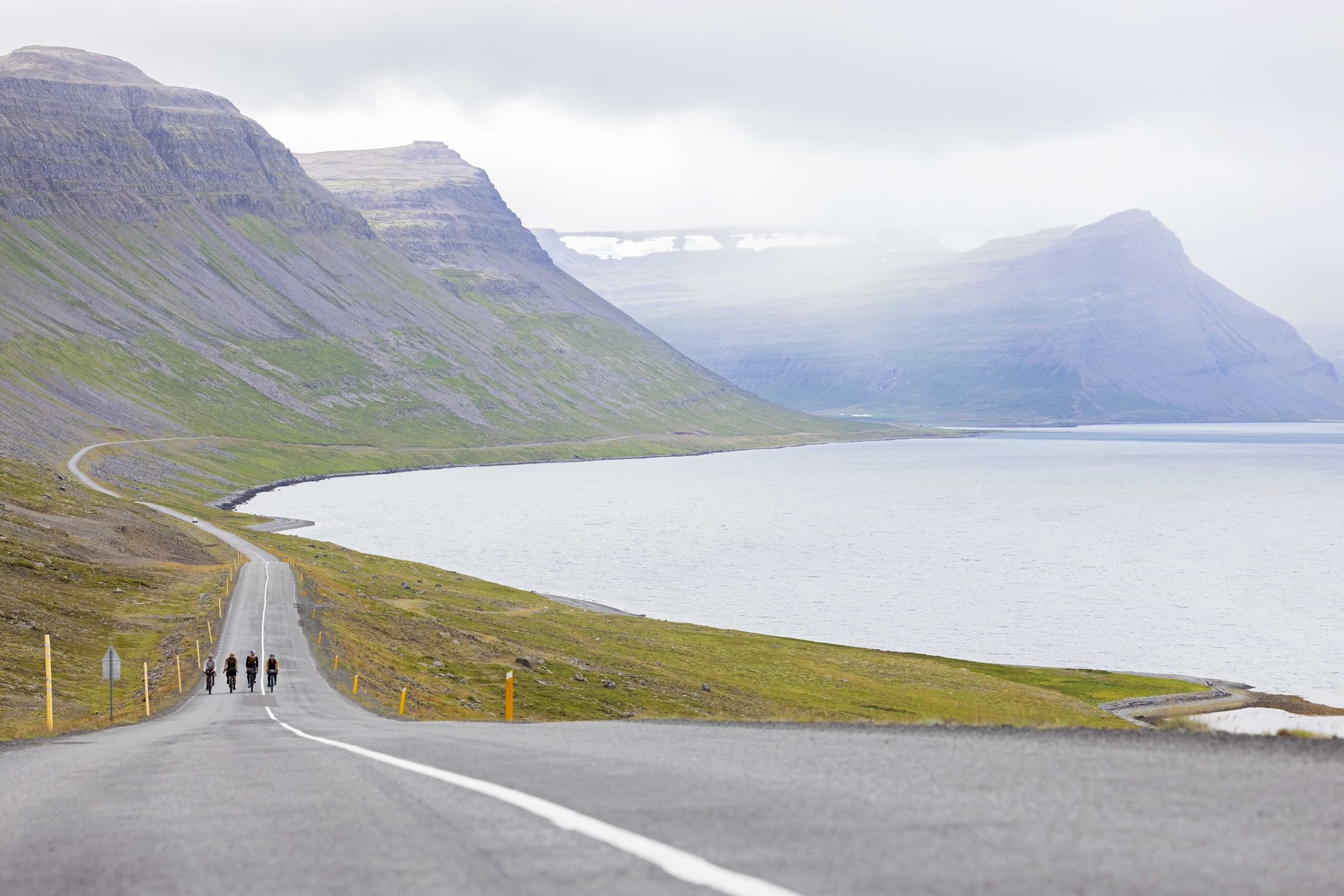
The Westfjords Way — Bikepacking Iceland's most remote coastline
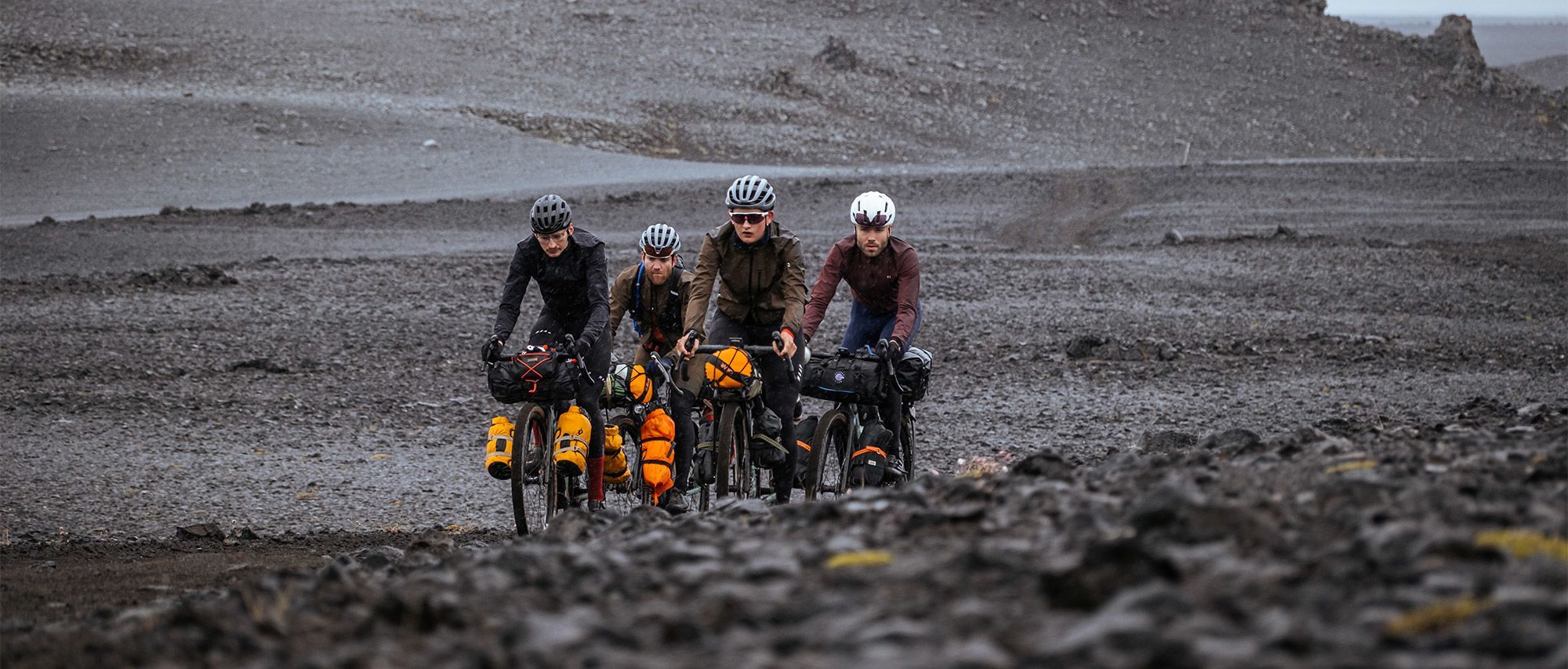
Iceland Divide — Ride Beyond Crew: between fire and ice
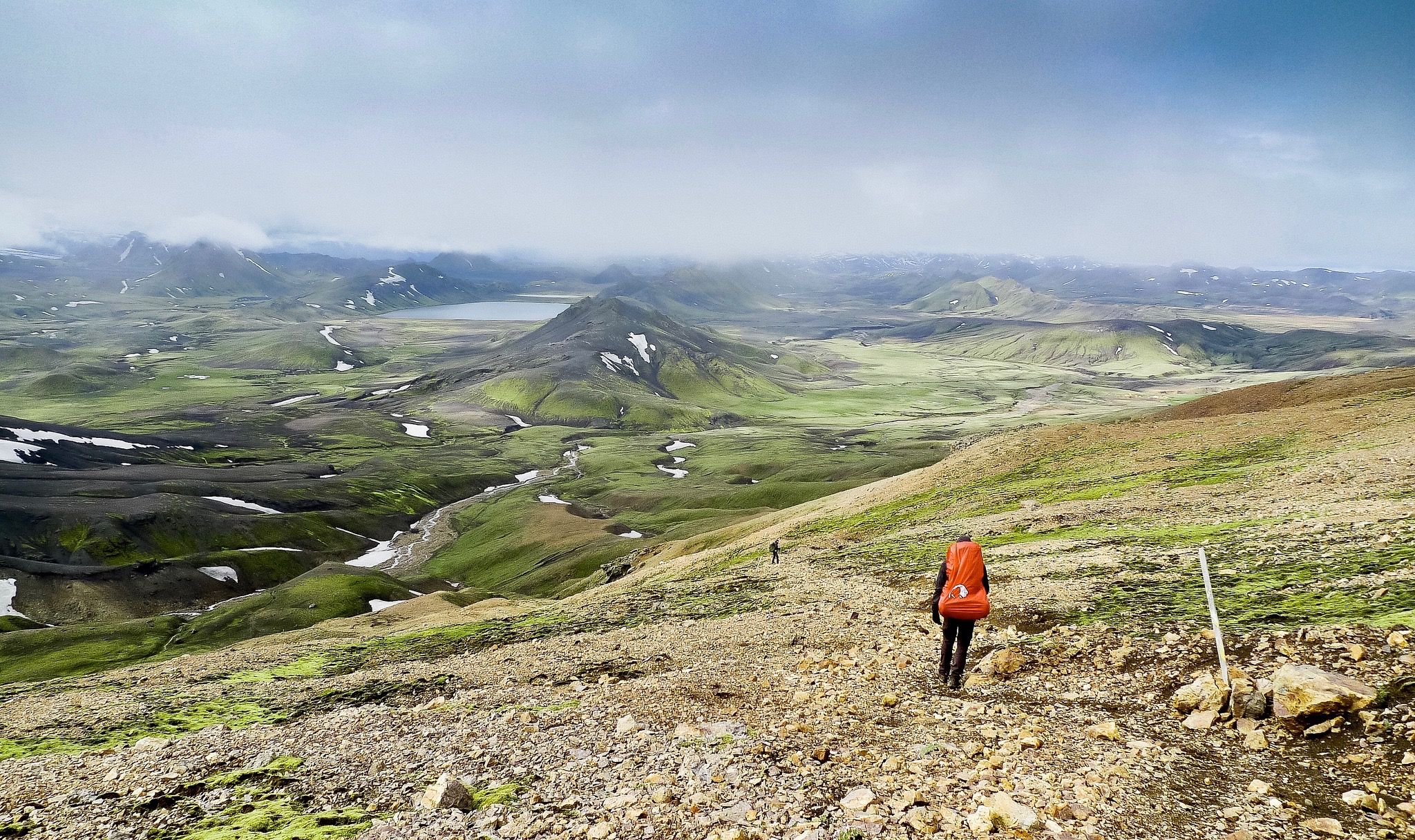
Laugavegur — 6 days trekking through Iceland
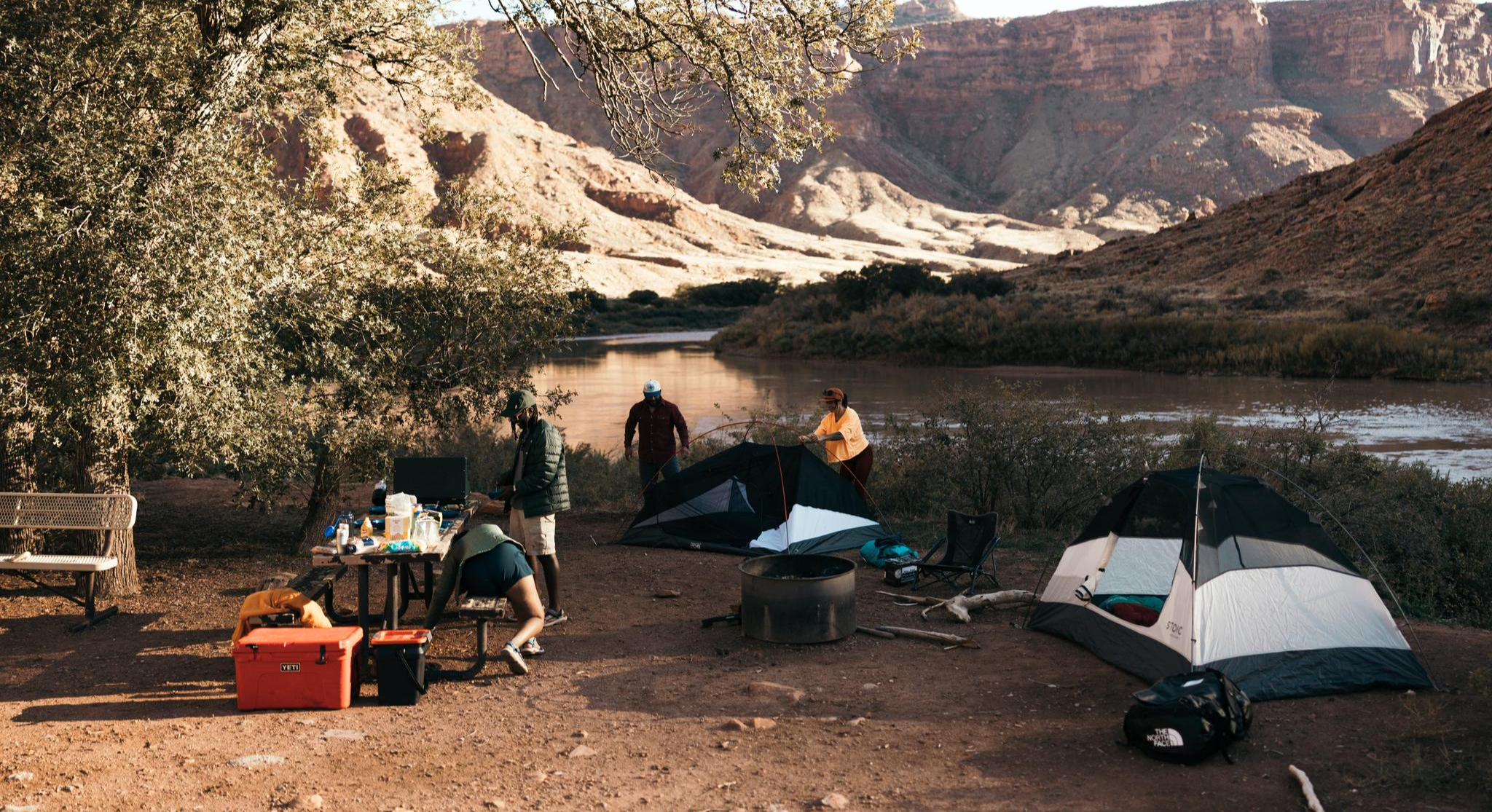
Glamping Adventures on Foot
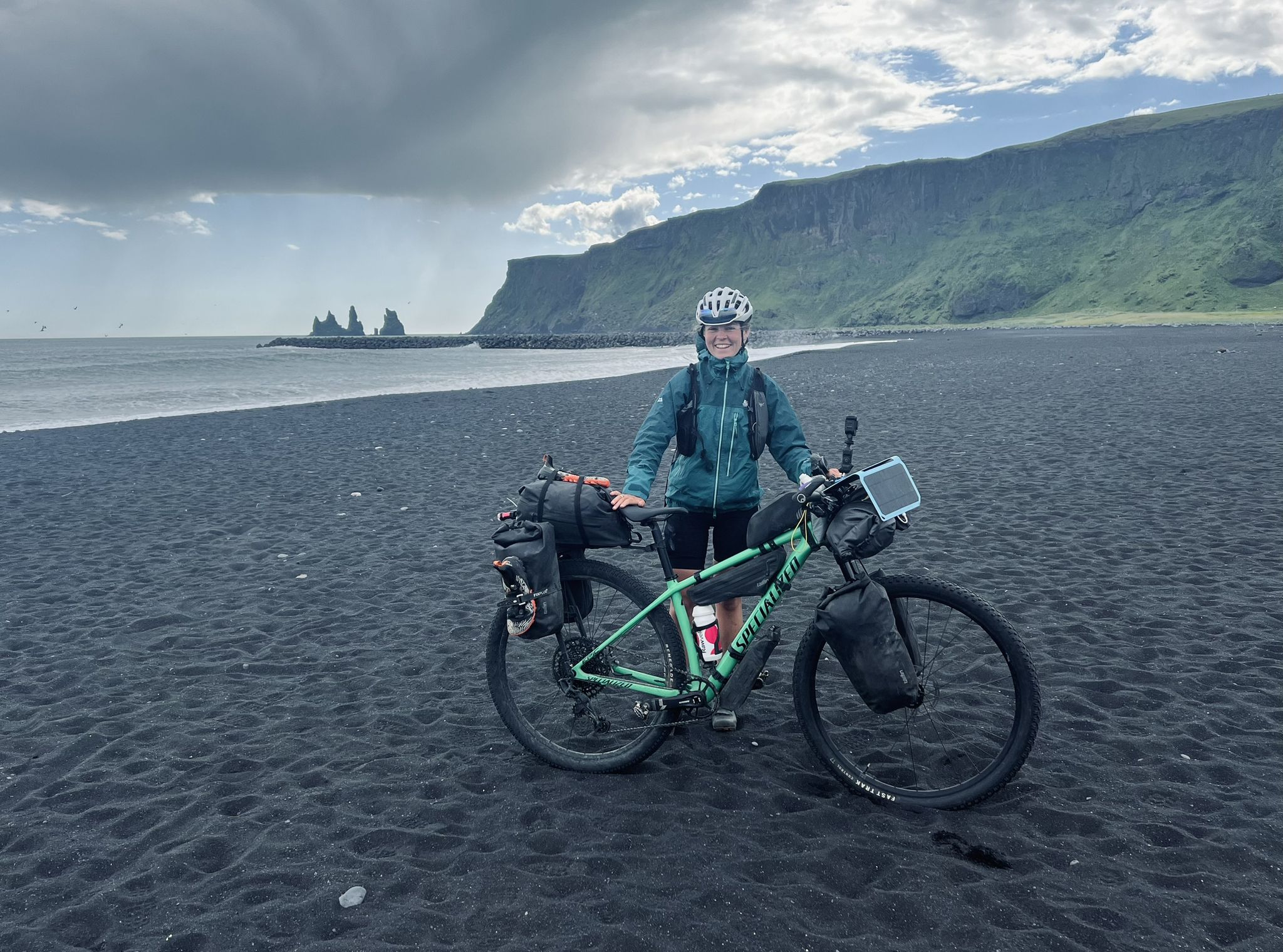
Solitude in the saddle – Iceland Divide
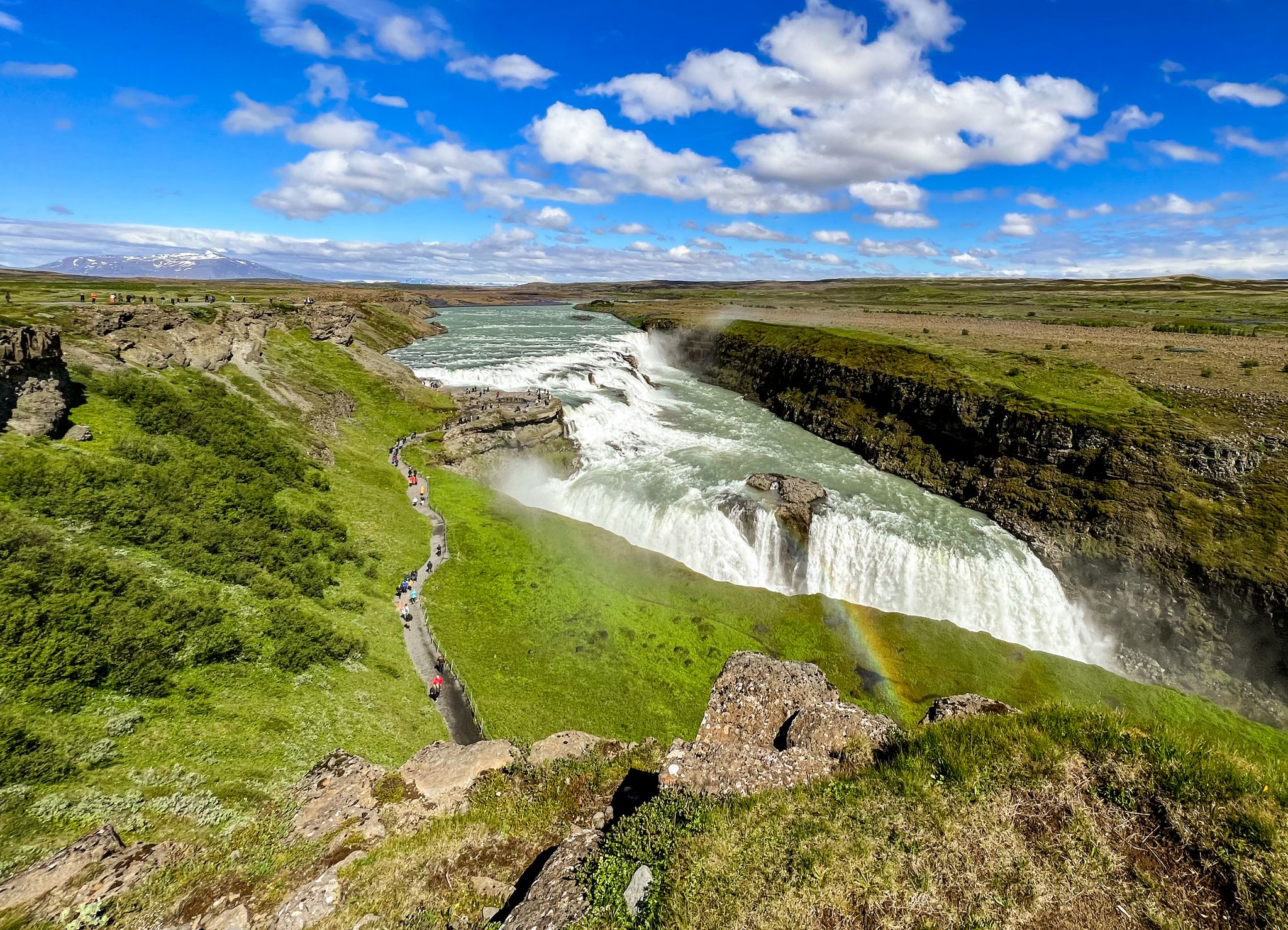
Icelandic Highlands – Kjölur and the northwest fjords
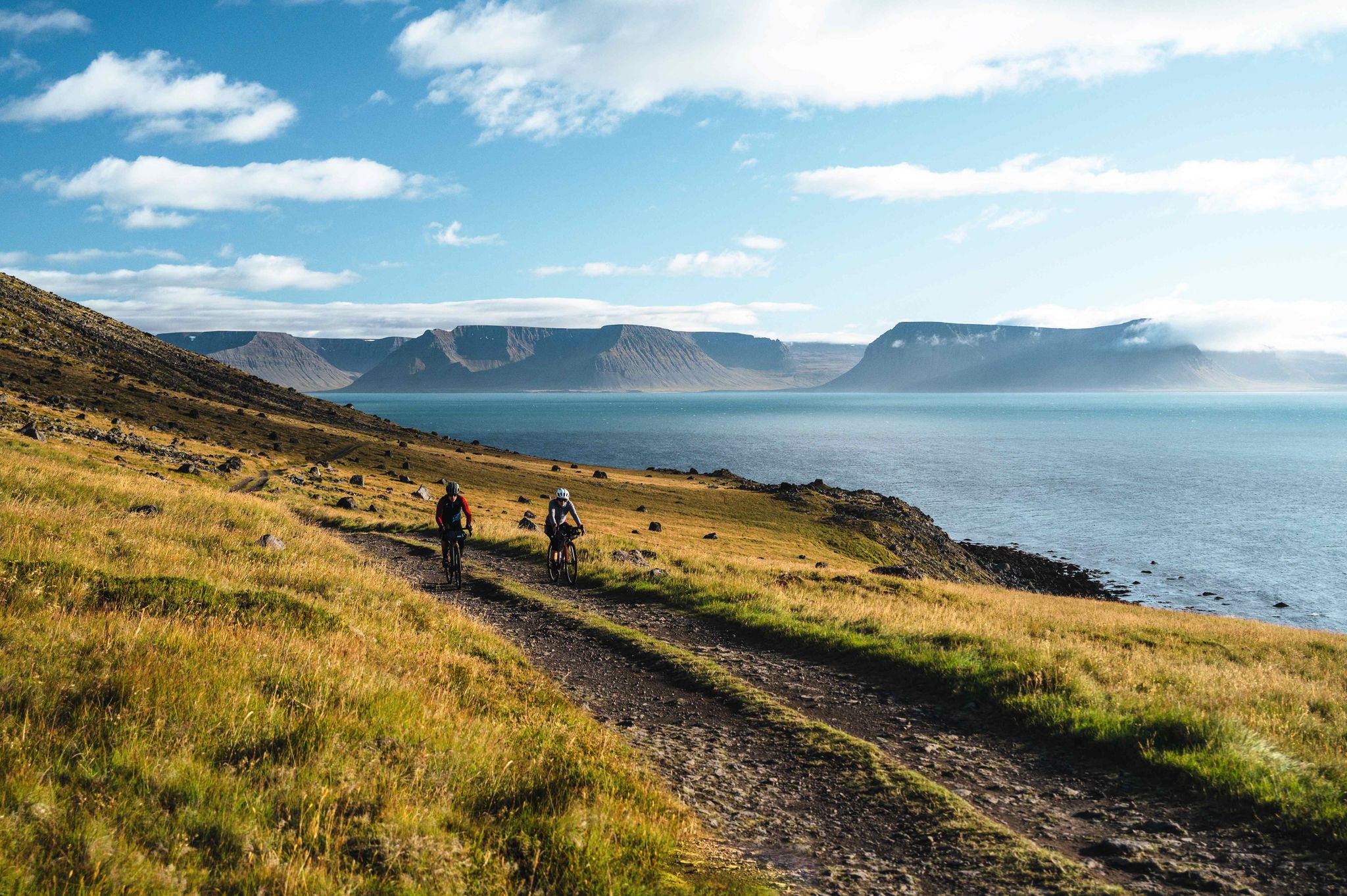
Gravel: Islands Westfjorde
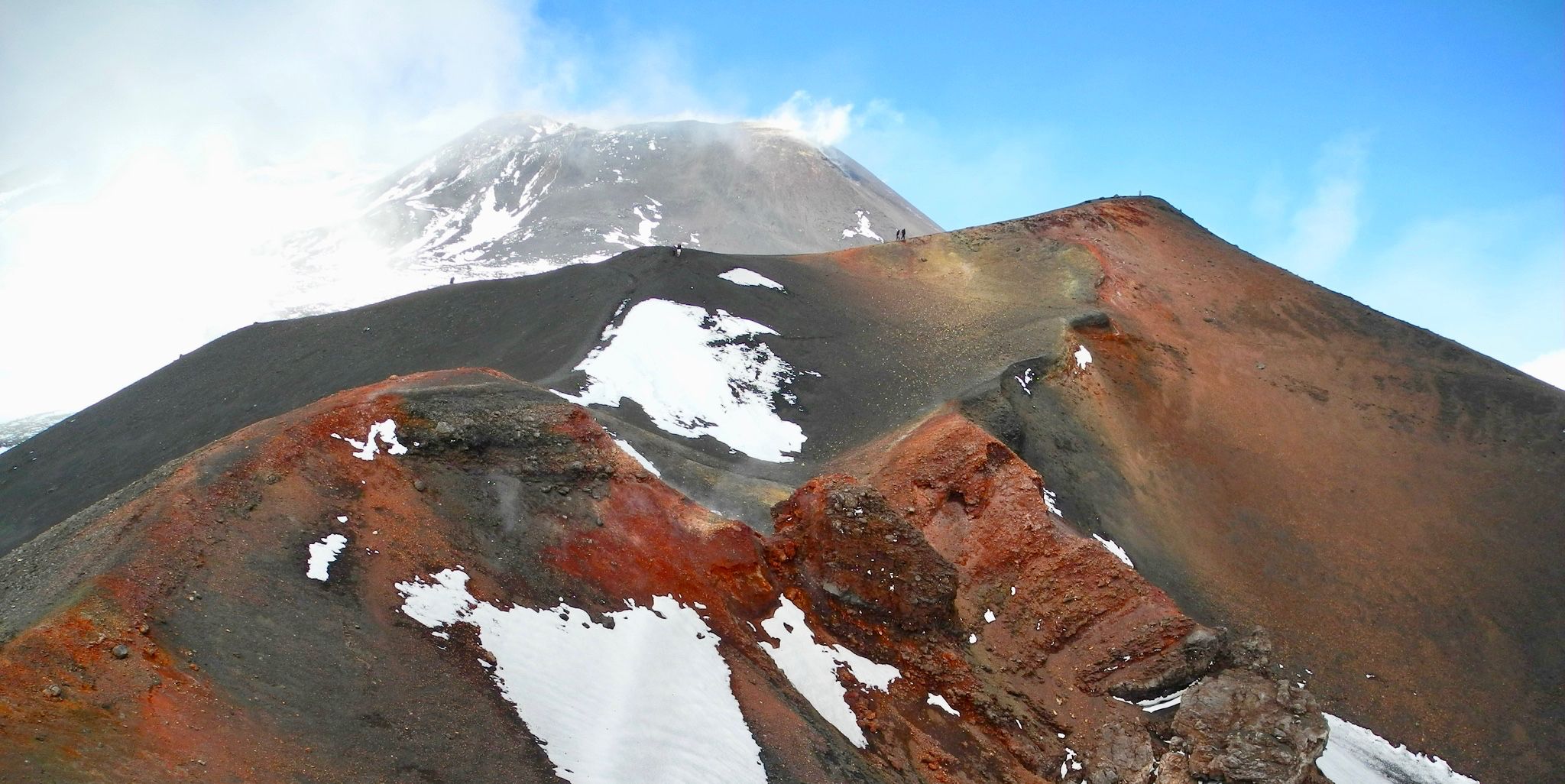
Holy mountains and their stories
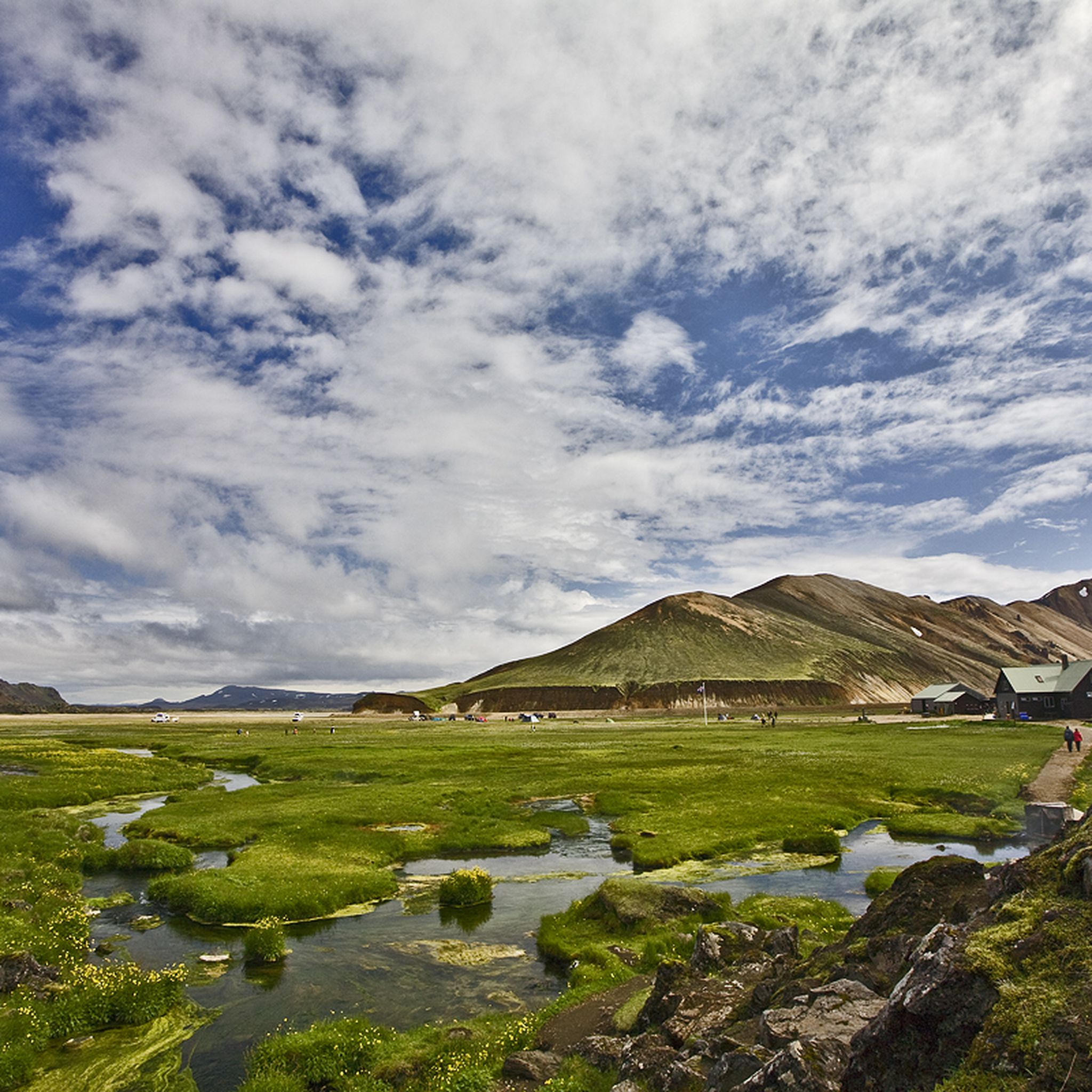
Hiking in the Iceland Mountains
Other adventures in the Iceland Mountains


Tips from the Community

The National Museum has an interesting exhibition about the proclamation of the republic here in 1944—in pouring rain, but still with a significant portion of the population at that time. Anyone with time should definitely check it out to understand why this valley is still so deeply rooted in the country's cultural history.
1
0


Þingvellir (or Thingvellir) National Park in Iceland is a unique geological location. It is the place where the North American and Eurasian tectonic plates move apart. This separation is very clearly visible in the park, making it one of the few places in the world where you can see this phenomenon so clearly. The park is located on the Mid-Atlantic Ridge and the plates here are drifting apart at a rate of about 2 to 2.5 centimeters per year. This results in spectacular geological features such as deep gorges filled with very cold and clear water, fissures, cracks, waterfalls, subsidence and fault surfaces.
14
1

Very nice place with lots of parking spaces and entrances. The P2 parking lot is generally very full, as most people intuitively use it due to its proximity to the waterfall. All the places you can visit there are therefore very well distributed. There are also good quality toilets there. Many tour operators offer day trips in small group buses.
5
0

It is unimaginable what forces must have been at work here when these continental plates formed. Why do people always think they are above everything? When nature uses its powers, people are insignificant 😉. I was very impressed by this short hike between the continental plates.
6
0
Lögberg, also known as the Whetstone, is a rocky outcropping in southwestern Iceland, on the site of the meeting of the country's Althing parliament. The original Althing was collected in Þingvellir, an area of dramatic landscapes easily accessible from the populated areas of the southwest. The exact location of Lögberg is unknown, due to the changing geography of the rift valley over 1,000 years. Two possible sites have been identified at Þingvellir, one a flat ridge at the top of a slope called Hallurinn (currently marked by a flagpole), the other in the Almannagjá fault against a rock face. The Lögberg was the place where the legislature (lögsögumaður) took his seat as the presiding officer of the assembly of the Althing. Speeches and announcements were made from this spot. Everyone present could make their argument from the Lögberg. The meetings were also called and dissolved from there. The Lögberg fulfilled its purpose from the founding of the parliament in 930. It ceased to be used in 1262, when Iceland swore allegiance to Norway.
9
1
Snorrabud is an important historical site, located in Þingvellir National Park. It is the founding location of Iceland as it was the site of the country's first parliament. The views from here are absolutely stunning. You can even go diving here if you're brave enough to brave the icy waters, where you can see the tectonic plates from a completely different perspective.
9
0
Located in the Þingvellir National Park, Þingvallakirkja is one of the oldest churches in the country. The current wooden structure dates from 185921, but the original church was consecrated in the 11th century. Inside are several bells from earlier churches, a wooden pulpit from the 17th century and a painted altarpiece from 1834. The cemetery behind the church is the final resting place of the independence era poets Jónas Hallgrímsson and Einar Benediktsson. The church is usually closed unless there are staff around.
7
0
Frequently Asked Questions
What are some notable waterfalls to visit in the Iceland Mountains?
The Iceland Mountains are home to many impressive waterfalls. You can walk behind the cascading water at Seljalandsfoss Waterfall. Svartifoss is famous for its unique basalt column formations, creating a mystical backdrop, especially in winter. Öxarárfoss is a picturesque waterfall within Thingvellir National Park, notable for flowing over the continental fissure. Additionally, Hengifoss Waterfall, one of Iceland's highest, features striking reddish, grainy layers of volcanic ash in its background. Other majestic waterfalls include Gullfoss, Háifoss, Skógafoss, and Dettifoss.
Where can I see unique geological formations in the Iceland Mountains?
The region offers diverse geological wonders. Thingvellir National Park is a prime location, situated in an active volcanic area with a major tectonic rift where the North American and Eurasian plates meet. Here, you can explore the impressive Flosagjá Fissure and the Almannagjá Rift. The Highlands boast areas like Landmannalaugar with its vibrant, multicolored rhyolite mountains and lava fields, and Kerlingarfjöll, known for its steaming vents and bubbling mud. The symmetrical explosion crater Hverfjall in North Iceland is another striking example.
Are there any famous mountains or peaks to explore in the Iceland Mountains?
Yes, Iceland's mountains are iconic. Hvannadalshnúkur is Iceland's highest peak, offering challenging ascents and sweeping views. Kirkjufell on the Snæfellsnes Peninsula is one of the most photographed mountains due to its distinctive cone shape. Snæfellsjökull is a glacier-capped stratovolcano famous from Jules Verne's *Journey to the Centre of the Earth*. Other notable peaks include Mount Esja, popular for hiking near Reykjavík, Vestrahorn with its jagged silhouette, and Herðubreið, the 'Queen of Icelandic Mountains' in the Central Highlands.
What historical and cultural sites can I visit in the Iceland Mountains?
Þingvellir National Park is a UNESCO World Heritage Site, historically significant as the site of Iceland's ancient outdoor parliament, the Althing. Within the park, you can visit Lögberg (Law Rock) and Thingvellir Church. In North Iceland, Hólar is known for ancient rock carvings, and Ásbyrgi Canyon is steeped in Norse mythology. The Ancient Settlement of Herjólfsdalur in the Westman Islands and the reconstructed Commonwealth Farm (Stöng farmstead) in Þjórsárdalur valley offer glimpses into Iceland's Viking past.
Are there family-friendly attractions in the Iceland Mountains?
Many attractions are suitable for families. You can walk behind Seljalandsfoss Waterfall, which is a memorable experience for all ages. Öxarárfoss and Magnúsarfoss are picturesque and easily accessible. Thingvellir National Park offers gentle trails and historical exploration, including the Almannagjá Rift and Lögberg, making it an engaging educational outing for families.
What kind of hiking opportunities are available near these attractions?
The Iceland Mountains offer a wide range of hiking opportunities. You can find trails for various skill levels, from easy walks to challenging ascents. For example, near Skaftafell, you can embark on the 'Svartifoss – Magnúsarfoss loop' which is a difficult 16.9 km route, or a moderate 7.4 km loop. The Landmannalaugar area is a popular starting point for the famous Laugavegur Hiking Trail. For more detailed routes and options, explore the Mountain Hikes in the Iceland Mountains guide.
When is the best time to visit the Iceland Mountains for outdoor activities?
The best time to visit for outdoor activities like hiking is generally during the summer months, from June to August. During this period, the weather is milder, daylight hours are long, and most trails are accessible. Some areas, like Hekla, offer mountain hikes specifically during the summer. However, winter offers unique experiences, such as viewing Svartifoss with its long icicles and shimmering ice sculptures, though many trails may be challenging or inaccessible due to snow and ice.
Can I go cycling or mountain biking in the Iceland Mountains?
Yes, the Iceland Mountains provide excellent opportunities for both cycling and mountain biking. You can find routes ranging from easy to difficult. For instance, there's an easy 15.7 km cycling loop from Ísafjörður to the Búðará Waterfall, or a more challenging 49.6 km loop from Hraunskirkja. Mountain bikers can tackle routes like the difficult 56.7 km 'Simbahöllin cafe – Svalvogur Coastal Road loop' from Þingeyri. Discover more routes in the Cycling in the Iceland Mountains guide and the MTB Trails in the Iceland Mountains guide.
What other natural features, besides mountains and waterfalls, can I find?
Beyond mountains and waterfalls, Iceland's landscape is rich with other natural wonders. You can explore vast glaciers like Vatnajökull (Europe's largest), Langjökull, and Hofsjökull, which offer opportunities for glacier hikes and ice cave exploration. Geothermal activity is prominent, with vibrant hot springs and geothermal areas in places like Landmannalaugar, Námafjall, and the Geysir Hot Springs Area. The country also boasts impressive canyons such as Jökulsárgljúfur, Ásbyrgi, and Fjaðrárgljúfur.
What do visitors enjoy most about the attractions in the Iceland Mountains?
Visitors particularly enjoy the unique geological formations and the immersive natural experiences. For example, the ability to walk behind Seljalandsfoss Waterfall is often described as spectacular. The basalt columns of Svartifoss create a mystical atmosphere, especially with winter icicles. The clear waters of the Flosagjá Fissure are noted for their clarity, allowing views to the bottom. The dramatic landscapes and the feeling of being in an otherworldly environment are frequently highlighted by visitors.
Are there any challenging trails for experienced trekkers in the Iceland Mountains?
Yes, experienced trekkers will find several challenging options. The ascent of Hvannadalshnúkur, Iceland's highest peak, is a demanding climb. The Laugavegur Hiking Trail, starting from Landmannalaugar, is a multi-day trek renowned for its diverse and challenging terrain. Additionally, some routes listed in the nearby guides, such as the 'Svartifoss – Magnúsarfoss loop' from Skaftafell, are rated as difficult, offering a significant challenge for those seeking strenuous hikes.
Most popular routes in the Iceland Mountains
Most popular attractions in the Iceland Mountains

Get inspired with the komoot mobile app


Explore more
Still not found the Highlight you’re looking for? See guides of the top attractions in other regions:
