Top 4 Castles around Clavering
Castles around Clavering include the historically significant Clavering Castle, located in northwest Essex. This site features extensive earthworks and is considered one of the earliest castle sites in eastern England, potentially predating the Norman Conquest. The village sits on the southern bank of the River Stort, which was historically diverted to feed the castle's moat. Clavering offers a glimpse into Anglo-Saxon and early Norman fortifications through its preserved ringwork and moated site.
Best castles around Clavering
- The most popular castles…
Last updated: June 28, 2026
Audley End House
Highlight • Historical Site
Translated by Google •
Tip by

Walden Castle Ruins
Highlight • Historical Site
Tip by
Sign up now to discover places like this
Get recommendations on the best single tracks, peaks, & plenty of other exciting outdoor places.
Sign up for free
Stansted Mountfitchet: Norman village and castle mound
Highlight • Castle
Tip by

Audley End House and Park
Highlight (Segment) • Historical Site
Tip by

Waytemore Castle Mound
Highlight • Monument
Tip by

Start today with a free account
Your next adventure awaits.
Login or Signup
Tips from the Community

Fantastic view of Audley End House from Adam Bridge. Audley End is a 17th Century mansion that is known as a prodigy house, meaning that it is extra impressive. Often seen on TV on the likes of Antiques Roadshow, the house used to three times the size, if you can believe it. It's a fabulous view as you cycling past, and worth making a detour out of Saffron Walden for.
0
0

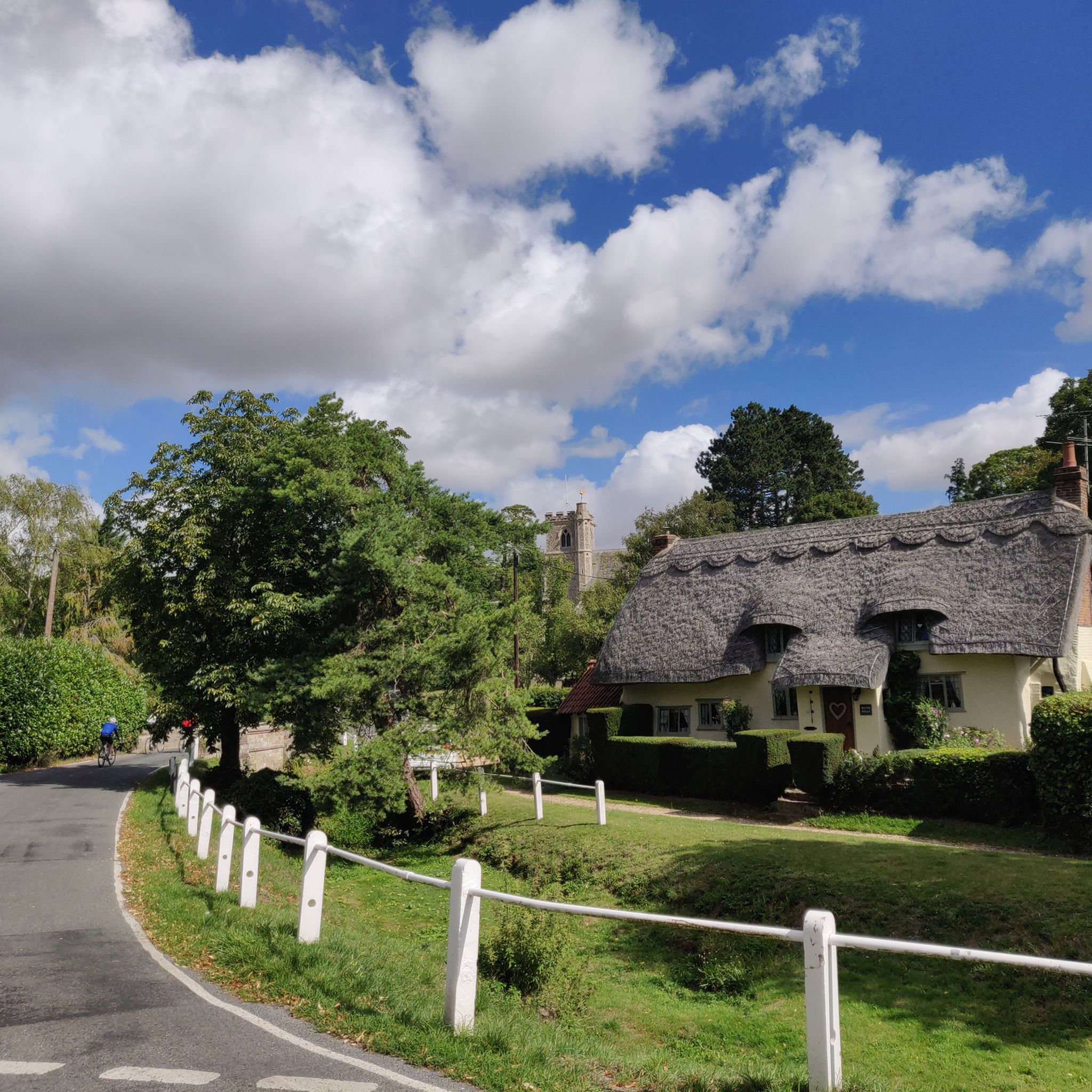
It is a good place to stop and try the three pubs . Castle mound and Toy Museum. other places to eat and drink. train station and co-op.
0
0

The history of Waytemore Castle is shrouded in mystery. It is thought that it was a Saxon fortress built in the 10th century against invasion by the Danes but there is no record of it in the Domesday Book of 1086, a thorough survey and record of England commissioned by William the Conqueror after his victory at the Battle of Hastings in 1066. Now all you can see of the castle is the mound on which it stood and the stream to the south and west which would have been a much larger moat. The ruins on top are much later than 10th or 11th century. It has never been excavated for archeological research so who knows what secrets it holds.
0
0
Follow the River Cam through the Audley End estate, finishing with stunning views of the house itself. In summer you can walk around the beautiful grounds too.
0
0

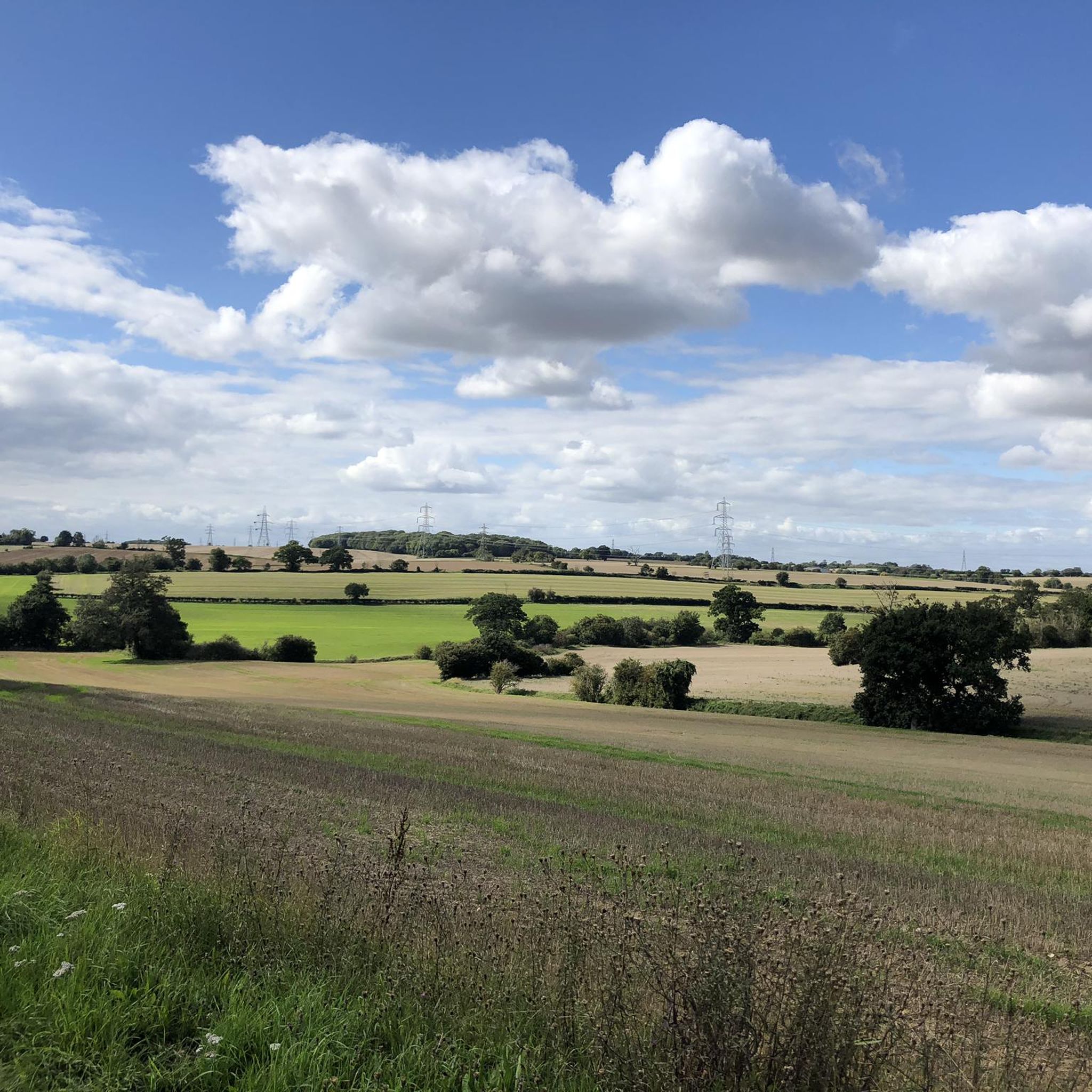
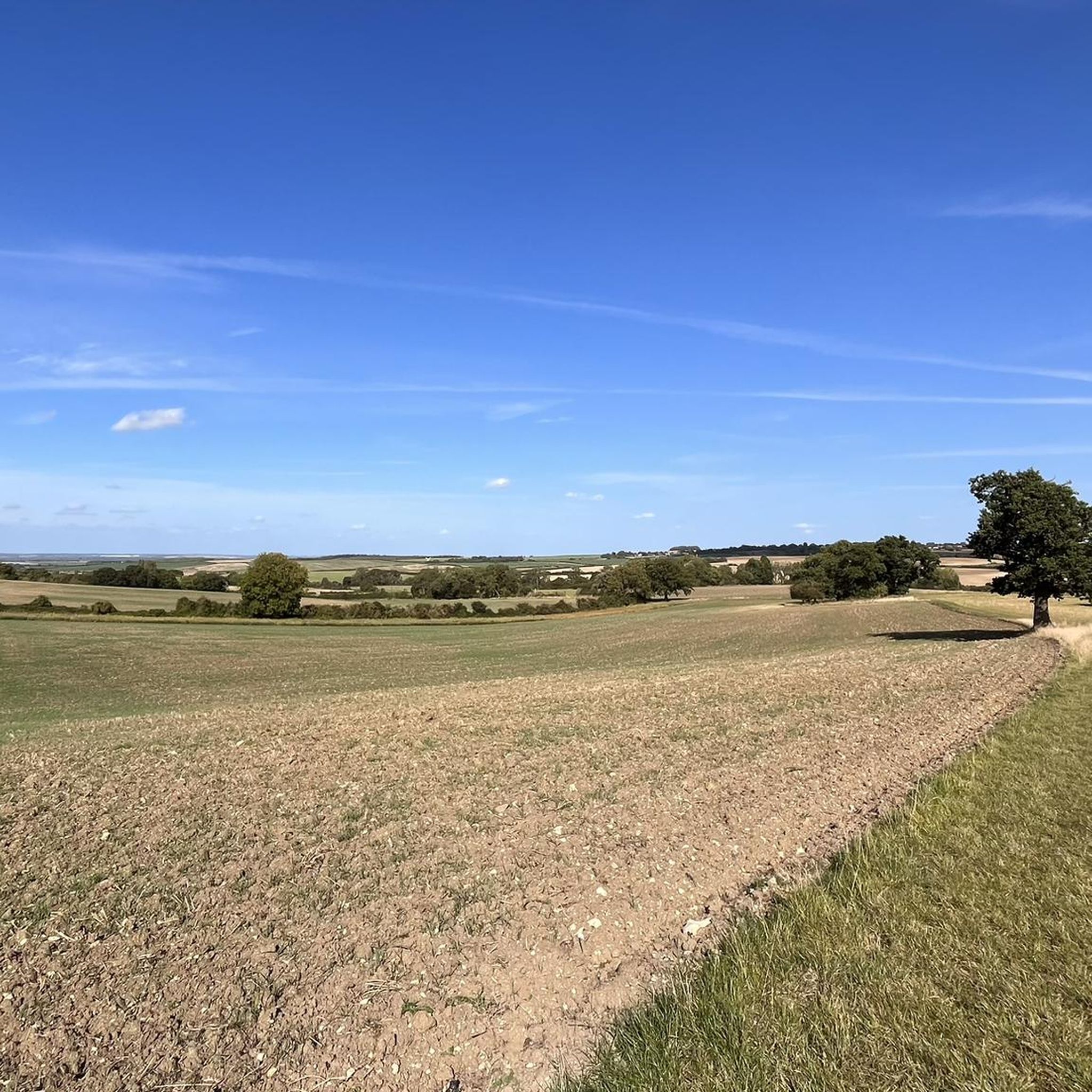
Beatuful scenery cycling out of Saffron Walden to reach Audley End.
0
0

Scenic, landscaped view where the River Cam flows in front of a stately home.
0
0

Audley End House is a largely early 17th-century country house outside Saffron Walden https://www.english-heritage.org.uk/visit/places/audley-end-house-and-gardens/
0
0

Fantastic to look at, great photo opportunity if that's your thing, nice roads and other scenery to look at too.
0
0
Frequently Asked Questions
What types of historical castle sites can I explore around Clavering?
The Clavering area offers a diverse range of castle sites, from impressive earthworks to grand mansions and ancient ruins. You can visit the historically significant Clavering Castle, which exists primarily as extensive earthworks and a moated site, potentially predating the Norman Conquest. Other sites include the 17th-century mansion Audley End House, the ancient Walden Castle Ruins, and the intriguing Waytemore Castle Mound, thought to be a Saxon fortress.
Are there any pre-Norman castle sites near Clavering?
Yes, Clavering Castle itself is highly significant for its potential pre-Norman origins. It is considered one of the earliest castle sites in eastern England, with its ringworks and earthworks possibly dating back to 1052. While it exists as earthworks today, its historical importance as a rare Anglo-Saxon fortification is immense. You can view the preserved earthworks from a public footpath.
Which castles around Clavering are suitable for families?
Several castle sites in the area are family-friendly. Audley End House offers extensive grounds and gardens to explore, though entry fees apply for the house and gardens. The Stansted Mountfitchet: Norman village and castle mound provides a unique experience with its reconstructed Norman village and castle mound, often including a toy museum. Walden Castle Ruins and Waytemore Castle Mound are also accessible for families looking to explore historical ruins and earthworks.
What outdoor activities can I do near the castles around Clavering?
The area around Clavering is excellent for combining castle visits with outdoor activities. You can find numerous routes for gravel biking, running, and mountain biking. For example, there are several gravel biking routes, including loops from Saffron Walden that pass by sites like Audley End. If you prefer running, explore running trails that take you past Clavering Castle and through scenic countryside. There are also MTB trails for more adventurous cycling.
Are there any castles near Clavering that are more than just ruins or earthworks?
Yes, Audley End House is a magnificent 17th-century Jacobean mansion, often referred to as a 'prodigy house' due to its impressive scale and architecture. While its origins are not as ancient as the castle mounds, it offers a grand historical experience with its house, gardens, and parkland. It is managed by English Heritage, so an entry fee applies to visit the house and gardens.
What is the best time of year to visit castles around Clavering?
Visiting during spring and summer (April to September) generally offers the most pleasant weather for exploring the outdoor earthworks and ruins, as well as enjoying the gardens at places like Audley End. The longer daylight hours are also beneficial. However, the historical significance of sites like Clavering Castle and Waytemore Castle Mound can be appreciated year-round, provided you dress appropriately for the weather.
Is there an entry fee for castles in the Clavering area?
Entry fees vary by site. For instance, visiting the house and gardens at Audley End House typically requires an entry ticket, as it is managed by English Heritage. However, the earthworks of Clavering Castle can be viewed from a public footpath without charge, and sites like Walden Castle Ruins, Stansted Mountfitchet: Norman village and castle mound, and Waytemore Castle Mound are generally accessible without a direct entry fee, though some may have associated attractions that charge.
Where can I find food and drink near the castle sites?
The village of Clavering itself has local pubs, such as The Cricketers, which is a popular spot. Near Stansted Mountfitchet: Norman village and castle mound, the village offers three pubs and other places to eat and drink. Saffron Walden, a short distance from Audley End and Walden Castle Ruins, also provides a wider selection of cafes, pubs, and restaurants.
Are there any castles near Clavering that offer impressive views?
Yes, Audley End House offers fantastic views, particularly from Adam Bridge, where you can admire the grand 17th-century mansion and its expansive grounds. While the other castle sites are primarily earthworks or ruins, their historical context within the landscape provides a unique perspective on early medieval defensive strategies.
What makes Clavering Castle historically significant?
Clavering Castle is exceptionally significant because its earthworks are believed to predate the Norman Conquest, potentially making it one of the earliest castle sites in eastern England. It was likely a ringwork fortification, a type of medieval defense used from late Anglo-Saxon times. References suggest it might be 'Robert's Castle' from the Anglo-Saxon Chronicle of 1052, belonging to Robert Fitz-Wimarc. Its scale and moated design offer a rare glimpse into transitional castle building in England.
Can I visit the castles around Clavering using public transport?
Public transport options vary. Stansted Mountfitchet, home to the Norman village and castle mound, has a train station, making it relatively accessible. For other sites like Clavering Castle, Audley End, and the castle mounds, public transport might involve a combination of trains to nearby towns (like Saffron Walden or Bishop's Stortford) and then local bus services or taxis. It's advisable to check local bus schedules in advance, as services can be less frequent in rural areas.
Most popular attractions around Clavering

Get inspired with the komoot mobile app


Explore more
Looking for the best castles somewhere else? Discover other guides around Clavering:
