Baslow and Bubnell CP
Baslow and Bubnell CP
Top 11 Caves around Baslow and Bubnell CP
Best caves around Baslow and Bubnell CP is situated in the heart of the Peak District, an area known for its diverse subterranean landscapes. The region offers a variety of experiences, from natural limestone caverns to sites of archaeological importance. Baslow and Bubnell CP serves as a gateway to exploring these geological features and historical sites within a short distance. The landscape is characterized by limestone gorges and crags, providing the ideal conditions for cave formation.
Best caves around Baslow…
Last updated: October 2, 2026
Rowtor Rocks
Highlight • Structure
Tip by

Robin Hood's Cave
Highlight • Cave
Tip by
Sign up now to discover places like this
Get recommendations on the best single tracks, peaks, & plenty of other exciting outdoor places.
Lathkill Head Cave
Highlight • River
Tip by

Rowtor Rocks and the Druid's Cave
Highlight (Segment) • Natural Monument
Rowtor Rocks consists of numerous interlinked tunnels and caverns, some natural and some man-made. Many of the …
Tip by

Cucklet Delf Natural Arch
Highlight • Viewpoint
Tip by
Sign up for free to discover even more caves around Baslow and Bubnell CP.
Already have an account?
Start today with a free account
Your next adventure awaits.
Popular around Baslow and Bubnell CP
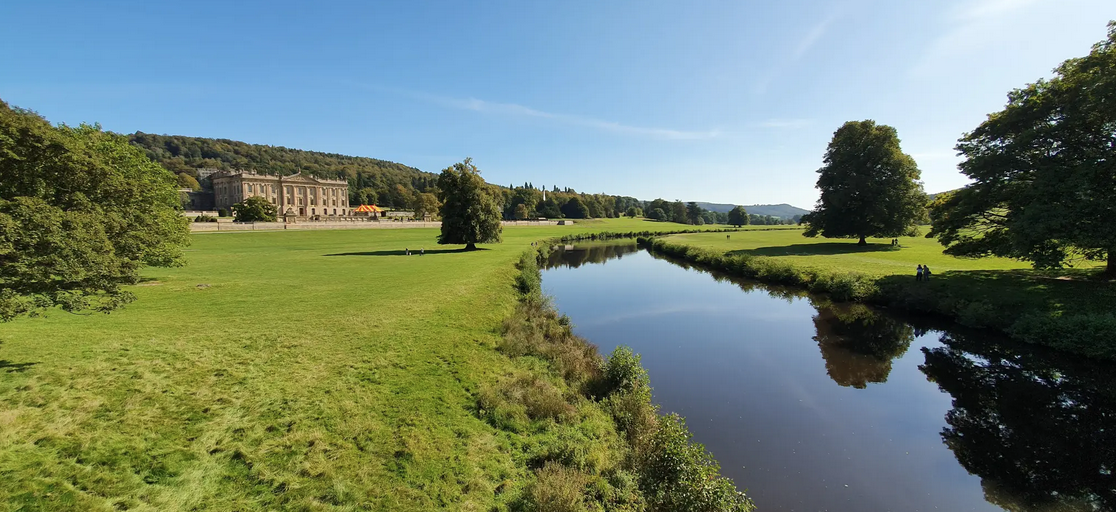
Derwent Valley Heritage Way — Hike a river that changed the world
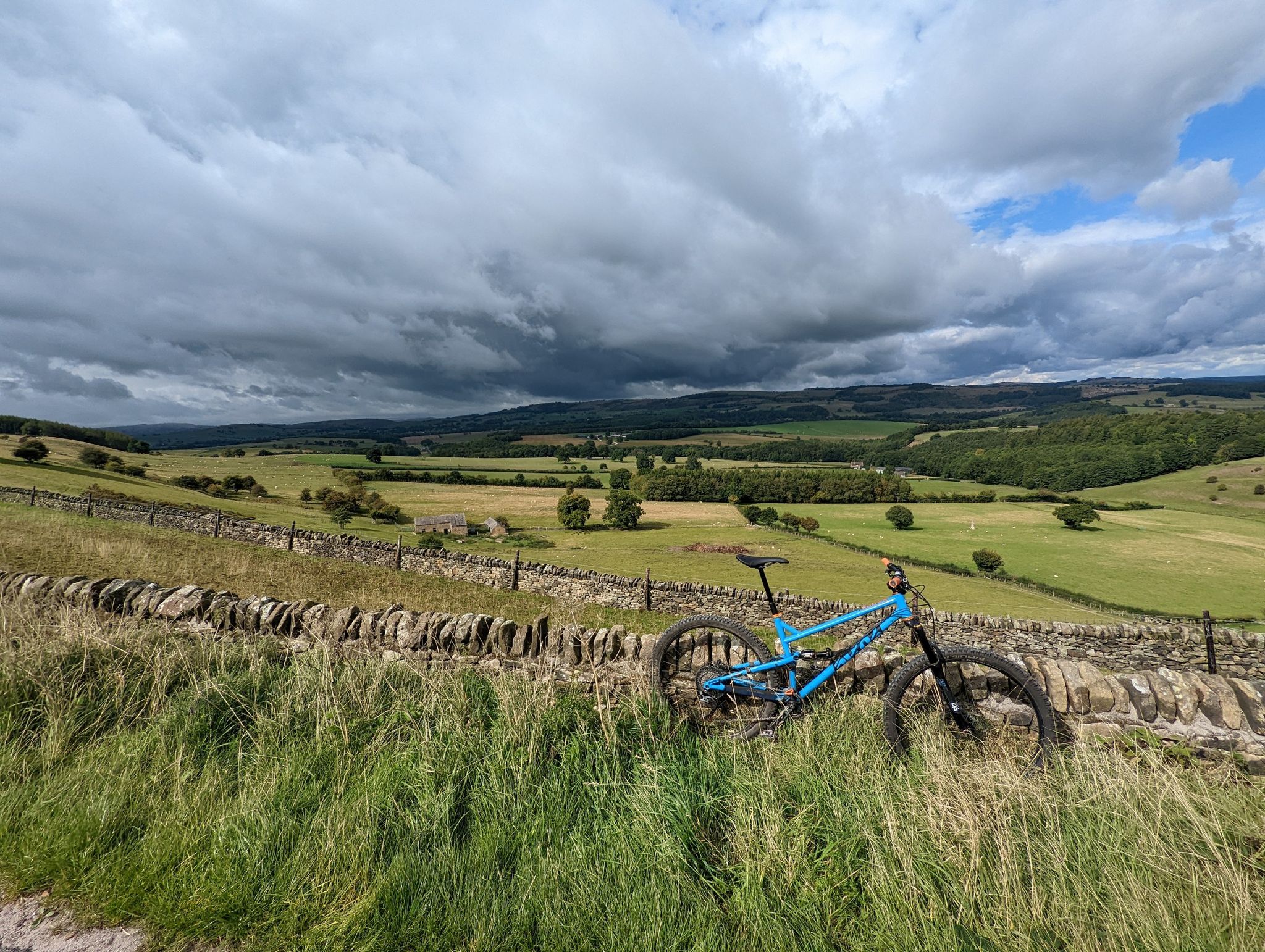
MTB Derbyshire — A proper mixed bag of goodies!
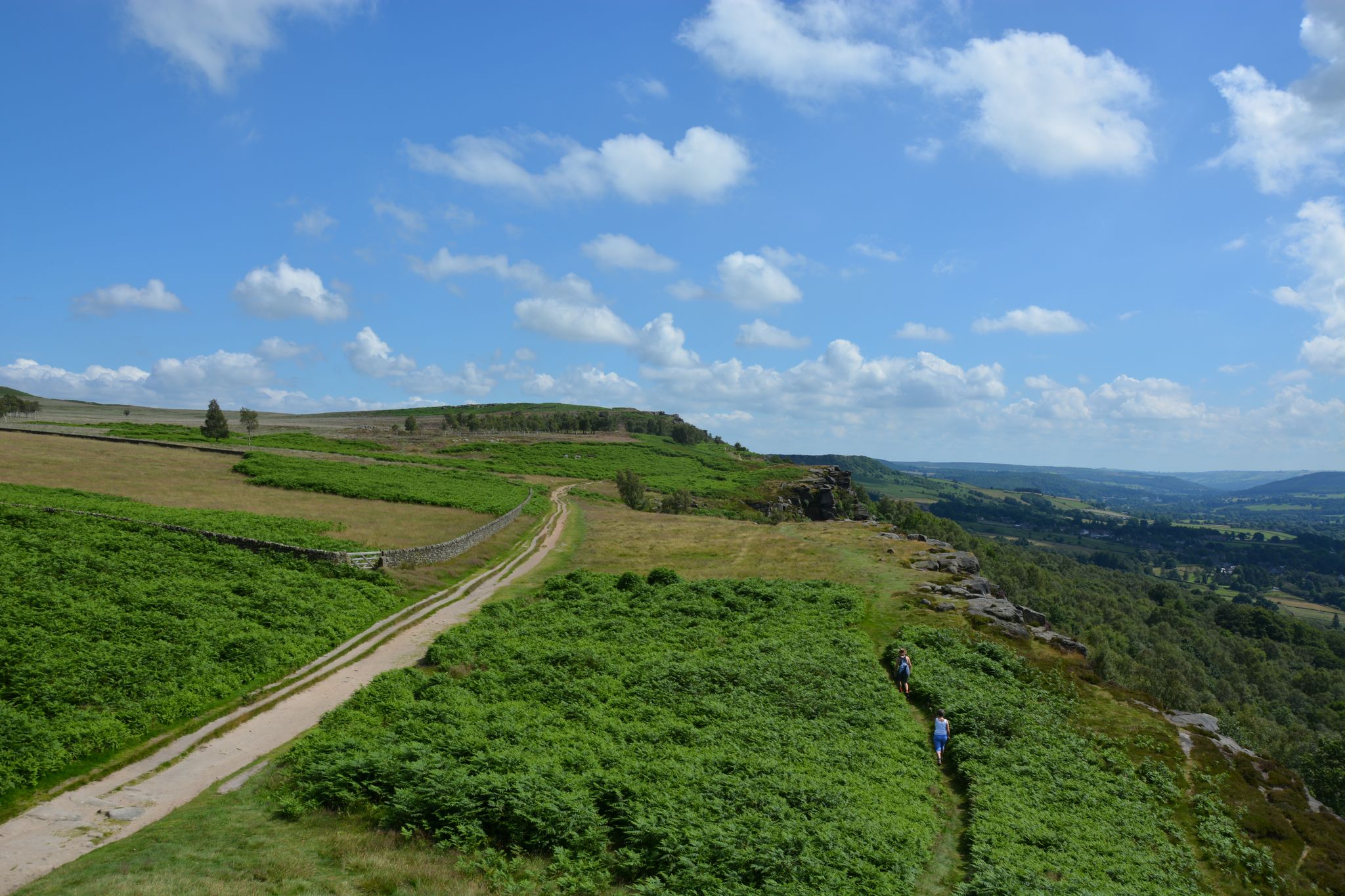
10 Stunning trail runs in the Dark Peak — Peak District National Park
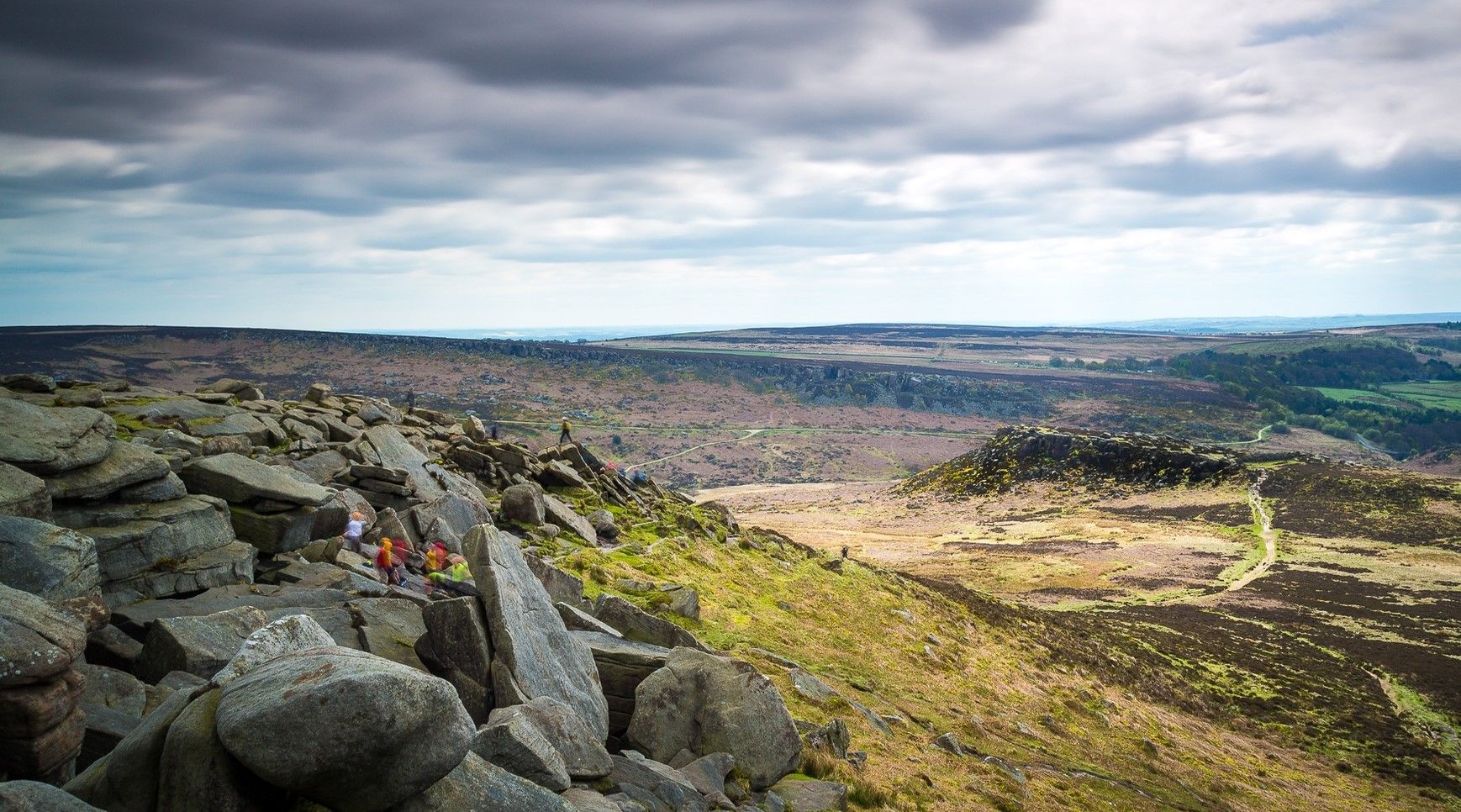
Hike the beauty of the outdoor city — Sheffield
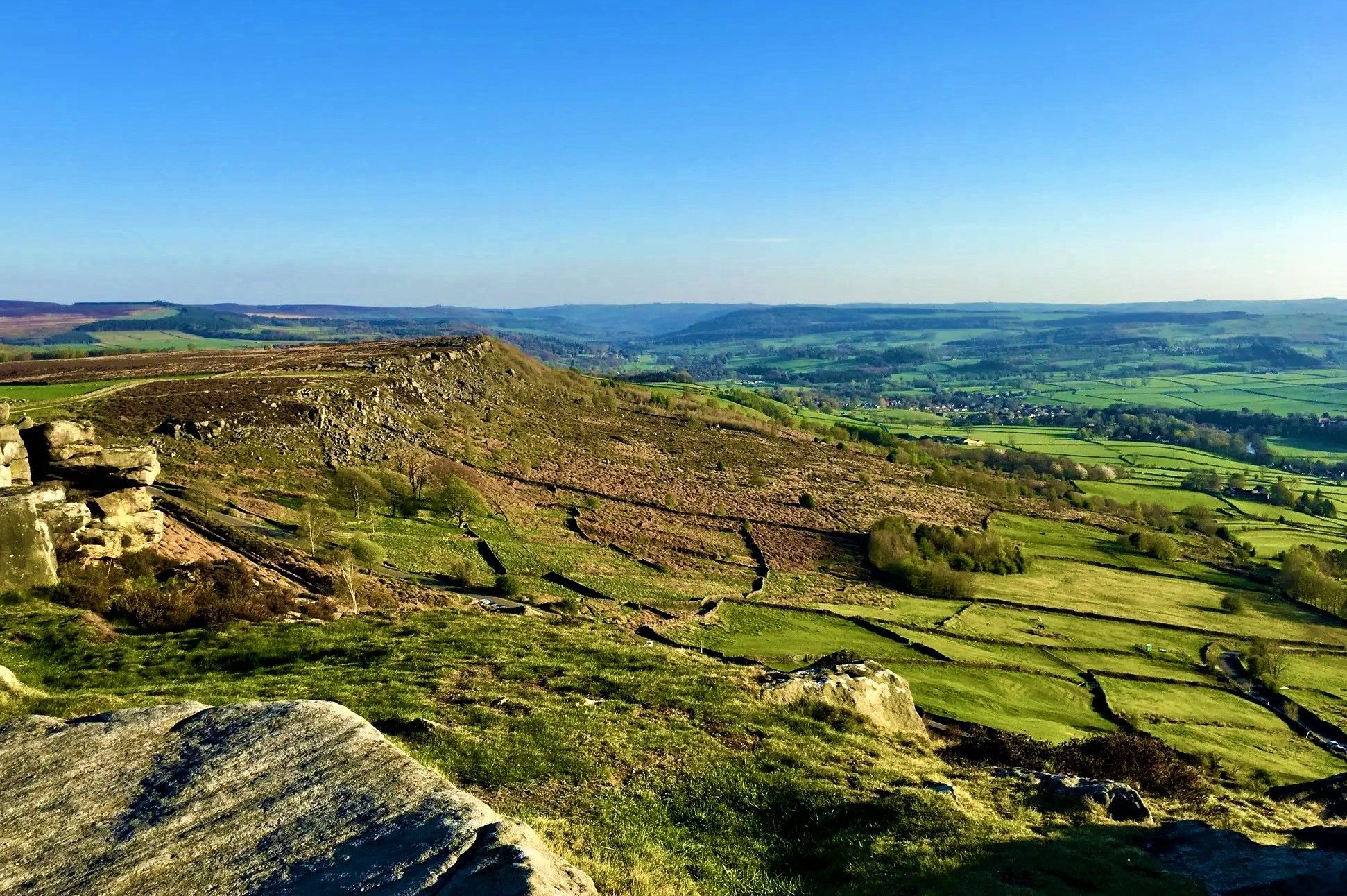
Mythical adventures and magical beauty – Peak District hikes
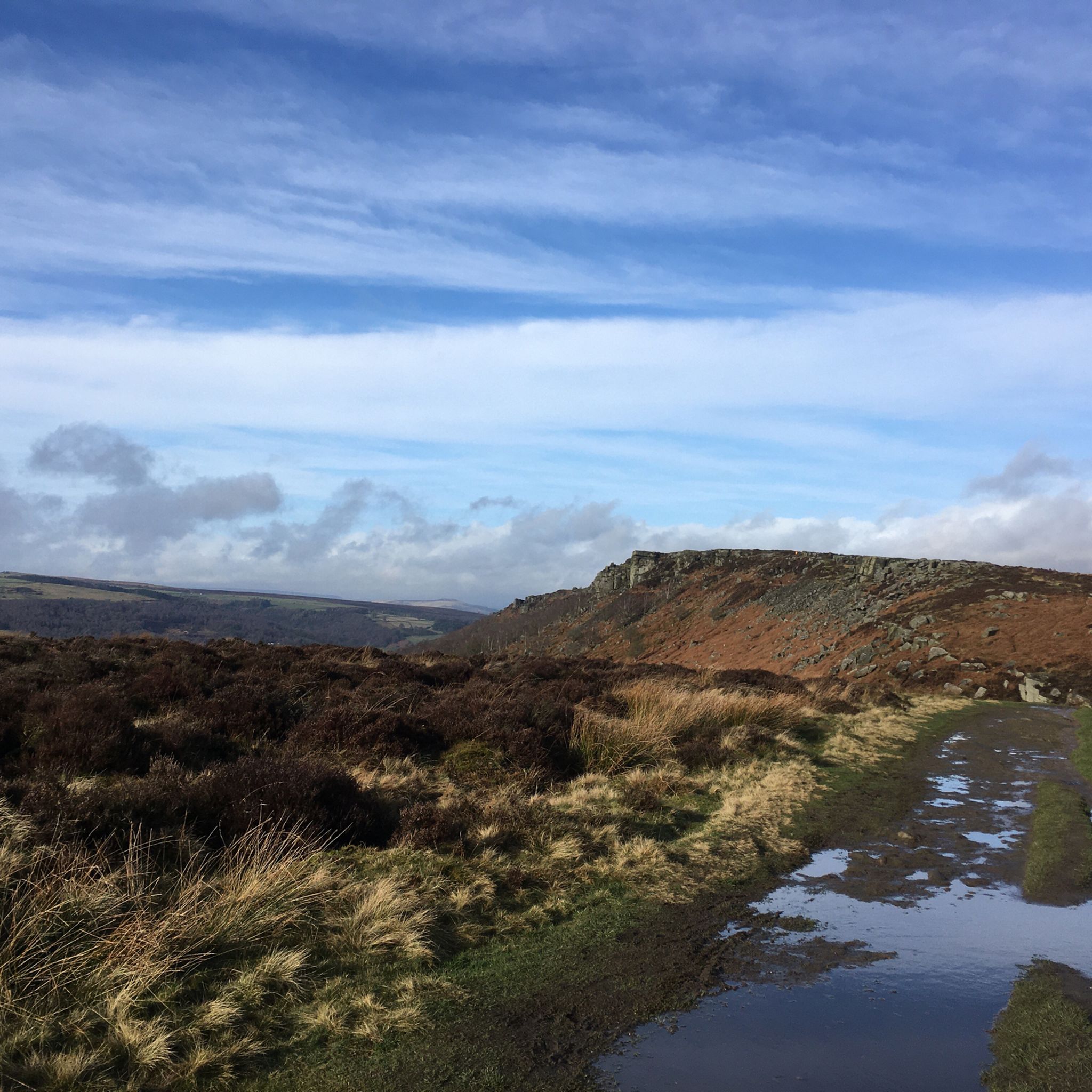
Hiking around Baslow and Bubnell CP
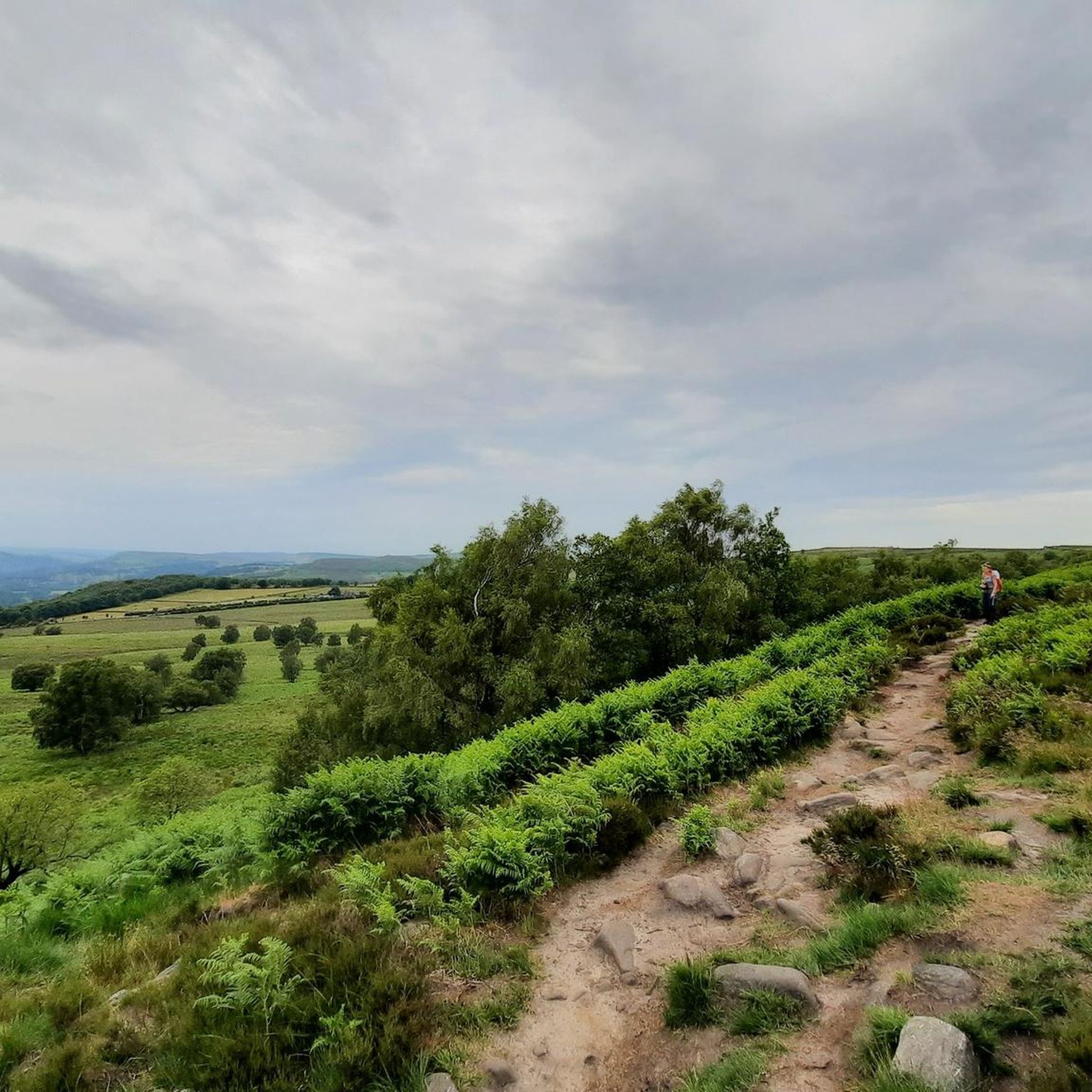
Running Trails around Baslow and Bubnell CP
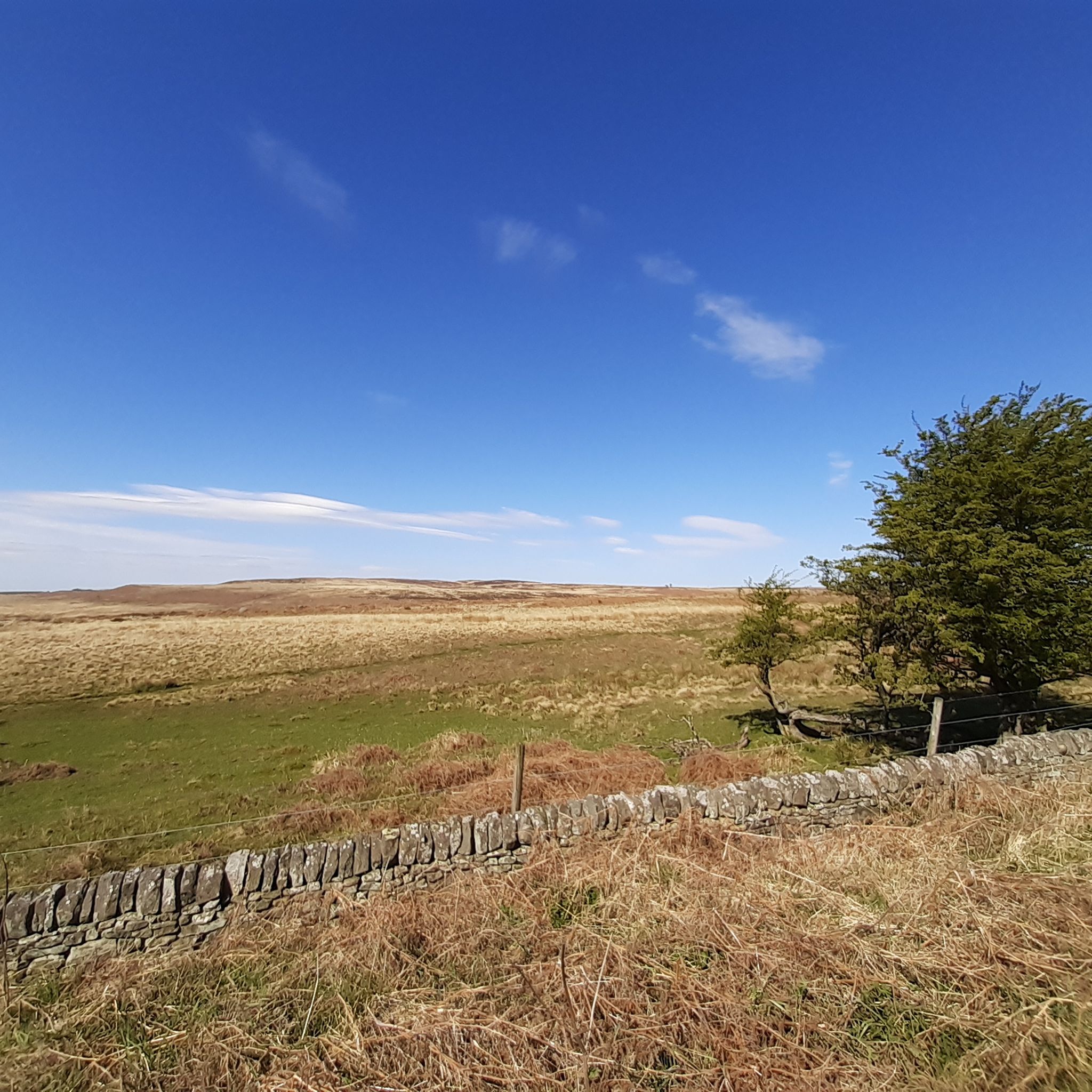
Road Cycling Routes around Baslow and Bubnell CP
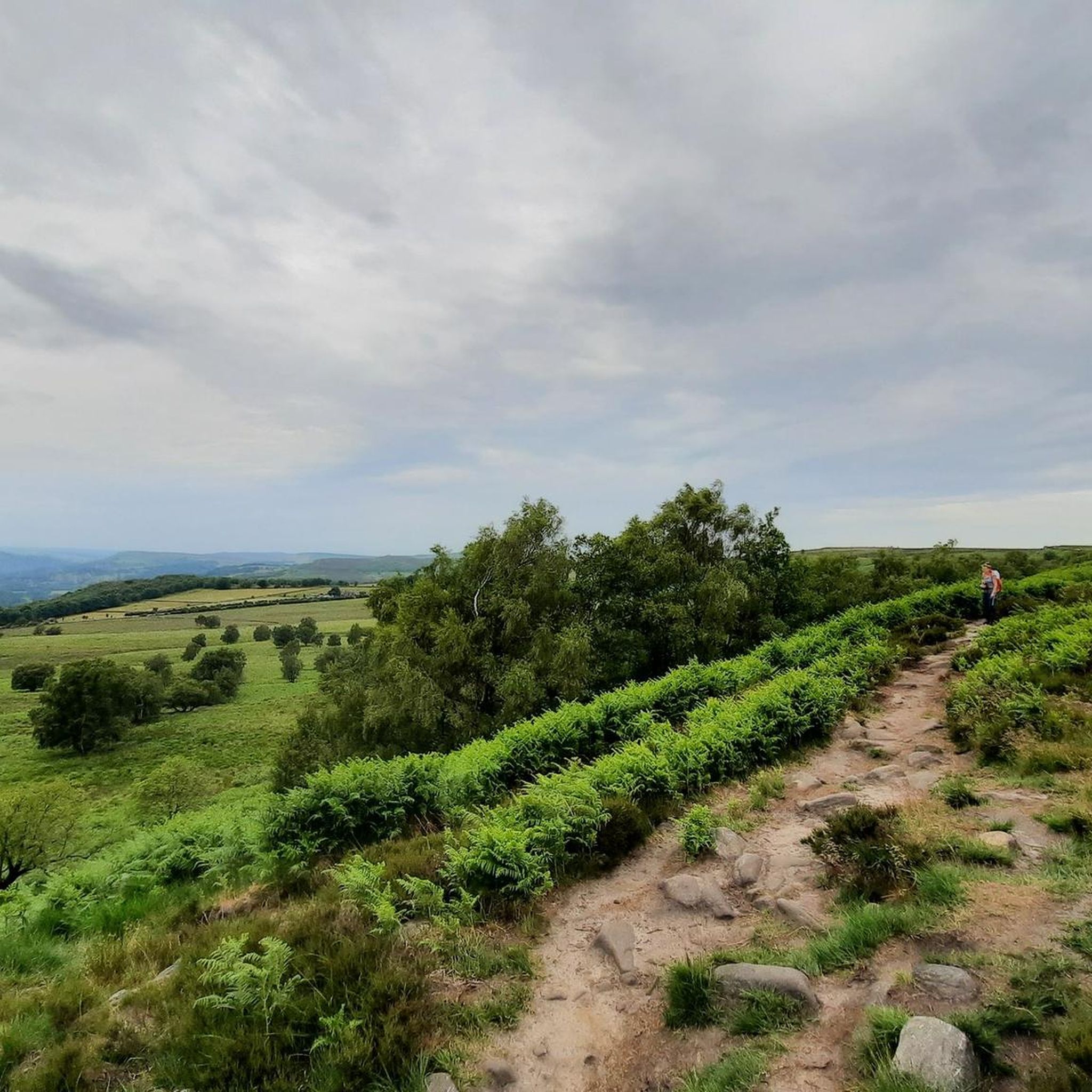
MTB Trails around Baslow and Bubnell CP
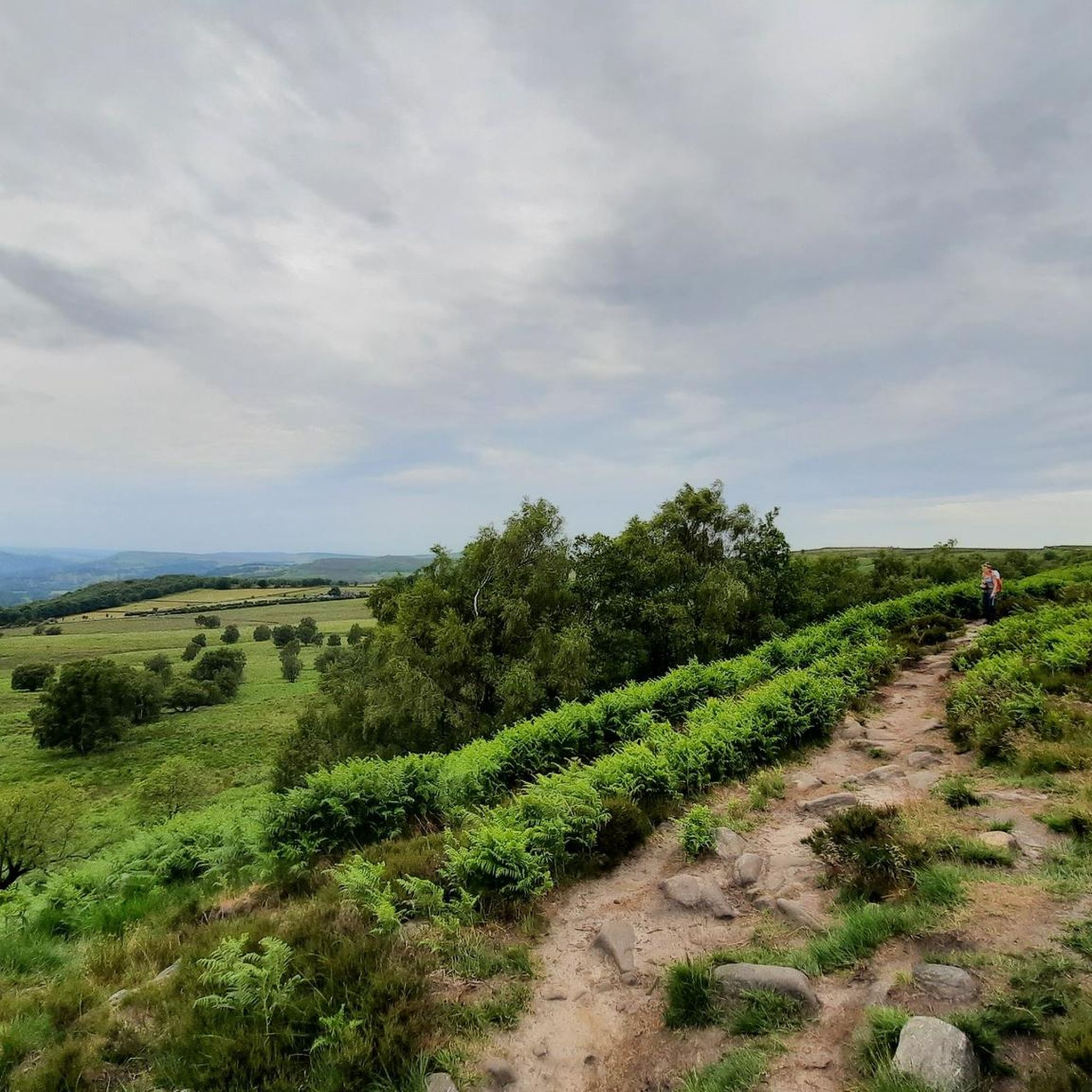
Cycling around Baslow and Bubnell CP
Other adventures around Baslow and Bubnell CP


Tips from the Community

A short but exciting scramble up the rocky outcrop behind Birchover village leads to Rowtor Rocks, a wonderland of weirdly carved boulders, hidden tunnels, secret steps, and a proper little cave once used by a 17th-century vicar who liked to play at being a druid. Kids from age 4 absolutely love it here – there’s endless climbing, squeezing through narrow gaps, discovering carved chairs and altars, and plenty of “secret cave” excitement without it ever feeling too big or overwhelming. The paths are short, the rocks are grippy, and little legs can explore to their heart’s content while parents keep an easy eye from just a few metres away. Bring wellies or grippy shoes after rain (it can be slippy) and let the kids lead the adventure – they’ll be talking about their “druid cave mission” for weeks
0
0
• A small but striking natural arch carved by erosion in a gritstone outcrop. • Dimensions: • Span: ~3–4 meters wide • Height: ~2 meters at center • Thickness: ~1 meter • Formed over thousands of years by frost weathering and water seepage along joints in the rock. • Overgrown with moss, ferns, and small trees — blends perfectly into the woodland
0
0

The figure of "Robin Hood"—who famously takes from the rich and gives to the poor—is by no means proven to be a historical figure, but has been retold over and over again for many centuries. He, his friends, and his exploits are set in the heart of the legendary "Sherwood Forest" that he made famous. This cave in the Derbyshire Dales, west of Sheffield, is also said to be associated with him as a place of refuge.
0
0


Robin Hood’s Cave is concealed in the cliff face at Stanage Edge. It is believed that Robin Hood and his merry men took shelter here.
0
0

A nice place for a little scramble...and a great view at the top. Rowtor Rocks consists of numerous interlinked tunnels and caverns, some natural and some man-made. Many of the rocks have been carved with symbols and pictures, including serpents, circles and cups. A series of steps, thrones and altars have also been fashioned out of the stone in a number of places.
0
0


The Delf is a natural valley that runs south from the idyllic Peak District village of Eyam. A short way down it is Cucklet Delf (which I’ve also seen spelt ‘Cucklett’ or ‘Delph’), a beautiful limestone craglet that forms a cavern with two large arches. From 1666, the larger of two archways became the pulpit for the twenty-seven-year-old village rector, William Mompesson. From here, he could preach into the valley and be heard by his congregation, gathered in disparate family groups on the opposite hillside. Throughout the outbreak of the plague, this crag — and, in fact, this whole section of the Delf — became the Cucklet Church.
0
0
Frequently Asked Questions
What unique geological features can I explore in the caves near Baslow and Bubnell CP?
The region offers diverse geological features. For instance, Lathkill Head Cave is known for its river system that gushes forth in wet weather. The Castleton caves, including Blue John Cavern and Treak Cliff Cavern, are famous for rare mineral formations like Blue John stone, stalactites, and stalagmites. Poole's Cavern in Buxton also boasts magnificent crystal formations.
Which caves near Baslow and Bubnell CP offer insights into the region's history or prehistory?
Creswell Crags, though a bit further afield, is a site of immense archaeological importance with caves like Church Hole and Robin Hood Cave. These contain some of the oldest verified cave art in the UK and evidence of Neanderthal and early modern human habitation. Closer to Baslow, Rowtor Rocks features natural and sculpted tunnels with carved symbols, steps, and altars, largely attributed to local parson Thomas Eyre. Cucklet Delf Natural Arch holds historical significance as an alternative pulpit during the 1666 plague outbreak in Eyam.
Are there any family-friendly caves or cave experiences suitable for children near Baslow and Bubnell CP?
Yes, the show caves around Castleton, such as Blue John Cavern, Treak Cliff Cavern, and Speedwell Cavern, provide accessible and engaging experiences for all ages, often with guided tours. Speedwell Cavern even offers a unique underground boat trip. Rowtor Rocks and the Druid's Cave is also a great spot for families, offering a fun scramble and exploration of tunnels and carved rocks that kids enjoy.
What is the best time of year to visit the caves around Baslow and Bubnell CP?
Most show caves, like those in Castleton or Poole's Cavern, are open year-round, making them a good option regardless of the season. Natural caves and rock formations, such as Lathkill Head Cave, can be particularly striking in wet weather when streams are more active. For exploring outdoor rock formations like Rowtor Rocks, drier weather generally offers better conditions for scrambling and enjoying the views.
Do I need a permit for caving in the Baslow and Bubnell CP area?
For established show caves, you typically purchase an admission ticket, which acts as your entry permit. For more adventurous caving in natural, undeveloped cave systems, permits may be required, especially for protected sites or private land. It's always best to check with local caving organizations or landowners before attempting to explore undeveloped caves.
What should I wear or bring when visiting caves in the Peak District near Baslow and Bubnell CP?
Even in summer, caves maintain a cool, constant temperature, so bring an extra layer of clothing. Sturdy, non-slip footwear is essential, as surfaces can be wet and uneven. For show caves, comfortable walking shoes are usually sufficient. If exploring more rugged or undeveloped areas, a headlamp or flashlight is crucial, and protective gear like helmets might be advisable.
What outdoor activities, like hiking or cycling, can I combine with a visit to the caves?
The Baslow and Bubnell CP area is excellent for combining cave visits with other outdoor pursuits. You can find numerous hiking routes, from easy to difficult, such as the 'Robin Hood, Birchen Edge, Jumble Coppice loop' or the 'Baslow, Curbar & Froggatt Edge loop'. Mountain biking is also popular, with trails like the 'Baslow Edge – View from Curbar Edge loop'. For more ideas, explore hiking around Baslow and Bubnell CP or MTB trails around Baslow and Bubnell CP.
What do visitors particularly enjoy about the caves and rock formations in this area?
Visitors appreciate the diverse experiences, from the geological wonders and rare minerals in show caves to the historical and archaeological significance of sites like Creswell Crags. The unique blend of natural beauty and human-altered rock formations, such as those at Rowtor Rocks, offers opportunities for exploration and discovery. The sheer scale of entrances like Peak Cavern also leaves a lasting impression.
Are there any dog-friendly caves or trails that pass by caves near Baslow and Bubnell CP?
While many commercial show caves have restrictions on dogs (often only allowing assistance dogs), outdoor rock formations and trails that pass by cave entrances are generally dog-friendly. For example, the area around Rowtor Rocks and Lathkill Head Cave are accessible with dogs, provided they are kept under control, especially in areas with livestock. Always check specific site rules before visiting.
Can I find food and drink options, like pubs or cafes, near the caves?
Yes, the Peak District is well-equipped with amenities. Villages like Castleton, Buxton, and Matlock Bath, which host many of the notable caves, offer a variety of pubs, cafes, and restaurants. Baslow and Bubnell CP itself has local establishments. Many show caves, such as Treak Cliff Cavern, also have on-site cafes.
Are there any caves near Baslow and Bubnell CP that are less well-known or 'hidden'?
While many of the larger caves are well-documented, the Peak District's limestone landscape means there are countless smaller, less-known fissures and rock shelters. Rowtor Rocks, with its interlinked tunnels and caverns, offers a sense of discovery. Exploring the wider Lathkill Dale area might also reveal smaller, unnamed cave entrances, though these often require experience and caution.
Which caves offer a more adventurous or challenging experience for experienced cavers?
For experienced cavers, Lathkill Head Cave, with its complex, fissured rocks and multiple entrances, offers an adventurous spot for exploration. Many of the undeveloped cave systems in the wider Peak District also provide challenging caving opportunities, though these typically require proper equipment, training, and often permits from relevant caving associations or landowners.
What are the main differences between the show caves and natural caves in the region?
Show caves, such as those in Castleton or at Heights of Abraham, are developed for tourism with lighting, pathways, and guided tours, making them accessible and educational for a wide audience. Natural caves, like Lathkill Head Cave or many of the smaller rock shelters, are undeveloped and retain their wild character, often requiring specialized gear and experience to explore. Creswell Crags offers a unique blend, with guided tours of archaeologically significant natural caves.
Most popular routes around Baslow and Bubnell CP
Most popular attractions around Baslow and Bubnell CP

Get inspired with the komoot mobile app


Explore more
Extend your search for the best caves by checking out these guides of the top ones around Baslow and Bubnell CP:
