Top 4 Castles around Dundrinne
Castles around Dundrinne offer a glimpse into Northern Ireland's historical landscape, characterized by strategic Anglo-Norman fortifications. The region provides access to diverse natural settings, including views of the Mourne Mountains and scenic routes for walks. These historical sites are often positioned on elevated ground, providing panoramic vistas of the surrounding countryside and coastline. The area is suitable for those interested in historical exploration and outdoor activities.
Best castles around Dundrinne
- The most popular castles is View of Castlewellan Castle,…
Last updated: July 13, 2026
View of Castlewellan Castle
Highlight • Castle
Tip by

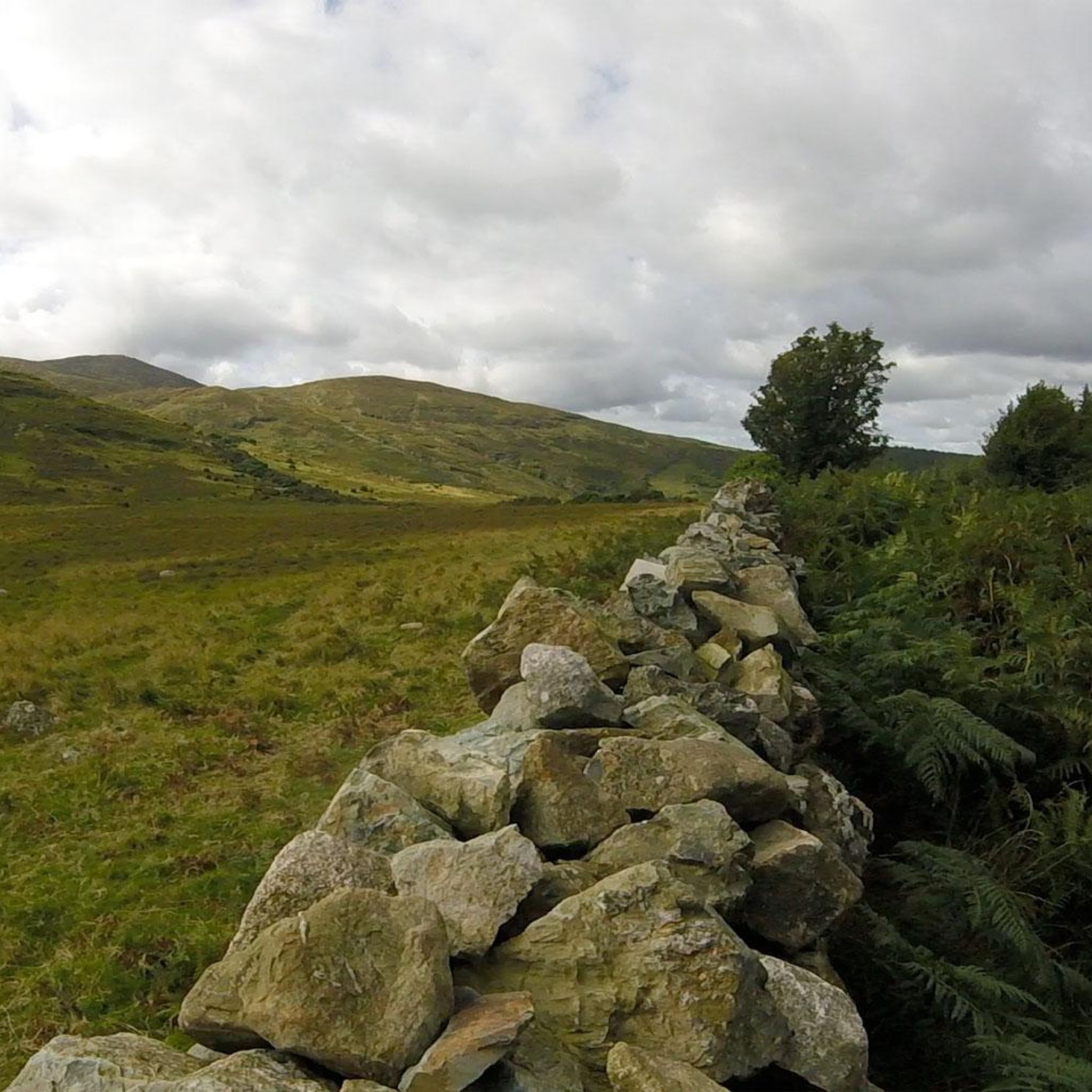
Clough Castle Ruins
Highlight • Castle
Tip by

Sign up now to discover places like this
Get recommendations on the best single tracks, peaks, & plenty of other exciting outdoor places.
Sign up for free
Dundrum Castle
Highlight • Historical Site
Tip by

Castlewellan Forest Park Lake and Scenic View
Highlight • MTB Park
Tip by
Start today with a free account
Your next adventure awaits.
Login or Signup
Tips from the Community

This historic 12th century building is a typical example of an Anglo-Norman motte with a kidney-shaped bailey. The 7.6m high mound, which once housed a wooden tower, was later replaced by a stone tower house, the ruins of which can still be seen today. Access is via Clough's main road; there is a small car park, but it is not always well signposted. Access is usually permitted. The surrounding countryside, with views of the Mourne Mountains, offers a tranquil atmosphere that invites you to linger.
1
0

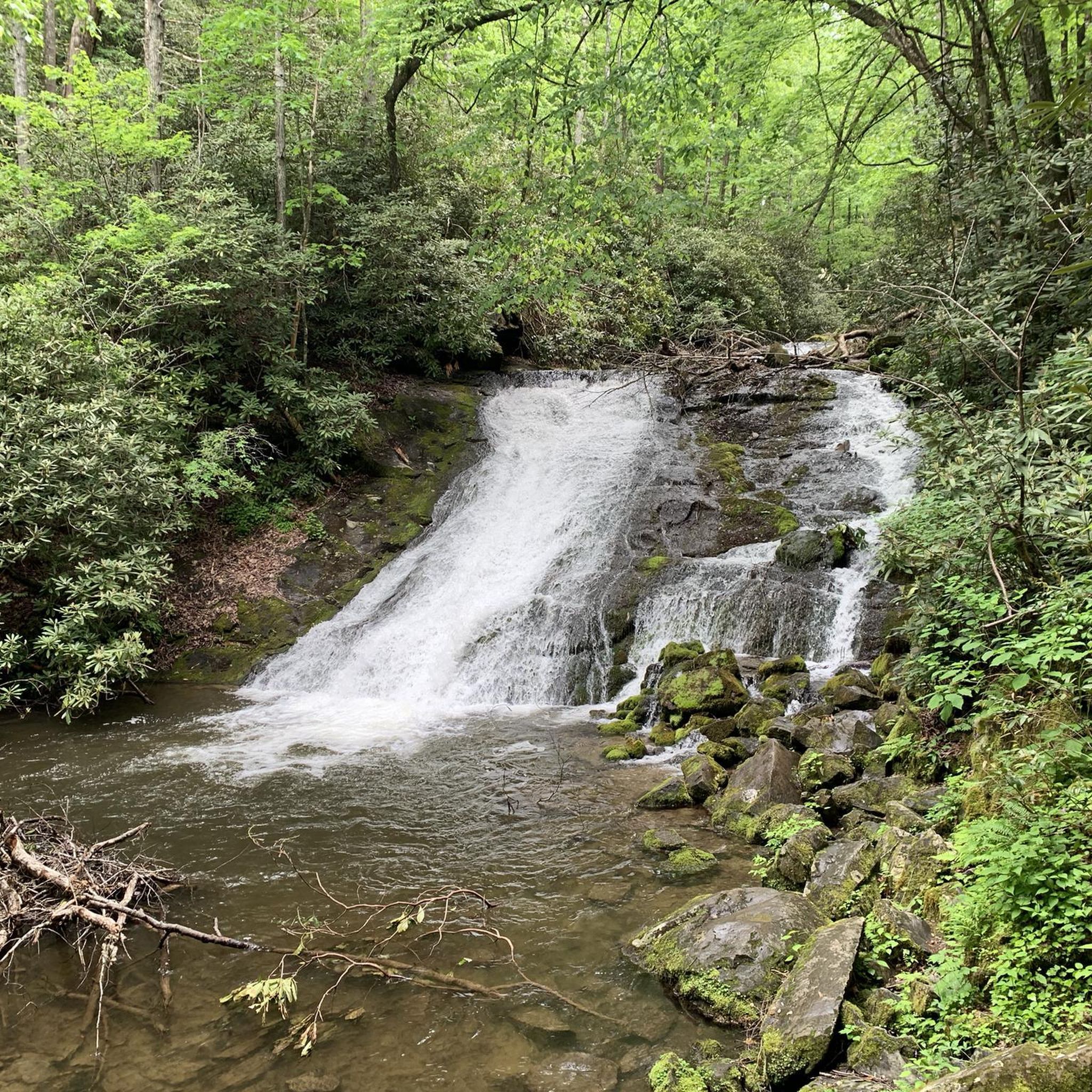
A very beautiful castle in the forest
0
0

Home to one of the most outstanding tree and shrub collections in Europe. However this beaut has numerous features to spend your time in. There's famous lakes, a stunning Victorian Castle, incredible panoramic views, scenic walking trails, 27km of Mountain Bike Trails, an onsite multi activity centre, hedge maze and equestrian centre, Castlewellan Forest Park boasts all of this and more. A real gem
1
0
The motte and bailey dates to c.1200 and is an excellent example of an Anglo-Norman earthwork castle. The taller mound, the motte, was built of earth to provide a look-out position and the central defence. Excavations at the top of the motte during the 1950s uncovered a wooden palisade which originally extended around the summit. When you climb the motte you realise what an important position the castle is in, over looking the routes east to Downpatrick, south to Dundrum and north to Belfast Lough. The views from the top of the motte west to Slieve Croob are particularly fine.
1
0

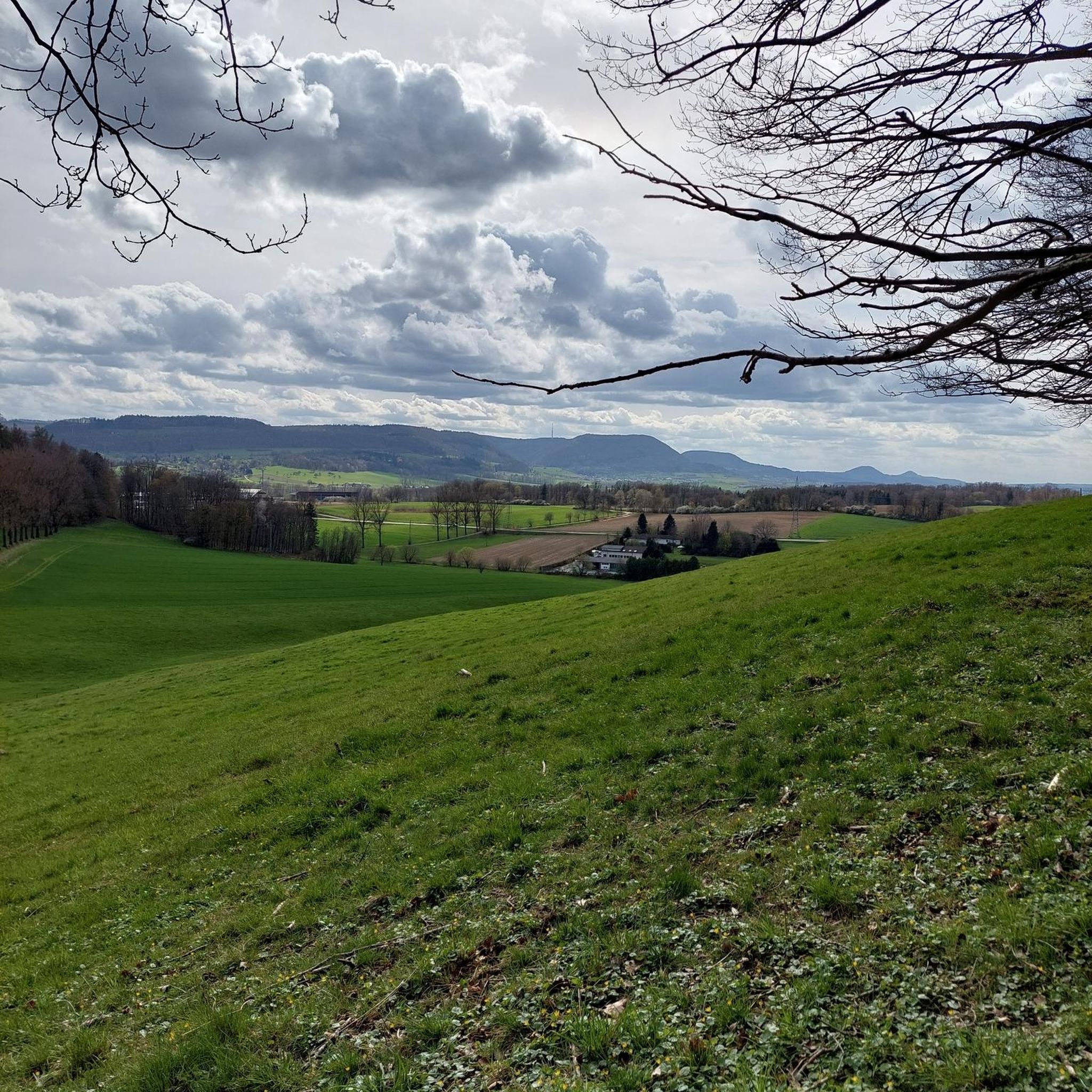
The beautiful Dundrum Castle is located on a hilltop near Dundrum village. Its elevated position provides fantastic panoramic views across Dundrum, the Carrigs Estuary, the Mourne Mountain range and out to the Irish Sea. The castle itself was constructed by John de Courcy at the beginning of the 13th century. It's a fine example of a historic medieval castle of its time.
2
0

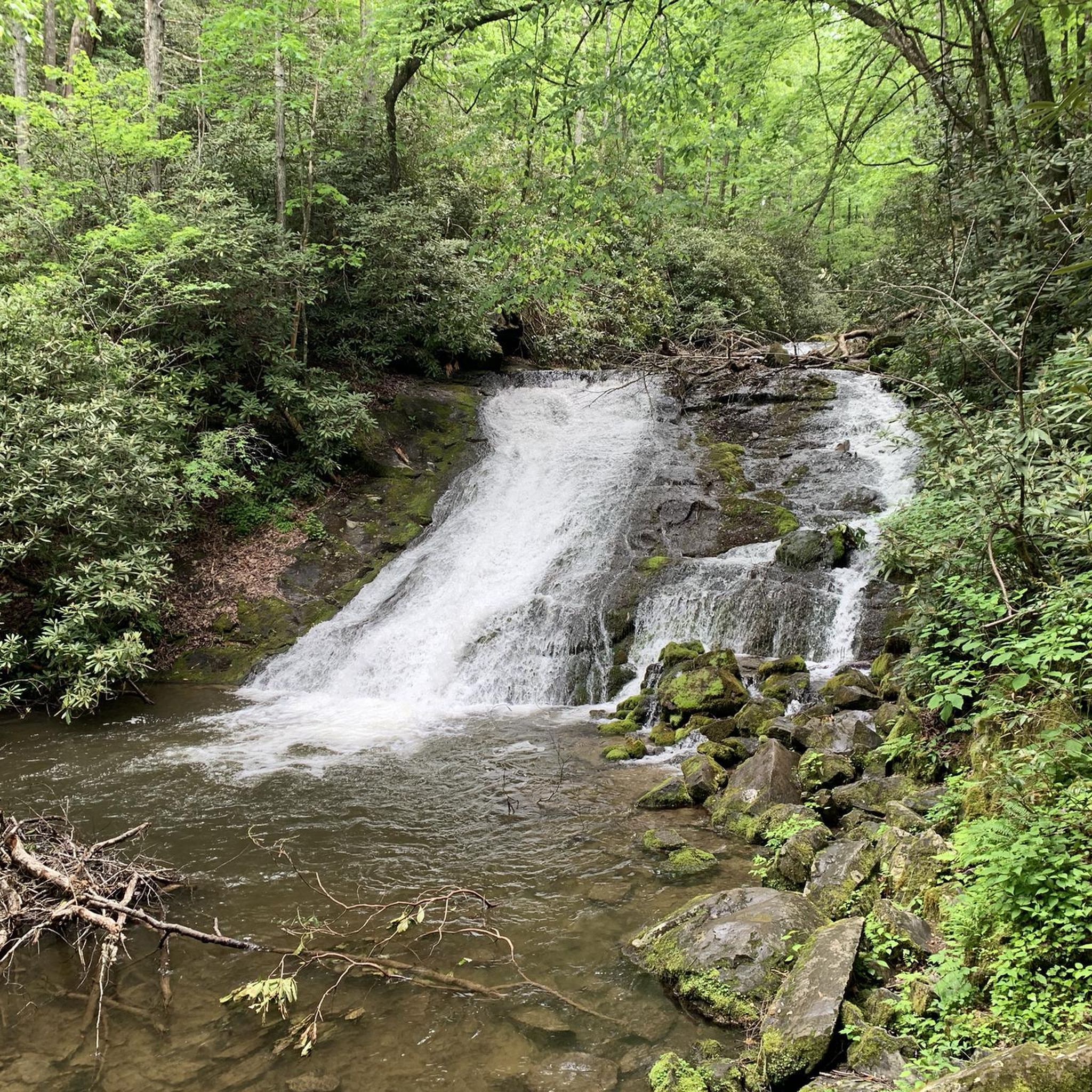
This extraordinary castle sits in Castlewellan Forest Park and has a grand view over the lake. From the walking and cycle trail around the lakeside, you can enjoy the fantastic vantage point and admire the castle's turrets. Built in the mid 1800s, the castle was owned by the Annesley family. Its grounds contain a phenomenal arboretum which has been considerably extended and includes giant sequoias. The building is now a Christian conference centre and isn't open to the public. It's well worth seeing from the outside though, and the lawns around the lake are a perfect place for a picnic.
2
0

Lovely looking castle surrounded by a lake and lots of trails for walking and cycling. Unfortunately, the castle is not open to the public and swimming is not allowed in the lake (fishing and boats are fine).
2
0
Frequently Asked Questions
What types of castles can I expect to see around Dundrinne?
The area around Dundrinne features a mix of historical structures. You'll find Anglo-Norman motte and bailey castles, such as Clough Castle Ruins and Dundrum Castle, which date back to the 12th and 13th centuries. There are also more recent 19th-century baronial castles, like View of Castlewellan Castle, offering a variety of architectural styles and historical periods to explore.
Which castles offer the best panoramic views?
For stunning panoramic views, Dundrum Castle is highly recommended. Its elevated position provides fantastic vistas across Dundrum, the Carrigs Estuary, the Mourne Mountain range, and out to the Irish Sea. Similarly, Clough Castle Ruins, situated on a motte, offers fine views west towards Slieve Croob.
Are there any family-friendly castles to visit near Dundrinne?
Yes, both View of Castlewellan Castle and Clough Castle Ruins are considered family-friendly. Castlewellan Forest Park, where Castlewellan Castle is located, offers extensive grounds for exploration, including a lake and trails. Clough Castle Ruins provides an engaging historical site for families to explore an Anglo-Norman motte and bailey.
Can I bring my dog to the castles or nearby trails?
Yes, Clough Castle Ruins is dog-friendly. Additionally, the wider Castlewellan Forest Park, home to View of Castlewellan Castle, also welcomes dogs on its trails. Always ensure dogs are kept on a lead and any waste is properly disposed of.
What historical period do the castles around Dundrinne represent?
The castles primarily represent two significant historical periods. Dundrum Castle and Clough Castle Ruins are Anglo-Norman fortifications from the late 12th and early 13th centuries, built during the Norman invasion of Ulster. In contrast, View of Castlewellan Castle is a much later Scottish baronial castle, constructed in 1858.
Are there walking or hiking trails near these castles?
Yes, there are numerous walking and hiking trails. Castlewellan Forest Park, surrounding View of Castlewellan Castle, offers many trails, including the Lakeside Walk. You can find more options, such as the 'Slievenaslat Peak & Castlewellan Castle loop', by exploring the hiking routes around Dundrinne.
What kind of wildlife might I encounter near the castles?
The areas around the castles, particularly Castlewellan Forest Park, are rich in natural beauty. While specific wildlife sightings can vary, you might encounter various bird species, small mammals, and diverse plant life within the forests and around the lake. The park is known for its arboretum, which contributes to a rich natural habitat.
Is Dundrum Castle accessible for all visitors?
While Dundrum Castle offers incredible historical insights and views, access might be challenging for wheelchair users due to its location on a sloping, rocky knoll. Visitors should be prepared for uneven terrain when exploring the site.
What is the best time of year to visit the castles around Dundrinne?
The castles can be visited year-round, but spring and summer (April to September) generally offer the most pleasant weather for exploring the outdoor sites and enjoying the panoramic views. Autumn provides beautiful foliage, especially in areas like Castlewellan Forest Park. Winter visits are possible, but be prepared for colder, potentially wetter conditions.
Are there any cafes or pubs near the castles for refreshments?
While specific cafes or pubs directly adjacent to every castle ruin are not guaranteed, the nearby villages and towns such as Dundrum and Castlewellan offer various options for refreshments. Castlewellan Forest Park, for instance, has facilities within its grounds. You can often find local establishments a short drive from the castle sites.
Can I cycle to or around the castles?
Yes, cycling is a great way to explore the area. Castlewellan Forest Park, home to View of Castlewellan Castle, has dedicated cycle trails. There are also road cycling routes that pass by Clough Castle Ruins and Dundrum Castle. You can find detailed routes, including a 'Clough Castle Ruins – Dundrum Castle loop', in the road cycling guide for Dundrinne.
How long should I plan for a visit to a castle?
The duration of your visit depends on the castle. For ruins like Clough Castle Ruins, a visit might take 30 minutes to an hour to explore the motte and enjoy the views. For larger sites like Dundrum Castle, you might spend 1-2 hours. If visiting View of Castlewellan Castle within Castlewellan Forest Park, you could easily spend half a day or more exploring the park, arboretum, and lake trails.
Where can I find more information about Dundrum Castle's history?
Dundrum Castle was constructed around 1177 by John de Courcy as part of his coastal defenses. It played a crucial role in controlling routes from Drogheda to Downpatrick and witnessed numerous battles. For more detailed historical context and visitor information, you can refer to the official heritage site at communities-ni.gov.uk.
Most popular attractions around Dundrinne

Get inspired with the komoot mobile app


Explore more
Looking for the best castles somewhere else? Discover other guides around Dundrinne:
