The best road cycling routes around Kornwestheim
4.5
(3115)
50,626
riders
23
rides
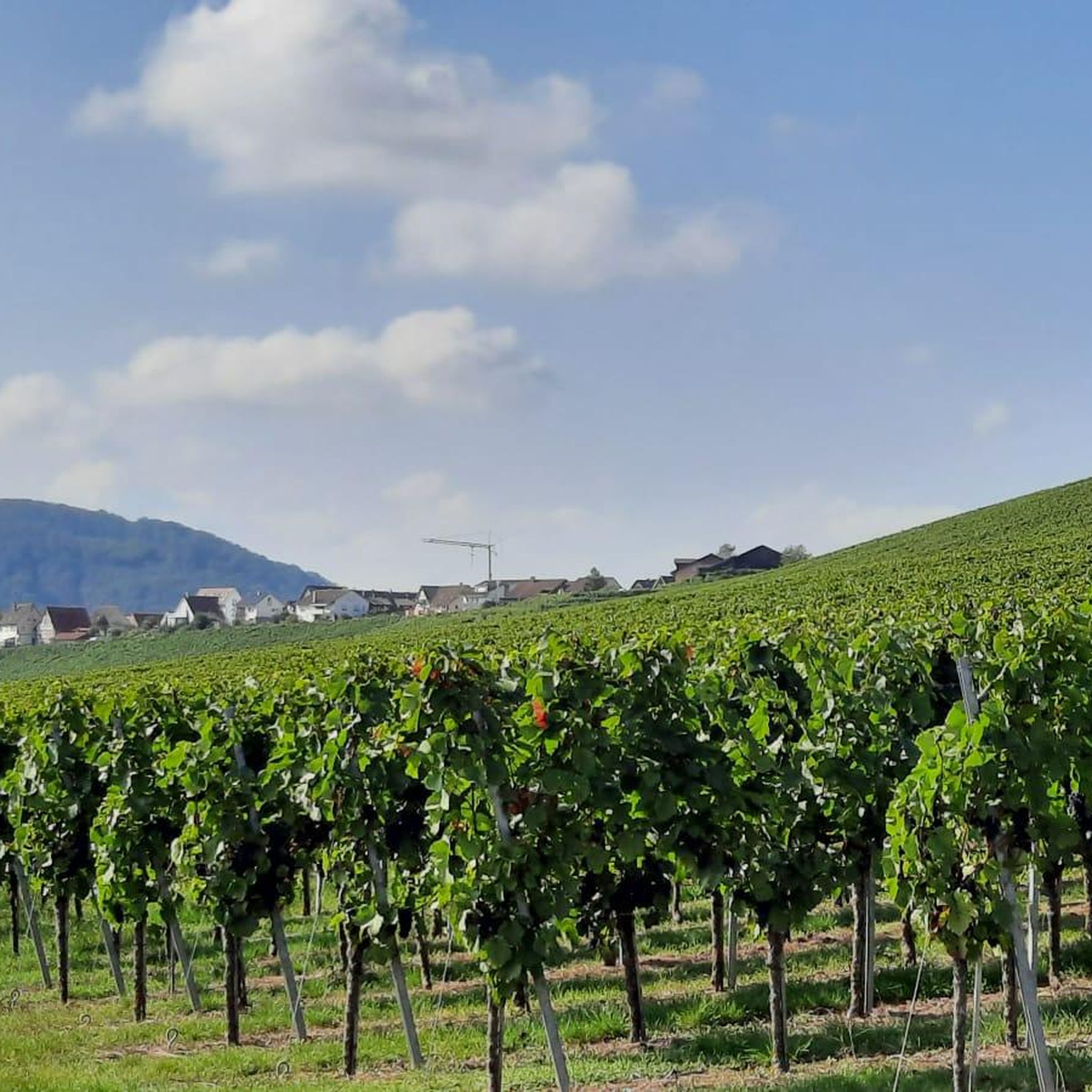
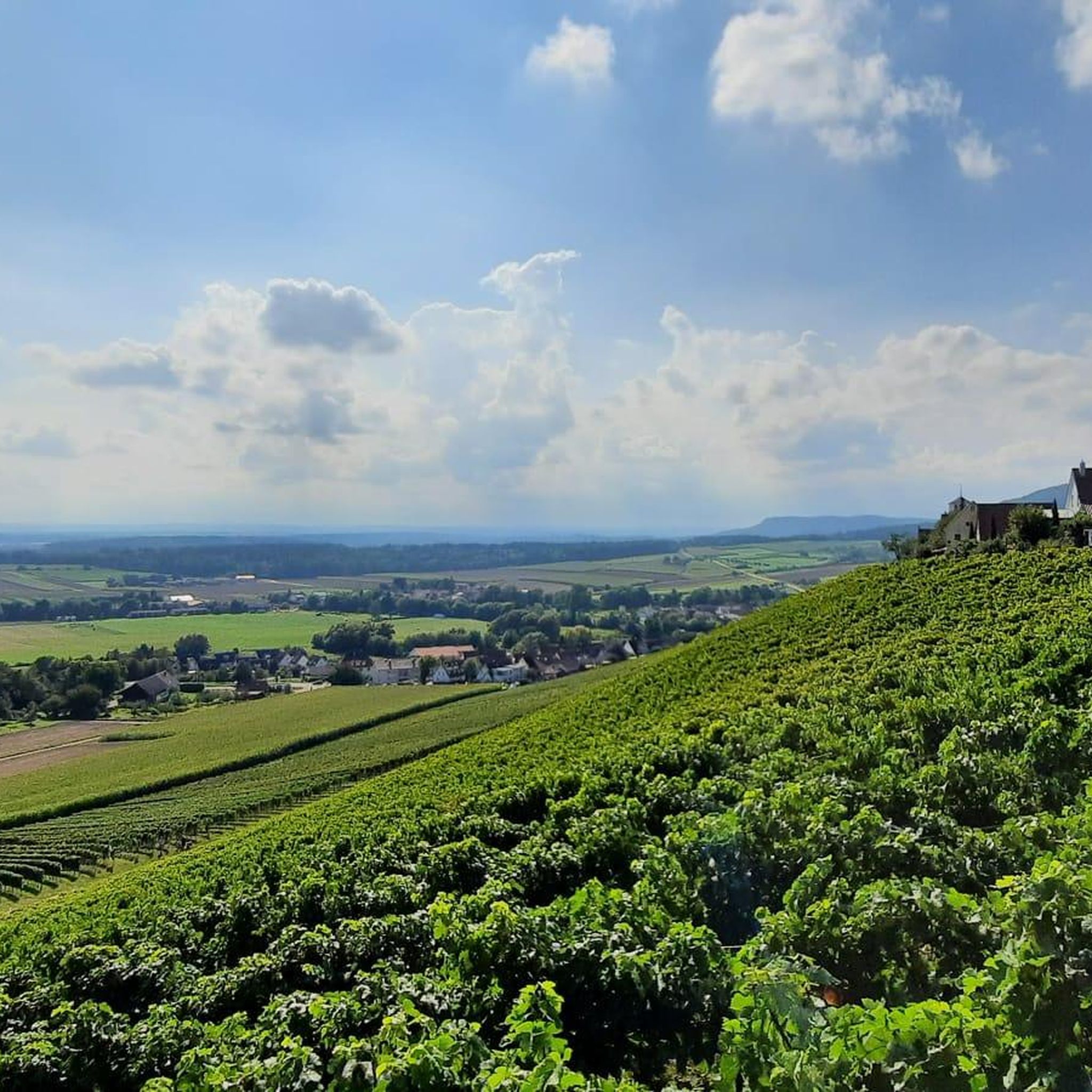
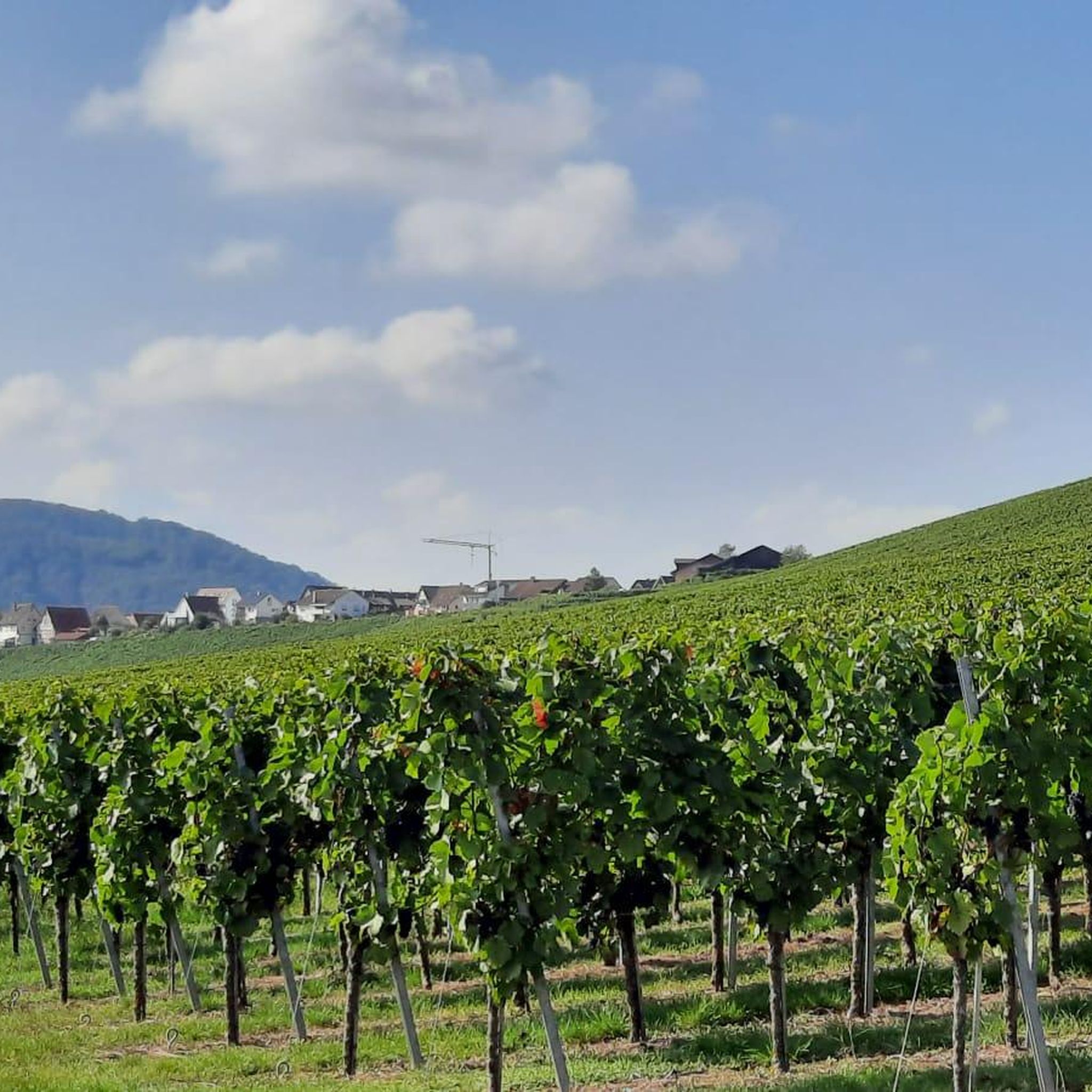
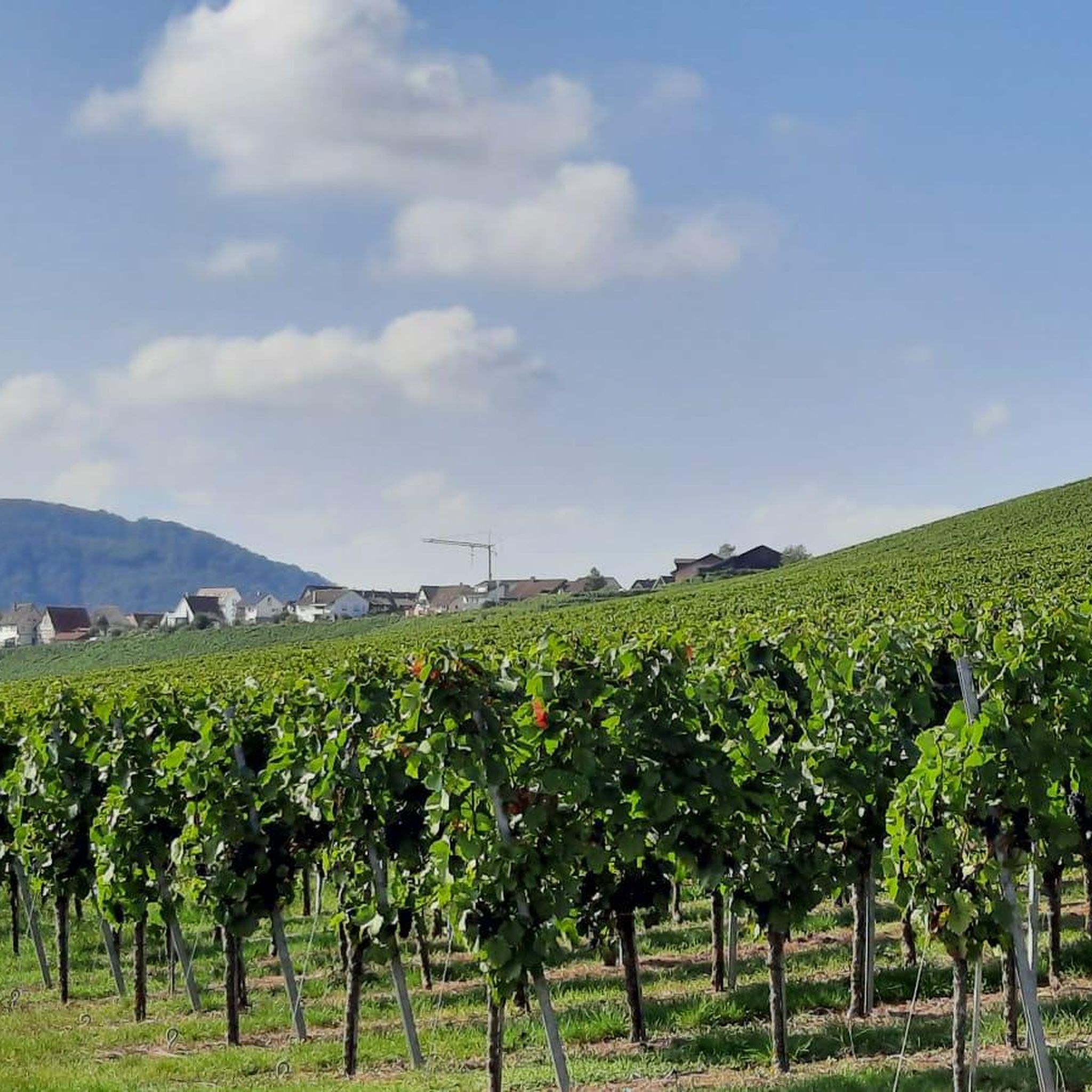
Road cycling around Kornwestheim offers diverse terrain, ranging from flat stretches along river valleys to more challenging hilly areas with elevation gains. The region, situated in Baden-Württemberg, features well-paved surfaces suitable for road biking, with some routes incorporating unpaved segments. Cyclists can explore landscapes near the Neckar River and the Glems valley, as well as areas with vineyards and rolling countryside. This varied topography provides a range of road cycling experiences for different fitness levels.
Best road cycling routes around Kornwestheim
- The most popular road cycling route is Langwiesenweg – Bietigheim Viaduct loop from Kornwestheim Personenbahnhof, a 50.6 miles (81.5 km) trail that takes 3 hours 52 minutes to complete. This route features the notable Bietigheim Viaduct.
- Another top favourite among local road cyclists is Münchingen Town Hall – Frauenkirche Unterriexingen loop from Kornwestheim Personenbahnhof, a moderate 31.9 miles (51.3 km) path. This route passes by Münchingen Town Hall and Frauenkirche Unterriexingen.
- Local road cyclists also love the Descent into the Enz Valley – Marktplatz Markgröningen loop from Kornwestheim Personenbahnhof, a 45.2 miles (72.8 km) trail leading through the Enz Valley, often completed in about 3 hours 23 minutes.
- Road cycling around Kornwestheim is defined by diverse terrain, river valleys, and hilly countryside. The network offers options for different ability levels, from moderate to more challenging rides.
- The routes in Kornwestheim are highly rated by the komoot community with an average score of 4.6 stars from over 40 reviews. More than 900 road cyclists have used komoot to explore Kornwestheim's varied terrain.
Last updated: October 7, 2026
4.6
(32)
347
riders
Moderate road ride. Good fitness required. Mostly well-paved surfaces and easy to ride.
4.5
(8)
76
riders
Moderate road ride. Good fitness required. Some segments of this route may be unpaved and difficult to ride.

46
riders
Moderate road ride. Good fitness required. Mostly well-paved surfaces and easy to ride.
4.8
(6)
35
riders
94.7km
04:15
920m
920m
Hard road ride. Very good fitness required. Some segments of this route may be unpaved and difficult to ride.
5.0
(1)
20
riders
Moderate road ride. Good fitness required. Some segments of this route may be unpaved and difficult to ride.
Get access to more routes and recommendations from other explorers.
Already have an account?
Our route recommendations are based on thousands of hikes, rides, and runs completed by other people on komoot.
Start today with a free account
Your next adventure awaits.

Tips from the Community

This year at the Charity Bike Cup also referred to as Col d'Heimerdingen in the announcement.
0
0

Good view of the railway line between Stuttgart and Mannheim.
8
0

Spitalhof in Münchingen https://youtu.be/L0AYhtkoEzE?si=LYvk4CQiBA0PNl-o
1
0
The tower spire impressively enlivens the mighty structure. The simple half-timbering is striking due to its ornamental clarity. The half-timbering is decorated with diamond motifs and curved bands. Fachwerkstock and gable floors of today's town hall were added in 1687 on the renovated walls of a wine press. This was already documented in 1541 and in turn formed the ground floor of a previous town hall. This predecessor building from the period 1590 - 1599 burned down – just like St. John's Church – in the Thirty Years' War (1643). The predecessor building was probably erected between 1590 and 1599. A partially preserved year number on the southern round arch portal supports this assumption. A wine press with two beams to be maintained by the Duke and a house above it has been documented since 1541. A "beam" is understood to be a long, horizontal piece of wood used to turn the spindle of the grape press. The building erected around 1590 was therefore already the successor to an earlier building that existed at this location. Information about the reconstruction in 1687 is provided by a wooden plaque above the main entrance. This inscription with the letters "SHSSR" and "BIW" suggests the then mayor Jakob Schmalzried and the then mayor Jakob Wetzel. The carpenter's tools depicted below and the designation "MW" indicate the carpenter, who is no longer known by name. The number "1687" indicates the year of construction. The offices were located densely packed above the wine press. Since 1728, they were accessible via an external staircase, which replaced a steep staircase inside. This staircase was removed in 1884. Until the renovation in 1956 and 1957, six oak columns supported the ceiling of the wine press floor. They were removed, and an intermediate ceiling and a curved internal staircase were installed. This created a new intermediate floor with offices, which is externally recognizable by the newly added row of windows. Since the municipal reform in 1975, the Münchingen town hall has been the seat of the Münchingen administrative office. The citizen service, the Münchingen registry office, and the Office for Family, Public Order, and Real Estate are now housed here and in the neighboring Widdumhof. https://youtu.be/xut_zU_pfDw?si=HtF7LyMTL2zyrDrF
0
0

Beautiful and quiet route.
0
0
Easy to drive, quiet route.
0
0
Frequently Asked Questions
What kind of terrain can I expect on road cycling routes around Kornwestheim?
Road cycling routes around Kornwestheim offer a diverse mix of terrain. You'll find flat stretches, particularly along picturesque river valleys like the Neckar and Glems, alongside more challenging hilly areas with significant elevation gains. The region, part of Baden-Württemberg, is known for its vineyards and rolling countryside, providing varied landscapes. Most routes feature well-paved surfaces, ideal for road biking.
How many road cycling routes are available in the Kornwestheim area?
There are over 20 dedicated road cycling routes around Kornwestheim. These routes cater to various fitness levels, ranging from easy to difficult, ensuring there's a suitable option for almost every cyclist.
Are there routes suitable for beginners or those looking for an easy ride?
Yes, Kornwestheim offers routes suitable for beginners. While most routes are classified as moderate, there are at least two easy road cycling routes available, perfect for those new to the sport or looking for a more relaxed ride.
What are some notable landmarks or attractions I can see along the road cycling routes?
Many road cycling routes in the area incorporate historical and scenic attractions. You could pass by the impressive Bietigheim Viaduct, the historic Münchingen Town Hall, or the charming Frauenkirche Unterriexingen. Other routes might lead you past the Celtic Museum Hochdorf, or offer views of the Burial chapel on the Württemberg and the Hohenasperg Fortress.
Are there any scenic viewpoints accessible by road bike?
Absolutely. The region around Kornwestheim offers several scenic viewpoints. You might encounter routes that provide expansive vistas, such as the Grüner Heiner Viewing Platform or the View from Karlshöhe. The broader area also includes challenging routes leading to the View from Solitude Palace, known for its panoramic outlooks.
What do other road cyclists think about the routes in Kornwestheim?
The road cycling routes in Kornwestheim are highly regarded by the komoot community, with an average rating of 4.6 stars from nearly 50 reviews. Cyclists often praise the diverse terrain, the well-maintained paths, and the scenic beauty of the river valleys and rolling countryside.
Are there any circular road cycling routes starting from Kornwestheim?
Yes, many of the road cycling routes around Kornwestheim are designed as loops, allowing you to start and finish in the same location. Examples include the Langwiesenweg – Bietigheim Viaduct loop and the Descent into the Enz Valley – Marktplatz Markgröningen loop, both starting from Kornwestheim Personenbahnhof.
What is the best time of year for road cycling in Kornwestheim?
The region's diverse landscapes, including vineyards and river valleys, are particularly enjoyable during spring, summer, and early autumn. These seasons offer pleasant temperatures and vibrant scenery, making them ideal for road cycling. While some routes may be accessible in winter, conditions can vary.
Are there any routes that pass by lakes or green spaces?
Yes, Kornwestheim's proximity to several lakes and green spaces enhances the cycling experience. Routes often wind around charming areas like Bärensee, Neue See, and Pfaffensee, and you might also encounter the Egelsee Fountain, providing picturesque settings for your ride.
What is the typical length and elevation gain for road cycling routes in this area?
The routes vary significantly in length and elevation. For instance, the Münchingen Town Hall – Frauenkirche Unterriexingen loop is about 32 miles (51 km) with around 1,600 feet (496 m) of elevation gain, while the Würmtal Scenic Road – Marktplatz Markgröningen loop stretches over 57 miles (91 km) with approximately 2,800 feet (860 m) of climbing, offering options for different endurance levels.
Can I find routes that are suitable for a longer, more challenging road cycling tour?
Certainly. For those seeking a longer and more challenging experience, routes like the Würmtal Scenic Road – Marktplatz Markgröningen loop, which covers over 57 miles (91 km) and features significant elevation, provide an excellent test of endurance and offer extensive exploration of the region's diverse landscapes.
Most popular routes around Kornwestheim
Most popular attractions around Kornwestheim

Get inspired with the komoot mobile app


Explore more
Browse the best Road cycling routes in other regions.
