Top 2 Castles around Tywardreath And Par
Best castles around Tywardreath And Par offer a glimpse into Cornwall's rich history, featuring ancient fortifications and historically significant estates. The area, situated near the Fowey valley and coastline, provides a diverse landscape for exploring these sites. Visitors can discover structures ranging from Iron Age hillforts to 16th-century artillery forts and grand country houses with castle-like features. These locations provide insights into past defensive strategies and aristocratic life in the region.
Best castles around Tywardreath And Par
- The most popular…
Last updated: July 13, 2026
Lanhydrock Gatehouse
Highlight • Historical Site
Tip by

Lostwithiel Medieval Bridge
Highlight • Historical Site
On the bike, you …
Tip by
Sign up now to discover places like this
Get recommendations on the best single tracks, peaks, & plenty of other exciting outdoor places.
Sign up for free
St Catherine's Point and Castle
Highlight • Viewpoint
source: nationaltrust.org.uk/fowey-estuary/features/discovering-fowey
Tip by

Readymoney Cove and St Catherine's Castle View
Highlight • Beach
Tip by
View of Lanhydrock House from Higher Gardens
Highlight • Castle
Tip by

Start today with a free account
Your next adventure awaits.
Login or Signup
Popular around Tywardreath And Par
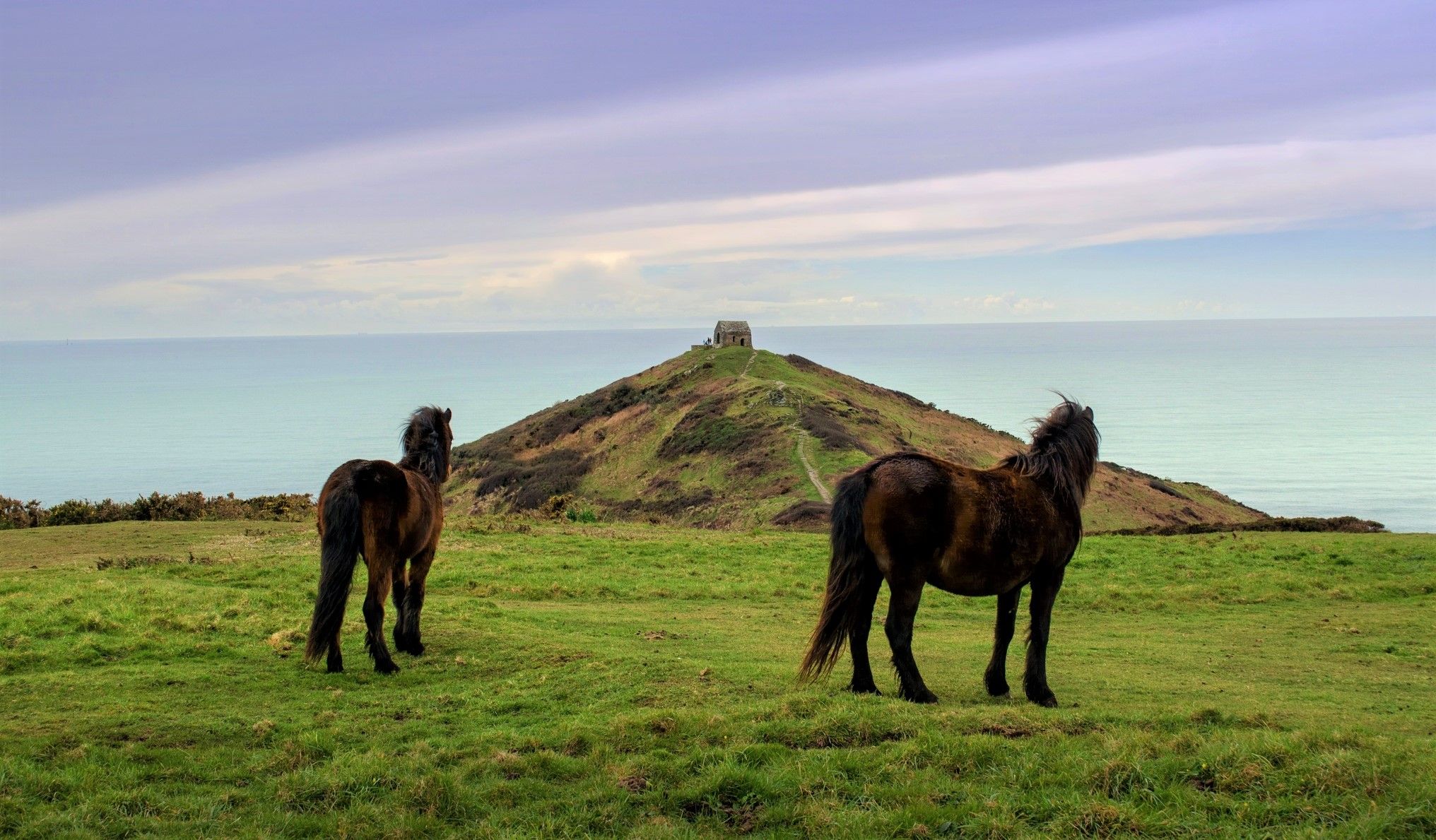
South West Coast Path — Part 3 — Conquer Britain's longest trail
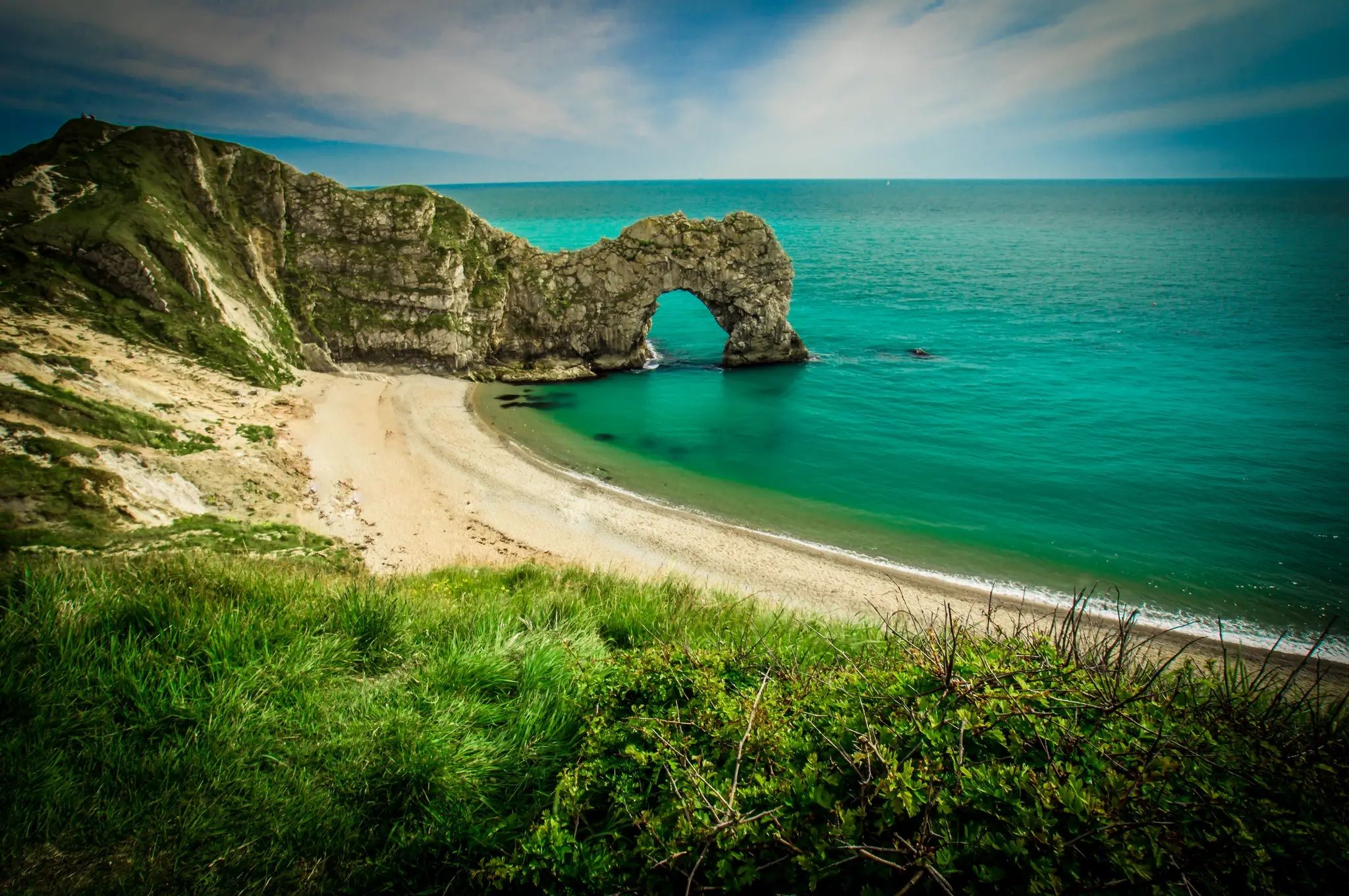
South West Coast Path — Explore Britain's longest trail

Glamping Adventures on Foot
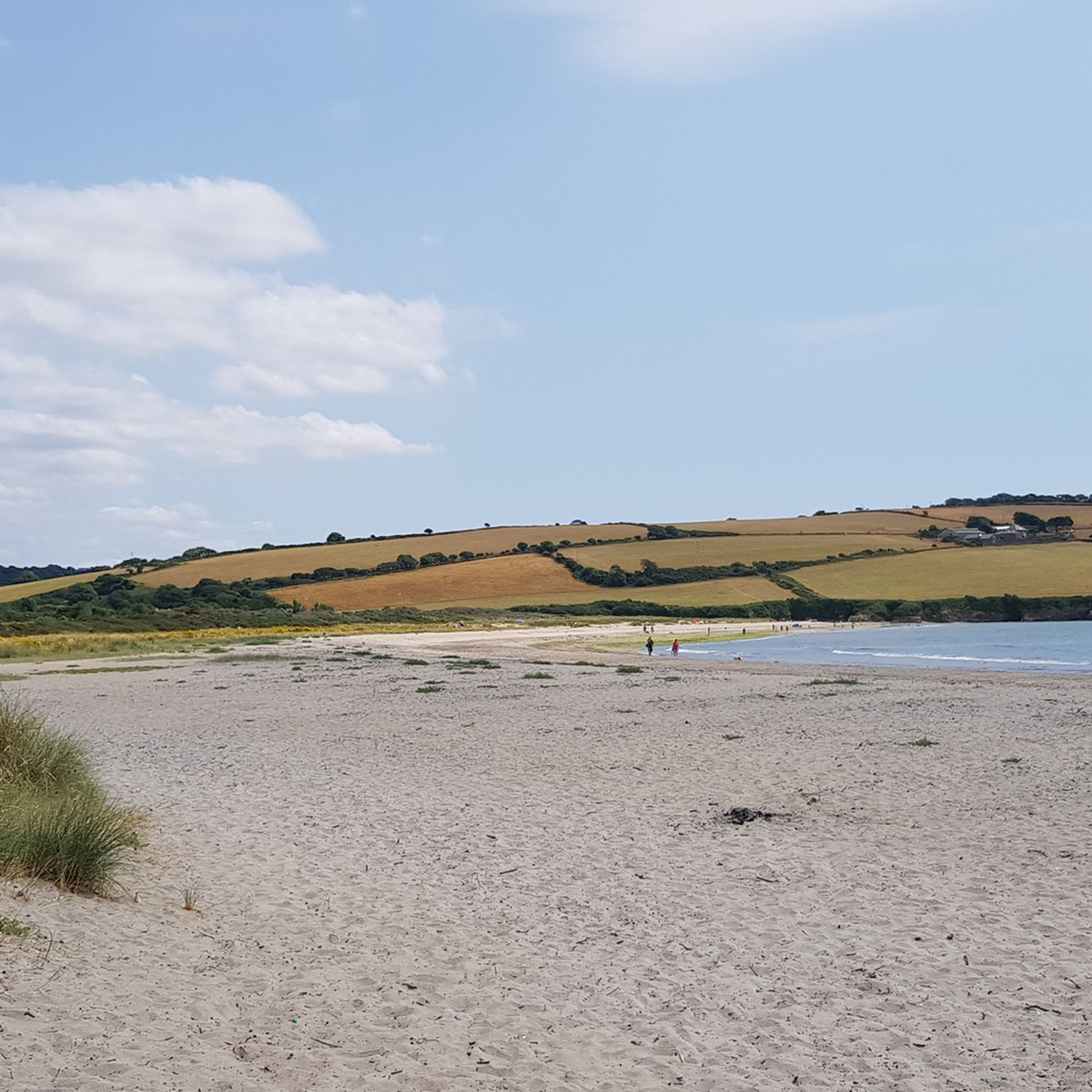
Hiking around Tywardreath And Par
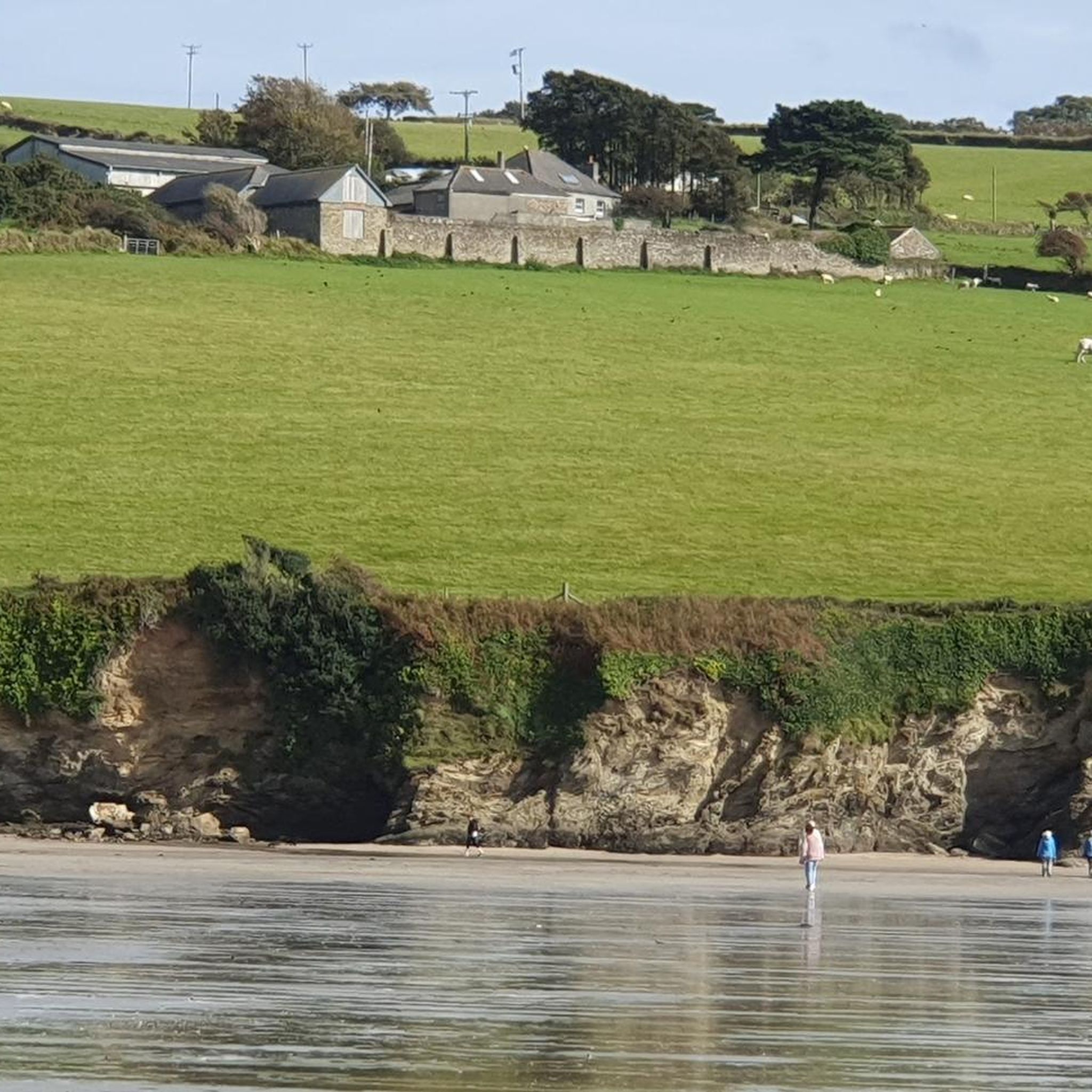
Road Cycling Routes around Tywardreath And Par
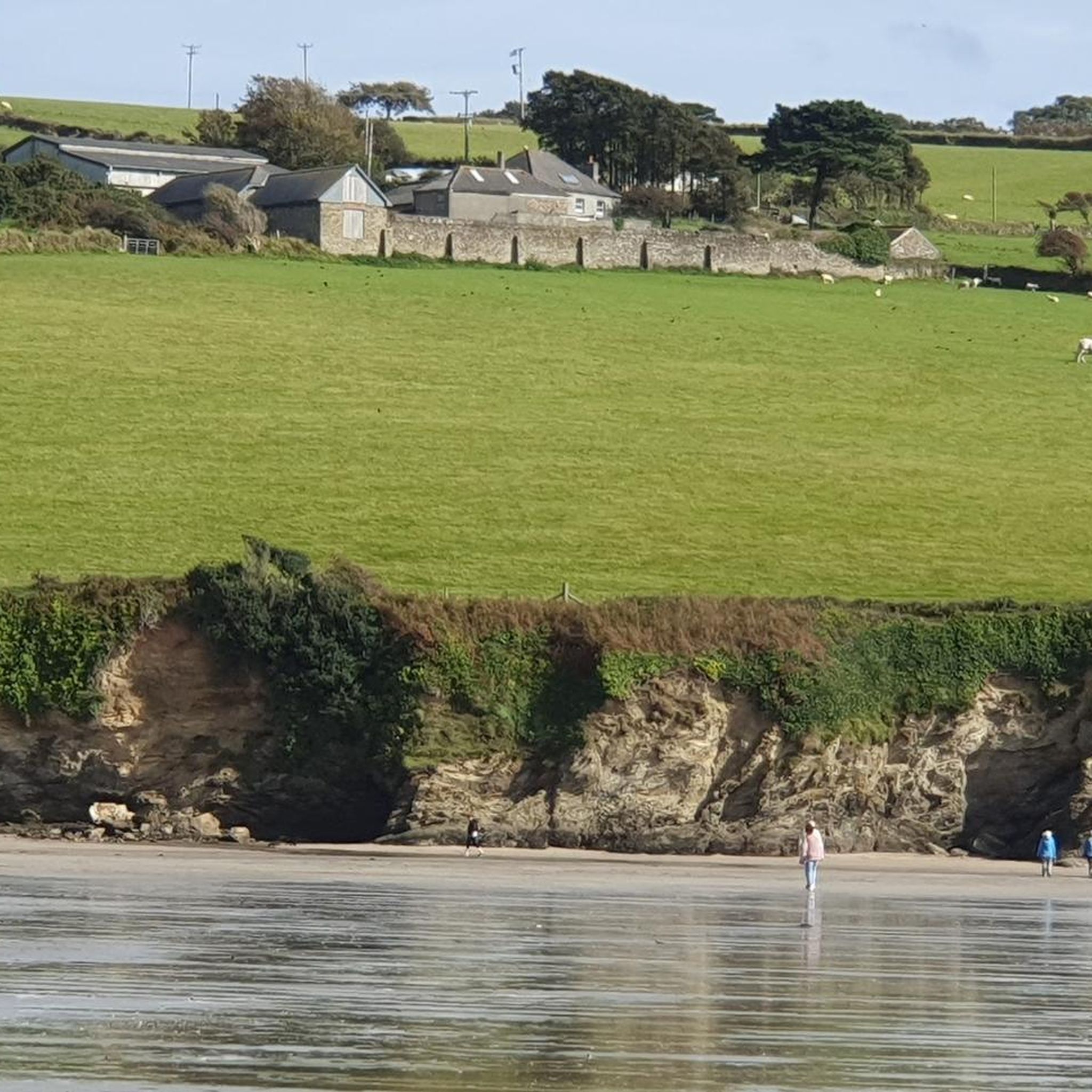
Running Trails around Tywardreath And Par
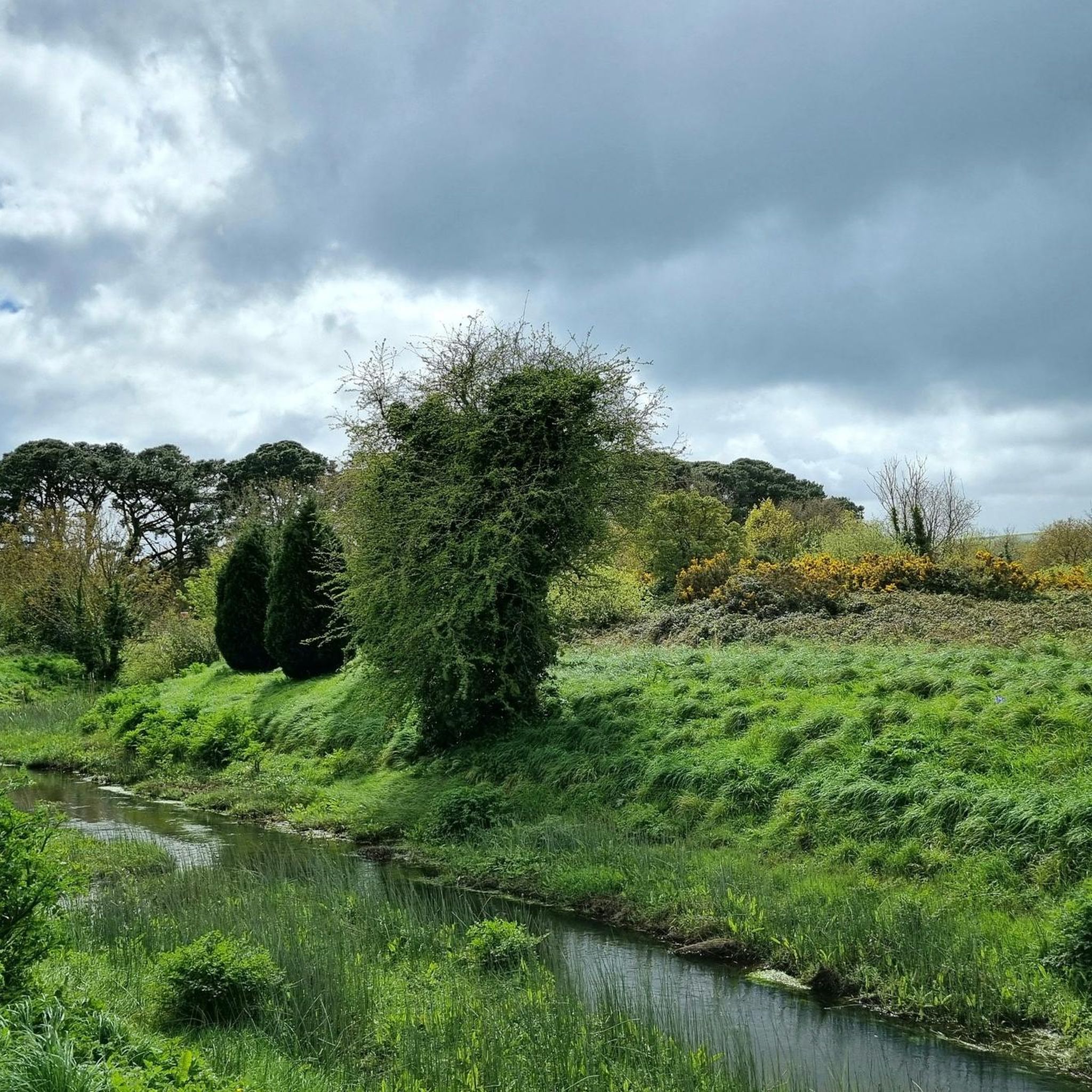
Cycling around Tywardreath And Par
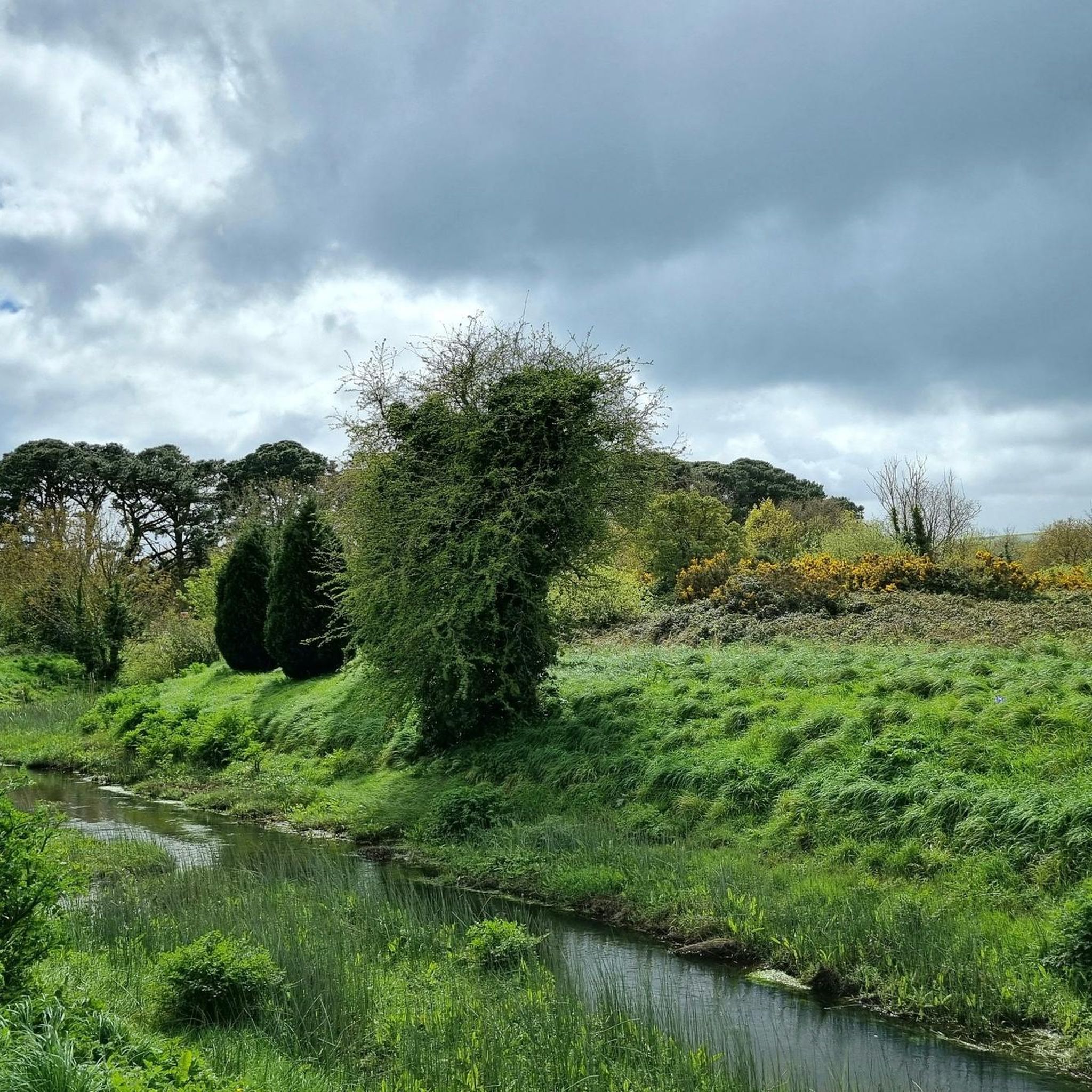
MTB Trails around Tywardreath And Par
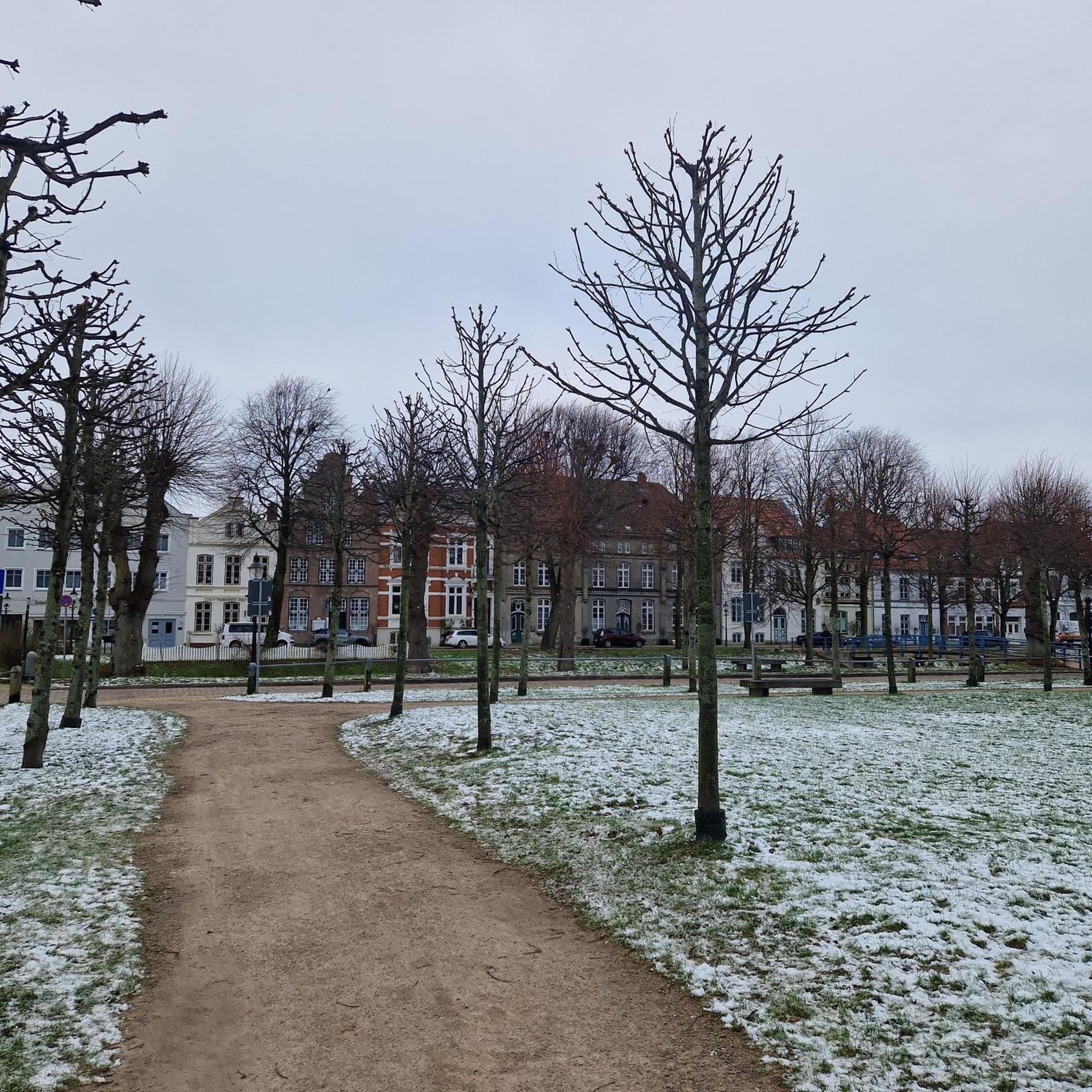
Gravel biking around Tywardreath And Par


Tips from the Community

you can vary the routes you take depending on the time you have and what you want to see
0
0

Ready money cove. Beautiful beach. Dogs are allowed most of the year. Check signage.
0
0

Very nice view over the forests and hills.
0
0
Very nice manor house. Very well restored and equipped with details. A visit to the kitchen and family rooms is recommended.
1
0

A nice little view of the rooftops of Lanhydrock House
0
0

impressive, I don't really like gardening. but the living spaces to be entered. class. especially the kitchen.
1
0

Lanhydrock House is a Victorian mansion house with extensive gardens and woodland as part of the estate. Although some parts of it date from the early 17th century, the grade I listed building is largely more recent due to a fire which destroyed the original property in 1881. It is generally known as just 'Lanhydrock'. The house is now managed by the National Trust. Visitors can explore 54 of its rooms, plus the gardens and even cycling trails in the grounds. For further information visit their website https://www.nationaltrust.org.uk/lanhydrock
1
0
Pronounced Lost-with-ee-ul, this is Cornwall's antiques capital. The name is believed to come from the Cornish 'lostwydhyel' or 'the place at the tail of the forest'. On the bike, you will cross over the medieval bridge, the lowest crossing point of the river Fowey. There are plenty of places to eat in Lostwithiel as well as quirky shops and riverside parks if you want to rest your weary legs. Despite being a small town, there is a mainline train station here for trains to Plymouth or Penzance.
3
0
Frequently Asked Questions
What kind of historical sites can I explore around Tywardreath and Par?
The area around Tywardreath and Par offers a mix of historical sites, from ancient fortifications to grand estates. You can visit 16th-century artillery forts like St Catherine's Point and Castle, Iron Age hillforts such as Castle Dore, and magnificent Victorian country houses like Lanhydrock Gatehouse. These sites provide insights into different periods of Cornwall's rich past.
Are there any true medieval castles in the immediate vicinity of Tywardreath and Par?
While the area is rich in history, it doesn't feature numerous traditional medieval castles. Instead, you'll find historically significant sites like St Catherine's Point and Castle, a 16th-century artillery fort, and Castle Dore, an Iron Age hillfort. These offer unique perspectives on defensive structures and ancient settlements.
Which historical sites are family-friendly?
Lanhydrock Gatehouse (part of the Lanhydrock estate) is particularly family-friendly, offering extensive gardens, woodland walks, and cycling trails. The house itself provides a glimpse into Victorian life. View of Lanhydrock House from Higher Gardens also offers a great perspective for all ages.
What natural features and viewpoints can I enjoy near these historical sites?
Many sites offer stunning natural views. St Catherine's Point and Castle provides spectacular views of the Fowey estuary, Polruan, and the Atlantic. Castle Dore, an Iron Age hillfort, offers panoramic views of the surrounding countryside. The Lanhydrock estate features beautiful gardens and woodlands, with views like the View of Lanhydrock House from Higher Gardens.
What outdoor activities can I do near the historical sites?
The region is excellent for outdoor activities. Near sites like St Catherine's Point and Castle, you can access coastal paths. The Lanhydrock estate has dedicated cycling trails and woodland walks. For more extensive options, you can explore various easy hikes, hikes from bus stations, and running trails around Tywardreath and Par.
Are there hiking trails near these historical sites?
Yes, there are numerous hiking opportunities. From St Catherine's Point and Castle, you can access coastal paths. The Lanhydrock estate offers various walking routes within its grounds. For more options, consider routes like the 'Polridmouth Cove – Gribbin Head Daymark loop from Polkerris' or 'Par Sands Beach – Polridmouth Beach loop from Par', which are part of the easy hikes and hikes from bus stations guides.
What is the best time to visit the historical sites around Tywardreath and Par?
The spring and summer months (April to September) generally offer the most pleasant weather for exploring the outdoor sites and coastal paths. Lanhydrock's gardens are particularly beautiful during spring with magnolias in bloom. However, many sites, like St Catherine's Point and Castle and Castle Dore, are freely accessible year-round, offering a quieter experience in the off-season.
How long should I allocate for visiting these historical sites?
For sites like St Catherine's Point and Castle or Castle Dore, you might spend 1-2 hours exploring the ruins and enjoying the views. A visit to the Lanhydrock estate, including the house, gardens, and possibly a walk or cycle, could easily take half a day or more. Consider combining a visit with a nearby hike or a stop in a local town like Lostwithiel.
Are there places to eat or stay near these historical sites?
Yes, towns like Fowey, Lostwithiel, and Par offer various options. Lostwithiel, known as Cornwall's antiques capital, has plenty of places to eat and quirky shops. Trenython Manor, a grand country house overlooking St. Austell Bay, operates as a hotel and resort. The Lanhydrock estate also has a cafe on-site.
What is the significance of the <a href="https://www.komoot.com/highlight/4635654" target="_blank" rel="noopener">Lostwithiel Medieval Bridge</a>?
The Lostwithiel Medieval Bridge is a significant historical landmark, representing the lowest crossing point of the River Fowey. It's a key feature in the town of Lostwithiel, which is believed to derive its name from the Cornish 'lostwydhyel' or 'the place at the tail of the forest'. The bridge is often crossed on local cycling and walking routes.
What should I wear when visiting historical sites in Cornwall?
Given Cornwall's often changeable weather, it's advisable to wear layers. Comfortable walking shoes are essential, especially for sites with uneven terrain like hillforts or coastal paths. A waterproof jacket is always a good idea, regardless of the season, and sun protection is recommended for sunny days.
Most popular routes around Tywardreath And Par
Most popular attractions around Tywardreath And Par

Get inspired with the komoot mobile app


Explore more
Looking for the best castles somewhere else? Discover other guides around Tywardreath And Par:
