Top 5 Gorges around St. Briavels
Canyons near St. Briavels are primarily characterized by the dramatic topography of the Wye Valley, an Area of Outstanding Natural Beauty. This region features steep slopes and river-carved landscapes that create gorge-like environments. St. Briavels is situated on a limestone plateau, offering panoramic views into the valley. The area provides diverse natural features for exploration, including unique geological formations.
Best canyons around St. Briavels
- The most popular canyons is View over the Wye Valley from Caldwell Rocks, a viewpoint…
Last updated: June 30, 2026
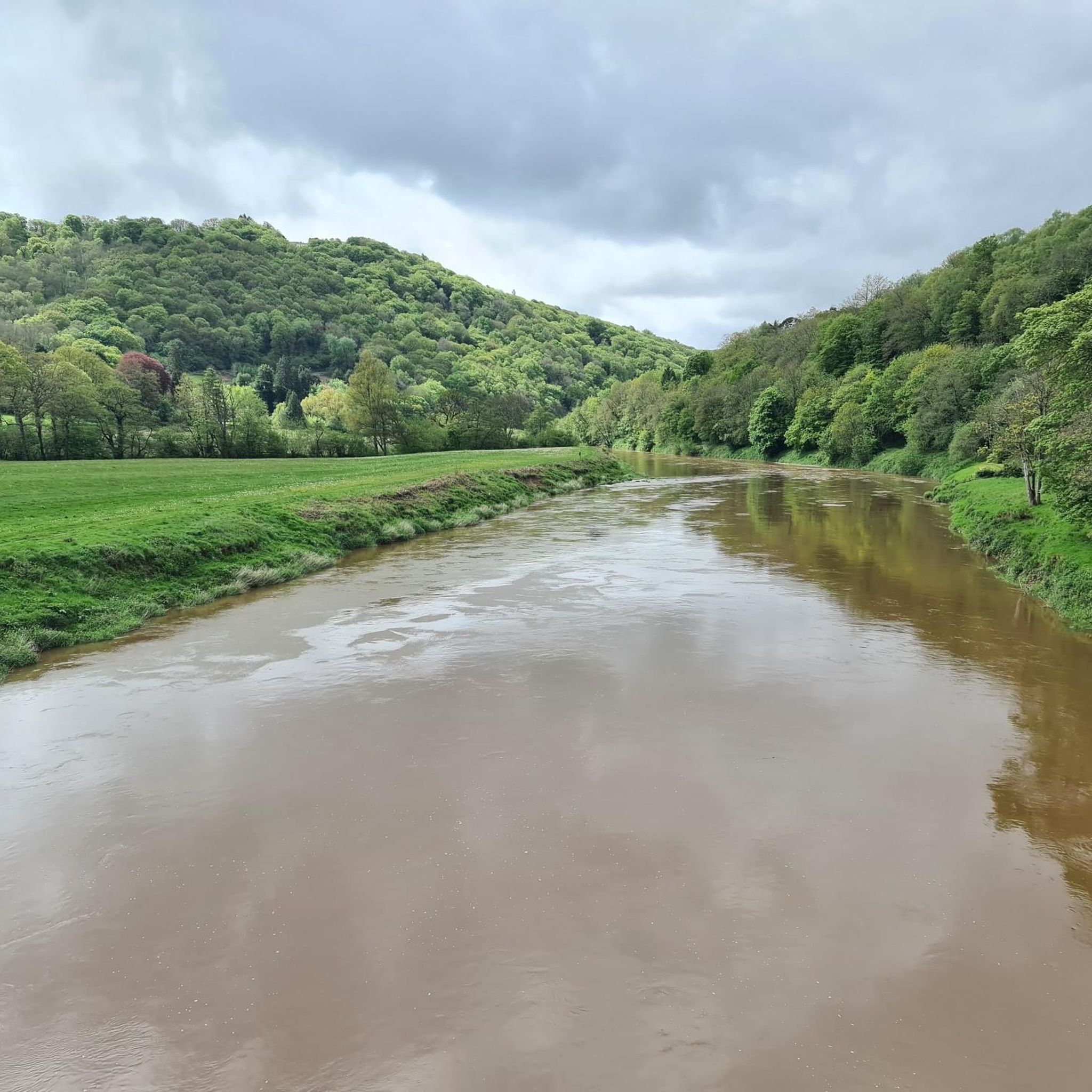
View over the Wye Valley from Caldwell Rocks
Highlight • Viewpoint
Tip by

Puzzlewood Walkways, Rocks and Caves
Highlight • Forest
Tip by

Sign up now to discover places like this
Get recommendations on the best single tracks, peaks, & plenty of other exciting outdoor places.
Sign up for free
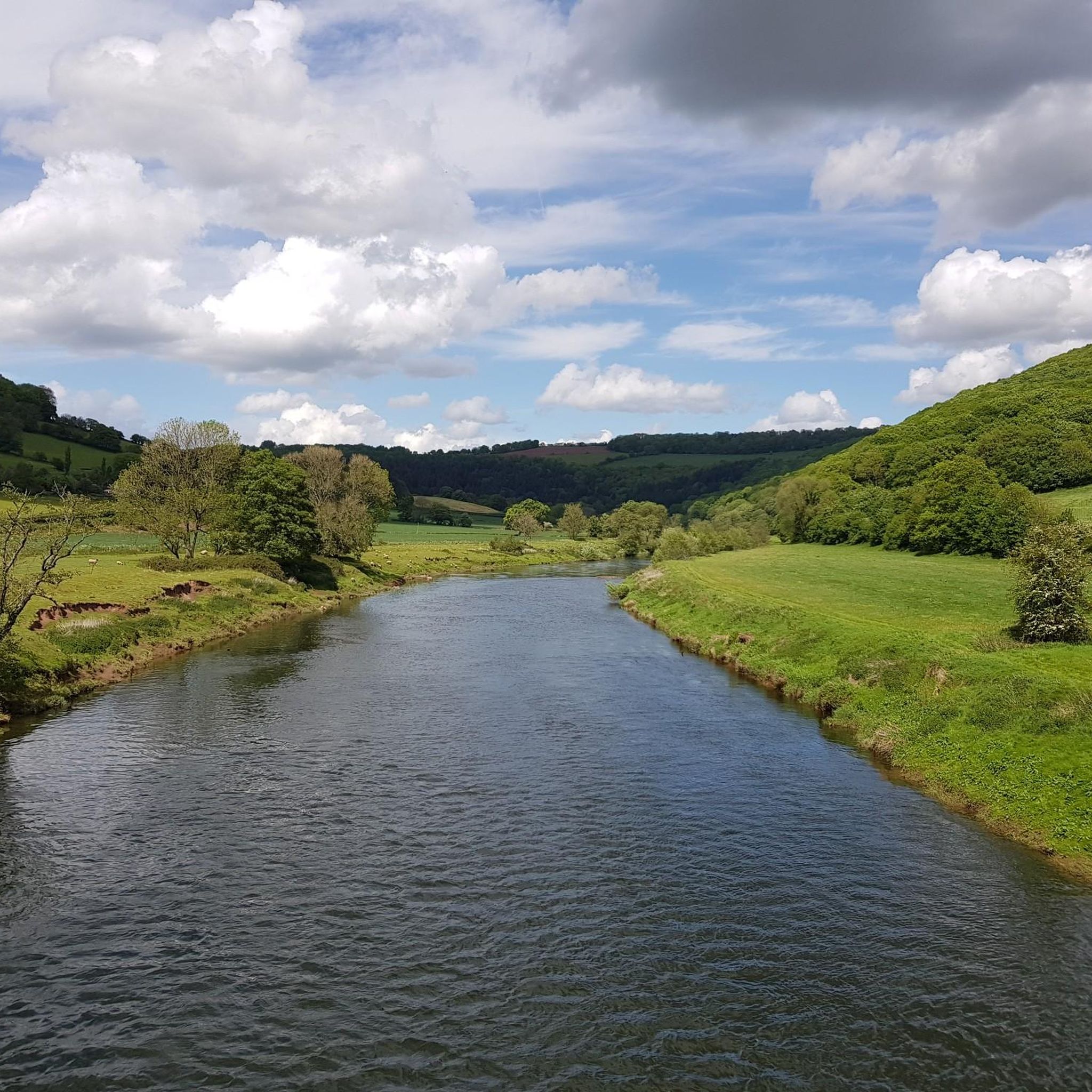
Coldwell Rocks
Highlight • Gorge
Tip by

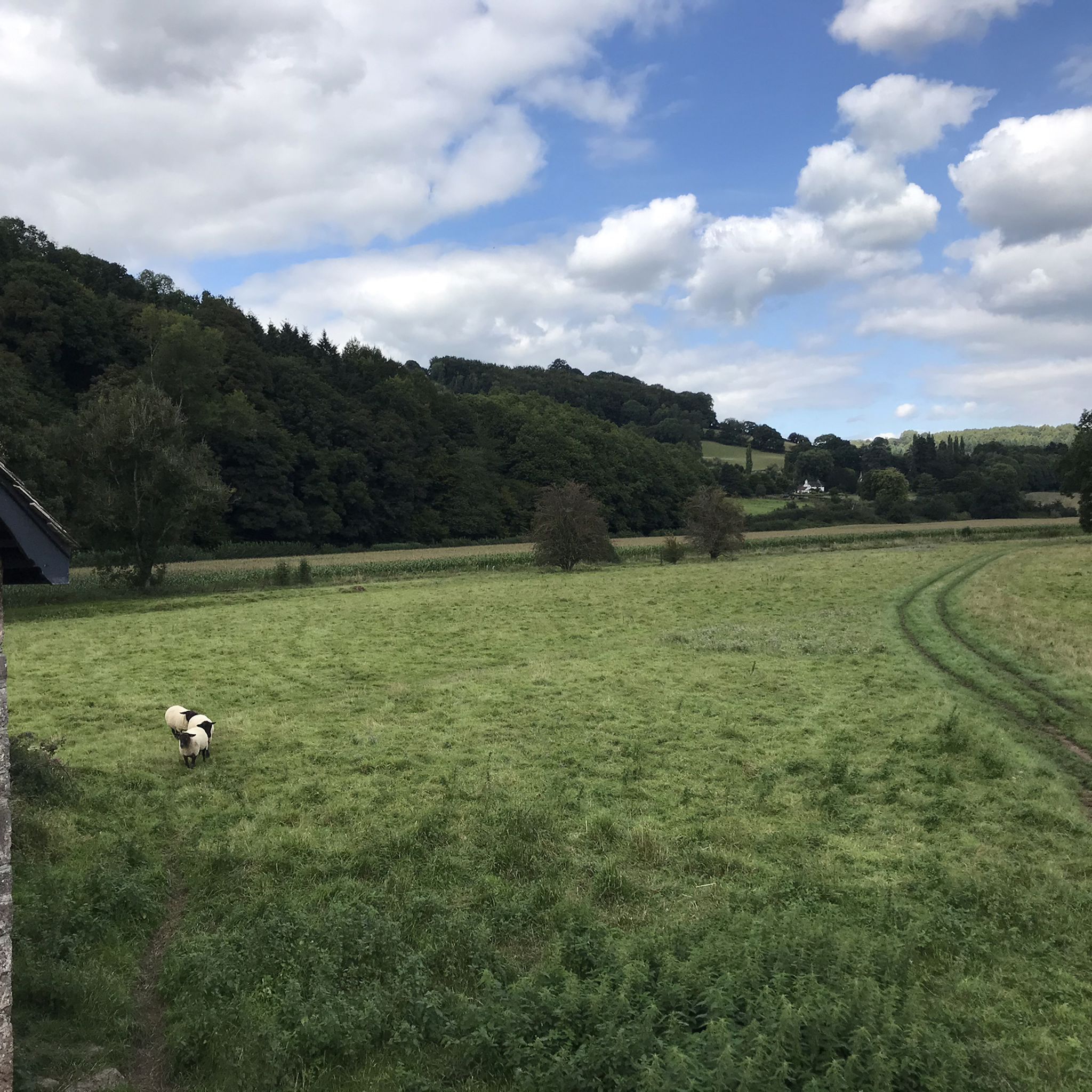
The Dropper Scowle
Highlight (Segment) • Gorge
Tip by

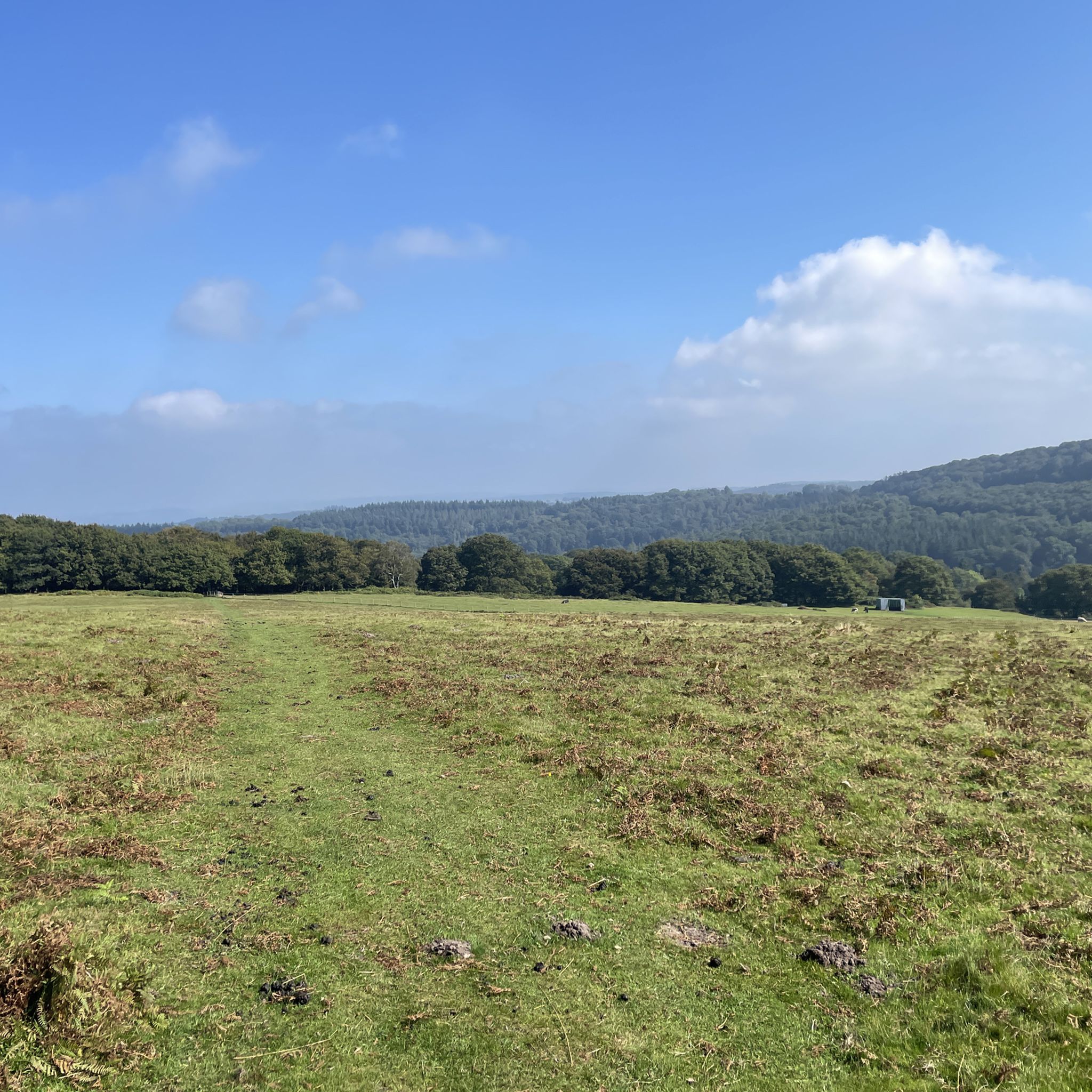
Whitebrook Valley
Highlight (Segment) • Viewpoint
Tip by
Sign up for free to discover even more gorges around St. Briavels.
Sign up for free
Already have an account?
Start today with a free account
Your next adventure awaits.
Login or Signup

Tips from the Community

This is the lesser known viewpoint around Symonds Yat, but just as with Symonds Yat this is a place to visit in the autumn when the trees are in full colour and the sun is on them to make them really shine.
0
0

Parking on side of the road for two cars. Although a steep climb their are lots of places stop and worth it for the views.
0
0

Whitebrook Valley a picturesque quiet Valley south of the river Wye, steep climb in parts, and narrow, so care needed when decending . You have a choice to ride the road or the bridleway that follows the brook. Stunning properties nestle the side of the length of lane.
0
0
An Old Byway, which sees little use. links the lower mailscot gravel track with the upper. It's a good climb but cuts the full mailshot loop a little shorter if preferred. Take a look at the large scowel "the dropper" halfway up, with small waterfall running.
0
0

From Caldwell Rocks, you get a magnificent view over the Wye Valley. It is also a great spot to watch peregrine falcons. Around this area, archaeologists have uncovered bones from hyenas, sabre-toothed cats and a mammoth.
1
0

Archaeologists have uncovered bones from hyenas, sabre-toothed cats and a mammoth in and around the caves of the valley and human habitation can be traced back to 12,000 years ago with findings of their tools and clothes. In the Iron Age the forts on the Great Doward and Yat Rock provided secure, defensible settlements for the local residents. During Roman times these forts became focal points in the region and the importance of the iron here and in the Forest of Dean made this a valuable prize for the conquerors. Offa's Dyke, built in the 8th century to separate England and Wales, runs close to Symonds Yat. The first recorded use of Symonds Yat in connection with the area is in a Patent Roll of 1256, where the place appears as Symundesyate and Symondesyate. This may contain the Old English personal name Sigemund or a very early surname deriving from it. Yat represents the Old English word geat (pronounced "yat"), meaning 'gate' and describing the gorge. Although a popular local belief, it is not true that the addition of Symonds was made in the 17th century in reference to Robert Symonds of Sugwas and Evesfield, High Sheriff of Herefordshire in 1685, who was indeed a member of the family who owned the lands from Wormelow near Hereford to the border regions in which surround the Yat. The area is also shown as Symons Yate on maps in 1665, Symons Yat in 1717 and Symmonds Gate in 1830. The Yat Gorge was mined for iron ore and remains of a smelting works are located down stream of the Symonds Yat Rapids.[3] The ironworks at New Weir date from the 1590s and were operated by the White family until 1753, when George White leased the site to John Partridge, an ironmonger from Ross on Wye. Partridge combined the ironworks at New Weir with his forge at Lydbrook which smelted pig iron from his furnace at Bishopswood. The works closed when the lease ran out in 1798 and the adjacent weir and lock buildings were demolished and the lock filled in 1814. The ferry at Symonds Yat has always played a huge part in the life here. In 1800 there were 25 hand ferries between Ross and Chepstow just like those outside Ye Old Ferrie Inn and the Saracen's Head today. They were introduced in Roman times to link the forts of the Doward and the Yat and have served military, civilian, tourist and horse traffic over the years.
1
0

Lots to explore at puzzlewood, interacting app you can download.
0
0
We visited on a very wet rainy day so our trip was short but was be try enjoyable as we only ever saw one other person. Great place to enjoy for everyone.
1
0
Frequently Asked Questions
What unique natural features can I explore around St. Briavels?
The St. Briavels area, part of the Wye Valley Area of Outstanding Natural Beauty, offers several distinctive natural features. You can explore the dramatic, gorge-like topography of the Wye Valley itself, with its steep slopes and river-carved landscapes. A particularly unique spot is Slade Brook, known for its approximately 60 rare 'tufa' dams and plunge pools, formed by calcium carbonate deposition. Additionally, Puzzlewood Walkways, Rocks and Caves provides a magical forest experience with natural rock formations and caves.
Are there family-friendly walks or activities in the St. Briavels area?
Yes, the area offers family-friendly options. Puzzlewood Walkways, Rocks and Caves is a great choice, offering an interactive woodland experience with various walkways and rock formations that children often enjoy. The general topography of the Wye Valley also provides many accessible paths suitable for family walks, allowing you to enjoy the natural scenery.
What are the most popular viewpoints overlooking the Wye Valley near St. Briavels?
Visitors frequently enjoy the panoramic vistas from several viewpoints. View over the Wye Valley from Caldwell Rocks is highly popular, offering magnificent views and a chance to spot peregrine falcons. Another notable spot is Coldwell Rocks, which, despite a steep climb, rewards visitors with impressive views over the gorge.
What kind of hiking trails are available near St. Briavels?
The St. Briavels area offers a variety of hiking trails, ranging from easy to moderate difficulty. You can find easy loops like the 'Slade Brook Travertine Dams loop from St Briavels' or the 'St Briavels Castle – The George Pub loop'. For more challenging hikes, consider routes that incorporate sections of the Offa's Dyke Path and Wye Valley Walk, such as the 'Offa's Dyke Path and Wye Valley Walk Circular'. You can explore more options on the Hiking around St. Briavels guide.
What is the best time to visit the gorges and valleys around St. Briavels?
The Wye Valley and its surrounding features are beautiful year-round. Spring brings lush greenery and blooming wildflowers, while autumn offers spectacular foliage colors. Summer is ideal for longer walks and outdoor activities. Even in winter, the dramatic landscapes can be very atmospheric, especially with the dappled morning light filtering through the trees at places like Slade Brook.
Are there any historical or archaeological points of interest in the canyons and valleys near St. Briavels?
Yes, the area is rich in history. Around Caldwell Rocks, archaeologists have uncovered bones from ancient animals like hyenas, sabre-toothed cats, and mammoths, with human habitation traced back 12,000 years. The broader Wye Valley also features Iron Age forts and Roman-era sites, highlighting its long historical significance. Offa's Dyke, an 8th-century earthwork, also runs close by.
What are the difficulty levels of walks in the St. Briavels gorges and valleys?
Walks in the St. Briavels area vary in difficulty. Many paths along the Wye Valley are considered easy, suitable for most fitness levels. However, some viewpoints, like Coldwell Rocks, involve steep climbs. Trails like 'Offa's Dyke Path and Wye Valley Walk Circular' are generally rated as moderate due to their length and elevation changes. Always check individual route details for specific difficulty ratings.
Can I find waterfalls or unique water features in the St. Briavels area?
Yes, the area is home to unique water features. Slade Brook is particularly notable for its series of mini-waterfalls and approximately 60 rare 'tufa' dams and plunge pools, which are natural formations created by dissolved calcium carbonate. You can also find The Dropper Scowle, which features a small waterfall.
What other outdoor activities can I do near the gorges and valleys of St. Briavels?
Beyond hiking, the St. Briavels area offers various outdoor activities. You can find numerous running trails, including moderate options like the 'Offa's Dyke and Wye Valley Loop'. The Wye Valley is also popular for cycling, with routes that follow the river or climb through the surrounding woodlands. For more details on running routes, refer to the Running Trails around St. Briavels guide.
What do visitors enjoy most about the St. Briavels area's natural landscapes?
Visitors consistently praise the breathtaking views, especially from spots like Caldwell Rocks, where they can watch peregrine falcons. The unique geological formations of Slade Brook and the enchanting atmosphere of Puzzlewood are also highly appreciated. The sense of tranquility and the opportunity to explore ancient woodlands and dramatic river valleys are frequently highlighted.
Are there any less-known or 'hidden gem' valleys to explore near St. Briavels?
While the Wye Valley itself is well-known, exploring specific smaller valleys can offer a more secluded experience. The Whitebrook Valley, located south of the River Wye, is described as a picturesque and quiet valley. It features steep climbs in parts and narrow sections, offering a more intimate connection with the landscape away from busier spots.
Where can I find parking when visiting the gorges and viewpoints near St. Briavels?
Parking availability varies by location. For instance, at Coldwell Rocks, there is limited roadside parking for a couple of cars. For other popular spots and trailheads, it's advisable to check specific location details or local signage for designated parking areas. Many villages in the Wye Valley also offer public car parks.
Most popular routes around St. Briavels
Most popular attractions around St. Briavels

Get inspired with the komoot mobile app


Explore more
Already discovered everything in this region? See additional gorges around St. Briavels for your next adventure:
