Top 4 Gorges around Welsh Bicknor
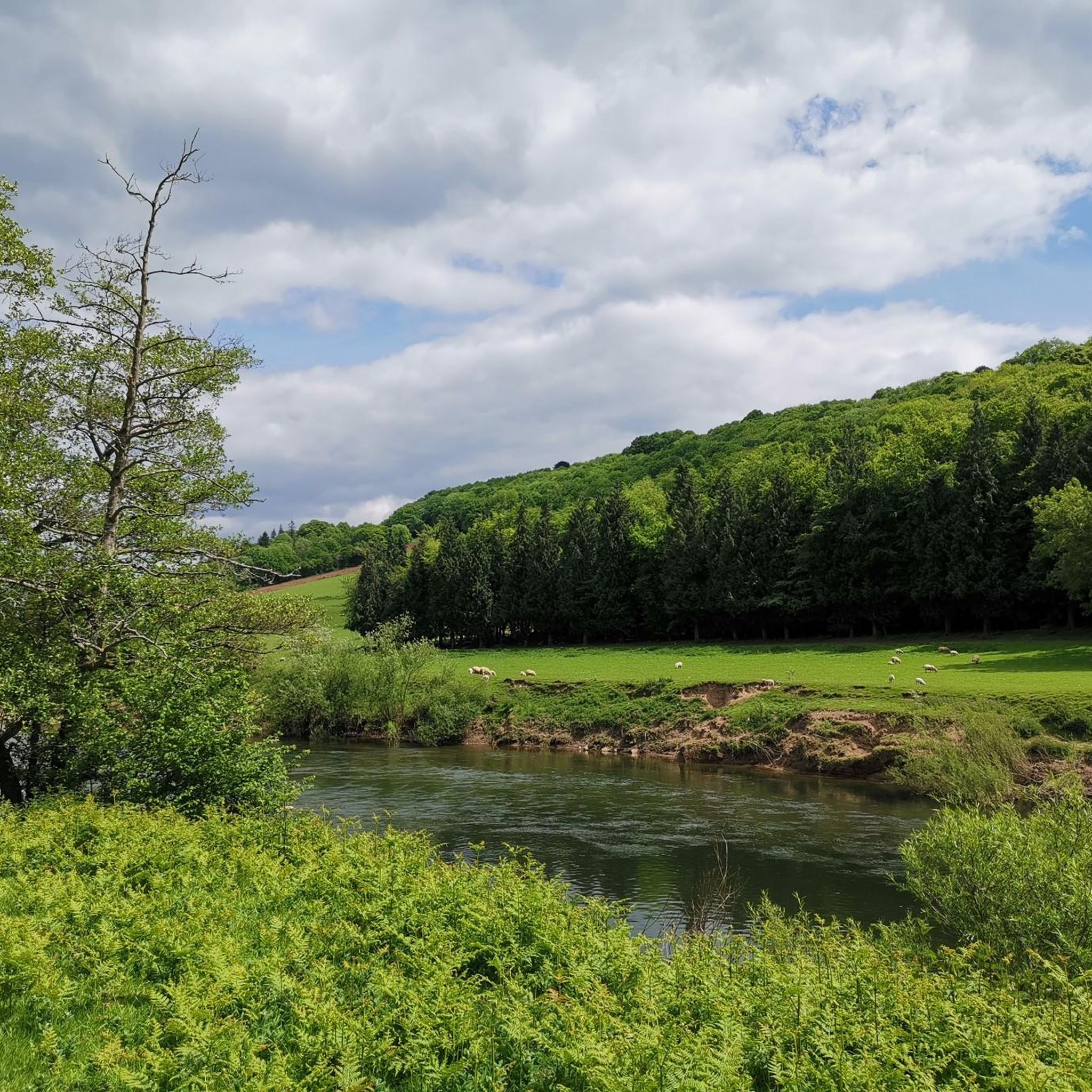
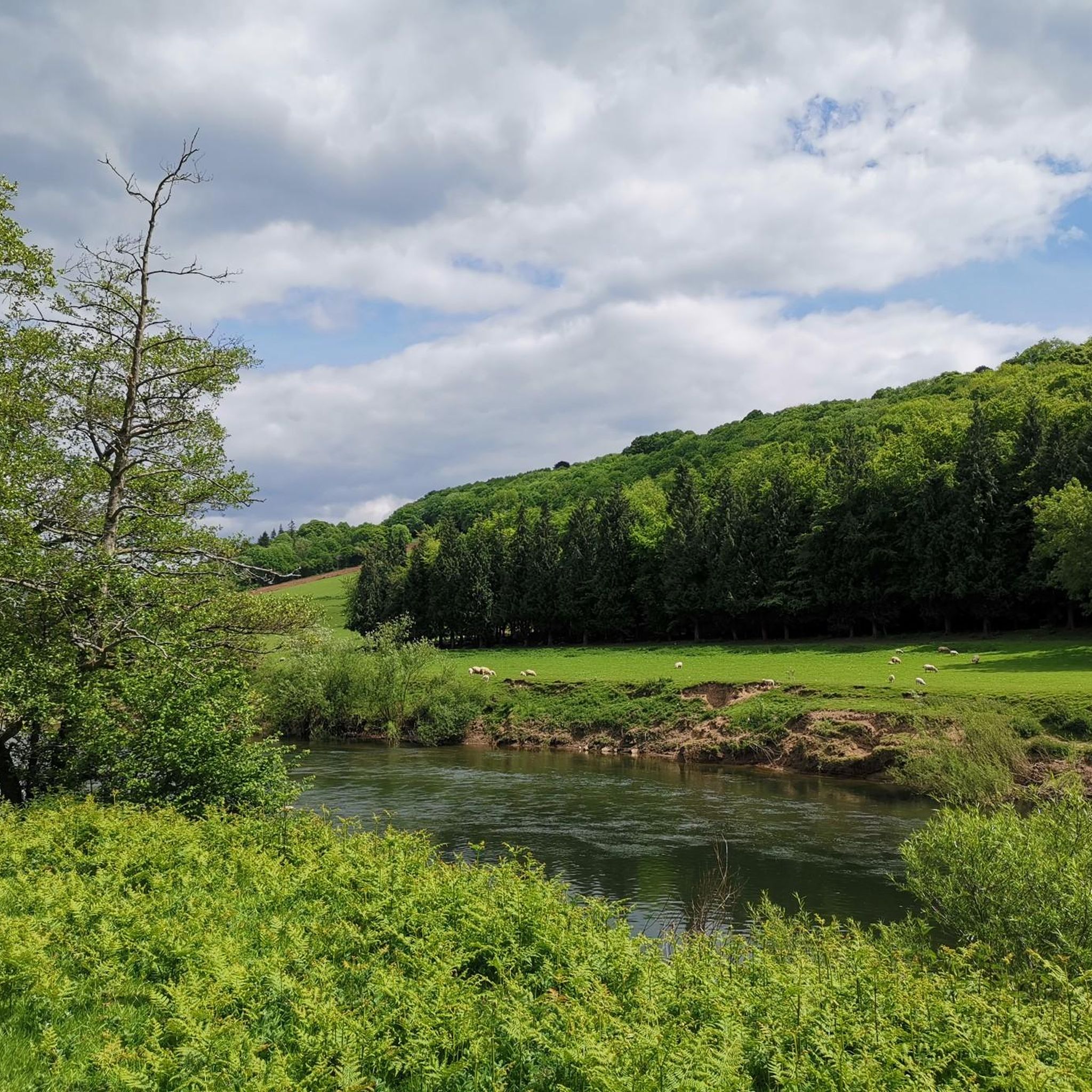
Best canyons around Welsh Bicknor are characterized by dramatic river-carved landscapes, featuring deep, steep-sided valleys and gorges. These formations are primarily found along the River Wye, which forms part of the Wye Valley Area of Outstanding Natural Beauty. The region's geology showcases interesting processes, with the river's path contrasting with the land's elevation. These areas provide opportunities for exploring natural formations and historical sites.
Best canyons around Welsh Bicknor
- The most popular canyons is View over the Wye Valley from…
Last updated: November 13, 2026
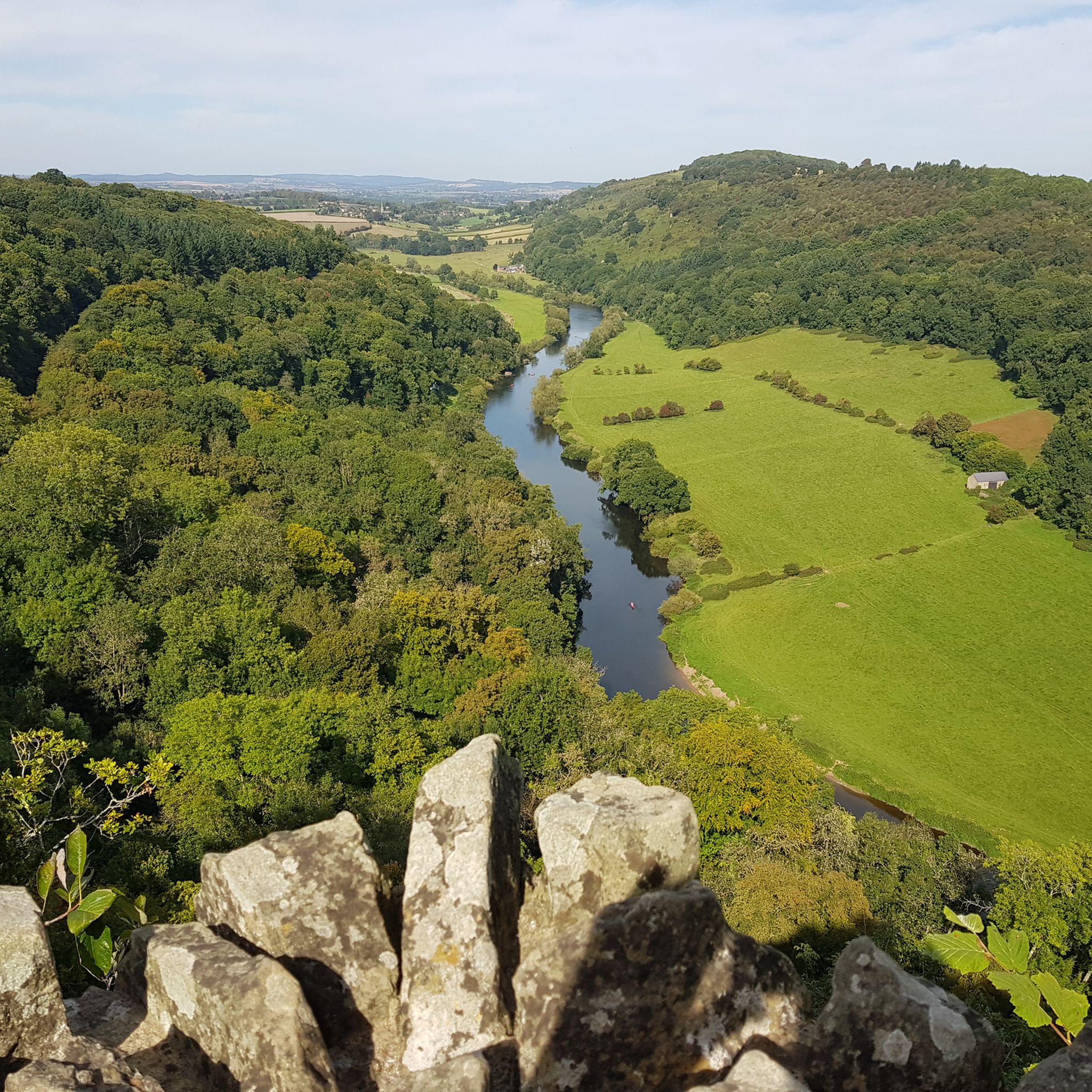
View over the Wye Valley from Caldwell Rocks
Highlight • Viewpoint
Tip by

Puzzlewood Walkways, Rocks and Caves
Highlight • Forest
Tip by

Sign up now to discover places like this
Get recommendations on the best single tracks, peaks, & plenty of other exciting outdoor places.
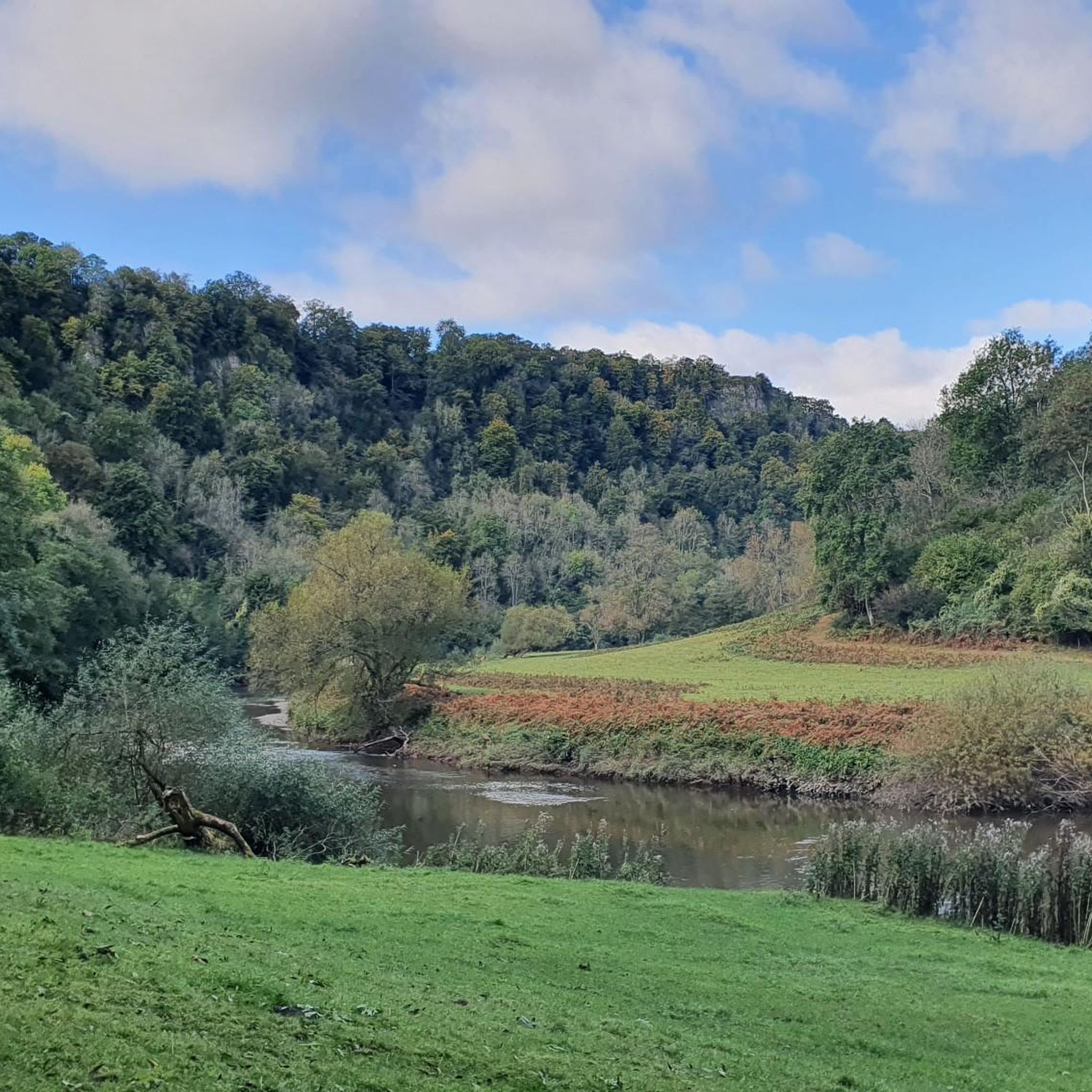
Coldwell Rocks
Highlight • Gorge
Tip by

The Dropper Scowle
Highlight (Segment) • Gorge
Tip by

Lady Park Wood Nature Reserve and Quarry
Highlight (Segment) • Trail
Tip by
Sign up for free to discover even more gorges around Welsh Bicknor.
Already have an account?
Start today with a free account
Your next adventure awaits.
Tips from the Community

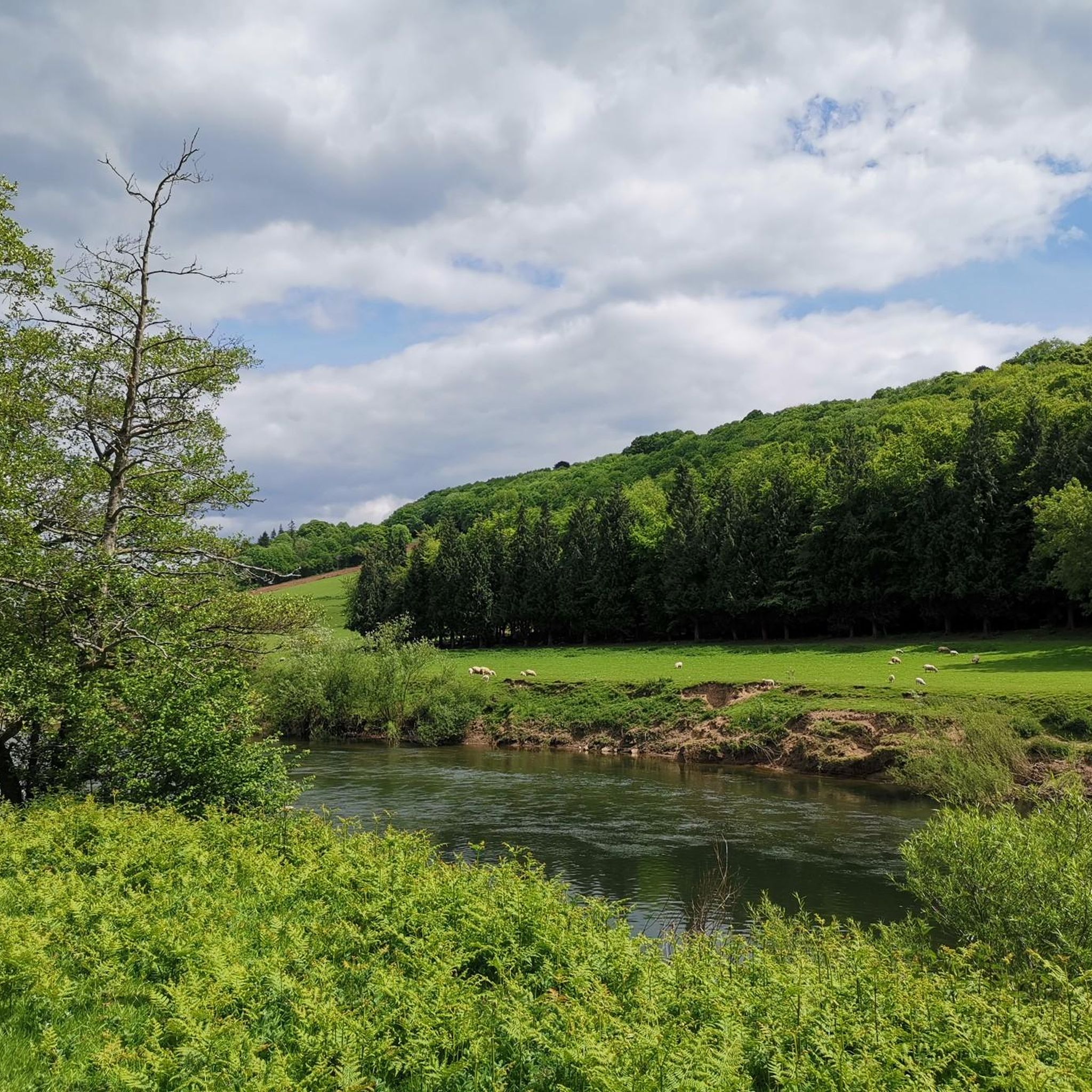
Fantastic section of trail, which is right on the side of Symonds Yat Gorge. The fire track to the quarry is a dead end, so be prepared to climb back up to the main tracks. If you are a skilled MTB downhiller, then there are trails from the quarry.
0
0

This is the lesser known viewpoint around Symonds Yat, but just as with Symonds Yat this is a place to visit in the autumn when the trees are in full colour and the sun is on them to make them really shine.
0
0

Parking on side of the road for two cars. Although a steep climb their are lots of places stop and worth it for the views.
0
0
An Old Byway, which sees little use. links the lower mailscot gravel track with the upper. It's a good climb but cuts the full mailshot loop a little shorter if preferred. Take a look at the large scowel "the dropper" halfway up, with small waterfall running.
0
0

From Caldwell Rocks, you get a magnificent view over the Wye Valley. It is also a great spot to watch peregrine falcons. Around this area, archaeologists have uncovered bones from hyenas, sabre-toothed cats and a mammoth.
1
0

Archaeologists have uncovered bones from hyenas, sabre-toothed cats and a mammoth in and around the caves of the valley and human habitation can be traced back to 12,000 years ago with findings of their tools and clothes. In the Iron Age the forts on the Great Doward and Yat Rock provided secure, defensible settlements for the local residents. During Roman times these forts became focal points in the region and the importance of the iron here and in the Forest of Dean made this a valuable prize for the conquerors. Offa's Dyke, built in the 8th century to separate England and Wales, runs close to Symonds Yat. The first recorded use of Symonds Yat in connection with the area is in a Patent Roll of 1256, where the place appears as Symundesyate and Symondesyate. This may contain the Old English personal name Sigemund or a very early surname deriving from it. Yat represents the Old English word geat (pronounced "yat"), meaning 'gate' and describing the gorge. Although a popular local belief, it is not true that the addition of Symonds was made in the 17th century in reference to Robert Symonds of Sugwas and Evesfield, High Sheriff of Herefordshire in 1685, who was indeed a member of the family who owned the lands from Wormelow near Hereford to the border regions in which surround the Yat. The area is also shown as Symons Yate on maps in 1665, Symons Yat in 1717 and Symmonds Gate in 1830. The Yat Gorge was mined for iron ore and remains of a smelting works are located down stream of the Symonds Yat Rapids.[3] The ironworks at New Weir date from the 1590s and were operated by the White family until 1753, when George White leased the site to John Partridge, an ironmonger from Ross on Wye. Partridge combined the ironworks at New Weir with his forge at Lydbrook which smelted pig iron from his furnace at Bishopswood. The works closed when the lease ran out in 1798 and the adjacent weir and lock buildings were demolished and the lock filled in 1814. The ferry at Symonds Yat has always played a huge part in the life here. In 1800 there were 25 hand ferries between Ross and Chepstow just like those outside Ye Old Ferrie Inn and the Saracen's Head today. They were introduced in Roman times to link the forts of the Doward and the Yat and have served military, civilian, tourist and horse traffic over the years.
1
0

Lots to explore at puzzlewood, interacting app you can download.
0
0
We visited on a very wet rainy day so our trip was short but was be try enjoyable as we only ever saw one other person. Great place to enjoy for everyone.
1
0
Frequently Asked Questions
What natural features define the canyons around Welsh Bicknor?
The canyons around Welsh Bicknor are primarily dramatic river-carved landscapes, featuring deep, steep-sided valleys and gorges. These formations are found along the River Wye, which carves a significant loop through the area, forming part of the Wye Valley Area of Outstanding Natural Beauty. Notable features include the winding river, ancient woodlands, and impressive rock formations like those at View over the Wye Valley from Caldwell Rocks and Coldwell Rocks.
Are there any family-friendly canyon experiences near Welsh Bicknor?
Yes, Puzzlewood Walkways, Rocks and Caves offers a unique and family-friendly forest area to explore. It features a distinctive landscape with walkways, rocks, and caves, providing an engaging experience for all ages.
What kind of historical insights can I find in the canyon areas?
The region is rich in history. At View over the Wye Valley from Caldwell Rocks, archaeologists have uncovered bones from hyenas, sabre-toothed cats, and mammoths, with human habitation traced back 12,000 years. Iron Age forts, Roman activity, and Offa's Dyke are also part of the area's past. The historic use of the River Wye for iron ore mining and the ancient ferry crossings at Symonds Yat add to the historical context.
What outdoor activities can I do near these canyons?
The area around Welsh Bicknor offers a variety of outdoor activities. You can explore numerous hiking trails, with options ranging from easy to difficult, such as the 'Ferry crossings to King Arthur's Cave' or the 'Wye Valley Walk'. Cycling is also popular, with routes like the 'Symonds Yat and Upper Lydbrook loop'. For more details on routes, you can check the hiking guide, cycling guide, and running guide for Welsh Bicknor.
What is the best time to visit the canyons around Welsh Bicknor?
The Wye Valley is beautiful year-round, but autumn is particularly stunning when the ancient woodlands display a vibrant array of colors. Spring offers fresh greenery and blooming wildflowers, while summer is ideal for canoeing on the River Wye and enjoying longer days for hiking. Even in winter, the dramatic landscapes can be explored, though some trails might be muddy.
Are there any viewpoints offering panoramic views of the canyons?
Yes, View over the Wye Valley from Caldwell Rocks is a magnificent viewpoint offering panoramic views of the meandering Wye River and the extensive woodlands. Symonds Yat Rock, a world-famous viewpoint, also provides breathtaking vistas of the winding river and surrounding ancient forests.
What wildlife can I expect to see in the canyon areas?
The Wye Valley is a haven for wildlife. You might spot kingfishers and otters along the river. The limestone cliffs at Symonds Yat are a nesting site for peregrine falcons, which can often be observed from viewpoints like View over the Wye Valley from Caldwell Rocks. The ancient woodlands also support a diverse ecosystem of various birds and insects.
Are there any challenging trails or hidden gems for experienced hikers?
For those seeking a challenge, the climb to Hidden Cliffs of the Rocky Outcrop offers a tough but rewarding experience with stunning views. The Dropper Scowle is an old byway that sees little use, providing a good climb and a small waterfall, ideal for those looking for less-trafficked paths.
What are the parking options for visiting the canyons?
Parking is available at various points throughout the Wye Valley. For instance, near Coldwell Rocks, there's roadside parking for a few cars. For popular spots like Symonds Yat Rock, dedicated car parks are available, though they may incur a fee. It's advisable to check specific locations for parking availability and any associated costs.
Can I find pubs or cafes near the canyon trails?
Yes, the area around Symonds Yat and other popular Wye Valley locations offers various amenities. You can find pubs and cafes in nearby villages and towns, providing places to refresh and refuel after exploring the trails. For example, Symonds Yat is known for its riverside inns.
What makes the Wye Valley's geology unique in this region?
The Wye Valley's geology is characterized by the dramatic meander of the River Wye, which has carved deep, steep-sided gorges through the landscape over time. This showcases interesting geological processes, with the river's path contrasting sharply with the land's elevation. The limestone cliffs and rock formations, such as those at Coldwell Rocks, are testament to these powerful natural forces.
Are there opportunities for canoeing or kayaking on the River Wye through the gorges?
Yes, canoeing and kayaking on the River Wye are very popular activities, offering a unique perspective of the gorges and river-carved landscapes. Many local providers offer canoe hire and guided trips, allowing visitors to experience the dramatic scenery from the water.
Most popular routes around Welsh Bicknor
Most popular attractions around Welsh Bicknor

Get inspired with the komoot mobile app


Explore more
Already discovered everything in this region? See additional gorges around Welsh Bicknor for your next adventure:
