Top 6 Castles around Rowlstone
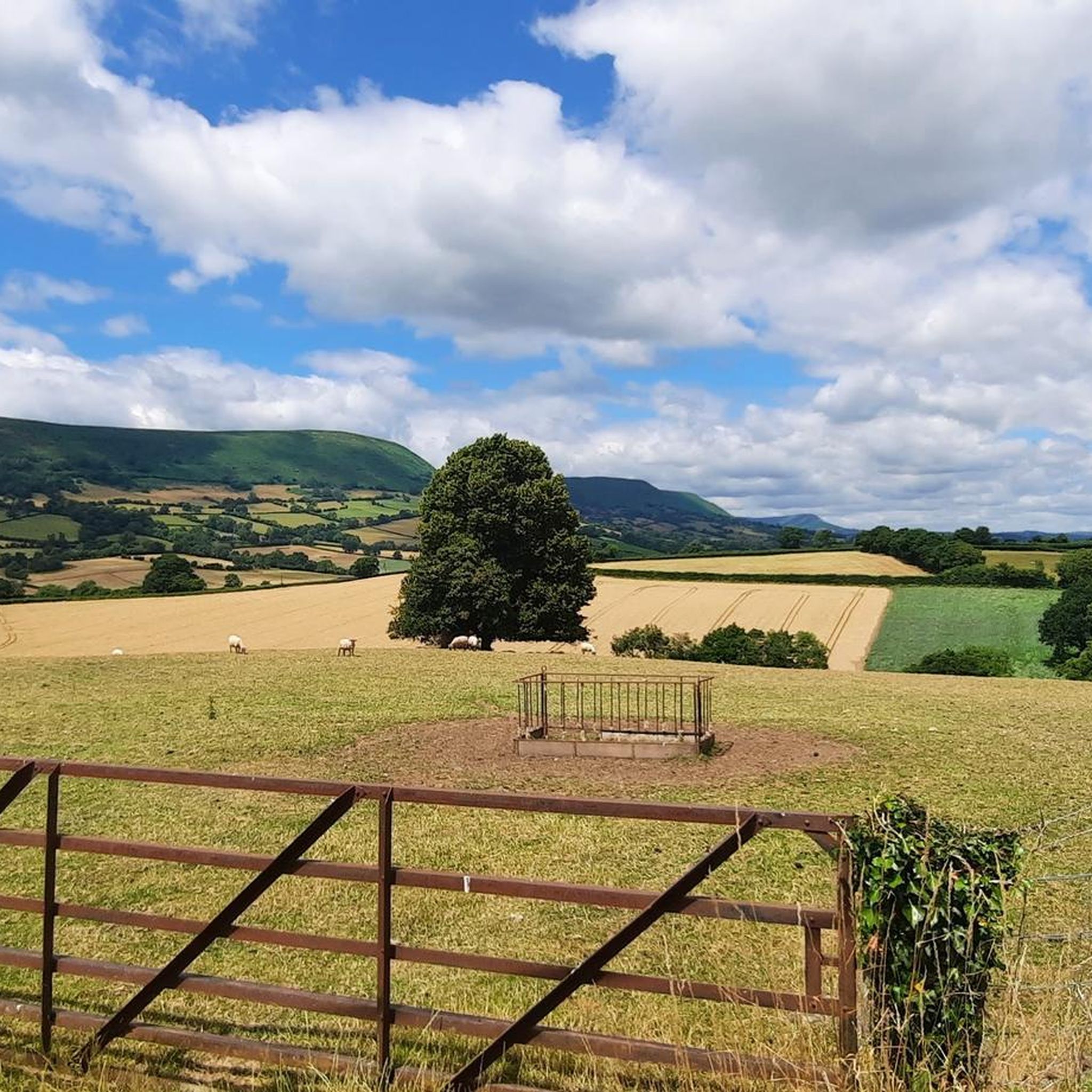
Best castles around Rowlstone are found in Herefordshire, England, a region known for its historical significance and borderland heritage. The area features the earthwork remains of a motte-and-bailey castle, offering insight into early medieval fortifications. This landscape provides a tangible link to the region's past, characterized by Norman strongholds and strategic defensive structures. Visitors can explore various historical sites that reflect centuries of architectural and cultural development.
Best castles around Rowlstone
- The most popular castles is Skenfrith Castle, a…
Last updated: October 3, 2026
Skenfrith Castle
Highlight • Castle
Tip by

White Castle
Highlight • Historical Site
The fort was established by the Normans in the …
Tip by

Sign up now to discover places like this
Get recommendations on the best single tracks, peaks, & plenty of other exciting outdoor places.
Grosmont Castle Ruins
Highlight • Historical Site
The original earth-and-timber stronghold was built on a "gros mont" …
Tip by
Kentchurch Court and St. Mary's Church
Highlight • Historical Site
Tip by

Kilpeck Church and Castle Ruins
Highlight • Religious Site
Tip by
Sign up for free to discover even more castles around Rowlstone.
Already have an account?
Start today with a free account
Your next adventure awaits.
Tips from the Community

Grosmont Castle is maintained by Cadw, and at the moment there is a lot of work going on with the refurbishment of the timber footbridge spanning the castle ditch, i.e., the entrance. Therefore, the castle is closed between February 2026 and September 2026. It is still worth a visit as you can still walk around it and get some impression of mediaeval life from viewing this grand structure.
0
0
White Castle is a ruined but super nice castle to visit and sits between the villages of Llantilio Crossenny and Llanvetherine. It is part of the 'Three Castles' group, along with nearby Grosmont and Skenfrith. These historic Norman fortresses were built to control the border region, and White Castle is known as the most imposing due to a strong inner and outer ward. It also has an imposing, water-filled, stone-lined moat. It is free to enter and maintained by Cadw.
0
0
Skenfrith Castle is a beautiful ruined castle owned and run by the National Trust in the quaint village of Skenfrith. It's a lovely valley setting next to the River Monnow, and right next door is the equally charming St Bridget's Church. The castle was originally established by the Normans in the wake of the invasion of England in 1066 to protect the route from Wales to Hereford. In 1135, a major Welsh revolt took place, and in response, King Stephen brought together Skenfrith Castle and its sister fortifications of Grosmont and White Castle to form a lordship known as the "Three Castles", which continued to play a role in defending the region from Welsh attack for several centuries. It is obviously a ruin now, but the walls are still substantial, and the fulcrum of the place is the imposing, commanding keep. This is a three-storey, 12-metre-high circular keep built around 1219–1244 by Hubert de Burgh. There is good parking there and plenty of green space for picnics and parking. There is also no charge for entry. A great place to visit, along with nearby Grosmont and White Castle.
0
0

A very fine church is beautiful surroundings. More info here - https://stmaryskentchurch.org/
0
0

This 13th century Norman Castle is set in a beautiful riverside location. It's managed by the National Trust and has free parking and free entry. It's also a good starting point for exploring the area.
1
0

Interesting C13th castle. Beautiful setting by river. Well worth a visit. Free parking. I used it as a starting point.
0
0

Skenfrith is a Norman castle redeveloped by a later owner in 1219. It's a National Trust property with free entry.
1
0
Grosmont is a one of the "Three Castles of Gwent" a trio of strongholds (also including Skenfrith and White Castle). The original earth-and-timber stronghold was built on a "gros mont" (French for ‘big hill’) and later replaced in stone. Access is free, year round.
2
0
Frequently Asked Questions
What kind of castles can I expect to see around Rowlstone?
The Rowlstone area is rich in historical fortifications, primarily featuring the earthwork remains of motte-and-bailey castles, which offer a glimpse into early Norman strongholds. You'll also find well-preserved stone castles like Skenfrith Castle and White Castle, as well as impressive ruins such as Grosmont Castle Ruins.
What historical sites, besides castles, are worth visiting in Rowlstone?
Beyond the castle earthworks, Rowlestone is home to St. Peter's Church, a Norman parish church dating back to approximately 1130. It is celebrated for its exquisite Romanesque carvings by the renowned Herefordshire School of sculptors, including a detailed tympanum and intricate chancel arch carvings.
Are there family-friendly castles to visit near Rowlstone?
Yes, several castles in the area are suitable for families. Skenfrith Castle, White Castle, and Grosmont Castle Ruins are all categorized as family-friendly. These sites offer open spaces for exploration and a chance to learn about medieval history.
Can I find walking or cycling routes that include these castles?
Absolutely. The region offers various routes that pass by historical sites. For cycling, you can explore options like the 'Skenfrith Castle – Grosmont Castle Ruins loop from Grosmont' or the 'Ewyas Harold Church – Kilpeck Church and Churchyard loop from Ewyas Harold'. You can find more details on these and other routes in the Cycling around Rowlstone guide or the MTB Trails around Rowlstone guide.
What are the access details for Rowlestone Castle itself?
Rowlestone Castle refers to the earthwork remains of a motte-and-bailey castle. The most prominent feature is the motte, a raised mound about 13 feet high. These earthworks are generally accessible for visitors interested in early medieval fortifications, offering a tangible link to the region's past. For more historical context, you can visit ecastles.co.uk.
Is there an entry fee for the castles around Rowlstone?
Many of the castles in the area offer free entry. For example, Skenfrith Castle is a National Trust property with free entry and free parking. Grosmont Castle Ruins also offers free access year-round.
What is the best time of year to visit the castles in the Rowlstone area?
The castles and their surrounding landscapes are enjoyable throughout the year. Spring and summer offer pleasant weather for exploring the outdoor sites and earthworks. Autumn provides beautiful scenery with changing foliage, while winter can offer a quieter, more atmospheric experience, though some facilities might have reduced hours. Always check local weather forecasts before your visit.
Are there any pubs or places to eat near the castles?
Yes, you can find local amenities near some of the historical sites. For instance, near Kentchurch Court and St. Mary's Church, The Bridge Inn is known for excellent food. Exploring the villages around the castles will often reveal charming local pubs and cafes.
Are the castles around Rowlstone dog-friendly?
Many of the outdoor castle sites and ruins, such as the earthworks at Rowlestone and the grounds of Skenfrith Castle and Grosmont Castle Ruins, are generally dog-friendly, especially for walks around the exterior. However, it's always best to keep dogs on a lead and check specific site rules before visiting, particularly for any indoor areas or sensitive historical sections.
What makes White Castle a significant historical site?
White Castle is the best-preserved of the Monmouthshire fortresses known as the ‘Three Castles’ (which also include Grosmont and Skenfrith). Established by the Normans after the 1066 invasion, much of its current structure was built by King Edward I, making it a precursor to his mighty Welsh fortresses.
Can I combine a visit to a castle with a church or other historical building?
Certainly. The region is rich in history. For example, near Rowlstone, you can visit the earthworks of Rowlestone Castle and then explore St. Peter's Church, known for its Norman Romanesque carvings. Another option is Kilpeck Church and Castle Ruins, where you can see both a motte-and-bailey castle ruin and a remarkable Romanesque church.
Are there any viewpoints near the castles for scenic photography?
The castles are often situated in picturesque locations within the Herefordshire landscape. While specific viewpoints aren't always signposted, the elevated positions of many motte-and-bailey sites and the riverside setting of Skenfrith Castle offer excellent opportunities for scenic photography of both the historical structures and the surrounding countryside.
Most popular attractions around Rowlstone

Get inspired with the komoot mobile app


Explore more
Looking for the best castles somewhere else? Discover other guides around Rowlstone:
