Top 8 Castles around Moulins
Castles around Moulins offer a glimpse into the region's historical significance as the former capital of the Duchy of Bourbon. The city and its surroundings feature remnants of powerful medieval strongholds and later architectural developments. These historical sites are situated within the Bourbonnais region, characterized by its varied landscape. Visitors can explore structures that reflect centuries of regional power and architectural evolution.
Best castles around Moulins
- The most popular castles is Anne de Beaujeu Pavilion, a man-made monument that…
Last updated: July 1, 2026
Charroux – Medieval Village
Highlight • Settlement
Translated by Google •
Tip by

Anne de Beaujeu Pavilion
Highlight • Monument
Translated by Google •
Tip by

Sign up now to discover places like this
Get recommendations on the best single tracks, peaks, & plenty of other exciting outdoor places.
Sign up for free
Fourchaud Castle
Highlight • Castle
Translated by Google •
Tip by

Bourbon-l'Archambault Castle
Highlight • Castle
Translated by Google •
Tip by

17th-century Château de Charnes
Highlight • Castle
Translated by Google •
Tip by
Domaine de Balaine
Highlight • Historical Site
Translated by Google •
Tip by
Château de Saligny
Highlight • Castle
Translated by Google •
Tip by

Rural Path to Beaulon Castle
Highlight (Segment) • Trail
Translated by Google •
Tip by

Start today with a free account
Your next adventure awaits.
Login or Signup
Popular around Moulins
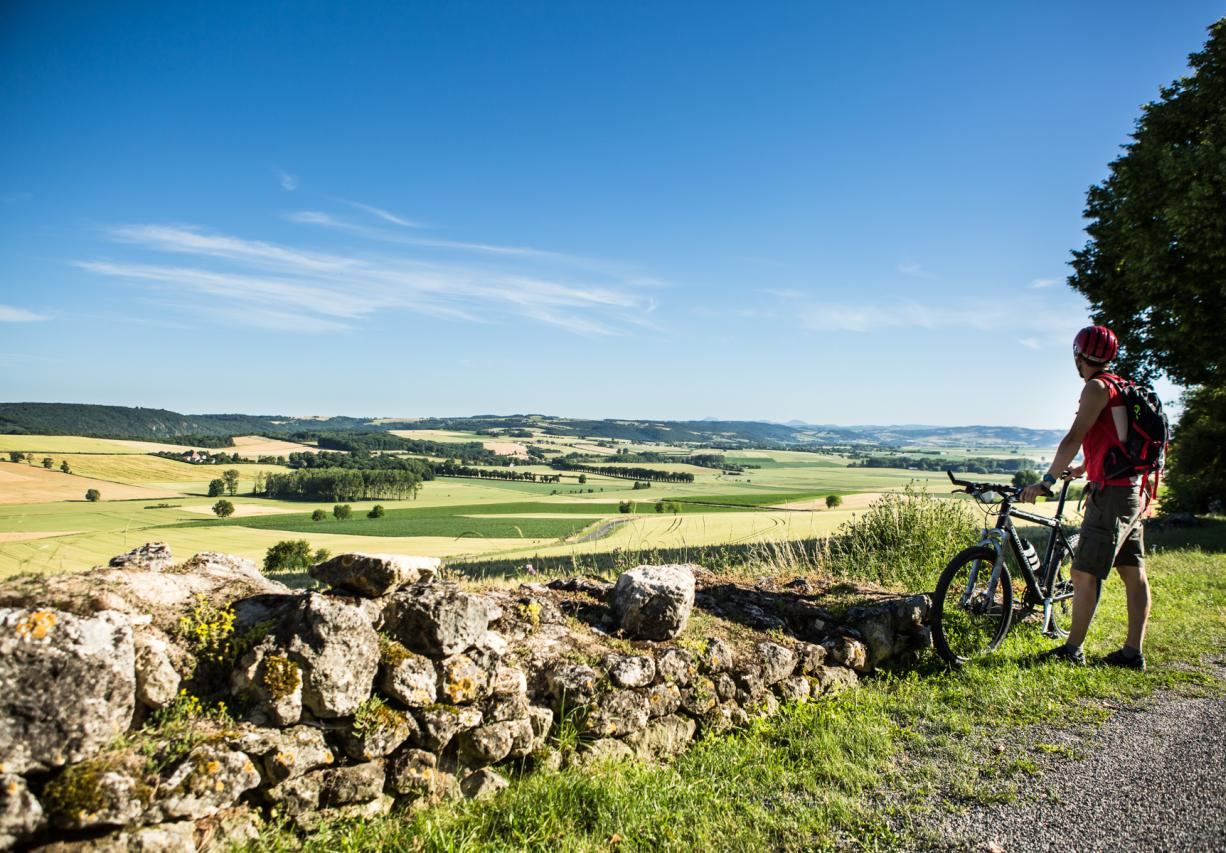
The Grande traversée du Massif Central by gravel bike
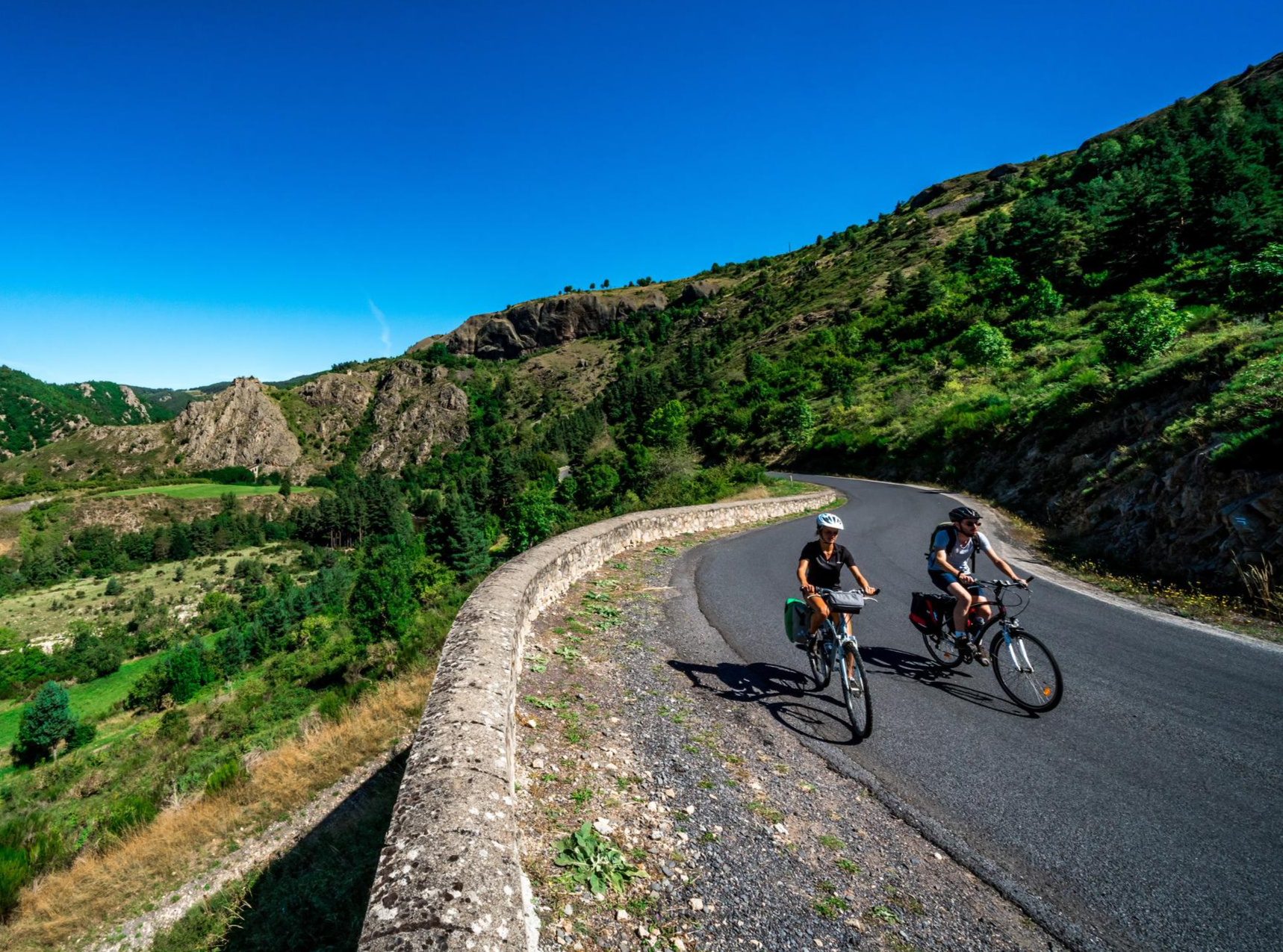
Via Allier – The Auvergne cycle route
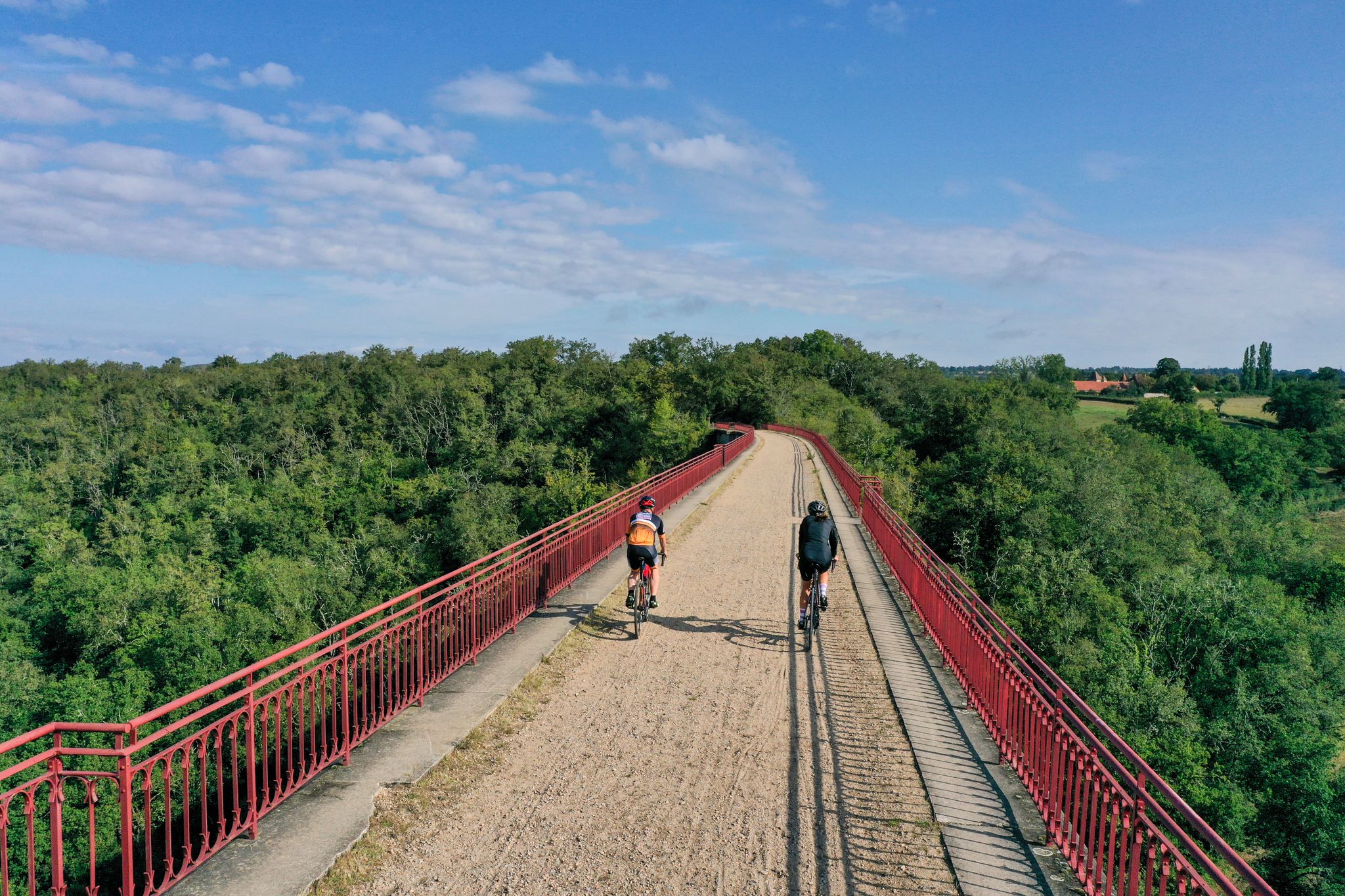
Allier Bourbonnais by bike – mythical routes and secret escapes
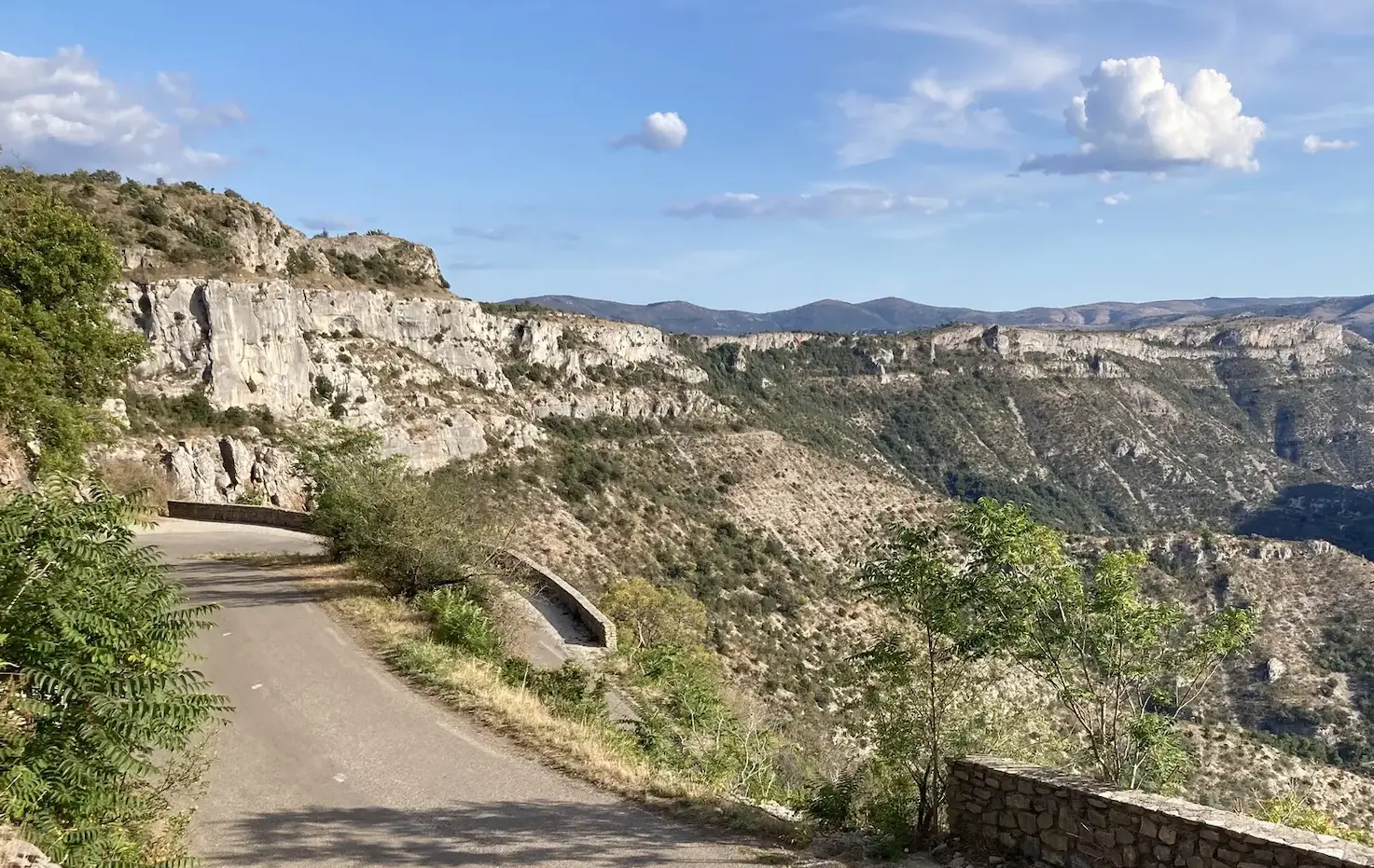
From north to south - On the slopes of the GTMC
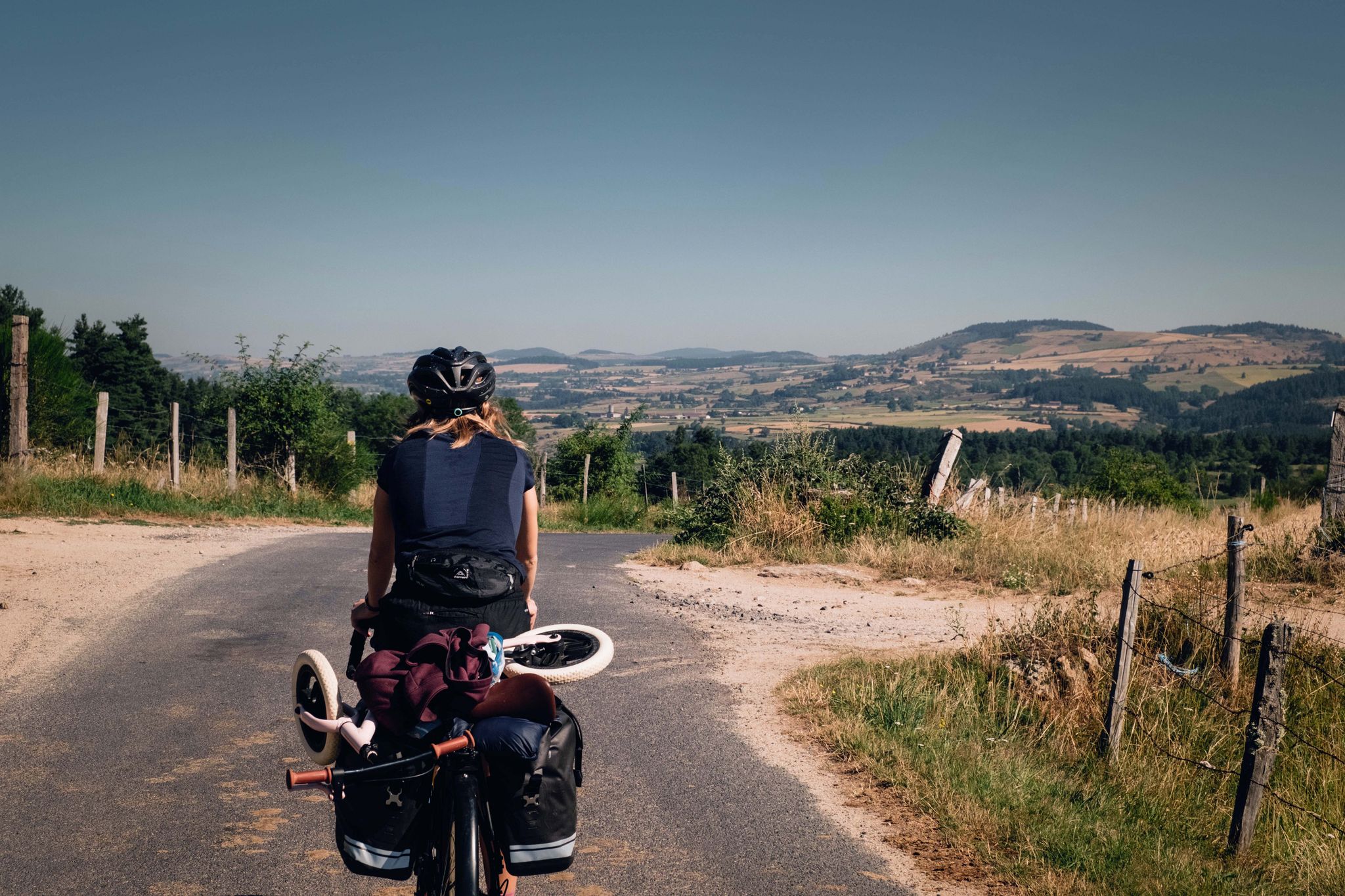
Via Allier – discovering the Auvergne by bike
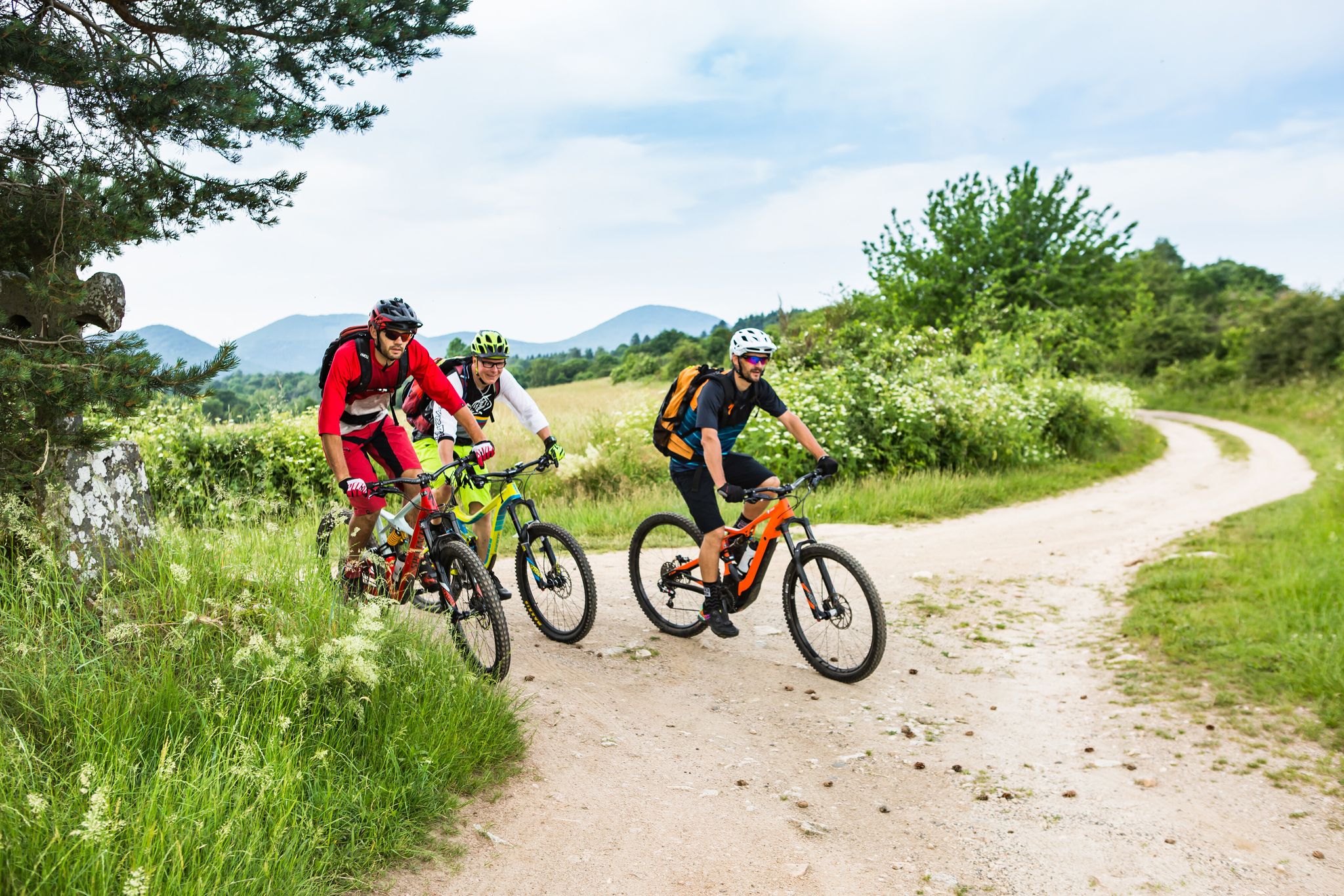
Conquering the trails – Auvergne by MTB
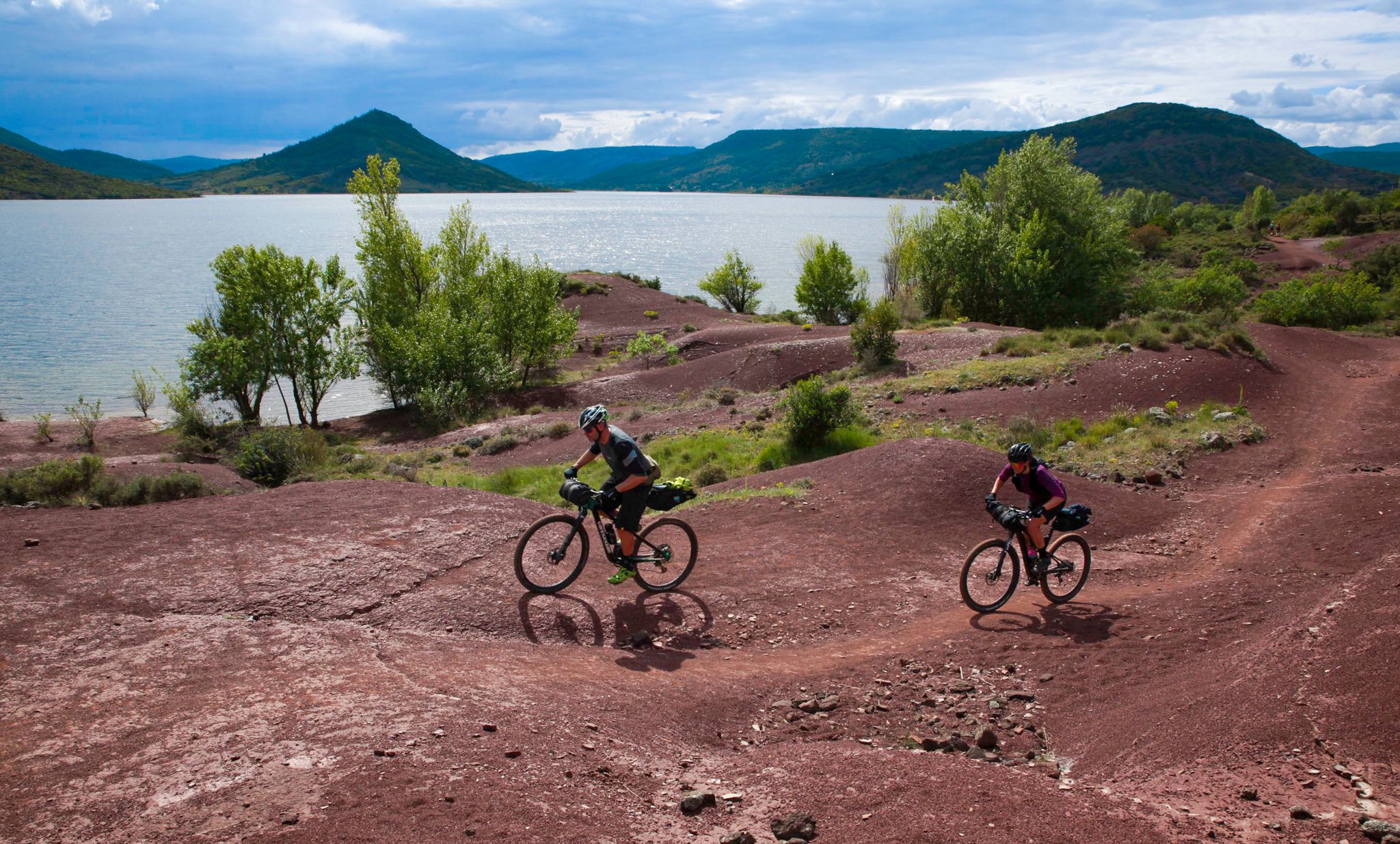
The Great Crossing of France's Massif Central by mountain bike
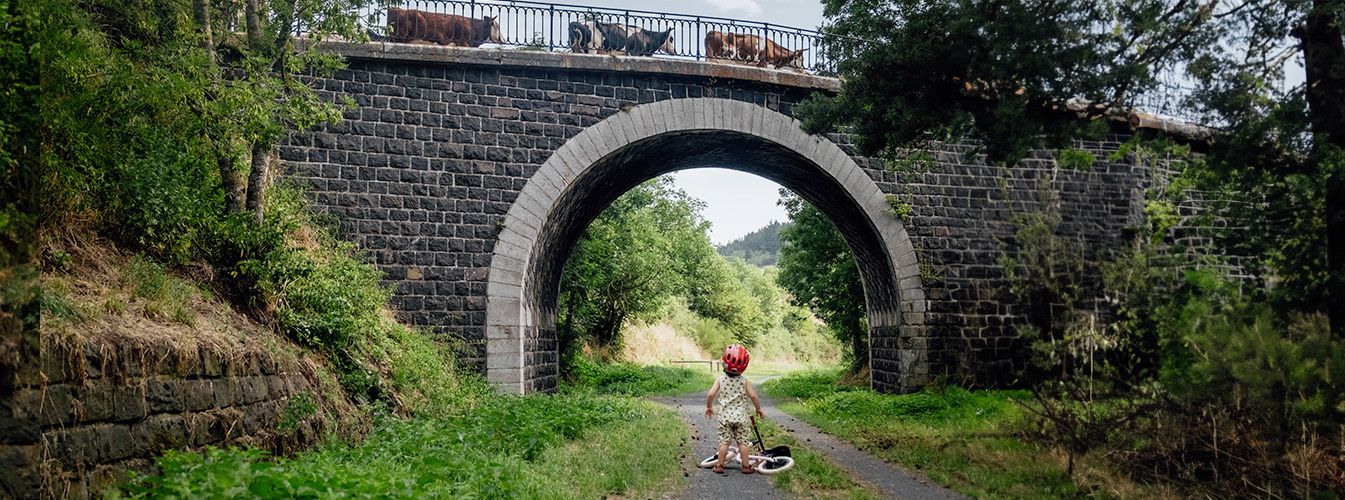
‘La Joyeuse Vadrouille’ – two months cycling with the family
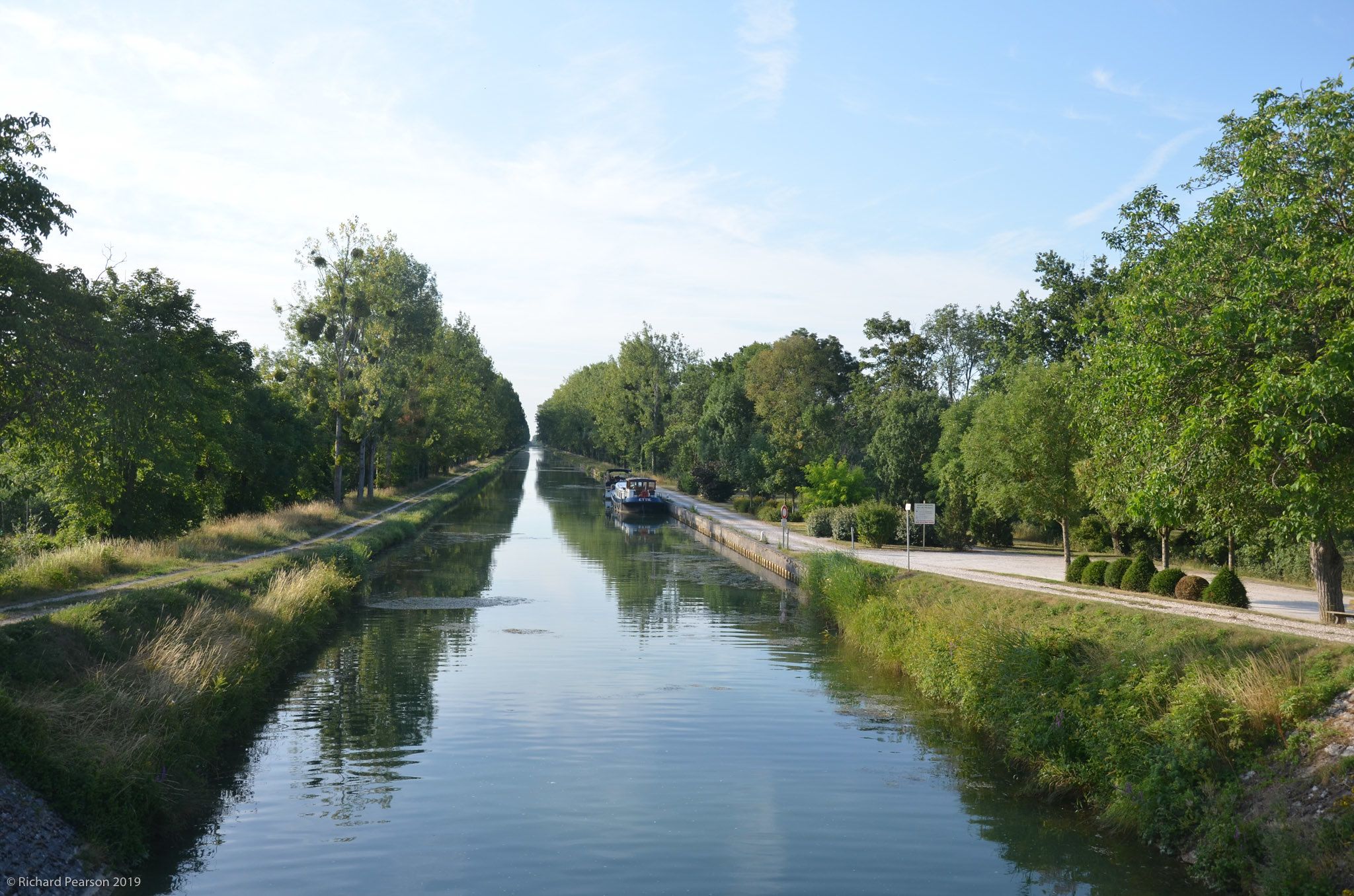
France’s water-rich region — Burgundy's four canals
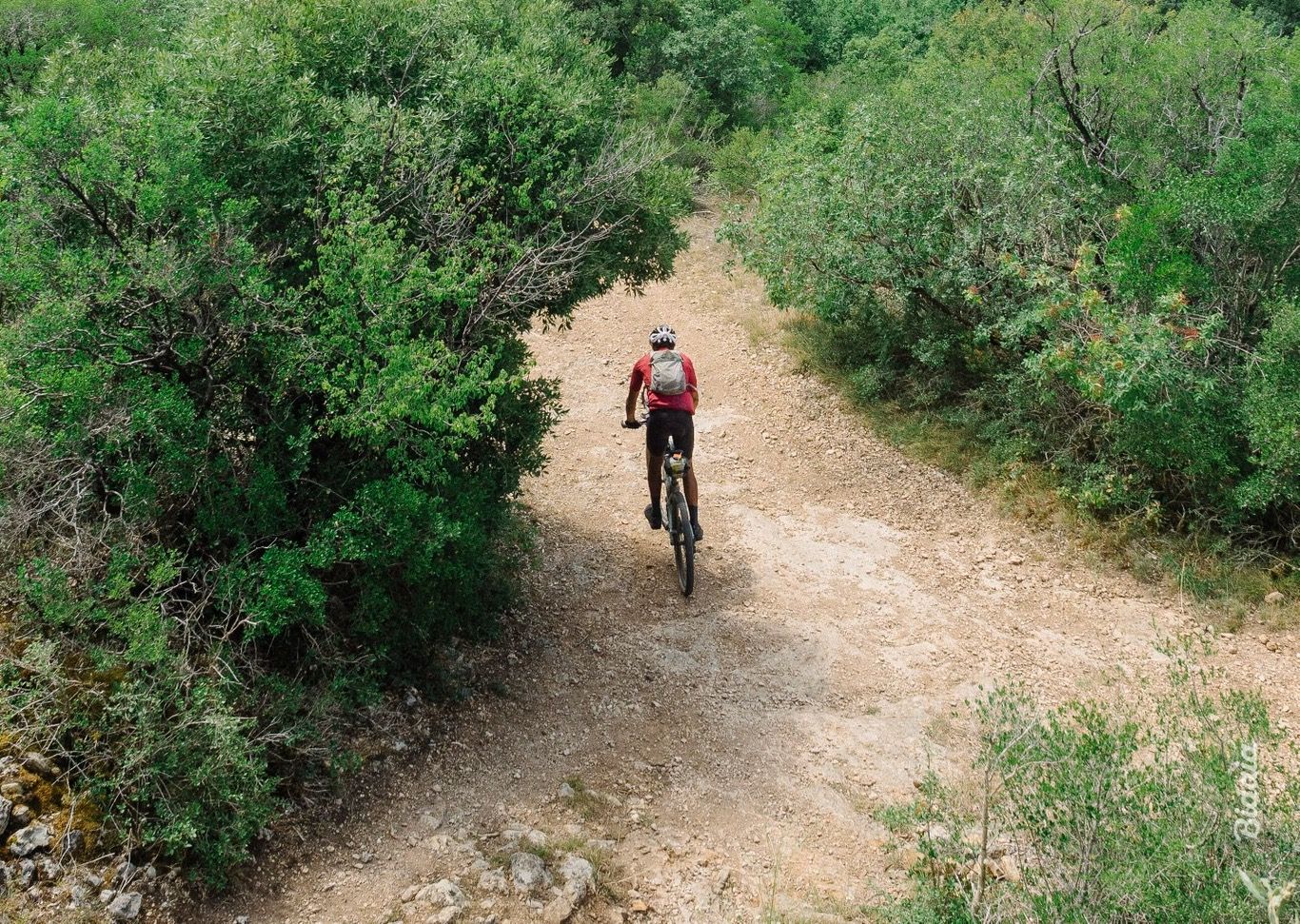
French Divide: the other Tour de France
Other adventures around Moulins


Tips from the Community

The name Fourchaud seems to come from “Fourche”, as the Gallo-Roman road branched off there, coming from Bourges and leading either to Lyon or Clermont-Ferrand.
4
0

Built in the 13th century on a rock overlooking the town of Bourbon-l'Archambault, this castle controlled the ancient roads. It was the first castle of the Bourbon dynasty. It will remain a "symbolic building" of the family's power.
0
0
The keep of the former Bourbon palace is still standing today. Next to it, however, is the beautiful Anne de Beaujeu Pavilion, built at the end of the 15th century (1497 to 1503). It was built for Duchess Anne de Beuajeu (1461 - 1522, also Anne de France), daughter of King Louis XI - and was the first building in France to be designed in the style of the Italian Renaissance.
2
0

Pleasant and rolling rural path, through fields, then bordering a beautiful pond before arriving at the Chateau de Beaulon.
0
0

The name Fourchaud seems to come from “Fourche”, since this is where the Gallo-Roman road which came from Bourges and went either to Lyon or to Clermont-Ferrand separated.
0
0

Duke Louis II of Bourbon decided in 1378 to install the ducal court of accounts in Moulins, making the city the capital of the Duchy of Bourbon; it will remain so until 1532, the date of the duchy's attachment to the Crown. After the devastation at the start of the Hundred Years' War, Duke Louis II had the Château de Moulins rebuilt between 1366 and 1375. King Charles VIII wanted to assert his rights over the Kingdom of Naples and began the First Italian War, between 1497 and 1499. During this time, Charles VIII entrusted his sister, Anne de Beaujeu and her husband Pierre II de Bourbon with the regency of the kingdom which will be exercised from Moulins. The French discovered Italian Renaissance art during this war. Following this discovery, around 1500, Anne de Beaujeu and Pierre II de Bourbon had the architect Marceau Rodier build one of the first buildings of Renaissance architecture in France to close the courtyard of the castle. The presence of Pierre de Beaujeu's monogram on the pavilion suggests that it was completed before his death in 1503. After the duchy was attached to the Crown, the castle was only occupied sporadically and was poorly maintained. In 1755, a fire ravaged the wing of Anne de Beaujeu's pavilion. In 1774, the state of the castle had it classified as a ruin. In 1839, the Anne-de-Beaujeu pavilion became a gendarmerie. It was saved by its classification as a historic monument in 1840. The entire pavilion was restored, completed with annex buildings, in 1907, to house a museum following the donation from Louis Mantin. The Anne-de-Beaujeu pavilion has housed the Moulins art and archeology museum since 1910, with the Mantin house.
2
0
Free visit to the exteriors all year round. Beautiful ensemble consisting of a quadrangular main building (17th century) flanked by square turrets topped with imperial roofs cushioned by slate lanterns. Set also composed of the chapel (1720), the dovecote, the granary with an inverted boat hull frame (dated 1617), the Reserve house with its half-timbering (15th century). A French terraced garden (1840) decorates the premises. Since 1696, the property has been in the same family.
0
0

Fourchaud Castle is located in the town of Besson. Its construction dates back to the 19th century. The construction was done on the ruins of the keep which dates from the 14th century.
0
0
Frequently Asked Questions
What is the most historically significant castle within Moulins?
The most historically significant castle in Moulins is the Château des ducs de Bourbon, once the seat of power for the Dukes of Bourbon. While much of it no longer stands, its most striking remnant is the 14th-century Tour de la Mal-Coiffée, an impressive keep that offers a tangible link to the region's medieval past.
Are there other important historical castles in the wider Moulins region?
Yes, beyond Moulins, the region boasts several significant historical castles. The Bourbon-l'Archambault Castle, built in the 13th century, was the first castle of the Bourbon dynasty. Another notable site is Fourchaud Castle, which dates back to the 19th century but was constructed on the ruins of a 14th-century keep.
Which castles around Moulins are family-friendly?
Several castles and related sites are suitable for families. The Domaine de Balaine, with its extensive botanical gardens, offers a pleasant outing. The Charroux – Medieval Village is also classified as family-friendly, offering a charming historical experience. Additionally, the 17th-century Château de Charnes and Château de Saligny are listed as family-friendly options.
Can I find walking or hiking trails near these castles?
Yes, the Moulins area offers various walking and hiking opportunities. For example, the Rural Path to Beaulon Castle is a trail that leads to a castle. You can also explore easy hikes around Moulins, such as the 'Arboretum de Balaine Loop' near the Domaine de Balaine. For more options, check out the 'Easy hikes around Moulins' guide at komoot.com/guide/3658735/easy-hikes-around-moulins.
What natural features can I explore near the castles?
The region around Moulins is characterized by varied landscapes. The Domaine de Balaine is home to the oldest private botanical and floral park in France, featuring over 3,500 plant species. While exploring the Rural Path to Beaulon Castle, you might encounter natural features like lakes. The nearby Allier River also offers scenic views and opportunities for outdoor activities.
What is the best time of year to visit the castles around Moulins?
While specific opening times vary, spring and autumn generally offer pleasant weather for exploring the castles and their surroundings. Autumn, in particular, can be beautiful with changing foliage. If visiting in autumn, consider wearing layers as temperatures can vary. Some sites, like the 17th-century Château de Charnes, offer free exterior visits all year round.
Are there any hidden gem castles to discover near Moulins?
While not widely publicized, the 17th-century Château de Charnes offers a beautiful ensemble of buildings including a chapel, dovecote, and a French terraced garden, with its property remaining in the same family since 1696. It provides a glimpse into a less-traveled historical site.
What kind of outdoor activities can I do near these castles?
Besides walking and hiking, the area around Moulins offers opportunities for cycling. You can find various MTB trails and gravel biking routes. For example, there are 'MTB Trails around Moulins' at komoot.com/guide/1526213/mtb-trails-around-moulins and 'Gravel biking around Moulins' at komoot.com/guide/3477005/gravel-biking-around-moulins.
Are there any castles with scenic viewpoints?
The Bourbon-l'Archambault Castle, built on a rock overlooking the town, historically controlled ancient roads from its strategic position, suggesting it offers scenic views of the surrounding area. The Charroux – Medieval Village also provides picturesque views of the countryside.
What do visitors enjoy most about the castles around Moulins?
Visitors appreciate the deep historical significance of the region, particularly its connection to the Dukes of Bourbon. The architectural diversity, from ancient keeps like the Anne de Beaujeu Pavilion to 17th-century châteaux and properties with extensive botanical gardens like Domaine de Balaine, is highly valued. The blend of history, culture, and natural beauty makes for a rich exploration.
How long should I plan for a visit to a castle near Moulins?
The duration of a visit can vary greatly depending on the castle and your interest. For a site like the Anne de Beaujeu Pavilion, which houses a museum, you might spend 1-2 hours. Larger estates like Domaine de Balaine with its botanical gardens could easily fill half a day. For multiple castles or those combined with hiking, a full day trip is recommended.
Are there any castles that showcase Renaissance architecture?
Yes, the Anne de Beaujeu Pavilion in Moulins is a prime example. Built around 1500 for Duchess Anne de Beaujeu, it was one of the first buildings in France designed in the Italian Renaissance style, showcasing the influence of this artistic movement on the region's architecture.
Most popular routes around Moulins
Most popular attractions around Moulins

Get inspired with the komoot mobile app


Didn’t find what you were looking for?
Explore Moulins’s best castles region by region:
Explore more
Looking for the best castles somewhere else? Discover other guides around Moulins:
