Top 5 Gorges around Skipton
Best canyons around Skipton are characterized by dramatic gorges, scars, and valleys within the Yorkshire Dales National Park. This area features geological formations primarily carved from Carboniferous limestone by water and glacial activity over millions of years. These formations offer diverse experiences, from challenging walks to scenic riverside strolls. The landscape provides distinct features such as cliffs, caves, and waterfalls.
Best canyons around Skipton
- The most popular canyons is The Strid, a natural monument where the river suddenly narrows,…
Last updated: August 16, 2026
The Strid
Highlight • Natural Monument
Tip by

Trollers Gill
Highlight • Gorge
Tip by

Sign up now to discover places like this
Get recommendations on the best single tracks, peaks, & plenty of other exciting outdoor places.
Sign up for free
Valley of Desolation
Highlight • Forest
Tip by

Loup Scar
Highlight • Natural Monument
Tip by

The Strid on the River Wharfe
Highlight • Gorge
Tip by

Start today with a free account
Your next adventure awaits.
Login or Signup
Popular around Skipton
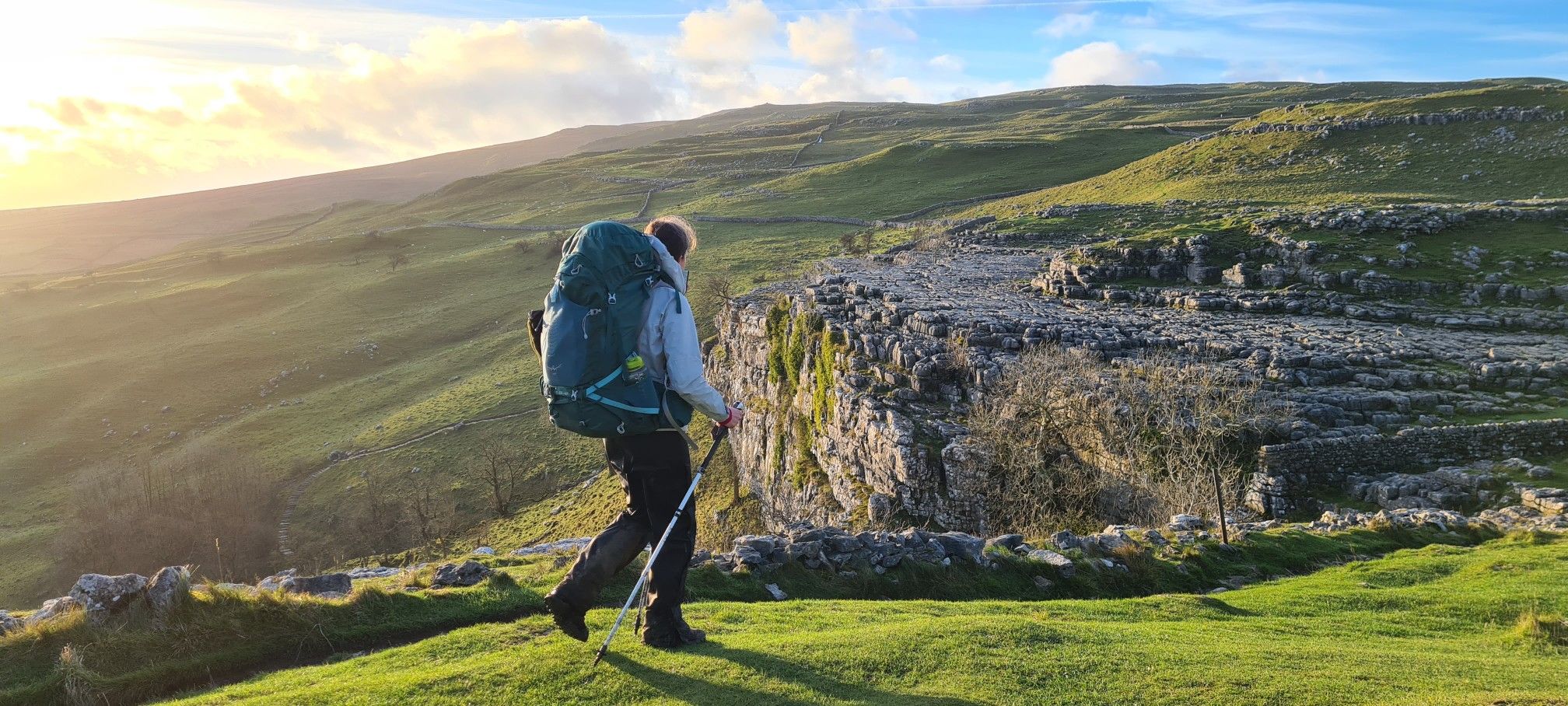
A Dales High Way – Hiking in winter
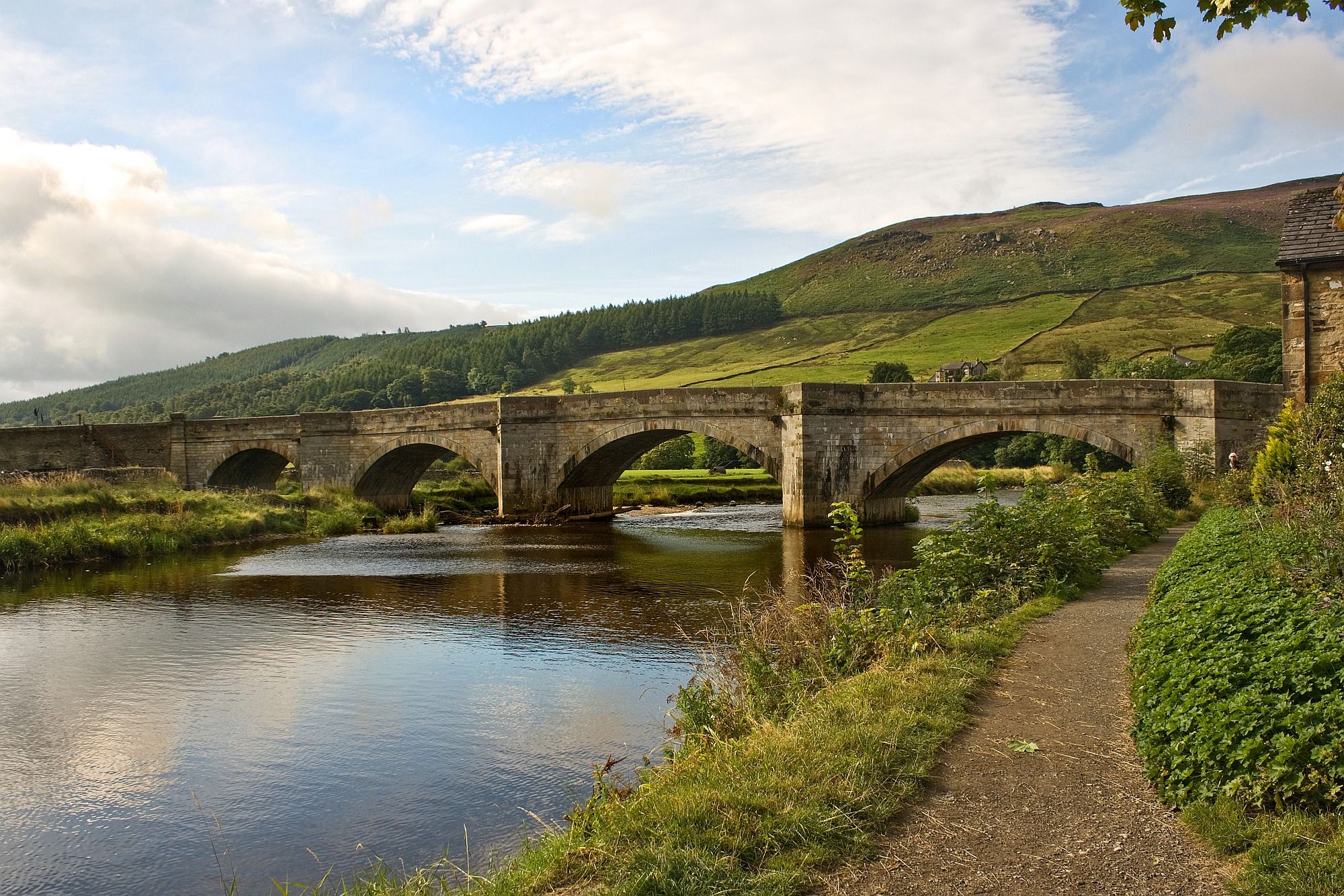
Hiking Lady Anne's Way — A marriage of exquisite scenery and ancient history
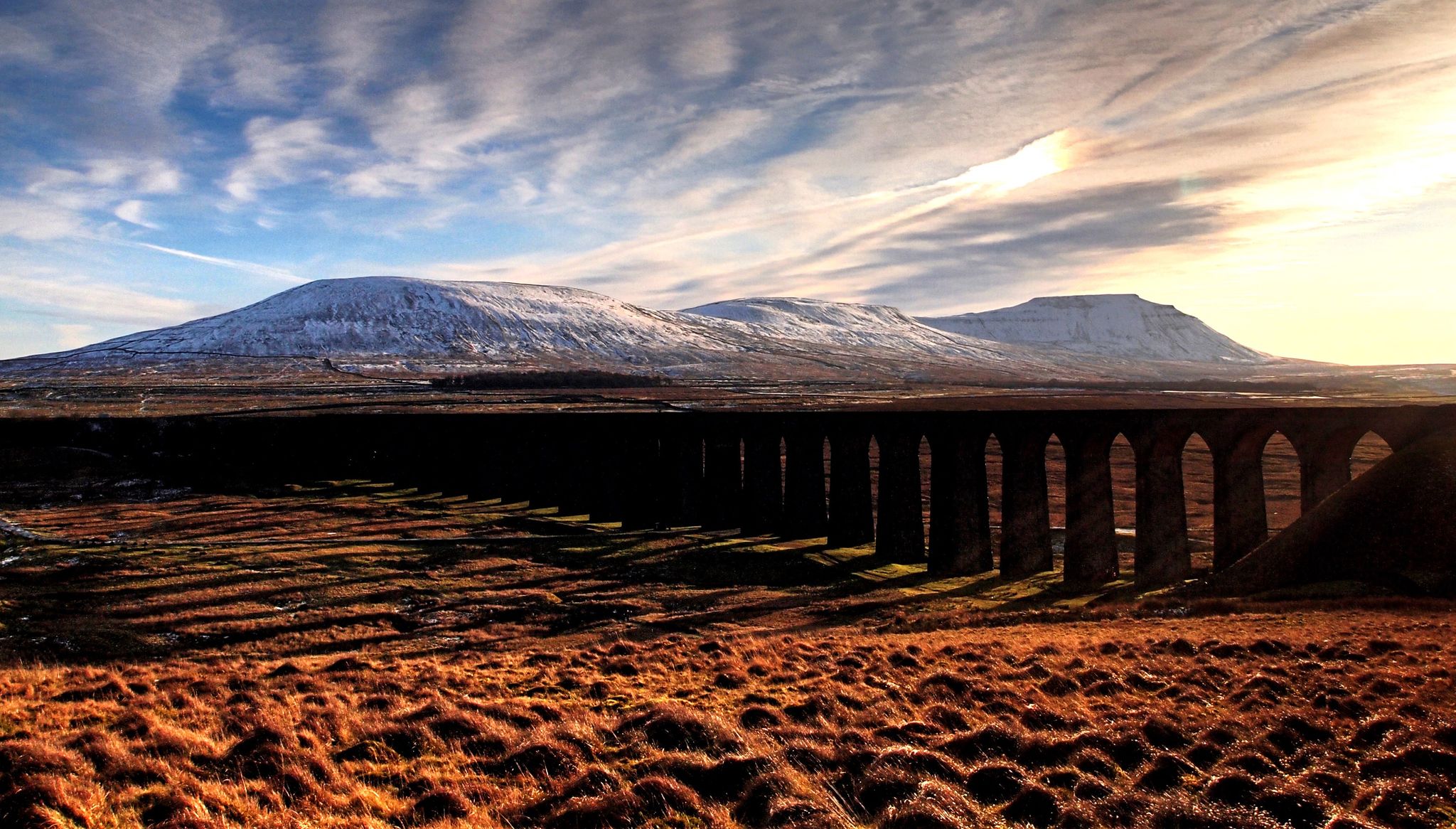
A Dales High Way – Yorkshire's beautiful backbone
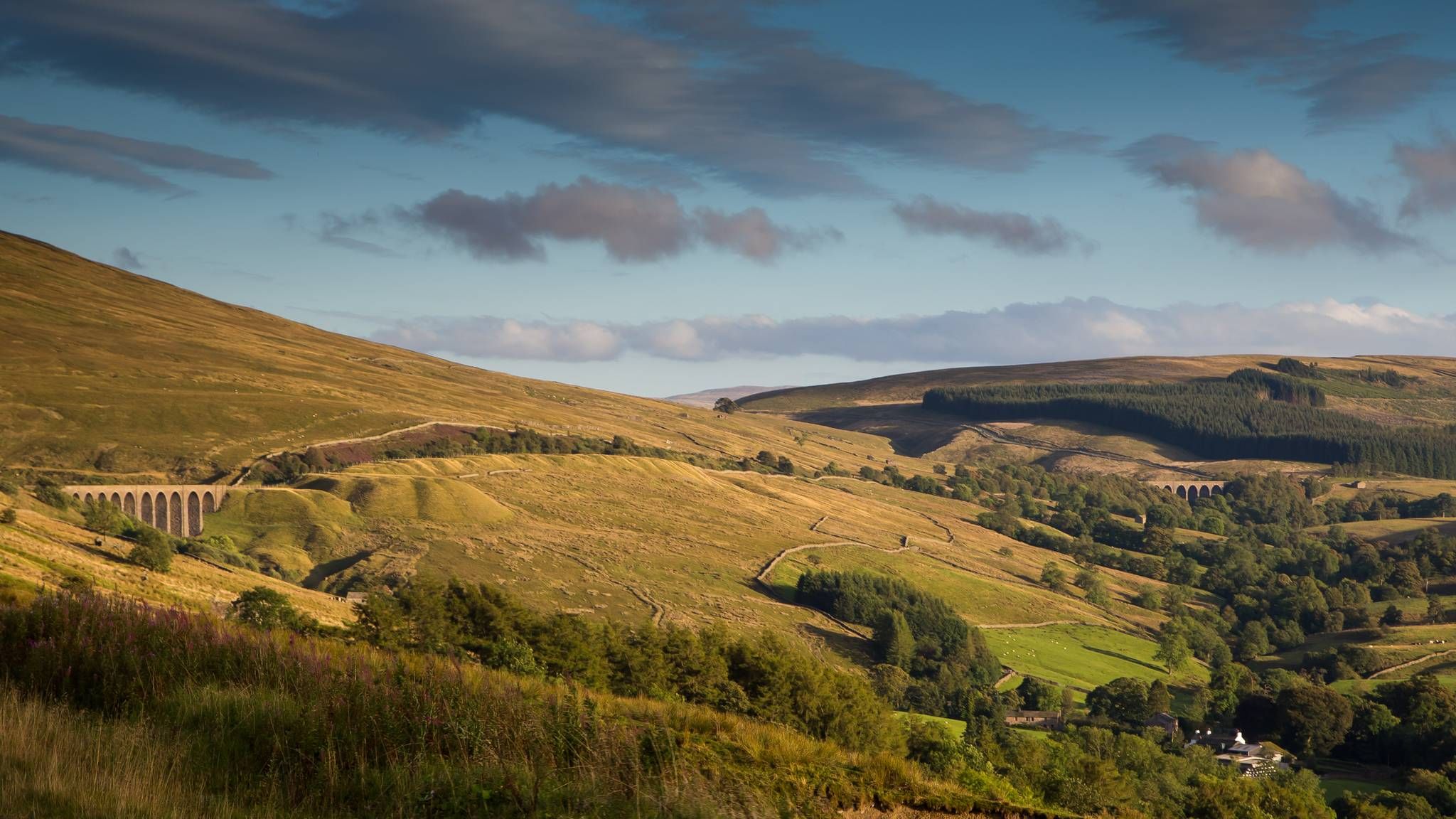
The Yorkshire Dales Cycleway – a wild and rugged adventure
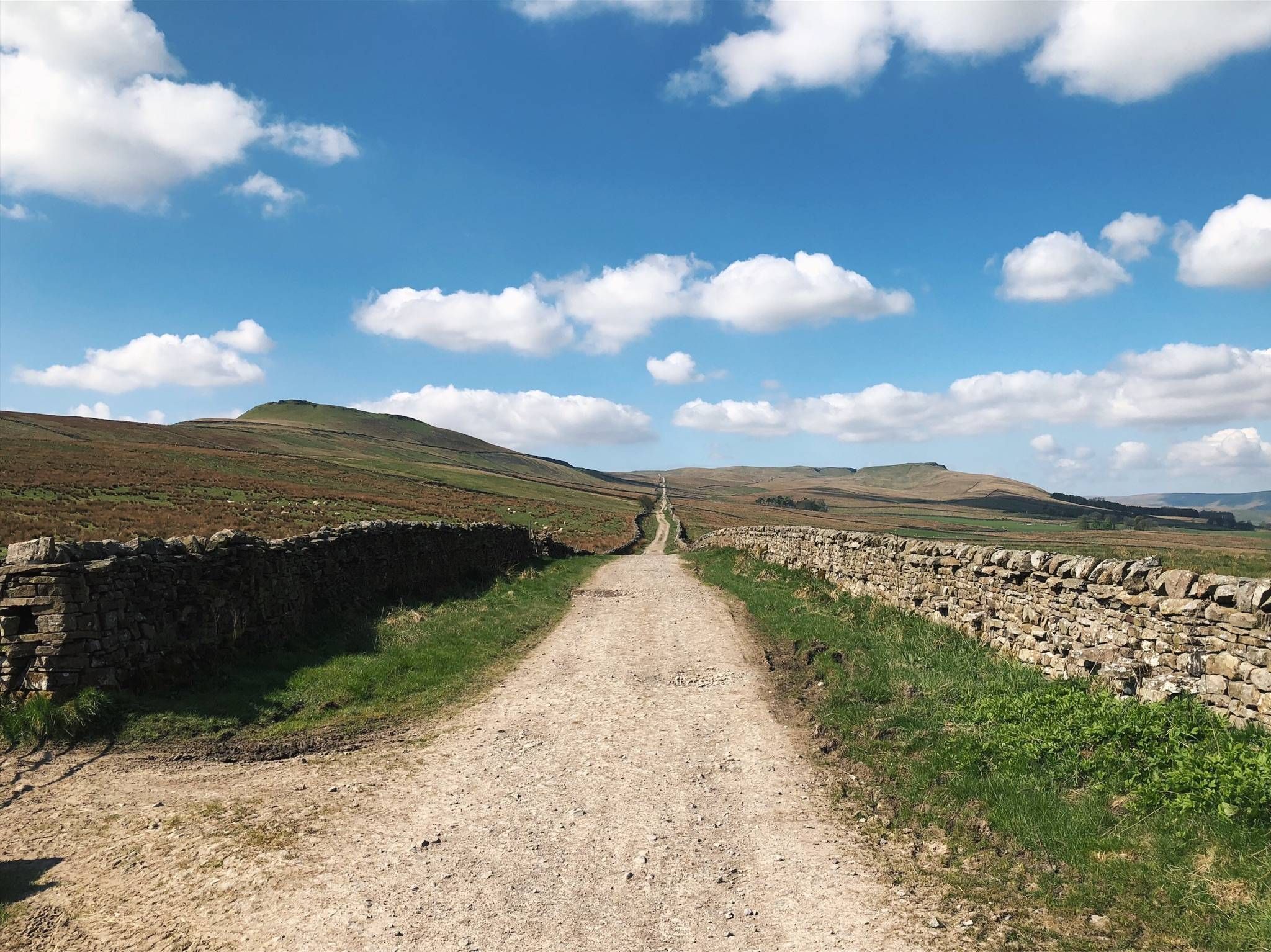
Roman Roads & Sublime Singletrack — The Yorkshire Dales 300
Road Cycling Routes around Skipton
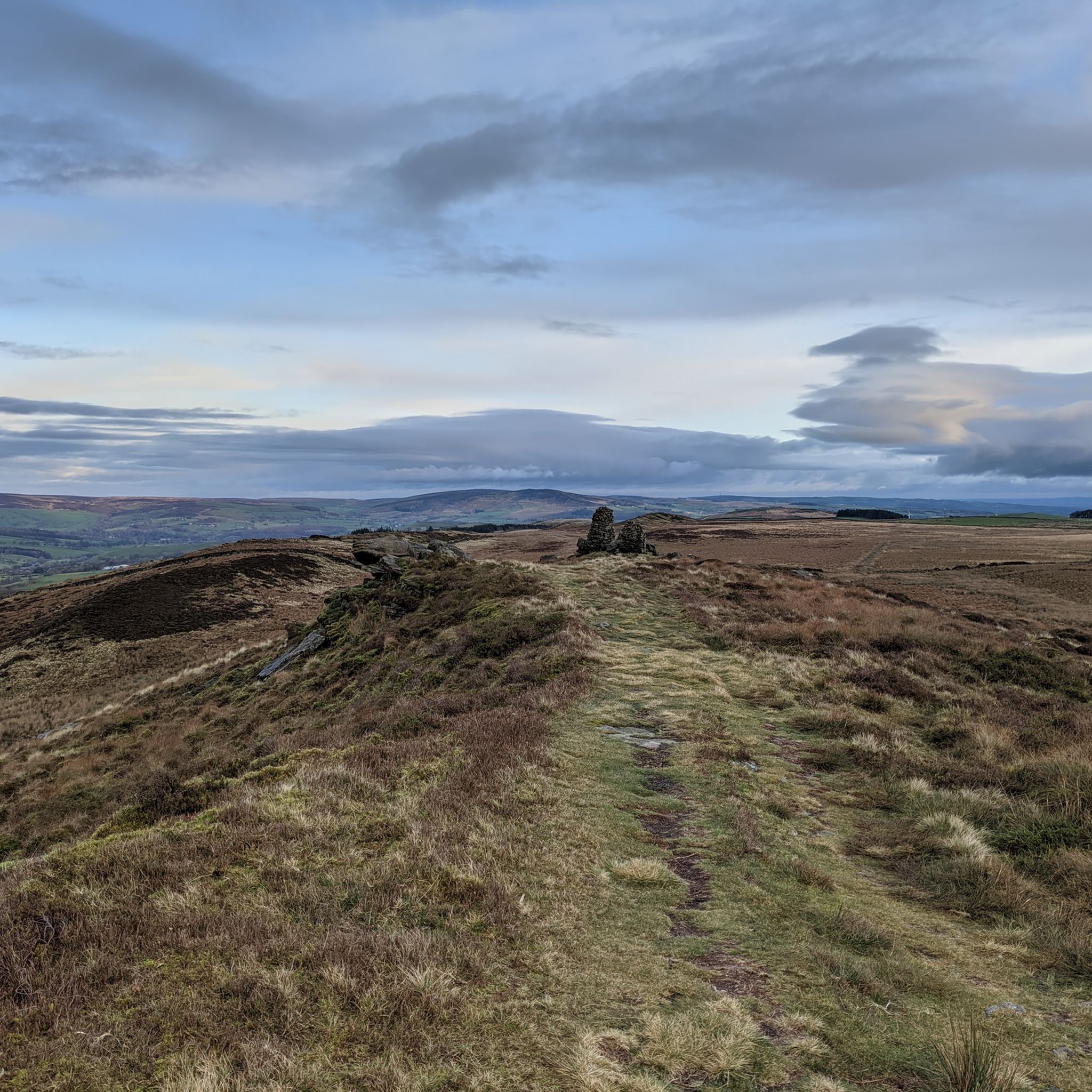
Hiking around Skipton
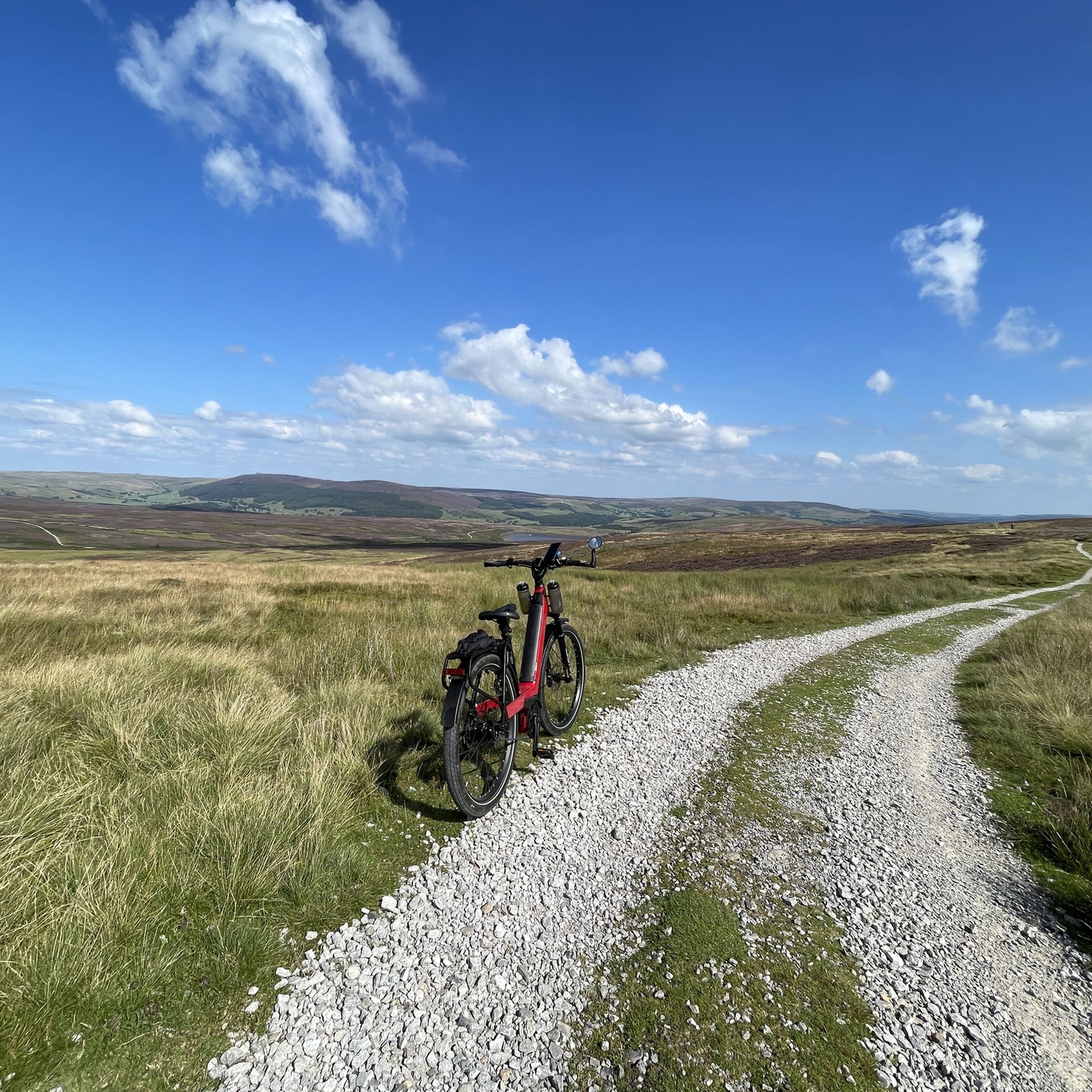
Cycling around Skipton
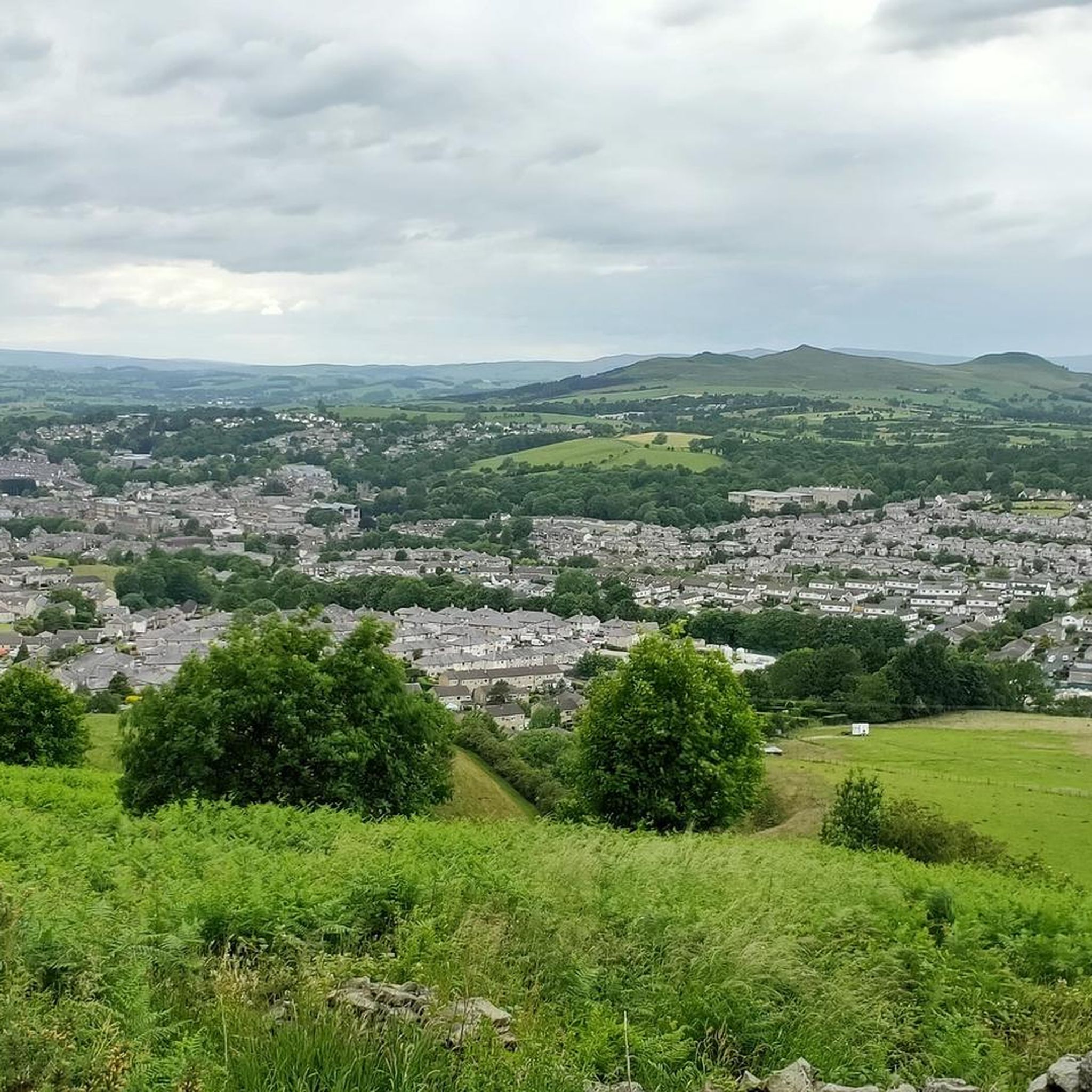
Running Trails around Skipton
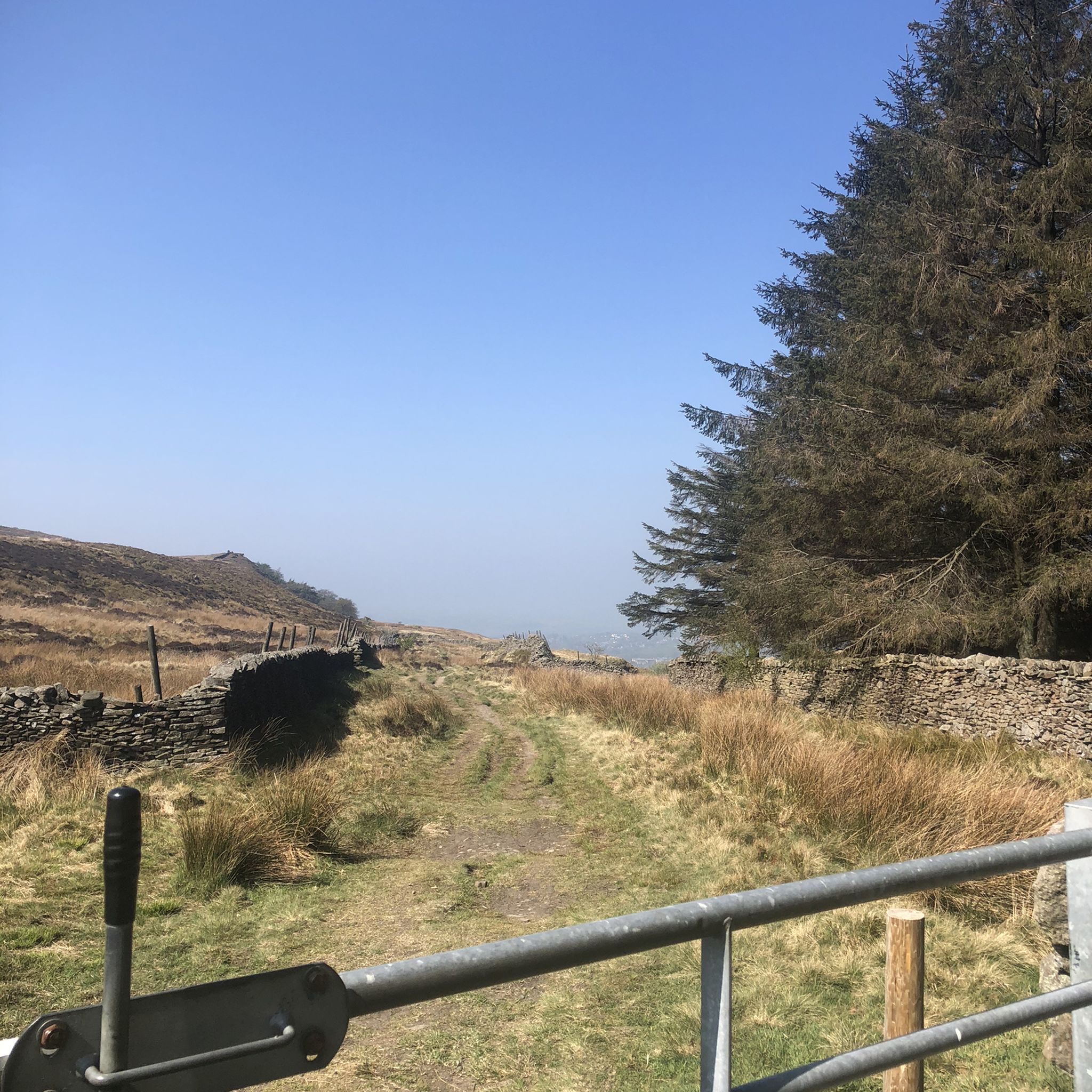
MTB Trails around Skipton
Other adventures around Skipton


Tips from the Community

Troller's Gill is a dramatic, limestone gorge in the Yorkshire Dales National Park, North Yorkshire, England. Most of the year, Skyreholme Beck flows underground, leaving a rocky, dry limestone bed. Hikers walk directly between the cliffs, which requires some physical agility.
0
0

This is a really nice natural beauty place not far from Bolton Abbey and in the Strid woods
1
0

The Strid is a section of the River Wharfe and considered to be one of the most dangerous sections of rivers in the UK. The river is forced through a narrow gap at Great pressure.
1
0

Trollers Gill is a narrow limestone gorge in the Yorkshire Dales, near the village of Appletreewick in North Yorkshire. It has a mysterious reputation tied to local folklore. 🥾A great adventure for those who enjoy off-the-beaten-path routes and perfect introduction to Ghyll scrambling. 📜 The gorge is said to be haunted by trolls, hence its name. According to legend, it is home to a fearsome barghest—a supernatural black dog with glowing red eyes, often associated with death and misfortune. Some stories also link the ghyll to mythical goblins and other eerie creatures, adding to its reputation as a place of mystery. 🪨 The gorge is cut into limestone, featuring rocky outcrops, scree slopes, and a sometimes dry streambed. It was likely formed by glacial meltwater, carving out the dramatic landscape seen today. The ghyll can be dry for much of the year, but after heavy rain, water flows through the valley.
0
0

Very slippery as you are walking on the dry (at the time of walking) stream bed - walking pole would be useful, otherwise take care of
0
0

A great boulder scramble when there has been heavy rainfall. If you don't fancy it then a shirt detour can be made
0
1

Halfway between Burnsall and Hebden on the River Wharfe is this very dramatic limestone gorge called Loup Scar. I'd suggest you slow down your run to look at it - it's quite a sight. The scar is on the opposite (northern) bank, but I think it's actually easier to appreciate the drama from here.
1
0

The Strid is a natural narrowing of the river where the wider channel is forced through a narrow restriction vastly increasing its flow rate and power. It's a dangerous section, and you shouldn't swim here. The surrounding woodland is one of the largest remaining sessile oak woodlands in Yorkshire. Running along the river Wharfe trail is great fun, with some technical underfoot terrain and plenty to look at.
1
0
Frequently Asked Questions
What are the most notable gorges and valleys to explore around Skipton?
The Skipton area, particularly within the Yorkshire Dales National Park, features several dramatic natural formations. Key highlights include The Strid, known for its powerful river flow, and Trollers Gill, a dramatic limestone ravine with a cave. You can also visit the Valley of Desolation, which offers a scenic path and Posforth Gill Waterfall. Other significant spots include Gordale Scar, a spectacular limestone ravine with towering cliffs and waterfalls, and Loup Scar, a dramatic limestone gorge on the River Wharfe.
What kind of natural features can I expect to see in the Skipton area's gorges?
The gorges and valleys around Skipton are primarily formed from Carboniferous limestone, shaped by millions of years of water and glacial activity. You'll encounter towering cliffs, deep ravines, powerful river sections, and impressive waterfalls. Features like potholes and caves are also common, offering diverse geological sights.
Are there family-friendly walks or activities near these gorges?
Yes, many areas offer family-friendly options. For instance, the walks around Bolton Abbey, which include access to The Strid, are popular for families. The Valley of Desolation also provides a scenic path suitable for a tranquil walk. For more general easy hikes, you can explore routes like the Round Dam Weir or Holy Trinity Church loops, as detailed in the Easy hikes around Skipton guide.
What is the best time of year to visit the Yorkshire Dales for walking and exploring these gorges?
The Yorkshire Dales are beautiful year-round, but spring and summer (April to September) generally offer the most pleasant weather for walking and exploring, with longer daylight hours. Autumn brings stunning foliage. Some areas, like Trollers Gill, can be exhilarating after rain when the gill is full of water, but always exercise caution.
What outdoor activities can I do near the gorges around Skipton?
Beyond exploring the gorges themselves, the Skipton area offers a wide range of outdoor activities. You can find numerous hiking trails, from easy riverside strolls to more challenging climbs. Cycling is also popular, with routes along the Leeds and Liverpool Canal and through the rolling hills. Mountain biking trails are available for those seeking more adventure. For detailed routes, check out the Easy hikes around Skipton, Cycling around Skipton, and MTB Trails around Skipton guides.
Is it safe to visit The Strid, and what precautions should I take?
The Strid is known for its powerful and captivating flow of water, but it is also extremely dangerous due to the immense pressure of the river being forced through a narrow channel. Visitors are strongly warned to stay well back from the edge, as lives have been lost there. Always observe warning signs and avoid attempting to jump across or get too close to the water's edge.
Are there any less crowded gorges or valleys around Skipton for a quieter experience?
While popular spots like The Strid can get busy, areas like the Valley of Desolation offer a sense of wilderness and can be quieter, especially outside of peak times. Exploring less-trafficked paths in the broader Aire Valley or Wharfedale can also provide a more tranquil experience. Early mornings or weekdays are generally best for avoiding crowds.
What amenities are available near the gorges, such as cafes or pubs?
Areas like Malham, near Gordale Scar, and Bolton Abbey, close to The Strid and the Valley of Desolation, offer various amenities including cafes, pubs, and accommodation options. Skipton itself, as a market town, provides a full range of services. Many walking routes will pass through or near villages with facilities.
Can I bring my dog on trails around the Skipton gorges?
Many trails in the Yorkshire Dales are dog-friendly, but it's essential to keep dogs on a lead, especially near livestock, cliffs, or sensitive wildlife areas. Specific rules may apply in certain nature reserves or private estates. Always check local signage. For example, the woodland walks around Bolton Abbey are generally suitable for dogs on leads.
What makes Trollers Gill a unique place to visit?
Trollers Gill is a unique limestone ravine known for its dramatic scenery and rocky underfoot terrain. It offers an exhilarating scramble, especially when the gill is full of water. A distinctive feature is a small cave on the right-hand side as you reach the top of the gill, which visitors can explore. There's also a dry limestone riverbed and a short, safe mine shaft to explore with a torch.
What should I pack for a day trip to explore the gorges around Skipton?
For a day trip, it's advisable to pack appropriate footwear for uneven and potentially wet terrain, waterproof clothing, and layers as the weather can change quickly in the Dales. Bring plenty of water, snacks, a map or GPS device, and a fully charged phone. If exploring caves or darker sections like in Trollers Gill, a torch is recommended.
What is the geological history behind the formation of these gorges?
The gorges and valleys around Skipton, such as Gordale Scar and the formations along the River Wharfe, were primarily carved from Carboniferous limestone. This process occurred over millions of years through the erosive power of water and glacial activity. Meltwater from glaciers, along with ongoing erosion by rivers and ice, created the distinct features like towering cliffs, deep ravines, and waterfalls seen today.
Most popular routes around Skipton
Most popular attractions around Skipton

Get inspired with the komoot mobile app


Explore more
Already discovered everything in this region? See additional gorges around Skipton for your next adventure:
