Top 7 Lakes around Wainscott
Best lakes around Wainscott, a hamlet in the Hamptons, offers a landscape characterized by scenic ponds and wetlands. This area is recognized for its natural beauty and historical significance, with efforts focused on preserving its unique ecosystems. The region features a mix of groundwater-fed ponds and lagoons that support diverse wildlife. These natural features provide opportunities for exploring coastal plain pond habitats and tranquil waterscapes.
Best lakes around Wainscott
- The most popular lakes is Mashomack Preserve, a forest that…
Last updated: October 1, 2026
Mashomack Preserve
Highlight • Forest
Tip by

Elizabeth A. Morton National Wildlife Refuge
Highlight • Natural
While open for visitors, the refuge …
Tip by
Sign up now to discover places like this
Get recommendations on the best single tracks, peaks, & plenty of other exciting outdoor places.
Rocky Beach on Northwest Harbor
Highlight • Beach
Tip by

Nicoll's Creen
Highlight • Lake
Tip by

Mashomack Preserve
Highlight • Forest
Tip by

Start today with a free account
Your next adventure awaits.



Other adventures around Wainscott

Tips from the Community

Nicoll's Creen is a marshy bay, part of Mashomack Preserve. This area is great for birdwatching and a scenic spot for a break.
0
0

The 187-acre Elizabeth A. Morton National Wildlife Refuge on Long Island's north shore protects the Jessup's Neck peninsula, separating Little Peconic and Noyack Bays. While open for visitors, the refuge emphasizes protecting endangered species like piping plovers by prohibiting feeding wildlife, which can attract predators. Bird watching is excellent, especially for waterfowl in winter and songbirds in spring. To minimize disturbances, no pets are allowed, and part of the beach is closed April-August for nesting birds.
0
0

As you journey through Grace Estate Preserve, you'll discover a nice little rocky beach on the shore of the northwest harbor, this is an excellent isolated spot to relax in nature.
0
0

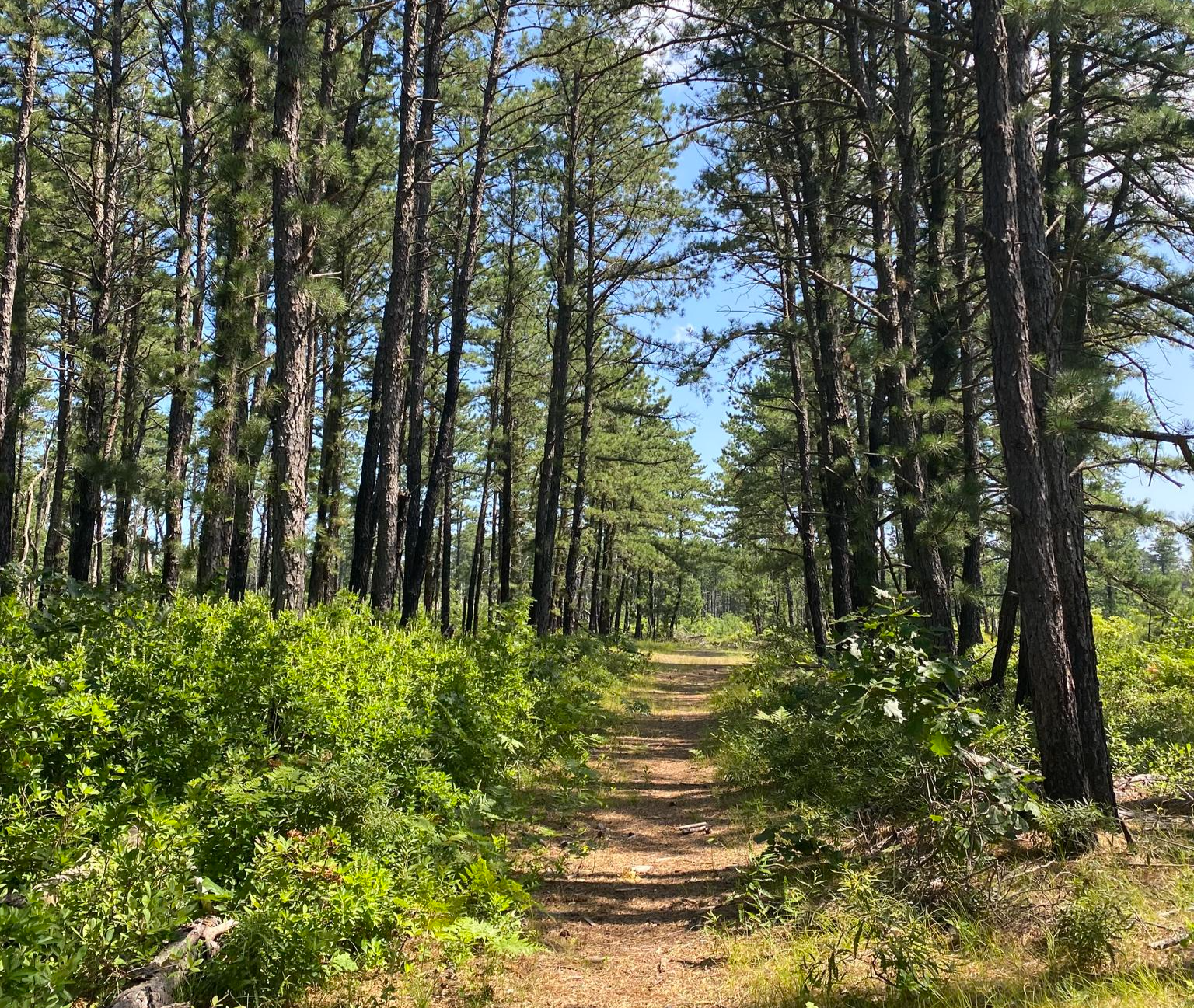
Mashomack Preserve is a 2,039-acre preserve on Shelter Island. It is known for its diverse ecosystems and picturesque trails.
0
0
Nestled on Shelter Island, Mashomack Preserve is a 2,039-acre natural wonderland. It features diverse ecosystems from woodlands to tidal creeks, offering picturesque trails for hikers. Rich in biodiversity, it's a haven for birdwatchers and nature enthusiasts, showcasing the beauty of Long Island's wildlife.
1
0
Frequently Asked Questions
What unique natural features can I find around Wainscott's lakes?
Wainscott is characterized by its diverse aquatic ecosystems. You'll find unique coastal plain pond habitats, such as those around Poxabogue Pond, which are largely groundwater-fed and fluctuate with seasonal changes. Georgica Pond is a notable lagoon with expansive wetlands, known for its seasonal openings to the Atlantic Ocean that maintain its vibrant ecosystem. The area also features marshy bays like Nicoll's Creen, offering varied natural landscapes.
Are there good spots for birdwatching near Wainscott's lakes?
Yes, Wainscott offers excellent birdwatching opportunities. Mashomack Preserve is a haven for birdwatchers, featuring diverse ecosystems. The Elizabeth A. Morton National Wildlife Refuge is particularly good for spotting waterfowl in winter and songbirds in spring. Additionally, marshy areas like Nicoll's Creen are great for observing various bird species.
What outdoor activities can I do near Wainscott's lakes?
You can enjoy a variety of outdoor activities. For hiking, explore easy trails like the Cedar Point Lighthouse Loop Trail or the Elizabeth A. Morton National Wildlife Refuge loop. Cyclists can find routes such as the Foster Memorial Bathing Beach – Water Mill Windmill loop. You can find more details on these activities and routes on the easy hikes around Wainscott guide, the cycling around Wainscott guide, and the road cycling routes around Wainscott guide.
Are there family-friendly options for visiting the lakes?
Yes, several spots are suitable for families. Poxabogue County Park, adjacent to Poxabogue Pond, offers a half-mile trail through grasslands and woods with a nature viewing blind, perfect for a quick nature boost. The Elizabeth A. Morton National Wildlife Refuge is also a great place for families to observe wildlife, though pets are not allowed to protect nesting birds. Rocky Beach on Northwest Harbor provides a relaxing, isolated spot for families to enjoy nature.
Can I go kayaking or paddleboarding on any of the lakes?
Georgica Pond is a popular spot for kayakers and paddleboarders. Its expansive wetlands and connection to the Atlantic Ocean make it an interesting place for water activities. While public access to Wainscott Pond is limited, efforts are underway to improve it.
What are the historical aspects of the lakes in Wainscott?
Wainscott Pond and its surrounding meadows hold significant historical value, being integral to the hamlet's historic designation. Historically, these meadows served as common pasture land, playing a role in the shift to individual land ownership in East Hampton. You can learn more about the area's heritage through the Wainscott Heritage Project.
Are there any environmental concerns or conservation efforts related to Wainscott's ponds?
Yes, both Wainscott Pond and Georgica Pond face environmental challenges. Wainscott Pond has experienced annual blue-green algae blooms, which are monitored by the East Hampton Town Trustees and Stony Brook Southampton. Georgica Pond deals with nitrogen pollution and macro algae issues, prompting community efforts and scientific research. Conservation efforts, such as the seasonal opening of Georgica Pond to the ocean, are crucial for maintaining the health of these ecosystems.
Where can I find easy walking trails around the lakes?
Poxabogue County Park, located on the northern side of Poxabogue Pond, offers an easy half-mile trail through grasslands, woods, and wetlands. This trail is perfect for short hikes and experiencing diverse ecology. For other easy options, consider routes like the Elizabeth A. Morton National Wildlife Refuge loop, which is approximately 2 km long.
Is shoreline fishing available at any of the ponds?
Yes, Poxabogue Pond is recognized for its shoreline fishing opportunities. Its largely preserved shoreline by Suffolk County and Southampton Town makes it a good spot for anglers.
What is the best time of year to visit the lakes around Wainscott?
The best time to visit depends on your interests. Spring is ideal for birdwatching, especially for songbirds, at places like the Elizabeth A. Morton National Wildlife Refuge. Summer offers opportunities for kayaking and paddleboarding on Georgica Pond. Fall brings beautiful foliage, particularly around Little Poxabogue Pond with its tupelos and red maples. Winter can be good for spotting waterfowl.
Are there any places to relax by the water that are less crowded?
For a more isolated and relaxing experience, consider Rocky Beach on Northwest Harbor. This spot offers a quiet place to unwind in nature, away from more bustling areas.
Most popular routes around Wainscott
Most popular attractions around Wainscott

Get inspired with the komoot mobile app


Explore more
Still not found your perfect lake around Wainscott? Check out the guides of these regions to see even more beautiful places.
