Top 4 Lakes around Gafanha Do Carmo
Best lakes around Gafanha Do Carmo are characterized by the extensive Ria de Aveiro lagoon system, rather than traditional inland lakes. This region, part of the "Venice of Portugal," features a network of canals, salt pans, and marshlands. These natural features provide diverse aquatic environments and opportunities for outdoor activities. The area is significant for its biodiversity and coastal ecosystems, offering unique natural features for exploration.
Best lakes around Gafanha Do Carmo
- The most popular lakes is Coastal Cycle Path…
Last updated: August 24, 2026
EV1 on the Ria de Aveiro
Highlight (Segment) • Cycleway
Translated by Google •
Tip by

Fishing docks and picnic trailhead at Cozinhas da São Jacinto
Highlight • Rest Area
Tip by

Sign up now to discover places like this
Get recommendations on the best single tracks, peaks, & plenty of other exciting outdoor places.
Sign up for free
Campground and fishing docks
Highlight • Rest Area
Tip by
Start today with a free account
Your next adventure awaits.
Login or Signup
Tips from the Community

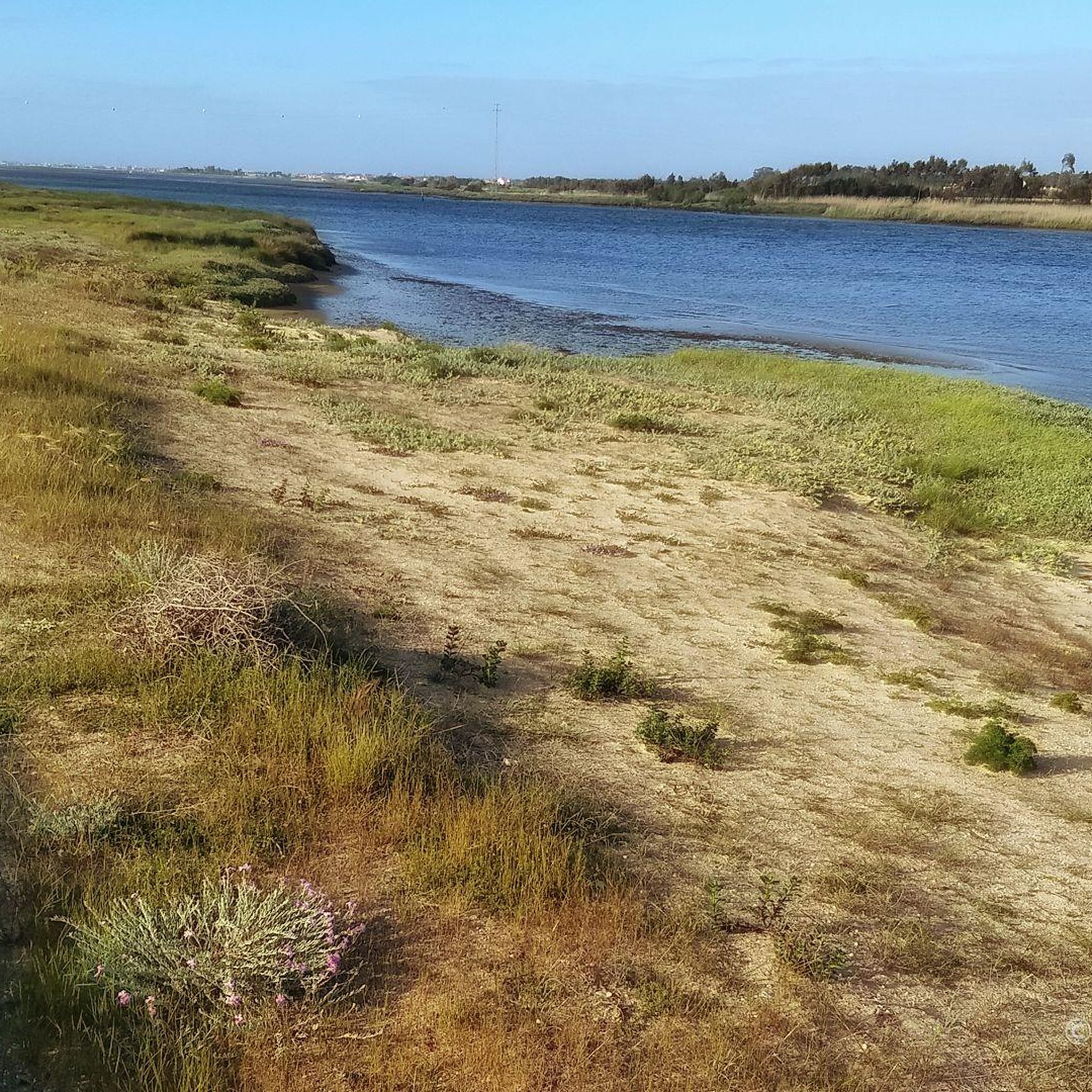
The Ria de Aveiro, in Portugal, is an estuary rich in biodiversity. This aquatic ecosystem is famous for its meandering canals, salt marshes and diverse fauna. This point, specifically, is on EN 327, which runs parallel to the Ria for long kilometers, offering incredible views.
2
0

a beautiful, quiet bike route always with a view of the Ovar Canal, from time to time there are flamingos in the shallow water...
1
0

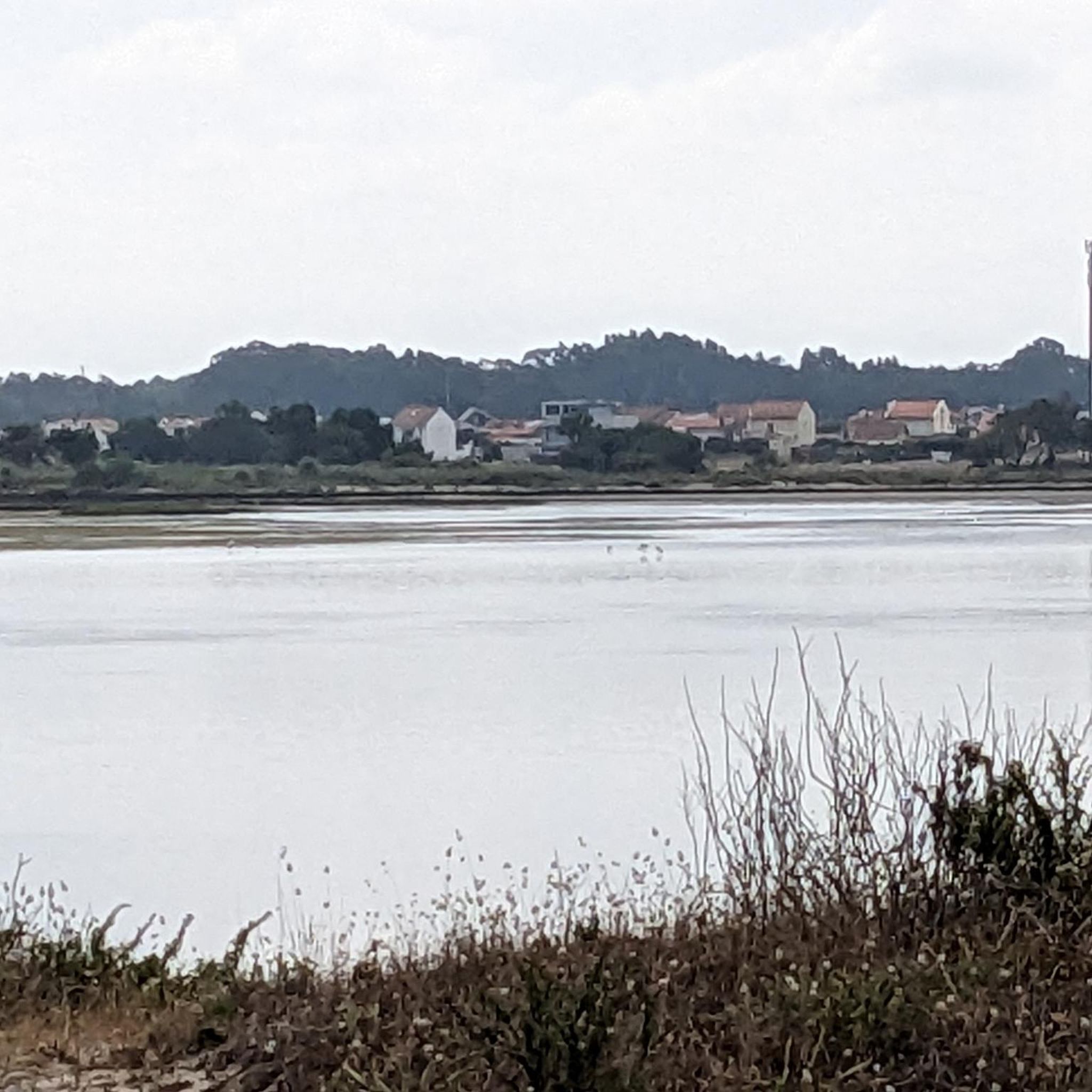
The entire narrow peninsula separating the lagoon from the ocean is formed by a sand bank deposited off the prehistoric coastline that eventually closed in and filled with water. It is hugged by a wide road with a good shoulder for biking, all the way from the Sao Jacinto ferryboat dock at the southern tip, to Ovar in the north, with two small beach towns in between, worth a detour. To keep it straight, this section highlights the longest part, from the southern tip to Torreira. The middle section goes from Torreira to the bridge that crosses the lagoon to th east, and the norther section goes from the bridge to Ovar, where the peninsula ends. The Ria (lagoon) continues as a natural canal parallel to the coast for another 50 kilometer or so to the north.
2
2
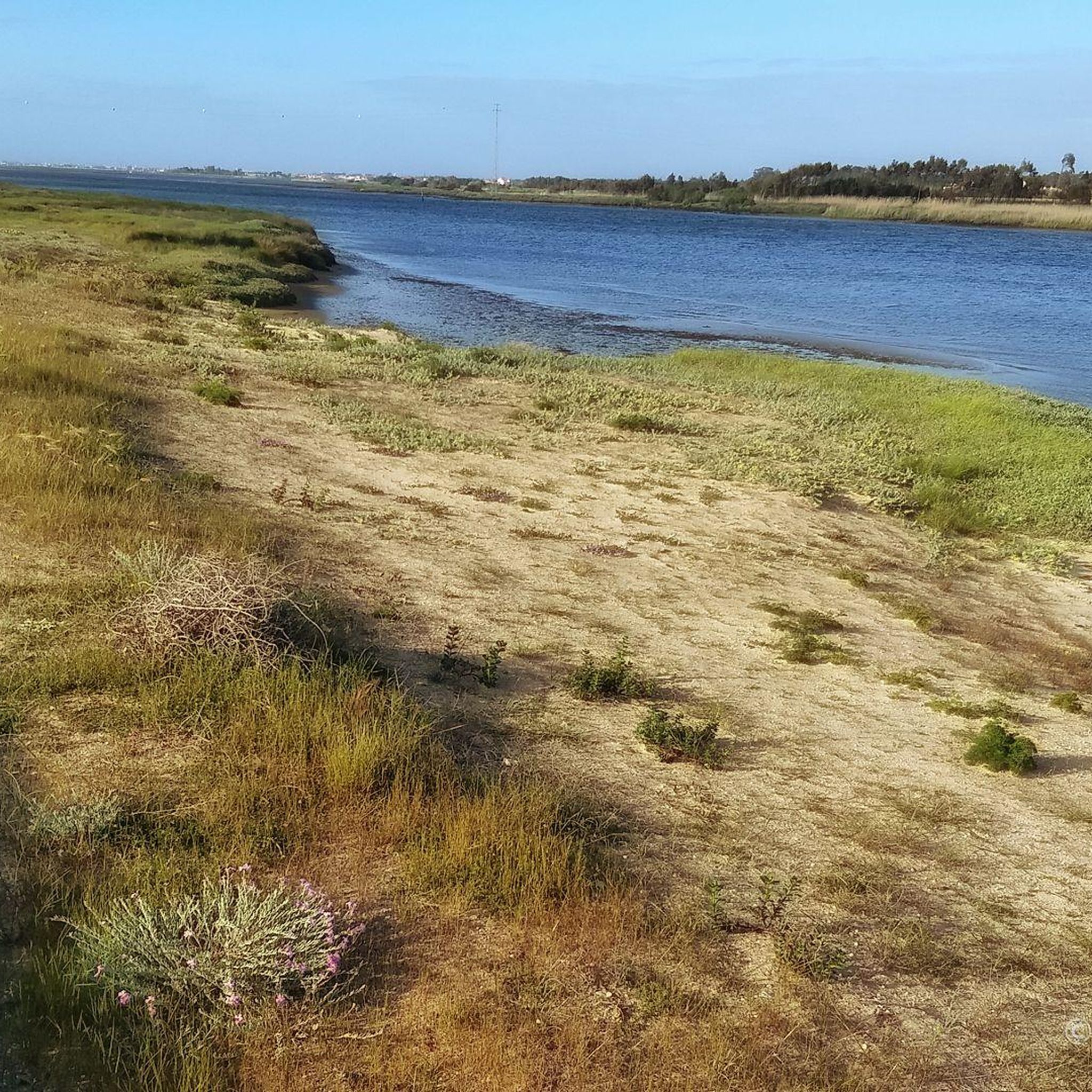
Right across from the entrance to the Sao Jacinto campground are several docks for the small, colorfully painted traditional lagoon fishing boats still used by local fishermen.
2
0
On the lagoon side of the road the local fishermen continue to attach their traditional small shallow boats and also fish with rods from the wooden piers. On the other side a trailhead with picnic tables and restroom is a good rest area with a quick trail to a marshy pond in the nature reserve promising great birding opportunities.
2
0
Frequently Asked Questions
What kind of aquatic environments can I expect to find around Gafanha do Carmo?
Gafanha do Carmo is primarily characterized by the extensive Ria de Aveiro lagoon system, rather than traditional inland lakes. This region, often called the 'Venice of Portugal,' features a unique network of canals, salt pans, and marshlands, offering diverse aquatic environments and coastal features.
What are some popular cycling routes in the Ria de Aveiro area?
The region offers excellent cycling opportunities. You can explore the Coastal Cycle Path - Mira Canal, which follows a long stretch of the canal, or the EV1 on the Ria de Aveiro, a section of the EuroVelo 1 route providing extensive views of the estuary. For more options, check out the Cycling around Gafanha Do Carmo guide, which includes routes like the 'Mira Cycleway — circular route'.
Are there opportunities for birdwatching near Gafanha do Carmo?
Yes, the Ria de Aveiro is a crucial habitat for diverse bird species. The Duck ponds in the São Jacinto forest are a notable refuge for numerous water birds, including ducks of the Aveiro estuary. You might also spot flamingos in the shallow waters along the EV1 route. The São Jacinto Dunes Nature Reserve is also an excellent location for birdwatching.
What natural features can I explore in the Ria de Aveiro system?
The Ria de Aveiro is rich in natural beauty. You can explore its intricate network of canals, vast salt pans like Marinha da Troncalhada, and marshlands. The region is also home to the São Jacinto Dunes Nature Reserve, offering pristine coastal landscapes and dune ecosystems.
Are there family-friendly activities or places to visit around the Ria de Aveiro?
Absolutely. Many areas are family-friendly, such as the Coastal Cycle Path - Mira Canal and the EV1 on the Ria de Aveiro, which are suitable for cycling. The Duck ponds in the São Jacinto forest offer a chance to observe wildlife. Boat tours on traditional 'moliceiro' boats are also a popular family activity to explore the canals.
What is the best time of year to visit the Ria de Aveiro region?
The Ria de Aveiro region is pleasant to visit throughout much of the year. Spring and autumn offer mild temperatures ideal for cycling and hiking. Summer is popular for boat tours and enjoying the coastal areas, though it can be warmer. Birdwatching is particularly rewarding during migration seasons in spring and autumn.
Are there hiking trails available near Gafanha do Carmo's aquatic areas?
Yes, there are several hiking opportunities. The Mira Canal Cycle Path is also suitable for hiking, offering peaceful views of the canal and salt pans. For more detailed routes, you can consult the Hiking around Gafanha Do Carmo guide, which lists trails like 'Costa Nova Striped Houses – Barra Lighthouse loop'.
Where can I find facilities like picnic areas or trailheads?
You can find facilities such as picnic tables and restrooms at the Fishing docks and picnic trailhead at Cozinhas da São Jacinto. This spot also serves as a trailhead with quick access to a marshy pond, offering birding opportunities.
Are there any unique cultural or historical aspects related to the Ria de Aveiro?
The Ria de Aveiro is deeply intertwined with local culture. The traditional 'moliceiro' boats, once used for collecting aquatic plants, are now iconic for scenic tours. The colorful houses along the canals and the active salt pans, like Marinha da Troncalhada, reflect the region's historical connection to the sea and its resources.
What kind of terrain can I expect on trails around the Ria de Aveiro?
The terrain around the Ria de Aveiro is generally flat, making it accessible for many. Routes often consist of dirt tracks, paved paths, or gravel cycle paths. For comfort on varying surfaces, especially on longer routes, mountain bikes or gravel bikes are recommended for cycling.
Are there any protected natural areas near Gafanha do Carmo?
Yes, the São Jacinto Dunes Nature Reserve is a significant protected area nearby. It features a succession of beaches and dunes, crucial for preserving the coastal ecosystem and attracting numerous sea birds. You can find more information about natural parks and reserves in Portugal on the Visit Portugal website.
Can I find places for camping or fishing near the Ria de Aveiro?
Yes, there are options for both. You'll find Campground and fishing docks near the entrance to the São Jacinto campground. Local fishermen still use traditional small, colorful boats and fish with rods from wooden piers along the lagoon side.
Most popular attractions around Gafanha Do Carmo

Get inspired with the komoot mobile app


Explore more
Still not found your perfect lake around Gafanha Do Carmo? Check out the guides of these regions to see even more beautiful places.
