Top 7 Castles around Espírito Santo
Best castles around Espírito Santo are found in a state on Brazil's southeastern coast. This region features historical forts that defended the coast, offering a glimpse into Brazil's colonial past. It also showcases modern constructions inspired by medieval aesthetics, reflecting unique architectural charm. The area provides a blend of historical intrigue and creative design.
Best castles around Espírito Santo
- The most popular castles is Mértola Castle, a castle that was built in the 13th century in place of a…
Last updated: June 30, 2026
Mértola Castle
Highlight • Castle
Translated by Google •
Tip by

Castelo Velho de Alcoutim
Highlight • Castle
Translated by Google •
Tip by

Sign up now to discover places like this
Get recommendations on the best single tracks, peaks, & plenty of other exciting outdoor places.
Sign up for free
Mértola Castle and Archaeological Site
Highlight • Castle
Translated by Google •
Tip by

San Marcos viewpoint and castle
Highlight • Castle
Translated by Google •
Tip by

Start today with a free account
Your next adventure awaits.
Login or Signup

Other adventures around Espírito Santo

Tips from the Community

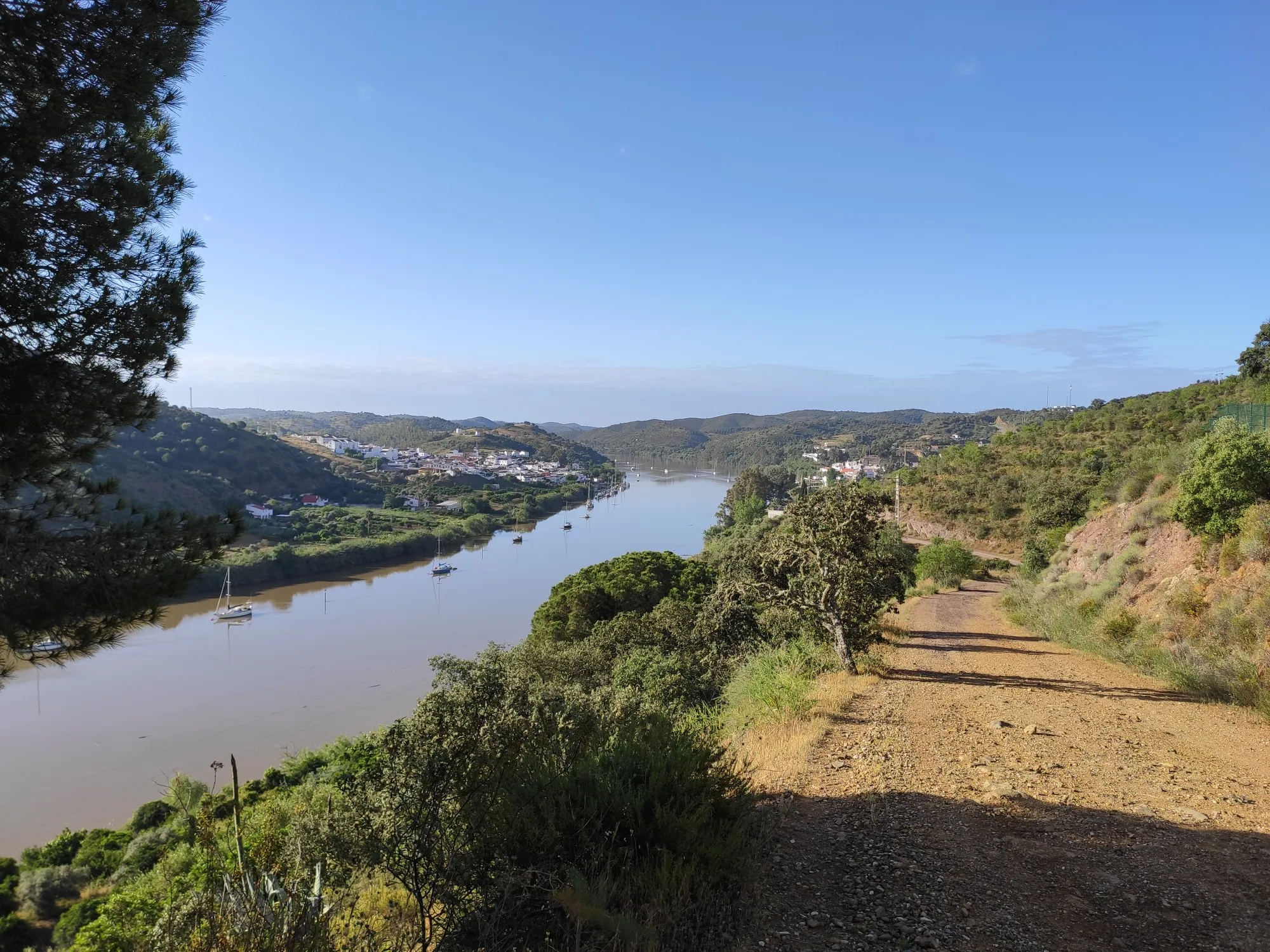
The "old" castle of Alcoutim is located about one kilometer north of the town, on a hill overlooking the Guadiana River and the Castillo de San Marcos in Spain. The site complements a visit to the Archaeological Museum and is freely accessible.
3
0
This archaeological site is located next to the castle and is open to visitors. It's interesting for the curious, with or without prior knowledge. Admission is free. More
3
0

Great castle complex with a view of the surrounding area.
2
1
Maintenance of the castle complex with contemporary witnesses of its ancient history and a view of the surrounding area.
0
1
The castle courtyard can be visited free of charge. Unfortunately, the museum's opening hours are a rough guide.
5
1

Excavations below the castle complex.
8
3
The castle, built in the 13th century in place of a Moorish fortress, towers over the city and offers a beautiful view from the tower.
10
3

The Castelo Velho de Alcoutim, also known as Castro de Santa Bárbara, is a structure of Islamic military architecture in the Algarve, built during the period of the Emirate of Córdoba. The castle, abandoned in the 11th century, lost its military purpose after the Christian Reconquest. It is currently the subject of archaeological research, focusing on Islamic settlement and economic activities, such as mining. It was classified as a Property of Public Interest in 1997.
3
0
Frequently Asked Questions
What types of 'castles' can I explore in Espírito Santo?
Espírito Santo offers a unique blend of historical fortifications and imaginative modern constructions. You can visit significant historical sites like the Palácio Anchieta and the Forte da Barra, which played crucial roles in the state's colonial past. Additionally, there are fascinating modern, medieval-inspired buildings like Castelo de Loas and Castelo da Barra, showcasing remarkable personal vision and creativity.
Are there any historical forts to visit in Espírito Santo?
Yes, Espírito Santo is home to important historical forts. The Forte da Barra (also known as Forte São Francisco Xavier da Barra) in Vila Velha is a notable example. Dating back to 1535, it defended the coast during the colonial period. Today, it's open to the public, offering insights into military history and panoramic views of Vitória Bay.
What is the Palácio Anchieta and why is it significant?
The Palácio Anchieta in Vitória is the seat of Espírito Santo's government and one of Brazil's oldest continuously operating government buildings. Its origins trace back to a Jesuit college built in 1551. It's significant for its rich history, colonial architecture, and its blend of historical elements with modern adaptations.
Are there any unique, non-traditional 'castles' in the region?
Absolutely. Espírito Santo features unique modern constructions inspired by medieval aesthetics. The Castelo de Loas in Vila Rubim, Vitória, is a three-story 'castle' built by a retired nurse using unusual materials to create a fantastical world. Another is the Castelo da Barra in Barra do Jucu, Vila Velha, an impressive structure built over two decades from recycled materials, adorned with medieval armor and period furniture.
What kind of views can I expect from these historical sites?
From historical sites like the Forte da Barra, you can enjoy panoramic views of Vitória Bay and the iconic Convento da Penha. These strategic locations were chosen for defense and now offer picturesque vistas of the surrounding landscape and coastline.
What outdoor activities can I do near the historical sites in Espírito Santo?
While the historical sites themselves are primarily for exploration, the region offers various outdoor activities. You can find running trails and cycling routes nearby. For example, there are routes like the 'Guadiana Natural Trail' and loops around areas like Mértola and Alcoutim. You can explore more options on the Running Trails around Espírito Santo or Cycling around Espírito Santo guide pages.
Are there hiking opportunities near the castles and forts?
Yes, the broader region around Espírito Santo's historical sites offers hiking opportunities. You can find trails with varying difficulties, such as the 'Castelo de Alcoutim – Castelo Velho de Alcoutim loop' which is considered difficult, or moderate options like the 'Running loop from Mértola'. For detailed information on routes, check the Running Trails around Espírito Santo guide.
Are the modern 'castles' like Castelo de Loas or Castelo da Barra open to the public?
The Castelo de Loas in Vila Rubim is a private residence, but its unique exterior is a local landmark. The Castelo da Barra in Barra do Jucu, while privately built, has plans for guided tours in the future to offer visitors an immersive experience. It's best to check local information for current accessibility.
What is the best time to visit historical sites in Espírito Santo?
Espírito Santo has a tropical climate. Generally, the drier months from April to September are considered ideal for visiting, as you'll experience less rain and more comfortable temperatures for exploring both indoor and outdoor historical sites. However, sites are typically open year-round.
Are there family-friendly historical sites in Espírito Santo?
Historical forts like Forte da Barra can be interesting for families, offering open spaces and a glimpse into history with cannons and colonial architecture. The unique, imaginative constructions like Castelo de Loas might also spark curiosity in children due to their fantastical designs. Always check specific site details for amenities and accessibility for younger visitors.
Is public transport available to reach these historical sites?
Major historical sites like Palácio Anchieta in Vitória and Forte da Barra in Vila Velha are located in urban areas and are generally accessible by local public transport. For the more unique, privately built 'castles' like Castelo de Loas or Castelo da Barra, public transport options might be more limited, and a car or taxi may be more convenient.
Most popular attractions around Espírito Santo

Get inspired with the komoot mobile app


Explore more
Looking for the best castles somewhere else? Discover other guides around Espírito Santo:
