Top 4 Castles around Estremoz (Santa Maria)
Best castles around Estremoz (Santa Maria) are found in a region rich in history and strategic importance, situated atop hills that offer commanding views of the Alentejo plain, vineyards, and cork oak forests. The area is defined by its historical fortifications, particularly the Castelo de Estremoz, which stands as a significant example of medieval Portuguese architecture. This region played a crucial role as a stronghold near the Spanish border, reflecting centuries of cultural and military heritage.
Best castles around Estremoz (Santa Maria)
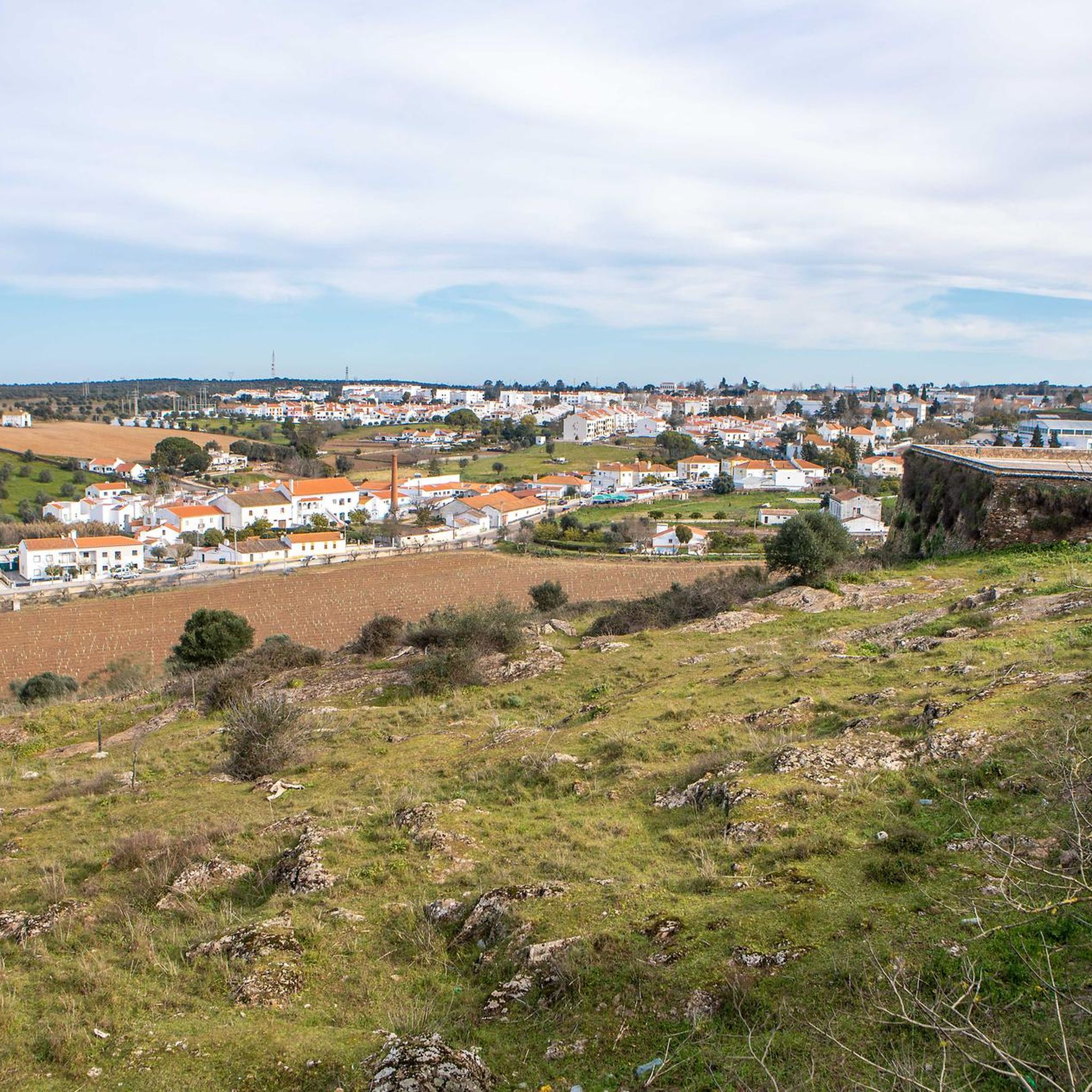
- The most popular castles is Evoramonte Castle, a castle located between Évora and Estremoz, known for its historical importance and well-preserved walls. It features a distinct two-part town structure, separating its medieval area from the lower, modern section.
- Another must-see spot is Estremoz Castle, a castle with a pentagonal floor plan and a spectacular 27-meter-high keep made of white marble. Visitors can expect panoramic views from its Torre das Três Coroas and an immersive historical experience within its walls.
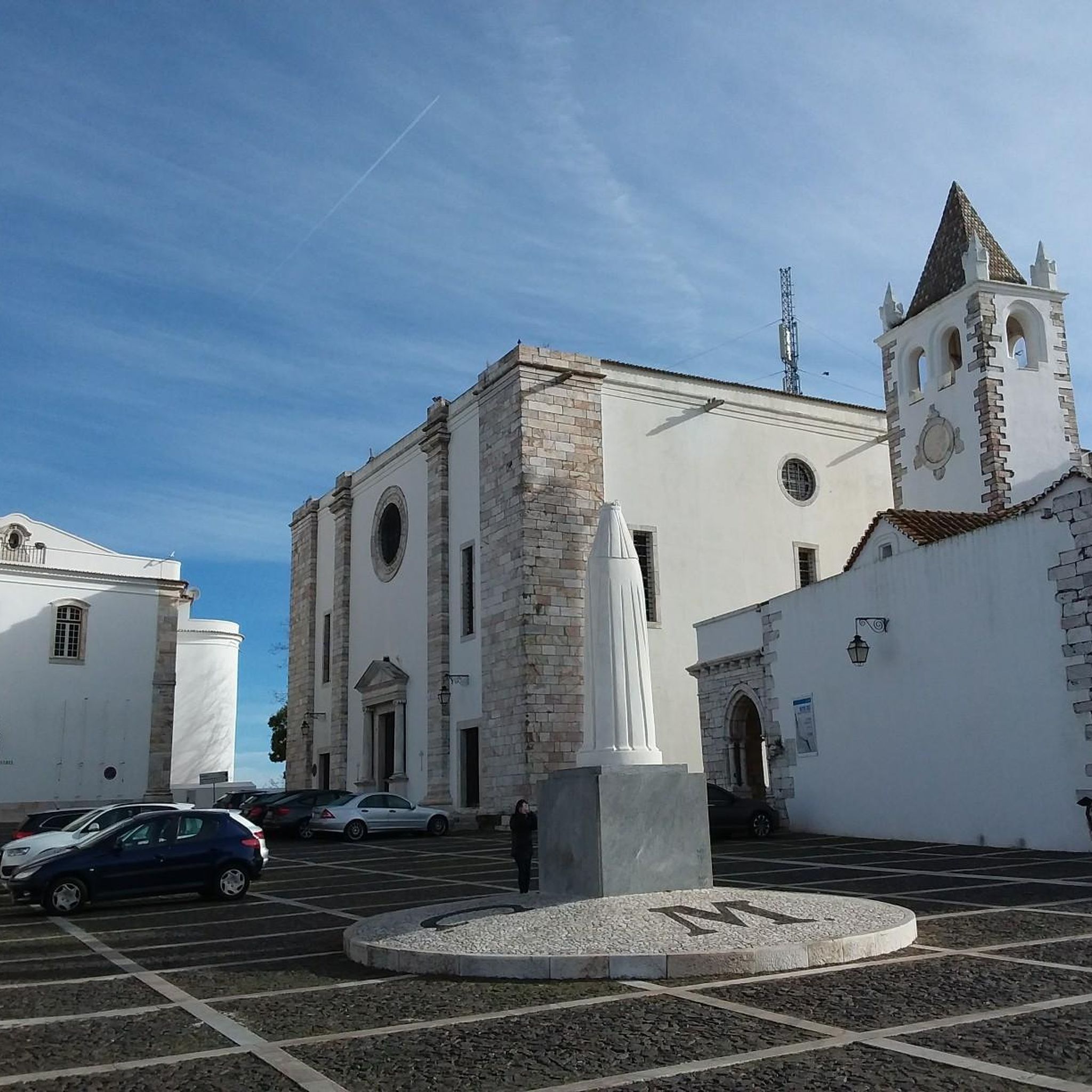
- Visitors also love Statue of Queen Saint Isabel, a man_made_monument commemorating Queen Saint Isabel of Aragon, who lived and died in Estremoz Castle. This site highlights the castle's royal connections and historical significance.
- Estremoz (Santa Maria) is known for its medieval castles and fortified structures. The region offers a variety of historical sites to see and explore, from imposing keeps to extensive walled enclosures.
- The castles around Estremoz (Santa Maria) are appreciated by the komoot community, with more than 15 upvotes and over 60 photos shared by visitors.
Last updated: July 14, 2026
Evoramonte Castle
Highlight • Castle
Translated by Google •
Tip by

Estremoz Castle
Highlight • Castle
Translated by Google •
Tip by

Sign up now to discover places like this
Get recommendations on the best single tracks, peaks, & plenty of other exciting outdoor places.
Sign up for free
Statue of Queen Saint Isabel
Highlight • Monument
Translated by Google •
Tip by
Torre de Menagem de Estremoz
Highlight • Castle
Translated by Google •
Tip by
View of Estremoz Castle
Highlight • Viewpoint
Translated by Google •
Tip by

Start today with a free account
Your next adventure awaits.
Login or Signup

Tips from the Community

One of the arts that you shouldn't miss when visiting Estremoz is the Production of Clay Figures from Estremoz, which has been part of the National Inventory of Intangible Cultural Heritage since 2014 and has been a UNESCO Intangible Cultural Heritage of Humanity since 07-12-2017. This city is also home to the Cavalry Regiment No. 3, which, with its soldiers, has brought a lot of activity to a small city in the Alentejo countryside over the years.
1
0

partial view of Estremoz castle
3
0

The 27-meter-high keep, the Torre das Três Coroas (Tower of the Three Crowns), is so named because it was apparently built by three kings: Sancho II, Afonso III, and Dinis. It dominates the historic city center and offers breathtaking views. You can climb the tower, even though it belongs to the pousada—just ask nicely.
4
0
The pousada is a castle built by King Dionysius for Queen Elizabeth of Portugal in the 13th century. It is located in the heart of the old town and is considered one of the most beautiful pousadas in Portugal.
3
0
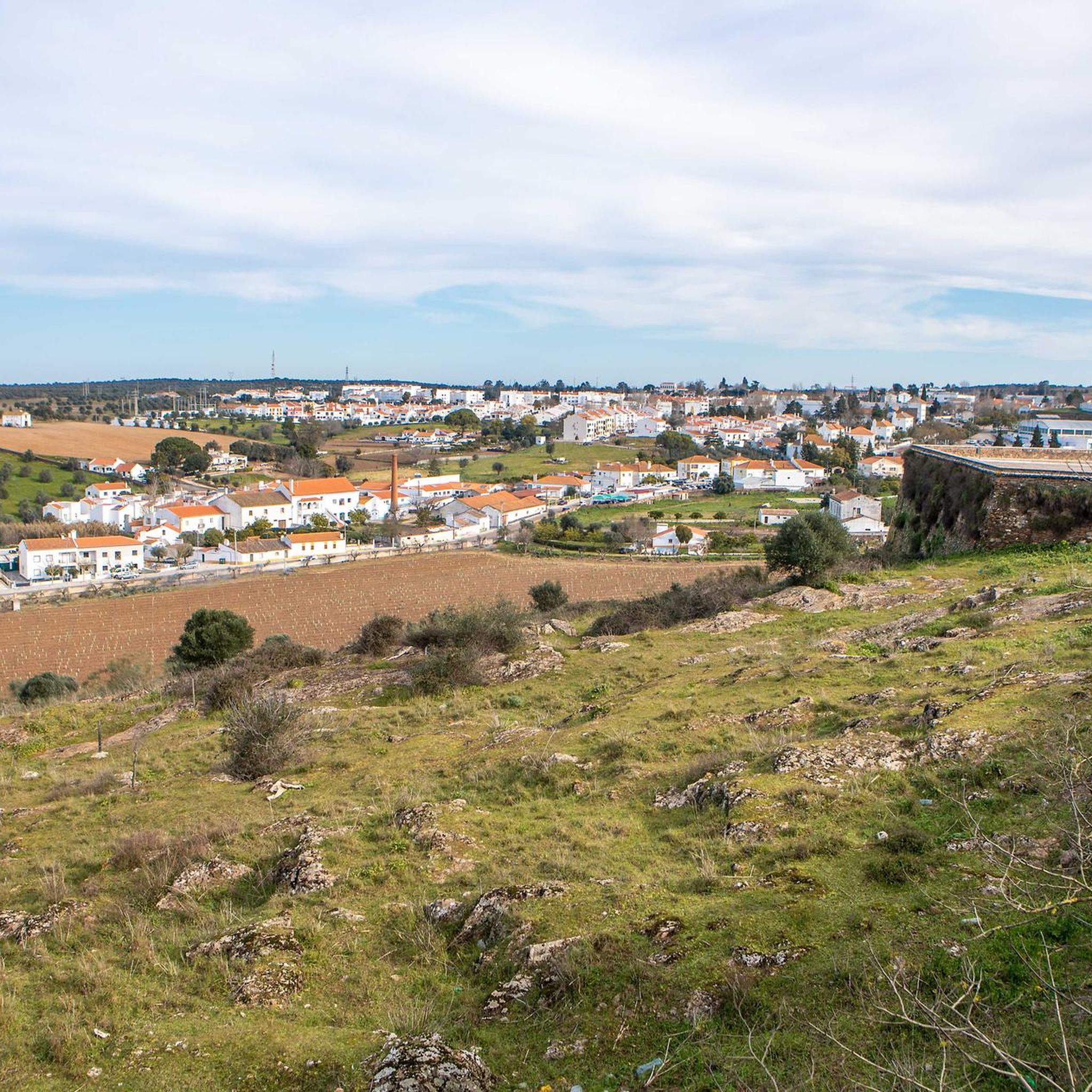
The view of the castle from the west is particularly impressive. There you can clearly see the fortress character with its protruding walls.
5
0
Unfortunately, access to the viewing platform and the statue will be closed in May 2025.
5
1

Queen Saint Isabel of Aragon (1270-1336), wife of King D. Diniz (1261-1325), died in the Castle of Estremoz, at the age of 66, on July 4, 1336, from a sudden illness that occurred while she was heading to the border on a mission to bring peace between her son, D. Afonso IV (1291-1357), and her grandson, Alfonso XI of Castile (1311-1350). Against everyone's advice, D. Afonso wanted to fulfill his mother's purpose of being buried in the Monastery of Santa Clara. The long journey took place under the blazing July sun and, to everyone's amazement, despite the intense heat, the coffin gave off such a pleasant perfume that "no one had ever seen such a noble odour", as can be read in her first anonymous biography, known as “Legend or Relation”, written immediately after her death by someone who had been close to her, probably her confessor, Friar Salvado Martins, Bishop of Lamego, or one of the owners of Santa Clara who looked after her during her widowhood. The virtues of the Queen, later considered a Saint, were the reason for her beatification by Leo X (1475-1521) in 1516, with authorisation for her worship to be restricted to the Diocese of Coimbra. In 1556, Pope Paul IV (1476-1559) extended the Elizabethan devotion to the entire Kingdom of Portugal. It would be Pope Urban VIII (1568-1664), given the incorruption of the body and the report of miracles, who would proclaim in 1625, the canonization of Isabella of Aragon as a Holy Queen.
4
1
The Estremoz Castle was built in a dominant position on a hill to the north of the Serra de Ossa, in the city of Estremoz, in the district of Évora, in Alentejo, Portugal. It is a pentagonal castle with a walled enclosure, reinforced by buttresses that rise around the Torre de Menagem, a spectacular tower built in white marble, 27 metres high. It is believed that the construction of this monumental tower lasted through three reigns: D. Afonso IV, D. Pedro and D. Fernando, and, for this reason, it is known as the Torre das Três Coroas. Beyond the medieval wall, the town of Estremoz has a vast expanse of fortifications from the epic Restoration War, where the towers with battlements and two arched gates stand out, next to which there is a rectangular tower in the Roman-Gothic style, with several windows.
5
1
Frequently Asked Questions
What is the main castle in Estremoz (Santa Maria) and what are its key features?
The primary castle in Estremoz (Santa Maria) is the Estremoz Castle. It features a distinctive pentagonal floor plan and is most famous for its spectacular 27-meter-high keep, the Torre das Três Coroas, constructed from white marble. The castle complex also includes the former Paço Real Palace, now a Pousada, and offers extensive fortified areas with battlemented towers and two main arch doors.
Are there other significant castles near Estremoz (Santa Maria)?
Yes, the Evoramonte Castle is a notable historical site located between Estremoz and Évora. It's recognized for its picturesque setting, well-preserved walls, and its historical importance during the Portuguese Reconquest. The town surrounding it has a distinct medieval upper section.
What historical figures are associated with Estremoz Castle?
Estremoz Castle has strong royal connections. Queen Saint Isabel of Portugal lived and died there in 1336. Her legacy is commemorated by the Statue of Queen Saint Isabel, highlighting the castle's significance as a royal residence and a place of historical importance.
What kind of views can I expect from the castles in Estremoz?
From the Estremoz Castle, particularly from its Torre das Três Coroas, you can enjoy breathtaking panoramic views of the historic city center, the sprawling Alentejo plain, and on clear days, even the distant Serra da Estrela range. The castle's strategic hilltop location provides commanding vistas of the surrounding landscape, including vineyards and cork oak forests.
How long does it typically take to explore Estremoz Castle?
While the time can vary, visitors generally spend 1-2 hours exploring the main areas of Estremoz Castle, including ascending the Torre das Três Coroas for the views and walking through the fortified grounds. If you choose to visit the Pousada or nearby attractions, you might extend your visit.
Is there parking available at Estremoz Castle?
Yes, there are parking options available in the vicinity of Estremoz Castle, typically in the historic city center below or near the castle walls. It's advisable to look for designated parking areas when you arrive.
Are there cafes or restaurants near Estremoz Castle?
Yes, the historic center of Estremoz, located just below the castle, offers a variety of cafes and restaurants where you can enjoy local Alentejo cuisine and refreshments. The Pousada within the castle itself also has dining facilities.
What is the best time of year to visit the castles in Estremoz?
The best time to visit the castles in Estremoz is generally during the spring (March to May) or autumn (September to November). During these seasons, the weather is milder and more pleasant for exploring the outdoor areas and ascending the towers. Summers can be very hot in the Alentejo region.
Are there hiking trails near the castles in Estremoz?
Yes, there are several hiking trails in the region. For example, you can find routes like the 'Estremoz Castle – Gadanha Fountain, Estremoz loop' or the 'Statue of Queen Saint Isabel – Estremoz Castle loop'. You can explore more options on the Hiking around Estremoz (Santa Maria) guide.
What other outdoor activities can I do near the castles?
Beyond hiking, the area around Estremoz offers opportunities for gravel biking and running. You can find various routes, including challenging loops through the Serra d'Ossa for gravel biking, and moderate running trails around Estremoz. Check out the Gravel biking around Estremoz (Santa Maria) and Running Trails around Estremoz (Santa Maria) guides for more details.
Are there family-friendly activities or walks around the castles?
Many of the areas around the castles, including the historic centers and some of the shorter, easier walking routes, are suitable for families. The views from the castles are also a highlight for all ages. When choosing a route, look for those marked as 'easy' or 'family_friendly' in the Komoot guides.
Can I bring my dog to the castles or on nearby trails?
While access policies for dogs inside the castles themselves can vary (it's best to check locally), many of the outdoor trails and walking paths around Estremoz are dog-friendly. Always ensure your dog is on a leash and that you clean up after them.
Is Estremoz Castle accessible for visitors with mobility challenges?
Access to certain parts of Estremoz Castle, particularly ascending the Torre das Três Coroas, involves stairs and may not be fully accessible. However, the ground level areas and the Pousada within the castle complex may offer better accessibility. It's recommended to contact the Pousada or local tourism office for specific accessibility information.
Most popular attractions around Estremoz (Santa Maria)

Get inspired with the komoot mobile app


Explore more
Looking for the best castles somewhere else? Discover other guides around Estremoz (Santa Maria):
