The best gravel rides around Glória
7
riders
5
rides
Gravel biking around Glória offers routes primarily within the Serra d'Ossa region and the Alentejo, characterized by rolling hills, significant elevation changes, and agricultural landscapes including vineyards. The terrain features a mix of unpaved roads, tracks, and paths, suitable for gravel bikes. Routes often include substantial climbs, providing panoramic views over the surrounding countryside. The area's geography supports diverse gravel cycling experiences, from challenging mountain loops to more moderate vineyard paths.
Best gravel bike trails around Glória
- The most popular…
Last updated: July 14, 2026
3
riders
82.8km
06:32
990m
990m
Hard gravel ride. Very good fitness required. Mostly paved surfaces. Suitable for all skill levels.
149km
11:57
1,760m
1,760m
Hard gravel ride. Very good fitness required. Mostly paved surfaces. Suitable for all skill levels.

Sign up for free
66.9km
06:54
1,410m
1,410m
Hard gravel ride. Very good fitness required. You may need to push your bike for some segments of this route.
2
riders
45.3km
03:15
630m
630m
Hard gravel ride. Very good fitness required. Mostly paved surfaces. Suitable for all skill levels.
2
riders
46.2km
02:56
400m
400m
Moderate gravel ride. Good fitness required. Mostly paved surfaces. Suitable for all skill levels.
Our route recommendations are based on thousands of hikes, rides, and runs completed by other people on komoot.
Start today with a free account
Your next adventure awaits.
Login or Signup

Tips from the Community

The Igreja de Nossa Senhora do Monte Virgem is a picturesque 16th-century rural church located on the slopes of Serra d'Ossa, near Redondo (Évora, Alentejo). It is famous for its typical Alentejo architecture and for its interiors rich in Portuguese tiles.
0
0
The Castelo de Alandroal is a medieval fortress located in the municipality of Alandroal, in the district of Évora, within the suggestive region of Alentejo in Portugal. Built at the end of the 13th century under the reign of King D. Dinis, this imposing structure is classified as a National Monument and is a fundamental stop on the famous "rota dos castelos" (the castles' route).
0
0
Aldeia da Serra is a characteristic and picturesque village of white houses located on the slopes of Serra d'Ossa, in the Alentejo region, Portugal. It is surrounded by greenery and is renowned for its tranquility and unspoiled nature.
0
0

Right next to the town hall, but outside the city walls, is Borba's mother church, dedicated to Nossa Senhora das Neves. According to the memorial stone inside the church, it was founded in 1420.
3
0

Estremoz is a Portuguese city located in the district of Évora, in Alto Alentejo, known as the "marble capital" of Portugal. It is divided into two parts: a medieval upper town, enclosed by walls, with old white houses and an imposing castle (the Castle of Queen Santa Isabel, which houses a Pousada), and a lower town with eighteenth-century fortifications. Estremoz is famous for its white marble quarries, which have made Portugal a major world exporter, and for its traditional terracotta crafts, especially the "puppets" (Bonecos de Estremoz), a UNESCO Intangible Heritage. The city hosts a lively weekly farmers' market.
0
0

The Castle of Alandroal is a medieval fortress located in the municipality of Alandroal, in Portugal’s Évora district. It is classified as a National Monument.
1
0
Castelo de Redondo is a medieval fortress built in the 13th century by order of King D. Dinis. The castle played a crucial defensive role in the region. Although today, the only things that remain are the perimeter walls, with an irregular perimeter and several quadrangular towers, and part of the old Torre de Menagem (Keep).
0
0
Starting point for the Serra d'Ossa Walkways. There is a restaurant in this village, where you can sample good regional dishes.
2
0
Frequently Asked Questions
How many gravel bike trails are available around Glória?
There are over 5 gravel bike trails documented around Glória on komoot, offering a range of experiences from moderate vineyard paths to difficult mountain loops.
What kind of terrain can I expect on gravel bike trails near Glória?
The terrain around Glória, primarily within the Serra d'Ossa region and the Alentejo, features rolling hills, significant elevation changes, and agricultural landscapes including vineyards. You'll encounter a mix of unpaved roads, tracks, and paths, all suitable for gravel bikes.
Are there any beginner-friendly gravel routes in the Glória region?
While many routes in the Serra d'Ossa region are challenging, you can find more moderate options. For instance, the Solar Farm – Vineyard Path in Alentejo loop from O Espalha Brasas is a moderate 28.8-mile (46.3 km) trail that leads through vineyard paths and rural scenery, offering a less strenuous experience.
What are some challenging gravel bike routes for experienced riders?
Experienced riders looking for a challenge can explore routes like the Serra d'Ossa Loop from Rio de Moinhos, a difficult 41.6-mile (66.9 km) path with substantial climbs and panoramic views. Another demanding option is the Serra d'Ossa – Loop from Estremoz, covering over 50 miles with significant elevation gain.
Can I find circular gravel bike trails around Glória?
Yes, many of the gravel bike trails around Glória are designed as loops. Examples include the popular Serra d'Ossa – Loop Tour among the castles and the Town of Borba – Outeiro da Cardiga loop from O Espalha Brasas, allowing you to start and end at the same point.
Are there any notable landmarks or attractions along the gravel bike routes?
The region is rich in historical and natural attractions. Many routes, such as the Serra d'Ossa – Loop Tour among the castles, pass by impressive historical sites. You can also find highlights like Evoramonte Castle, Estremoz Castle, and the Serra d'Ossa Boardwalks near various trails.
What is the best time of year for gravel biking in Glória?
The Glória region, being in Alentejo, Portugal, generally experiences hot, dry summers and mild winters. Spring and autumn are typically the most pleasant seasons for gravel biking, offering comfortable temperatures and beautiful landscapes without the intense summer heat.
Are the gravel trails around Glória suitable for families?
While many routes feature significant elevation changes and are rated difficult, some of the vineyard paths and less challenging loops might be suitable for families with older children or those accustomed to longer rides. Always check the route's difficulty and distance before heading out with family.
Are there opportunities for scenic viewpoints on Glória's gravel trails?
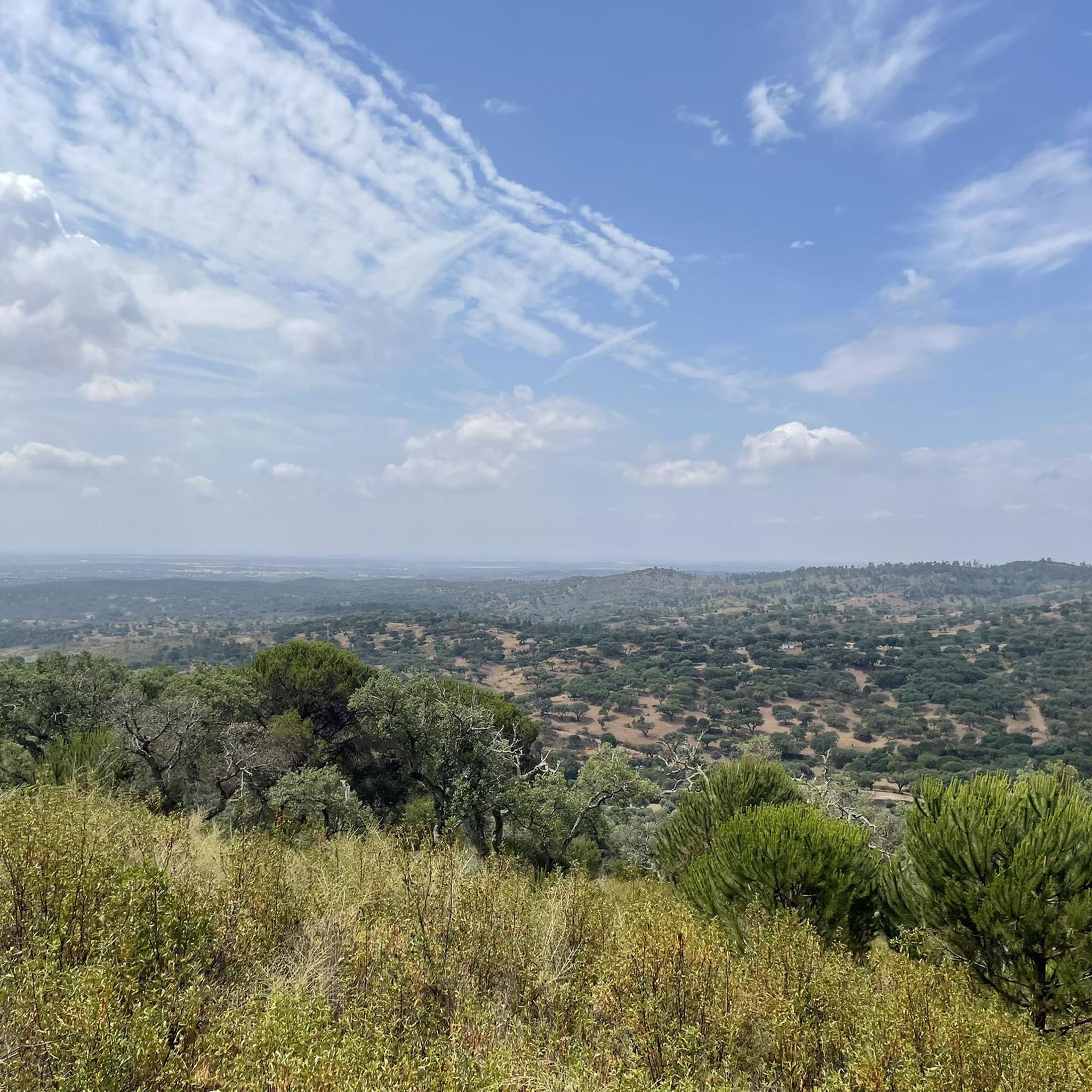
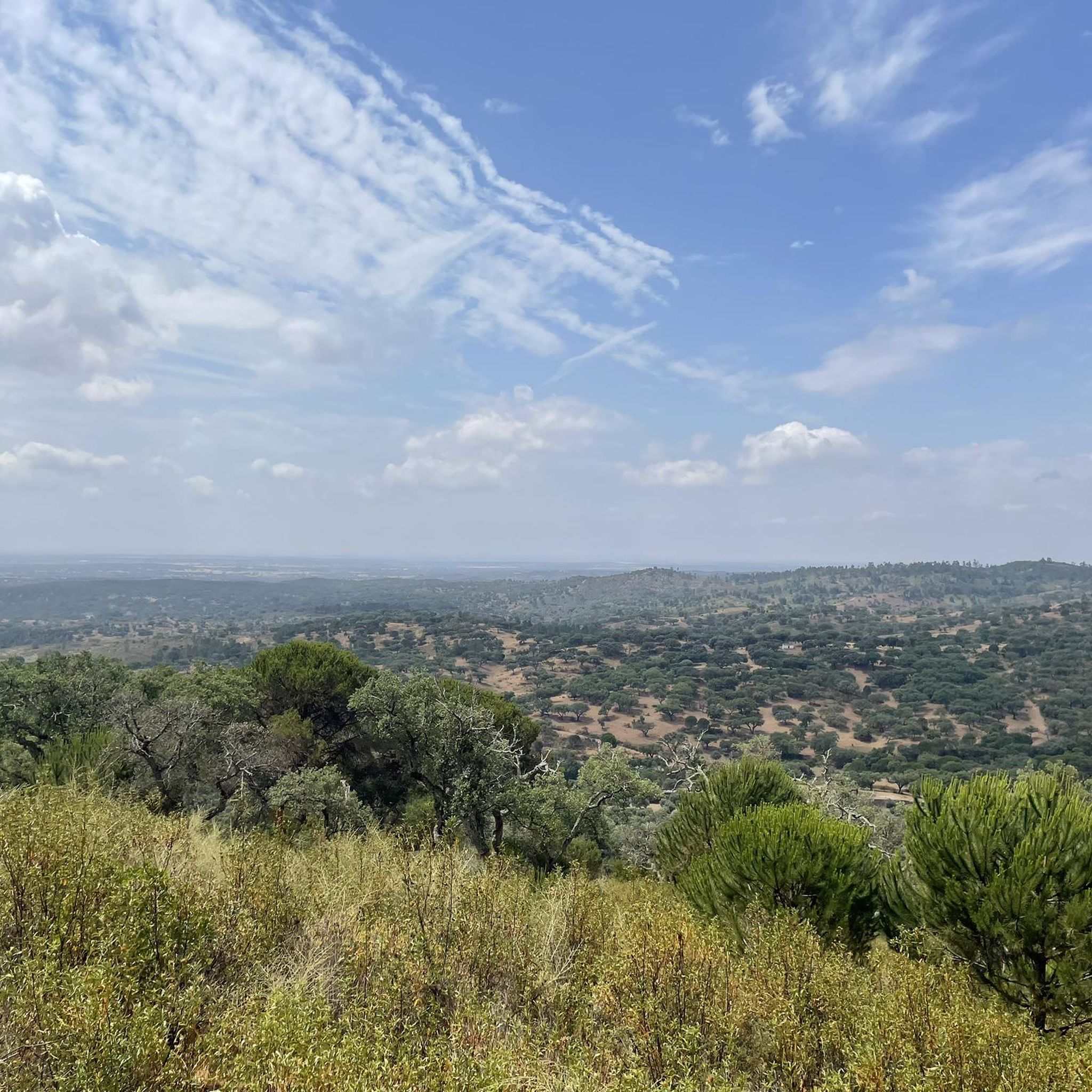
Absolutely. The rolling hills of the Serra d'Ossa region provide numerous opportunities for panoramic views. Routes like the Serra d'Ossa Loop from Rio de Moinhos are specifically noted for their stunning vistas over the surrounding countryside and agricultural landscapes.
What makes the gravel biking experience in Glória unique?
Gravel biking in Glória is defined by the unique combination of the rolling hills of the Alentejo, the challenging climbs of the Serra d'Ossa, and extensive vineyard landscapes. The region offers a diverse network of unpaved roads and tracks, allowing riders to explore historical castles and rural scenery away from paved roads.
What are the elevation changes like on Glória's gravel trails?
The gravel trails around Glória are characterized by significant elevation changes, especially in the Serra d'Ossa region. Many routes feature substantial climbs, with some difficult trails gaining over 1,400 meters (4,600 feet) in elevation, providing a challenging workout and rewarding views.
Most popular routes around Glória
Most popular attractions around Glória

Get inspired with the komoot mobile app


Explore more
Browse the best Gravel rides in other regions.
