The 7 Most Amazing Peaks around Loulé (São Sebastião)
Best mountain peaks around Loulé (São Sebastião) are characterized by rolling hills and elevated points rather than towering summits, offering diverse natural features and panoramic vistas. The region's topography provides numerous opportunities for outdoor activities, including hiking trails. These elevated areas offer views encompassing the Algarve's inland landscapes and the Atlantic coast. The highest points in the wider Loulé municipality reach over 470 meters.
Best mountain peaks around Loulé (São Sebastião)
- The most popular mountain peaks is Eira de Agosto…
Last updated: May 3, 2026
Trig Point and Panoramic View at Rocha da Pena
Highlight • Summit
Translated by Google •
Tip by

Arroteia Summit
Highlight • Summit
Translated by Google •
Tip by

Sign up now to discover places like this
Get recommendations on the best single tracks, peaks, & plenty of other exciting outdoor places.
Sign up for free
Eira de Agosto
Highlight • Summit
Translated by Google •
Tip by

Cerro do Guilhim Summit and Viewpoint
Highlight • Summit
Translated by Google •
Tip by

Cepo summit
Highlight • Summit
Translated by Google •
Tip by

Sign up for free to discover even more peaks around Loulé (São Sebastião).
Sign up for free
Already have an account?
Start today with a free account
Your next adventure awaits.
Login or Signup
Tips from the Community

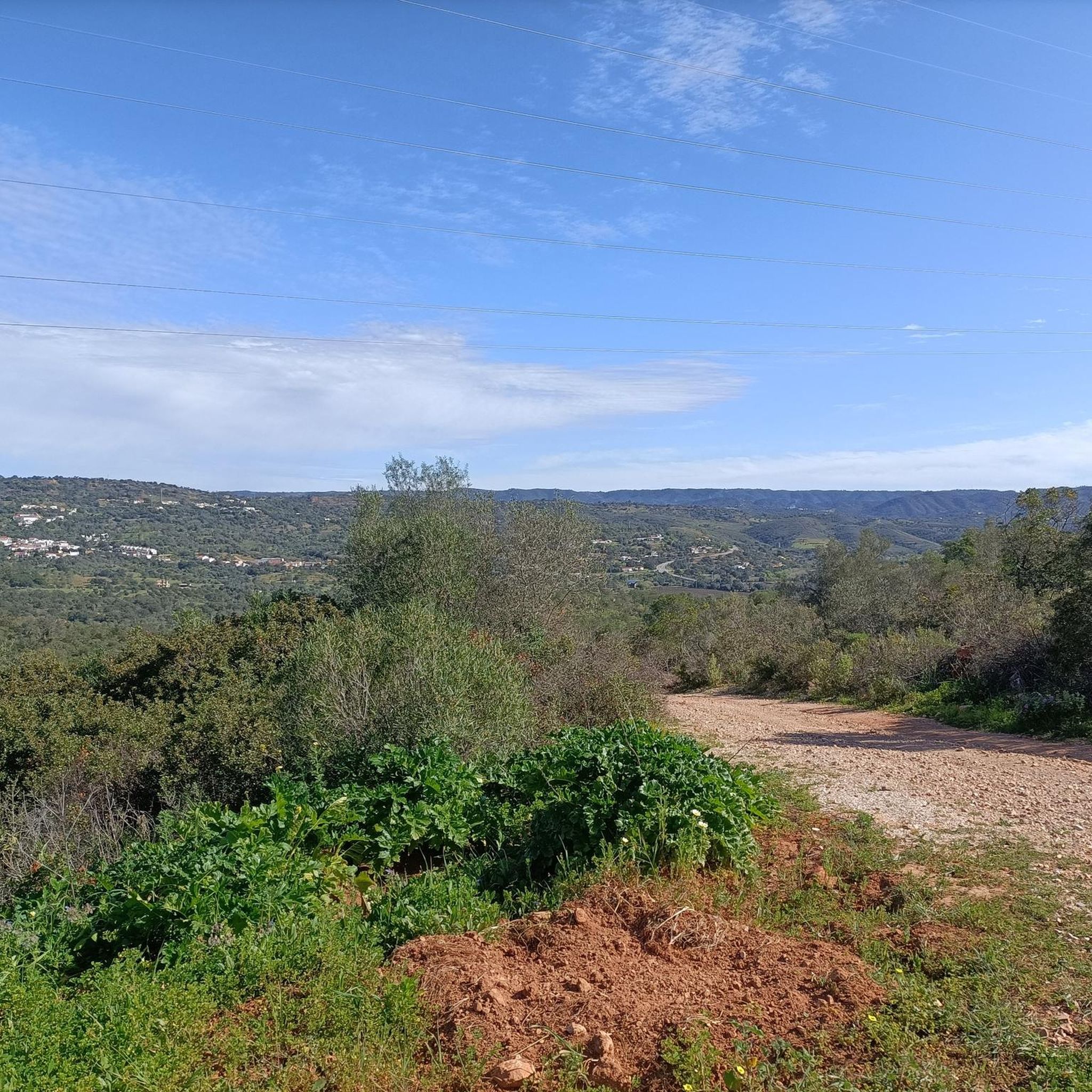
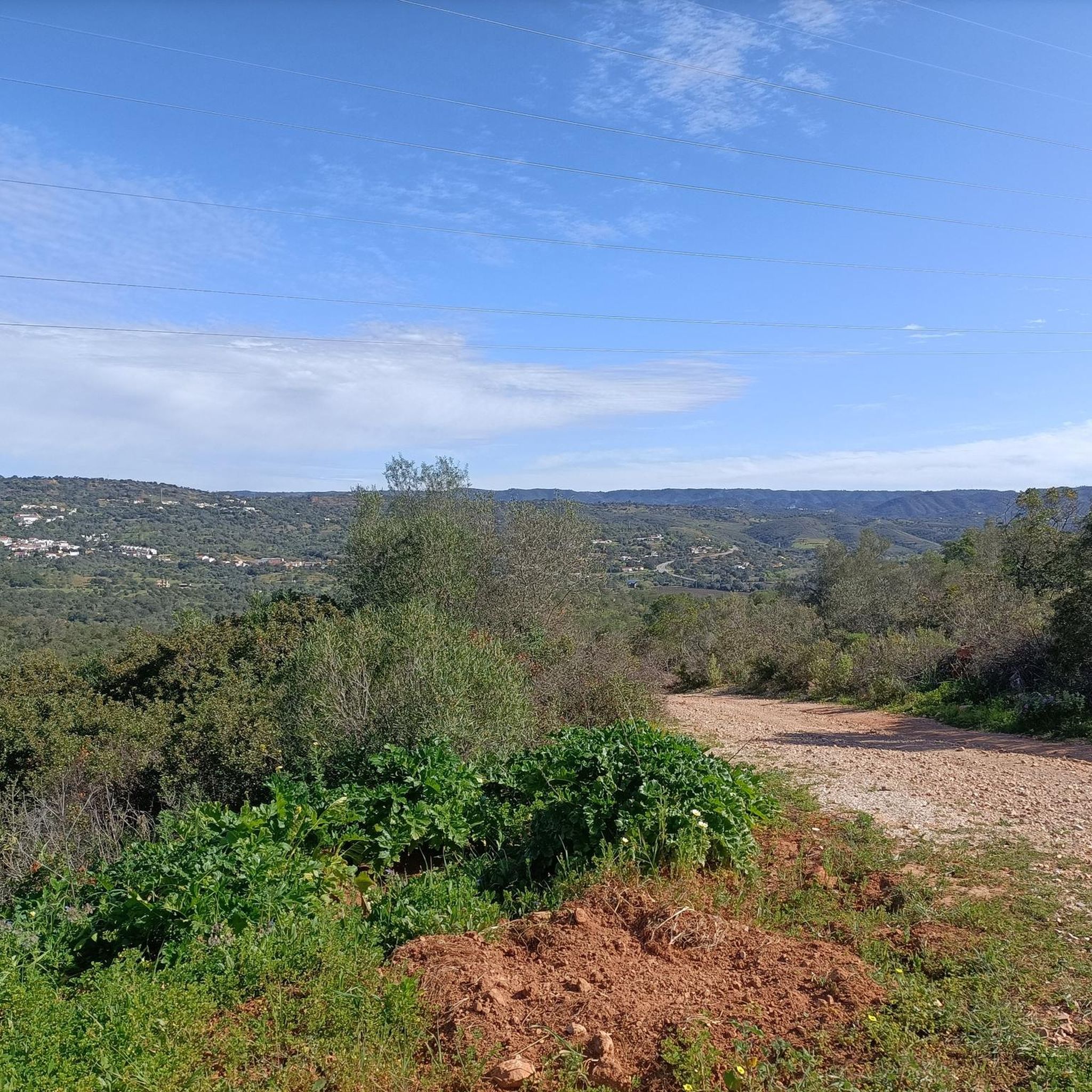
Here, the dirt trail passes the Faranhão mill, almost at the top of Eira de Agosto, over 500 meters above sea level. From here, the view stretches between the mountains and the sea. It's one of those places that calls for a pause and a moment to simply contemplate.
1
0


This measuring point marks the highest point of the Rocha da Pena at 479 metres above sea level. The view is simply fantastic in clear weather and extends southwards to the Atlantic coast.
3
0

Simple hike but superb scenery
0
1
At some point the tour goes through a river bed, which is hardly feasible with just crawling - you should avoid that somehow. Otherwise very nice views
0
0

The Cepo peak, 458 m, can be reached on farm roads. Here is a concrete block on the summit, a transmitter and a viewing platform. The cork oaks grow around the summit, the processing of the cork oaks takes place via the farm roads.
1
0

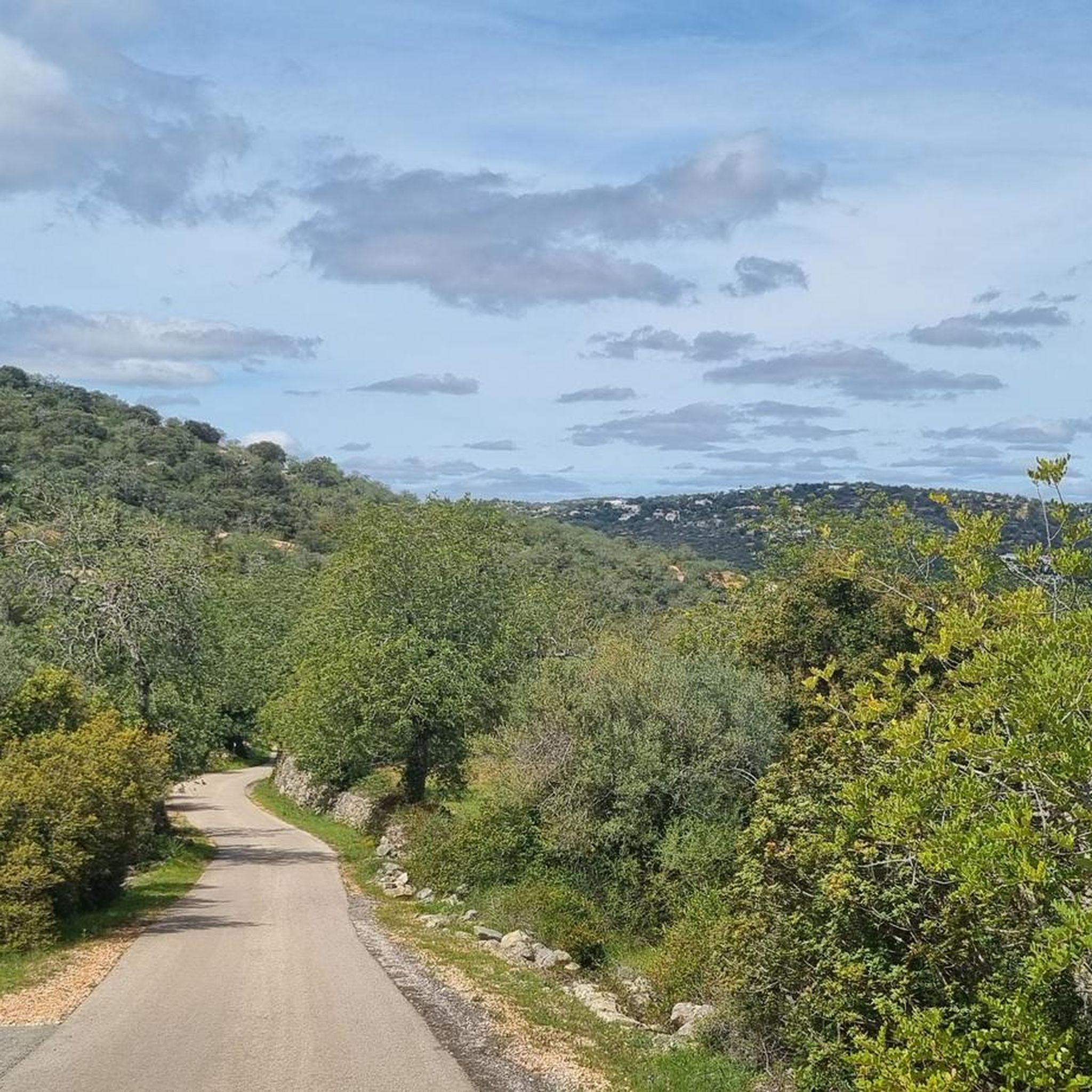
The Arroteia is 390 meters high and there is a summit marker at the top. There is no direct view here. Here the path is the goal, from which there are sufficient prospects.
0
0
Frequently Asked Questions
What are some of the most popular elevated points or peaks to visit around Loulé (São Sebastião)?
Among the most appreciated elevated points are Eira de Agosto, which offers views stretching between the mountains and the sea, and Cerro do Guilhim Summit and Viewpoint, known for its very nice panoramic views. Another significant spot is the Trig Point and Panoramic View at Rocha da Pena, marking the highest point of Rocha da Pena at 479 meters above sea level, with clear views to the Atlantic coast.
What kind of views can I expect from the elevated points in Loulé (São Sebastião)?
From the elevated points around Loulé (São Sebastião), you can expect extensive panoramic views. These often encompass a wide expanse of the Algarve, including coastal towns like Albufeira, Vilamoura, and Quarteira, as well as the Atlantic Ocean. Inland, you'll see rolling hills, traditional Barrocal landscapes, and diverse natural features.
Are there good hiking trails near the peaks in Loulé (São Sebastião)?
Yes, the region offers numerous opportunities for hiking. For example, the area around Rocha da Pena features well-marked trails with varying levels of difficulty, providing spectacular panoramic views. You can find more options in the Hiking around Loulé (São Sebastião) guide, which includes routes like the 'Pinhal das Colinas de Tôr – Fonte de São Sebastião loop'.
What natural features can I discover around the elevated areas of Loulé (São Sebastião)?
The elevated areas are rich in natural features. Rocha da Pena, for instance, is a geological monument known for its impressive diversity of fauna and flora, including carob, wild olive, and holm oak trees, and rare plants like the Narcissus calcícola. The area also hosts various bird species, including birds of prey. The general landscape features rolling hills and typical Barrocal vegetation.
What is the highest point in the Loulé (São Sebastião) area?
Within the parish of São Sebastião, the most elevated point is Cerro de Cabeça de Câmara. In the wider Loulé municipality, the highest point is Talefe, located at Rocha da Pena, reaching 479 meters of altitude. The Eira de Agosto summit is also notable, reaching over 500 meters above sea level.
Are there any historical or cultural sites near the elevated points?
Yes, Rocha da Pena holds historical significance with archaeological evidence of Iron Age defensive walls and caves, such as the Algar dos Mouros, one of the Algarve's largest karst galleries. Exploring these areas can offer insights into the region's past.
What is the best time to visit the peaks and elevated areas in Loulé (São Sebastião)?
The best time to visit is generally during the spring (March to May) and autumn (September to November) months. During these periods, the weather is milder and more pleasant for outdoor activities like hiking, and the natural landscape is often at its most vibrant. Summers can be very hot, making longer hikes challenging.
Are there family-friendly options for exploring the elevated landscapes?
Many of the rolling hills and countryside trails offer moderate elevation gains, making them suitable for families. Routes like parts of the 'Pinhal das Colinas de Tôr – Fonte de São Sebastião loop' are considered easy and provide a chance to enjoy nature without extreme difficulty. Always check specific trail details for suitability.
What other outdoor activities can I do near these elevated points?
Besides hiking, the region around Loulé (São Sebastião) is excellent for various cycling activities. You can find guides for MTB Trails around Loulé (São Sebastião) and Gravel biking around Loulé (São Sebastião), offering routes that traverse the picturesque landscapes and provide different challenges.
What makes Rocha da Pena a unique place to visit?
Rocha da Pena is unique due to its combination of geological significance, rich biodiversity, and historical elements. It's a captivating limestone ridge with diverse flora and fauna, impressive rock walls, and archaeological sites. The panoramic views from its peak, Talefe, over the Barrocal landscape towards the sea are also a major draw for nature lovers and hikers.
What should I wear when hiking in the Loulé (São Sebastião) mountain areas?
It's advisable to wear comfortable, layered clothing suitable for varying temperatures, especially if hiking during cooler months or at higher elevations. Sturdy hiking shoes with good grip are essential, as trails can be uneven. Don't forget sun protection, such as a hat and sunscreen, and carry plenty of water, especially during warmer periods.
Where can I find more information about the Rocha da Pena trail?
For more detailed information about the Rocha da Pena trail, including its features and what to expect, you can visit the official tourism website: visitalgarve.pt.
Most popular routes around Loulé (São Sebastião)
Most popular attractions around Loulé (São Sebastião)

Get inspired with the komoot mobile app


Explore more
See even more amazing summits around Loulé (São Sebastião) with these guides:
